
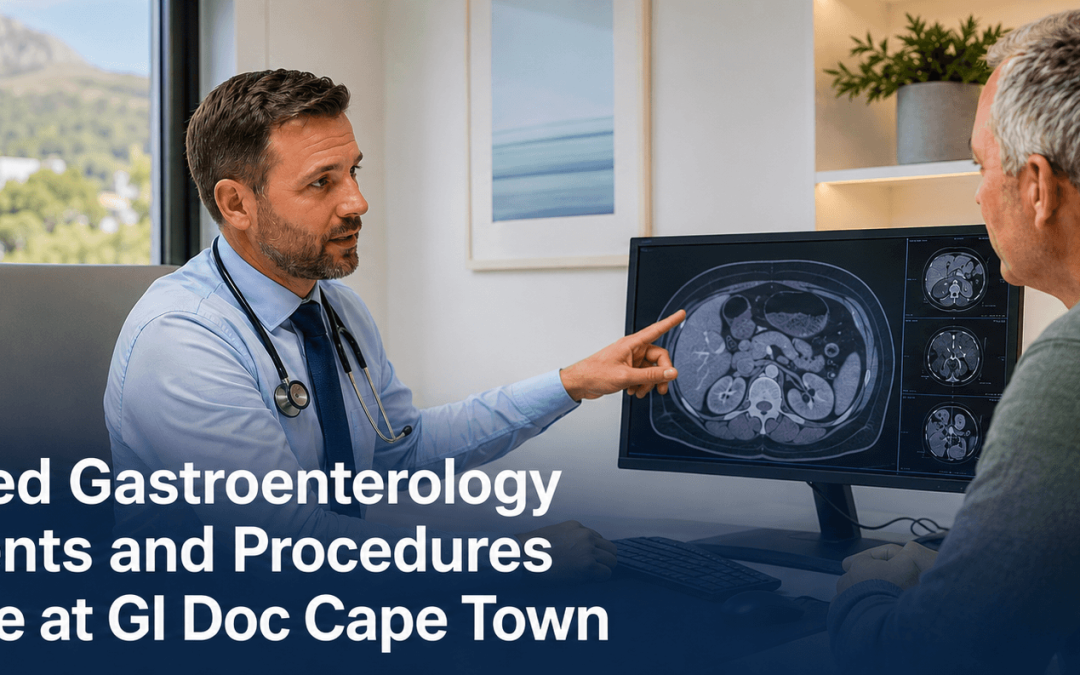
Digestive symptoms are common, but they should not be ignored when they persist, recur, or begin to affect daily life. Persistent abdominal pain, rectal bleeding and unexplained weight loss can be warning signs of conditions that require specialist assessment. Other symptoms, including chronic heartburn, difficulty swallowing, bloating, prolonged diarrhoea, a change in bowel habits, jaundice or unexplained iron-deficiency anaemia, may also need investigation. Modern gastroenterology combines careful clinical assessment with advanced endoscopic procedures to identify the cause, treat selected problems and reduce the risk of complications.
At GI Doc Cape Town, Dr Eduan Deetlefs provides patient-focused care for gastrointestinal and liver-related conditions. He has a particular interest in inflammatory bowel disease (IBD) and iron-deficiency anaemia caused by obscure gastrointestinal bleeding. His services include diagnostic and therapeutic endoscopy, small-bowel investigation, colorectal cancer prevention and advanced interventional procedures.
Why Specialist Gastroenterology Care Matters
The digestive system includes the oesophagus, stomach, small intestine, colon, liver, gallbladder, pancreas and bile ducts. Because disorders in these organs can produce similar symptoms, the cause is not always obvious from symptoms alone. A gastroenterologist evaluates the full clinical picture, including the patient’s history, examination findings, blood tests, imaging and, where appropriate, endoscopy.
Early assessment is especially important when symptoms suggest gastrointestinal bleeding, bowel inflammation, obstruction or cancer. Procedures are selected according to the patient’s symptoms and risk factors; not every patient needs every test. In many cases, an endoscopic procedure can provide a diagnosis, obtain biopsies and deliver treatment during the same session.
Gastroscopy for Upper Digestive Symptoms
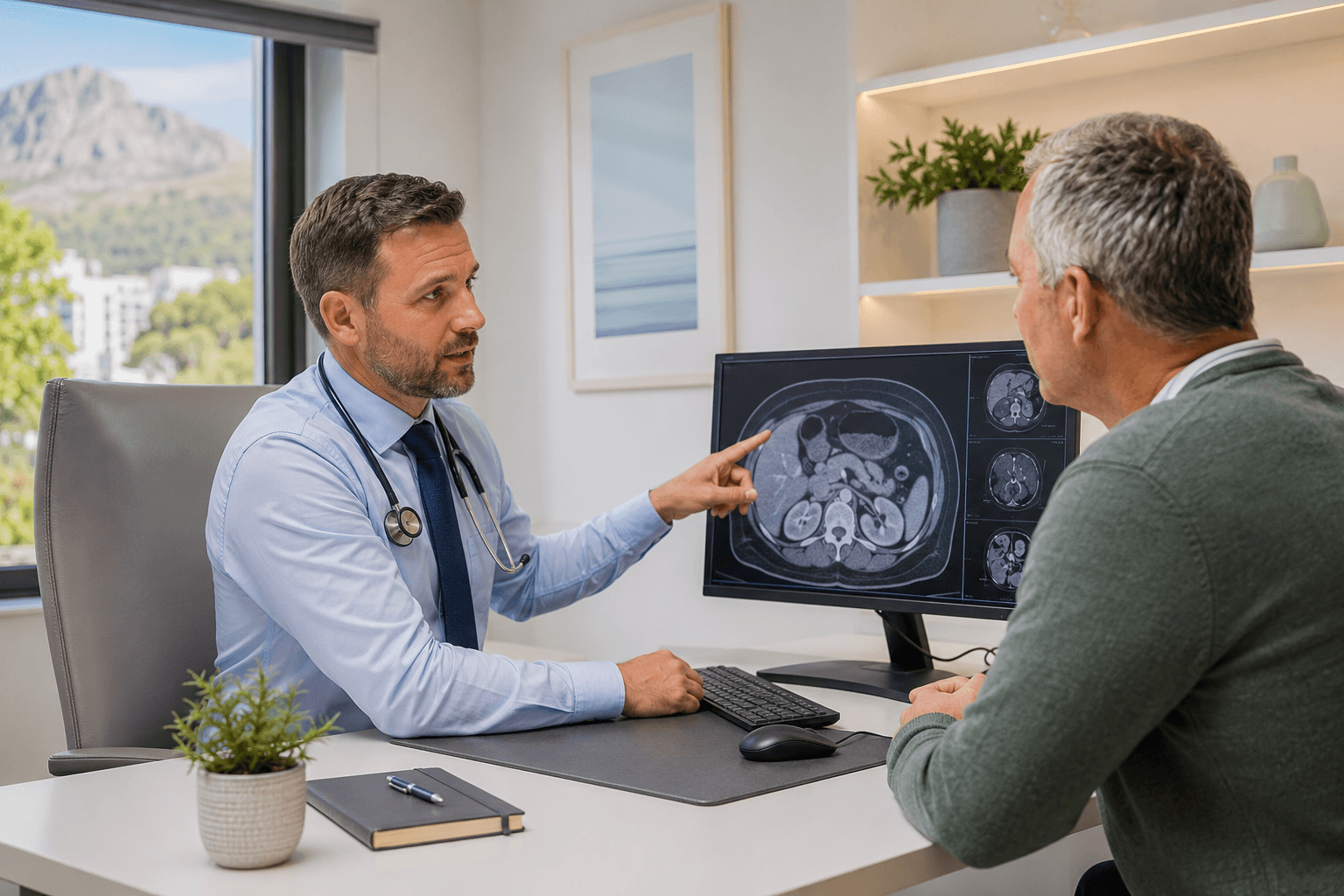
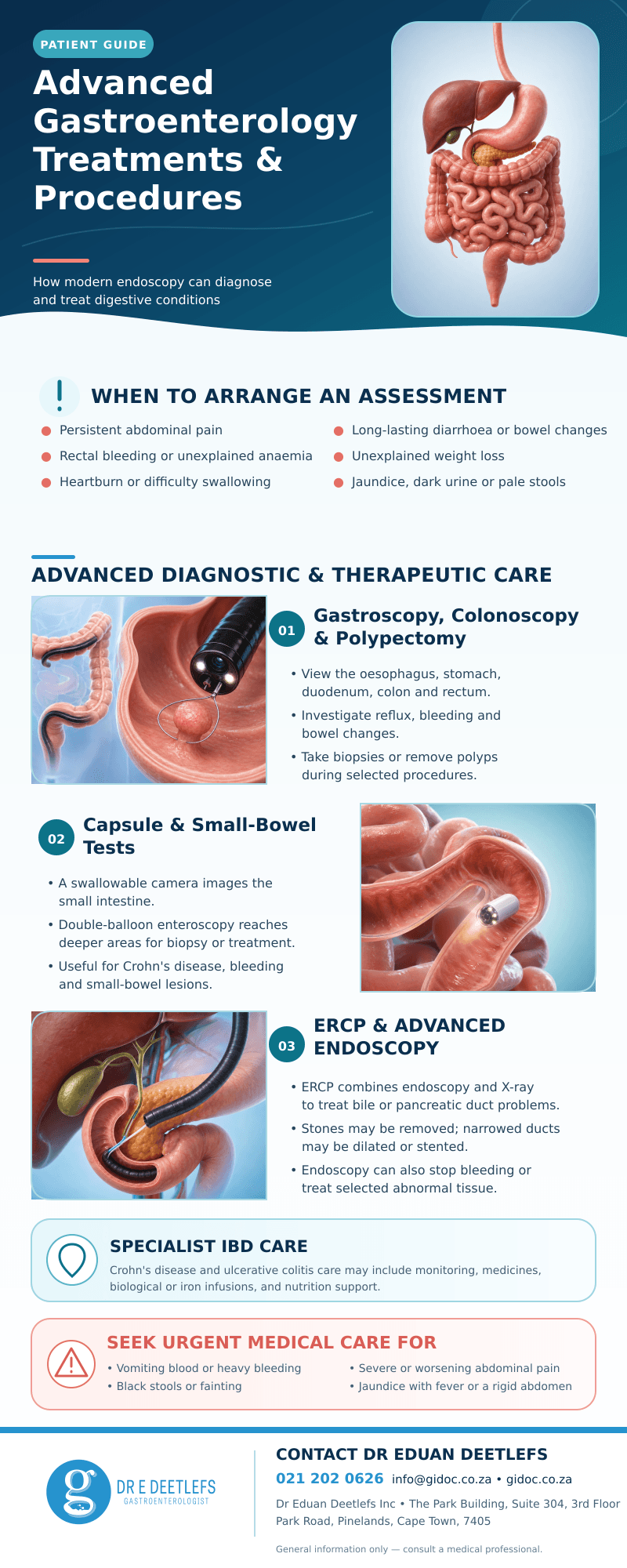
A gastroscopy examines the oesophagus, stomach and duodenum using a thin, flexible camera passed through the mouth. It may be recommended for persistent reflux, upper abdominal pain, nausea or vomiting, difficulty swallowing, suspected ulcers, unexplained anaemia or signs of upper gastrointestinal bleeding.
The procedure can identify inflammation, ulcers, narrowing, coeliac disease, Barrett’s oesophagus and certain upper gastrointestinal cancers. Small tissue samples can be taken for laboratory analysis. Depending on the finding, treatment may also be performed, such as controlling a bleeding lesion or dilating a stricture. Patients with reflux-related cell changes may need surveillance or treatment because Barrett’s oesophagus can increase the risk of oesophageal cancer.
Colonoscopy, Cancer Prevention and Polypectomy
A colonoscopy allows the lining of the colon and rectum to be examined directly. It is used to investigate rectal bleeding, persistent diarrhoea, changes in bowel habits, unexplained anaemia and suspected IBD. It also plays an important role in colorectal cancer screening, even when a person has no symptoms.
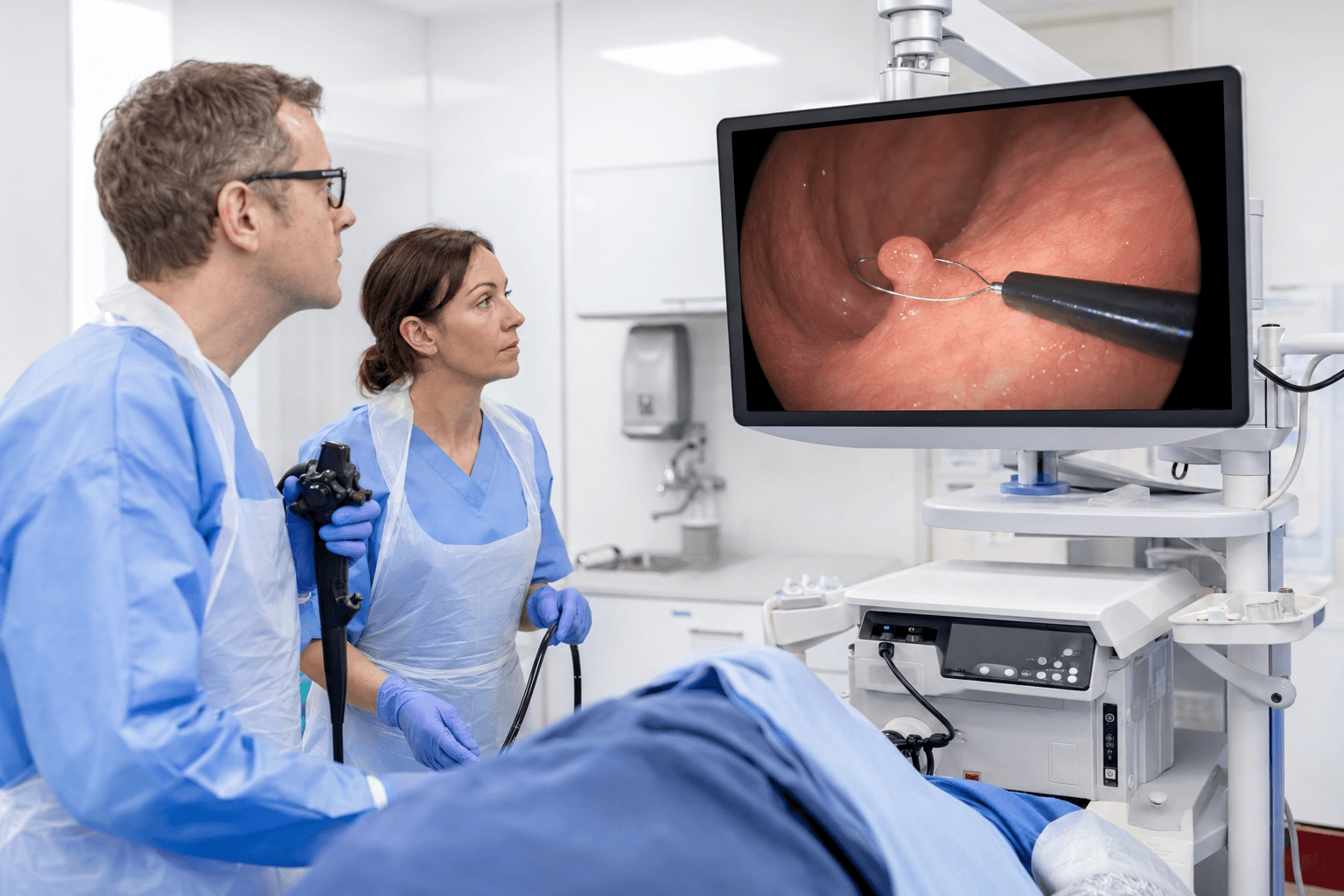
One of the main advantages of colonoscopy is that polyps can often be removed during the examination. Many polyps are benign, but some types may become cancerous over time. A polypectomy interrupts this progression by removing abnormal tissue before it develops into cancer. Dr Deetlefs also performs endoscopic mucosal resection (EMR) for selected large, flat or complex lesions. These techniques may avoid more extensive surgery, although the safest approach depends on the lesion’s size, position and features.
Capsule Endoscopy and Double-Balloon Enteroscopy
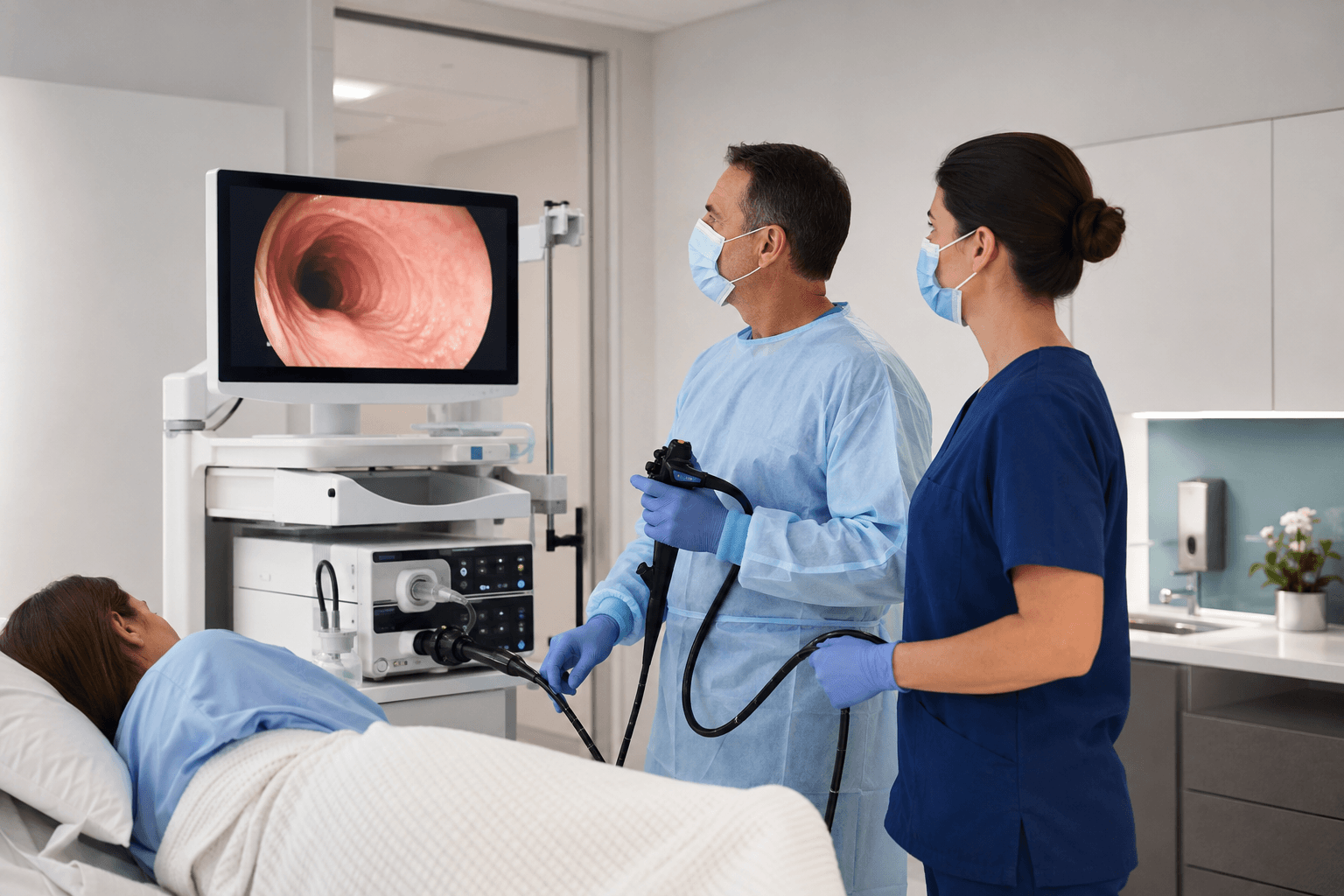
The small intestine is difficult to examine fully with a standard gastroscopy or colonoscopy. Capsule endoscopy uses a swallowable camera to record images as it travels through the digestive tract. It is particularly useful when Crohn’s disease or a small-bowel source of blood loss is suspected after initial investigations have not found the cause. The test can identify ulcers, abnormal blood vessels and growths, but the capsule cannot take a biopsy or provide treatment. Patients with possible narrowing or obstruction need careful assessment because the capsule may become retained.
If capsule images reveal an abnormality, or if a deeper examination is needed, double-balloon enteroscopy can reach sections of the small bowel that conventional endoscopy cannot. It may be used to take biopsies, treat bleeding, remove selected polyps, or dilate a stricture. The United States National Institute of Diabetes and Digestive and Kidney Diseases provides further patient information about diagnosing gastrointestinal bleeding, including the role of capsule endoscopy.
ERCP for Bile Duct and Pancreatic Duct Disorders
Endoscopic retrograde cholangiopancreatography (ERCP) combines endoscopy with X-ray imaging to access the bile and pancreatic ducts. It is most often used when treatment is likely to be needed, for example to remove bile duct stones, relieve an obstruction, widen a narrowing or insert a stent.
Symptoms that may prompt investigation include jaundice, dark urine, pale stools, fever with upper abdominal pain or abnormal liver tests. ERCP can provide rapid relief when a duct is blocked, but it is a specialised procedure with recognised risks, including pancreatitis, bleeding, infection and perforation. Dr Deetlefs will assess whether ERCP is appropriate and explain the expected benefits, alternatives and risks.
Stricture Dilatation, Stents and Barrett’s Treatment
Inflammation, scarring, long-standing reflux or cancer can narrow part of the gastrointestinal tract. A stricture may cause food to stick, difficulty swallowing, vomiting, pain or signs of bowel obstruction. Endoscopic dilatation gently widens selected narrowed areas. In some situations, an oesophageal, gastric or duodenal stent may be placed to keep the passage open and improve swallowing or the movement of digestive contents.
For selected patients with Barrett’s oesophagus and abnormal cell changes, endoscopic mucosal resection or ablation may remove or destroy affected tissue. Ongoing reflux management and surveillance remain important because treatment and follow-up are tailored to the biopsy results and the degree of dysplasia.
Specialist Care for Inflammatory Bowel Disease
Crohn’s disease and ulcerative colitis are chronic inflammatory conditions that may cause diarrhoea, bleeding, abdominal pain, fatigue, weight loss and nutritional deficiencies. Management may include endoscopy, imaging, laboratory monitoring, medicines, biological therapy and nutritional or iron support.
Dr Deetlefs provides ongoing IBD assessment and treatment planning, including an in-room infusion service for biological therapies and intravenous iron. He is also associated with Spoke Research Inc, a clinical trial centre focused on biological studies in IBD. The goal is not only to control symptoms, but also to monitor inflammation, prevent complications and support long-term quality of life.
When to Seek Prompt Medical Help
Arrange a medical assessment for persistent digestive symptoms, recurring bleeding, unexplained anaemia, difficulty swallowing or an ongoing change in bowel habits. Seek urgent medical care for vomiting blood, passing a large amount of blood, black tar-like stools, severe or worsening abdominal pain, a rigid or swollen abdomen, fainting, or jaundice accompanied by fever. Online information cannot replace an examination and an individual diagnosis.
Conclusion
Advanced gastroenterology allows many digestive conditions to be investigated accurately and, in selected cases, treated without major surgery. The right procedure depends on the symptoms, medical history and findings from the initial consultation. Early specialist assessment can clarify the cause of ongoing symptoms, support timely treatment and reduce avoidable complications.
Patients in Cape Town who are experiencing persistent abdominal pain, reflux, rectal bleeding, difficulty swallowing, unexplained anaemia, weight loss or changes in bowel habits can contact Dr Eduan Deetlefs Inc to arrange an assessment.
Practice: Dr Eduan Deetlefs Inc | Telephone: 021 202 0626
Address: The Park Building (opposite Life Vincent Pallotti Hospital), Suite 304, 3rd Floor, Park Road, Pinelands, Cape Town, 7405
Email: info@gidoc.co.za
Website: www.gidoc.co.za
DISCLAIMER: PLEASE READ CAREFULLY
The information on this website is to provide general guidance. In no way does any of the information provided reflect definitive medical advice and self-diagnoses should not be made based on information obtained online. It is important to consult a Gastroenterologist or medical doctor regarding ANY and ALL symptoms or signs including, but not limited to: abdominal pain, haemorrhoids or anal / rectal bleeding as it may a sign of a serious illness or condition. A thorough consultation and examination should ALWAYS be performed for an accurate diagnosis and treatment plan. Be sure to call a physician or call our office today and schedule a consultation.
GIDoc Cape Town

Patient-focused GI treatments and procedures in Cape Town.
Monday-Friday 8AM-4PM.
Connect with Us

© Dr. Eduan Deetlefs, Registered Gastroenterologist, GI Doc Cape Town
Our website information is not intended or implied to be a substitute for professional medical advice, diagnosis or treatment. Please consult a doctor about your specific condition. Only a trained physician can determine an accurate diagnosis and proper treatment.