
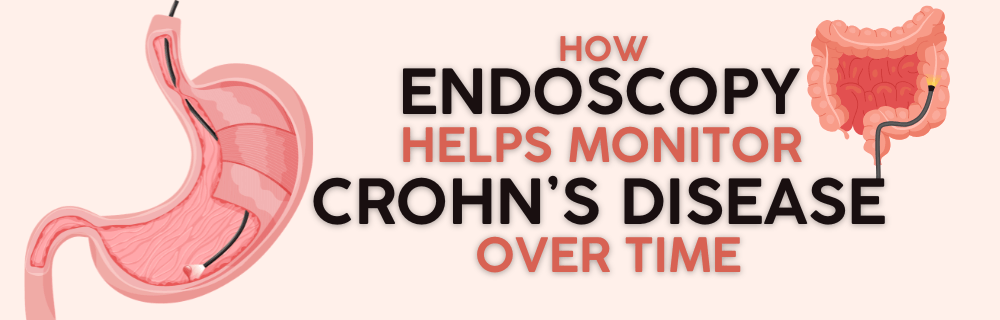
Crohn’s disease, endoscopy, and long-term monitoring are essential components in effectively managing this chronic and often unpredictable inflammatory bowel disease (IBD). While many patients focus on symptoms such as abdominal pain, diarrhoea, fatigue, and weight loss, these do not always reflect what is happening inside the digestive tract.
Crohn’s disease can silently progress even when symptoms seem mild or controlled. This makes accurate and ongoing monitoring critical. Endoscopy provides a direct and detailed view of the gastrointestinal tract, allowing gastroenterologists to assess inflammation, evaluate healing, detect complications early, and guide treatment decisions over time.
For patients under the care of specialists such as Dr. Deetlefs, endoscopy is not just a diagnostic tool—it is a cornerstone of long-term disease management aimed at achieving sustained remission and preventing complications.
Understanding Crohn’s Disease and Why Monitoring Matters
Crohn’s disease is a chronic inflammatory condition that can affect any part of the gastrointestinal tract, although it most commonly involves the small intestine and colon. It is characterised by an abnormal immune response that leads to ongoing inflammation of the bowel lining.
The disease typically follows a relapsing-remitting pattern:
- Flare-ups: Periods of active inflammation and symptoms
- Remission: Periods where symptoms improve or disappear
However, symptom relief does not always mean the disease is under control. In many cases, inflammation persists at a microscopic level, continuing to damage the bowel over time.
If left unmonitored, Crohn’s disease can lead to:
- Strictures (narrowing of the bowel)
- Fistulas (abnormal connections between organs)
- Abscesses (collections of infection)
- Malnutrition and nutrient deficiencies
- Increased risk of hospitalisation or surgery
This is why regular monitoring—particularly through endoscopy—is essential.
What Is Endoscopy?
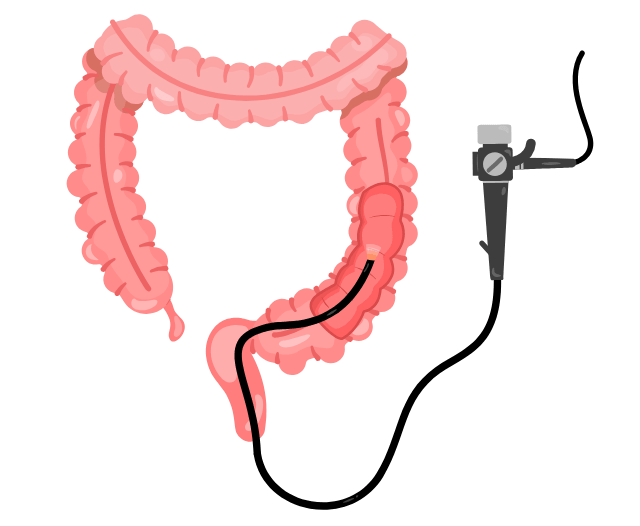
Endoscopy refers to a group of procedures that use a thin, flexible tube with a camera and light source to examine the inside of the digestive tract in real time.
Common types of endoscopy used in Crohn’s disease include:
- Colonoscopy – examines the colon and terminal ileum
- Gastroscopy (upper endoscopy) – examines the oesophagus, stomach, and upper small intestine
- Capsule endoscopy – a swallowable camera that captures images of the small bowel
These procedures allow doctors to directly visualise inflammation, assess disease severity, and obtain tissue samples (biopsies) for further analysis.

Why Endoscopy Is Crucial for Monitoring Crohn’s Disease
Endoscopy provides insights that cannot be obtained through symptoms or blood tests alone.
- Direct Visualisation of Inflammation
Endoscopy allows gastroenterologists to see:
- Redness and swelling of the bowel lining
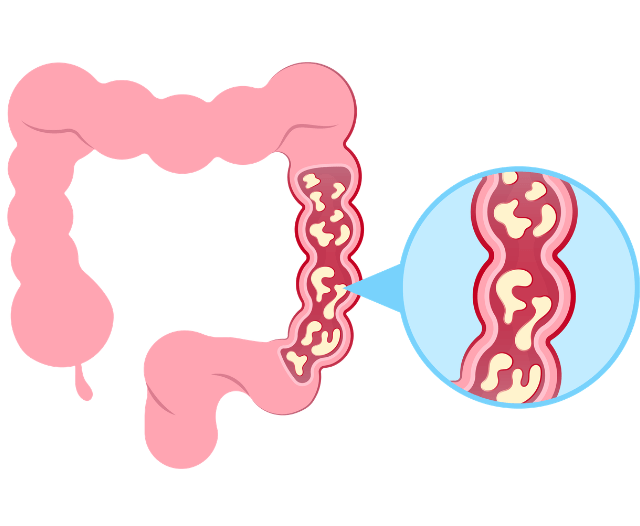
- Ulcers and erosions
- Bleeding areas
- Patterns of inflammation
This direct visual evidence helps determine how active the disease is and where it is located.
- Detecting Silent Inflammation
A key challenge in Crohn’s disease is that symptoms do not always match disease activity.
Patients may feel relatively well but still have ongoing inflammation that can lead to complications. This is known as subclinical or silent inflammation.
Endoscopy helps detect this early, allowing treatment to be adjusted before damage progresses.
- Assessing Mucosal Healing
Modern Crohn’s disease management focuses on achieving mucosal healing, where the bowel lining appears normal on endoscopy.
Mucosal healing is associated with:
- Fewer disease flare-ups
- Reduced need for hospitalisation
- Lower risk of surgery
- Improved long-term outcomes
Endoscopy is currently the most reliable method to confirm mucosal healing.

When Is Endoscopy Recommended?
Endoscopy is used at different stages of Crohn’s disease:
At Initial Diagnosis
To confirm Crohn’s disease and determine its severity, extent, and location.
After Starting Treatment
To assess how well medications are controlling inflammation.
During Remission
To confirm that inflammation has resolved and healing has occurred.
When Symptoms Change or Worsen
To identify flare-ups or complications such as strictures or fistulas.
The frequency of endoscopy varies depending on the patient’s condition, but regular monitoring is essential for optimal disease control.
Types of Endoscopy Used in Crohn’s Disease Monitoring
Colonoscopy
Colonoscopy remains the gold standard for monitoring Crohn’s disease affecting the colon and terminal ileum.
It allows doctors to:
- Examine the bowel lining in detail
- Identify ulcers and inflammation
- Detect narrowing or scarring
- Take biopsies for microscopic evaluation
IBS vs IBD relevance:
While IBS shows a normal colon, Crohn’s disease reveals clear signs of inflammation or structural damage.
Gastroscopy (Upper Endoscopy)
Although less common, Crohn’s disease can affect the upper gastrointestinal tract.
Gastroscopy helps:
- Detect inflammation in the stomach or duodenum
- Rule out other conditions such as ulcers or gastritis
- Provide a complete assessment of the digestive system
Capsule Endoscopy
Capsule endoscopy is particularly valuable for examining the small intestine, which is difficult to reach with traditional scopes.
Advantages include:
- Non-invasive procedure
- Comprehensive imaging of the small bowel
- Detection of early or subtle disease
It is especially useful when symptoms persist but colonoscopy results are inconclusive.
How Endoscopy Guides Treatment Decisions
Endoscopy plays a central role in the “treat-to-target” approach, where treatment is adjusted based on objective findings rather than symptoms alone.
If inflammation is still present:
- Medication doses may be increased
- Biologic therapies may be introduced or changed
- Additional investigations may be required
If mucosal healing is achieved:
- Current treatment may be continued
- Monitoring intervals may be extended
- Risk of complications is significantly reduced
This personalised approach ensures patients receive the most effective therapy for their disease stage.
Preventing Complications Through Regular Endoscopy
Crohn’s disease can lead to serious complications if not properly monitored.
Endoscopy helps detect:
- Strictures: Narrowing of the bowel that can cause obstruction
- Fistulas: Abnormal connections between organs
- Abscesses: Localised infections
- Pre-cancerous changes: Especially in long-standing disease
Early detection allows for timely intervention, reducing the likelihood of surgery and improving overall outcomes.
Advanced Endoscopic Treatments Offered by Dr. Deetlefs
Endoscopy is not only diagnostic—it can also be therapeutic.
Dr. Deetlefs offers advanced endoscopic procedures such as:
Endoscopic Dilatation of Strictures
- Used to widen narrowed sections of the bowel
- Helps relieve obstruction symptoms
- May delay or avoid the need for surgery
Therapeutic Colonoscopy
- Management of complications
- Biopsy and targeted treatment
- Ongoing surveillance of disease progression
These minimally invasive techniques are a key part of modern Crohn’s disease care.
The Role of Endoscopy in Long-Term Disease Control
Crohn’s disease is a lifelong condition, and long-term monitoring is essential for maintaining control.
Endoscopy helps:
- Track disease progression over time
- Evaluate treatment effectiveness
- Ensure mucosal healing is achieved
- Detect complications early
It is often used alongside:
- Blood tests (CRP, ESR)
- Stool tests (fecal calprotectin)
- Imaging (MRI or CT scans)
Together, these tools provide a comprehensive understanding of disease activity.
Are There Risks Associated with Endoscopy?
Endoscopy is generally safe and well-tolerated.
Potential risks (rare):
- Bleeding after biopsy
- Perforation of the bowel
- Reaction to sedation
Your gastroenterologist will carefully assess your suitability and explain the procedure beforehand. In most cases, the benefits of accurate monitoring far outweigh the risks.
When Should You See a Gastroenterologist?
If you have Crohn’s disease, ongoing specialist care is essential—even during remission.
You should seek medical review if you experience:
- Increased abdominal pain
- Persistent diarrhoea
- Blood in stool
- Unexplained weight loss
- Fatigue
- New or worsening symptoms
Regular follow-up and endoscopic monitoring ensure early intervention and better long-term outcomes.
Conclusion
Endoscopy plays a critical role in monitoring Crohn’s disease over time. By providing direct visualisation of the gastrointestinal tract, it allows gastroenterologists to detect inflammation, confirm healing, and identify complications before they become severe.
When combined with a personalised treatment plan, regular endoscopic monitoring helps patients achieve long-term remission, reduce flare-ups, and improve quality of life.
Under the expert care of a gastroenterologist such as Dr. Deetlefs, endoscopy becomes an essential tool in managing Crohn’s disease effectively and proactively.
GIDoc Cape Town

Patient-focused GI treatments and procedures in Cape Town.
Monday-Friday 8AM-4PM.
Connect with Us

© Dr. Eduan Deetlefs, Registered Gastroenterologist, GI Doc Cape Town
Our website information is not intended or implied to be a substitute for professional medical advice, diagnosis or treatment. Please consult a doctor about your specific condition. Only a trained physician can determine an accurate diagnosis and proper treatment.