

When Festive Indulgence Unmasks Digestive Problems
The festive season is often marked by rich meals, increased alcohol intake, disrupted routines, travel, and heightened stress levels. For many people, mild digestive discomfort during this time is expected and short-lived. However, when symptoms persist well into January, they should not be dismissed as “just holiday excess.”
As a gastroenterologist, Dr. Eduan Deetlefs frequently sees patients who delay seeking medical advice, hoping symptoms will resolve on their own. In reality, post-holiday digestive complaints often reveal underlying gastrointestinal (GI) conditions that require proper investigation. Early evaluation using appropriate GI procedures can lead to accurate diagnosis, timely treatment, and better long-term outcomes.
Taking proactive steps to address digestive symptoms can make a significant difference in both health outcomes and overall quality of life. The new year is the ideal time to prioritise gut health and not ignore warning signs. Addressing symptoms early also helps reduce anxiety and improve confidence in managing health.
Common Post-Holiday Digestive Symptoms That Should Not Be Ignored
While occasional bloating or indigestion is common, persistent or worsening symptoms may indicate a more serious issue. Symptoms that warrant medical attention include:
- Ongoing bloating or abdominal discomfort
- Persistent heartburn or acid reflux
- Nausea or vomiting
- Changes in bowel habits, including diarrhoea or constipation
- Blood in the stool
- Unexplained weight loss
- Fatigue or iron-deficiency anaemia
Many people dismiss these symptoms as minor or temporary but ignoring them can allow underlying issues to progress. It is important to monitor how long these symptoms last, their severity, and whether they are interfering with daily life. If symptoms persist beyond two to three weeks after the holidays, it is time to consult a gastroenterologist for evaluation.
Keeping a symptom diary can be helpful for patients. Recording details such as timing, food intake, stress levels, and bowel changes can provide valuable information for the doctor and assist in determining the most appropriate diagnostic procedures.
Why Digestive Symptoms Persist After the Holidays
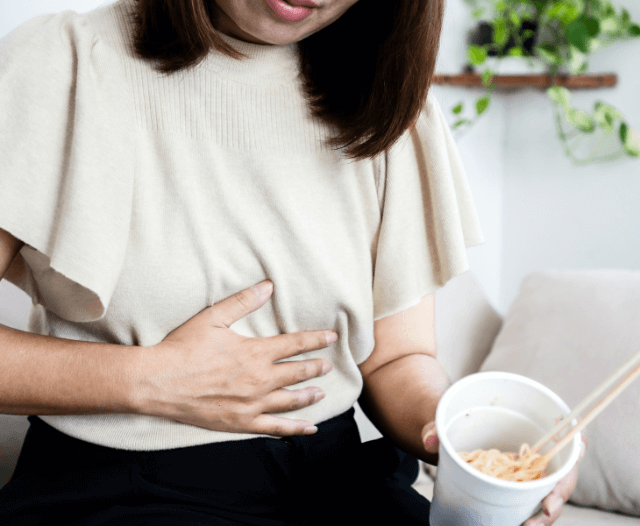
The holidays do not usually cause chronic gastrointestinal disease, but they can expose existing conditions. Increased alcohol consumption, high-fat foods, irregular eating patterns, and stress can aggravate the digestive tract, making symptoms more noticeable.
Underlying conditions that may be unmasked include:
- Gastroesophageal reflux disease (GERD)
- Peptic ulcer disease
- Gastritis or oesophagitis
- Inflammatory bowel disease (Crohn’s disease or ulcerative colitis)
- Colorectal polyps or cancer
- Irritable bowel syndrome (IBS)
- Coeliac disease
Post-holiday digestive symptoms can also be influenced by temporary changes in gut flora caused by dietary shifts. Overindulgence in processed foods and sugar can lead to bloating, discomfort, and irregular bowel movements. Additionally, stress hormones released during busy holiday periods can impact gut motility and exacerbate symptoms of pre-existing conditions.
Hormonal changes and circadian rhythm disruptions from travel and irregular sleep schedules can also contribute to prolonged symptoms. These factors highlight the importance of paying attention to the body’s signals and seeking assessment rather than assuming that discomfort will naturally resolve.
The Role of GI Procedures in Diagnosing Digestive Symptoms
Modern gastroenterology relies on minimally invasive diagnostic procedures that allow direct visualisation of the digestive tract. These procedures not only identify the cause of symptoms but also help guide effective treatment. Using advanced technology, gastroenterologists can precisely diagnose conditions that might otherwise be missed.
Early intervention using these procedures reduces the risk of complications, enables targeted therapy, and can improve overall digestive health. Understanding the procedures, what they entail, and when they are recommended is essential for patients to make informed decisions about their care.
Educating patients on what to expect during these procedures can reduce anxiety and encourage timely attendance. Patients who understand the process are more likely to comply with preparation instructions and achieve optimal results.

Gastroscopy: Investigating Upper Digestive Symptoms
A gastroscopy (upper endoscopy) is used to examine the oesophagus, stomach, and first part of the small intestine. It is commonly recommended for patients experiencing:
- Persistent acid reflux or heartburn
- Upper abdominal pain
- Nausea or vomiting
- Difficulty swallowing
- Unexplained anaemia
During the procedure, a thin, flexible camera is passed through the mouth while the patient is comfortably sedated. Gastroscopy allows Dr. Deetlefs to diagnose conditions such as ulcers, gastritis, oesophagitis, Barrett’s oesophagus, and infection with Helicobacter pylori. Biopsies can be taken painlessly to confirm diagnoses.
Preparation for gastroscopy typically involves fasting for several hours before the procedure. Patients are advised to avoid certain medications, which will be reviewed by Dr. Deetlefs prior to the procedure. Recovery is usually swift, with most patients able to resume normal activities within a day. Clear communication regarding preparation and aftercare enhances patient comfort and procedural success.
Colonoscopy: Evaluating Lower Digestive Symptoms
A colonoscopy examines the entire colon and is essential for patients with:
- Changes in bowel habits
- Chronic diarrhoea or constipation
- Rectal bleeding
- Lower abdominal pain
- Family history of colorectal cancer
Colonoscopy is both a diagnostic and preventive procedure. Polyps can be detected and removed during the same examination, significantly reducing the risk of colorectal cancer. Early identification of inflammatory bowel disease or other pathology allows for prompt treatment before complications develop.
Preparation for a colonoscopy involves a bowel cleansing regimen to ensure the colon is clear for visualisation. Patients are provided with detailed instructions regarding diet and medications in the days leading up to the procedure. Recovery is typically quick, with most people resuming normal activities within 24 hours. Educating patients about the importance of preparation helps ensure a clear view and accurate diagnosis.
The Importance of Endoscopic Biopsies
Biopsies involve taking small tissue samples for microscopic examination and are critical in diagnosing conditions such as:
- Coeliac disease
- Inflammatory bowel disease
- Microscopic colitis
- Infections
- Pre-cancerous or cancerous changes
Biopsies provide diagnostic clarity that imaging tests alone cannot offer. They are essential for confirming diagnoses and determining the most effective treatment strategies for patients. The procedure is minimally invasive and usually painless, providing critical information for long-term gut health management.
When Minimally Invasive Treatment Can Be Done During Endoscopy
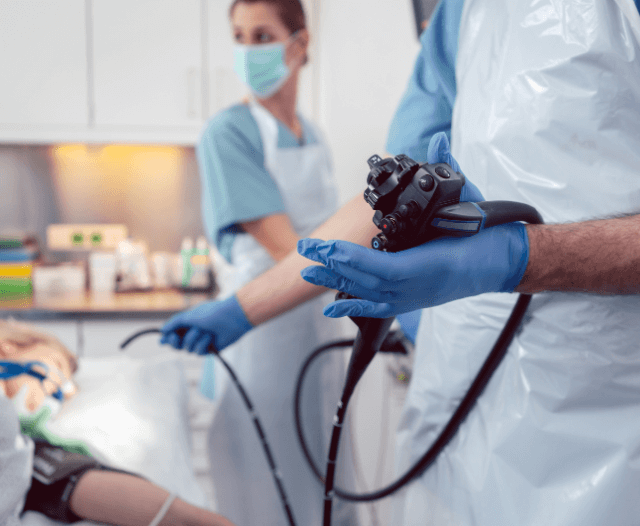
In some cases, diagnosis and treatment can occur during the same procedure. Examples include:
- Removal of colon polyps
- Control of gastrointestinal bleeding
- Dilatation of strictures in conditions such as Crohn’s disease
These interventions can prevent the need for surgery and significantly improve patient outcomes. Minimally invasive treatments also reduce recovery time and minimize complications, making them a preferred approach whenever possible.
Lifestyle Tips to Support Digestive Health
While waiting for procedures or recovering, patients can adopt lifestyle strategies to support gut health:
- Eat smaller, frequent meals and avoid excessive fatty or spicy foods
- Stay hydrated
- Reduce alcohol and caffeine intake
- Manage stress through exercise, meditation, or relaxation techniques
- Maintain a balanced diet rich in fiber, fruits, and vegetables
These measures can help alleviate symptoms and reduce discomfort while underlying conditions are being investigated. Consistent lifestyle adjustments after the holidays can also prevent recurrent symptoms and support long-term digestive wellness.

When Should You See a Gastroenterologist?
You should consider consulting Dr. Eduan Deetlefs if:
- Symptoms persist beyond the festive season
- Symptoms are progressively worsening
- You notice blood in your stool
- You experience unexplained weight loss or fatigue
- There is a family history of GI disease or colorectal cancer
Early consultation allows for targeted investigation and avoids unnecessary delays in diagnosis. Timely evaluation ensures that any conditions are identified and managed before they become more serious. Seeking professional guidance early can also reduce anxiety and improve confidence in managing your health.
Why Early Diagnosis Matters
Delaying investigation of digestive symptoms can lead to complications, disease progression, and reduced quality of life. Early diagnosis through appropriate GI procedures enables:
- More effective and less invasive treatment
- Prevention of complications
- Reduced need for surgery
- Improved long-term digestive health
January is an ideal time to prioritise digestive health and address symptoms that may have been overlooked during the busy holiday period. Being proactive can prevent minor issues from becoming major health concerns. Early detection also opens up options for preventive measures and lifestyle adjustments to improve overall digestive function.

Conclusion: Listen to Your Gut
Ongoing digestive symptoms are not something to normalise or ignore. While festive indulgence may trigger discomfort, persistent symptoms often point to an underlying condition that requires medical attention.
Dr. Eduan Deetlefs, Gastroenterologist, emphasises the importance of early evaluation using evidence-based GI procedures such as gastroscopy and colonoscopy. These tools allow for accurate diagnosis, timely treatment, and peace of mind.
If digestive symptoms have followed you into the new year, it may be time to listen to your gut and seek professional assessment at www.gidoc.co.za. Prioritising digestive health now can set the stage for a healthier, more comfortable year ahead.
GIDoc Cape Town

Patient-focused GI treatments and procedures in Cape Town.
Monday-Friday 8AM-4PM.
Connect with Us

© Dr. Eduan Deetlefs, Registered Gastroenterologist, GI Doc Cape Town
Our website information is not intended or implied to be a substitute for professional medical advice, diagnosis or treatment. Please consult a doctor about your specific condition. Only a trained physician can determine an accurate diagnosis and proper treatment.