

Irritable Bowel Syndrome (IBS) is a chronic gastrointestinal disorder that affects the large intestine, causing symptoms such as abdominal pain, bloating, cramping, diarrhea, and constipation.
While IBS can be a challenging condition to manage, dietary modifications play a crucial role in alleviating symptoms and improving the quality of life.
This detailed guide covers various dietary tips and strategies to help manage IBS effectively.
Understanding IBS and Its Triggers
What is IBS?
IBS is a functional gastrointestinal disorder with a spectrum of symptoms that can vary greatly between individuals.
The exact cause of IBS is unknown, but it is believed to involve a combination of factors, including abnormal gut motility, heightened pain sensitivity, and altered gut-brain communication.
Common Triggers:
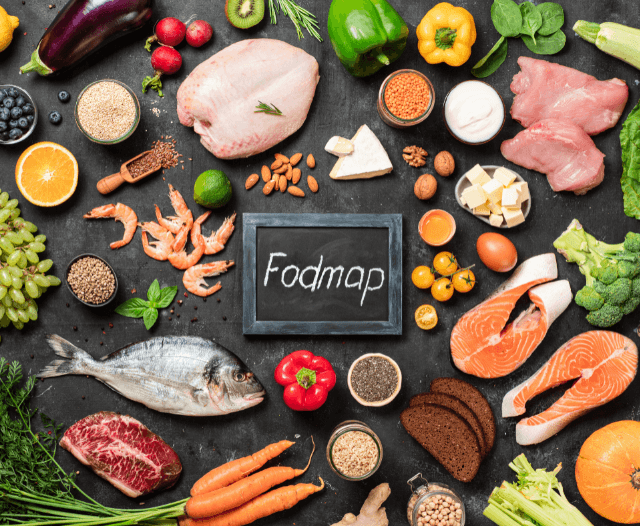
- FODMAPs: Fermentable Oligosaccharides, Disaccharides, Monosaccharides, and Polyols are short-chain carbohydrates that are poorly absorbed in the small intestine.They can cause symptoms like gas, bloating, and diarrhea.
Common high-FODMAP foods include certain fruits (e.g., apples, pears), vegetables (e.g., onions, garlic), legumes, dairy products, and sweeteners like sorbitol.
- Gluten: Some individuals with IBS may experience symptom relief by avoiding gluten, a protein found in wheat, barley, and rye. This is particularly relevant for those with non-celiac gluten sensitivity.
- Lactose: Lactose intolerance is common among those with IBS. Symptoms can be triggered by consuming dairy products containing lactose, such as milk, cheese, and ice cream.
- Fatty Foods: High-fat foods, including fried items, fatty meats, and creamy sauces, can exacerbate IBS symptoms by altering gut motility.
- Caffeine and Alcohol: Both can irritate the gastrointestinal tract and exacerbate symptoms.
- Artificial Sweeteners: Sweeteners like sorbitol, mannitol, and xylitol, often found in sugar-free gum and candy, can cause digestive distress.
Dietary Strategies for Managing IBS
- Low-FODMAP Diet:
The low-FODMAP diet is one of the most effective dietary interventions for managing IBS. It involves three phases:
- Elimination Phase: Remove all high-FODMAP foods from the diet for 4-6 weeks.
- Reintroduction Phase: Gradually reintroduce high-FODMAP foods one at a time to identify specific triggers.
- Personalization Phase: Develop a long-term eating plan that avoids identified triggers while including safe foods.
Tips for Success:
- Work with a registered dietitian to ensure nutritional adequacy.
- Keep a detailed food and symptom diary.
- Be patient; it may take time to identify specific triggers.
- Incorporate Soluble Fiber:
Soluble fiber helps regulate bowel movements and can reduce diarrhea.
Good sources include:
- Oats
- Barley
- Psyllium husk
- Fruits like bananas, oranges, and berries
- Vegetables like carrots and sweet potatoes
Caution: Increase fiber intake gradually to avoid bloating and gas.
- Stay Hydrated:
Adequate hydration is essential for digestive health. Aim to drink at least 8 glasses of water a day. Avoid excessive consumption of caffeinated and sugary beverages, which can exacerbate symptoms.
- Eat Smaller, More Frequent Meals:
Large meals can overwhelm the digestive system and trigger symptoms. Instead, opt for smaller, more frequent meals throughout the day to ease digestion.
- Practice Mindful Eating:
- Eat Slowly: Chew food thoroughly to aid digestion.
- Avoid Eating on the Go: Sit down and relax during meals.
- Listen to Your Body: Pay attention to hunger and fullness cues.
- Limit Caffeine and Alcohol:
Both caffeine and alcohol can irritate the gastrointestinal tract. Limit or avoid these substances to prevent symptom flare-ups.
- Include Probiotics:
Probiotics can help balance gut bacteria and improve symptoms. Look for strains like Bifidobacterium and Lactobacillus, which have been shown to be beneficial for IBS. Probiotics can be found in:
- Certain yogurts
- Fermented foods like kefir, sauerkraut, and kimchi
- Probiotic supplements
- Identify and Avoid Food Sensitivities:
- Gluten-Free Diet: Some people with IBS benefit from a gluten-free diet. This involves eliminating all sources of gluten, including wheat, barley, and rye.
- Lactose-Free Diet: For those with lactose intolerance, avoiding or limiting dairy products and choosing lactose-free alternatives can help manage symptoms.
- Avoid Gas-Producing Foods:
Certain foods are known to produce gas and can exacerbate bloating and discomfort.
These include:
- Beans and legumes
- Carbonated beverages
- Cruciferous vegetables like broccoli, cauliflower, and Brussels sprouts
- Onions and garlic (also high-FODMAP foods)
- Consider Herbal Teas:
Some herbal teas can soothe the digestive tract and alleviate symptoms. Peppermint tea, in particular, has been shown to reduce abdominal pain and bloating.

Additional Tips for Managing IBS
- Regular Physical Activity: Exercise can help regulate bowel movements and reduce stress, both of which are beneficial for managing IBS.
- Stress Management: Stress can exacerbate IBS symptoms. Incorporate stress-reducing activities such as yoga, meditation, and deep-breathing exercises into your daily routine.
- Get Adequate Sleep: Poor sleep can worsen IBS symptoms. Aim for 7-8 hours of quality sleep each night.
- Avoid Smoking: Smoking can irritate the gastrointestinal tract and worsen symptoms.

Working with Healthcare Professionals
Managing IBS often requires a multidisciplinary approach. Consider consulting the following professionals:
- Gastroenterologist: To diagnose and manage IBS, rule out other conditions, and provide medical treatment if necessary.
- Dietitian: To develop a personalized diet plan, ensure nutritional adequacy, and guide you through dietary interventions like the low-FODMAP diet.
- Mental Health Professional: To address stress, anxiety, or depression, which can impact IBS symptoms.
Supplements and Alternative Therapies
While dietary changes are central to managing IBS, some supplements and alternative therapies may also be beneficial:
- Fiber Supplements: Psyllium husk supplements can help those who struggle to get enough fiber from food alone.
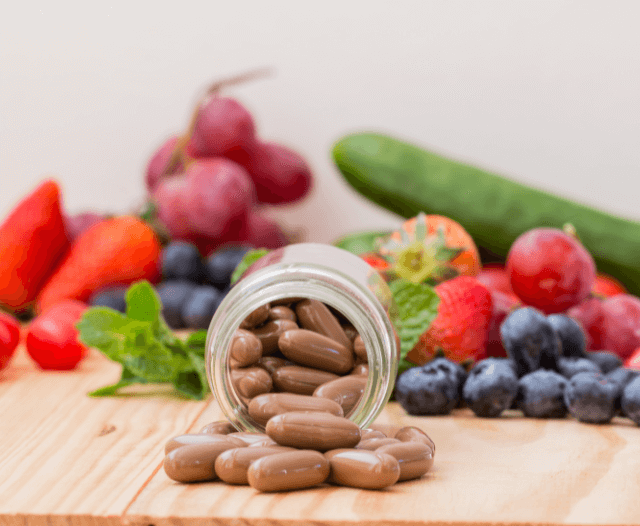
- Peppermint Oil: Enteric-coated peppermint oil capsules can help reduce abdominal pain and bloating. However, consult with a healthcare provider before starting any new supplement.
- Digestive Enzymes: For individuals with specific food intolerances, digestive enzyme supplements can help break down problematic foods.
- L-Glutamine: This amino acid may help repair and maintain the gut lining, potentially reducing symptoms in some IBS sufferers.
- Acupuncture: Some studies suggest that acupuncture can help reduce IBS symptoms by improving gut motility and reducing pain perception.
Recipes and Meal Planning
Implementing dietary changes can be challenging, but having a collection of IBS-friendly recipes and a meal plan can make it easier. Here are some meal ideas:
Breakfast:
- Overnight Oats: Combine oats with lactose-free milk or a milk alternative, chia seeds, and low-FODMAP fruits like blueberries.
- Smoothies: Blend spinach, lactose-free yogurt, a banana, and a handful of strawberries for a nutrient-packed breakfast.
Lunch:
- Quinoa Salad: Mix cooked quinoa with diced bell peppers, cucumbers, and a low-FODMAP dressing.
- Turkey Lettuce Wraps: Fill large lettuce leaves with lean ground turkey, shredded carrots, and a drizzle of tamari sauce.
Dinner:
- Baked Salmon: Serve with a side of steamed carrots and mashed potatoes.
- Chicken Stir-Fry:Use chicken breast, bok choy, bell peppers, and gluten-free soy sauce over rice.
Snacks:
- Rice Cakes with Peanut Butter: Spread a thin layer of natural peanut butter on rice cakes.
- Low-FODMAP Fruits: Enjoy fruits like kiwi, grapes, and oranges.
Tracking Progress and Adjusting the Diet
Managing IBS is an ongoing process that requires regular monitoring and adjustments.
Keep a food and symptom diary to track your progress and identify any new triggers. Periodically review your diet with a healthcare professional to ensure it remains balanced and effective.
Key Points to Track:
- Foods Eaten: Note everything consumed, including ingredients and portion sizes.
- Symptoms Experienced: Record any digestive symptoms, their severity, and duration.
- Other Factors: Note stress levels, sleep quality, and physical activity, as these can influence IBS symptoms.

Conclusion
Managing IBS through diet involves understanding and avoiding triggers, adopting a low-FODMAP approach, incorporating soluble fiber, and practicing mindful eating habits.
Each individual with IBS is unique, and what works for one person may not work for another.
It’s essential to be patient and work closely with healthcare professionals to develop a personalized management plan.
With the right strategies and support, many individuals can significantly reduce symptoms and lead a more comfortable, fulfilling life.
Contact Dr. Deetlefs
Dr. Deetlefs has earned the reputation of a trusted health expert providing consultative, diagnostic, and therapeutic endoscopic and related services to patients in Cape Town and beyond.
Dr. Deetlefs can be contacted to confirm the estimated breakdown should you be interested in having the procedure done.
GIDoc Cape Town

Patient-focused GI treatments and procedures in Cape Town.
Monday-Friday 8AM-4PM.
Connect with Us

© Dr. Eduan Deetlefs, Registered Gastroenterologist, GI Doc Cape Town
Our website information is not intended or implied to be a substitute for professional medical advice, diagnosis or treatment. Please consult a doctor about your specific condition. Only a trained physician can determine an accurate diagnosis and proper treatment.