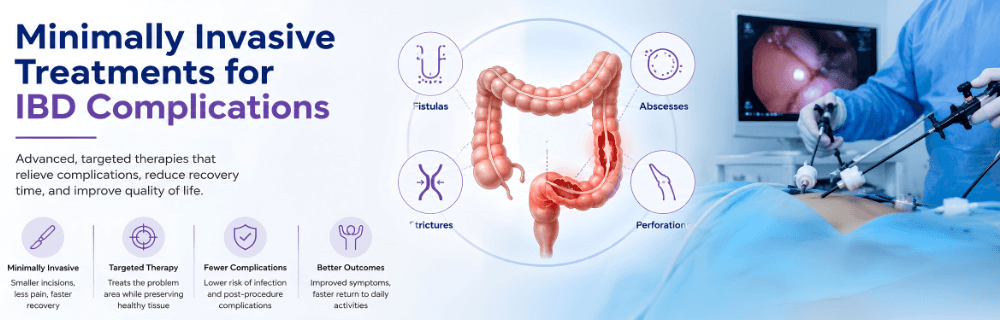
Minimally Invasive Treatments for IBD Complications
Inflammatory bowel disease (IBD), including Crohn’s disease and ulcerative colitis, is a chronic inflammatory condition that affects millions of people worldwide. While many patients manage their symptoms with medication and lifestyle adjustments, IBD can sometimes lead to serious complications requiring specialised intervention. Historically, surgery was often the primary solution for severe complications, but advances in modern gastroenterology now offer a range of minimally invasive treatments that can effectively manage many IBD-related problems while reducing recovery time and preserving bowel function.
At GI Doc Cape Town, Dr Eduan Deetlefs provides advanced endoscopic and minimally invasive procedures for patients living with Crohn’s disease and ulcerative colitis. Through early diagnosis, ongoing monitoring, therapeutic endoscopy, and modern biologic therapies, many patients can now avoid major surgery and maintain a better quality of life.
Understanding IBD Complications
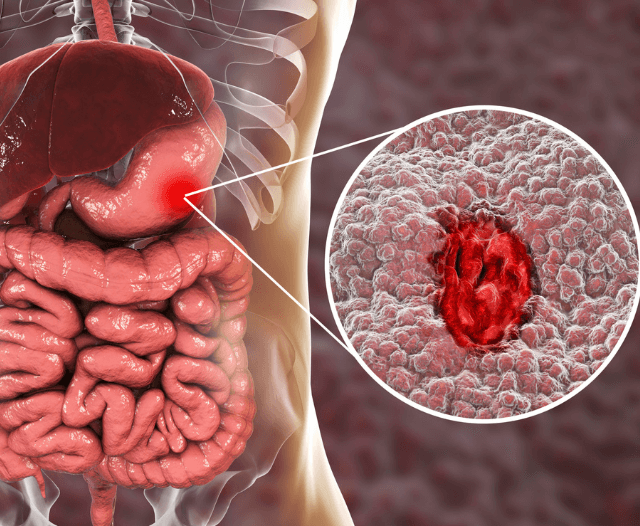
IBD causes chronic inflammation within the digestive tract. Over time, repeated inflammation can damage the intestinal lining and surrounding tissues, leading to complications that extend beyond routine digestive symptoms.
Common IBD complications include:
- Intestinal strictures (narrowing of the bowel)
- Fistulas
- Gastrointestinal bleeding
- Abscesses
- Malnutrition
- Bowel obstruction
- Severe inflammation
- Colon polyps and increased colorectal cancer risk
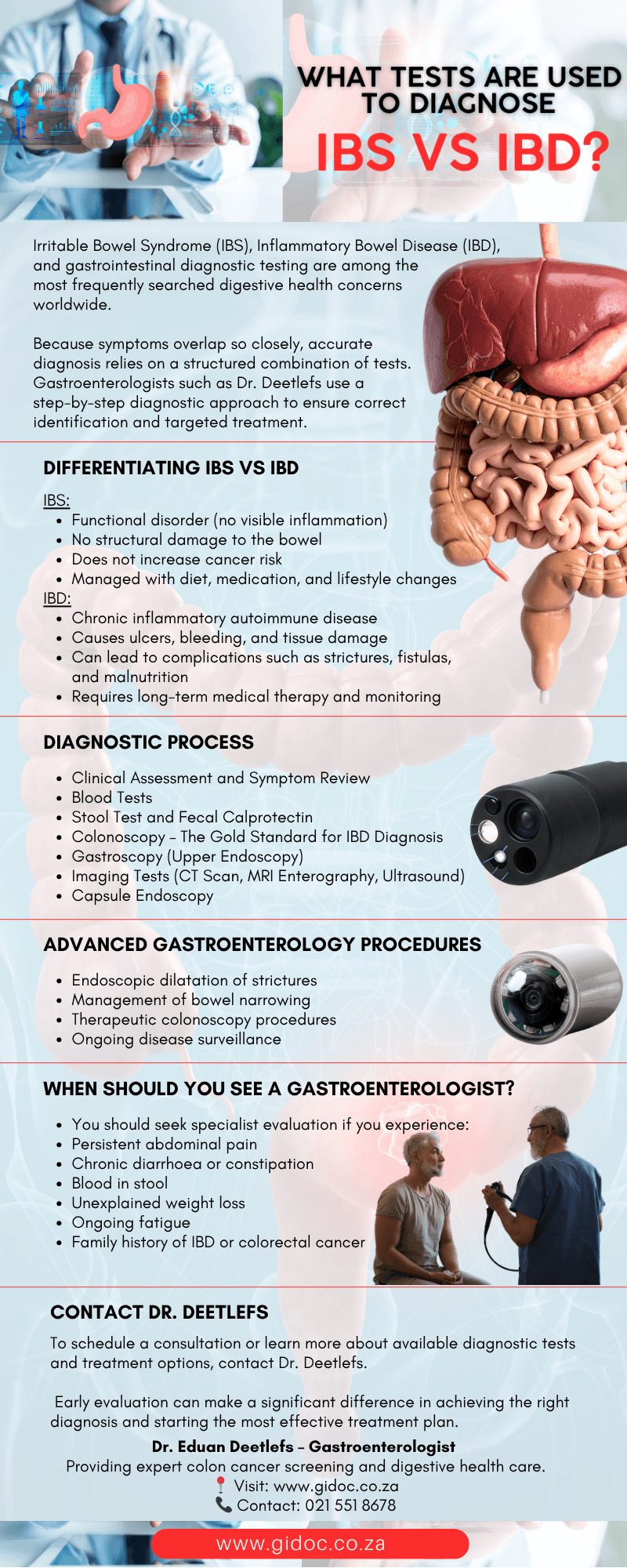
These complications may develop gradually and sometimes continue progressing even when symptoms appear mild. This is why regular monitoring by a gastroenterologist is essential.
Early Detection Through Advanced Endoscopy
One of the greatest advances in IBD management is the ability to detect complications early using minimally invasive imaging and endoscopic technology.
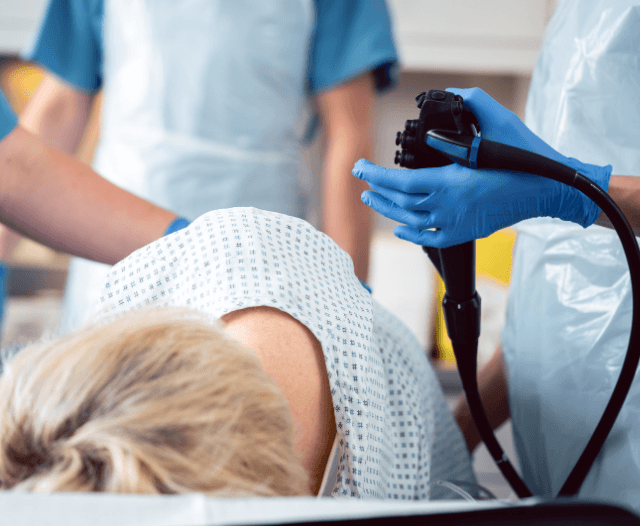
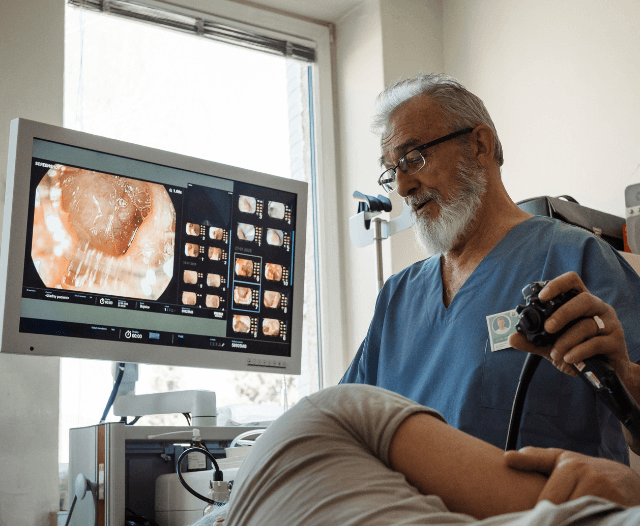
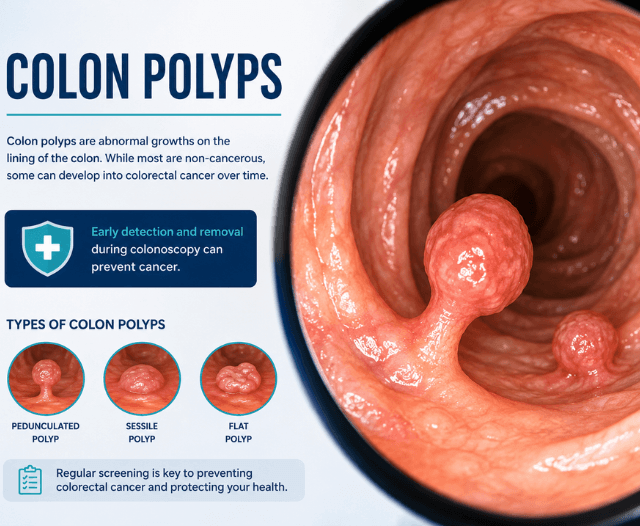
Colonoscopy remains one of the most important tools in monitoring Crohn’s disease and ulcerative colitis. It allows direct visualisation of inflammation, ulcers, strictures, bleeding, and precancerous changes within the colon.
Dr Deetlefs performs advanced colonoscopy procedures to monitor disease progression, assess treatment response, and identify complications before they become severe.
Patients with IBD often require repeated monitoring over time because disease activity may change even when symptoms improve.
Minimally Invasive Treatment for Intestinal Strictures
One of the most common complications of Crohn’s disease is the development of strictures. Chronic inflammation can lead to scar tissue formation that narrows sections of the intestine, making it difficult for food and waste to pass through normally.
Symptoms of strictures may include:
- Abdominal pain
- Bloating
- Nausea
- Vomiting
- Constipation
- Bowel obstruction
Traditionally, many strictures required surgery. Today, endoscopic balloon dilatation offers a minimally invasive alternative for selected patients.

Endoscopic Balloon Dilatation
During this procedure, a specialised balloon is inserted through the endoscope and gently expanded within the narrowed section of the intestine. This stretches the scar tissue and improves bowel function without requiring surgical removal of bowel segments.
Benefits of endoscopic dilatation include:
- Avoiding or delaying surgery
- Faster recovery
- Reduced hospital stay
- Preservation of bowel length
- Improved symptom relief
Dr Deetlefs offers dilatation of GI strictures as part of his advanced therapeutic endoscopy services for IBD patients experiencing narrowing of the digestive tract.
Managing Gastrointestinal Bleeding with Therapeutic Endoscopy
Inflammation, ulcers, and tissue damage caused by IBD can sometimes result in gastrointestinal bleeding. In severe cases, bleeding may lead to anaemia, fatigue, dizziness, and hospitalisation.
Therapeutic endoscopy allows gastroenterologists to identify and treat bleeding sources directly during the procedure.
Advanced endoscopic haemostasis techniques may include:
- Injection therapy
- Thermal coagulation
- Endoscopic clips
- Argon plasma coagulation
These minimally invasive approaches can often stop bleeding immediately without requiring open surgery.
Dr Deetlefs has a special interest in obscure gastrointestinal bleeding and provides advanced diagnostic and therapeutic procedures to evaluate bleeding throughout the digestive tract.
Capsule Endoscopy for Small Bowel Crohn’s Disease
Crohn’s disease frequently affects the small intestine, an area that is difficult to evaluate using standard colonoscopy or gastroscopy.
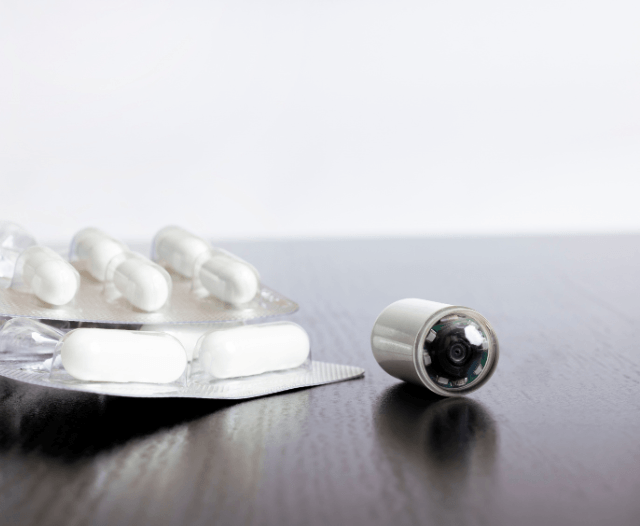
Capsule endoscopy has revolutionised the investigation of small bowel disease. Patients swallow a small capsule containing a miniature camera that captures thousands of images as it travels through the digestive tract.
Capsule endoscopy helps detect:
- Small bowel ulcers
- Hidden bleeding
- Early Crohn’s disease
- Inflammation beyond the reach of colonoscopy
- Small intestinal lesions
This non-invasive procedure allows earlier diagnosis and more precise monitoring of Crohn’s disease activity.
At GI Doc Cape Town, capsule endoscopy forms part of a comprehensive approach to evaluating complex or unexplained gastrointestinal symptoms in IBD patients.

Double-Balloon Enteroscopy: Reaching the Small Intestine
When deeper access to the small bowel is required, double-balloon enteroscopy may be recommended.
This advanced procedure uses specialised balloons attached to the endoscope to navigate further into the small intestine than conventional scopes can reach.
Double-balloon enteroscopy may be used to:
- Investigate obscure bleeding
- Take biopsies
- Treat small bowel lesions
- Dilate strictures
- Remove polyps
- Confirm capsule endoscopy findings
Because Crohn’s disease often affects areas beyond the reach of standard endoscopy, this minimally invasive technique plays an important role in advanced IBD care.
Preventing Surgery Through Biologic Therapy
One of the most important developments in IBD treatment has been the introduction of biologic therapies.
Biologic medications target specific components of the immune system responsible for intestinal inflammation. By controlling inflammation early and effectively, biologics may reduce the risk of complications such as strictures, fistulas, hospitalisation, and surgery.
Patients receiving biologic therapy often experience:
- Reduced flare-ups
- Improved symptom control
- Better mucosal healing
- Fewer hospital admissions
- Improved long-term outcomes
Dr Deetlefs provides biologic therapy administration and ongoing monitoring through an in-room infusion centre at GI Doc Cape Town. This allows patients to receive comprehensive care in a specialised gastroenterology setting.

Endoscopic Removal of Precancerous Polyps
Patients with long-standing ulcerative colitis or Crohn’s colitis may have an increased risk of colorectal cancer due to chronic inflammation.
Routine surveillance colonoscopy is therefore essential in long-term IBD management.
Advanced endoscopic techniques allow gastroenterologists to identify and remove abnormal tissue before cancer develops.
Endoscopic Mucosal Resection (EMR)
EMR is a minimally invasive procedure used to remove large or abnormal polyps from the gastrointestinal tract during endoscopy.
Benefits include:
- Avoiding invasive surgery
- Early cancer prevention
- Faster recovery
- Accurate tissue diagnosis
Dr Deetlefs performs advanced therapeutic endoscopy procedures including polypectomy and EMR for patients requiring colorectal surveillance.
Managing Nutritional Complications in IBD
IBD can affect nutrient absorption, particularly when inflammation involves the small intestine. Patients may develop:
- Iron deficiency anaemia
- Vitamin deficiencies
- Weight loss
- Fatigue
- Protein malnutrition
In severe cases, intravenous iron therapy may be necessary to restore iron levels and improve energy.
GI Doc Cape Town offers intravenous iron infusions as part of comprehensive IBD care, helping patients manage fatigue and nutritional deficiencies associated with chronic inflammation.
The Importance of Ongoing Monitoring
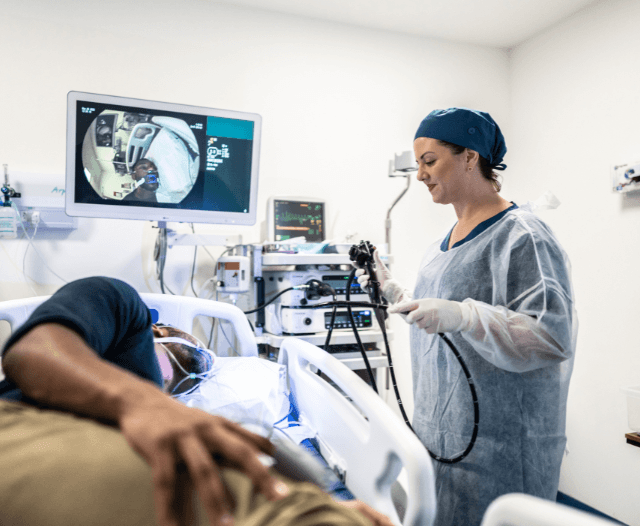
IBD is a lifelong condition that requires continuous monitoring even during periods of remission.
Modern gastroenterology now focuses not only on symptom relief but also on achieving mucosal healing and preventing long-term complications.
Regular monitoring may include:
- Colonoscopy
- Gastroscopy
- Capsule endoscopy
- Blood tests
- Imaging studies
- Biologic therapy assessments
Through proactive monitoring, complications can often be identified and treated before surgery becomes necessary.
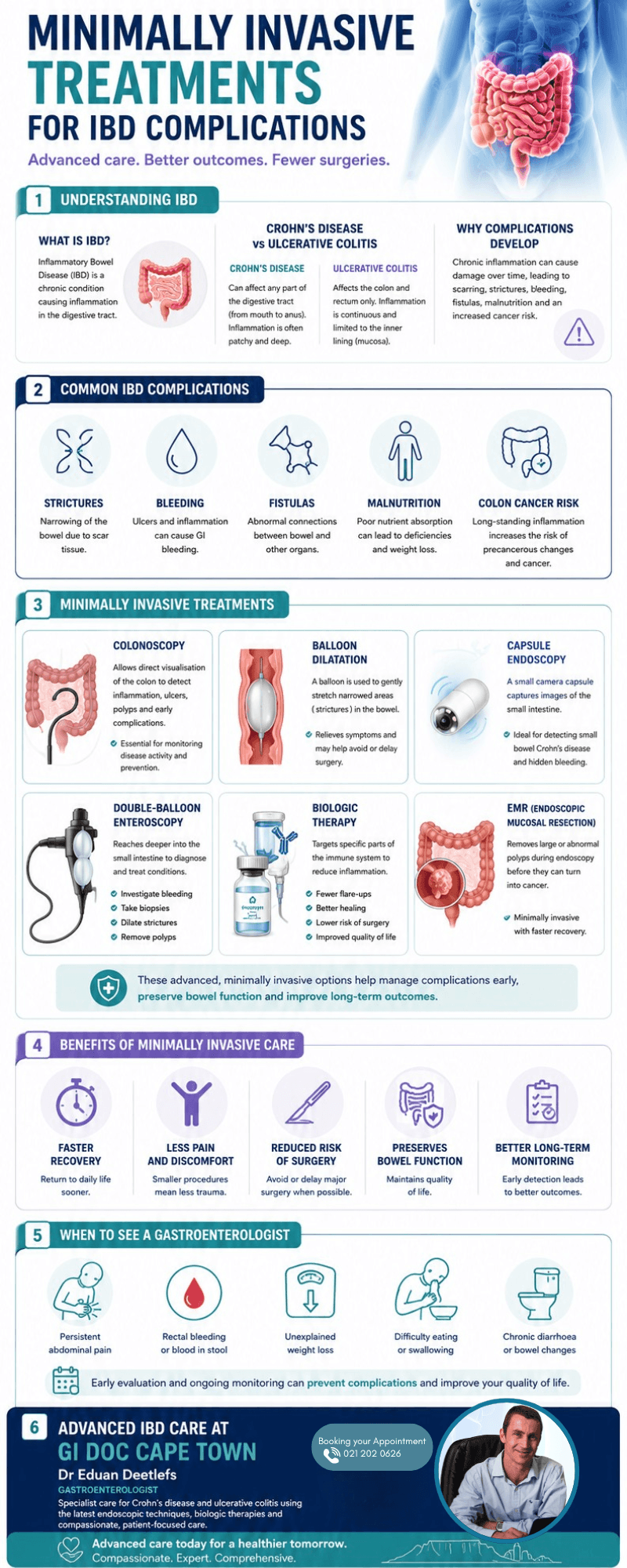
Advanced IBD Care at GI Doc Cape Town
Modern minimally invasive gastroenterology treatments are transforming the way IBD complications are managed. Through advanced endoscopy, biologic therapy, early detection, and therapeutic interventions, many patients can now avoid major surgery and achieve better long-term outcomes.
At GI Doc Cape Town, Dr Eduan Deetlefs provides comprehensive, patient-focused care for Crohn’s disease and ulcerative colitis using the latest diagnostic and therapeutic techniques available.
For patients experiencing ongoing digestive symptoms, worsening IBD complications, or concerns about disease progression, early specialist evaluation can significantly improve quality of life and reduce long-term complications.
GIDoc Cape Town

Patient-focused GI treatments and procedures in Cape Town.
Monday-Friday 8AM-4PM.
Connect with Us

© Dr. Eduan Deetlefs, Registered Gastroenterologist, GI Doc Cape Town
Our website information is not intended or implied to be a substitute for professional medical advice, diagnosis or treatment. Please consult a doctor about your specific condition. Only a trained physician can determine an accurate diagnosis and proper treatment.