
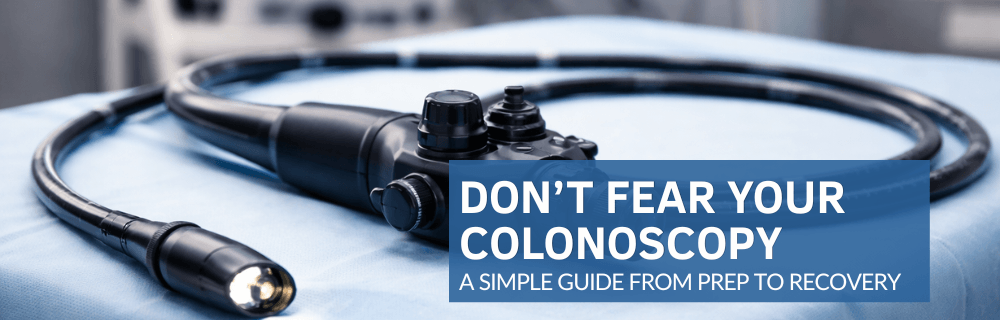
For many people, the thought of a colonoscopy can be intimidating. Questions like “Will it hurt?” or “Do I really need this procedure?” often create anxiety.
The truth is, a colonoscopy is a safe, routine procedure that can detect and prevent serious digestive conditions, including colorectal cancer.
At Dr. Deetlefs’s practice, we aim to make the experience as comfortable as possible.
In this guide, we’ll walk you through everything you need to know—from preparation to recovery—so you can approach your colonoscopy with confidence.
What Is a Colonoscopy?
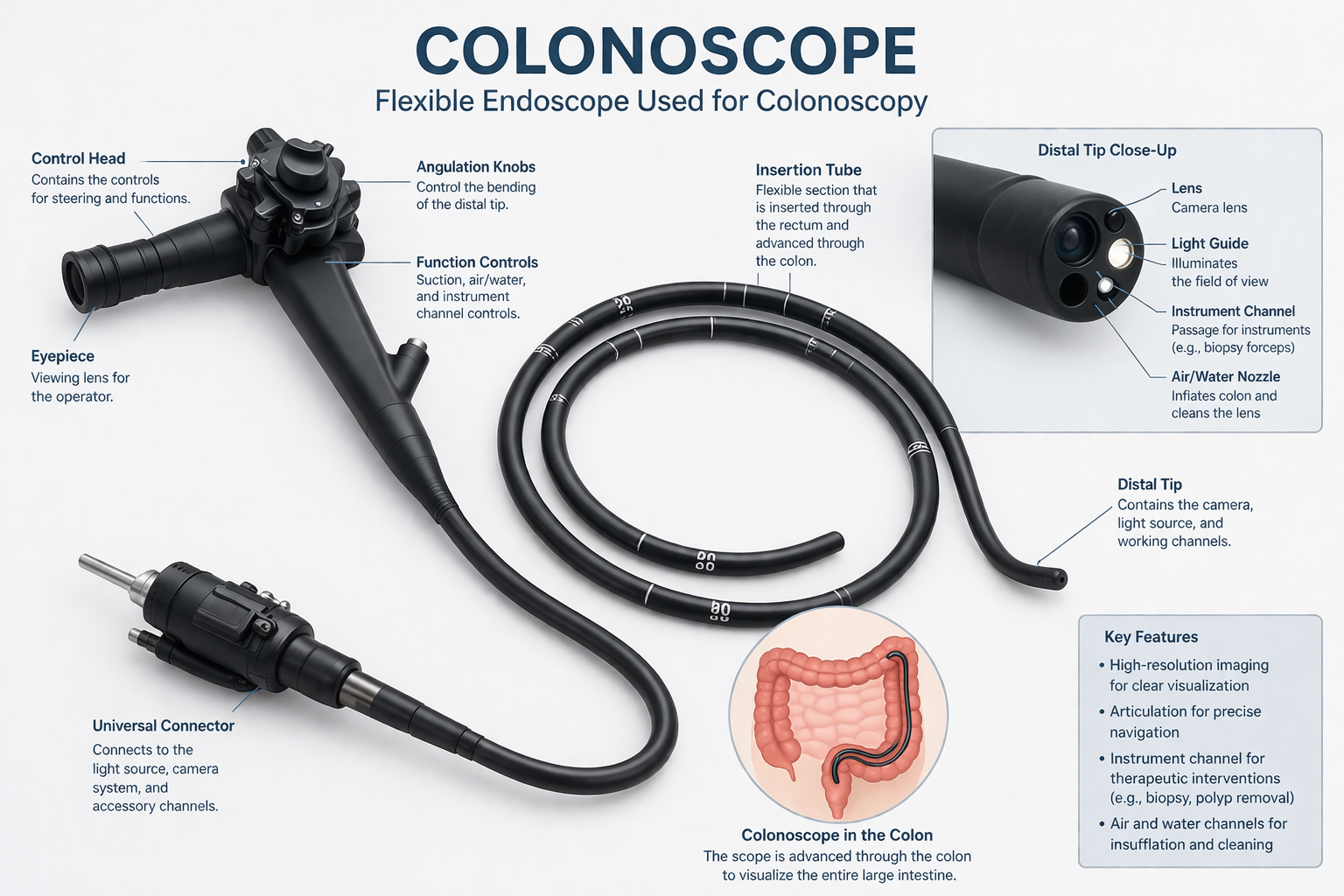
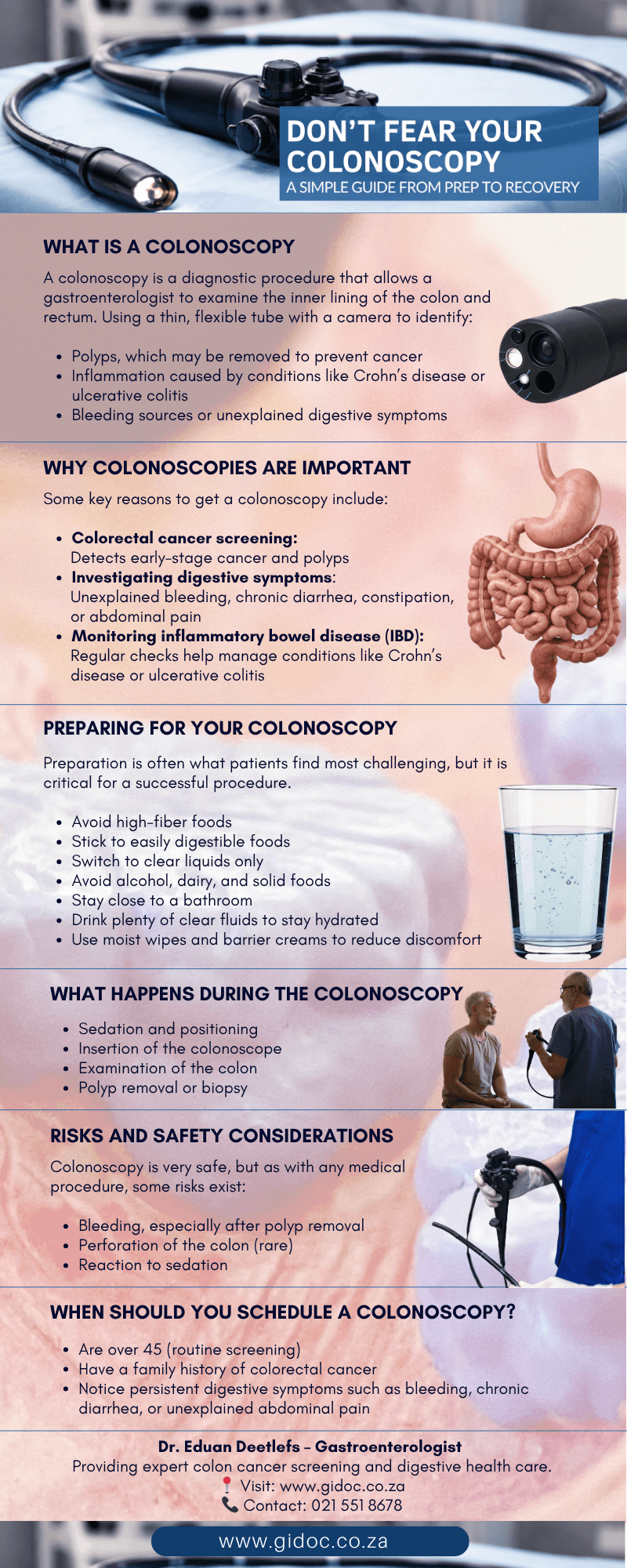
A colonoscopy is a diagnostic procedure that allows a gastroenterologist to examine the inner lining of the colon and rectum. Using a thin, flexible tube with a camera, the doctor can identify:
- Polyps, which may be removed to prevent cancer
- Inflammation caused by conditions like Crohn’s disease or ulcerative colitis
- Bleeding sources or unexplained digestive symptoms
Dr. Deetlefs emphasizes that early detection via colonoscopy can dramatically increase the likelihood of successful treatment for a range of digestive conditions.
Why Colonoscopies Are Important
Routine colonoscopies are an essential part of preventive digestive healthcare, especially for individuals over the age of 45 or those with a family history of colorectal cancer.
Some key reasons to get a colonoscopy include:
- Colorectal cancer screening: Detects early-stage cancer and polyps before they become dangerous
- Investigating digestive symptoms: Unexplained bleeding, chronic diarrhea, constipation, or abdominal pain
- Monitoring inflammatory bowel disease (IBD): Regular checks help manage conditions like Crohn’s disease or ulcerative colitis
Early detection is crucial. A small polyp can be removed during the procedure, potentially preventing cancer altogether.
Preparing for Your Colonoscopy
Preparation is often what patients find most challenging, but it is critical for a successful procedure. A clean colon ensures the doctor has a clear view, improving the accuracy of the exam.
Step 1: Dietary Adjustments
A few days before your colonoscopy:
- Avoid high-fiber foods such as raw vegetables, nuts, and seeds
- Stick to easily digestible foods like white rice, eggs, and plain chicken
The day before:
- Switch to clear liquids only, including:
- Water
- Clear broths
- Tea or coffee without milk
- Clear fruit juices (avoid red or purple)
Avoid alcohol, dairy, and solid foods to ensure your colon is completely clear.
Step 2: Bowel Preparation
Your doctor will provide a laxative solution to drink the day before the procedure. This may cause frequent bowel movements but is necessary to empty your colon. Follow these tips:
- Stay close to a bathroom
- Drink plenty of clear fluids to stay hydrated
- Use moist wipes and barrier creams to reduce discomfort
Step 3: Medication Adjustments
Certain medications may need to be paused, including:
- Blood thinners
- Iron supplements
- Anti-inflammatory drugs
Always follow your doctor’s specific instructions. Never stop medications without consulting your gastroenterologist.
What Happens During the Colonoscopy
Most colonoscopies are performed under sedation, so patients feel relaxed and experience minimal discomfort.
Step-by-Step Procedure
- Sedation and positioning: You will lie on your side, and a sedative will be administered.
- Insertion of the colonoscope: A flexible tube with a camera is gently inserted into the rectum.
- Examination of the colon: Air is introduced to expand the colon for better visibility. The camera transmits live images to a monitor.
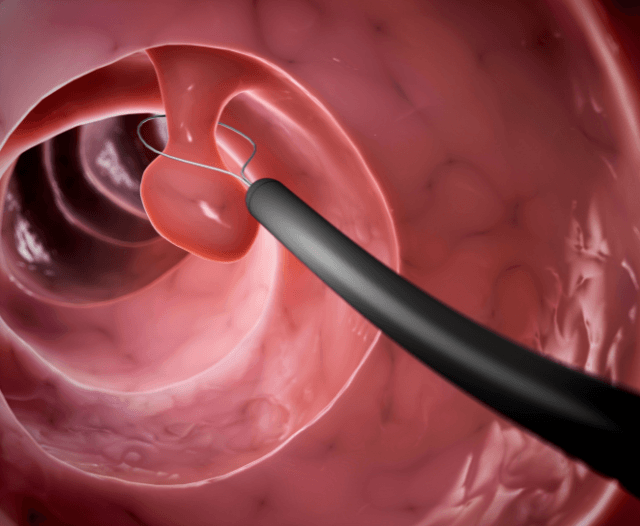
- Polyp removal or biopsy: If polyps or abnormal tissue are found, they can be removed or biopsied immediately.
The entire procedure usually takes 20–45 minutes, depending on the findings. Sedation ensures most patients experience little to no pain.
Is a Colonoscopy Painful?
Thanks to modern sedation techniques, discomfort is minimal. Some patients report:
- Mild cramping
- A sensation of pressure
These are temporary and generally well-tolerated. Most people are surprised by how quick and smooth the procedure feels.
After Your Colonoscopy
Recovery is usually straightforward:
- You’ll rest until the sedation wears off (typically 30–60 minutes)
- Mild bloating or cramping may occur due to the air used during the procedure
- You will need someone to drive you home
Receiving Results
- Immediate findings may be discussed post-procedure
- Biopsy results typically take a few days
- Your doctor will provide guidance on next steps based on your results
Risks and Safety Considerations
Colonoscopy is very safe, but as with any medical procedure, some risks exist:
- Bleeding, especially after polyp removal
- Perforation of the colon (rare)
- Reaction to sedation
Serious complications are uncommon, and the benefits of early detection far outweigh the risks. Discuss any concerns with your gastroenterologist.
When Should You Schedule a Colonoscopy?
You should consider a colonoscopy if you:
- Are over 45 (routine screening)
- Have a family history of colorectal cancer
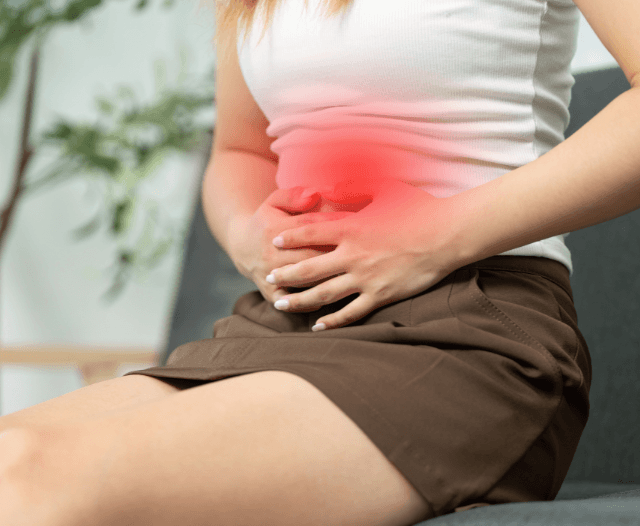
- Notice persistent digestive symptoms such as bleeding, chronic diarrhea, or unexplained abdominal pain
Even if you feel healthy, routine screening can detect problems before symptoms appear.
Tips for a Comfortable Experience
- Follow prep instructions closely: This ensures a smooth procedure.
- Ask questions: Knowing what to expect reduces anxiety.
- Arrange transportation: Sedation requires a responsible adult to drive you home.
- Plan a relaxing day afterward: Most patients feel back to normal by the next day.
- Stay hydrated: Drink plenty of clear fluids after your colonoscopy.
Colonoscopy Myths Debunked
“It’s always painful” → Modern sedation makes it almost painless.
- “Only older people need it” → Family history or symptoms can necessitate earlier screening.
- “I’ll feel groggy for days” → Most people recover within a few hours.
- “I don’t need it if I feel fine” → Polyps and early cancers often show no symptoms.
Why Regular Colonoscopy Screening Matters
It’s also important to recognise the long-term value of staying consistent with recommended screening intervals.
A single colonoscopy can provide reassurance for years, especially if no abnormalities are found. For individuals with low risk, follow-up procedures may only be needed every 5 to 10 years, while those with higher risk factors may require more frequent monitoring.
By committing to regular screenings as advised by your gastroenterologist, you are taking a proactive approach to your health—one that can prevent disease progression, reduce the need for more invasive treatments, and ultimately improve your quality of life.
Rather than viewing a colonoscopy as a once-off inconvenience, it should be seen as a strategic investment in your long-term wellbeing.
Take the Next Step Toward Better Digestive Health
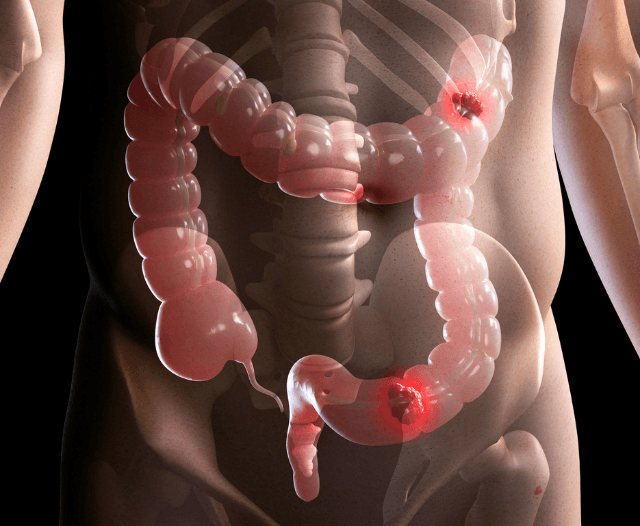
If you are experiencing symptoms such as abdominal discomfort, changes in bowel habits, or unexplained bleeding—or if you are due for routine colon cancer screening in South Africa—don’t delay seeking expert care. Early detection is one of the most effective ways to prevent serious digestive conditions and protect your long-term health.
At Dr. Deetlefs’s practice, we are committed to providing personalised, compassionate care in a comfortable and supportive environment. From your initial consultation through to your colonoscopy and follow-up, every step is carefully guided to ensure you feel informed, reassured, and confident in your care.
Our team will walk you through the preparation process, answer any questions you may have, and ensure your procedure is as smooth and stress-free as possible. Whether it’s your first colonoscopy or part of your ongoing health monitoring, you are in experienced hands.
Don’t let uncertainty or fear hold you back.
Take a proactive step today—book your consultation with Dr. Deetlefs and prioritise your digestive health with expert care you can trust.
Conclusion
A colonoscopy is a lifesaving, routine procedure that provides critical insight into your digestive health. Understanding the process—from preparation to recovery—can ease anxiety and empower you to take control of your wellbeing.
At Dr. Deetlefs’s clinic, we prioritize patient comfort, safety, and education. Don’t let fear prevent you from getting the care you need. Early detection can make all the difference.
GIDoc Cape Town

Patient-focused GI treatments and procedures in Cape Town.
Monday-Friday 8AM-4PM.
Connect with Us

© Dr. Eduan Deetlefs, Registered Gastroenterologist, GI Doc Cape Town
Our website information is not intended or implied to be a substitute for professional medical advice, diagnosis or treatment. Please consult a doctor about your specific condition. Only a trained physician can determine an accurate diagnosis and proper treatment.