
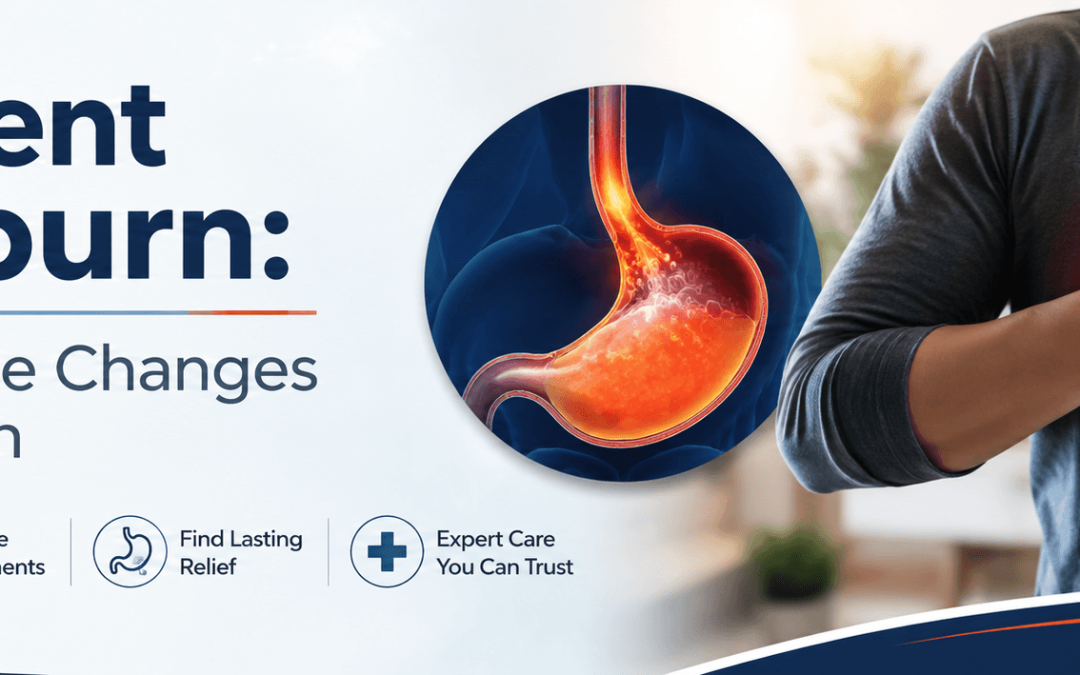
Heartburn is one of the most common digestive complaints worldwide, affecting millions of people every day. While occasional heartburn after a rich meal is usually harmless, frequent or persistent symptoms may indicate an underlying digestive condition that requires medical attention. Heartburn, acid reflux, and GERD are closely related conditions that can significantly affect quality of life when left untreated.
Many people attempt to manage heartburn with lifestyle changes such as avoiding spicy foods, reducing alcohol intake, or taking over-the-counter medications. While these measures often provide temporary relief, they may not be enough for individuals experiencing chronic symptoms. Persistent heartburn can be a sign of a more serious digestive disorder and should never be ignored.
At Dr. Eduan Deetlefs’ practice, patients receive comprehensive evaluation and personalized treatment plans to address the underlying causes of heartburn and reflux.
Understanding why heartburn occurs and knowing when to seek professional care can help prevent complications and improve long-term digestive health.
What Is Heartburn?
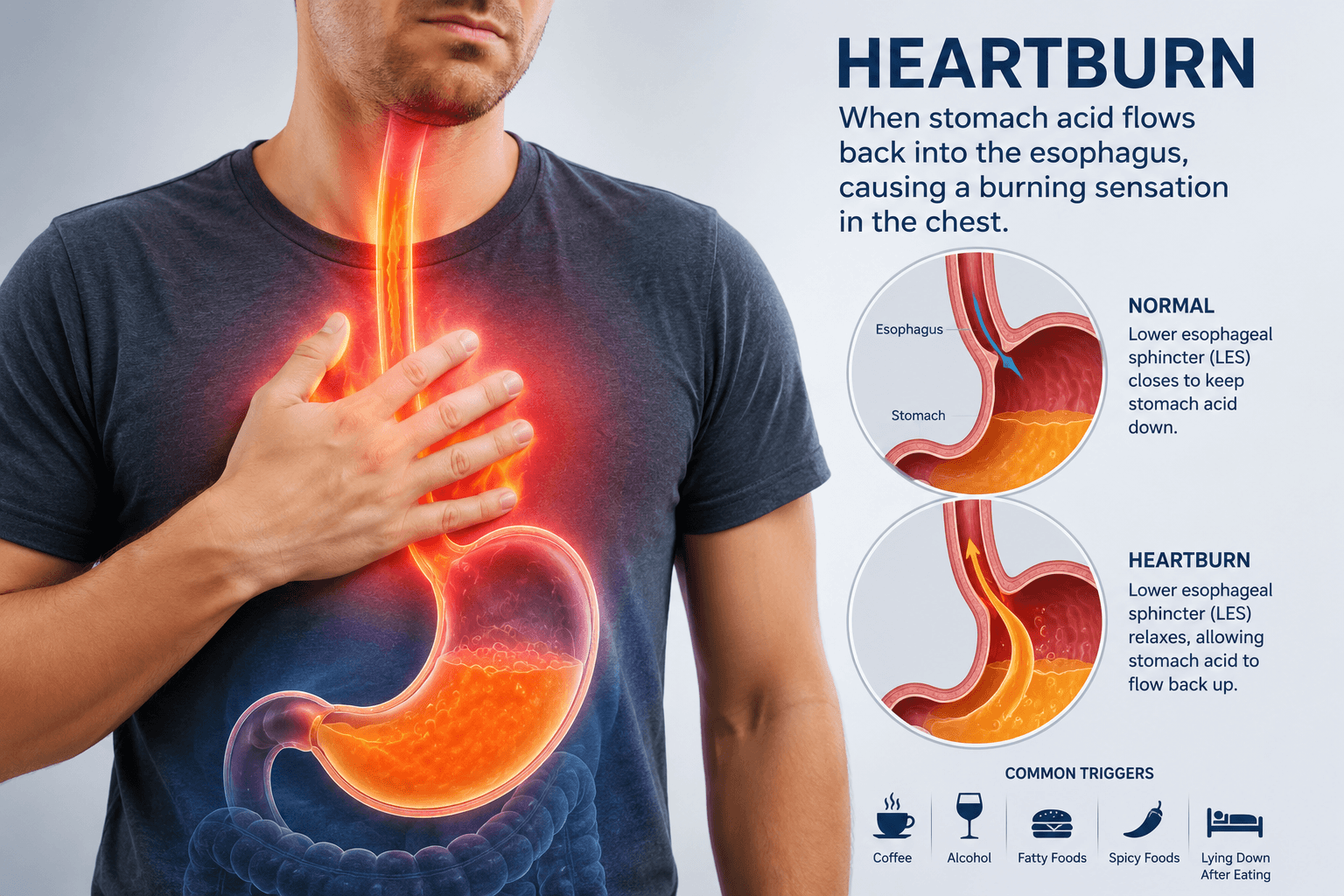
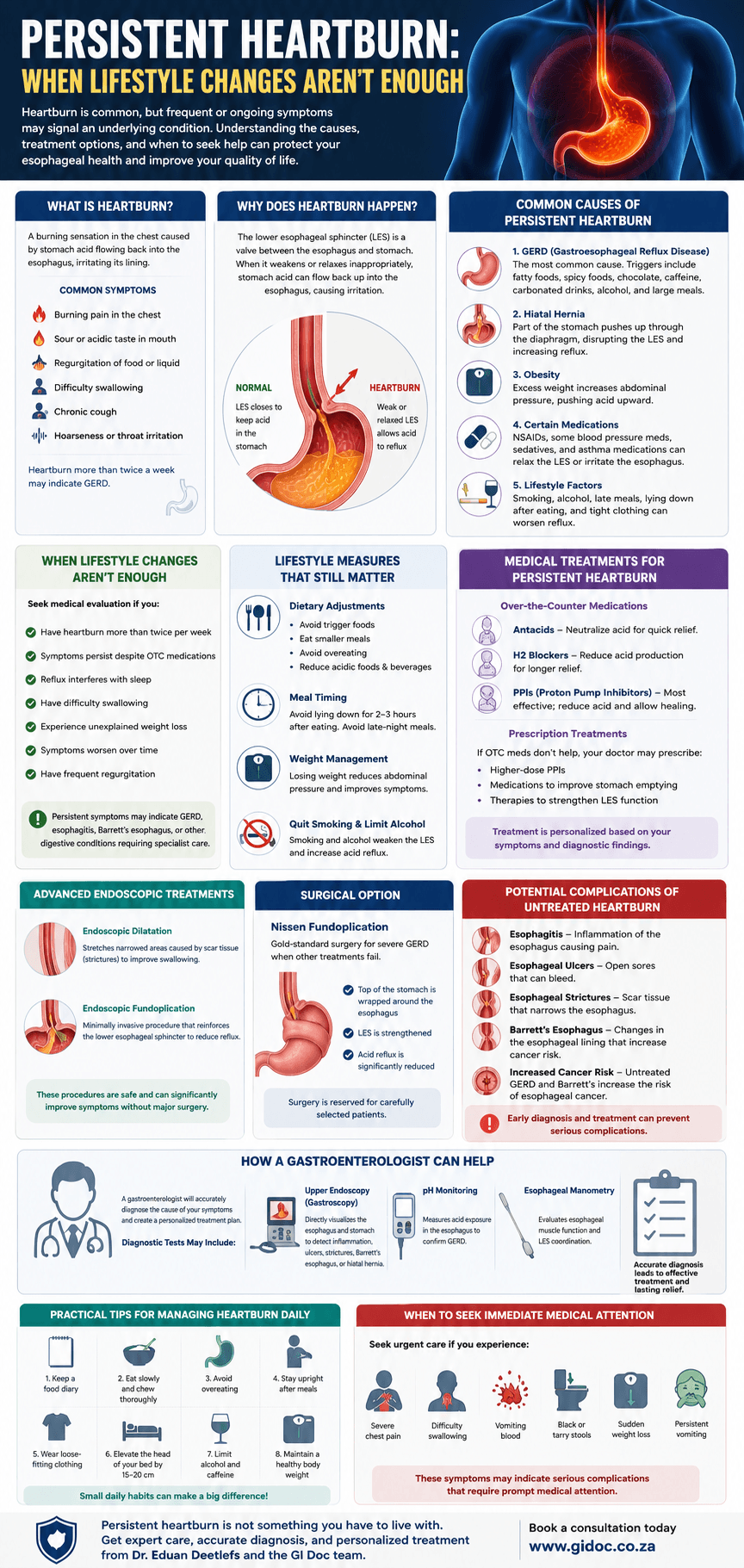
Heartburn is a burning sensation felt behind the breastbone that occurs when stomach acid flows backward into the esophagus. Unlike the stomach, the esophagus lacks a protective lining capable of withstanding acidic digestive contents. As a result, repeated exposure to stomach acid causes irritation and inflammation.
Heartburn symptoms may include:
- Burning pain in the chest
- A sour or acidic taste in the mouth
- Regurgitation of food or liquid
- Difficulty swallowing
- Chronic cough
- Hoarseness or throat irritation
Occasional heartburn is common and usually occurs after eating large meals or consuming trigger foods. However, when symptoms occur more than twice a week, it may indicate Gastroesophageal Reflux Disease (GERD).
For patients experiencing ongoing symptoms, a consultation and evaluation through a gastroscopy may help identify underlying causes and guide treatment.
Why Does Heartburn Happen?
At the junction between the esophagus and stomach is a muscular valve called the lower esophageal sphincter (LES). This valve normally opens to allow food into the stomach and closes to prevent acid from flowing backward.
Heartburn develops when the LES weakens or relaxes inappropriately, allowing stomach contents to reflux into the esophagus.
Several factors can contribute to this process, including dietary habits, lifestyle choices, structural abnormalities, and certain medical conditions.
Common Causes of Persistent Heartburn
1. Gastroesophageal Reflux Disease (GERD)
GERD is the most common cause of chronic heartburn. In patients with GERD, acid reflux occurs regularly due to dysfunction of the lower esophageal sphincter.
Common GERD triggers include:
- Fatty and fried foods
- Spicy foods
- Chocolate
- Coffee and caffeinated beverages
- Carbonated drinks
- Alcohol
- Large meals
Without proper treatment, GERD can lead to long-term damage of the esophageal lining.
Learn more about reflux management through our article on Managing Acid Reflux with Endoscopic Treatments.
2. Hiatal Hernia
A hiatal hernia occurs when a portion of the stomach pushes upward through the diaphragm into the chest cavity. This structural change can interfere with the normal function of the LES and significantly increase acid reflux.
Many patients with chronic heartburn are found to have a hiatal hernia during endoscopic evaluation.
3. Obesity
Excess body weight places increased pressure on the abdomen, which can force stomach acid upward into the esophagus. Studies consistently show that overweight and obese individuals have a higher risk of developing GERD and chronic heartburn.
Even modest weight loss can significantly improve symptoms.
4. Certain Medications
Some medications may contribute to reflux by relaxing the LES or irritating the esophagus.
Examples include:
- Anti-inflammatory medications (NSAIDs)
- Certain blood pressure medications
- Sedatives
- Some asthma medications
Patients experiencing persistent heartburn should discuss all medications with their healthcare provider.
5. Lifestyle Factors
Several everyday habits can worsen reflux symptoms:
- Smoking
- Excessive alcohol consumption
- Eating large meals late at night
- Lying down shortly after eating
- Wearing tight-fitting clothing around the abdomen
While modifying these habits can help, lifestyle changes alone are not always sufficient for chronic cases.

When Lifestyle Changes Aren’t Enough
Many patients spend months or even years trying to control heartburn through dietary changes and self-medication. Unfortunately, persistent symptoms often indicate a more complex problem.
You should consider seeking medical evaluation if:
- Heartburn occurs more than twice per week
- Symptoms persist despite over-the-counter medications
- Reflux symptoms interfere with sleep
- You develop difficulty swallowing
- You experience unexplained weight loss
- Symptoms worsen over time
- You experience frequent regurgitation
Persistent symptoms can indicate GERD, esophagitis, Barrett’s esophagus, or other digestive conditions that require specialist care.
Lifestyle Measures That Still Matter
Although lifestyle changes may not completely eliminate heartburn, they remain an important part of treatment.
Dietary Adjustments
Patients are often advised to:
- Avoid trigger foods
- Eat smaller meals
- Avoid overeating
- Reduce acidic foods and beverages
Keeping a food diary can help identify individual triggers.
Meal Timing
Avoid lying down for at least two to three hours after eating. Late-night meals are a common cause of nighttime reflux symptoms.
Weight Management
Losing excess weight reduces abdominal pressure and often leads to substantial symptom improvement.
Smoking and Alcohol Cessation
Both smoking and alcohol can weaken the LES and increase acid reflux. Reducing or eliminating these habits can enhance treatment effectiveness.
Medical Treatments for Persistent Heartburn
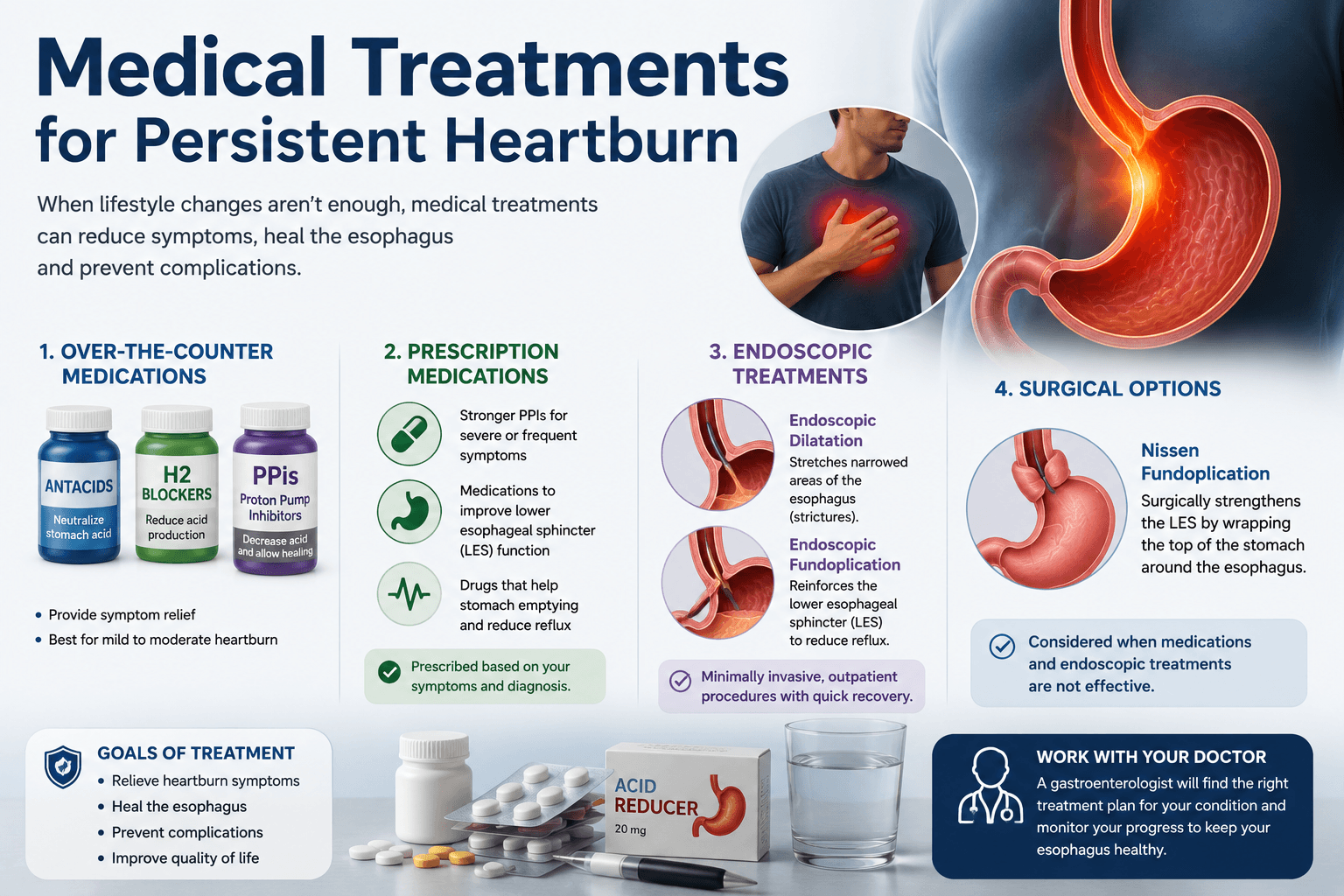
Over-the-Counter Medications
Several non-prescription treatments are available:
Antacids
Antacids neutralize stomach acid and provide rapid but short-term relief.
H2 Receptor Blockers
These medications reduce acid production and can provide longer-lasting symptom control.
Proton Pump Inhibitors (PPIs)
PPIs are among the most effective medications for GERD and persistent heartburn. They significantly reduce acid production and allow the esophagus to heal.
However, prolonged use should be monitored by a healthcare professional.
Prescription Treatments
When symptoms persist despite OTC medications, stronger prescription therapies may be required.
A gastroenterologist may prescribe:
- Higher-dose PPIs
- Medications that improve stomach emptying
- Therapies aimed at strengthening LES function
Treatment plans are individualized based on the patient’s symptoms, medical history, and diagnostic findings.
Advanced Endoscopic Treatments
For patients with severe reflux or complications, advanced endoscopic interventions may be recommended.
Endoscopic Dilatation
Chronic acid exposure can cause scar tissue formation and narrowing of the esophagus, known as a stricture.
Endoscopic dilatation gently stretches these narrowed areas, improving swallowing and reducing discomfort.
Endoscopic Fundoplication
This minimally invasive procedure helps reinforce the lower esophageal sphincter and reduce reflux without traditional surgery.
Many patients experience significant symptom improvement following treatment.
Surgical Options
When medications and endoscopic treatments fail to adequately control symptoms, surgery may be considered.
Nissen Fundoplication
Nissen fundoplication remains the gold-standard surgical treatment for severe GERD.
During the procedure:
- The upper portion of the stomach is wrapped around the lower esophagus.
- The LES is strengthened.
- Acid reflux is significantly reduced.
Surgery is typically reserved for carefully selected patients after comprehensive evaluation.
Potential Complications of Untreated Heartburn
Ignoring persistent heartburn can have serious consequences.
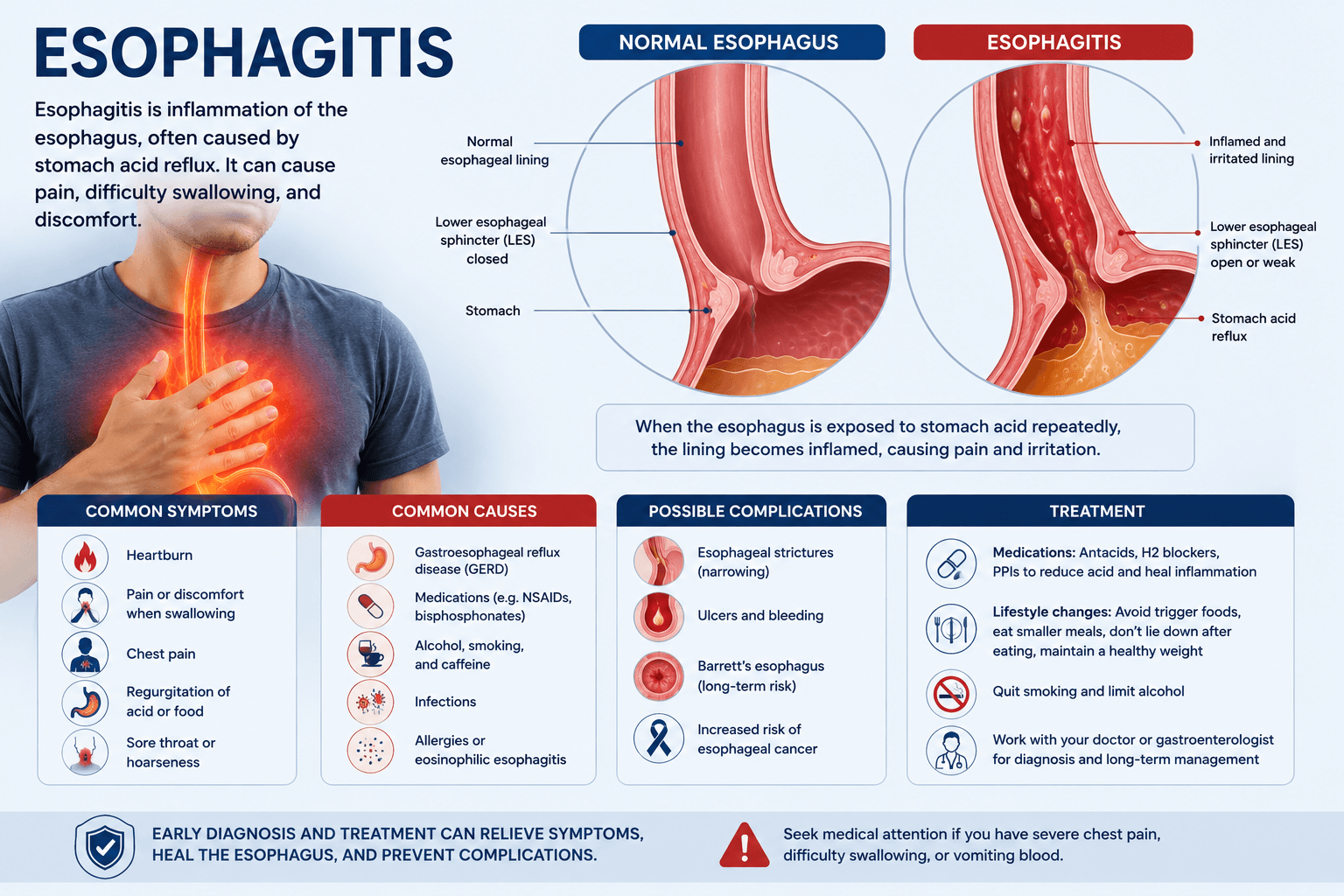
Esophagitis
Repeated acid exposure causes inflammation of the esophageal lining, leading to pain and difficulty swallowing.
Esophageal Ulcers
Chronic irritation may cause open sores within the esophagus, resulting in pain and bleeding.
Esophageal Strictures
Scar tissue can narrow the esophagus, making swallowing increasingly difficult.
Barrett’s Esophagus
Barrett’s esophagus occurs when long-term acid exposure changes the lining of the esophagus.
Patients diagnosed with Barrett’s esophagus require regular monitoring because the condition increases the risk of esophageal cancer.
Increased Cancer Risk
Although uncommon, untreated GERD and Barrett’s esophagus increase the risk of developing esophageal adenocarcinoma.
Early diagnosis dramatically improves outcomes.
How a Gastroenterologist Can Help
A gastroenterologist specializes in diagnosing and treating digestive disorders, including persistent heartburn and GERD.
Dr. Deetlefs may recommend several diagnostic investigations, including:
Upper Endoscopy (Gastroscopy)
A gastroscopy allows direct visualization of the esophagus, stomach, and upper digestive tract.
This procedure can identify:
- Inflammation
- Ulcers
- Strictures
- Barrett’s esophagus
- Hiatal hernias
pH Monitoring
This test measures acid exposure within the esophagus and helps confirm GERD.
Esophageal Manometry
Manometry evaluates the function and coordination of esophageal muscles and the LES.
These investigations help create an accurate diagnosis and guide personalized treatment recommendations.
Practical Tips for Managing Heartburn Daily
While receiving treatment, these strategies may help reduce symptoms:
- Keep a food diary.
- Eat slowly and chew thoroughly.
- Avoid overeating.
- Stay upright after meals.
- Wear loose-fitting clothing.
- Elevate the head of your bed by 15–20 cm.
- Limit alcohol and caffeine.
- Maintain a healthy body weight.
Small daily habits can have a meaningful impact on symptom control.
When to Seek Immediate Medical Attention
Seek urgent medical evaluation if you experience:
- Severe chest pain
- Difficulty swallowing
- Vomiting blood
- Black or tarry stools
- Sudden unexplained weight loss
- Persistent vomiting
These symptoms may indicate serious complications that require prompt treatment.
Conclusion
Persistent heartburn should never be dismissed as a minor inconvenience. While lifestyle changes play an important role in managing reflux symptoms, ongoing heartburn may signal an underlying condition such as GERD, a hiatal hernia, or complications affecting the esophagus. Early diagnosis and treatment can prevent long-term damage, improve quality of life, and reduce the risk of serious complications such as Barrett’s esophagus and esophageal cancer.
At Dr. Eduan Deetlefs’ gastroenterology practice, patients receive comprehensive assessment and evidence-based treatment for heartburn, acid reflux, GERD, Barrett’s esophagus, swallowing disorders, and other digestive conditions.
From advanced diagnostic procedures such as gastroscopy to specialized endoscopic treatments, Dr. Deetlefs provides personalized care tailored to each patient’s needs.
If persistent heartburn is affecting your daily life or symptoms continue despite lifestyle modifications and medication, don’t delay seeking professional help.
Contact Dr. Eduan Deetlefs through the GI Doc website at www.gidoc.co.za to schedule a consultation and take the first step toward lasting relief and better digestive health.
GIDoc Cape Town

Patient-focused GI treatments and procedures in Cape Town.
Monday-Friday 8AM-4PM.
Connect with Us

© Dr. Eduan Deetlefs, Registered Gastroenterologist, GI Doc Cape Town
Our website information is not intended or implied to be a substitute for professional medical advice, diagnosis or treatment. Please consult a doctor about your specific condition. Only a trained physician can determine an accurate diagnosis and proper treatment.