
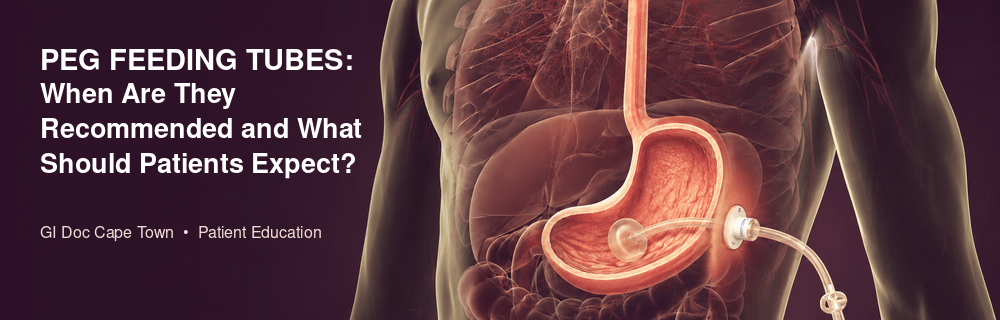
When swallowing difficulties make it unsafe to eat, or illness prevents a person from meeting their nutritional needs, long-term nutrition may need to be delivered another way. A PEG feeding tube provides direct access to the stomach through the abdominal wall. It can support recovery, maintain hydration and body weight, and make it easier to give prescribed liquid nutrition or medicines. However, PEG placement is not appropriate for everyone, and it should follow a careful discussion of the patient’s diagnosis, expected benefit, overall health, values and goals of care.
A percutaneous endoscopic gastrostomy, usually shortened to PEG, is one of the advanced gastroenterology treatments and procedures offered at GI Doc Cape Town. This guide explains when it may be recommended, what happens during placement, how the tube is used and which symptoms require medical attention.
What Is a PEG Feeding Tube?
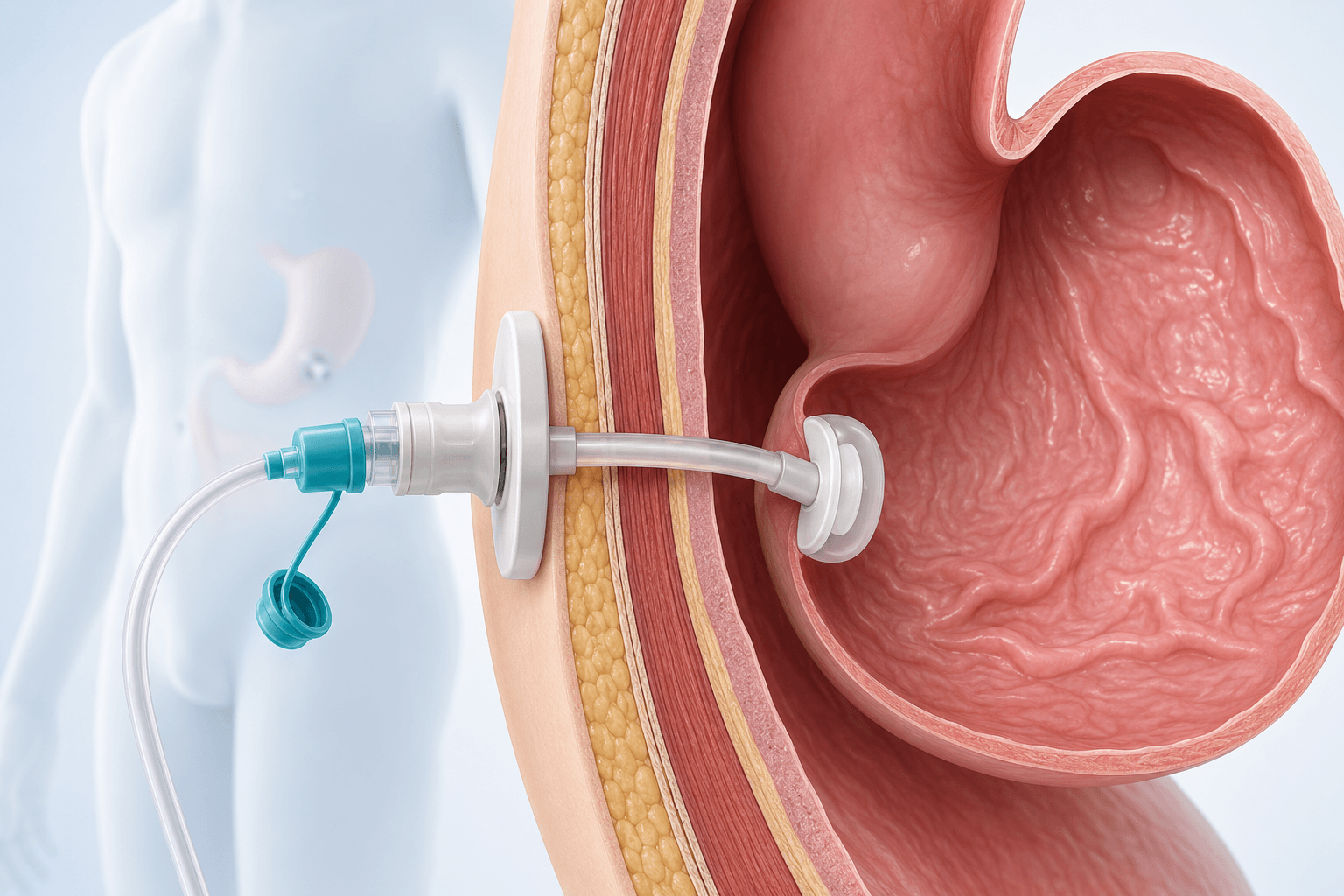
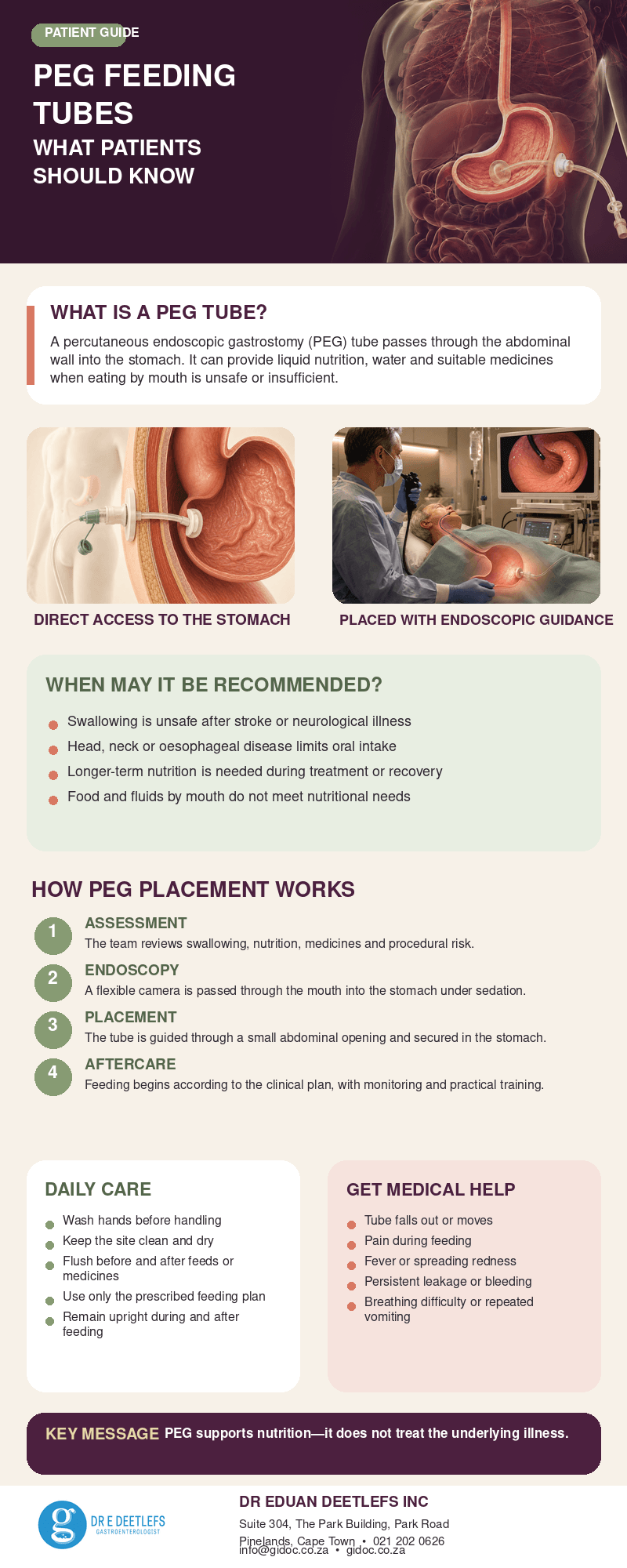
A PEG is a flexible tube placed through the skin of the abdomen and into the stomach using an endoscope. “Percutaneous” means through the skin, “endoscopic” refers to the flexible camera used to view the stomach, and “gastrostomy” describes the opening created into the stomach.
Once in position, the tube provides a route for specially formulated liquid nutrition, water and suitable medicines. It does not enter a vein. This is called enteral nutrition because nourishment still passes into the digestive tract, allowing the stomach and intestines to continue doing their work.
When May a PEG Be Recommended?
PEG placement may be discussed when a person cannot consume enough food and fluid safely, but the stomach and intestines can still absorb nutrition. The recommendation is based on the underlying condition, nutritional status, expected length of support and likelihood that the tube will provide meaningful benefit.
Neurological Conditions and Swallowing Problems
A stroke, traumatic brain injury, motor neurone disease, Parkinson’s disease, multiple sclerosis or another neurological condition may interfere with chewing and swallowing. Food or liquid can then enter the airway rather than the oesophagus, increasing the risk of aspiration and chest infection. A PEG may provide a safer route for nutrition while swallowing is assessed or rehabilitation continues.
Head, Neck or Oesophageal Disease
Tumours, surgery or radiotherapy involving the mouth, throat, head or neck may make eating painful, difficult or unsafe. Severe narrowing of the oesophagus can also obstruct the passage of food. In some cases, endoscopic treatment may improve the narrowing; in others, tube feeding is needed to protect nutrition before, during or after treatment. A gastroscopy may be part of the assessment of the oesophagus and stomach, depending on the clinical situation.
Severe Illness, Malnutrition or Prolonged Recovery
Some patients cannot meet increased nutritional needs during a prolonged illness, after major trauma or while recovering from complex treatment. PEG feeding may be considered when oral supplements are insufficient and longer-term support is anticipated. The goal is not simply to deliver calories; the plan should also address protein, fluid, electrolytes, vitamins, symptoms and the person’s overall rehabilitation.
When a PEG May Not Be the Best Option
A PEG is not automatically recommended whenever a person eats poorly. Short-term appetite loss, reversible swallowing problems or a brief need for nutritional support may be managed differently. Placement may also be unsuitable when endoscopy cannot be performed safely, the stomach cannot be accessed appropriately, there is severe uncontrolled infection or bleeding risk, or the expected burdens outweigh the likely benefits.
Decisions can be especially complex in advanced illness or severe dementia. Families may understandably hope that a feeding tube will prevent aspiration, reverse the underlying disease or guarantee improved survival. These outcomes cannot be assumed.
How Doctors Assess Whether PEG Placement Is Appropriate
Before recommending a PEG, the healthcare team may review:
- the diagnosis and whether the swallowing or feeding problem is temporary, progressive or potentially reversible;
- current weight, recent weight loss, muscle loss, hydration and nutritional blood tests;
- a swallowing assessment, often involving a speech-language therapist;
- whether nasogastric feeding or another route has been tried or would be more suitable;
This assessment matters because a technically successful procedure is only one part of good care. The feeding plan, monitoring and daily tube care must also be practical and appropriate for the individual.
What Happens During PEG Placement?
Preparation instructions vary, but patients are usually asked not to eat or drink for a specified period so that the stomach is empty. The team must know about blood-thinning medicines, diabetes treatment, allergies, implanted devices and any previous problems with sedation. Medicines should never be stopped unless the treating doctor gives clear instructions. Antibiotics may be given around the time of insertion to reduce infection risk.
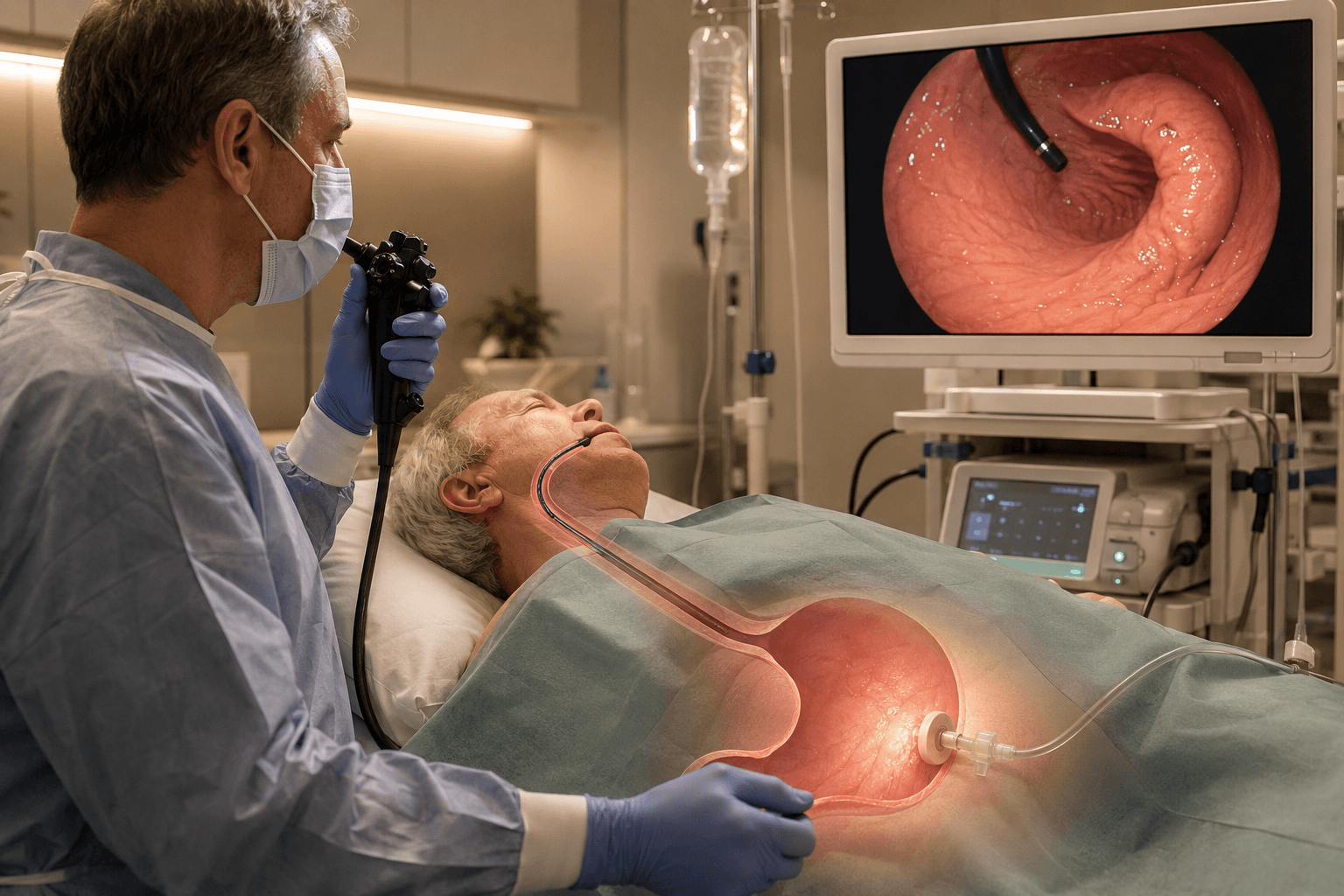
During the procedure, monitoring equipment is attached and sedation is generally used. Local anaesthetic numbs the abdominal skin. A flexible endoscope is passed through the mouth into the stomach, allowing the doctor to inspect the area and identify a safe placement site. A small opening is then made through the abdominal wall, and the tube is guided into position. Internal and external retaining devices help keep it secure.
The exact technique and time required depend on the patient’s anatomy and medical condition. Afterward, the patient is monitored until the sedation has worn off. The team confirms when water, medicines and feeding may begin. Current professional guidance supports early feeding in suitable patients, but the actual timing must follow the placing team’s instructions.
Recovery and the First Few Days
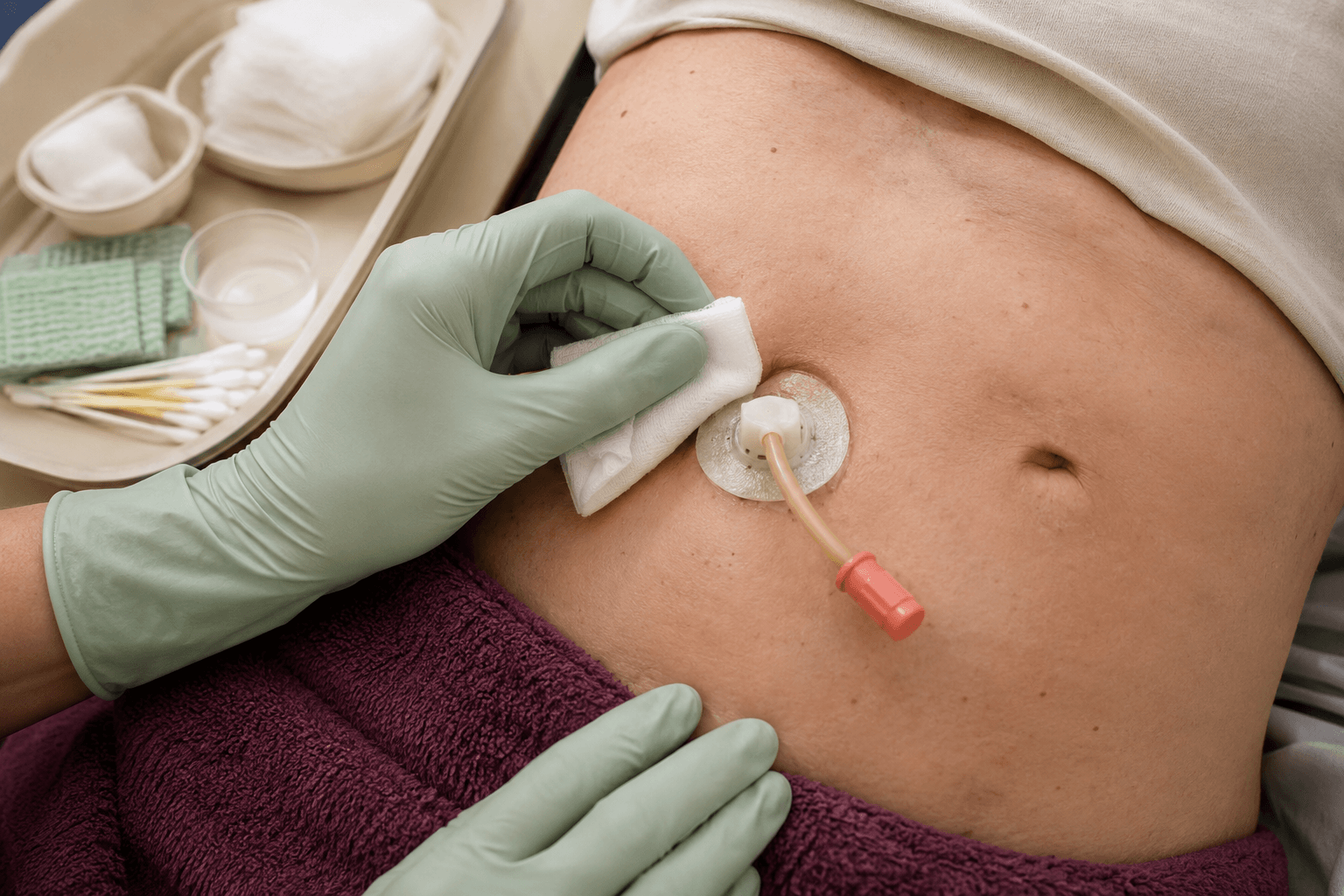
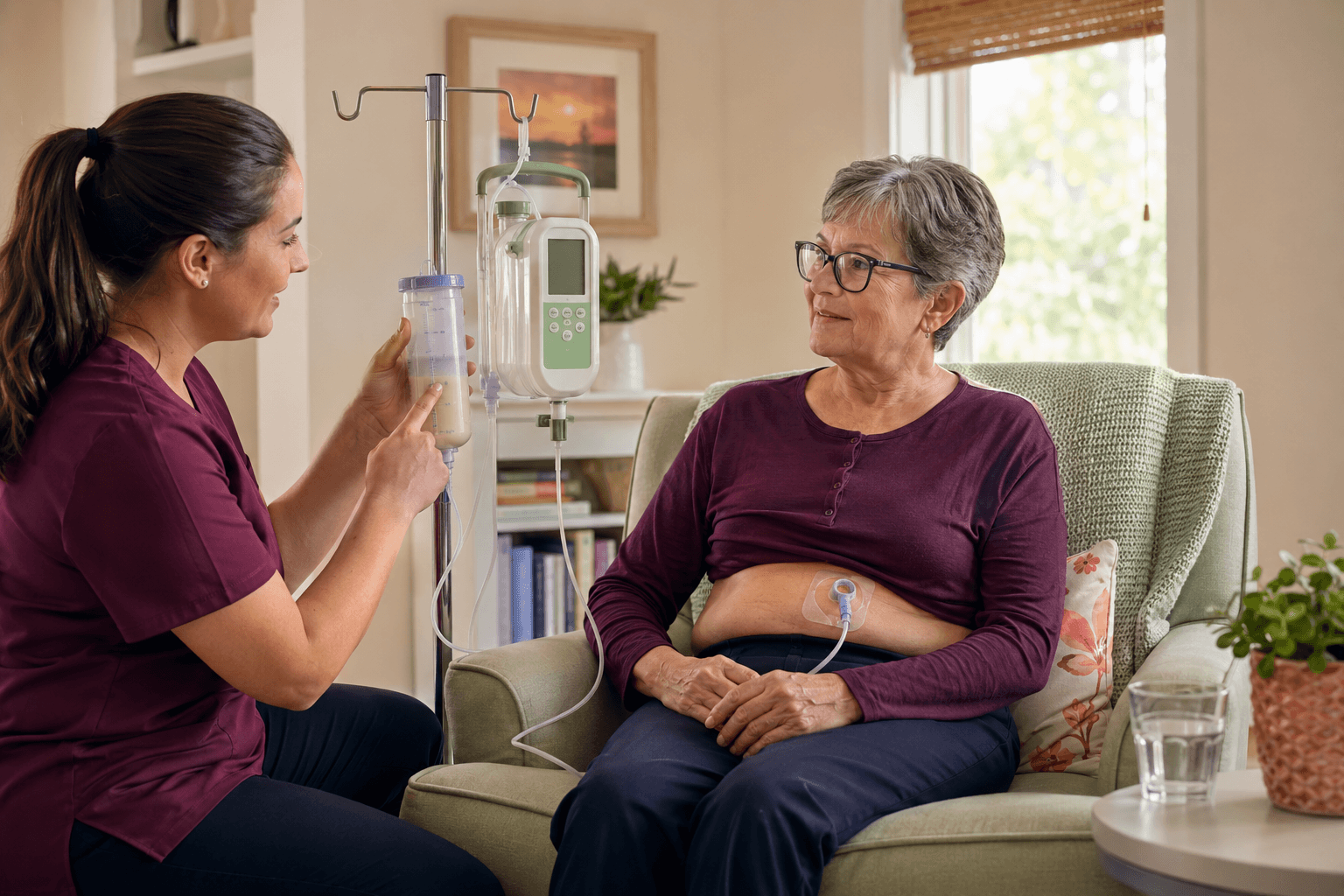
Tenderness around the site, mild abdominal discomfort or bloating can occur after insertion. The site should be observed for bleeding, leakage, increasing redness or swelling. Patients and caregivers should receive written instructions explaining how to clean the skin, secure the tube, flush it and give feeds or medicines.
Living Safely With a PEG Tube
Daily care helps protect the skin and keep the tube working. Patients should follow the instructions supplied by their own clinical team, as tube designs and care protocols differ. General principles include:
- wash hands before handling the tube or preparing feed;
- keep the stoma and surrounding skin clean and dry;
- check the tube’s external position and securing device as instructed;
- flush with the prescribed amount of water before and after feeds and medicines;
- give medicines separately rather than mixing them into formula unless specifically advised;
Possible Risks and Complications
PEG placement is commonly performed, but it is an invasive procedure and complications are possible. The individual risk depends on age, the underlying disease, nutritional status, medicines and other medical conditions. Potential problems include:
- pain, bleeding or infection at the insertion site;
- leakage of stomach contents and irritation of the surrounding skin;
- tube blockage, damage, migration or accidental removal;
- sedation-related breathing or cardiovascular problems;
- aspiration of feed or stomach contents into the lungs;
The doctor will explain the most relevant risks before consent. The NHS patient information on PEG placement also emphasises fasting, antibiotic use in appropriate cases and discussion of procedural risks. Individual instructions from the treating team always take priority over general online guidance.
Warning Signs That Need Prompt Medical Attention
Contact the treating team promptly—or seek urgent medical care when symptoms are severe—if any of the following occur:
- the tube falls out, moves significantly or appears longer or shorter than usual;
- new or worsening abdominal pain, a rigid or swollen abdomen, or pain during feeding;
- fever, chills, spreading redness, warmth, pus or an unpleasant smell around the site;
- fresh bleeding, vomiting blood or black, tarry stools;
- persistent leakage of feed or stomach contents around the tube;
- repeated vomiting, severe diarrhoea or inability to tolerate feeds;
Can a PEG Tube Be Removed?
Yes. If swallowing improves and the person can again meet nutritional and hydration needs safely by mouth, the tube may no longer be necessary. The healthcare team should confirm this through medical, swallowing and dietetic review. Removal is performed by an appropriately trained clinician, and the opening usually closes afterward.
Some patients need replacement rather than removal because tubes wear, block or reach the recommended service interval. Routine follow-up allows the team to review the tube, skin, feeding tolerance, weight, hydration and ongoing need for enteral support.
Questions to Ask Before PEG Placement
- What is the main goal of the PEG in this situation?
- Is the need expected to be temporary or long term?
- Are there reasonable alternatives, and what are their benefits and risks?
- Can the patient continue any food or drink by mouth?
- Who will create and monitor the nutrition plan?
Conclusion
A PEG feeding tube can provide reliable access to nutrition, water and suitable medicines when swallowing is unsafe or oral intake is inadequate for an extended period. It may support recovery and help protect nutritional status, but it does not treat the underlying disease by itself.
If you or a family member has persistent swallowing difficulty, unintentional weight loss, repeated aspiration, or has been advised to consider longer-term tube feeding, contact Dr Eduan Deetlefs for an individual gastroenterology assessment. You can book an appointment with GI Doc or use the GI Doc contact page.
Dr Eduan Deetlefs Inc
Suite 304, 3rd Floor, The Park Building
Opposite Vincent Pallotti Hospital, Park Road
Pinelands, Cape Town
Telephone: 021 202 0626
Email: info@gidoc.co.za
GIDoc Cape Town

Patient-focused GI treatments and procedures in Cape Town.
Monday-Friday 8AM-4PM.
Connect with Us

© Dr. Eduan Deetlefs, Registered Gastroenterologist, GI Doc Cape Town
Our website information is not intended or implied to be a substitute for professional medical advice, diagnosis or treatment. Please consult a doctor about your specific condition. Only a trained physician can determine an accurate diagnosis and proper treatment.