

Abdominal pain is one of the most common complaints seen in medical practice, affecting people of all ages. While sometimes it is minor and self-limiting, abdominal pain can also signal a serious underlying condition that requires prompt medical attention.
Understanding the causes, patterns, and warning signs of abdominal pain is critical to maintaining digestive health and overall well-being.
What Is Abdominal Pain?
Abdominal pain refers to discomfort or pain that occurs anywhere between the chest and the groin. It can range from mild and intermittent to severe and constant. People often describe it using terms like cramping, stabbing, dull, burning, or aching. Abdominal pain is not a disease in itself but a symptom of many possible conditions, ranging from minor digestive disturbances to serious medical emergencies.
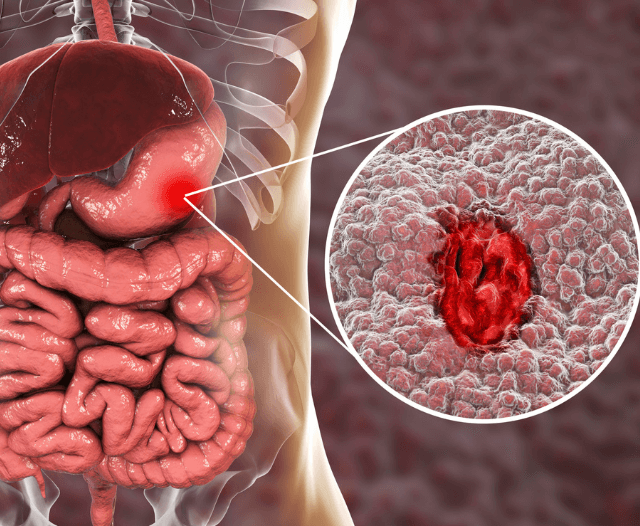
The abdomen houses many essential organs, including the stomach, liver, gallbladder, pancreas, intestines, kidneys, and reproductive organs in women. Because of this, abdominal pain can arise from a wide variety of sources, which makes identifying the cause sometimes complex.
Common Causes of Abdominal Pain
While abdominal pain can stem from a variety of conditions, some of the most common causes include:
Digestive Disorders
Gastroenteritis: Often called the “stomach flu,” gastroenteritis is an infection of the stomach and intestines, usually caused by viruses or bacteria. It typically leads to cramping, nausea, vomiting, and diarrhea.
Irritable Bowel Syndrome (IBS): A chronic condition characterized by abdominal pain, bloating, gas, and changes in bowel habits.
Constipation: Difficulty passing stools can cause significant abdominal discomfort and cramping.
Inflammatory Conditions
Inflammatory Bowel Disease (IBD): Conditions such as Crohn’s disease and ulcerative colitis cause chronic inflammation of the digestive tract and can lead to severe abdominal pain, diarrhea, weight loss, and fatigue.
Appendicitis: Inflammation of the appendix typically causes pain in the lower right abdomen, often accompanied by nausea, vomiting, and fever.
Gallbladder and Liver IssuesGallstones: These can block bile flow, leading to sharp pain in the upper right abdomen, often radiating to the back or shoulder.
Hepatitis or liver disease: Liver inflammation can cause discomfort or pain in the upper right abdomen, sometimes accompanied by jaundice (yellowing of the skin and eyes).
Pancreatic Problems
Pancreatitis: Inflammation of the pancreas causes severe upper abdominal pain, often radiating to the back, and can be associated with nausea and vomiting.
Urinary Tract or Kidney Issues
Kidney stones: Sharp, cramping pain in the lower abdomen or back can indicate kidney stones.
Urinary tract infections (UTIs): Can cause lower abdominal discomfort, a burning sensation when urinating, and frequent urination.
Gynecological Causes (for Women)
Ovarian cysts: Can cause sudden or dull abdominal pain on one side.
Endometriosis: A condition where tissue similar to the uterine lining grows outside the uterus, causing chronic abdominal and pelvic pain.
Ectopic pregnancy: A medical emergency where a fertilized egg implants outside the uterus, leading to severe abdominal pain.
Serious Emergencies
Bowel obstruction: Can lead to severe cramping, vomiting, and inability to pass gas or stool.
Abdominal aortic aneurysm: A weakened section of the abdominal aorta can rupture, causing sudden, severe pain and requiring emergency intervention.

When to Seek Medical Attention
While mild abdominal pain can sometimes be managed at home, certain warning signs indicate that immediate medical evaluation is necessary. These include:
- Severe, sudden, or persistent pain
- Pain accompanied by fever, chills, or sweating
- Vomiting blood or passing black or bloody stools
- Unexplained weight loss
- Persistent nausea or vomiting
- Swelling or tenderness of the abdomen
- Pain associated with dizziness, fainting, or rapid heartbeat
- Pain following an injury or trauma to the abdomen
If any of these symptoms are present, contacting a doctor promptly can be life-saving. Certain conditions, like appendicitis, ectopic pregnancy, or bowel obstruction, can deteriorate rapidly and require urgent care.
How Doctors Evaluate Abdominal Pain
When you visit a doctor for abdominal pain, the evaluation typically starts with a detailed medical history and physical examination. Your doctor will ask about the location, duration, severity, and type of pain, as well as associated symptoms such as nausea, vomiting, fever, or changes in bowel habits. They will also inquire about past medical conditions, medications, and lifestyle factors.
Diagnostic tests may include:
- Blood tests: To check for infection, inflammation, or organ function abnormalities.
- Urine tests: To detect urinary tract infections, kidney issues, or metabolic problems.
- Imaging studies: Ultrasound, X-rays, CT scans, or MRI may be used to visualize internal organs and detect structural problems such as gallstones, kidney stones, or tumors.
- Endoscopic procedures: Colonoscopy or upper endoscopy may be recommended to examine the digestive tract for ulcers, inflammation, or polyps.

The Importance of Early Screening
Routine screenings and checkups play a critical role in identifying conditions that might not present with obvious symptoms initially. Colonoscopies, for example, can detect precancerous polyps in the colon before they develop into colorectal cancer.
Detecting problems early often allows for simpler, less invasive treatments and can dramatically improve outcomes.
Even if abdominal pain seems minor or intermittent, regular checkups with a healthcare provider can help identify subtle warning signs.
This is especially important for individuals with risk factors such as family history of gastrointestinal diseases, age over 50, or previous digestive disorders.
Lifestyle Factors That Can Affect Abdominal Health
Many lifestyle factors influence abdominal health, including diet, physical activity, stress levels, and hydration. Some key considerations include:
- Dietary habits: A diet high in fiber, fruits, vegetables, and whole grains supports healthy digestion, while excessive consumption of fatty or processed foods may contribute to abdominal discomfort.
- Hydration: Adequate water intake helps prevent constipation and supports overall digestive function.
- Physical activity: Regular exercise can improve gastrointestinal motility and reduce bloating.
- Stress management: Stress can exacerbate conditions like IBS or trigger stomach discomfort, so relaxation techniques such as mindfulness, yoga, or meditation can be beneficial.
- Limiting alcohol and smoking: Both can irritate the digestive system and increase the risk of liver disease or gastrointestinal ulcers.
-
Common Myths About Abdominal Pain
Several misconceptions about abdominal pain can delay proper medical evaluation. Understanding the truth can help individuals take timely action:
- “It’s just gas or indigestion.” While occasional gas or indigestion is common, persistent or worsening abdominal pain should be evaluated by a doctor.
- “I’ll wait and see if it goes away.” Waiting can be dangerous, especially if the pain is caused by conditions like appendicitis, gallstones, or bowel obstruction.
- “Only older adults need colonoscopies.” Colorectal cancer and other digestive conditions can affect younger adults as well, especially if there is a family history or symptoms are present.
How to Track Abdominal Pain
Keeping a record of abdominal pain can help your doctor make a more accurate diagnosis. Consider noting the following:
- Time of onset and duration of pain
- Location and intensity
- Triggers or relieving factors (such as meals, activity, or medications)
- Associated symptoms (nausea, bloating, fever, changes in bowel habits)
- Frequency and pattern (intermittent, constant, worsening over time)
This information can guide diagnostic tests and treatment decisions and may reveal patterns that point to specific conditions.
Treatment Options
Treatment for abdominal pain depends on the underlying cause. Some approaches include:
- Medications: Pain relievers, antacids, antibiotics, anti-inflammatory drugs, or medications for IBS or other chronic conditions.
- Lifestyle changes: Adjustments to diet, hydration, stress management, and physical activity.
- Procedures: In cases like gallstones, appendicitis, or bowel obstruction, surgery may be required.
- Ongoing monitoring: Chronic conditions like IBD or ulcers often require long-term management and follow-up care to prevent complications.

Conclusion: Don’t Ignore Abdominal Pain
Abdominal pain is more than a temporary discomfort. While it may sometimes be minor, it can also signal serious medical conditions that require prompt attention. Early evaluation by a healthcare provider is crucial to identifying the underlying cause, preventing complications, and protecting long-term health.
Routine screenings, such as colonoscopies, and open communication with your doctor about digestive health are essential steps toward maintaining a healthy gut and overall well-being.
The New Year is an excellent opportunity to prioritize your health. If you’ve been experiencing abdominal discomfort, whether mild or severe, don’t wait until it worsens—schedule a consultation with your doctor.
Your gut health is foundational to your overall wellness, and taking proactive steps now can lead to a healthier, more comfortable year ahead.
GIDoc Cape Town

Patient-focused GI treatments and procedures in Cape Town.
Monday-Friday 8AM-4PM.
Connect with Us

© Dr. Eduan Deetlefs, Registered Gastroenterologist, GI Doc Cape Town
Our website information is not intended or implied to be a substitute for professional medical advice, diagnosis or treatment. Please consult a doctor about your specific condition. Only a trained physician can determine an accurate diagnosis and proper treatment.