
Irritable Bowel Syndrome (IBS), Inflammatory Bowel Disease (IBD), and gastrointestinal diagnostic testing are among the most frequently searched digestive health concerns worldwide. Patients often experience ongoing symptoms such as abdominal pain, bloating, diarrhoea, constipation, fatigue, and urgency — yet the underlying cause can vary significantly.
Distinguishing IBS from IBD is essential because the two conditions differ fundamentally in pathology, severity, and treatment approach. IBS is a functional gastrointestinal disorder, meaning the bowel looks structurally normal but does not function properly.
IBD, which includes Crohn’s disease and ulcerative colitis, is a chronic inflammatory autoimmune condition that causes visible damage to the digestive tract.
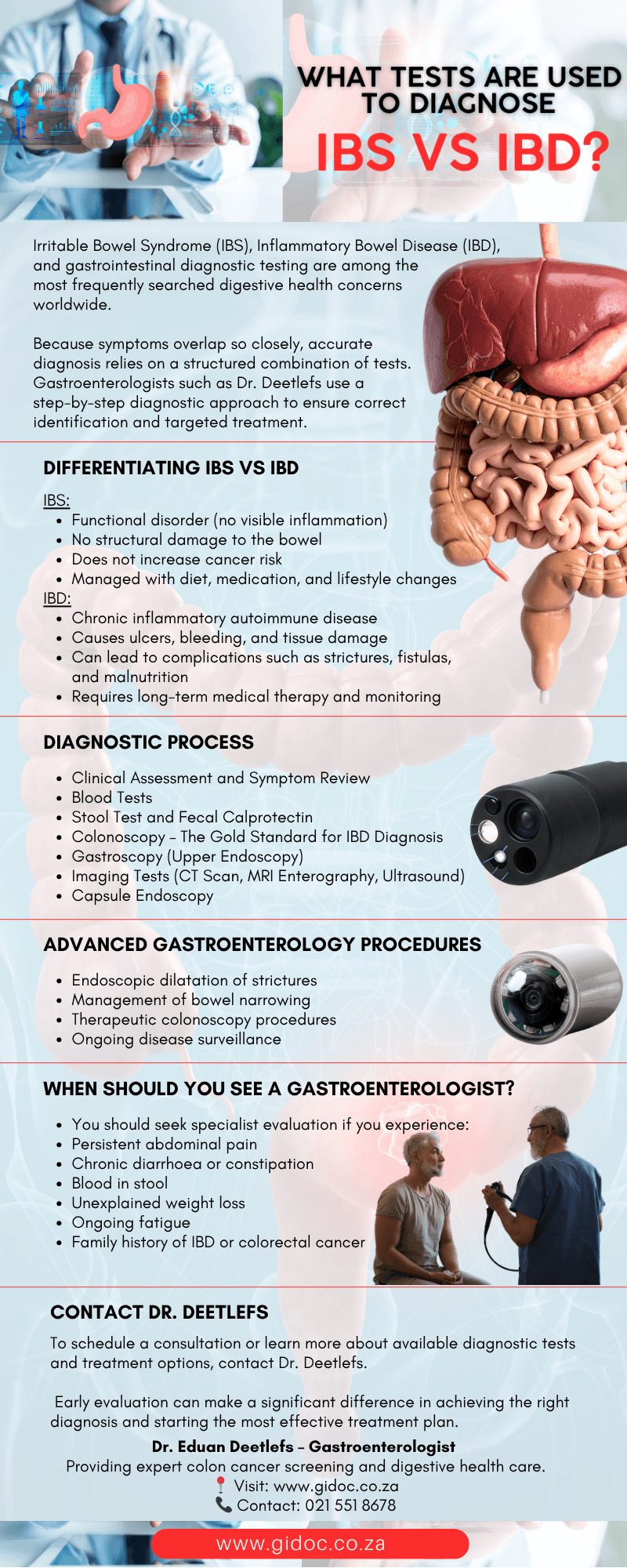
Because symptoms overlap so closely, accurate diagnosis relies on a structured combination of clinical evaluation, laboratory testing, stool analysis, imaging, and endoscopic procedures. Gastroenterologists such as Dr. Deetlefs use a step-by-step diagnostic approach to ensure correct identification and targeted treatment.
Why Differentiating IBS vs IBD Is So Important
Although IBS and IBD share similar symptoms, they have very different implications for long-term health.
IBS:
- Functional disorder (no visible inflammation)
- No structural damage to the bowel
- Does not increase cancer risk
- Managed with diet, medication, and lifestyle changes
IBD:
- Chronic inflammatory autoimmune disease
- Causes ulcers, bleeding, and tissue damage
- Can lead to complications such as strictures, fistulas, and malnutrition
- Requires long-term medical therapy and monitoring
Because of these differences, misdiagnosis can delay appropriate treatment and allow inflammation in IBD to progress unchecked. This is why a structured diagnostic process is essential.

Step 1: Clinical Assessment and Symptom Review
The diagnostic process always begins with a detailed consultation.
A gastroenterologist will assess:
- Nature and duration of symptoms
- Stool patterns (diarrhoea, constipation, or alternating)
- Presence of blood or mucus in stool
- Weight loss or fatigue
- Family history of IBD, celiac disease, or colorectal cancer
- Trigger factors such as stress or food
IBS symptoms often fluctuate and are strongly linked to stress and diet. IBD symptoms tend to be more persistent and progressive.
However, symptoms alone are not sufficient for diagnosis, which is why further testing is required.
Step 2: Blood Tests for IBS vs IBD
Blood tests are an essential first-line diagnostic tool.
Common blood tests include:
- Full blood count (FBC)
- C-reactive protein (CRP)
- Erythrocyte sedimentation rate (ESR)
- Iron studies (ferritin, iron, transferrin)
- Vitamin B12 and folate levels
- Liver function tests
What results typically show:
In IBS:
- Blood tests are usually completely normal
- No signs of inflammation or deficiency
In IBD:
- Elevated CRP and ESR indicate inflammation
- Anemia may be present due to chronic blood loss
- Vitamin deficiencies are common due to malabsorption
These markers help differentiate functional bowel disorders from inflammatory disease, but they are not definitive on their own.
Step 3: Stool Tests and Fecal Calprotectin
Stool testing is one of the most powerful non-invasive tools in differentiating IBS from IBD.
Key stool tests include:
- Fecal calprotectin
- Stool culture (infection screening)
- Stool microscopy for parasites
- Occult blood test (hidden blood detection)
Fecal calprotectin explained:
Calprotectin is a protein released by white blood cells during intestinal inflammation. Measuring its level provides a direct indication of inflammation in the bowel.
- Low calprotectin: Likely IBS or functional disorder
- High calprotectin: Strongly suggests IBD
- Borderline results: Require further investigation
This test is extremely useful because it helps avoid unnecessary colonoscopies in low-risk patients while identifying those who require urgent investigation.
Step 4: Colonoscopy – The Gold Standard for IBD Diagnosis
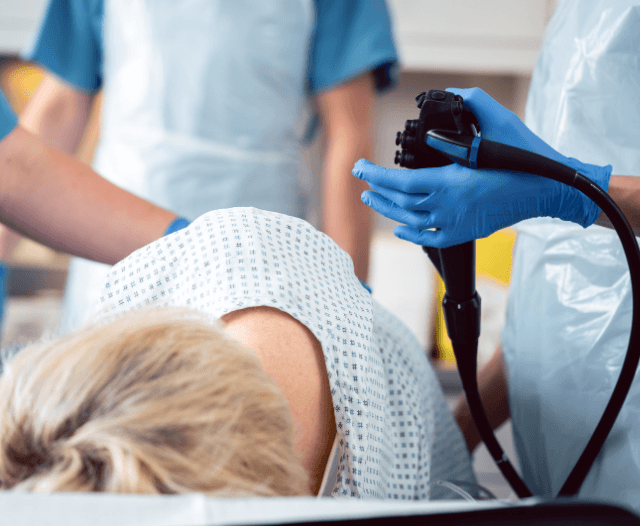
A colonoscopy is one of the most important diagnostic procedures in gastroenterology and is central to diagnosing IBD.
What happens during a colonoscopy:
- A flexible camera is inserted into the rectum
- The entire colon is visually examined
- Any inflammation, ulcers, or bleeding is recorded
- Tissue biopsies are taken for histological analysis
Conditions diagnosed include:
- Crohn’s disease
- Ulcerative colitis
- Colorectal cancer
- Microscopic colitis
IBS vs IBD findings:
- IBS: Normal-looking colon with no inflammation
- IBD: Visible inflammation, ulceration, or structural changes
Biopsy results confirm the presence and type of inflammatory disease, making this test critical for diagnosis.
Step 5: Gastroscopy (Upper Endoscopy)
A gastroscopy may be performed when symptoms extend to the upper digestive tract.
It evaluates:
- Oesophagus
- Stomach
- Duodenum (upper small intestine)
It helps diagnose or exclude:
- Celiac disease
- Gastritis
- Peptic ulcers
- Helicobacter pylori infection
While not directly used to diagnose IBS, it helps rule out other causes of digestive symptoms.
Step 6: Imaging Tests (CT Scan, MRI Enterography, Ultrasound)
When Crohn’s disease is suspected, especially in the small intestine, imaging plays a key role.
Imaging methods:
- CT enterography
- MRI enterography (preferred for younger patients or long-term monitoring)
- Abdominal ultrasound (in selected cases)
What imaging detects:
- Bowel wall thickening
- Deep tissue inflammation
- Abscesses
- Fistulas
- Narrowing (strictures)
These complications are common in Crohn’s disease but not seen in IBS.
Step 7: Capsule Endoscopy
Capsule endoscopy is a specialised diagnostic tool used when other tests are inconclusive.
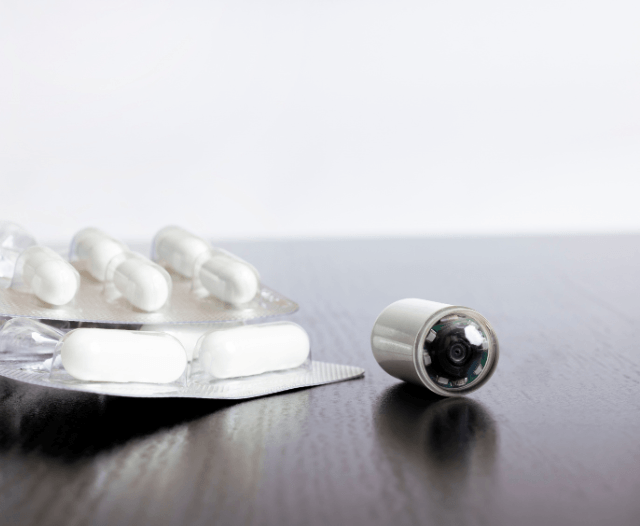
The patient swallows a small capsule containing a camera that captures thousands of images as it passes through the digestive tract.
It is particularly useful for:
- Small bowel Crohn’s disease
- Unexplained gastrointestinal bleeding
- Incomplete colonoscopy results
This test provides a complete view of areas that traditional endoscopy cannot reach.
Diagnosing IBS: A Diagnosis of Exclusion
Unlike IBD, IBS does not have a single confirmatory test.
IBS is diagnosed when:
- Symptoms meet Rome IV criteria
- Blood tests are normal
- Stool tests show no inflammation
- Colonoscopy or imaging is normal
This means IBS is diagnosed only after ruling out structural, inflammatory, and infectious causes.
Diagnosing IBD: Confirming Active Inflammation
IBD diagnosis requires clear objective evidence, including:
- Elevated inflammatory markers (CRP, ESR)
- High fecal calprotectin
- Visible inflammation on colonoscopy
- Positive biopsy results
Once confirmed, further classification determines whether the patient has Crohn’s disease or ulcerative colitis.
Treatment Options Offered by Dr. Deetlefs
Once diagnosis is confirmed, treatment is tailored to the specific condition.
IBS Treatment:
IBS management focuses on symptom control and gut regulation:
- Low FODMAP diet
- Fibre adjustments
- Antispasmodic medication
- Gut-brain axis therapies
- Stress management strategies
- Probiotic support in selected cases
IBD Treatment:
IBD requires long-term anti-inflammatory and immune-modulating therapy:
- Anti-inflammatory medication (e.g. mesalamine)
- Immunosuppressants
- Biologic therapies targeting immune pathways
- Nutritional therapy and supplementation
- Regular endoscopic monitoring
Advanced Gastroenterology Procedures:
Dr. Deetlefs also performs:
- Endoscopic dilatation of strictures
- Management of bowel narrowing
- Therapeutic colonoscopy procedures
- Ongoing disease surveillance
When Should You See a Gastroenterologist?
You should seek specialist evaluation if you experience:
- Persistent abdominal pain
- Chronic diarrhoea or constipation
- Blood in stool
- Unexplained weight loss
- Ongoing fatigue
- Family history of IBD or colorectal cancer
Early diagnosis is critical, especially in IBD, where untreated inflammation can lead to complications.
Conclusion
The diagnostic journey for IBS vs IBD requires a structured, evidence-based approach combining clinical assessment, blood tests, stool analysis, imaging, and endoscopic evaluation. While IBS is a functional disorder managed through lifestyle and symptom control, IBD is a chronic inflammatory disease requiring targeted medical treatment and ongoing specialist care.
Accurate testing ensures correct diagnosis, prevents complications, and enables effective long-term management. A gastroenterologist such as Dr. Deetlefs plays a vital role in guiding patients through this process and delivering personalised treatment plans based on a precise diagnosis.
Contact Dr. Deetlefs
Ultimately, distinguishing IBS from IBD is not about relying on a single test, but about integrating clinical expertise with advanced diagnostic tools and personalised care. Under the guidance of Dr. Deetlefs, patients benefit from a comprehensive, step-by-step approach that not only confirms an accurate diagnosis but also informs targeted treatment.
To schedule a consultation or learn more about available diagnostic tests and treatment options, contact Dr. Deetlefs.
📞 021 202 0626 or visit 🌐 www.gidoc.co.za.
Early evaluation can make a significant difference in achieving the right diagnosis and starting the most effective treatment plan.
GIDoc Cape Town

Patient-focused GI treatments and procedures in Cape Town.
Monday-Friday 8AM-4PM.
Connect with Us

© Dr. Eduan Deetlefs, Registered Gastroenterologist, GI Doc Cape Town
Our website information is not intended or implied to be a substitute for professional medical advice, diagnosis or treatment. Please consult a doctor about your specific condition. Only a trained physician can determine an accurate diagnosis and proper treatment.