021 202 0626
Polypectomy: The Key to Preventing Colorectal Cancer and Why It Matters

Polypectomy: The Key to Preventing Colorectal Cancer and Why It Matters

Colorectal cancer is one of the most common cancers worldwide, but it is also one of the most preventable. One of the most effective ways to reduce the risk of developing colorectal cancer is through polypectomy, a procedure that removes polyps from the colon or rectum.

Since most colorectal cancers develop from precancerous polyps, early detection and removal can significantly lower the chances of the disease progressing.

If you or a loved one has been advised to undergo a polypectomy, understanding the procedure and its benefits can help ease any concerns.

This article explores what a polypectomy is, how it is performed, its role in cancer prevention, and what to expect before and after the procedure.


What Are Polyps and Why Are They a Concern?


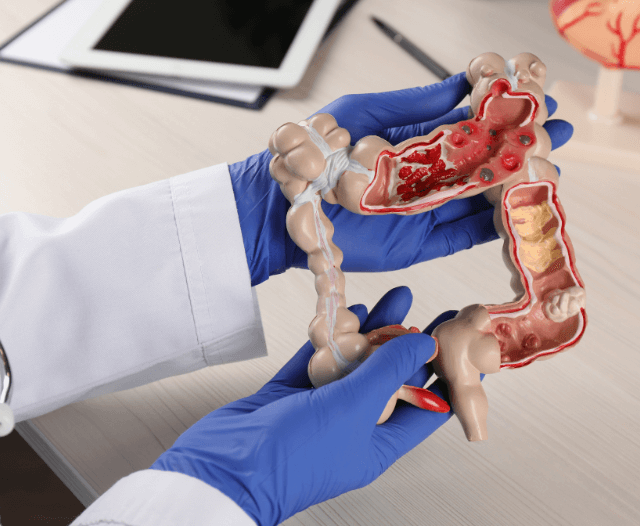
Polyps are abnormal growths that develop on the inner lining of the colon or rectum.

While most polyps are benign (noncancerous), some have the potential to become cancerous over time. These growths can vary in shape and size and are often classified into different types:

Types of Polyps


  • Adenomatous Polyps (Adenomas)
    These are the most common precancerous polyps. While not all adenomas turn into cancer, they have a higher risk of becoming malignant if left untreated.
  • Hyperplastic Polyps and Inflammatory Polyps
    These types of polyps are generally not precancerous and have a lower risk of developing into colorectal cancer.
  • Serrated Polyps
    Some serrated polyps, particularly large ones, may carry a significant risk of cancer development.

Since polyps do not typically cause symptoms, most people are unaware they have them until they undergo a colonoscopy—a screening test for colorectal cancer.

This is why regular screenings and polyp removal are crucial for prevention.

what_is_a_polypectomy


What Is a Polypectomy?


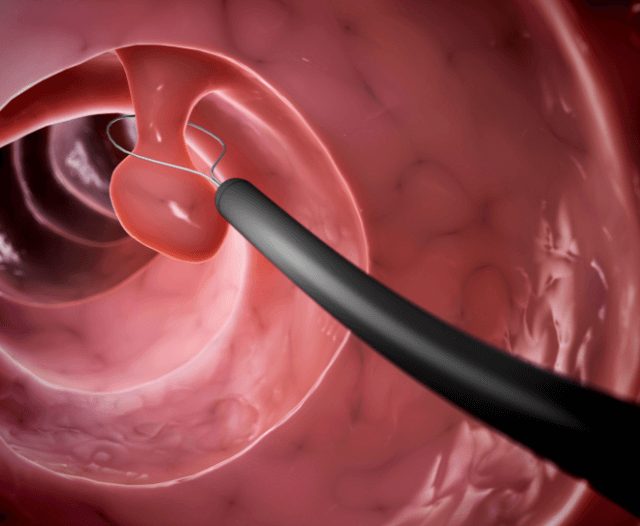
A polypectomy is a medical procedure used to remove polyps from the colon or rectum. It is commonly performed during a colonoscopy or sigmoidoscopy, both of which use a flexible tube with a camera to examine the digestive tract.

By removing polyps before they have the chance to become cancerous, a polypectomy is considered one of the most effective ways to prevent colorectal cancer.


How Is a Polypectomy Performed?


A polypectomy is a minimally invasive procedure performed during a routine colonoscopy. Here’s what to expect during the process:

  1. Preparation for the Procedure
  • Before the colonoscopy, you will need to cleanse your colon using a bowel preparation solution. This ensures a clear view of the colon, making it easier to detect and remove any polyps.
  • You may be advised to avoid certain medications (such as blood thinners) before the procedure.
  1. The Procedure
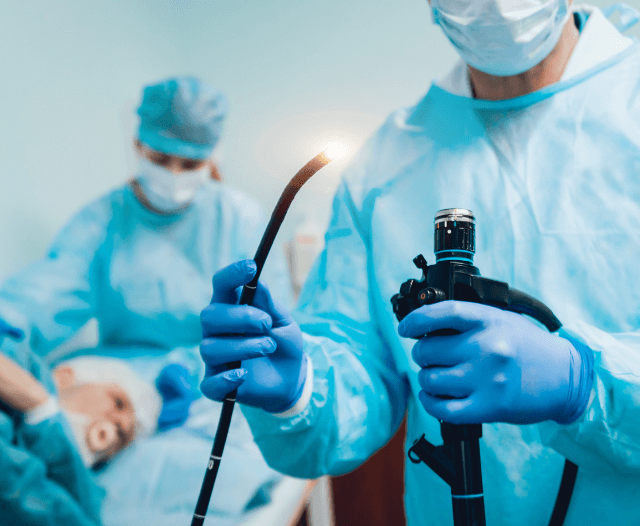
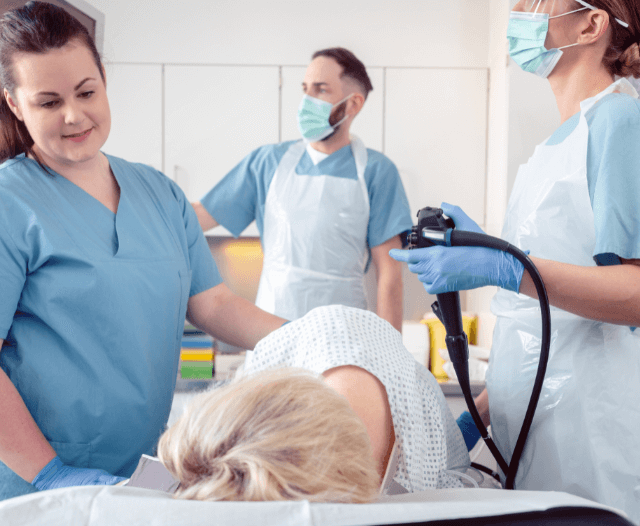
  • A colonoscope (a thin, flexible tube with a camera) is inserted into the rectum and guided through the colon.
  • If a polyp is detected, the doctor will remove it using one of the following methods:

Snare Polypectomy – A wire loop is used to cut off the polyp, often with the help of electrical current (cauterization) to prevent bleeding.

Cold Forceps Polypectomy – Small polyps are removed using forceps without cauterization.

Endoscopic Mucosal Resection (EMR) – Larger polyps may require saline injection to lift the polyp before removal.

  1. Post-Procedure Recovery
  • The entire colonoscopy, including polypectomy, typically takes 20 to 60 minutes.
  • You may experience mild bloating or gas after the procedure, but this usually resolves within a few hours.
  • Most patients can resume normal activities the next day.

polypectomy_colorectal_cancer_prevention


Why Is a Polypectomy Important for Colorectal Cancer Prevention?


The significance of a polypectomy lies in its ability to remove precancerous polyps before they turn into cancer.

Studies show that patients who undergo routine colonoscopies with polypectomy have a significantly lower risk of developing colorectal cancer.


Key Benefits of Polypectomy in Cancer Prevention


  • Early Detection and Removal – Identifying and removing polyps in their early stages prevents cancer from developing.
  • Reduces Risk of Invasive Cancer Treatment – If cancerous polyps are detected early, they can be removed without the need for chemotherapy or surgery.
  • Improves Long-Term Health Outcomes – Regular screenings and polypectomy help maintain a healthy colon and reduce the risk of complications later in life.


Who Should Get a Polypectomy?


  • Individuals Over 45
  • Those with a Family History of Colorectal Cancer
  • Patients with Symptoms of Colorectal Issues

Although polyps are often asymptomatic, some people may experience:

  • Rectal bleeding
  • Changes in bowel habits
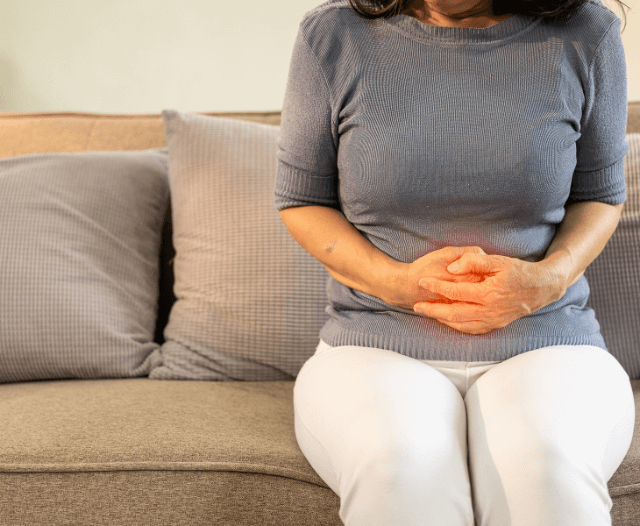
  • Unexplained abdominal pain

post_procedure_polypectomy


What to Expect After a Polypectomy


Recovery Period

  • Most people can go home the same day after a polypectomy.
  • You may have mild discomfort, bloating, or light rectal bleeding, which should resolve within a few days.
  • Avoid heavy lifting and strenuous exercise for at least 24 hours after the procedure.

Follow-Up Care

  • The removed polyps will be sent to a pathology lab to determine whether they are benign, precancerous, or cancerous.
  • Your doctor will inform you if additional treatment or more frequent screenings are necessary.
  • If multiple polyps are found, you may need more frequent colonoscopies (e.g., every 3-5 years instead of every 10 years).


Common Concerns About Polypectomy


1. Is a Polypectomy Painful?

  • The procedure is performed under sedation, so you won’t feel discomfort during the process.

2. Are There Risks Involved?

  • A polypectomy is a very safe procedure. However, like any medical intervention, there are some risks, including:– Minor bleeding (usually resolves on its own)
    –  Perforation of the colon (very rare, but requires medical attention)
  1. Can Polyps Grow Back After Removal?
  • Once removed, a polyp cannot regrow, but new ones can develop over time.
    This is why routine screenings are important.
     

How to Reduce the Risk of Developing Polyps


While polypectomy effectively removes polyps, prevention is the best strategy to reduce the chances of new polyps forming.

Here’s how you can take control of your colorectal health:

Eat a High-Fiber Diet

  • Fiber-rich foods (vegetables, fruits, whole grains) promote healthy digestion and reduce polyp formation.
  • Aim for at least 25-30 grams of fiber daily.

Limit Processed Meats and Red Meat

  • Diets high in processed meats (bacon, hot dogs, sausage) and excessive red meat are linked to an increased risk of polyps and colorectal cancer.
  • Opt for lean protein sources like fish, poultry, and plant-based proteins.

Exercise Regularly

  • Staying active reduces inflammation in the body and helps maintain a healthy gut.
  • Aim for 150 minutes of moderate exercise per week (e.g., brisk walking, cycling).

Maintain a Healthy Weight

  • Obesity is a risk factor for polyps and colorectal cancer.
  • Keeping a healthy body weight reduces your risk of developing precancerous growths.

Avoid Smoking and Excessive Alcohol

  • Smoking and heavy alcohol consumption increase the risk of colorectal cancer.
  • If you smoke, quitting significantly lowers your risk.

Consider Genetic Testing if You Have a Family History

  • If colorectal cancer runs in your family, talk to your doctor about genetic screening and earlier testing.
  • Conditions like Lynch syndrome or familial adenomatous polyposis (FAP) may require more frequent screenings.

what_is_a_polypectomy_infographic


Conclusion


A polypectomy is a life-saving procedure that significantly reduces the risk of colorectal cancer. By removing precancerous polyps early, you can prevent cancer before it even starts.

If you’re over 45 years old, have a family history of colorectal cancer, or experience digestive symptoms, scheduling a colonoscopy and polypectomy can protect your health.

Early detection saves lives—don’t wait until symptoms appear. If your doctor recommends a polypectomy, know that it is a safe, effective, and essential step in maintaining your gastrointestinal health.


Get in Contact with Dr. Deetlefs


If you would like to book an appointment with a gastrointestinal (GI) specialist or would simply like more information on a particular GI topic, don’t hesitate to use our online booking form or call Dr. Deetlefs at 021 551 867.

DISCLAIMER: PLEASE READ CAREFULLY

The information on this website is to provide general guidance. In no way does any of the information provided reflect definitive medical advice and self-diagnoses should not be made based on information obtained online. It is important to consult a Gastroenterologist or medical doctor regarding ANY and ALL symptoms or signs including, but not limited to: abdominal pain, haemorrhoids or anal / rectal bleeding as it may a sign of a serious illness or condition. A thorough consultation and examination should ALWAYS be performed for an accurate diagnosis and treatment plan. Be sure to call a physician or call our office today and schedule a consultation.

GIDoc Cape Town

Patient-focused GI treatments and procedures in Cape Town.

Monday-Friday 8AM-4PM.

Connect with Us

© Dr. Eduan Deetlefs, Registered Gastroenterologist, GI Doc Cape Town

Our website information is not intended or implied to be a substitute for professional medical advice, diagnosis or treatment. Please consult a doctor about your specific condition. Only a trained physician can determine an accurate diagnosis and proper treatment.

Gastroscopy vs. Colonoscopy: What’s the Difference?

Gastroscopy vs. Colonoscopy: What’s the Difference?

The human digestive system is a complex network responsible for breaking down food, absorbing nutrients, and eliminating waste.

However, various conditions can affect different parts of this system, leading to discomfort, pain, and serious health concerns.

To diagnose and treat gastrointestinal (GI) disorders, doctors use endoscopic procedures like gastroscopy and colonoscopy.


Both gastroscopy and colonoscopy involve the use of an endoscope—a flexible tube with a tiny camera—to examine different parts of the digestive system.

However, these procedures target different areas, diagnose different conditions, and require different preparation methods.


If your doctor has recommended one of these procedures, understanding the differences, similarities, and what to expect can help ease any anxiety and ensure you’re well-prepared.


What Is Gastroscopy?


Definition and Purpose

Gastroscopy, also known as esophagogastroduodenoscopy (EGD), is a diagnostic procedure used to examine the upper digestive tract, which includes:

  • Esophagus (the tube that carries food from the mouth to the stomach)
  • Stomach
  • Duodenum (the first part of the small intestine)

A gastroscope is inserted through the mouth and passed down the esophagus to visualize and assess any abnormalities in these areas.


Why Is Gastroscopy Performed?


Doctors may recommend a gastroscopy for several reasons, including:

  • Persistent heartburn (GERD)
  • Difficulty swallowing (dysphagia)
  • Unexplained nausea or vomiting
  • Upper abdominal pain or bloating
  • Suspected ulcers
  • Gastrointestinal bleeding
  • Unexplained weight loss
  • Screening for stomach cancer or celiac disease

How Gastroscopy Is Performed


  • Preparation: Patients must fast for at least 6 to 8 hours before the procedure to ensure the stomach is empty.
  • Sedation: A mild sedative or local anesthetic spray may be used to reduce discomfort.
  • Insertion of the Gastroscope: The doctor inserts the gastroscope through the mouth and gently advances it through the esophagus, stomach, and duodenum.
  • Evaluation & Biopsy: The doctor examines the tissue lining and may take a small sample (biopsy) for further testing.
  • Completion: The procedure usually takes 10 to 20 minutes. Patients may experience mild throat discomfort afterward.

gastroscopy_procedure_benefits


What Is Colonoscopy?


Definition and Purpose

Colonoscopy is a diagnostic procedure used to examine the lower digestive tract, specifically:

  • Rectum
  • Colon (large intestine)

A colonoscope is inserted through the anus and advanced through the colon to identify abnormalities such as polyps, inflammation, and cancerous growths.


Why Is Colonoscopy Performed?


Doctors recommend colonoscopy to detect and diagnose conditions such as:

  • Colorectal cancer screening (especially for individuals over 45 years old)
  • Removal of polyps before they become cancerous
  • Chronic diarrhea or constipation
  • Unexplained rectal bleeding
  • Irritable Bowel Syndrome (IBS) or Inflammatory Bowel Disease (IBD)
  • Abdominal pain, bloating, or changes in bowel habits
  • Monitoring for previous history of colorectal cancer or polyps


How Colonoscopy Is Performed


  1. Preparation: Patients must follow a colon cleansing regimen the day before the procedure, which involves drinking a special laxative solution to clear the bowels.
  2. Sedation: Most patients receive mild sedation to ensure comfort.
  3. Insertion of the Colonoscope: The doctor inserts the colonoscope through the anus and advances it through the colon.
  4. Evaluation & Biopsy: The doctor examines the colon lining, removes any polyps, and may take a biopsy if needed.
  5. Completion: The procedure takes 30 to 45 minutes. Patients may experience mild bloating due to the air introduced during the procedure.

colonoscopy_procedure_benefits


Key Differences Between Gastroscopy and Colonoscopy


Both gastroscopy and colonoscopy are endoscopic procedures used to examine different parts of the digestive system. While they share similarities, they serve distinct purposes, target different areas, and require different preparation methods.

Understanding their key differences can help patients feel more informed and prepared for these procedures.


Area of Examination

The most significant difference between gastroscopy and colonoscopy is the area of the digestive tract they examine:

Gastroscopy (EGD) examines the upper digestive tract, which includes the:

  • Esophagus (the tube that connects the mouth to the stomach)
  • Stomach
  • Duodenum (the first part of the small intestine)

Colonoscopy focuses on the lower digestive tract, specifically:

  • Rectum
  • Colon (large intestine)


Gastroscopy Is Used to Diagnose:


  • Gastroesophageal reflux disease (GERD)
  • Peptic ulcers
  • Esophageal varices (enlarged veins in the esophagus)
  • Hiatal hernia
  • Gastritis (inflammation of the stomach lining)
  • Celiac disease
  • Esophageal or stomach tumors

Colonoscopy Is Used to Diagnose:


  • Colorectal cancer (CRC) screening
  • Polyps (small growths in the colon that may develop into cancer)
  • Diverticulosis and diverticulitis
  • Ulcerative colitis and Crohn’s disease (forms of inflammatory bowel disease)
  • Chronic diarrhea or constipation
  • Unexplained rectal bleeding


How the Procedure Is Performed


Gastroscopy:

  • A thin, flexible tube (gastroscope) with a camera is inserted through the mouth.
  • It is guided down the throat, through the esophagus, into the stomach, and into the duodenum.
  • The doctor examines the lining of the upper digestive tract and may take a biopsy if necessary.

Colonoscopy:

  • A colonoscope, a longer and slightly wider tube, is inserted through the anus.
  • It is gently advanced through the rectum and colon to examine the lining of the large intestine.
  • The doctor may remove polyps, take biopsies, or address sources of bleeding.

benefits_colonoscopy


Preparation Before the Procedure


Gastroscopy Preparation:

  • Patients must fast for 6 to 8 hours before the procedure to ensure the stomach is empty.
  • Clear liquids may be allowed up to 2 hours before the procedure.
  • No bowel preparation is needed.

Colonoscopy Preparation:

  • Patients must follow a strict bowel-cleansing regimen the day before the procedure.
  • This includes drinking a laxative solution to clear the colon of stool.
  • A clear liquid diet is recommended for 24 hours before the procedure.
  • Proper preparation is crucial for an accurate examination.


Sedation and Comfort Level

Both procedures can be uncomfortable, but sedation helps ease any discomfort.


Gastroscopy:

  • Usually performed with mild sedation or a throat-numbing spray to reduce gag reflex.
  • Some patients may experience mild throat irritation after the procedure.

Colonoscopy:

  • Typically requires moderate to deep sedation for patient comfort.
  • Patients may experience mild bloating or cramping due to air introduced during the procedure.


Duration of the Procedure


  • Gastroscopy is a shorter procedure, typically lasting 10 to 20 minutes.
  • Colonoscopy takes 30 to 45 minutes, depending on findings such as polyps that need removal.


Recovery Time and Aftercare


Gastroscopy:

  • Patients can typically resume eating and drinking within a few hours.
  • If sedation was used, driving should be avoided for 24 hours.
  • A mild sore throat may persist for a few hours.

Colonoscopy:

  • Patients may experience gas, bloating, or mild cramping due to the air introduced during the procedure.
  • Normal eating can resume, but a light diet is often recommended at first.
  • If polyps were removed, minor rectal bleeding may occur.
  • Driving should be avoided for 24 hours if sedation was used.


What to Expect After the Procedures


Recovery After Gastroscopy

  • Patients may have a mild sore throat or bloating.
  • Normal eating and drinking can usually resume within a few hours.
  • If sedation was used, patients should avoid driving for 24 hours.

Recovery After Colonoscopy

  • Patients may experience gas, bloating, or mild cramping.
  • A light diet is recommended for the first few hours.
  • If polyps were removed, minor rectal bleeding may occur.
  • Driving should be avoided for 24 hours if sedation was used.


When Should You See a Doctor?


If you experience any of the following symptoms, a gastroscopy or colonoscopy may be necessary:

  • Chronic acid reflux or heartburn
  • Difficulty swallowing or persistent nausea
  • Blood in stool or black, tarry stools
  • Unexplained weight loss
  • Chronic diarrhea or constipation
  • Severe abdominal pain or bloating

gastroscopy_vs_colonoscopy_infographic


Conclusion


Both gastroscopy and colonoscopy are essential diagnostic tools for evaluating gastrointestinal conditions. While gastroscopy focuses on the upper digestive tract, colonoscopy examines the lower digestive tract.

If your doctor recommends either procedure, understanding the differences, preparation, and recovery process can help ease concerns. Both procedures play a crucial role in early detection and prevention of serious GI conditions.

If you have ongoing digestive symptoms, don’t wait—schedule a consultation with a gastroenterologist today.


Get in Contact with Dr. Deetlefs


If you would like to book an appointment with a gastrointestinal (GI) specialist or would simply like more information on a particular GI topic, don’t hesitate to use our online booking form or call Dr. Deetlefs at 021 551 867.

DISCLAIMER: PLEASE READ CAREFULLY

The information on this website is to provide general guidance. In no way does any of the information provided reflect definitive medical advice and self-diagnoses should not be made based on information obtained online. It is important to consult a Gastroenterologist or medical doctor regarding ANY and ALL symptoms or signs including, but not limited to: abdominal pain, haemorrhoids or anal / rectal bleeding as it may a sign of a serious illness or condition. A thorough consultation and examination should ALWAYS be performed for an accurate diagnosis and treatment plan. Be sure to call a physician or call our office today and schedule a consultation.

GIDoc Cape Town

Patient-focused GI treatments and procedures in Cape Town.

Monday-Friday 8AM-4PM.

Connect with Us

© Dr. Eduan Deetlefs, Registered Gastroenterologist, GI Doc Cape Town

Our website information is not intended or implied to be a substitute for professional medical advice, diagnosis or treatment. Please consult a doctor about your specific condition. Only a trained physician can determine an accurate diagnosis and proper treatment.

Understanding ERCP: A Detailed Guide for Patients

Understanding ERCP: A Detailed Guide for Patients


Endoscopic Retrograde Cholangiopancreatography, commonly referred to as ERCP, is a specialized medical procedure that combines both endoscopy and fluoroscopy to diagnose and treat certain problems of the biliary and pancreatic ducts.

This procedure has become indispensable in the field of gastroenterology, especially for patients suffering from conditions affecting their bile ducts, pancreas, and liver.

Whether you’re a patient facing an ERCP, this article offers an in-depth look at how it works, its uses, preparation, risks, and recovery process.

By the end of this guide, you’ll have a comprehensive understanding of why ERCP is crucial in managing specific gastrointestinal (GI) conditions and how it is performed.


What is ERCP?


Endoscopic Retrograde Cholangiopancreatography (ERCP) is a procedure that is primarily used to examine the pancreatic and bile ducts.

It can also be used for therapeutic purposes such as removing gallstones, inserting stents, or draining bile that is blocked due to tumors or other complications.


how_ercp_works


How ERCP Works


ERCP involves the use of an endoscope, a long, flexible tube with a light and camera at its tip, and fluoroscopy, a type of x-ray imaging.

During the procedure, the endoscope is inserted through the mouth, passed down the esophagus, and into the stomach and small intestine. Once the endoscope reaches the opening of the bile or pancreatic duct, a contrast dye is injected, and fluoroscopic images are taken to identify any blockages, strictures, or other abnormalities.

The primary goal of ERCP is to both diagnose and treat conditions affecting the biliary or pancreatic systems.

In many cases, physicians can immediately perform necessary treatments, such as stone removal or stent insertion, without needing additional surgeries.


Why ERCP is Performed


ERCP is both a diagnostic and therapeutic tool. It’s often used when other imaging methods, such as ultrasound, CT scans, or MRI, are not able to provide a clear picture of the biliary or pancreatic ducts.

Conditions that often require ERCP include:

1. Bile Duct Stones (Cholelithiasis)

Gallstones that become lodged in the bile duct can lead to a condition known as choledocholithiasis. These stones can block the flow of bile, resulting in jaundice, pain, or infection of the bile ducts (cholangitis). ERCP can help locate and remove these stones.


2. Biliary Strictures

A biliary stricture is a narrowing of the bile duct, which can occur due to inflammation, scarring from previous surgeries, or cancer. Strictures prevent the normal flow of bile and can lead to jaundice or infection. ERCP allows for the dilation of these strictures and the placement of stents to keep the ducts open.


3. Pancreatitis

ERCP is useful for identifying causes of pancreatitis, especially if caused by gallstones or other blockages. In some cases, removing a stone or draining fluid can alleviate the inflammation of the pancreas.


4. Pancreatic and Bile Duct Tumors

Patients with tumors in or near the pancreatic or bile ducts often suffer from obstructed bile flow, leading to symptoms such as jaundice, pain, and digestive issues. ERCP can be used to place stents in the ducts to bypass the blockage and relieve symptoms.


5. Primary Sclerosing Cholangitis (PSC)

PSC is a chronic disease that affects the bile ducts, leading to inflammation and scarring. ERCP can be used to assess the extent of ductal involvement and place stents to relieve any strictures.

preparing_for_ercp


How to Prepare for ERCP


If you’ve been scheduled for an ERCP, there are several steps you’ll need to take to prepare for the procedure. These steps are critical to ensure the safety and success of the ERCP.


1. Fasting

You will need to fast for at least 6 to 8 hours before the procedure. This is necessary to ensure the stomach is empty, reducing the risk of vomiting or aspiration during the procedure.


2. Medication Adjustments

Certain medications can affect the outcome of the procedure. For instance, blood thinners (such as warfarin or aspirin) may increase the risk of bleeding, so your doctor may recommend that you temporarily stop taking them before the ERCP. Always consult with your healthcare provider before making any changes to your medication regimen.


3. Allergies

If you have any known allergies, particularly to contrast dye or iodine (which is used during fluoroscopy), it is essential to inform your healthcare team beforehand.


4. Pre-Procedure Testing

Depending on your medical history, your doctor may recommend some blood tests, imaging studies, or other evaluations before the ERCP to assess your overall health and the specific condition being investigated.

ercp_procedure


What to Expect During ERCP


1. Sedation

ERCP is typically performed under sedation or general anesthesia. This ensures that you are relaxed, comfortable, and pain-free during the procedure. In most cases, you will be awake but sedated, with little or no memory of the procedure.


2. The Procedure

Once sedated, the endoscope is inserted through your mouth and carefully guided down the esophagus, through the stomach, and into the duodenum (the first part of the small intestine).

At this point, the endoscope is positioned at the papilla of Vater, which is the opening to the bile and pancreatic ducts.

The physician will then inject a contrast dye through a small catheter into the ducts to highlight the bile and pancreatic systems on fluoroscopic x-rays. This enables the doctor to assess for blockages, stones, tumors, or other abnormalities.

If therapeutic treatment is required, the physician may perform one or more of the following procedures during the ERCP:

  • Sphincterotomy: Making a small cut in the muscle surrounding the bile or pancreatic ducts to facilitate stone removal.
  • Stone Extraction: Removing gallstones or bile duct stones using specialized instruments.
  • Stent Placement: Inserting a stent to keep the duct open, particularly in cases of strictures or tumors.
  • Balloon Dilation: Expanding a narrowed duct to improve bile or pancreatic juice flow. 

3. Post-Procedure Recovery

After the ERCP is completed, you’ll be monitored for several hours to ensure there are no immediate complications. The sedation will gradually wear off, and most patients can return home the same day. You may feel groggy or slightly nauseated, but these effects typically pass within a few hours.


what_to_expect_during_ercp


Risks and Complications of ERCP


Like all medical procedures, ERCP carries certain risks. However, it is generally considered safe when performed by experienced gastroenterologists. Some of the potential complications include:


1. Pancreatitis

One of the most common complications of ERCP is pancreatitis, an inflammation of the pancreas. This occurs in approximately 3-10% of cases and can range from mild to severe.


2. Infection

In some cases, ERCP may introduce bacteria into the bile or pancreatic ducts, leading to infection. Antibiotics may be prescribed before and after the procedure to minimize this risk.


3. Bleeding

If a sphincterotomy is performed or if there is trauma to the duct, there is a risk of bleeding. This is usually minor but may require additional intervention in rare cases.


4. Perforation

The instruments used during ERCP can occasionally cause small tears or perforations in the walls of the ducts or intestines. This is a rare but serious complication that may require surgical repair.


Recovery After ERCP


Most patients recover from ERCP within a few days, although some may experience mild discomfort, bloating, or nausea.

It’s important to follow your doctor’s post-procedure instructions, which may include:

  • Rest: Take it easy for the first 24 hours after the procedure.
  • Diet: You may be advised to stick to a light diet until your digestive system fully recovers.
  • Medication: Pain relief medication or antibiotics may be prescribed to prevent infection or manage discomfort.

Your doctor will provide specific guidelines based on your individual case and any procedures performed during the ERCP.

Be sure to attend any follow-up appointments to discuss the results and further treatment plans.


Conclusion


Endoscopic Retrograde Cholangiopancreatography (ERCP) is a highly effective and minimally invasive procedure that plays a vital role in diagnosing and treating various conditions affecting the biliary and pancreatic systems.

Although it carries some risks, ERCP offers a relatively quick and efficient way to manage serious GI conditions that would otherwise require more invasive surgery.

Understanding the procedure, preparation, risks, and recovery can help patients feel more informed and comfortable with their treatment.

If you’re facing an ERCP, consult with your gastroenterologist to discuss any concerns and ensure you’re well-prepared for this life-saving procedure.


ercp_infographic


Get in Contact with Dr. Deetlefs


If you would like to book an appointment with a gastrointestinal (GI) specialist or would simply like more information on a particular GI topic, don’t hesitate to use our online booking form or call Dr. Deetlefs at 021 551 867.

DISCLAIMER: PLEASE READ CAREFULLY

The information on this website is to provide general guidance. In no way does any of the information provided reflect definitive medical advice and self-diagnoses should not be made based on information obtained online. It is important to consult a Gastroenterologist or medical doctor regarding ANY and ALL symptoms or signs including, but not limited to: abdominal pain, haemorrhoids or anal / rectal bleeding as it may a sign of a serious illness or condition. A thorough consultation and examination should ALWAYS be performed for an accurate diagnosis and treatment plan. Be sure to call a physician or call our office today and schedule a consultation.

GIDoc Cape Town

Patient-focused GI treatments and procedures in Cape Town.

Monday-Friday 8AM-4PM.

Connect with Us

© Dr. Eduan Deetlefs, Registered Gastroenterologist, GI Doc Cape Town

Our website information is not intended or implied to be a substitute for professional medical advice, diagnosis or treatment. Please consult a doctor about your specific condition. Only a trained physician can determine an accurate diagnosis and proper treatment.

New Year, New Health Goals: Why January Is the Perfect Time for Your Colonoscopy

New Year, New Health Goals: Why January Is the Perfect Time for Your Colonoscopy

The start of a new year is often filled with resolutions, fresh goals, and a renewed focus on personal health. For many people, January represents a clean slate, a chance to prioritize wellness and preventive care.

Among the many health-related resolutions one might consider, scheduling a colonoscopy should rank high on the list—especially for individuals over 45 or those with a family history of colorectal cancer or gastrointestinal issues.

A colonoscopy is a vital screening tool for the early detection of colorectal cancer and other conditions affecting the colon and rectum.

While this procedure may not top your list of exciting New Year activities, it could be one of the most important health decisions you make.

Here’s why January is the ideal time to schedule your colonoscopy and start the year with your health in focus.


Why Colonoscopies Are Important


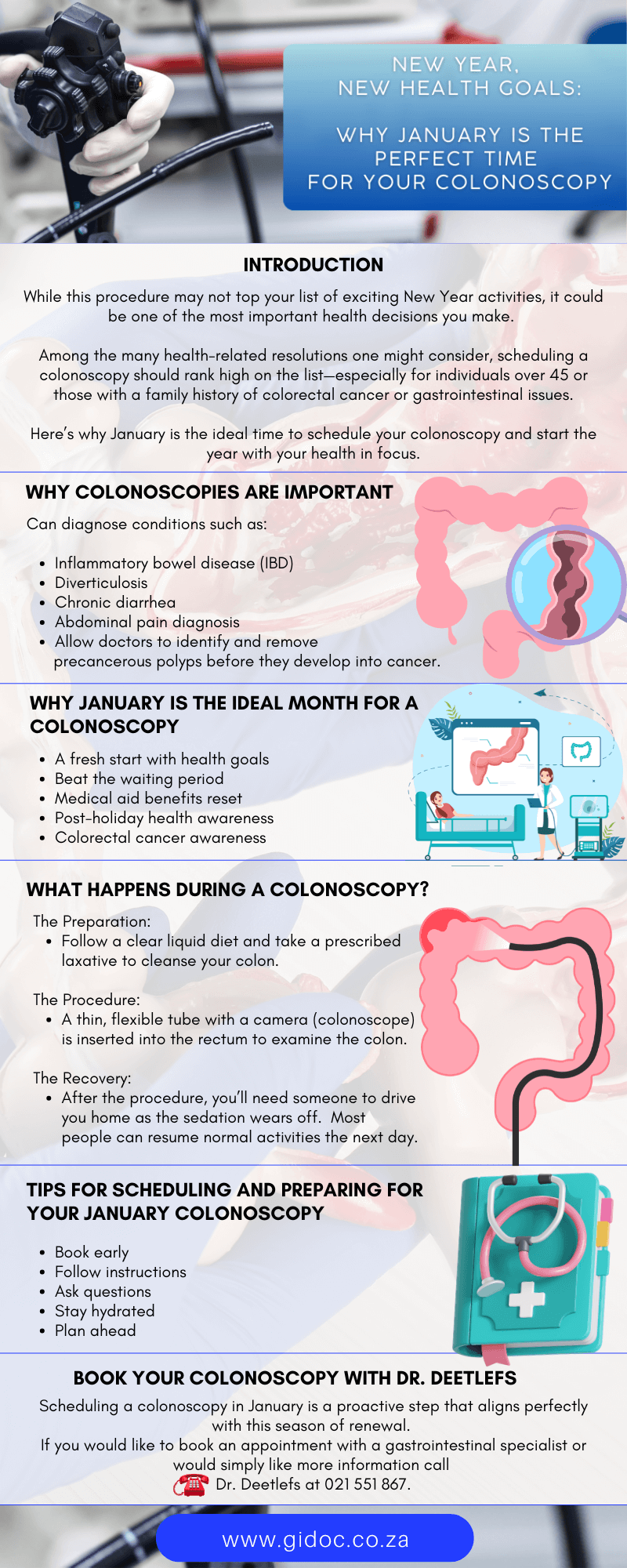
Colorectal cancer is one of the most preventable yet deadly cancers when not detected early. Colonoscopies allow doctors to identify and remove precancerous polyps before they develop into cancer.

They can also diagnose other gastrointestinal conditions such as inflammatory bowel disease (IBD), diverticulosis, and even unexplained digestive symptoms like chronic diarrhea or abdominal pain.

The American Cancer Society recommends that individuals begin regular colorectal screenings at the age of 45, and those with risk factors or a family history of the disease should start even earlier.

Despite these guidelines, many people delay or avoid scheduling their colonoscopy. Often, this reluctance stems from misconceptions, fear of the procedure, or busy schedules.

January offers the perfect opportunity to take that first step toward prevention, as we explain below.

importance_of_colonoscopies


Why January Is the Ideal Month for a Colonoscopy


A Fresh Start with Health Goals

The New Year is synonymous with setting new health priorities. Many people commit to eating healthier, exercising more, and scheduling important medical check-ups.

Scheduling a colonoscopy in January aligns with this “fresh start” mindset, making it a practical first step in your health journey.

Beginning the year with this crucial screening sets the tone for prioritizing your overall well-being.


Beat the Spring Rush

Many people procrastinate on scheduling medical appointments until later in the year. By booking your colonoscopy in January, you can avoid the rush of spring and summer appointments, ensuring that your preferred dates are available.

Doctors’ offices and clinics are often less busy in January, making it easier to secure a time that works for you.


Insurance Benefits Reset

For many people, January marks the start of a new insurance year. Deductibles reset, and out-of-pocket maximums begin anew.

If you meet your deductible early by scheduling a colonoscopy in January, subsequent medical visits and procedures for the rest of the year may be more affordable. This financial incentive is a significant motivator for scheduling medical procedures at the beginning of the year.


Post-Holiday Health Awareness

After weeks of holiday indulgence—think heavy meals, sugary treats, and alcoholic beverages—it’s natural to feel the need for a health reset.

January is often the time people reflect on their habits and consider healthier choices. A colonoscopy is a proactive step in this direction, allowing you to assess your digestive health and make necessary adjustments.


Colorectal Cancer Awareness

Although March is officially Colorectal Cancer Awareness Month, scheduling your colonoscopy in January gives you a head start.

By taking action early in the year, you can raise awareness among friends and family about the importance of this screening, encouraging them to prioritize their health as well.

colonoscopy_importance


What Happens During a Colonoscopy?


Understanding what to expect during a colonoscopy can help alleviate any anxiety or hesitation. Here’s a brief overview of the process:

  1. Preparation (The Day Before)
    The most challenging part of a colonoscopy is the preparation. You’ll be asked to follow a clear liquid diet and take a prescribed laxative to cleanse your colon. While this may be inconvenient, it’s essential for ensuring accurate results.
     
  2. The Procedure
    During the colonoscopy, a thin, flexible tube with a camera (colonoscope) is inserted into the rectum to examine the colon. The procedure typically lasts about 30-60 minutes, and you’ll be under sedation to ensure comfort.
     
  3. Recovery
    After the procedure, you’ll need someone to drive you home as the sedation wears off. Most people feel normal within a few hours and can return to their regular activities the following day.

While the preparation may seem daunting, the benefits of a colonoscopy far outweigh any temporary discomfort.


Addressing Common Concerns About Colonoscopies


  • “I don’t have symptoms, so I don’t need one.”
    Colorectal cancer often develops without symptoms in its early stages, making screenings essential for early detection. A colonoscopy can identify issues before they cause noticeable problems.
  • “The prep is too difficult.”
    While the preparation process isn’t fun, modern laxative solutions are often more tolerable than in the past. Following your doctor’s instructions will make the process smoother and more effective.
  • “It’s embarrassing.”
    Medical professionals perform colonoscopies regularly and are focused on your health, not judgment. The procedure is conducted with the utmost respect for your privacy and comfort.
  • “I’m afraid of the results.”
    While it’s natural to feel anxious about potential findings, remember that early detection significantly increases the chances of successful treatment. Ignoring the need for a colonoscopy only delays addressing potential issues.

colonoscopy_procedure


Tips for Scheduling and Preparing for Your January Colonoscopy


  • Book Early: Reach out to your gastroenterologist or primary care provider to secure an appointment that fits your schedule.
  • Follow Instructions: Adhere closely to the preparation guidelines provided by your doctor to ensure accurate results.
  • Ask Questions: Don’t hesitate to ask your doctor about the procedure, preparation, or any concerns you may have.
  • Stay Hydrated: Drink plenty of fluids during the preparation phase to stay comfortable and hydrated.
  • Plan Ahead: Arrange for a day off work and a friend or family member to accompany you on the day of the procedure.


The Benefits of Early Detection


A colonoscopy can detect and remove precancerous polyps, reducing the risk of colorectal cancer by up to 90%. It’s also highly effective in diagnosing other gastrointestinal conditions.

Early detection means less invasive treatment options, better outcomes, and peace of mind for you and your loved ones.

colonoscopy_removal_polyps


Inspiring Others to Take Action


By scheduling your colonoscopy in January, you not only take control of your own health but also set an example for others.

Talk openly with friends and family about the importance of this screening.
Sharing your experience can encourage loved ones to prioritize their health and schedule their own colonoscopies.


importance_of_scheduling_colonoscopy


Conclusion


The New Year is a time for setting goals and making resolutions, and prioritizing your health should be at the top of the list.

Scheduling a colonoscopy in January is a proactive step that aligns perfectly with this season of renewal.

It’s an opportunity to invest in your long-term health, detect potential issues early, and start the year with peace of mind.

Don’t let fear, misconceptions, or a busy schedule hold you back. Take the initiative to book your colonoscopy today and make 2024 the year you prioritize your health.

After all, there’s no better resolution than safeguarding your well-being and ensuring a healthier future for yourself and your loved ones.


Get in Contact with Dr. Deetlefs


If you would like to book an appointment with a gastrointestinal (GI) specialist or would simply like more information on a particular GI topic, don’t hesitate to use our online booking form or call Dr. Deetlefs at 021 551 867.

DISCLAIMER: PLEASE READ CAREFULLY

The information on this website is to provide general guidance. In no way does any of the information provided reflect definitive medical advice and self-diagnoses should not be made based on information obtained online. It is important to consult a Gastroenterologist or medical doctor regarding ANY and ALL symptoms or signs including, but not limited to: abdominal pain, haemorrhoids or anal / rectal bleeding as it may a sign of a serious illness or condition. A thorough consultation and examination should ALWAYS be performed for an accurate diagnosis and treatment plan. Be sure to call a physician or call our office today and schedule a consultation.

GIDoc Cape Town

Patient-focused GI treatments and procedures in Cape Town.

Monday-Friday 8AM-4PM.

Connect with Us

© Dr. Eduan Deetlefs, Registered Gastroenterologist, GI Doc Cape Town

Our website information is not intended or implied to be a substitute for professional medical advice, diagnosis or treatment. Please consult a doctor about your specific condition. Only a trained physician can determine an accurate diagnosis and proper treatment.

Managing Acid Reflux: Causes, Symptoms, and Treatment Strategies

Managing Acid Reflux: Causes, Symptoms, and Treatment Strategies


Acid reflux is a common condition that occurs when stomach acid flows back up into the esophagus, causing irritation and discomfort.

For some, it’s an occasional nuisance, but for others, it can be a chronic condition that significantly impacts their quality of life.

Understanding the causes, symptoms, and effective ways to manage acid reflux is essential for maintaining digestive health and preventing complications.

In this article, we’ll explore what acid reflux is, its symptoms, causes, triggers, potential complications, and strategies for managing and treating the condition effectively.


What is Acid Reflux?


Acid reflux, also known as gastroesophageal reflux (GERD), occurs when the lower esophageal sphincter (LES)—a ring of muscle that acts as a valve between the esophagus and stomach—does not close properly.

This allows stomach acid and digestive enzymes to travel back into the esophagus.

Occasional acid reflux is normal and can happen to anyone, especially after a large meal.
However, when acid reflux becomes frequent or chronic, it may indicate a more severe condition called gastroesophageal reflux disease (GERD).

acid_reflux_symptoms


Symptoms of Acid Reflux


The symptoms of acid reflux can vary in severity and frequency.

Common symptoms include:

  1. Heartburn: A burning sensation in the chest, usually after eating, which may worsen when lying down or bending over.
  2. Regurgitation: A sour or bitter taste in the mouth caused by stomach acid backing up into the throat or mouth.
  3. Burping or Bloating: Excess gas in the digestive system may lead to belching or a feeling of fullness.
  4. Difficulty Swallowing: Also known as dysphagia, this occurs when stomach acid irritates the esophagus, making swallowing painful or uncomfortable.
  5. Chronic Cough or Hoarseness: Irritation of the throat caused by acid reflux can lead to a persistent cough or changes in the voice.
  6. Nausea: A feeling of queasiness or discomfort in the stomach, especially after eating.
  7. Sore Throat: Frequent acid reflux can lead to throat irritation, soreness, or a lump-like feeling.


Causes of Acid Reflux


Several factors contribute to the development of acid reflux, including:

  1. Weak or Dysfunctional Lower Esophageal Sphincter (LES): When the LES does not close properly, it allows stomach acid to flow back into the esophagus.
  2. Dietary Choices: Foods and drinks such as spicy foods, fried foods, chocolate, coffee, alcohol, and carbonated beverages can weaken the LES or increase stomach acid production.
  3. Obesity: Excess weight puts pressure on the abdomen, which can push stomach contents back into the esophagus.
  4. Pregnancy: Hormonal changes and increased abdominal pressure during pregnancy can lead to acid reflux.
  5. Smoking: Smoking weakens the LES and increases acid production in the stomach.
  6. Hiatal Hernia: A condition in which part of the stomach pushes through the diaphragm, disrupting the LES’s function.
  7. Certain Medications: Medications like aspirin, ibuprofen, certain muscle relaxers, and blood pressure medications can contribute to acid reflux.
  8. Overeating: Eating large meals can put extra pressure on the LES, leading to reflux.

acid_reflux_causes


Common Triggers of Acid Reflux


In addition to the underlying causes, specific triggers can exacerbate acid reflux symptoms.

These include:

  • Eating late at night: Lying down shortly after eating can make it easier for acid to travel back up into the esophagus.
  • Consuming acidic or fatty foods: Citrus fruits, tomatoes, fried foods, and high-fat meals can trigger reflux.
  • Stress: Stress may not directly cause acid reflux but can worsen symptoms by affecting digestion and lifestyle choices.
  • Wearing tight clothing: Tight belts or clothes that compress the abdomen can increase abdominal pressure, leading to reflux.
  • Exercise after eating: Intense physical activity right after a meal, especially bending or lifting, can trigger reflux.


Potential Complications of Acid Reflux


When acid reflux occurs frequently or is left untreated, it can lead to serious complications, including:

  1. Esophagitis: Inflammation of the esophagus caused by repeated exposure to stomach acid.
  2. Esophageal Stricture: Scar tissue can form in the esophagus, narrowing it and causing difficulty swallowing.
  3. Barrett’s Esophagus: Long-term acid exposure can change the lining of the esophagus, increasing the risk of esophageal cancer.
  4. Respiratory Issues: Chronic acid reflux can lead to respiratory problems like asthma, bronchitis, or pneumonia.
  5. Tooth Erosion: Stomach acid can erode tooth enamel, leading to dental problems.


Diagnosing Acid Reflux


If you experience frequent or severe acid reflux symptoms, it’s important to seek medical advice. A healthcare provider may use the following methods to diagnose acid reflux or GERD:

  1. Medical History and Physical Exam: Your doctor will ask about your symptoms, diet, and lifestyle.
  2. Endoscopy: A thin, flexible tube with a camera is inserted into the esophagus to examine its lining for inflammation, damage, or other abnormalities.
  3. pH Monitoring: A device is used to measure the acidity in your esophagus over a 24-hour period.
  4. Barium Swallow Test: You’ll drink a barium solution, and X-rays will be taken to check for abnormalities in the esophagus and stomach.

acid_reflux_treatments


Treatment and Management Strategies for Acid Reflux


Managing acid reflux involves a combination of lifestyle changes, dietary modifications, and medical interventions. Here are some effective strategies:

  1. Lifestyle Modifications
  • Elevate the Head of Your Bed: Sleeping with your head and upper body elevated can prevent acid from traveling back into your esophagus.
  • Avoid Lying Down After Eating: Wait at least 2-3 hours after a meal before lying down or going to bed.
  • Maintain a Healthy Weight: Losing excess weight can reduce abdominal pressure and lessen reflux symptoms.
  • Quit Smoking: Eliminating smoking can strengthen the LES and reduce acid production.


  1. Dietary Adjustments
  • Identify Trigger Foods: Keep a food diary to pinpoint which foods aggravate your symptoms and avoid them.
  • Eat Smaller Meals: Consuming smaller, more frequent meals can prevent overloading your stomach.
  • Limit Acidic and Spicy Foods: Reduce the intake of citrus fruits, tomatoes, and spicy dishes.
  • Choose Gut-Friendly Options: Opt for non-acidic, low-fat, and easily digestible foods like bananas, oatmeal, and lean proteins.


  1. Medications
  • Antacids: Over-the-counter antacids like Tums or Rolaids neutralize stomach acid and provide quick relief.
  • H2 Blockers: Medications like ranitidine or famotidine reduce acid production in the stomach.
  • Proton Pump Inhibitors (PPIs): Drugs like omeprazole and lansoprazole reduce acid production more effectively and are used for long-term management.
  • Prokinetics: These medications improve stomach emptying and reduce acid reflux.


  1. Surgical Options

For severe or unresponsive cases, surgical intervention may be necessary. The most common procedure is fundoplication, where the top of the stomach is wrapped around the LES to strengthen it and prevent reflux.


Natural Remedies for Acid Reflux


In addition to conventional treatments, some natural remedies may help alleviate symptoms:

  1. Ginger: Known for its anti-inflammatory properties, ginger can soothe the stomach and reduce acid reflux.
  2. Apple Cider Vinegar: Diluted apple cider vinegar may help balance stomach acid levels for some individuals.
  3. Aloe Vera Juice: Drinking aloe vera juice can soothe irritation in the esophagus and stomach.
  4. Chewing Gum: Chewing gum stimulates saliva production, which can neutralize stomach acid and reduce reflux.


Preventing Acid Reflux


Prevention is key to managing acid reflux and reducing the risk of complications.
Follow these tips to keep symptoms at bay:

  • Plan Meals Wisely: Avoid eating large meals or trigger foods, especially before bedtime.
  • Stay Upright After Eating: Sitting or standing up after meals can help prevent reflux.
  • Practice Stress Management: Incorporate relaxation techniques like meditation, yoga, or deep breathing to reduce stress.
  • Wear Loose Clothing: Avoid tight clothes that put pressure on your abdomen.

managing_acid_reflux_infographic

Conclusion

Acid reflux is a common yet manageable condition that affects millions of people worldwide.

While occasional reflux is not usually a cause for concern, chronic symptoms require medical attention to prevent complications.

By adopting a healthy lifestyle, avoiding trigger foods, and using appropriate treatments, you can effectively control acid reflux and improve your quality of life.

Remember, if you experience persistent symptoms or complications, consult a healthcare professional for personalized advice and treatment. With the right approach, you can minimize discomfort and protect your digestive health.


Get in Contact with Dr. Deetlefs


If you would like to book an appointment with a gastrointestinal (GI) specialist or would simply like more information on a particular GI topic, don’t hesitate to use our online booking form or call Dr. Deetlefs at 021 551 867.

DISCLAIMER: PLEASE READ CAREFULLY

The information on this website is to provide general guidance. In no way does any of the information provided reflect definitive medical advice and self-diagnoses should not be made based on information obtained online. It is important to consult a Gastroenterologist or medical doctor regarding ANY and ALL symptoms or signs including, but not limited to: abdominal pain, haemorrhoids or anal / rectal bleeding as it may a sign of a serious illness or condition. A thorough consultation and examination should ALWAYS be performed for an accurate diagnosis and treatment plan. Be sure to call a physician or call our office today and schedule a consultation.

GIDoc Cape Town

Patient-focused GI treatments and procedures in Cape Town.

Monday-Friday 8AM-4PM.

Connect with Us

© Dr. Eduan Deetlefs, Registered Gastroenterologist, GI Doc Cape Town

Our website information is not intended or implied to be a substitute for professional medical advice, diagnosis or treatment. Please consult a doctor about your specific condition. Only a trained physician can determine an accurate diagnosis and proper treatment.