021 202 0626
Crohn’s Disease Explained – Symptoms and Treatment

Crohn’s Disease Explained – Symptoms and Treatment

Crohn’s Disease is a type of inflammatory bowel disease that can go into remission but then suddenly reappear with nasty symptoms. Doctors may prescribe medication or, in severe cases, even surgery.

Good lifestyle choices and general symptom management can help ease the hardships of this disease.

Here we will look at examining what the disease entails and the best treatment options available today.


What is Crohn’s Disease?


Crohn’s disease falls under the category of inflammatory bowel diseases. As such, it’s a condition that stays with those suffering from it for life.

While it does differ quite significantly from inflammatory bowel disease, Crohn’s disease does involve chronic inflammation of the digestive tract.

The hardest part about living with Crohn’s disease is living with life-disrupting symptoms. Even when symptoms are not present, though, the disease can be a real hindrance to a stress-free life because Crohn’s disease is prone to remission with sudden flare-ups a common occurrence.

Lifestyle changes are required by most people living with the disease to manage the disease as carefully as possible in an attempt to lower its negative effects on normal school, work, and social life.

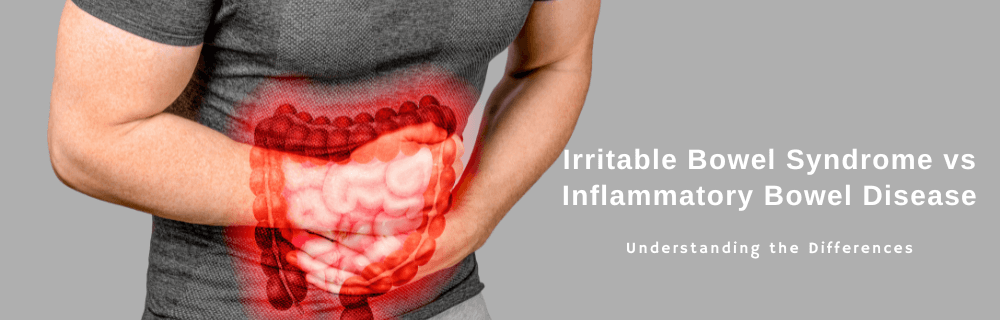
In this article, we will look into what makes Crohn’s disease part of the Inflammatory Bowel Disease umbrella term, how it differs from ulcerative colitis, the typical signs and symptoms one can expect when dealing with Crohn’s disease, and potential treatment options.


crohns_disease_symptoms


Inflammatory Bowel Disease and Crohn’s Disease


Crohn’s disease is a form of inflammatory bowel disease (IBD).

IBD is the collective term for describing disorders that involve chronic inflammation of the digestive tract. The digestive tract is comprised of everything from the mouth and oesophagus through to the small and large intestine.

The digestive tract is what keeps you alive by breaking down your food, retaining the valuable parts, and ridding itself of the rest.

The definition of IBD is broad in scope but defines the parent term for two sub-categories of IBD, namely ulcerative colitis and Crohn’s disease.

It’s important to note that while we can draw clear separations between the two on paper, it can sometimes be quite a tricky task to diagnose the correct IBD in patients.

That said, let’s take a look at how Crohn’s disease is similar and contrasting to ulcerative colitis.


How is Crohn’s Disease Different from Ulcerative Colitis?


Ulcerative colitis involves inflammation of the large intestine with inflammation only present in the innermost layer of the lining of the colon.

Apart from inflammation, ulcerative colitis can also present as sores, or ulcers, on the colon lining. Another characteristic of this form of IBD is that the damaged areas are continuous.

This is in contrast to how Crohn’s disease presents.

Whereas ulcerative colitis is limited to the large intestine, Crohn’s disease can involve any part of the gastrointestinal tract from the mouth all the way to the end – the anus. 

Most commonly, it develops in the final part of the small intestine and colon. Another differentiating factor is that it occurs in distinct patches.

Unlike the continuous inflammation found in ulcerative colitis patients, those suffering from Crohn’s disease present with quite distinct healthy and inflamed areas of tissue.

Crohn’s disease seems to be increasing in occurrence with time – studies in the United States suggest that over half a million people are suffering from the disease.

The distinction between the two forms of IBD is not always crystal clear.

When a doctor is unable to determine whether a patient has ulcerative colitis or Crohn’s disease, they will classify the patient’s condition as “indeterminate colitis” implying that there are cases where it’s not always clear one way or the other.

 crohns_disease_treatment


Signs and Symptoms of Crohn’s Disease


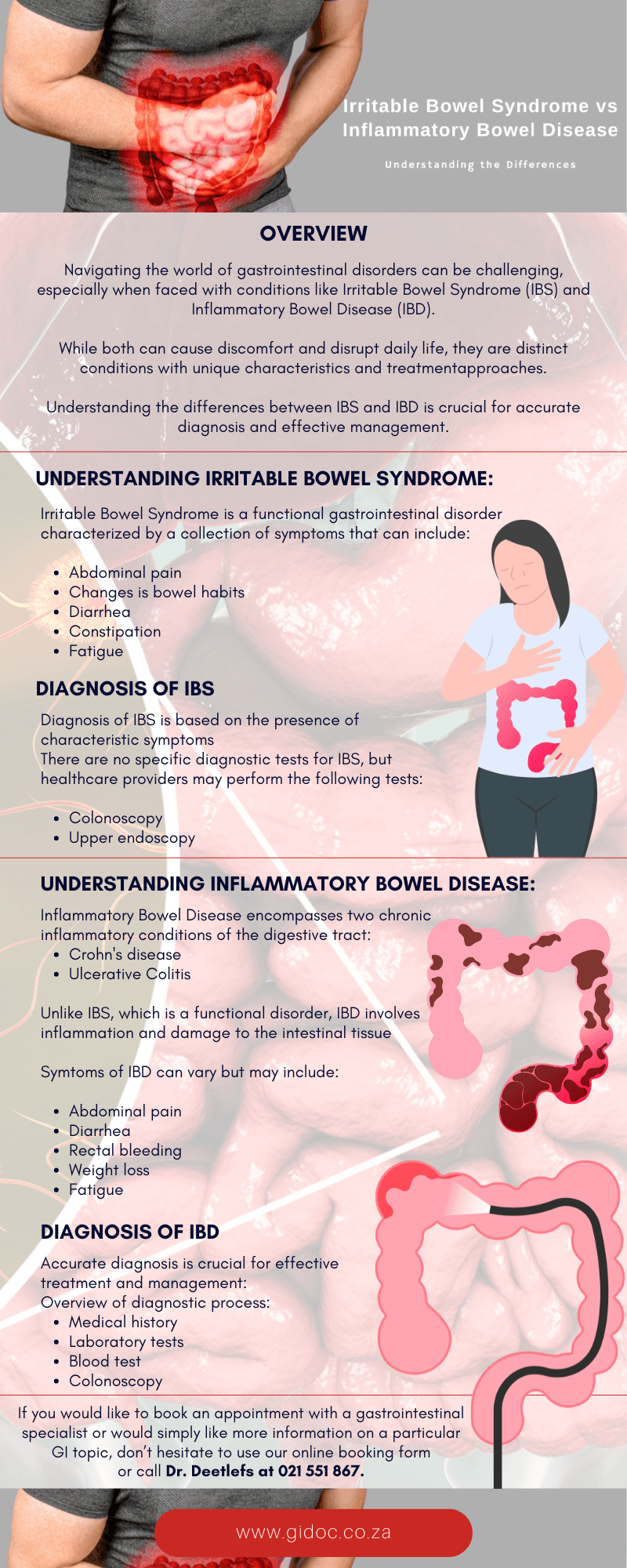
Due to the involvement of the small or large intestine and the fact that inflammation can be spread out in multiple segments, signs and symptoms can be widespread.

When Crohn’s disease is in remission, that is to say, that when inflammation is not severe, patients will present with no signs or symptoms. This can change quite rapidly though and often without warning.

When Crohn’s disease is fully active (i.e. not in remission), a number of signs and symptoms can be found, some more painful and debilitating than others.

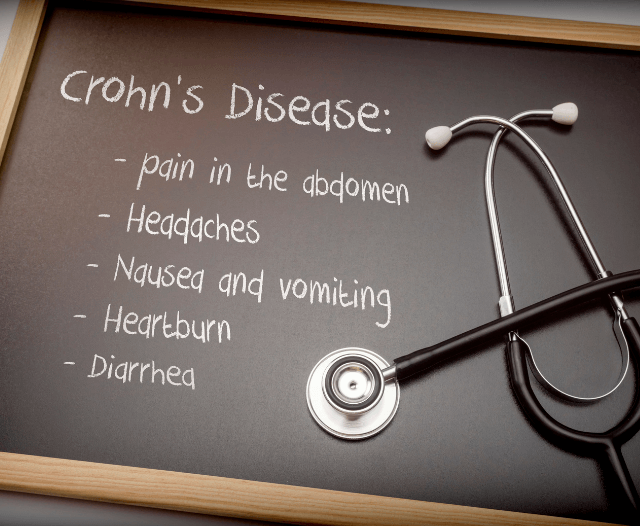
Depending on the location of the diseased inflammation, symptoms can vary with inflammation of the lower gastrointestinal tract possibly including some or all the following symptoms: 

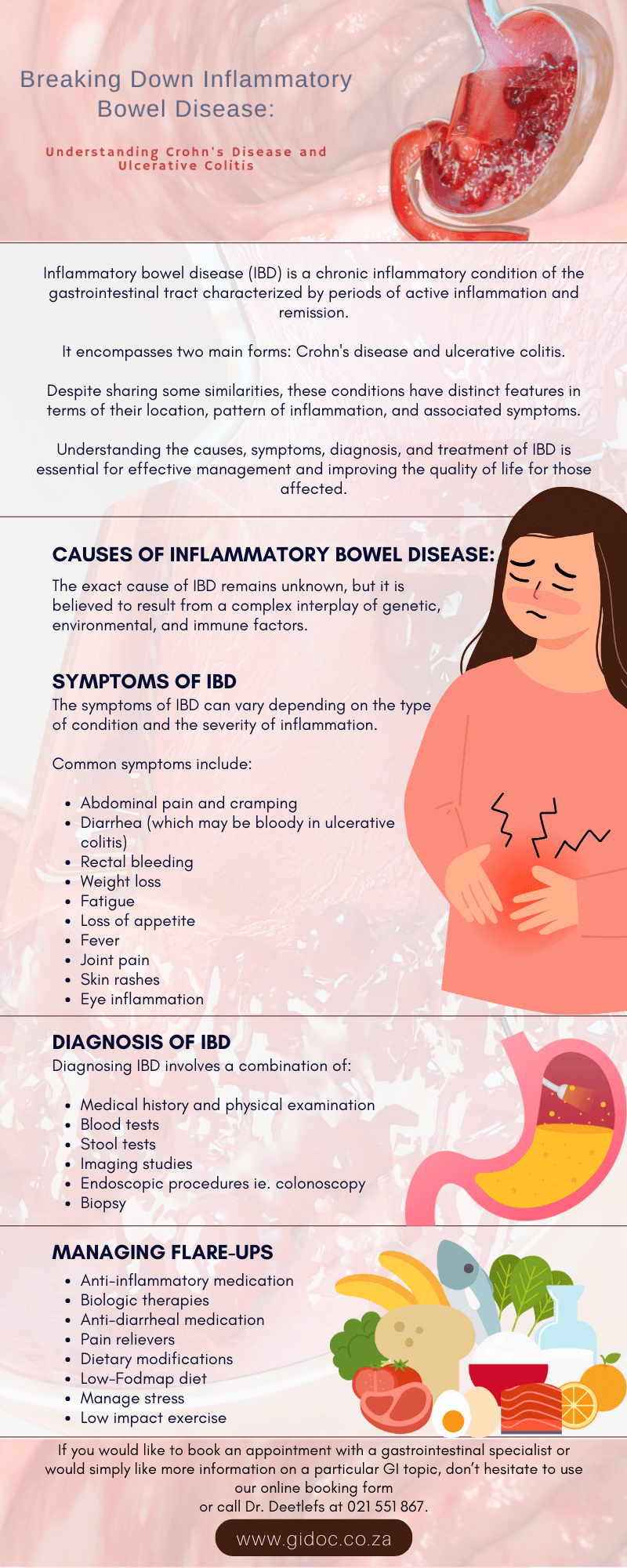
  • Abdominal pain and cramping
  • Fatigue
  • Reduced appetite and weight loss
  • Persistent, sudden diarrhoea
  • The sensation of incomplete bowel evacuation
  • Constipation which could lead to bowel obstruction

Some of these symptoms may also be present if Crohn’s disease is in the upper GIT but symptoms are fewer in number and milder in severity.

Crohn’s disease has even been known to present silently (no outward symptoms) when the disease affects the small intestine. What often happens is that those with silent symptoms later exhibit symptoms such as intestinal blockage, infection, or persistent pain and fever.

There are also several symptoms, already touched on earlier, that affect one’s general health such as mouth sores, night sweats, and unusual menstrual cycles.

In more severe cases, patients with well-established Crohn’s disease may also experience inflammation of the skin, eyes, and joints, iron deficiency, delayed growth in children, and even kidney stones.

There is quite a range of displayed signs and symptoms of Crohn’s disease. It’s important to remain vigilant in monitoring one’s own health and consulting your doctor at any sign of irregularity in one’s health when Crohn’s disease is suspected. 

 crohns_disease_signs


Treatment of Crohn’s Disease


Due to the inflammation being the main problem in Crohn’s disease with cascading effects, anti-inflammatory drugs are the first step in a treatment plan.

Before starting a treatment plan, one’s doctor will first check out what kind of complications might be present, the severity of the symptoms and other medical conditions that may be present.

Apart from this, the doctor will want to understand how one’s body has responded to medication before such that he or she can ascertain what medical route to go down. Understanding potential side-effects are the primary goal here.

Apart from reducing inflammation, it is important to lower the immune response in an attempt to stop the immune system from attacking the bowel which causes inflammation. Immune suppressants are administered for this.

An example of an immune suppressant that may be administered is a corticosteroid that can help ease swelling. Immunomodulators can be given to stop inflammation but these are more intense and can take weeks or months to kick in.

Aminosalisylates are likely prescribed when one is diagnosed with Crohn’s disease but only present with mild symptoms.

There are risks of side effects with any medication, so doctor consultation is important to establish the right medication on a case-by-case basis.

Antibiotics can also be administered to target bacteria that may be triggering or worsening Crohn’s disease symptoms.

Once the main symptoms have been dealt with, it’s important to maintain good lifestyle choices to further reduce symptoms and risk of re-onset. This includes addressing the loss of fluid by drinking plenty of water and avoiding potential bowel irritants such as dairy products.

In some cases, surgery can be necessary.

For people with Crohn’s disease, surgery can be a means used to remove affected parts of the intestine.


 Crohn's Disease Explained


Get in Touch with GI Experts


To learn more about the complexity of your gut and the opportunity for you to contribute to the scientific pursuit of gastrointestinal knowledge, visit our Cape Town office or peruse our website.

We are gastroenterologist experts using patient-focused GI treatment and procedures in Cape Town

crohns_disease_gastroenterologist

DISCLAIMER: PLEASE READ CAREFULLY

The information on this website is to provide general guidance. In no way does any of the information provided reflect definitive medical advice and self-diagnoses should not be made based on information obtained online. It is important to consult a Gastroenterologist or medical doctor regarding ANY and ALL symptoms or signs including, but not limited to: abdominal pain, haemorrhoids or anal / rectal bleeding as it may a sign of a serious illness or condition. A thorough consultation and examination should ALWAYS be performed for an accurate diagnosis and treatment plan. Be sure to call a physician or call our office today and schedule a consultation.

GIDoc Cape Town

Patient-focused GI treatments and procedures in Cape Town.

Monday-Friday 8AM-4PM.

Connect with Us

© Dr. Eduan Deetlefs, Registered Gastroenterologist, GI Doc Cape Town

Our website information is not intended or implied to be a substitute for professional medical advice, diagnosis or treatment. Please consult a doctor about your specific condition. Only a trained physician can determine an accurate diagnosis and proper treatment.

Winter is Upon Us, How to Boost Your Immune System Naturally

Winter is Upon Us, How to Boost Your Immune System Naturally

As we approach our next winter with shorter days and colder evenings, it’s in our best interests to prepare physically, as well as emotionally, in the hopes of seeing out winter without falling prey to the increased levels of viral infections and winter blues.

Upon closer inspection, looking after ourselves physically has a positive knock-on effect for our emotional health.

So, while great physical health does not predict emotionally stable mental health, it can most certainly do its part in keeping you feeling your best self even when things are gloomy around you.

That being said, this article hopes to equip you with the relevant know-how in order to boost your immune system so that you stay healthy no matter what winter has in store for you.

Not only do we want to share several methods of assisting your immune system in warding off dangers, but we also want to point out effective natural factors.

Truth is that nature has plenty of immune-boosting sources out there waiting to be utilized.

What we often find is that natural products have less annoying symptoms than synthetic compounds but this is not to say that natural is better than synthetic medicine and should replace it entirely.

Synthetic medicine has its place as the dominant force for dealing with today’s medical problems.

Natural products have their place not as a replacement for synthetic medicine but rather a complementary product in the toolkit of staying healthy. And when it comes to helping out our immune systems, natural products do a fine job of bolstering it.

Right then, let us jump into the natural products and medications that you should consider when looking to ready yourself for the upcoming winter and flu-season.

immune_boosting


General Healthy Ways to Strengthen Your Immune System

Before we take a look at natural products you can eat or drink to aid your immune system in preparation for the cold season, it’s important to understand that a variety of methods exist that are more lifestyle-related but can nonetheless contribute significantly to your overall immune system’s state of security.

The immune system is an incredibly complex system. As such, there is no “One Pill Fix” for it. It’s no surprise then that many healthy-living strategies that are recommended for the health benefit of other aspects of your physiology are also recommended for the best chance of maintaining a healthy immune system in the face of environmental danger.

Some good healthy habits to get into include the following:

  1. Refrain from smoking. This does tremendous damage to your body as a whole and suppresses the immune system response.

2.  Exercise regularly. Not only does this increase the circulation speed of white blood cells thereby allowing for faster pathogen detection, it also makes you feel great thanks to endorphin release – another bonus for when the cold weather is getting a bit much!

3.  Eat a healthy diet that includes plenty of leafy greens and a rainbow collection of fruit. This ensures your immune system is being optimally sustained for it’s inevitable fight against viruses and other pathogens.

4.  Avoid drinking alcohol or limit yourself to only drinking in moderation. This is another immunosuppressant that has additional negative effects including a reduction in quality of sleep. This effect on sleep compounds the damaging effects of alcohol on the immune system.

5.  Stick to a sleep schedule of at least 8 hours. The circadian rhythm exerts a strong regulatory influence on the functioning of the immune system. In other words, if your sleep is disrupted, then so will your immune functioning be. This puts your body in a compromised state making you more likely to fall ill.

6.  Reduce stress where possible. Chronic stress increases the levels of free radicals which damage cell health and compromise the immune system.

Try to take time to relax so that your mind is away from your sources of stress. A few brilliant sources of de-stressing is that of a meditation practice and yoga practice (among sport, long walks, and anything else that makes you feel relaxed) as they do not take a lot of time out of your day but infer significant benefits.

 immune_boosting_vitamin_c_natural


Natural Remedies that May Help Boost Your Immune System

These do not serve as a replacement for healthy living or prescription medicine for when you do get sick. Rather, these natural remedies serve as additional tools for your health toolkit in the quest for strengthening your immune system for the cold and flu season. 

  1. Vitamin C is a vitamin found naturally in vegetables and fruit, most notably in citrus fruit. If you’re looking for a vegetable that is packed with vitamin C, then red bell peppers are a great choice as they contain three times as much vitamin C as that found in an orange.

While vitamin C is not the magical immune system booster it has always been touted to be, research has shown that it does play a role in immune system regulation along with other micronutrients.

2.  Echinacea, a native plant of South America, has been shown to reduce the severity of flu infection and even quicken the recovery time after one contract a cold. Research into its role in long-term immune system regulation is ongoing, however.

3.  Ginger contains a plethora of anti-inflammatory properties to assist the immune system in warding off bacteria and viruses.

The consumption method is easy in the case of ginger – simply add it to your tea for a soothing hot drink or cut some fresh ginger into your morning smoothie.

 4.  Elderberries are another remedy that, while not a replacement for doctor-recommended medication, are packed with vitamin C and other anti-inflammatory compounds such as flavanols and anthocyanins.

 Elderberries are normally found in the form of a lozenge or syrup. If you’d like to get the best-of-the-best, see your local herbalist who makes fresh elderberry syrup.

5.  Zinc has been shown to decrease the duration of colds if taken within 24 hours from cold symptom onset.

It plays a similar role to vitamin C in that it helps cellular repair and growth as well as assisting with optimal immune functioning.

 A good diet can provide sufficient amounts of zinc with shellfish, dairy products, nuts and whole grains all providing varying quantities of zinc. 

 natural_immune_boosting_with_probiotics


For a Healthy Immune System, Look After Your Gut

Gut health is a somewhat underrated topic when it comes to personal health, yet research continues to show us that there is a tremendously significant link between the gut and a multitude of other bodily functions and features.

Our guts are incredibly complex, but our understanding improves as the latest research sheds lights on its inner workings.

Numerous studies have shown that there are clear correlations between gut health and mental health, skin conditions, the immune system, cancer, and even your general mood.

The effect of your gut health on the immune system is no different.

 As such, it’s best to ensure that your gut health is in good shape by following a few useful pieces of advice.

 Apart from the standard “good health” advice that we mentioned earlier, there is a particularly useful dietary addition that will stand your gut health in good stead – probiotics.

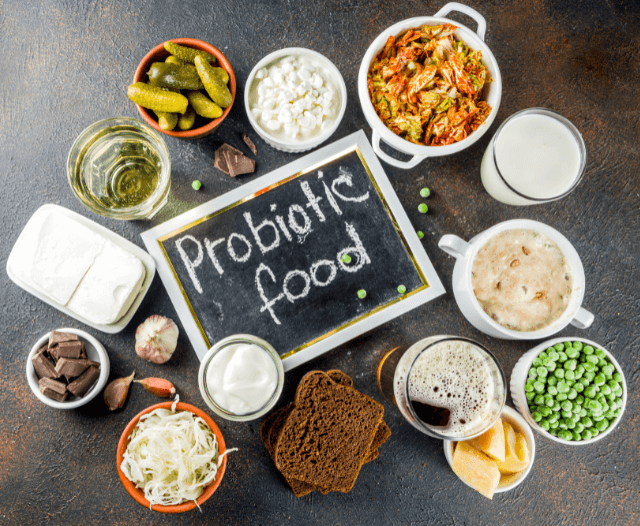
 Some research suggests that taking a probiotic can support a healthy microbiome thereby supporting a healthy immune system and serving as a preventative measure for the development of gut inflammation and other intestinal problems.

 Probiotics are available as pills but there are plenty of pill-free options to satisfy your probiotic intake.

 Foods such as fermented vegetables, kombucha, sauerkraut, and miso serve as fantastic sources of probiotics and may help improve gut health significantly thereby inferring immune system protection.

 Natural Ways to Boost Immune System


Who is GI Doc Cape Town?

GI Doc Cape Town is a practice founded to provide medical solutions in the area of gastroenterology.

Over the years, Dr Eduan Deetlefs has earned the reputation of a trusted health expert providing consultative, diagnostic, and therapeutic endoscopic and related services to patients in Cape Town and beyond.

Book an appointment online or give us a call at 021 551 8678.

gidoc_cpt_gastroenterologist_immune_system

DISCLAIMER: PLEASE READ CAREFULLY

The information on this website is to provide general guidance. In no way does any of the information provided reflect definitive medical advice and self-diagnoses should not be made based on information obtained online. It is important to consult a Gastroenterologist or medical doctor regarding ANY and ALL symptoms or signs including, but not limited to: abdominal pain, haemorrhoids or anal / rectal bleeding as it may a sign of a serious illness or condition. A thorough consultation and examination should ALWAYS be performed for an accurate diagnosis and treatment plan. Be sure to call a physician or call our office today and schedule a consultation.

GIDoc Cape Town

Patient-focused GI treatments and procedures in Cape Town.

Monday-Friday 8AM-4PM.

Connect with Us

© Dr. Eduan Deetlefs, Registered Gastroenterologist, GI Doc Cape Town

Our website information is not intended or implied to be a substitute for professional medical advice, diagnosis or treatment. Please consult a doctor about your specific condition. Only a trained physician can determine an accurate diagnosis and proper treatment.

Cirrhosis Symptoms, Causes and Treatment

Cirrhosis Symptoms, Causes and Treatment

Cirrhosis, also known as end-stage liver disease, refers to the impaired liver function that results from fibrosis, or liver scar tissue, due to the damage caused by liver disease.

There are many causes and forms of liver disease, some of which we will explore in this article, but each time your liver is injured by disease or another cause it will attempt to repair itself. This reparation process results in the formation of scar tissue which is not inherently bad.

What makes scar tissue on the liver harmful is when it reaches a level of presence that impedes the ability of the liver to perform its normal functions. What is even more concerning is that once the damage is done, it cannot simply be healed.

The damage is there to stay.

When this condition becomes advanced enough, it can be life-threatening.

However, if liver cirrhosis is caught and diagnosed early enough in its existence, then it is possible to limit further damage and reduce the connected possible health deficits.

Now that we’ve established that cirrhosis is quite serious, let’s present a clear guide to understanding the symptoms, an explanation of the causes of cirrhosis, and an exploration of the available treatments available for handling this liver problem.

cirrhosis_symptoms

Symptoms of Cirrhosis

Unfortunately, symptoms of cirrhosis can be quite difficult to notice for the person suffering from it. Only when the damage is quite extensive will the patient notice at which point it is normally too late for the liver to recover.

When the condition is serious enough to the point where it is not reversible, there is a multitude of symptoms that one may experience.

Just five of them may include easily bleeding or bruising, swelling in the legs due to oedema, yellow discolouration in the skin and eyes known as jaundice, absence of periods for women, and loss of sex drive for men.

There are a host of other symptoms but the few listed above paint a picture of the seriousness with which this condition should be treated.

In other words, all precautions should be taken to ensure that one does not develop cirrhosis as the damage will cause extensive bodily harm with no real treatment available to reverse the damage.

Causes of Cirrhosis

Cirrhosis can be caused by a number of conditions but there are several lifestyle or other factors that can increase the likelihood of developing liver disease and the associated liver scarring.

These are called risk factors and the first one on the list is drinking too much alcohol. This is a direct risk factor for cirrhosis with excessive alcohol consumption causing significant liver damage.

Another culprit is being overweight. While simply being overweight does not cause excessive liver scarring, it does increase one’s risk of developing conditions that have the potential to result in cirrhosis.

One such weight-related disease is known as non-alcoholic fatty liver disease and non-alcoholic steatohepatitis.

The last risk factor worth mentioning here is that of viral hepatitis. While not a sure-fire way to develop cirrhosis, viral hepatitis is one of the world’s leading causes of liver disease.

cirrhosis_liver

Treatment of Cirrhosis

Prevention is better than cure, always, so it’s worth looking at a couple of preventive measures that can be taken to lower one’s risk of developing cirrhosis.

Ultimately, it comes down to looking after your liver which can be done in several ways:

  • Eat a healthy diet. Advice just about as old as modern medicine itself, a healthy diet is essential for a healthy body and, by obvious association, a healthy liver. In general, a plant-based diet should be followed with a high percentage of fruits and vegetables. Whole grains and lean sources of meat should be selected over simple sugars and fatty foods.
  • Reduce your risk of hepatitis. As mentioned earlier, hepatitis is a leading cause of liver disease. As such, all precautions should be taken to prevent contracting hepatitis.
  • Reduce alcohol consumption. If one already has cirrhosis, then alcohol should be avoided at all costs. Reducing one’s alcohol consumption, even when one does not have cirrhosis, is a wise choice with many parts of the body guaranteed a better chance at increased health and maintained optimal functioning.

Were one to develop cirrhosis, there are several viable treatment options which we will discuss below.

Generally, treatment depends on the causes of cirrhosis and the extent to which it has damaged one’s liver already.

Treatments seek to slow scar tissue progression while lowering the occurrence of, or eliminating entirely, the associated symptoms.

Underlying Cirrhosis Cause Treatment

This treatment is effective in the earlier stages of cirrhosis when the tissue scarring has not become too severe.

If alcohol is the chief cause of cirrhosis, then one’s doctor would recommend drastically reducing alcohol intake.

If the patient is unable to do this then the doctor may recommend a treatment program for alcohol addiction.

One of the jobs the liver performs in cleansing the blood is detoxifying it of alcohol. If cirrhosis is already present, then alcohol is toxic to the liver as it is unable to be processed.

When cirrhosis is caused by non-alcoholic fatty liver disease, patients have the potential to become healthier by losing weight and asserting back control of their blood sugar levels.

Lastly, medications that control other causes of cirrhosis and treat the symptoms of cirrhosis may be given to slow its progression.

Cirrhosis Complications and Treatment

As oedema is a common symptom of cirrhosis, a low-sodium diet and medication to prevent fluid build-up in the body may help control the swelling. If the fluid retention is severe, however, then procedures may be required to drain the fluid.

Hepatic encephalopathy is where reduced brain function results from severe liver disease. In this case, one’s doctor may prescribe medication to assist in reducing toxin build-up in the blood due to the large decrease in liver function.

Infections are another common complication that may arise due to liver cirrhosis. Doctors will prescribe antibiotics in this case along with a recommendation for vaccinations for pneumonia, hepatitis, and influenza.

Liver Transplant Surgery

Cirrhosis is one of the most common reasons for a liver transplant. This procedure is required when the liver stops functioning due to the severity of the condition.

It’s performed by replacing one’s liver with a healthy liver from a deceased donor or with a part of the liver from a living person.

This is the last resort and potential recipients require extensive testing to ascertain whether they are healthy enough to have a high likelihood of a good outcome. One of the many requirements of alcohol-induced cirrhosis patients is a lifelong commitment to alcohol abstinence.

Summary

Cirrhosis is a severe form of liver disease where tissue scarring has greatly impacted the normal functioning of the liver.

While the damage cannot be reversed, there are a number of preventive measures which can be taken to reduce the likelihood of developing cirrhosis such as reducing alcohol consumption, following a healthy diet, and avoiding infections.

In severe cases, liver transplants are currently the only way to replace a liver that can no longer function.

It is best to diagnose cirrhosis as early as possible so that measures can be taken to reduce the damage and increase the longevity of the liver.

If you would like to book an appointment with a gastrointestinal (GI) specialist or would simply like more information on a particular GI topic, don’t hesitate to use our online booking form or call Dr. Deetlefs at 021 551 8678.


DISCLAIMER: PLEASE READ CAREFULLY

The information on this website is to provide general guidance. In no way does any of the information provided reflect definitive medical advice and self-diagnoses should not be made based on information obtained online. It is important to consult a Gastroenterologist or medical doctor regarding ANY and ALL symptoms or signs including, but not limited to: abdominal pain, haemorrhoids or anal / rectal bleeding as it may a sign of a serious illness or condition. A thorough consultation and examination should ALWAYS be performed for an accurate diagnosis and treatment plan. Be sure to call a physician or call our office today and schedule a consultation.

GIDoc Cape Town

Patient-focused GI treatments and procedures in Cape Town.

Monday-Friday 8AM-4PM.

Connect with Us

© Dr. Eduan Deetlefs, Registered Gastroenterologist, GI Doc Cape Town

Our website information is not intended or implied to be a substitute for professional medical advice, diagnosis or treatment. Please consult a doctor about your specific condition. Only a trained physician can determine an accurate diagnosis and proper treatment.

Stomach Pains – When You Need to See a Gastroenterologist

Stomach Pains – When You Need to See a Gastroenterologist

Stomach pain can be a tricky condition to diagnose. First off, it’s quite the general term and isn’t really enough to go on and make a clear self-diagnosis without the completely plausible risk of being horribly off the mark.

Stomach pain also varies wildly in intensity due to the large degree of variation in cause and location.

Nuances in location and cause mean it is in your best interest to seek an actual medical professional when you’re dealing with stomach pain.

In short, if you’re wondering if you should see a doctor about your troubling stomach pain then you probably should.

That said, there are pointers that can make it easier for you to determine whether a trip to the doctor is necessary.

Understanding the types, sources of stomach pain, and common stomach pain signs can change your thinking from “I wonder if it’s worth seeing the doctor about this” to “Oh I recognize that sign, I should definitely see my doctor about this.”

So let’s first jump into the different types and sources of stomach pain and then explore some of the stomach pain signs to be on the lookout for in determining whether to see a Gastroeneterologist.

abdominal_pains_when_to_see_a_doctor

Types and Sources of Stomach Pain

Stomach pain can often be confused as pain that isn’t the stomach at all but rather the abdominal region.

The abdomen includes not only the digestive tract but also other vital organs such as the large intestine, stomach, appendix, kidneys, liver, and gallbladder.

Apart from these organs, your abdomen houses muscles, bones, blood vessels and other structures.

There is simply a lot going on in the abdomen and, as such, any problem with one of these structures may cause pain in the abdomen.

Due to the sheer complexity of what’s housed in the abdomen, there is a vast array of potential problems that may cause pain.

Some of the more common sources of pain include indigestion, gastroesophageal reflux disease (GERD), kidney stones, appendicitis, irritable bowel syndrome and a whole host of others.

One of the most common causes of stomach, or abdominal, pain is related to bloating and gas where a generalized pain is felt most often due to indigestion.

The pain, as you are likely aware, is uncomfortable but normally resides after some time.

Taking an over-the-counter medication such as an antacid can lower the recovery time significantly but often normal digestion will resume with time and the pain will subside.

This general pain is different from abdominal pain that is more localized to a certain region. This may indicate a sign of a problem with one of your organs.

Before you panic whenever you feel localized pain, know that this pain may be transient in nature thereby passing with time.

However, a sharp, persistent, or worsening localized pain may indicate a good time to see your doctor.

Stomach Pain Signs for When to

See a Gastroenterologist

General pain is, well… pretty general. As such, it can be difficult to discern between pain that may subside in a short while and acute pain that requires more serious attention.

To help one make sense of and differentiate between something that will shortly subside and that which may be a sign of something more troubling, let’s take a look at several stomach pain signs that justify a visit to the doctor.

1.   Intense Pain Accompanied by Bloody Diarrhoea

If this appears quite suddenly, it can serve as a sign of something like a foodborne illness thanks to food contamination of some sort.

Salmonella and E. Coli are both causes of foodborne illnesses. Food poisoning is often accompanied by other symptoms such as running a fever.

While food poisoning does generally subside in a few days, it is worth a visit to the doctor even if just to ensure that food poisoning is indeed the cause and whether additional precautionary measures need to be taken.

Regular severe pain coupled with bloody diarrhoea, on the other hand, could suggest something more serious such as a form of inflammatory bowel disease like ulcerative colitis.

The tricky aspect of something like inflammatory bowel disease is that it may have periods of remission where the pain and general symptoms disappear. This can provide a false sense of recovery to patients.

Ultimately, intense pain accompanied by bloody diarrhoea warrants a visit to the doctor every time.

2. Sudden Pain Paired with Vomiting

As in the previous sign, this could be an indication of a foodborne illness. And, as mentioned earlier, this may pass after several days.

These symptoms can, however, be the cause of acute gastroenteritis (‘stomach flu’). Gatroenteritis is caused by a bacteria, virus or parasite and manifests as inflammation of the intestine lining.

Viral gastoenteritis is very common today and generally subsides on it’s own. As such, it’s not essential to see a Gastroenterologist but if you are struggling to keep fluids down then a visit to the doctor is needed.

3. Intense Stomach Pain in Lower Abdomen

If one experiences a high level of pain in the lower abdomen that is relieved once the bowels are moved, it could be a sign of irritable bowel syndrome (IBS).

IBS involves a change in the normal functioning of the digestive system and is related to how the brain and the gut work together.

Those with IBS tend to have more sensitive guts resulting in changes in muscular contraction in the bowels. Symptoms include bloating, constipation, and persistent stomac pain, among others.

Due to the fact that stomach cramps that subside after the moving of one’s bowels can be a sign of constipation, the lines between IBS and ordinary constipation can become a little blurred.

If constipation is something you find reoccurring on a regular basis then a visit to the doctor may do you some good in helping to clear up the causes and looking at possible solutions.

4. Side or Lower Back Pain

Kidney stones may be the problem if you experience side or lower back pain coupled with pain during urination.

Kidney stones are tiny pebble-like crystals that can form in one or both of the kidneys due to high levels of certain minerals.

The pain caused by kidney stones is due to their sharp crystalline structure passing through the urinary tract as tries to leave your body.

The pain can be quite incredible and is often accompanied by nausea and even vomiting.

Summary

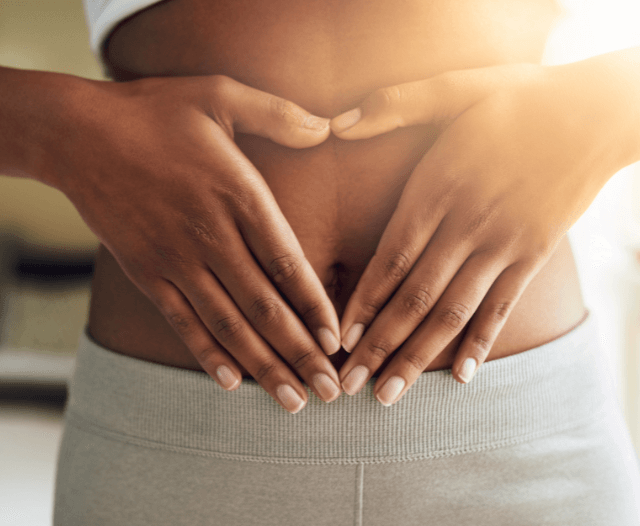
Stomach pain and that in the surrounding abdominal region can be quite mild.

In the majority of cases, pain in this area is related to indigestion and bloating and does not always require a trip to the doctor.

If pain persists for a longer period of time or worsens, then it is time to seek professional medical help.

Localized pain, that is pain felt in a specific region of the abdomen, may indicate a more severe problem and certainly warrants paying the doctor a visit.

In any case, if you are unsure whether you should or shouldn’t see a doctor, then the answer is always that you should.

Don’t rely on internet blogs and articles to self-diagnose as this can be dangerous for your health and should not be taken as medical advice.

Always trust the professionals as they are trained to diagnose and help you recover.

Learn More from the Experts

GiDoc Cape Town is a practice founded to provide medical solutions in the area of gastroenterology.

Over the years, Dr Eduan Deetlefs has earned the reputation of a trusted health expert providing consultative, diagnostic, and therapeutic endoscopic and related services to patients in Cape Town and beyond. 

Book an appointment online or give us a call at 021 551 8678 to find out more.


DISCLAIMER: PLEASE READ CAREFULLY

The information on this website is to provide general guidance. In no way does any of the information provided reflect definitive medical advice and self-diagnoses should not be made based on information obtained online. It is important to consult a Gastroenterologist or medical doctor regarding ANY and ALL symptoms or signs including, but not limited to: abdominal pain, haemorrhoids or anal / rectal bleeding as it may a sign of a serious illness or condition. A thorough consultation and examination should ALWAYS be performed for an accurate diagnosis and treatment plan. Be sure to call a physician or call our office today and schedule a consultation.

GIDoc Cape Town

Patient-focused GI treatments and procedures in Cape Town.

Monday-Friday 8AM-4PM.

Connect with Us

© Dr. Eduan Deetlefs, Registered Gastroenterologist, GI Doc Cape Town

Our website information is not intended or implied to be a substitute for professional medical advice, diagnosis or treatment. Please consult a doctor about your specific condition. Only a trained physician can determine an accurate diagnosis and proper treatment.

The Importance of Maintaining a Healthy Gut

The Importance of Maintaining a Healthy Gut

Our guts are unbelievably complex. As more light is shed on this complexity by an ever-expanding body of scientific research, we are finding compelling evidence of links between the gut and a multitude of other bodily functions and features.

Numerous studies have found such links between gut health and mental health, skin conditions, the immune system, your general mood, and even cancer.

Once thought to be relatively simple in function, our guts are proving to be important catalysts for overall body health and normal functioning.

This incredibly intricate network of interaction is due to what is referred to as the gut microbiome.

Basically, your gut microbiome refers to the hundreds of different species of bacteria and yeast that live in your digestive tract. Many of these are wonderfully beneficial to our human bodies and some are, in fact, necessary for a healthy, functioning physiological system.

By looking after the health of your gut, you’re taking care of the good bacteria that reside there and impart beneficial effects on the rest of your body.

Here we are going to take a look at some of the ways in which you can detect if your gut health is struggling.

We will then talk about some of the benefits of maintaining good gut health and, finally, we’ll suggest some ways in which you can increase your chances of having the healthiest gut possible.

signs_of_an_unhealhty_gut

Signs of an Unhealthy Gut

Modern life is, as expected, not great for our gut health.

Many key features of today’s society result in many, if not most, people living with high-stress levels, operating on too little sleep, taking antibiotics, and eating highly processed foods.

None of this bodes well for the gut health of modern humans as poor gut health has a knock-on effect on many other aspects of your general health with your brain, heart, immune system, hormone levels, and mental health all susceptible to an increased likelihood of problems occurring.

Poor gut health can manifest itself in several ways.

Here are some common signs that may give you an indication that your gut is in need of some TLC.

1. Food Intolerances

Different from food allergies, food intolerance is the result of the difficulty in digesting a certain food (as opposed to the immune system reaction in food allergies).

Research indicates that this is due to the poor quality of gut bacteria. Ways in which this can manifest physically is through bloating, gas, diarrhoea, abdominal pain, and nausea.

2. Upset Stomach

General stomach disturbances such as those mentioned in the previous point, all point to something gone awry in your gut health. Constipation and heartburn are some extra signs indicating that your gut is having difficulty processing food and getting rid of the necessary waste.

3. Unintentional Weight Changes

The important word to take note of here is “unintentional”. If you are losing or gaining weight without changes in your diet or exercise routine, you may have a sign of an unhealthy gut on your hands.

When your gut health is suffering, your body will have a reduced ability to effectively absorb all the key nutrients from foods, regulate your blood sugar, and store fat.

Weight loss may be caused by small intestinal bacterial overgrowth (SIBO), while weight gain can be caused by insulin resistance or a nagging urge to overeat due to insufficient nutrient absorption.

4. Irregular Sleep Patterns and Nagging Fatigue

Insomnia and low sleep-quality may be the result of an unhealthy gut. Serotonin, largely produced in your gut, plays a large role in your mood regulation and sleep.

Therefore, an unhealthy gut may result in poorly regulated serotonin production thereby affecting your sleep quality.

How to Maintain a Healthy Gut

Now that we have taken a closer look at some of the real negative aspects of having poor gut health, let us look at how to improve and maintain good gut health.

Some of these may sound easy while others may challenge your willpower somewhat.
Start with at least a few and slowly work your way up if implementing all of them at once is a little overwhelming.

1. Eat a Healthy Diet

Eating a healthy balanced diet  results in lower gut inflammation and xhelps the gut microbiome thrive.

2. Avoid Smoking

While this may be a no-brainer to some, it is worth listing here.

Smoking is bad for you in every way, including your gut health.

Smoking negatively affects one’s gut microbiome by increasing the number of potentially harmful microorganisms while decreasing the levels of beneficial bacteria.

Consequently, those who smoke have an increased risk of developing intestinal conditions such as inflammatory bowel disease (IBD).

3. Take Probiotics and Eat Fermented Food

Some research suggests that regularly taking a probiotic, found in health food stores and pharmacies, can support a healthy gut microbiome and that it may even serve as a preventive measure for developing gut inflammation and other intestinal problems.

For those who want to ingest one less, not one more, pill a day – look towards foods that are a natural source of probiotics. Consuming fermented vegetables, kombucha, sauerkraut and miso regularly may improve gut health significantly.

4. Eat More Prebiotic Fibre

Non-digestible carbohydrates are referred to as prebiotics and they are essential for the generation of beneficial bacteria in the gut.

How?

Well, probiotics feed on this prebiotic fibre which, in turn, help grow and maintain a healthy gut microbiome.

Research has also shown that prebiotics may help probiotics become more tolerant to certain environmental conditions such as changes in PH and temperature.

5. Reduce Stress

One of the chief villains contributing to an unhealthy gut, stress, or the lack thereof rather, is very important for keeping your gut microflora healthy and happy.

Psychological stressors have been shown to have disruptive effects on the proliferation of healthy gut bacteria, even if the stress is temporary.

The solution is to find ways to manage your stress so that your gut microbiome is less susceptible to sudden changes due to temporary stress.

Chronic stress is even worse highlighting the case for its mitigation.

Some key stressors that affect your gut health include sleep deprivation, environmental stressors such as extreme noise pollution and intense temperature changes, and general psychological stress.

A few useful habits or activities worth looking into for the sake of reducing stress include meditation, deep breathing exercises, and focused muscle relaxation.

For the sake of completeness, it’s important to remember that simply sticking to a sleep schedule and exercising regularly can do wonders for lowering your stress levels.

6. Take Antibiotics Only When Absolutely Necessary

The overuse of antibiotics is a significant public health concern that may eventually lead to antibiotic resistance.

Apart from that, however, antibiotics are, by very nature, damaging to gut bacteria with research showing that the gut can lack the beneficial bacteria even up to six months after antibiotic use.

Always consult with your doctor about the necessity of taking an antibiotic so that alternative options may be discussed if they are available and effective.

healthy-gut-microbiome1

Summary

Our gut microbiome is incredibly complex with interactions among trillions of bacteria, yeast, and viruses affecting us in a multitude of different ways from our mental health, immune system response, and even our propensity for developing cancer.

While modern life makes it terribly easy to pepper our gut with unhealthy effects, there are beneficial means at our disposal.

By combining a conscious diet choice with good sleep, regular exercise, and stress-reducing habits, we are able to cultivate an environment for our gut that results in healthy gut bacteria thriving and harmful bacteria dying.

To learn more about the complexity of your gut and the opportunity for you to contribute to the scientific pursuit of gastrointestinal knowledge, visit our Cape Town office or peruse our website.

We are gastroenterologist experts using patient-focused GI treatment and procedures in Cape Town.


DISCLAIMER: PLEASE READ CAREFULLY

The information on this website is to provide general guidance. In no way does any of the information provided reflect definitive medical advice and self-diagnoses should not be made based on information obtained online. It is important to consult a Gastroenterologist or medical doctor regarding ANY and ALL symptoms or signs including, but not limited to: abdominal pain, haemorrhoids or anal / rectal bleeding as it may a sign of a serious illness or condition. A thorough consultation and examination should ALWAYS be performed for an accurate diagnosis and treatment plan. Be sure to call a physician or call our office today and schedule a consultation.

GIDoc Cape Town

Patient-focused GI treatments and procedures in Cape Town.

Monday-Friday 8AM-4PM.

Connect with Us

© Dr. Eduan Deetlefs, Registered Gastroenterologist, GI Doc Cape Town

Our website information is not intended or implied to be a substitute for professional medical advice, diagnosis or treatment. Please consult a doctor about your specific condition. Only a trained physician can determine an accurate diagnosis and proper treatment.