021 202 0626
Summer-Proof Your Gut: How to Keep Your Digestive System Healthy in the Heat

Summer-Proof Your Gut: How to Keep Your Digestive System Healthy in the Heat

As the Cape Town summer arrives, life moves outdoors — beach days, braais, and sunny afternoons are part of the season’s charm. But while you’re enjoying the warmth, your digestive system may be working overtime. The combination of heat, dehydration, dietary indulgence, and lifestyle changes can disrupt your gut’s delicate balance — leading to bloating, constipation, or flare-ups of chronic conditions such as IBS (Irritable Bowel Syndrome), Crohn’s disease, or ulcerative colitis.

The good news? With the right care and a few seasonal adjustments, you can keep your gut happy and healthy all summer long. Here’s how.


Why Summer Can Disrupt Your Gut


1. Dehydration and Digestion


Cape Town’s warm weather increases fluid loss through sweat. When your body lacks hydration, the digestive process slows down — the colon absorbs extra water from stool, leading to constipation, bloating, and sluggish digestion.

If you live with inflammatory bowel disease (IBD), dehydration can worsen symptoms and strain the kidneys due to electrolyte imbalance, especially during bouts of diarrhea or vomiting.

💧 Gut tip: Sip water consistently throughout the day — not just when thirsty. Carry a reusable water bottle and include electrolyte-rich drinks or coconut water when active or spending time outdoors.


gut_health_in_summer


2. Heat, Stress, and the Gut-Brain Connection

Summer brings relaxation — but it can also bring stressors: travel, disrupted routines, and late nights. These factors, combined with physical stress from the heat, can affect the gut-brain axis — the powerful link between your digestive system and your nervous system.

For those with IBS or IBD, this connection is especially sensitive. Stress may lead to abdominal pain, urgency, or diarrhea.

🧘 Gut tip: Manage summer stress with mindfulness, gentle yoga, or evening walks along Cape Town’s promenade. Keeping a consistent routine and sleep schedule helps support digestion and mental well-being.


3. Changes in Eating Habits


Let’s face it — summer is a time of indulgence. From braai feasts and spicy sauces to cold beers and fizzy sodas, many summer staples can irritate the digestive tract. These foods increase stomach acid, slow down digestion, and can trigger reflux, bloating, or discomfort.

gut_health_in_summer_heat


🥗 What to Eat for a Happy Summer Gut

Cape Town’s summer markets are packed with fresh, local produce — perfect for supporting digestive health. Choosing gut-friendly foods can help balance your microbiome, reduce inflammation, and keep your energy up. 


🍉 1. Hydrating Fruits and Vegetables


Fruits like watermelon, cucumber, oranges, and strawberries are rich in water and electrolytes. Pair them with leafy greens such as spinach or kale for a fiber boost that keeps digestion regular.


🥛 2. Fermented and Probiotic-Rich Foods


Include yogurt, kefir, sauerkraut, or kimchi in your meals. These probiotic-rich foods feed healthy gut bacteria, supporting digestion and reducing bloating — especially useful when your diet changes during travel or holidays.


🌾 3. Whole Grains and Fiber


Oats, quinoa, and whole-grain bread act like a broom for your digestive tract, helping prevent constipation and supporting healthy gut flora. Increase fiber gradually and always drink enough water alongside it.


🐟 4. Lean Proteins and Omega-3s


Enjoy Cape Town’s coastal bounty salmon, sardines, and tuna are excellent summer options. These fish are high in omega-3 fatty acids, which help reduce gut inflammation and support heart health.


healthy_eating_in_summer_gut


🚫 Summer Gut Triggers to Watch Out For

🍺 1. Alcohol and Fizzy Drinks


Alcohol can irritate the stomach lining and worsen reflux or diarrhea. Fizzy drinks add excess gas, leading to bloating.

Better choice: Alternate drinks with water or soda water. Try refreshing, low-acid options like gin with cucumber, or enjoy a mocktail made with coconut water and fresh fruit.


🌶️ 2. Spicy and Fried Foods


Heavy sauces, fried meats, and spicy marinades can trigger acid reflux and indigestion, particularly in those with GERD or IBS.

Better choice: Opt for grilled or baked meals, seasoned with herbs like basil, mint, or coriander for flavor without the burn.


🍤 3. Unhygienic Food Handling


Hot weather accelerates bacterial growth. Leaving food out during picnics or braais can cause food poisoning — a quick route to gut distress or flare-ups in sensitive individuals.

Better choice: Refrigerate leftovers promptly, wash produce thoroughly and avoid undercooked seafood or meat. 


💧 Hydration: The Unsung Hero of Gut Health

Water plays a vital role in digestion — it helps break down food, absorb nutrients, and move waste through the intestines. In summer, dehydration is one of the biggest threats to digestive comfort.

Hydration Tips:

  • Start your morning with a glass of water before coffee.
  • Snack on hydrating foods like cucumber or watermelon.
  • Infuse your water with lemon, mint, or berries for flavor.
  • Limit caffeine and alcohol, both of which dehydrate.
  • Sip water regularly throughout the day, especially when outdoors.

Aim for 6–8 glasses daily, and more if you’re active or sweating.


hydration_healthy_gut


🌿 Lifestyle Habits for a Healthy Summer Gut

🕒 1. Keep a Consistent Routine


Even during holidays, try to eat meals at regular times. Erratic eating can lead to bloating and indigestion.

🏖️ 2. Stay Active — Safely


Exercise keeps your digestion moving, but overexerting in the heat can backfire. Choose morning or evening workouts, swimming, or yoga to stay active without overheating.


😴 3. Prioritize Rest and Stress Management


Poor sleep and mental fatigue can heighten gut sensitivity. Set aside time to relax, read, or meditate — your gut and mind will thank you.


✈️ 4. Protect Your Gut While Traveling


Summer holidays often mean new foods and environments. To avoid traveller’s tummy:

  • Wash your hands before eating.
  • Stick to bottled or purified water.
  • Avoid raw or street food if hygiene is uncertain.
  • Pack your regular medication and probiotics.

healthy_gut_probiotic


⚠️ When to See a Gastroenterologist

Occasional digestive discomfort is common, but persistent symptoms can indicate an underlying condition.
Book an appointment with a gastroenterologist if you experience:

  • Frequent abdominal pain or cramps
  • Blood in stool
  • Ongoing diarrhea or constipation
  • Unexplained weight loss
  • Severe heartburn or reflux

Early diagnosis and professional care can prevent complications and help you enjoy a symptom-free summer.


summer_proof_gut_infographic


👨‍⚕️ Expert Gastroenterology Care in Cape Town


Dr. Eduan Deetlefs is a trusted gastroenterologist in Cape Town, specializing in the diagnosis and treatment of digestive conditions including Crohn’s disease, ulcerative colitis, IBS, acid reflux, and liver disorders.

He offers advanced procedures such as colonoscopy, gastroscopy, and endoscopic dilatation, all performed with precision and patient comfort in mind.

If you’re struggling with gut symptoms or need guidance on digestive wellness this summer, reach out for expert care.

📍 Website: www.gidoc.co.za
📞 Phone: 021 551 8678
📧 Email: info@gidoc.co.za


🩺 Key Takeaway: A Happy Summer Starts with a Healthy Gut


Your gut thrives on balance — not extremes. This summer, focus on hydration, wholesome foods, and consistent routines. With mindful choices and expert care from Dr. Deetlefs, you can enjoy the season feeling lighter, healthier, and ready for every adventure Cape Town has to offer.

DISCLAIMER: PLEASE READ CAREFULLY

The information on this website is to provide general guidance. In no way does any of the information provided reflect definitive medical advice and self-diagnoses should not be made based on information obtained online. It is important to consult a Gastroenterologist or medical doctor regarding ANY and ALL symptoms or signs including, but not limited to: abdominal pain, haemorrhoids or anal / rectal bleeding as it may a sign of a serious illness or condition. A thorough consultation and examination should ALWAYS be performed for an accurate diagnosis and treatment plan. Be sure to call a physician or call our office today and schedule a consultation.

GIDoc Cape Town

Patient-focused GI treatments and procedures in Cape Town.

Monday-Friday 8AM-4PM.

Connect with Us

© Dr. Eduan Deetlefs, Registered Gastroenterologist, GI Doc Cape Town

Our website information is not intended or implied to be a substitute for professional medical advice, diagnosis or treatment. Please consult a doctor about your specific condition. Only a trained physician can determine an accurate diagnosis and proper treatment.

Colon Cancer: Early Detection and Prevention Through Regular Screening

Colon Cancer: Early Detection and Prevention Through Regular Screening


Colon cancer, also known as colorectal cancer when it involves both the colon and rectum, remains one of the most common yet preventable cancers globally. Through advances in medical technology—particularly colonoscopy screening—the early detection and prevention of colon cancer have never been more achievable.

Regular colonoscopy examinations not only detect cancer in its earliest, most treatable stages but can also prevent it entirely by removing precancerous growths. For patients seeking expert care in South Africa, Dr. Eduard Deetlefs, a leading gastroenterologist and colonoscopy specialist in Cape Town, provides comprehensive, patient-focused digestive health services to safeguard your long-term wellbeing.

Understanding Colon Cancer

The colon, or large intestine, forms part of the digestive tract responsible for processing waste and absorbing water and electrolytes. Colon cancer typically begins as small, benign growths called polyps that form on the lining of the colon.

Over time, certain polyps—particularly adenomatous polyps—can undergo cellular changes that transform them into cancerous tumors. Because this process develops slowly, often over many years, routine colon cancer screening provides a critical opportunity for early intervention and prevention.

colon_cancer_prevention


Who Is at Risk?

While anyone can develop colon cancer, certain factors increase the likelihood:

  • Age: Risk rises significantly after the age of 50, though cases in adults under 45 are becoming more frequent.
  • Family History: Having a close relative with colon cancer or advanced polyps increases personal risk.
  • Genetic Syndromes: Conditions such as Lynch syndrome or familial adenomatous polyposis (FAP) substantially elevate risk.
  • Lifestyle Factors: Diets high in red or processed meats, obesity, smoking, alcohol use, and lack of exercise are all linked to higher risk.
  • Inflammatory Bowel Disease (IBD): Long-standing Crohn’s disease or ulcerative colitis increase colon cancer risk.
  • Type 2 Diabetes: Metabolic and hormonal factors in diabetes may also contribute to higher risk.

Understanding and managing these risk factors—combined with routine colonoscopy screening—can significantly reduce your chances of developing colon cancer.


Recognizing the Symptoms

In its early stages, colon cancer often develops silently, showing no symptoms. As the disease advances, common warning signs include:

  • Persistent changes in bowel habits, such as constipation, diarrhea, or narrow stools
  • Blood in the stool or rectal bleeding
  • Unexplained fatigue or weakness
  • Cramping, bloating, or abdominal pain
  • Unexplained weight loss
  • A feeling that the bowel does not empty completely

Because these symptoms can resemble other gastrointestinal conditions, timely medical evaluation by a gastroenterologist is essential.


Colonoscopy: The Gold Standard for Detection and Prevention

Among all available screening tests, colonoscopy remains the most accurate and effective method for detecting colon cancer and its precursors. This minimally invasive procedure allows a colonoscopy specialist to inspect the entire colon and rectum using a thin, flexible tube with a camera.

What Happens During a Colonoscopy

  • Preparation: Before the procedure, patients follow a bowel-cleansing preparation to ensure clear visibility.
  • Procedure: Under mild sedation, the doctor gently advances the colonoscope through the colon to examine the lining.
  • Polyp Removal: If any polyps or abnormal tissue are found, they can be removed immediately and sent for analysis.

Because colonoscopy allows both diagnosis and treatment during the same procedure, it’s not only a screening tool but a powerful method of cancer prevention.

colon_cancer_screening_colonoscopy

Other Screening Options

While colonoscopy is the most comprehensive test, other screening options are available for some individuals:

  • Fecal Immunochemical Test (FIT): Detects microscopic blood in the stool.
  • Fecal Occult Blood Test (FOBT): Identifies hidden blood but requires dietary restrictions.
  • Stool DNA Tests (e.g., Cologuard®): Look for genetic changes linked to colon cancer.
  • CT Colonography: A “virtual colonoscopy” using advanced imaging technology.

However, unlike these tests, colonoscopy provides the advantage of immediate detection and removal of precancerous polyps, making it the preferred option for most patients.

When to Begin Screening

The American Cancer Society and global gastroenterology guidelines recommend:

  • Average-Risk Adults: Begin colon cancer screening at age 45.
  • High-Risk Individuals: Those with family history, genetic conditions, or IBD should start earlier, often by age 40 or sooner, as advised by their doctor.

If no abnormalities are found, colonoscopy should be repeated every 10 years. If polyps are discovered, follow-up may be recommended in 3 to 5 years, depending on their size and pathology.

Lifestyle Steps to Prevent Colon Cancer

Prevention doesn’t end with screening—healthy lifestyle choices can further reduce your risk:

  1. Adopt a High-Fiber Diet: Eat plenty of fruits, vegetables, whole grains, and legumes.
  2. Limit Red and Processed Meats: Reduce consumption of processed foods linked to higher cancer risk.
  3. Exercise Regularly: Aim for at least 150 minutes of moderate activity per week.
  4. Maintain a Healthy Weight: Obesity is a major risk factor, particularly for men.
  5. Avoid Smoking and Excess Alcohol: Both increase inflammation and cellular damage.
  6. Manage Chronic Conditions: Keep diabetes and IBD under control with regular medical care.

healthy_living_trevents_colon_cancer


Why Early Detection Matters

Colon cancer is one of the few cancers that can be completely prevented through early detection. Studies show that removing polyps during colonoscopy reduces the risk of developing colon cancer by up to 90%.

When detected early, colon cancer is highly treatable—with a five-year survival rate exceeding 90%. Once it spreads to distant organs, however, survival drops sharply. This is why regular screening is one of the most important steps you can take for your long-term health.


Treatment Options

If colon cancer is diagnosed, treatment options depend on its stage and the patient’s overall health. These may include:

  • Surgery: Removal of the affected colon segment, often curative for early-stage cancers.
  • Chemotherapy: Targets residual cancer cells after surgery or reduces tumor size before surgery.
  • Radiation Therapy: Primarily used for rectal cancers.
  • Targeted and Immunotherapy: Modern treatments that focus on specific cancer pathways for advanced cases.

Early detection through colonoscopy can often prevent the need for extensive surgery or aggressive treatments.

colon_cancer_awareness_colonoscopy


Expert Care with Dr. Eduard Deetlefs – Colonoscopy Specialist in Cape Town

For patients seeking trusted, professional care for colon cancer screening in Cape Town, Dr. Eduard Deetlefs offers world-class expertise in gastroenterology and digestive health. With extensive experience in colonoscopy, gastroscopy, and endoscopic procedures, Dr. Deetlefs provides comprehensive, patient-centered care in a comfortable and reassuring environment.

Whether you need a routine screening, evaluation for digestive symptoms, or expert management of inflammatory bowel disease, Dr. Deetlefs and his dedicated team are here to help.

📍 Location: Cape Town, South Africa
📞 Call: 021 551 8678
📧 Email: info@gidoc.co.za
🌐 Visit: www.gidoc.co.za

Take charge of your digestive health—book your colonoscopy today with Dr. Deetlefs, your trusted colonoscopy specialist in Cape Town. Early detection could save your life.

colon_cancer_screening_infographic

The Bottom Line: Screening Saves Lives

Colon cancer is one of the few cancers that can be detected early and prevented entirely. Regular colonoscopy screenings with an experienced gastroenterologist offer peace of mind, powerful prevention, and life-saving early detection.

If you are 45 or older—or have a family history or other risk factors—don’t delay. Schedule your screening with Dr. Eduard Deetlefs at www.gidoc.co.za and take the first step toward long-term digestive wellness.

DISCLAIMER: PLEASE READ CAREFULLY

The information on this website is to provide general guidance. In no way does any of the information provided reflect definitive medical advice and self-diagnoses should not be made based on information obtained online. It is important to consult a Gastroenterologist or medical doctor regarding ANY and ALL symptoms or signs including, but not limited to: abdominal pain, haemorrhoids or anal / rectal bleeding as it may a sign of a serious illness or condition. A thorough consultation and examination should ALWAYS be performed for an accurate diagnosis and treatment plan. Be sure to call a physician or call our office today and schedule a consultation.

GIDoc Cape Town

Patient-focused GI treatments and procedures in Cape Town.

Monday-Friday 8AM-4PM.

Connect with Us

© Dr. Eduan Deetlefs, Registered Gastroenterologist, GI Doc Cape Town

Our website information is not intended or implied to be a substitute for professional medical advice, diagnosis or treatment. Please consult a doctor about your specific condition. Only a trained physician can determine an accurate diagnosis and proper treatment.

Understanding Common Gastrointestinal Conditions: What Patients Should Know

Understanding Common Gastrointestinal Conditions: What Patients Should Know


Introduction


Digestive diseases range from common, easily managed problems to complex, life-altering disorders. Early recognition, accurate diagnosis and timely specialist care dramatically improve outcomes.

This article explains five major areas of gastrointestinal health — colorectal cancer and polyps; gastro-oesophageal reflux disease (GERD) and Barrett’s esophagus; Crohn’s disease and ulcerative colitis (the two main forms of inflammatory bowel disease, IBD); celiac disease; and fatty liver disease and gallstones — and highlights how patients in Cape Town can access expert assessment and treatment with Dr. Deetlefs.


Colorectal Polyps and Colorectal Cancer


Colorectal polyps are growths that form on the inner lining of the colon or rectum. While most polyps are benign, some — particularly adenomatous polyps — can slowly progress to colorectal cancer over several years. Colorectal cancer is one of the most common malignancies worldwide but is highly preventable and, when detected early, very treatable.

Symptoms And Red Flags:

  • Change in bowel habits (persistent diarrhea or constipation)
  • Rectal bleeding or blood in the stool
  • Unexplained iron-deficiency anemia
  • Abdominal pain or unexplained weight loss 

Diagnosis And Screening:
Colonoscopy remains the gold standard for detecting polyps and early cancer because it allows visualisation and removal (polypectomy) during the same procedure. Faecal immunochemical testing (FIT) and flexible sigmoidoscopy are other tools used in screening programs.

Treatment: Polypectomy at colonoscopy prevents progression to cancer. Early-stage colorectal cancers are managed with surgical removal and, when indicated, adjuvant therapies. Regular surveillance colonoscopies are recommended for patients with high-risk polyps.

Why Specialist Care Matters: A gastroenterologist such as Dr. Deetlefs can perform high-quality colonoscopy, assess polyp pathology, plan surveillance intervals, and co-ordinate multidisciplinary cancer care when necessary.

colon_polyps


GERD and Barrett’s Esophagus


Gastro-esophageal reflux disease (GERD) occurs when stomach acid regularly flows back into the esophagus, causing heartburn and other symptoms.

Chronic acid exposure can damage the esophageal lining and lead to Barrett’s esophagus — a condition in which the normal squamous cells are replaced by columnar epithelium. Barrett’s is important because it increases the risk of esophageal adenocarcinoma.

Symptoms: Heartburn, regurgitation, difficulty swallowing (dysphagia), chest discomfort and chronic cough or hoarseness in some patients.

Diagnosis: Initial evaluation includes symptom assessment and trials of acid suppression. Endoscopy (esophago-gastro-duodenoscopy, OGD) with biopsies is necessary to diagnose Barrett’s and to look for dysplasia.

Management: Lifestyle measures (weight loss, head-of-bed elevation, dietary changes) and proton pump inhibitors (PPIs) are first-line treatments. Patients with Barrett’s are often enrolled in structured endoscopic surveillance; if dysplasia is found, endoscopic treatments such as radiofrequency ablation (RFA) or endoscopic mucosal resection (EMR) can remove abnormal tissue.

Role of a specialist: Dr. Deetlefs provides diagnostic endoscopy, surveillance for Barrett’s oesophagus and endoscopic therapies for dysplasia — interventions that can prevent progression to cancer.

gerd_acid_reflux

Crohn’s Disease and Ulcerative Colitis (Inflammatory Bowel Disease)


Crohn’s disease and ulcerative colitis are chronic inflammatory disorders of the gastrointestinal tract. Crohn’s can affect any part of the GI tract from mouth to anus and is characterised by patchy inflammation; ulcerative colitis primarily affects the colon and rectum with continuous mucosal inflammation.

Symptoms: Persistent diarrhea (sometimes bloody), abdominal pain, urgency, weight loss, fatigue and extra-intestinal manifestations (joint pain, skin rashes, eye inflammation).

Diagnosis: A combination of history, blood tests, stool studies, endoscopy with biopsies and imaging (CT or MR enterography) is used to define disease extent and severity.

Treatment: Modern management aims for mucosal healing and long-term remission. Options include aminosalicylates, corticosteroids for flares, immunomodulators and biologic therapies (anti-TNF, anti-integrin and anti-IL agents). Nutritional support, smoking cessation (important in Crohn’s), and surgery for complications are also part of comprehensive care.

Specialist care importance: IBD is complex and benefits from a multidisciplinary team. Dr. Deetlefs offers diagnostic endoscopy, treatment planning including biologic therapy initiation and monitoring, and collaboration with surgeons, dietitians and radiologists to optimise outcomes.

crohns_disease_ulcerative_colitis

Celiac Disease


Celiac disease is an autoimmune disorder triggered by dietary gluten in genetically predisposed individuals. It leads to small intestinal villous atrophy and malabsorption.

Symptoms: Diarrhea, steatorrhea, bloating, anemia, weight loss and sometimes non-gastrointestinal symptoms such as dermatitis herpetiformis or neuropathy. Some patients present with subtle signs or are asymptomatic.

Diagnosis: Serologic testing (tissue transglutaminase IgA, with total IgA assessment) followed by confirmatory duodenal biopsies via endoscopy when indicated.

Management: Lifelong strict gluten-free diet is the cornerstone. Dietitian input is essential for safe and nutritionally adequate dietary changes. Follow-up includes symptom review, serology, and, where necessary, repeat endoscopy.

How a gastroenterologist helps: Dr. Deetlefs diagnoses celiac disease using up-to-date testing protocols, arranges appropriate endoscopic biopsies, and refers patients to dietetic services to ensure safe dietary transition.

celiac_disease


Fatty Liver Disease & Gallstones


Fatty liver disease: Non-alcoholic fatty liver disease (NAFLD) is increasingly common and linked to obesity, diabetes and metabolic syndrome. Most patients have simple steatosis, but a subset develop non-alcoholic steatohepatitis (NASH) with inflammation and fibrosis, which can progress to cirrhosis.

Gallstones: Gallstones form when bile components become imbalanced. Symptomatic gallstones cause biliary colic and can complicate with cholecystitis, choledocholithiasis (common bile duct stones) or pancreatitis.

Diagnosis and management: NAFLD is suspected on imaging (ultrasound) and abnormal liver blood tests; fibrosis assessment may require elastography or liver biopsy in selected cases. Management focuses on weight loss, control of metabolic risk factors and, where fibrosis is advanced, specialist hepatology input. Symptomatic gallstones are treated surgically with cholecystectomy; stones in the common bile duct often require endoscopic removal via ERCP (endoscopic retrograde cholangiopancreatography).

Link to gastroenterology services: Dr. Deetlefs partners with hepatology and surgical teams in Cape Town to investigate fatty liver, advise on metabolic risk reduction, and co-ordinate care for gallstone disease — including referral for ERCP when common bile duct stones are present.

fatty_liver_gallstones

How To Know When to See a Specialist

Seek specialist consultation if you have:

  • Persistent or unexplained gastrointestinal symptoms (bleeding, persistent pain, unintentional weight loss).
  • Abnormal screening tests (positive FIT, abnormal liver tests).
  • Chronic conditions requiring long-term management (IBD, celiac disease, Barrett’s oesophagus).
  • Complications (obstructive jaundice, recurrent pancreatitis, severe malnutrition).

Early referral allows definitive diagnosis, targeted treatment, and prevention of complications.


Why Choose Dr. Deetlefs In Cape Town?

Dr. Deetlefs is a gastroenterologist based in Cape Town with expertise in diagnostic and therapeutic endoscopy, IBD management, hepatobiliary disease and colorectal cancer screening.

Patients benefit from a patient-centered approach, evidence-based treatment plans and access to multidisciplinary care including dietetics, hepatology, radiology and surgical services.

Whether you need a screening colonoscopy, evaluation for reflux and Barrett’s surveillance, advanced IBD care or coordination for gallstone disease, Dr. Deetlefs provides comprehensive, up-to-date gastroenterology care.


gi_conditions_infographic


Conclusion


Digestive conditions such as colorectal polyps and cancer, GERD and Barrett’s, IBD, celiac disease, and fatty liver/gallstones vary widely in severity and management. Many are preventable or highly treatable when identified early. If you live in or near Cape Town and have digestive concerns, arranging an assessment with a specialist like Dr. Deetlefs can speed diagnosis, start appropriate treatment, and improve long-term outcomes.


Contact Dr. Deetlefs


Dr. Deetlefs has earned the reputation of a trusted health expert providing consultative, diagnostic, and therapeutic endoscopic and related services to patients in Cape Town and beyond. 

Dr. Deetlefs can be contacted to confirm the estimated breakdown should you be interested in having the procedure done.

You can schedule a consultation with Dr. Deetlefs at his practice in Cape Town by calling 021 123 4567 or emailing info@gidoc.co.za.


DISCLAIMER: PLEASE READ CAREFULLY

The information on this website is to provide general guidance. In no way does any of the information provided reflect definitive medical advice and self-diagnoses should not be made based on information obtained online. It is important to consult a Gastroenterologist or medical doctor regarding ANY and ALL symptoms or signs including, but not limited to: abdominal pain, haemorrhoids or anal / rectal bleeding as it may a sign of a serious illness or condition. A thorough consultation and examination should ALWAYS be performed for an accurate diagnosis and treatment plan. Be sure to call a physician or call our office today and schedule a consultation.

GIDoc Cape Town

Patient-focused GI treatments and procedures in Cape Town.

Monday-Friday 8AM-4PM.

Connect with Us

© Dr. Eduan Deetlefs, Registered Gastroenterologist, GI Doc Cape Town

Our website information is not intended or implied to be a substitute for professional medical advice, diagnosis or treatment. Please consult a doctor about your specific condition. Only a trained physician can determine an accurate diagnosis and proper treatment.

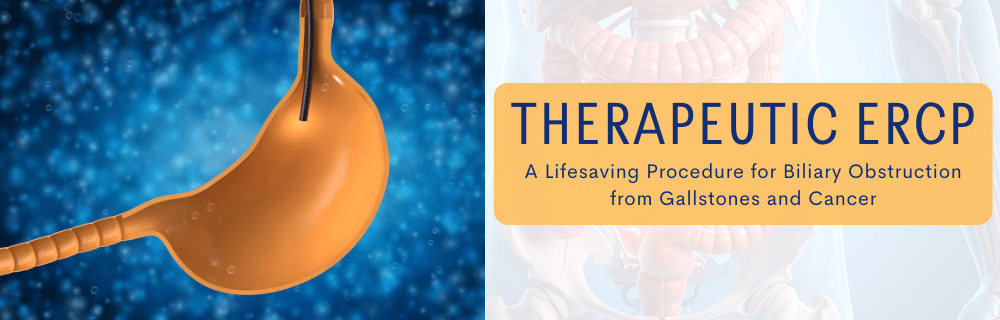
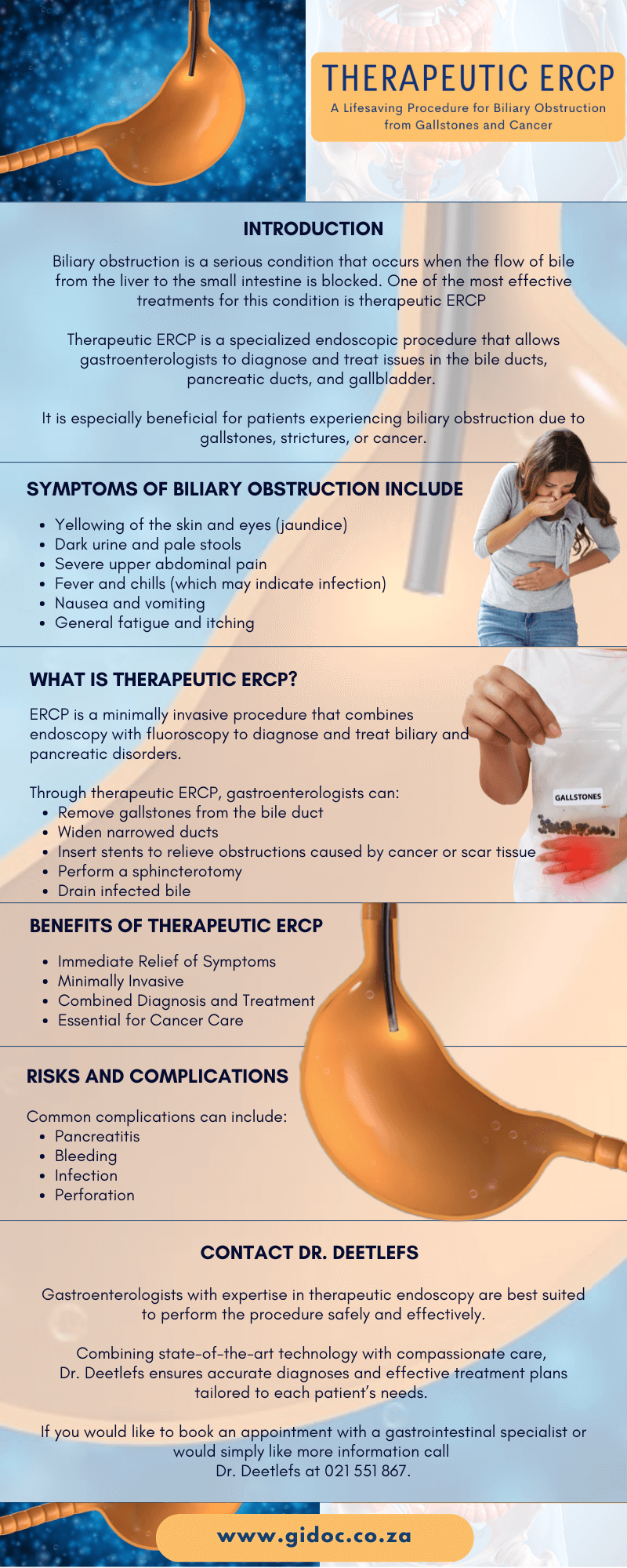
Therapeutic ERCP: A Lifesaving Procedure for Biliary Obstruction from Gallstones and Cancer

Therapeutic ERCP: A Lifesaving Procedure for Biliary Obstruction from Gallstones and Cancer


Introduction

Biliary obstruction is a serious condition that occurs when the flow of bile from the liver to the small intestine is blocked. This blockage can result in jaundice, severe infection, liver damage, and even life-threatening complications if not addressed swiftly. One of the most effective treatments for this condition is therapeutic ERCP (Endoscopic Retrograde Cholangiopancreatography).

Therapeutic ERCP is a specialized endoscopic procedure that allows gastroenterologists to diagnose and treat issues in the bile ducts, pancreatic ducts, and gallbladder. It is especially beneficial for patients experiencing biliary obstruction due to gallstones, strictures, or cancer.

In this article, we will discuss what therapeutic ERCP is, its indications, what patients can expect during the procedure, and the importance of timely intervention.


Understanding Biliary Obstruction


The biliary system consists of a network of ducts that transport bile—a fluid produced by the liver—to the small intestine to aid in fat digestion. A blockage in these ducts causes bile to back up into the liver and bloodstream.

  • Gallstones in the bile duct (choledocholithiasis): Stones may migrate from the gallbladder into the bile duct, causing pain, infection, and jaundice.
  • Biliary strictures: These are narrowings of the bile ducts, which can result from scarring, inflammation, or surgical injury.
  • Cancer: Tumors in the bile duct, pancreas, or gallbladder may compress or invade the bile ducts.
  • Other causes: Rarely, parasites, chronic pancreatitis, or congenital abnormalities can also lead to obstruction.

Symptoms of biliary obstruction include:

  • Yellowing of the skin and eyes (jaundice)
  • Dark urine and pale stools
  • Severe upper abdominal pain
  • Fever and chills (which may indicate infection)
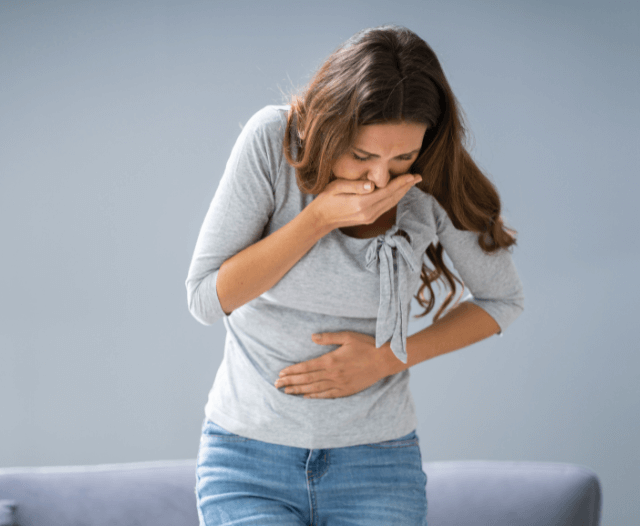
  • Nausea and vomiting
  • General fatigue and itching

If untreated, biliary obstruction can progress to cholangitis (a severe infection of the bile ducts), sepsis, liver failure, and other complications. Prompt diagnosis and treatment are, therefore, essential.

biliary_symptoms


What Is Therapeutic ERCP?

ERCP is a minimally invasive procedure that combines endoscopy with fluoroscopy (X-ray imaging) to diagnose and treat biliary and pancreatic disorders.

While diagnostic ERCP is used mainly to visualize the bile and pancreatic ducts and identify blockages, stones, or tumors, therapeutic ERCP allows for the treatment of these issues in the same session.

Through therapeutic ERCP, gastroenterologists can:

  • Remove gallstones from the bile duct
  • Widen narrowed ducts (stricture dilatation)
  • Insert stents to relieve obstructions caused by cancer or scar tissue
  • Perform a sphincterotomy (cutting the muscle at the duct opening) to improve bile flow
  • Drain infected bile, which is particularly important in managing cholangitis

This dual diagnostic and therapeutic capacity makes ERCP a crucial tool in modern gastroenterology.

How the Procedure Works

  1. Preparation:
  2. Patients are typically required to fast for several hours before the procedure. Blood tests may be conducted to assess liver function and clotting abilities.
  3. Sedation:
  4. ERCP is generally performed under conscious sedation or general anesthesia, depending on the patient’s needs and the complexity of the procedure.
  5. Endoscopic Access:
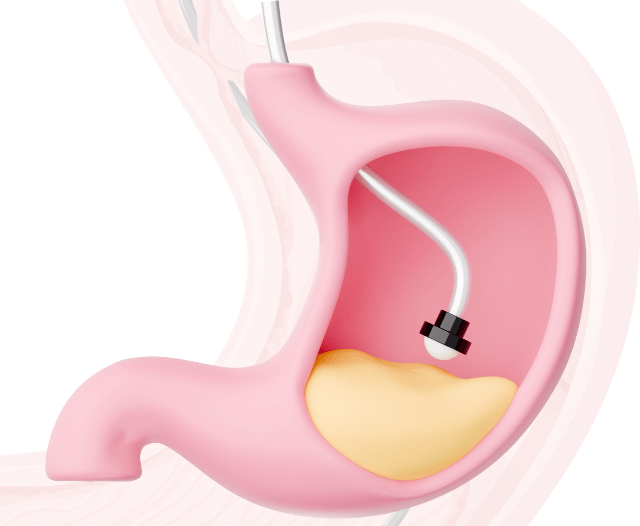
  6. The gastroenterologist advances a flexible endoscope through the mouth, esophagus, and stomach into the duodenum (the first part of the small intestine).
  7. Cannulation and Contrast Injection:
  8. Using specialized instruments, the physician locates the opening of the bile duct (papilla), inserts a catheter, and injects contrast dye to visualize the ducts under X-ray.
  9. Therapeutic Intervention:
  10. Stone Removal: A balloon or basket device is used to extract stones.
  11. Stent Placement: Plastic or metal stents are inserted to keep the ducts open when narrowed by cancer or scarring.
  12. Sphincterotomy: A small incision is made to enlarge the bile duct opening, improving drainage.
  13. Post-Procedure Care:
  14. Patients are monitored during recovery for several hours. Most can return home the same day unless observation is required due to infection or complications.

ercp_procedure_biliary_gallstones


Benefits of Therapeutic ERCP

  • Immediate Relief of Symptoms: Rapidly removes obstructions, reducing jaundice, pain, and infection risk.
  • Minimally Invasive: Requires no large incisions, promoting faster recovery compared to open surgery.
  • Combined Diagnosis and Treatment: Allows for both in a single procedure, minimizing delays.
  • Essential for Cancer Care: Stenting in malignant obstructions relieves jaundice and enables timely chemotherapy or surgery.

Risks and Complications

Therapeutic ERCP is generally safe but technically complex and carries some risks. Common complications include:

  • Pancreatitis (inflammation of the pancreas), occurring in up to 5–10% of patients
  • Bleeding, especially following sphincterotomy
  • Infection (cholangitis), if ducts are incompletely drained
  • Perforation, which is rare but possible with any endoscopic procedure

These risks are minimized when the procedure is performed by an experienced gastroenterologist in a well-equipped facility.


Recovery and Aftercare


Most patients recover quickly following therapeutic ERCP, though some may experience mild bloating, sore throat, or nausea due to sedation.

Post-procedure recommendations include:

  • Resting for the remainder of the day
  • Resuming a light diet unless otherwise instructed
  • Monitoring for warning signs such as severe abdominal pain, persistent vomiting, fever, or black stools—seek immediate medical attention if these occur
  • Attending follow-up visits to ensure bile ducts remain open and symptoms resolve

ercp_procedure_recovery


Why Timely ERCP Matters


Delaying treatment for biliary obstruction may lead to severe consequences, such as:

  • Cholangitis—a potentially life-threatening infection that requires urgent drainage
  • Liver damage—prolonged obstruction can cause biliary cirrhosis
  • Sepsis—a systemic infection spreading through the bloodstream

Thus, therapeutic ERCP is often a lifesaving intervention rather than a mere convenience.


The Role of a Gastroenterologist


ERCP requires specialized training and equipment, making it unavailable in all hospitals or clinics. Gastroenterologists with expertise in therapeutic endoscopy are best suited to perform the procedure safely and effectively.

Patients experiencing jaundice, severe abdominal pain, or unexplained changes in urine or stool color should seek prompt evaluation. Early referral to a gastroenterologist allows for faster diagnosis, treatment, and recovery.


Final Thoughts


Therapeutic ERCP is a cornerstone of modern gastroenterology for managing biliary obstruction caused by gallstones, strictures, and cancer. By combining diagnosis and treatment in one session, it provides rapid relief, reduces complications, and improves patient outcomes.

If you or a loved one have symptoms suggestive of bile duct obstruction—such as jaundice, dark urine, pale stools, or unexplained abdominal pain—do not delay seeking medical attention. An experienced gastroenterologist can determine if therapeutic ERCP is appropriate and guide you safely through the process.

therapeutic_ercp_infographic


About Dr. Deetlefs


Dr. Deetlefs is a highly respected gastroenterologist based in Cape Town, recognized for his expertise in diagnosing and treating a wide range of gastrointestinal (GI) conditions. With years of clinical experience and a patient-centered approach, he is dedicated to providing advanced, evidence-based care for issues such as acid reflux, inflammatory bowel disease, liver and biliary disorders, and colorectal cancer screening.

Combining state-of-the-art technology with compassionate care, Dr. Deetlefs ensures accurate diagnoses and effective treatment plans tailored to each patient’s needs. For those experiencing persistent digestive symptoms or in need of a routine check-up, contacting Dr. Deetlefs is a proactive step toward optimal digestive health.

He has earned a reputation as a trusted health expert, providing consultative, diagnostic, and therapeutic endoscopic services to patients in Cape Town and beyond. Dr. Deetlefs can be contacted to confirm the estimated breakdown should you be interested in having the procedure done. 

DISCLAIMER: PLEASE READ CAREFULLY

The information on this website is to provide general guidance. In no way does any of the information provided reflect definitive medical advice and self-diagnoses should not be made based on information obtained online. It is important to consult a Gastroenterologist or medical doctor regarding ANY and ALL symptoms or signs including, but not limited to: abdominal pain, haemorrhoids or anal / rectal bleeding as it may a sign of a serious illness or condition. A thorough consultation and examination should ALWAYS be performed for an accurate diagnosis and treatment plan. Be sure to call a physician or call our office today and schedule a consultation.

GIDoc Cape Town

Patient-focused GI treatments and procedures in Cape Town.

Monday-Friday 8AM-4PM.

Connect with Us

© Dr. Eduan Deetlefs, Registered Gastroenterologist, GI Doc Cape Town

Our website information is not intended or implied to be a substitute for professional medical advice, diagnosis or treatment. Please consult a doctor about your specific condition. Only a trained physician can determine an accurate diagnosis and proper treatment.

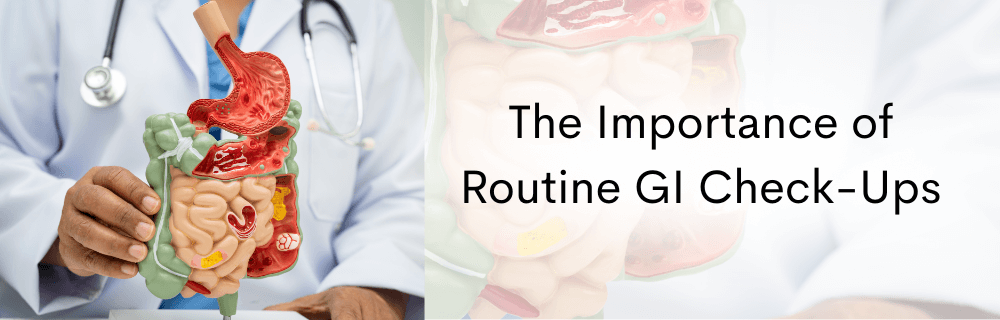
The Importance of Routine GI Check-Ups

The Importance of Routine GI Check-Ups


Introduction


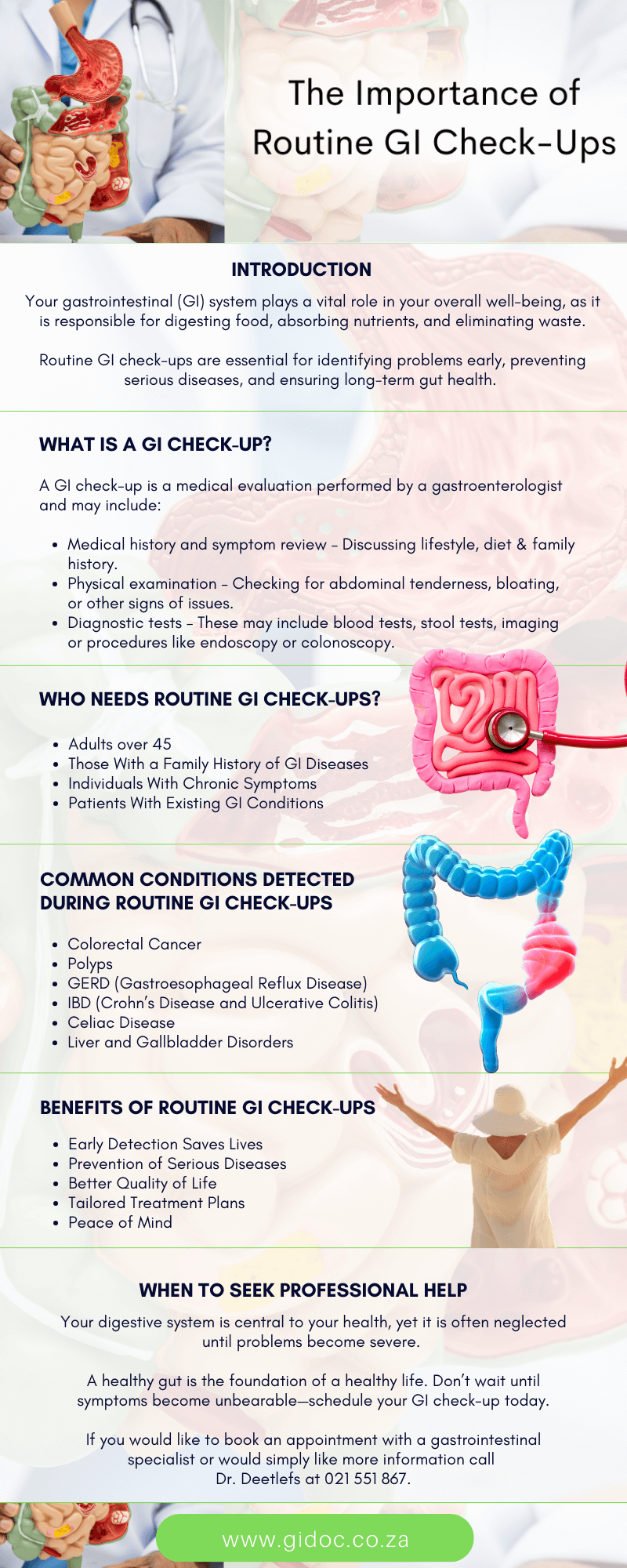
When it comes to health, most people think of regular visits to their general practitioner, dental check-ups, and even annual eye exams. However, one area often overlooked is digestive health. Your gastrointestinal (GI) system plays a vital role in your overall well-being, as it is responsible for digesting food, absorbing nutrients, and eliminating waste.

Routine GI check-ups are essential for identifying problems early, preventing serious diseases, and ensuring long-term gut health.

In this article, we’ll explore why these check-ups are so important, who should get them, what to expect, and how they can help prevent and manage common digestive conditions.


Why Digestive Health Matters


The gastrointestinal tract is a complex system that includes the esophagus, stomach, small intestine, large intestine (colon), rectum, liver, gallbladder, and pancreas. Each part plays a crucial role in breaking down food and delivering essential nutrients to the body.

When something goes wrong in this system, it doesn’t just cause digestive discomfort—it can affect your energy levels, immune system, and even mental health. For instance:

  • Nutrient absorption issues can lead to vitamin deficiencies, fatigue, and weakened immunity.
  • Chronic inflammation in the gut, such as with Crohn’s disease or ulcerative colitis, may increase the risk of colorectal cancer.
  • Undiagnosed conditions, like celiac disease, can cause long-term damage if not identified and managed.

Routine GI check-ups are an important way to detect these issues early and keep the digestive system functioning properly.


What Is a GI Check-Up?


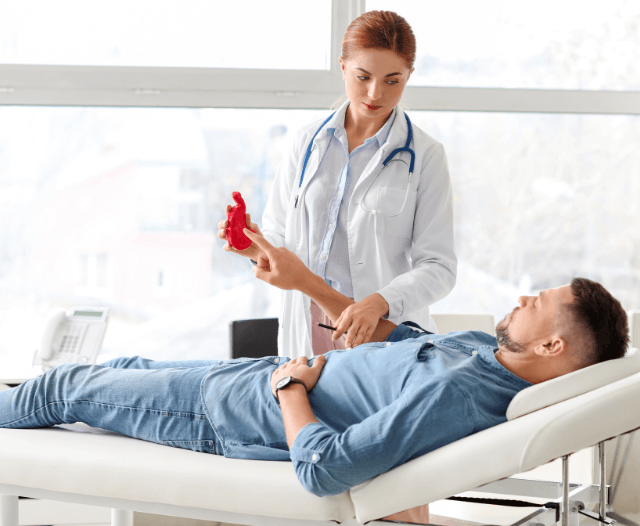
A GI check-up is a medical evaluation performed by a gastroenterologist—a doctor specializing in digestive health. Depending on your age, risk factors, and symptoms, a GI check-up may include:

  • Medical history and symptom review – Discussing lifestyle, diet, and family history.
  • Physical examination – Checking for abdominal tenderness, bloating, or other signs of issues.
  • Diagnostic tests – These may include blood tests, stool tests, imaging (ultrasound, CT, MRI), or procedures like endoscopy or colonoscopy.

These evaluations can help diagnose conditions such as gastroesophageal reflux disease (GERD), ulcers, gallstones, inflammatory bowel disease (IBD), irritable bowel syndrome (IBS), and cancers of the digestive tract.


Who Needs Routine GI Check-Ups?


While anyone can benefit from digestive health screening, certain individuals are at higher risk and should be proactive about routine check-ups.

Adults Over 45

Colon cancer screening is now recommended for adults starting at age 45, as cases of colorectal cancer in younger adults are rising. Colonoscopy is the gold standard for detecting and removing polyps before they become cancerous.

Those With a Family History of GI Diseases

If you have a family history of colorectal cancer, Crohn’s disease, ulcerative colitis, or celiac disease, you may need earlier and more frequent check-ups.

Individuals With Chronic Symptoms

Persistent symptoms like abdominal pain, bloating, diarrhea, constipation, blood in the stool, or unexplained weight loss should not be ignored.

Patients With Existing GI Conditions

People with GERD, IBD, celiac disease, or liver conditions benefit from ongoing monitoring to prevent complications.


colonoscopy_procedure_checkup


Common Conditions Detected During Routine GI Check-Ups


Colorectal Cancer

Colorectal cancer is one of the most preventable cancers when detected early. During a colonoscopy, gastroenterologists can remove polyps before they progress into cancer.

Polyps

These small growths in the colon can be benign but have the potential to turn cancerous if left untreated.

GERD (Gastroesophageal Reflux Disease)

Frequent acid reflux can damage the esophagus and increase the risk of Barrett’s esophagus, a precancerous condition.

IBD (Crohn’s Disease and Ulcerative Colitis)

Early diagnosis helps in managing inflammation, reducing flares, and preventing long-term complications like strictures and malnutrition.

Celiac Disease

Routine screening is important, especially if symptoms like bloating, diarrhea, or nutrient deficiencies are present.

Liver and Gallbladder Disorders

Fatty liver disease, gallstones, and hepatitis can often be picked up through routine blood work and imaging.


Benefits of Routine GI Check-Ups


Early Detection Saves Lives

The earlier a problem is caught, the easier it is to treat. For example, polyps removed during colonoscopy eliminate the risk of them turning into cancer.

Prevention of Serious Diseases

Many digestive conditions start small but worsen over time. Routine check-ups can stop disease progression before it becomes life-threatening.

Better Quality of Life

Managing digestive symptoms like bloating, constipation, or reflux improves comfort, sleep, and overall well-being.

Tailored Treatment Plans

Routine follow-ups allow gastroenterologists to adjust treatments based on changes in symptoms or test results.

Peace of Mind

Knowing your digestive health is being monitored provides reassurance and reduces anxiety.


routine_checkup_importance


What to Expect During a Colonoscopy


One of the most common routine GI procedures is the colonoscopy. Here’s what happens:

  • Preparation – Patients follow a special diet and take bowel-cleansing medications the day before.
  • Sedation – You will be sedated to ensure comfort.
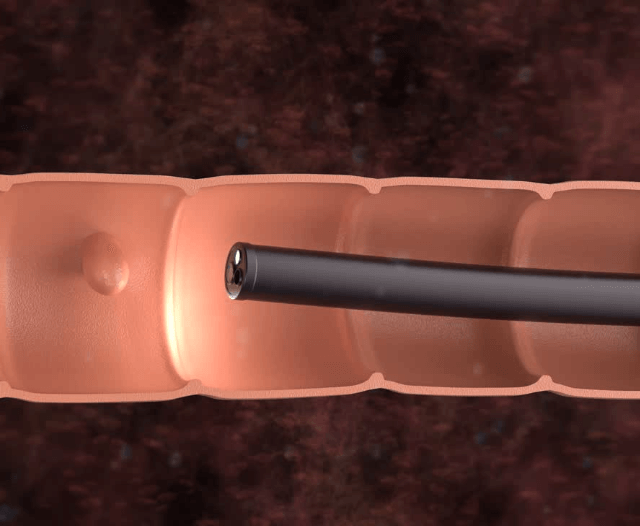
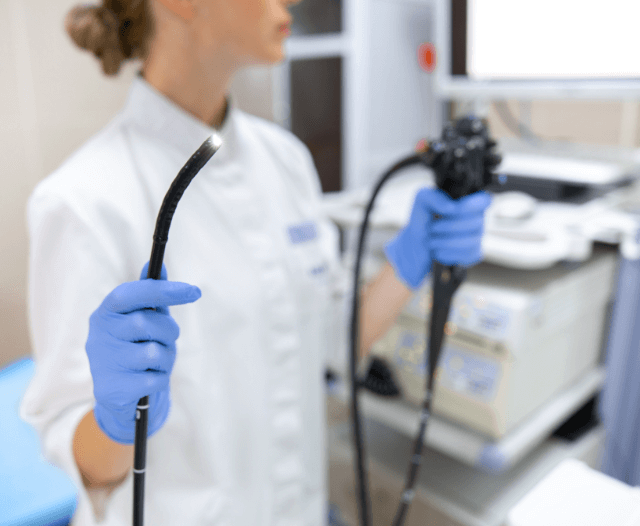
  • Examination – The doctor inserts a flexible tube with a camera into the colon to look for polyps, inflammation, or other abnormalities.
  • Polyp Removal – If found, polyps can be removed immediately.
  • Recovery – Patients typically go home the same day.

Though often dreaded, a colonoscopy is quick, safe, and one of the most effective preventive tools in medicine.


Lifestyle and Routine Check-Ups: Working Together


While routine GI check-ups are essential, lifestyle changes can complement medical care and improve gut health:

  • Eat a balanced diet rich in fiber, lean protein, and fermented foods.
  • Limit processed foods, alcohol, and excess sugar that strain the digestive system.
  • Stay hydrated to support bowel regularity.
  • Exercise regularly, as physical activity helps digestion.
  • Manage stress, which directly impacts the gut through the brain-gut connection.

Routine check-ups combined with healthy habits create a strong foundation for long-term digestive health.


Overcoming the Fear of GI Procedures


Many patients avoid routine GI check-ups due to fear, embarrassment, or misconceptions.
Common concerns include:

  • Fear of discomfort – Sedation ensures that procedures like colonoscopy are painless.
  • Embarrassment – Gastroenterologists perform these procedures daily and focus on patient health, not judgment.
  • Concerns about cost – Preventive care is often more affordable than treating advanced disease.

Education and reassurance are key in encouraging patients to prioritize routine GI health screenings.

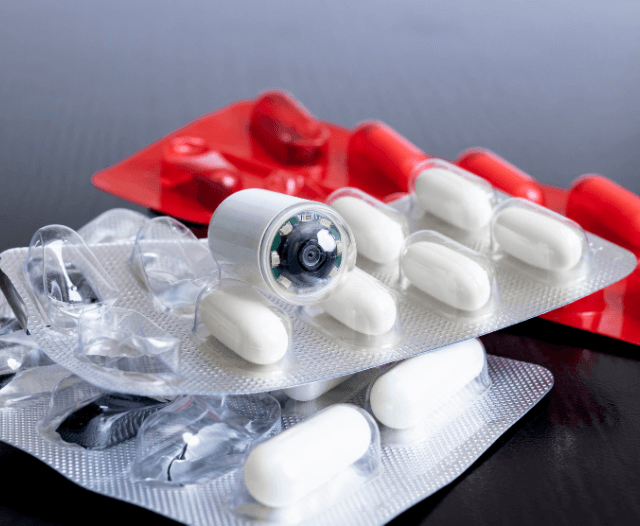
capsule_endoscopy


The Future of Routine GI Check-Ups


Advancements in gastroenterology are making routine check-ups even more effective and less invasive. Emerging technologies include:

  • Capsule endoscopy – Swallowing a pill-sized camera that captures images of the digestive tract.
  • Non-invasive stool DNA testing – Detecting colon cancer risk without a colonoscopy (though colonoscopy remains the gold standard).

These innovations promise greater accessibility, accuracy, and comfort for patients.


Conclusion


Your digestive system is central to your health, yet it is often neglected until problems become severe. Routine GI check-ups are one of the most powerful tools for preventing disease, improving quality of life, and ensuring early detection of potentially life-threatening conditions like colorectal cancer.

By staying proactive—especially if you are over 45, have a family history of GI disease, or suffer from persistent digestive symptoms—you can protect your gut health and overall well-being.

A healthy gut is the foundation of a healthy life. Don’t wait until symptoms become unbearable—schedule your GI check-up today.

importance_of_routine_checkup_infographic


Contact Dr. Deetlefs


Dr. Deetlefs has earned the reputation of a trusted health expert providing consultative, diagnostic, and therapeutic endoscopic and related services to patients in Cape Town and beyond. 

Dr. Deetlefs can be contacted to confirm the estimated breakdown should you be interested in having the procedure done.


DISCLAIMER: PLEASE READ CAREFULLY

The information on this website is to provide general guidance. In no way does any of the information provided reflect definitive medical advice and self-diagnoses should not be made based on information obtained online. It is important to consult a Gastroenterologist or medical doctor regarding ANY and ALL symptoms or signs including, but not limited to: abdominal pain, haemorrhoids or anal / rectal bleeding as it may a sign of a serious illness or condition. A thorough consultation and examination should ALWAYS be performed for an accurate diagnosis and treatment plan. Be sure to call a physician or call our office today and schedule a consultation.

GIDoc Cape Town

Patient-focused GI treatments and procedures in Cape Town.

Monday-Friday 8AM-4PM.

Connect with Us

© Dr. Eduan Deetlefs, Registered Gastroenterologist, GI Doc Cape Town

Our website information is not intended or implied to be a substitute for professional medical advice, diagnosis or treatment. Please consult a doctor about your specific condition. Only a trained physician can determine an accurate diagnosis and proper treatment.