021 202 0626
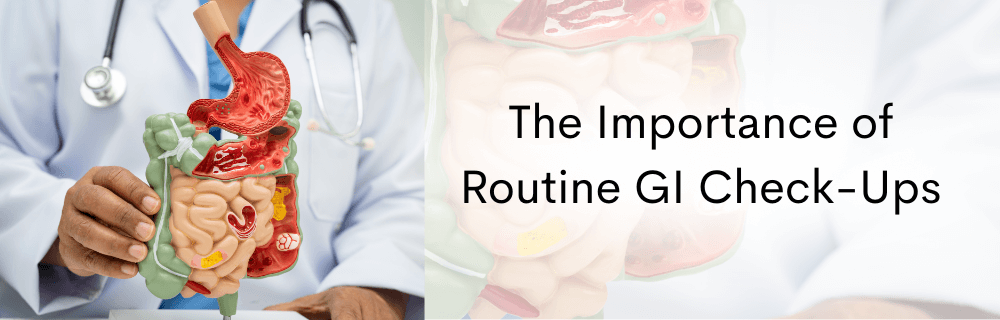
The Importance of Routine GI Check-Ups

The Importance of Routine GI Check-Ups


Introduction


When it comes to health, most people think of regular visits to their general practitioner, dental check-ups, and even annual eye exams. However, one area often overlooked is digestive health. Your gastrointestinal (GI) system plays a vital role in your overall well-being, as it is responsible for digesting food, absorbing nutrients, and eliminating waste.

Routine GI check-ups are essential for identifying problems early, preventing serious diseases, and ensuring long-term gut health.

In this article, we’ll explore why these check-ups are so important, who should get them, what to expect, and how they can help prevent and manage common digestive conditions.


Why Digestive Health Matters


The gastrointestinal tract is a complex system that includes the esophagus, stomach, small intestine, large intestine (colon), rectum, liver, gallbladder, and pancreas. Each part plays a crucial role in breaking down food and delivering essential nutrients to the body.

When something goes wrong in this system, it doesn’t just cause digestive discomfort—it can affect your energy levels, immune system, and even mental health. For instance:

  • Nutrient absorption issues can lead to vitamin deficiencies, fatigue, and weakened immunity.
  • Chronic inflammation in the gut, such as with Crohn’s disease or ulcerative colitis, may increase the risk of colorectal cancer.
  • Undiagnosed conditions, like celiac disease, can cause long-term damage if not identified and managed.

Routine GI check-ups are an important way to detect these issues early and keep the digestive system functioning properly.

 

What Is a GI Check-Up?


A GI check-up is a medical evaluation performed by a gastroenterologist—a doctor specializing in digestive health. Depending on your age, risk factors, and symptoms, a GI check-up may include:

  • Medical history and symptom review – Discussing lifestyle, diet, and family history.
  • Physical examination – Checking for abdominal tenderness, bloating, or other signs of issues.
  • Diagnostic tests – These may include blood tests, stool tests, imaging (ultrasound, CT, MRI), or procedures like endoscopy or colonoscopy.

These evaluations can help diagnose conditions such as gastroesophageal reflux disease (GERD), ulcers, gallstones, inflammatory bowel disease (IBD), irritable bowel syndrome (IBS), and cancers of the digestive tract.


Who Needs Routine GI Check-Ups?


While anyone can benefit from digestive health screening, certain individuals are at higher risk and should be proactive about routine check-ups.

Adults Over 45

Colon cancer screening is now recommended for adults starting at age 45, as cases of colorectal cancer in younger adults are rising. Colonoscopy is the gold standard for detecting and removing polyps before they become cancerous.

Those With a Family History of GI Diseases

If you have a family history of colorectal cancer, Crohn’s disease, ulcerative colitis, or celiac disease, you may need earlier and more frequent check-ups.

Individuals With Chronic Symptoms

Persistent symptoms like abdominal pain, bloating, diarrhea, constipation, blood in the stool, or unexplained weight loss should not be ignored.

Patients With Existing GI Conditions

People with GERD, IBD, celiac disease, or liver conditions benefit from ongoing monitoring to prevent complications.
 

colonoscopy_procedure_checkup


Common Conditions Detected During Routine GI Check-Ups


Colorectal Cancer

Colorectal cancer is one of the most preventable cancers when detected early. During a colonoscopy, gastroenterologists can remove polyps before they progress into cancer.

Polyps

These small growths in the colon can be benign but have the potential to turn cancerous if left untreated.

GERD (Gastroesophageal Reflux Disease)

Frequent acid reflux can damage the esophagus and increase the risk of Barrett’s esophagus, a precancerous condition.

IBD (Crohn’s Disease and Ulcerative Colitis)

Early diagnosis helps in managing inflammation, reducing flares, and preventing long-term complications like strictures and malnutrition.

Celiac Disease

Routine screening is important, especially if symptoms like bloating, diarrhea, or nutrient deficiencies are present.

Liver and Gallbladder Disorders

Fatty liver disease, gallstones, and hepatitis can often be picked up through routine blood work and imaging.


Benefits of Routine GI Check-Ups


Early Detection Saves Lives

The earlier a problem is caught, the easier it is to treat. For example, polyps removed during colonoscopy eliminate the risk of them turning into cancer.

Prevention of Serious Diseases

Many digestive conditions start small but worsen over time. Routine check-ups can stop disease progression before it becomes life-threatening.

Better Quality of Life

Managing digestive symptoms like bloating, constipation, or reflux improves comfort, sleep, and overall well-being.

Tailored Treatment Plans

Routine follow-ups allow gastroenterologists to adjust treatments based on changes in symptoms or test results.

Peace of Mind

Knowing your digestive health is being monitored provides reassurance and reduces anxiety.

 

routine_checkup_importance


What to Expect During a Colonoscopy


One of the most common routine GI procedures is the colonoscopy. Here’s what happens:

  • Preparation – Patients follow a special diet and take bowel-cleansing medications the day before.
  • Sedation – You will be sedated to ensure comfort.
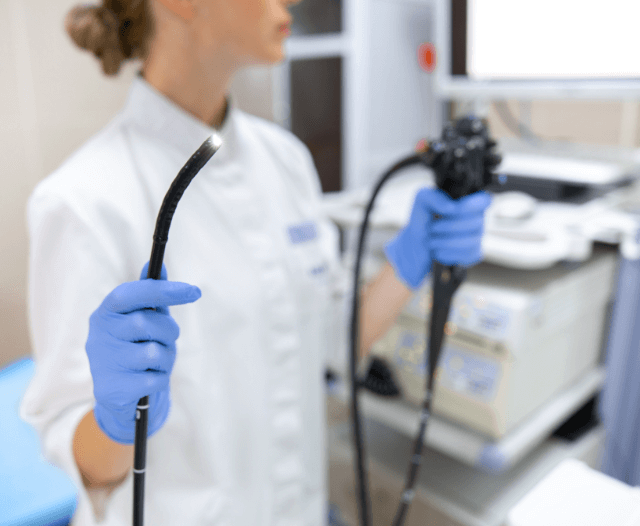
  • Examination – The doctor inserts a flexible tube with a camera into the colon to look for polyps, inflammation, or other abnormalities.
  • Polyp Removal – If found, polyps can be removed immediately.
  • Recovery – Patients typically go home the same day.

Though often dreaded, a colonoscopy is quick, safe, and one of the most effective preventive tools in medicine.


Lifestyle and Routine Check-Ups: Working Together


While routine GI check-ups are essential, lifestyle changes can complement medical care and improve gut health:

  • Eat a balanced diet rich in fiber, lean protein, and fermented foods.
  • Limit processed foods, alcohol, and excess sugar that strain the digestive system.
  • Stay hydrated to support bowel regularity.
  • Exercise regularly, as physical activity helps digestion.
  • Manage stress, which directly impacts the gut through the brain-gut connection.

Routine check-ups combined with healthy habits create a strong foundation for long-term digestive health.


Overcoming the Fear of GI Procedures


Many patients avoid routine GI check-ups due to fear, embarrassment, or misconceptions.
Common concerns include:

  • Fear of discomfort – Sedation ensures that procedures like colonoscopy are painless.
  • Embarrassment – Gastroenterologists perform these procedures daily and focus on patient health, not judgment.
  • Concerns about cost – Preventive care is often more affordable than treating advanced disease.

Education and reassurance are key in encouraging patients to prioritize routine GI health screenings.
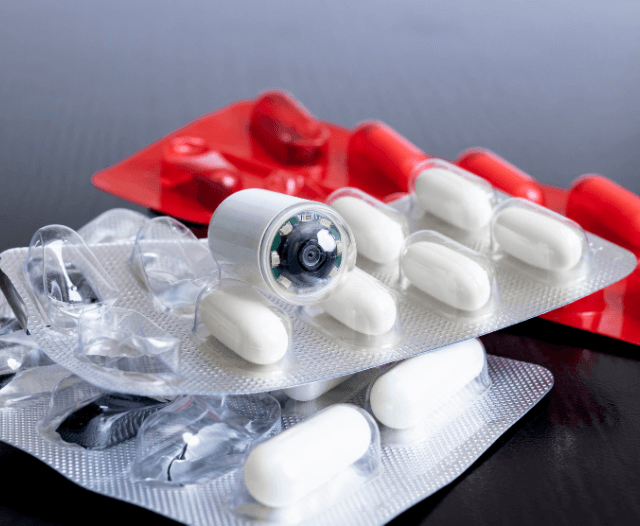
capsule_endoscopy


The Future of Routine GI Check-Ups


Advancements in gastroenterology are making routine check-ups even more effective and less invasive. Emerging technologies include:

  • Capsule endoscopy – Swallowing a pill-sized camera that captures images of the digestive tract.
  • Non-invasive stool DNA testing – Detecting colon cancer risk without a colonoscopy (though colonoscopy remains the gold standard).

These innovations promise greater accessibility, accuracy, and comfort for patients.


Conclusion


Your digestive system is central to your health, yet it is often neglected until problems become severe. Routine GI check-ups are one of the most powerful tools for preventing disease, improving quality of life, and ensuring early detection of potentially life-threatening conditions like colorectal cancer.

By staying proactive—especially if you are over 45, have a family history of GI disease, or suffer from persistent digestive symptoms—you can protect your gut health and overall well-being.

A healthy gut is the foundation of a healthy life. Don’t wait until symptoms become unbearable—schedule your GI check-up today.
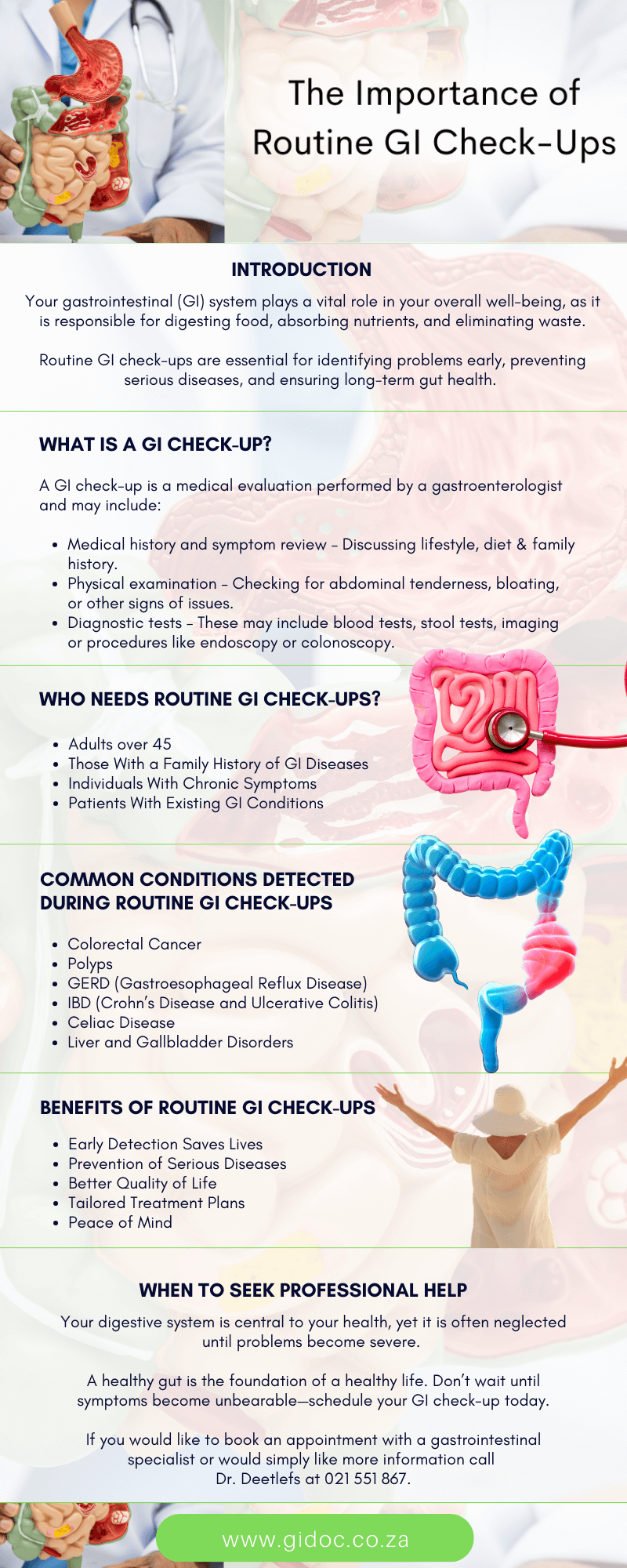
importance_of_routine_checkup_infographic


Contact Dr. Deetlefs


Dr. Deetlefs has earned the reputation of a trusted health expert providing consultative, diagnostic, and therapeutic endoscopic and related services to patients in Cape Town and beyond. 

Dr. Deetlefs can be contacted to confirm the estimated breakdown should you be interested in having the procedure done.


DISCLAIMER: PLEASE READ CAREFULLY

The information on this website is to provide general guidance. In no way does any of the information provided reflect definitive medical advice and self-diagnoses should not be made based on information obtained online. It is important to consult a Gastroenterologist or medical doctor regarding ANY and ALL symptoms or signs including, but not limited to: abdominal pain, haemorrhoids or anal / rectal bleeding as it may a sign of a serious illness or condition. A thorough consultation and examination should ALWAYS be performed for an accurate diagnosis and treatment plan. Be sure to call a physician or call our office today and schedule a consultation.

GIDoc Cape Town

Patient-focused GI treatments and procedures in Cape Town.

Monday-Friday 8AM-4PM.

Connect with Us

© Dr. Eduan Deetlefs, Registered Gastroenterologist, GI Doc Cape Town

Our website information is not intended or implied to be a substitute for professional medical advice, diagnosis or treatment. Please consult a doctor about your specific condition. Only a trained physician can determine an accurate diagnosis and proper treatment.
Dietary Tips for Managing Irritable Bowel Syndrome (IBS) and Its Mental Health Impact

Dietary Tips for Managing Irritable Bowel Syndrome (IBS) and Its Mental Health Impact


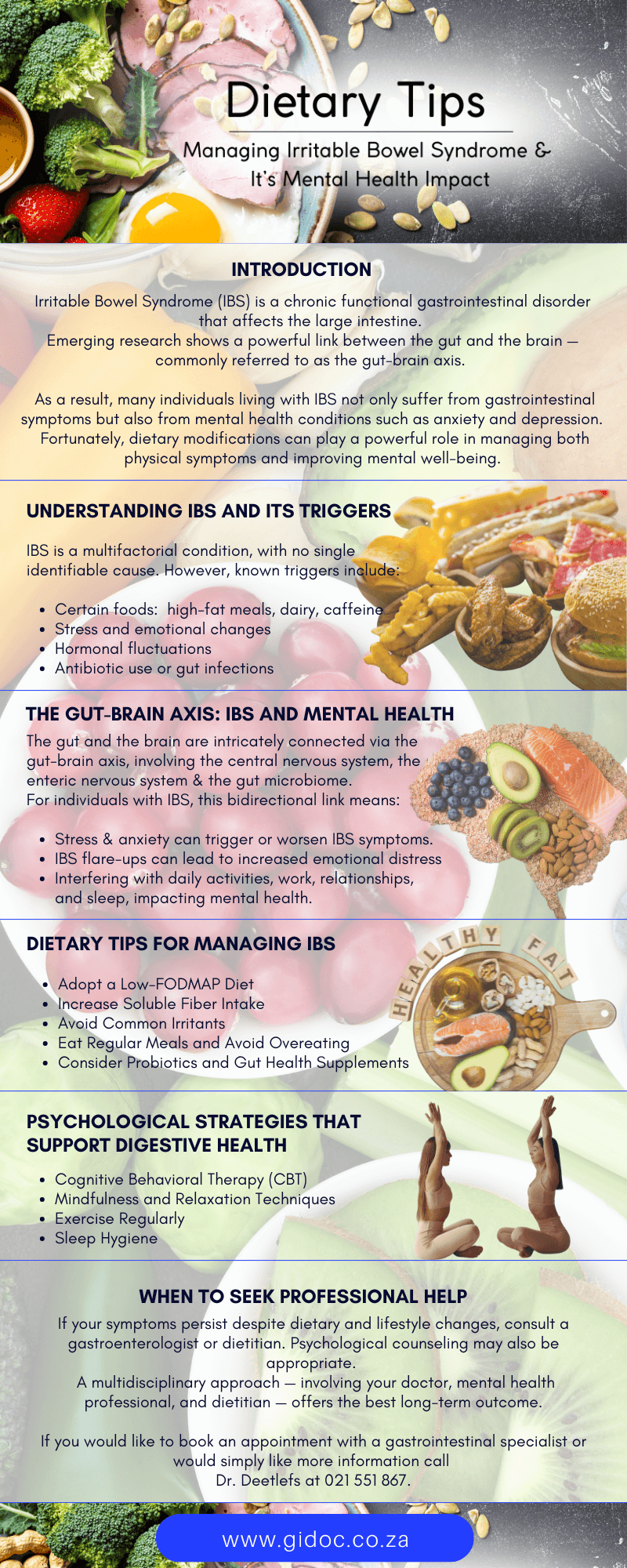
Irritable Bowel Syndrome (IBS) is a chronic functional gastrointestinal disorder that affects the large intestine.

It’s characterized by a cluster of symptoms, including abdominal pain, bloating, gas, diarrhea, constipation, or alternating between the two. While IBS doesn’t cause structural damage to the digestive tract, it significantly affects quality of life — both physically and mentally.

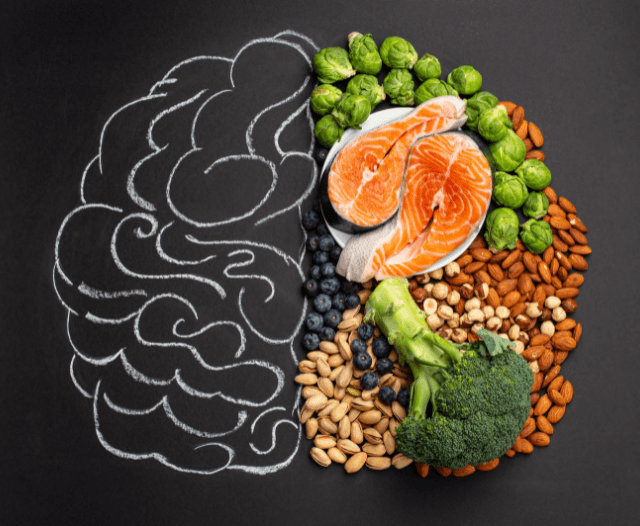
Emerging research shows a powerful link between the gut and the brain — commonly referred to as the gut-brain axis.

As a result, many individuals living with IBS not only suffer from gastrointestinal symptoms but also from mental health conditions such as anxiety and depression.

Fortunately, dietary modifications can play a powerful role in managing both physical symptoms and improving mental well-being.

This article provides a detailed look at dietary tips for managing IBS while exploring how the condition affects mental health and what you can do to improve both.


Understanding IBS and Its Triggers


IBS is a multifactorial condition, with no single identifiable cause. However, known triggers include:

  • Certain foods (e.g., high-fat meals, dairy, caffeine)
  • Stress and emotional changes
  • Hormonal fluctuations
  • Antibiotic use or gut infections 

People with IBS may have hypersensitive guts, abnormal gut motility, and imbalances in the gut microbiota.

These factors can lead to irregular bowel habits and pain. Since there’s no cure for IBS, treatment focuses on symptom management, and diet is a primary strategy.


The Gut-Brain Axis: IBS and Mental Health


The gut and the brain are intricately connected via the gut-brain axis, a complex communication network involving the central nervous system, the enteric nervous system (which governs the GI tract), and the gut microbiome.

For individuals with IBS, this bidirectional link means:

  • Stress and anxiety can trigger or worsen IBS symptoms.
  • IBS flare-ups can lead to increased emotional distress, which may result in depression or social withdrawal.
  • Many people with IBS report that their symptoms interfere with daily activities, work, relationships, and sleep, all of which impact mental health.

Addressing both the physical and psychological aspects of IBS is crucial for long-term management.

healthy_eating_habits


Dietary Tips for Managing IBS


Dietary changes are often the first step in managing IBS symptoms. However, because triggers vary widely from person to person, there is no one-size-fits-all diet.

Here are the most effective dietary strategies:

1. Adopt a Low-FODMAP Diet


FODMAPs are fermentable oligosaccharides, disaccharides, monosaccharides, and polyols — short-chain carbohydrates poorly absorbed in the small intestine. When fermented by gut bacteria, they produce gas and draw water into the bowel, leading to bloating, diarrhea, and discomfort.

High-FODMAP foods to avoid:

  • Onions and garlic
  • Apples, pears, and watermelon
  • Wheat, barley, and rye
  • Dairy (due to lactose)
  • Legumes (beans, lentils, chickpeas)
  • Artificial sweeteners (sorbitol, xylitol)

Low-FODMAP foods to include:

  • Carrots, zucchini, spinach
  • Berries, citrus fruits, bananas
  • Gluten-free grains (rice, oats, quinoa)
  • Lactose-free dairy or plant-based alternatives
  • Eggs, chicken, tofu 

A low-FODMAP diet involves three phases:

  1. Elimination of high-FODMAP foods
  2. Gradual reintroduction
  3. Personalization based on tolerance

Note: It’s best to follow this diet under the guidance of a registered dietitian.


2. Increase Soluble Fiber Intake


Fiber affects bowel movements and gut health, but not all fiber is equal. Insoluble fiber can aggravate symptoms, especially in people with diarrhea-predominant IBS. Soluble fiber, on the other hand, helps regulate bowel movements and reduce bloating.

Good sources of soluble fiber:

  • Oats
  • Psyllium husk
  • Carrots
  • Bananas
  • Chia seeds

Start slow and increase fiber gradually to avoid triggering bloating or gas. Hydration is also essential — aim for at least 1.5 to 2 liters of water daily.


3. Avoid Common Irritants

Certain foods and beverages tend to aggravate IBS symptoms. Common culprits include:

  • Caffeine: Stimulates the intestines and can worsen diarrhea.
  • Alcohol: Can irritate the gut lining and alter motility.
  • Fried and fatty foods: Harder to digest and often cause cramping.
  • Spicy foods: May trigger pain or urgency in some individuals.
  • Carbonated beverages: Introduce excess gas and cause bloating.

A food and symptom journal can help identify your specific triggers.


4. Eat Regular Meals and Avoid Overeating

Large meals can overwhelm the digestive system and cause cramping or bloating. Instead, opt for:

  • Smaller, frequent meals throughout the day
  • Eating slowly and chewing thoroughly
  • Avoiding late-night eating or lying down immediately after meals


5. Consider Probiotics and Gut Health Supplements

Probiotics — beneficial bacteria — can help restore balance in the gut microbiome. Certain strains (e.g., Bifidobacterium infantis or Lactobacillus plantarum) have shown benefits for IBS symptoms, especially bloating and bowel irregularity.

Prebiotics (which feed good gut bacteria) and digestive enzymes may also support digestion, but responses vary. Consult a healthcare professional before starting supplements.

gut_brain_axis


The Mental Health Impact of IBS

The mental burden of IBS is significant and often underestimated. Studies show that:

  • Up to 60% of people with IBS also experience anxiety or depression.
  • Chronic pain and unpredictability of bowel habits contribute to social withdrawal and isolation.
  • IBS can impair work productivity, school attendance, and sexual health.

It’s important to acknowledge these challenges as part of the condition, not as a secondary issue. Treating IBS holistically includes supporting emotional well-being.


Psychological Strategies That Support Digestive Health

Given the gut-brain connection, managing stress and emotional health is vital in IBS treatment. Consider the following strategies:

1. Cognitive Behavioral Therapy (CBT)

CBT is a structured, evidence-based form of talk therapy that helps individuals identify and change negative thought patterns. It has proven highly effective for reducing IBS symptoms and anxiety.


2. Mindfulness and Relaxation Techniques

Practices such as meditation, deep breathing, and progressive muscle relaxation can reduce the stress response, calm the digestive system, and improve symptom control.


3. Exercise Regularly

Moderate physical activity — such as walking, swimming, or yoga — has multiple benefits:

  • Improves mood and reduces anxiety
  • Enhances digestion and reduces constipation
  • Lowers inflammation

Aim for at least 30 minutes of activity most days of the week.


4. Sleep Hygiene

Poor sleep quality is linked to increased IBS symptom severity. Establish a consistent sleep schedule, limit screen time before bed, and create a calming nighttime routine.


Combining Diet and Mental Health Approaches

An integrative approach offers the best chance of success for managing IBS. Here’s a sample daily strategy:

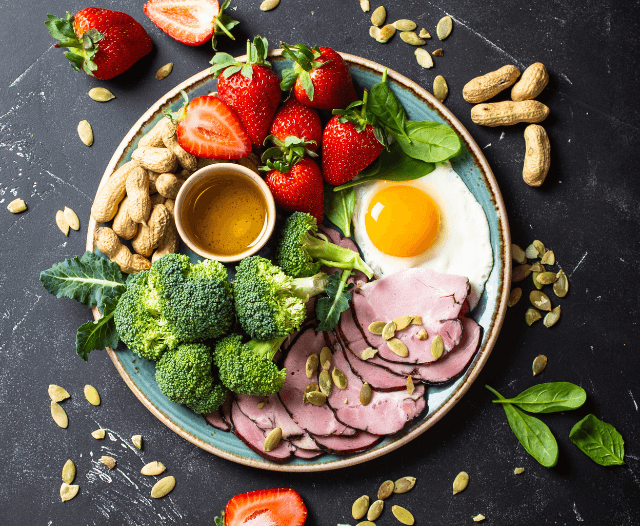
  • Morning: Start with a low-FODMAP breakfast (e.g., oatmeal with blueberries and chia seeds), followed by light stretching or a short walk.
  • Afternoon: Practice mindfulness for 10 minutes. Eat a balanced lunch with lean protein and steamed veggies.
  • Evening: Prepare a small dinner with easy-to-digest ingredients. Avoid caffeine and alcohol. Journal your symptoms and emotions before bed.

dietary_tips_ibs


When to Seek Professional Help

If your symptoms persist despite dietary and lifestyle changes, consult a gastroenterologist or dietitian. Psychological counseling may also be appropriate.

A multidisciplinary approach — involving your doctor, mental health professional, and dietitian — offers the best long-term outcome.


Final Thoughts

Living with IBS can be frustrating and exhausting, both physically and mentally. But with the right dietary strategies and emotional support, you can take control of your symptoms and improve your quality of life.

A tailored, patient-centered approach that addresses both the digestive and psychological dimensions of IBS is the key to long-term relief.


Need Expert Digestive Care?

Dr. Deetlefs has earned the reputation of a trusted health expert providing consultative, diagnostic, and therapeutic endoscopic and related services to patients in Cape Town and beyond.

Dr. Deetlefs can be contacted to confirm the estimated breakdown should you be interested in having the procedure done.

DISCLAIMER: PLEASE READ CAREFULLY

The information on this website is to provide general guidance. In no way does any of the information provided reflect definitive medical advice and self-diagnoses should not be made based on information obtained online. It is important to consult a Gastroenterologist or medical doctor regarding ANY and ALL symptoms or signs including, but not limited to: abdominal pain, haemorrhoids or anal / rectal bleeding as it may a sign of a serious illness or condition. A thorough consultation and examination should ALWAYS be performed for an accurate diagnosis and treatment plan. Be sure to call a physician or call our office today and schedule a consultation.

GIDoc Cape Town

Patient-focused GI treatments and procedures in Cape Town.

Monday-Friday 8AM-4PM.

Connect with Us

© Dr. Eduan Deetlefs, Registered Gastroenterologist, GI Doc Cape Town

Our website information is not intended or implied to be a substitute for professional medical advice, diagnosis or treatment. Please consult a doctor about your specific condition. Only a trained physician can determine an accurate diagnosis and proper treatment.