021 202 0626
Exploring ERCP: A Comprehensive Guide

Exploring ERCP: A Comprehensive Guide

This versatile and powerful procedure has revolutionized the field of gastroenterology, allowing healthcare professionals to diagnose and treat a wide range of conditions affecting the bile ducts, pancreas, and gallbladder.

In this comprehensive guide, we will delve into the world of ERCP, exploring its uses, benefits, procedure, potential risks, and much more.

Understanding ERCP: What Is It?

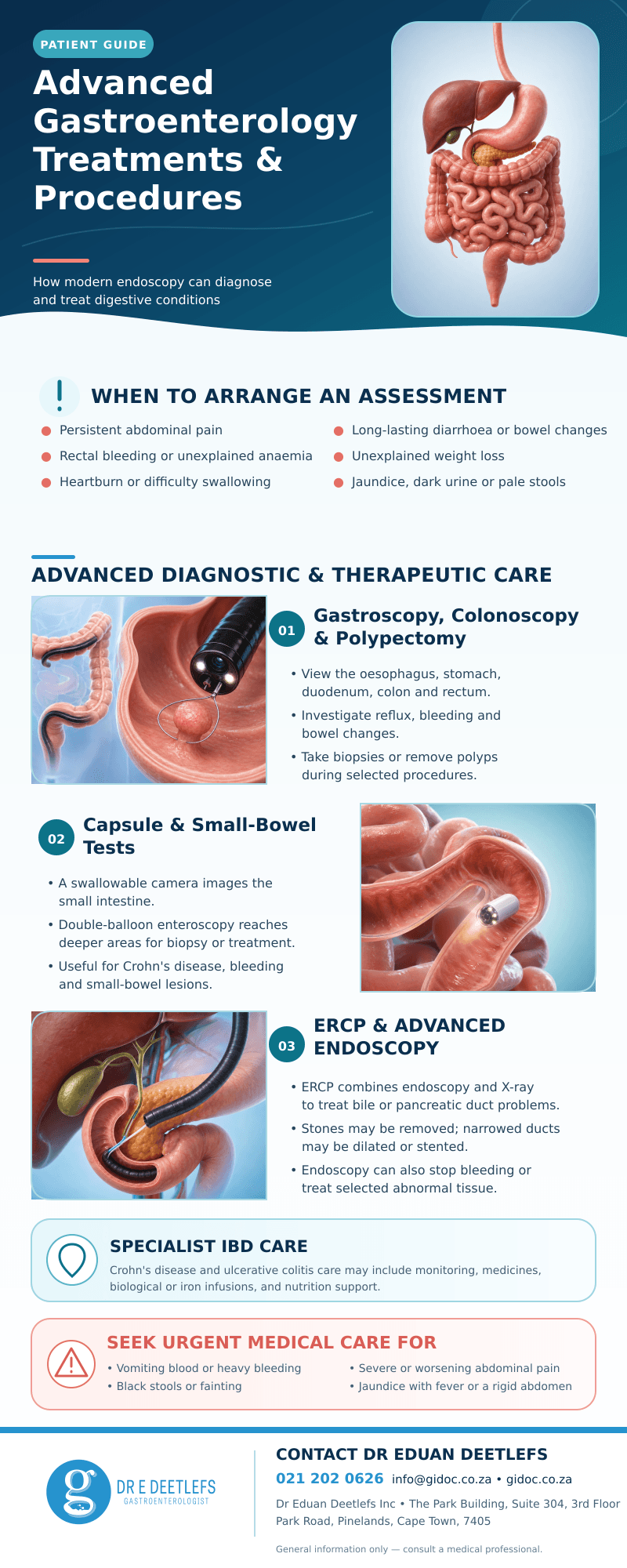
Endoscopic Retrograde Cholangiopancreatography (ERCP) is a specialized medical procedure that combines endoscopy and fluoroscopy to diagnose and treat conditions in the bile ducts, pancreas, and gallbladder.

It provides detailed images and, if necessary, allows for the performance of therapeutic interventions. ERCP is typically performed by a gastroenterologist, a specialist in digestive diseases.

The Key Components of ERCP

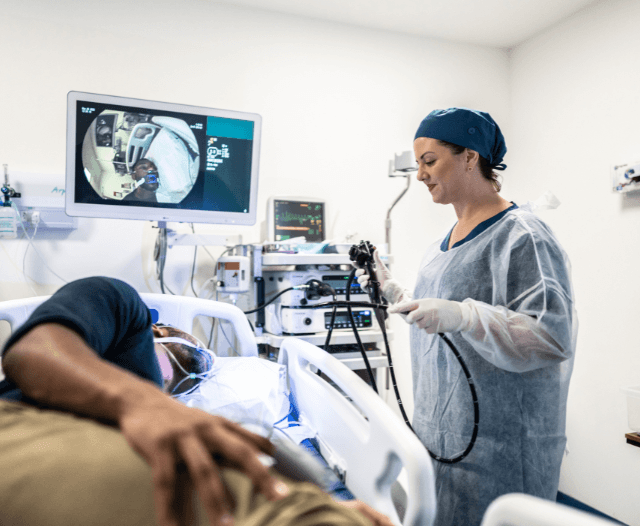
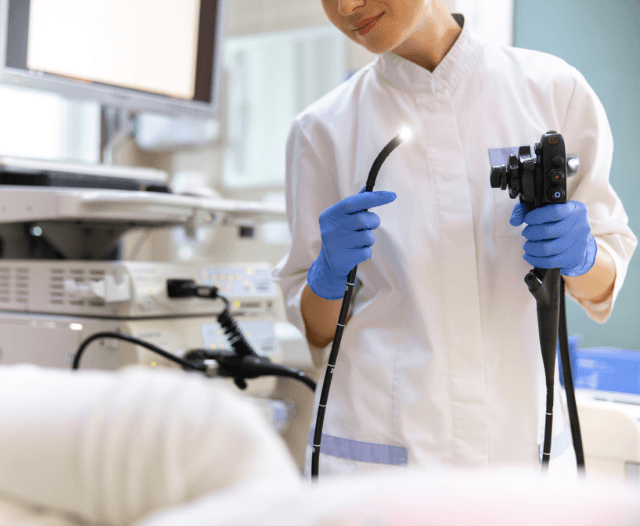
Endoscope: An endoscope is a flexible, tube-like instrument equipped with a light source and a camera. It is inserted through the mouth, down the esophagus, and into the stomach and duodenum (the first part of the small intestine).

Fluoroscopy: Fluoroscopy is a real-time X-ray imaging technique that provides dynamic images of the bile ducts and pancreatic duct.

Contrast Medium: A contrast medium, often a special dye, is injected into the ducts to make them visible on X-ray images.

ercp_procedure

When Is ERCP Used?

ERCP is employed for various diagnostic and therapeutic purposes, primarily related to the digestive system. Some common indications for ERCP include:

  1. Diagnosing and Treating Gallstones:

ERCP can identify gallstones trapped in the bile ducts, causing symptoms like jaundice, abdominal pain, and pancreatitis (inflammation of the pancreas). In such cases, the stones can be removed during the procedure.

  1. Diagnosing and Managing Biliary and Pancreatic Tumors:

ERCP can help in evaluating and diagnosing tumors or strictures (narrowing) in the bile ducts or pancreatic duct. It can also assist in placing stents to relieve blockages caused by these conditions.

  1. Treating Pancreatitis:
    In some cases of acute pancreatitis, ERCP may be performed to remove obstructions or perform other therapeutic procedures.
  1. Draining Fluid Collections:

ERCP can be used to drain fluid collections (pseudocysts) in the pancreas or bile ducts.

  1. Evaluating Chronic Abdominal Pain:
    When the cause of chronic abdominal pain is unclear, ERCP can be used as a diagnostic tool to explore the pancreas and bile ducts.
  1. Roux-en-Y Gastric Bypass Procedures:
    In patients who have previously undergone gastric bypass surgery, ERCP can be challenging. However, specialized techniques, such as laparoscopy-assisted or double-balloon-assisted ERCP, have been developed to access the desired areas.

ercp_balloon_enteroscopy

The ERCP Procedure: What to Expect

Before undergoing ERCP, patients are typically given instructions about fasting to ensure an empty stomach. The procedure is performed in a hospital or outpatient endoscopy center and generally follows these steps:

  1. Preparation:

Patients may receive a sedative or anesthesia to relax and minimize discomfort during the procedure. The throat is also numbed with a local anesthetic to ease the insertion of the endoscope.

  1. Insertion of the Endoscope:

The gastroenterologist carefully inserts the endoscope through the mouth and into the esophagus, stomach, and duodenum.

  1. Locating the Papilla:

The papilla of Vater, a small nipple-like structure where the common bile duct and pancreatic duct drain into the duodenum, is located using the endoscope.

  1. Contrast Injection:

A contrast medium (dye) is injected into the ducts to make them visible on X-ray images. Fluoroscopy is used to monitor the movement of the contrast medium.

  1. Imaging and Diagnosis:

X-ray images are captured in real-time to evaluate the structure and function of the bile ducts and pancreatic duct. If any abnormalities are detected, they can be further examined or treated during the same procedure.

  1. Therapeutic Procedures:

ERCP allows for various therapeutic interventions, such as removing gallstones, placing stents, widening strictures, or draining fluid collections. These procedures can alleviate symptoms and improve overall health.

  1. Completion:

Once the necessary diagnostic or therapeutic steps are completed, the endoscope is carefully removed.
The duration of an ERCP can vary but typically takes between 30 minutes to an hour. After the procedure, patients are monitored in a recovery area until the sedation wears off, and it is safe to be discharged.

Potential Risks and Complications of ERCP

While ERCP is generally considered a safe and effective procedure, like any medical intervention, it carries some risks and potential complications.

These can include:

  1. Pancreatitis: This is one of the most common complications of ERCP. Pancreatitis is inflammation of the pancreas and can range from mild to severe. It can cause abdominal pain, nausea, vomiting, and in severe cases, may require hospitalization. The risk of pancreatitis following ERCP varies but is generally around 5% to 10%. It is more common when therapeutic interventions, such as sphincterotomy (cutting of the sphincter), are performed during the procedure.
  2. Infection: Infections can occur in rare cases, either in the bile ducts or the pancreas. Bacterial infection can lead to symptoms such as fever, chills, and abdominal pain. Infection risk is minimized by following strict sterile techniques during the procedure.
  3. Bleeding: Although uncommon, bleeding can occur during or after ERCP, particularly if therapeutic procedures like sphincterotomy or stone removal are performed. Minor bleeding may resolve on its own, but significant bleeding may require additional interventions or surgery.
  4. Perforation: Perforation, or a tear in the digestive tract, is a rare but serious complication. It can lead to abdominal pain, infection, and the leakage of digestive contents into the abdominal cavity. Emergency surgery is usually necessary to repair a perforation.
  5. Allergic Reaction: Some patients may experience an allergic reaction to the contrast medium used during ERCP. Allergic reactions can range from mild skin rashes to more severe symptoms like difficulty breathing or anaphylaxis. The risk of a severe allergic reaction is relatively low.
  6. Complications Related to Anesthesia: Sedatives and anesthesia used during ERCP carry inherent risks, including respiratory depression, reduced oxygen levels, and reactions to medications. These risks are typically minimized by careful monitoring during the procedure.
  7. Other Risks: There is also a slight risk of complications such as blood clots, heart problems, or adverse reactions to medications used during ERCP.

It’s important to note that while these risks are associated with ERCP, the procedure is generally considered safe and effective when performed by experienced gastroenterologists or endoscopists.

 ercp_after_procedure

Recovery and Aftercare

After an ERCP, patients are typically monitored for a brief period in a recovery area until they fully wake up from the sedation. It’s essential to arrange for a friend or family member to drive them home, as the sedatives can impair driving ability.

Patients may experience mild discomfort, bloating, or a sore throat for a day or two after the procedure, but these symptoms generally resolve on their own. If any complications or severe symptoms arise, such as persistent abdominal pain, fever, chills, or heavy bleeding, patients should contact their healthcare provider immediately.

Conclusion: The Power of ERCP in Gastroenterology

Endoscopic Retrograde Cholangiopancreatography (ERCP) is a powerful tool in the field of gastroenterology, offering both diagnostic and therapeutic capabilities.

By combining endoscopy and fluoroscopy, this procedure allows healthcare professionals to explore and treat conditions affecting the bile ducts, pancreas, and gallbladder with minimal invasiveness.

While ERCP can carry some risks and potential complications, it has greatly improved the accuracy of diagnoses and the effectiveness of treatments for a wide range of gastrointestinal conditions.

When performed by skilled and experienced gastroenterologists, ERCP can be a life-changing procedure that provides relief and improved quality of life for patients.

ercp_risks_benefits_infographic

Contact Dr. Deetlefs

Dr Eduan prides himself on his ability to help his patients to the best of his ability by embracing good listening skills, effective communication, compassion and knowledge and skill honed during years of private gastroenterology practice.

If you would like to book an appointment with a gastrointestinal (GI) specialist or would simply like more information on a particular GI topic, don’t hesitate to use our online booking form or call Dr. Deetlefs at 021 551 867.

DISCLAIMER: PLEASE READ CAREFULLY

The information on this website is to provide general guidance. In no way does any of the information provided reflect definitive medical advice and self-diagnoses should not be made based on information obtained online. It is important to consult a Gastroenterologist or medical doctor regarding ANY and ALL symptoms or signs including, but not limited to: abdominal pain, haemorrhoids or anal / rectal bleeding as it may a sign of a serious illness or condition. A thorough consultation and examination should ALWAYS be performed for an accurate diagnosis and treatment plan. Be sure to call a physician or call our office today and schedule a consultation.

GIDoc Cape Town

Patient-focused GI treatments and procedures in Cape Town.

Monday-Friday 8AM-4PM.

Connect with Us

© Dr. Eduan Deetlefs, Registered Gastroenterologist, GI Doc Cape Town

Our website information is not intended or implied to be a substitute for professional medical advice, diagnosis or treatment. Please consult a doctor about your specific condition. Only a trained physician can determine an accurate diagnosis and proper treatment.
Exploring the Future of Diagnosis: Capsule Endoscopy

Exploring the Future of Diagnosis: Capsule Endoscopy

Overview

In the realm of medical diagnostics, innovation has consistently pushed the boundaries of what is possible.

Capsule endoscopy, a relatively recent addition to the medical toolkit, exemplifies this trend.

This remarkable technology has revolutionized the field of gastroenterology, allowing healthcare professionals to explore the inner workings of the digestive tract in a minimally invasive and patient-friendly manner.

In this comprehensive guide, we will journey into the world of capsule endoscopy, delving into its history, mechanics, applications and benefits.


What does it look like?


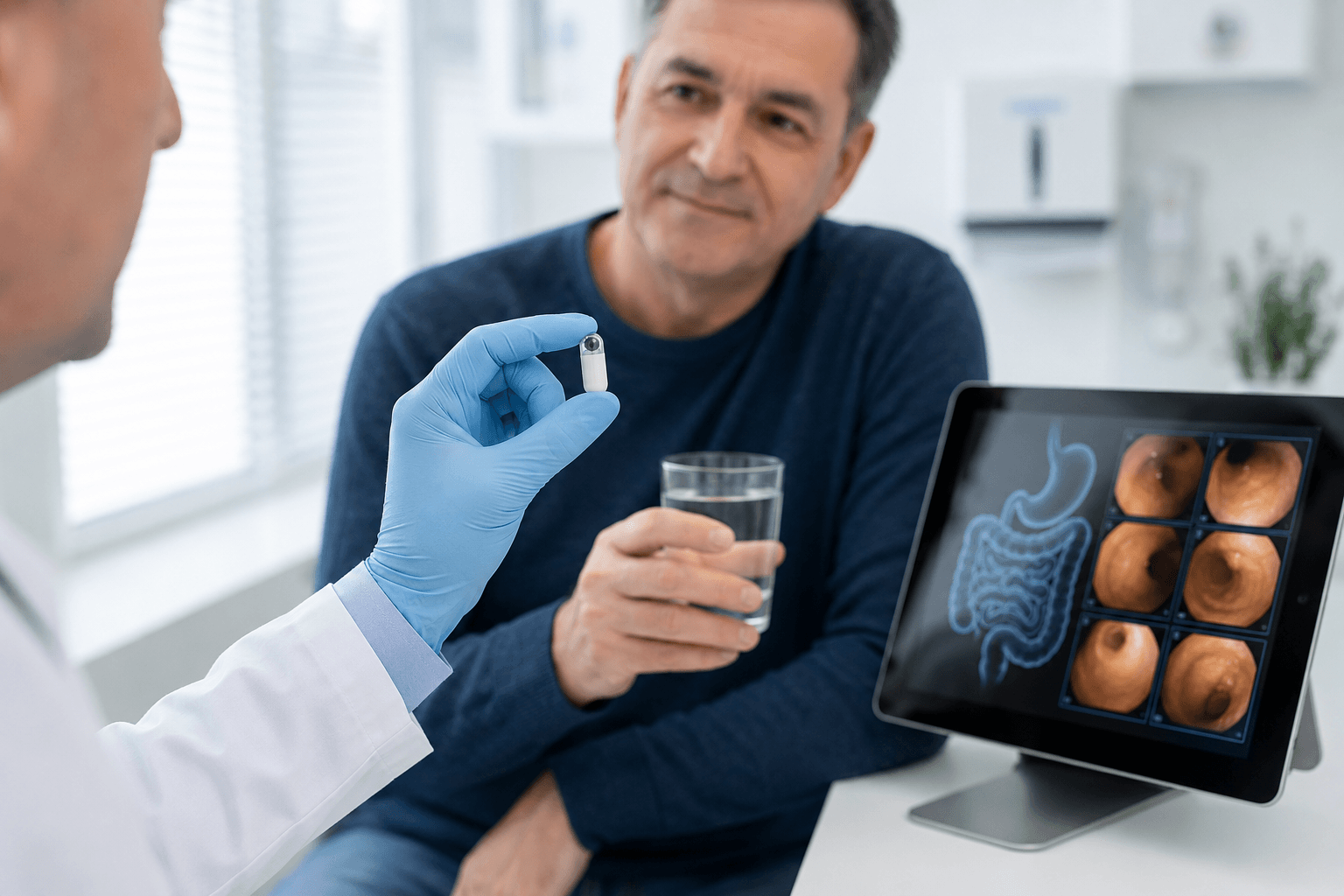
A capsule endoscopy, often referred to as a “pill camera,” is a small, ingestible medical device that is about the size and shape of a large vitamin pill.

Its appearance can vary slightly depending on the manufacturer, but here are some common characteristics:

Size and Shape: A typical capsule endoscopy capsule is small and cylindrical, similar in size to a standard pill. It is designed to be easy to swallow, typically measuring around 26 mm in length and 11 mm in diameter.

Smooth Exterior: The capsule has a smooth, seamless exterior to facilitate easy swallowing and safe passage through the gastrointestinal (GI) tract. It’s typically made of medical-grade materials that are safe for ingestion.

Color: The color of the capsule can vary but is often white or a light color. This helps with visibility if the capsule is ever seen in the patient’s stool.

Two Ends: Capsule endoscopy capsules typically have two ends. One end contains the miniature camera, light source, and other imaging components. The other end may have a marker or identifier to help with orientation during image analysis.

It’s important to note that while the appearance of the capsule itself is relatively simple, the technology it contains is highly sophisticated.

The miniature camera and imaging components inside the capsule are capable of capturing high-quality images of the gastrointestinal tract, providing valuable diagnostic information to healthcare providers. 

capsul;e_endoscopy_benefits


The Journey Begins: A Brief History of Capsule Endoscopy


Before we delve into the intricacies of capsule endoscopy, it’s essential to understand its origins and evolution.

The story of capsule endoscopy traces back to the late 20th century when medical researchers began seeking alternatives to traditional endoscopy procedures, which often involved discomfort and anesthesia.


1. Development of the Capsule Camera

The concept of a miniature camera that could travel through the gastrointestinal (GI) tract began to take shape in the late 1990s.

Researchers envisioned a capsule-sized device equipped with a tiny camera, light source, and transmission system that could capture images as it passed through the digestive system.

This idea laid the foundation for what would become the capsule endoscope.


2. The PillCam Era

In the early 2000s, Israeli company Given Imaging introduced the “PillCam.”

This small, swallowable capsule endoscope, which resembled a pill, marked a significant breakthrough in medical imaging.

The PillCam’s wireless technology allowed for the transmission of real-time images as it traversed the GI tract, providing detailed views of the esophagus, stomach, small intestine, and even parts of the colon.

The PillCam SB, designed for small bowel examination, received FDA approval in 2001, paving the way for capsule endoscopy to become a viable diagnostic tool.


The Capsule Unveiled: How Capsule Endoscopy Works


Capsule endoscopy is a procedure that employs a small, ingestible capsule containing a miniaturized camera, light source, battery, and wireless transmitter. Here’s a step-by-step breakdown of how this innovative technology works:


1. Ingestion of the Capsule

The procedure begins with the patient swallowing the capsule, which is about the size of a large vitamin pill. It is attached to a thin, flexible cord that transmits the images to a data recorder worn by the patient. The capsule’s journey through the GI tract is entirely passive, driven by peristalsis – the natural muscular contractions of the digestive system.


2. Image Capture

As the capsule progresses through the digestive tract, the camera continuously captures high-quality images of the lining of the GI tract. These images provide detailed views of the mucosa, allowing for the detection of abnormalities such as ulcers, polyps, bleeding, inflammation, and tumors.


3. Data Transmission

The images are transmitted wirelessly from the capsule to the data recorder, which the patient wears on their body. This recorder is about the size of a small smartphone and is connected to adhesive patches on the patient’s abdomen. It stores the images and allows for continuous monitoring of the procedure.


4. Data Analysis

After the capsule endoscopy is completed, typically within eight hours, the patient returns the data recorder to the healthcare provider. The recorded images are then downloaded to a computer for analysis. Advanced software assists in reviewing and interpreting the images, enabling the healthcare provider to make a diagnosis.

capsule_endoscopy_exploring_the_future


Capsule Endoscopy: Applications and Benefits


Capsule endoscopy has rapidly gained popularity due to its numerous applications and several significant advantages over traditional endoscopy methods. Let’s explore some of the key applications and benefits:

1. Diagnosis of Gastrointestinal Conditions

Capsule endoscopy is primarily used to diagnose a wide range of gastrointestinal conditions, including:

  • Small Bowel Diseases: It is particularly effective in detecting small bowel diseases like Crohn’s disease, celiac disease, and small bowel tumors.
  • Obscure Gastrointestinal Bleeding: Capsule endoscopy is invaluable in identifying the source of obscure gastrointestinal bleeding when other diagnostic methods fail.
  • Polyp and Tumor Detection: It can detect polyps and tumors in the esophagus, stomach, and small intestine.

2. Minimally Invasive

One of the most significant advantages of capsule endoscopy is its minimally invasive nature.
Unlike traditional endoscopy procedures, which require the insertion of a long, flexible tube through the mouth or rectum, capsule endoscopy involves no discomfort, sedation, or anesthesia.
This makes it more patient-friendly and reduces the risk of complications.


3. Comprehensive Visualization

Capsule endoscopy provides comprehensive visualization of the entire small intestine, a part of the GI tract that is challenging to reach with traditional endoscopy techniques.
This allows for a more thorough assessment of the digestive system.

  1. Convenience and Patient Compliance
    Patients often find capsule endoscopy more convenient and less intimidating than traditional endoscopy. The ability to swallow a small capsule eliminates the need for hospital visits and anesthesia, making it more appealing to many individuals.

5. Early Detection and Timely Treatment

The high-quality images generated by capsule endoscopy enable the early detection of gastrointestinal conditions. Early diagnosis often leads to timely treatment, improving patient outcomes and reducing the risk of complications.

6. Reduced Radiation Exposure

Capsule endoscopy does not involve the use of ionizing radiation, making it a safer option for certain patient populations, including pregnant women and individuals who require repeated diagnostic procedures. 


Conclusion


Capsule endoscopy represents a remarkable leap forward in the field of gastroenterology.

Its minimally invasive nature, comprehensive visualization capabilities, and patient-friendly approach have made it a valuable tool for diagnosing a wide range of gastrointestinal conditions.

As technology continues to evolve, the future of capsule endoscopy holds the promise of even more advanced diagnostic capabilities, ultimately leading to improved patient care and outcomes.

With each capsule that embarks on its journey through the digestive tract, the world of medical diagnostics moves one step closer to unlocking the secrets of the human body.

Dr Eduan prides himself on his ability to help his patients to the best of his ability by embracing good listening skills, effective communication, compassion and knowledge and skill honed during years of private gastroenterology practice.

If you would like to book an appointment with a gastrointestinal (GI) specialist or would simply like more information on a particular GI topic, don’t hesitate to use our online booking form or call Dr. Deetlefs at 021 551 867.


DISCLAIMER: PLEASE READ CAREFULLY

The information on this website is to provide general guidance. In no way does any of the information provided reflect definitive medical advice and self-diagnoses should not be made based on information obtained online. It is important to consult a Gastroenterologist or medical doctor regarding ANY and ALL symptoms or signs including, but not limited to: abdominal pain, haemorrhoids or anal / rectal bleeding as it may a sign of a serious illness or condition. A thorough consultation and examination should ALWAYS be performed for an accurate diagnosis and treatment plan. Be sure to call a physician or call our office today and schedule a consultation.

GIDoc Cape Town

Patient-focused GI treatments and procedures in Cape Town.

Monday-Friday 8AM-4PM.

Connect with Us

© Dr. Eduan Deetlefs, Registered Gastroenterologist, GI Doc Cape Town

Our website information is not intended or implied to be a substitute for professional medical advice, diagnosis or treatment. Please consult a doctor about your specific condition. Only a trained physician can determine an accurate diagnosis and proper treatment.
Ironing Out the Details: A Comprehensive Guide to Iron Deficiency Anemia

Ironing Out the Details: A Comprehensive Guide to Iron Deficiency Anemia

Overview


Iron deficiency anemia is one of the most common nutritional deficiencies worldwide, affecting millions of people.

Although it’s a condition often associated with fatigue, it presents a range of symptoms and can significantly affect an individual’s quality of life.

This blog post aims to delve into the causes, symptoms, and treatments of iron deficiency anemia, helping you understand this prevalent condition better.


What is Iron Deficiency Anemia?


Iron deficiency anemia is a condition characterized by a lack of healthy red blood cells due to insufficient iron in the body.

Iron is crucial for producing hemoglobin, a protein in red blood cells that enables them to carry oxygen around the body.

When your body lacks iron, it cannot produce enough hemoglobin, leading to decreased oxygen supply to your tissues, causing symptoms like fatigue, weakness, and difficulty concentrating.


Causes of Iron Deficiency Anemia


Several factors can lead to iron deficiency anemia:

  • Inadequate dietary intake: Our primary source of iron is our diet. Foods rich in iron include meat, eggs, green leafy vegetables, and iron-fortified cereals. A diet lacking these can result in an iron deficiency. 
  • Absorption issues: Conditions such as celiac disease or surgical procedures that remove parts of the stomach or small intestine can hinder the body’s ability to absorb iron efficiently. 
  • Pregnancy: Pregnant women require significantly more iron to support their growing babies and the increase in their blood volume. Without adequate iron supplementation, this could lead to deficiency. 
  • Blood loss: Conditions that cause blood loss, such as heavy menstrual periods or chronic diseases like peptic ulcers and colorectal cancer, can deplete the body’s iron stores.


iron_deficiency_anemia_symptoms


Symptoms of Iron Deficiency Anemia


Iron deficiency anemia manifests in various ways, including:

  • Fatigue and weakness: This is often the first sign of anemia, as your tissues aren’t getting enough oxygen, causing you to feel constantly tired or weak. 
  • Pale skin: Hemoglobin gives skin its rosy color, so low levels can cause your skin to become lighter. 
  • Shortness of breath: This symptom occurs because your body attempts to increase oxygen delivery to your tissues. 
  • Headaches and dizziness: Insufficient oxygen reaching the brain can cause these symptoms. 
  • Unusual cravings: Some people with iron deficiency anemia develop cravings for non-food items like ice or dirt, a condition known as pica. 
  • Restless legs syndrome: Some people with iron deficiency experience an overwhelming urge to move their legs, particularly at night.

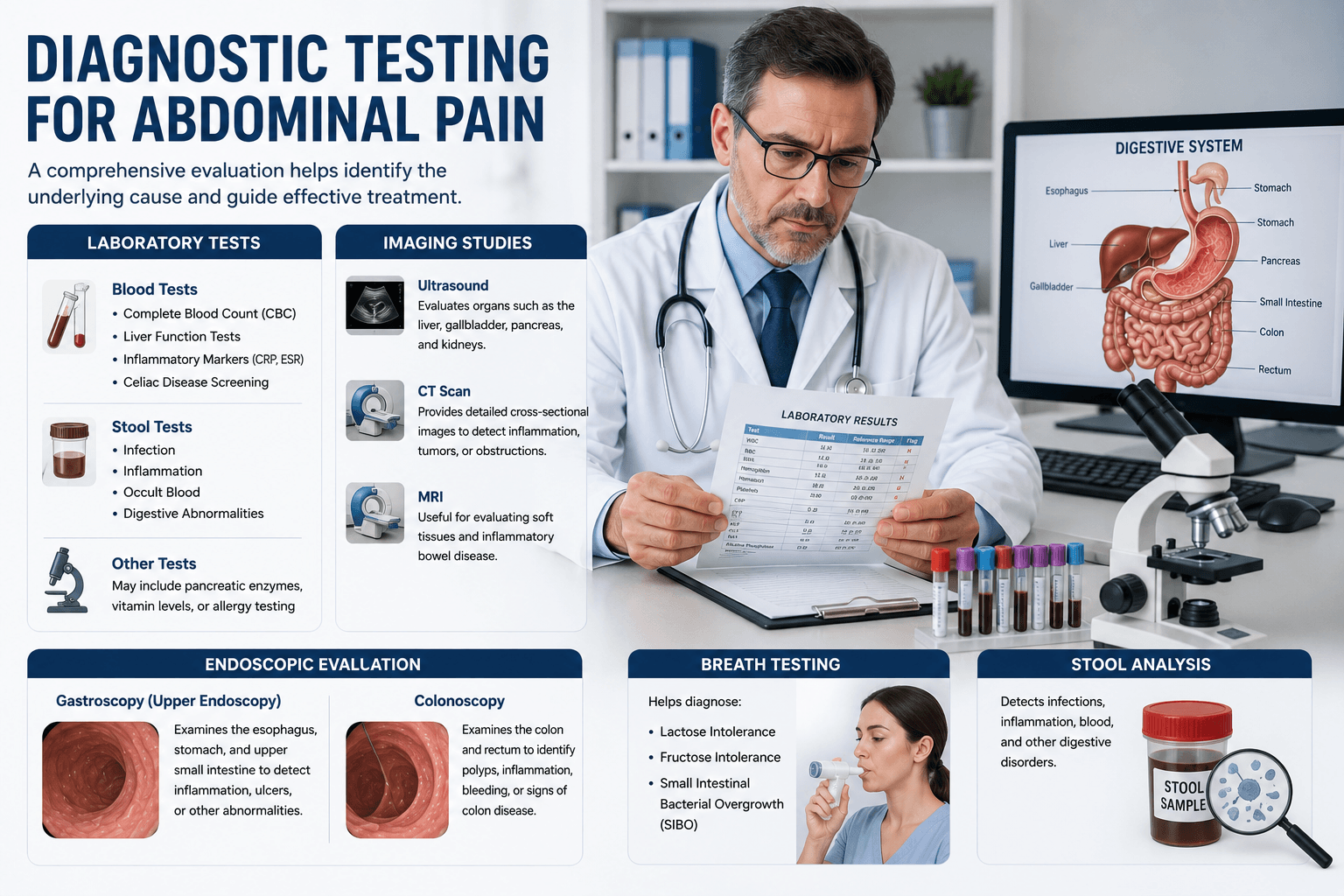
Diagnosing Iron Deficiency Anemia


Iron deficiency anemia is diagnosed through a combination of medical history, physical examination, and laboratory tests.

Here are the typical steps in diagnosing this condition:

Medical History and Physical Examination:
Your doctor will start by asking about your symptoms, diet, family history, and any medicines you’re taking. They will also conduct a physical examination to look for signs of iron deficiency anemia such as pale skin, a fast or irregular heartbeat, or a swollen tongue.

Blood Tests:
The main diagnostic tool for iron deficiency anemia is blood testing.

Here are some of the most common tests used:

Complete Blood Count (CBC):
This test measures different components of your blood, including hemoglobin and hematocrit levels, as well as the size and shape of your red blood cells. In iron deficiency anemia, the hemoglobin level is low, and the red blood cells are usually smaller and paler than normal.

Serum Iron and Ferritin Tests: These tests measure the amount of iron in your blood and the amount of stored iron in your body, respectively. Both are typically low in iron deficiency anemia.

Transferrin Level and Total Iron-Binding Capacity (TIBC): Transferrin is a protein that carries iron in your blood, and TIBC measures how well your body can bind iron. In iron deficiency anemia, transferrin levels are high and TIBC is increased, as your body tries to maximize iron uptake.

Further Testing: If the cause of your iron deficiency anemia isn’t clear, your doctor might recommend further testing. This could include endoscopy to check for sources of internal bleeding, colonoscopy to look for bleeding in the colon, or tests to look for celiac disease, which can interfere with the absorption of iron from your diet.

Remember that iron deficiency anemia is a treatable condition, but it’s important to identify and address the underlying cause.

If you suspect you have iron deficiency anemia, it’s important to consult a healthcare provider for a proper diagnosis and treatment plan.

anemia_diagnosis


Dealing With Iron Deficiency on A Daily Basis

Living with iron deficiency anemia can be challenging due to the fatigue and other symptoms associated with the condition.

Here are some strategies to manage and cope with iron deficiency anemia on a daily basis:

Follow your treatment plan: Adhere to the treatment plan set out by your doctor. This might include taking iron supplements, eating an iron-rich diet, or treating underlying medical conditions. Make sure to keep all medical appointments and contact your healthcare provider if you experience any problems with your treatment.

Eat a balanced, iron-rich diet: Include iron-rich foods in your daily diet. Lean meats, poultry, fish, iron-fortified cereals and breads, dark green leafy vegetables, beans, and lentils are all excellent sources of dietary iron. Foods high in vitamin C, such as citrus fruits, strawberries, and bell peppers, can help enhance iron absorption.

Limit intake of foods that hinder iron absorption: Certain foods and beverages, such as coffee, tea, dairy products, whole grains, and some legumes, can inhibit iron absorption if consumed at the same time as iron-rich foods or supplements.

Exercise regularly: Although it may be challenging when you’re feeling fatigued, regular moderate exercise can help stimulate your appetite, promote good sleep, and boost your energy levels. Start small and gradually increase your activity as your energy levels improve.

Stay hydrated: Drinking plenty of fluids can help combat symptoms of fatigue and help with the constipation that can sometimes occur with iron supplements.

Manage stress: Chronic stress can exacerbate symptoms of anemia. Techniques such as mindfulness, deep breathing, yoga, and other relaxation exercises can help manage stress levels.

Monitor your menstrual cycle: If you are a woman with heavy menstrual bleeding, discuss this with your doctor, as it can contribute to iron deficiency anemia. There may be treatment options to manage heavy periods.

Stay connected with your healthcare team: Regular follow-ups with your healthcare provider are essential to monitor your condition and adjust treatment as needed.

Remember that recovery from iron deficiency anemia often takes time and requires consistent effort. Over time, with consistent treatment and healthy lifestyle habits, you should see improvement in your symptoms.


iron_deficiency_anemia_guide_infogrpahic


Conclusion


Despite the challenges, it is reassuring to know that iron deficiency anemia is generally treatable, and most individuals experience a significant improvement in their symptoms with appropriate management.

By adhering to recommended treatments, maintaining an iron-rich diet, and staying connected with their healthcare providers, individuals with this condition can lead a healthy, fulfilling life.

For any additional information regarding iron deficiency anemia, it’s best to find a trusted and experienced Gastroenterologist who can answer your questions clearly, recommend appropriate solutions, and perform tests with precision and expertise.

Dr. Deetlefs has earned the reputation of a trusted health expert providing consultative, diagnostic, and therapeutic endoscopic and related services to patients in Cape Town and beyond.

Dr Eduan prides himself on his ability to help his patients to the best of his ability by embracing good listening skills, effective communication, compassion and knowledge and skill honed during years of private gastroenterology practice.

If you would like to book an appointment with a gastrointestinal (GI) specialist or would simply like more information on a particular GI topic, don’t hesitate to use our online booking form
or call Dr. Deetlefs at 021 551 867.

DISCLAIMER: PLEASE READ CAREFULLY

The information on this website is to provide general guidance. In no way does any of the information provided reflect definitive medical advice and self-diagnoses should not be made based on information obtained online. It is important to consult a Gastroenterologist or medical doctor regarding ANY and ALL symptoms or signs including, but not limited to: abdominal pain, haemorrhoids or anal / rectal bleeding as it may a sign of a serious illness or condition. A thorough consultation and examination should ALWAYS be performed for an accurate diagnosis and treatment plan. Be sure to call a physician or call our office today and schedule a consultation.

GIDoc Cape Town

Patient-focused GI treatments and procedures in Cape Town.

Monday-Friday 8AM-4PM.

Connect with Us

© Dr. Eduan Deetlefs, Registered Gastroenterologist, GI Doc Cape Town

Our website information is not intended or implied to be a substitute for professional medical advice, diagnosis or treatment. Please consult a doctor about your specific condition. Only a trained physician can determine an accurate diagnosis and proper treatment.

Unraveling the Mystery of Crohn’s Disease: Causes, Symptoms, and Insights

Unraveling the Mystery of Crohn’s Disease: Causes, Symptoms, and Insights

Gain a better understanding of Crohn’s disease, a chronic inflammatory bowel condition that can affect various parts of the digestive tract.

Delve into the potential causes, common symptoms, and the diagnostic process to understand this complex autoimmune disorder better.

What is Crohn’s Disease?

Crohn’s disease is a chronic inflammatory bowel disease (IBD) that affects the lining of the digestive tract, also known as the gastrointestinal (GI) tract.

It can involve any part of the GI tract from the mouth to the anus, but it most commonly affects the end of the small intestine (ileum) and the beginning of the large intestine (colon).

The inflammation caused by Crohn’s disease can penetrate deep into the layers of the affected bowel tissue, leading to pain, discomfort, and various digestive symptoms.

The inflammation can also cause complications such as strictures (narrowing of the intestine), fistulas (abnormal connections between different parts of the intestine or between the intestine and other organs), and abscesses (pockets of infection).

Causes and Risk Factors

The exact cause of Crohn’s disease is still not completely understood, but it is believed to result from a complex interplay of genetic, environmental, and immune system factors.

Here are some of the known causes and risk factors associated with Crohn’s disease:

Genetics:
There is a clear genetic component to Crohn’s disease, as individuals with a family history of the condition are more likely to develop it. Several genes have been identified that may increase the risk of developing Crohn’s disease, but not everyone who carries these genes will develop the condition.
 

Immune system:
Crohn’s disease is considered an autoimmune disorder, in which the immune system mistakenly attacks healthy cells in the gastrointestinal tract. This immune response leads to chronic inflammation and tissue damage. The exact reason for this abnormal immune response is not fully understood, but it is believed to involve a combination of genetic and environmental factors.

Environmental factors:
Although the exact environmental triggers of Crohn’s disease are not known, several factors have been associated with an increased risk of developing the condition. These factors include smoking and having a diet high in fat and low in fiber. It has also been suggested that infections, particularly those involving the gastrointestinal tract, may play a role in triggering Crohn’s disease in susceptible individuals.

Age:
Crohn’s disease can occur at any age, but it is most commonly diagnosed in young adults between the ages of 15 and 35. However, it is important to note that the condition can develop later in life as well.

Smoking:
Smoking is a significant risk factor for the development of Crohn’s disease and is also associated with more severe disease and a higher risk of complications. Quitting smoking can help reduce the risk of developing the condition and improve the overall health of those who already have it.

crohns_symptoms

Common Symptoms of Crohn’s

The symptoms of Crohn’s disease can vary widely depending on the severity of inflammation and the specific parts of the digestive tract affected. Some common symptoms associated with Crohn’s disease include:

Abdominal Pain and Cramping:
This is often experienced in the lower right part of the abdomen but can occur anywhere along the digestive tract. The pain may be mild to severe and can come and go, often worsening after meals.

Diarrhea:
Frequent loose and watery stools are a common symptom of Crohn’s disease. In some cases, diarrhea may be severe and accompanied by blood or mucus.

Fatigue:
People with Crohn’s disease often experience a general feeling of tiredness and low energy levels due to inflammation, malabsorption of nutrients, and the impact of other symptoms on daily life.

Weight loss:
Unintentional weight loss can result from a combination of reduced appetite, malabsorption of nutrients, and increased calorie expenditure due to the ongoing inflammation in the digestive tract.

Fever:
A low-grade fever can sometimes accompany active inflammation in Crohn’s disease, particularly during flare-ups.

Mouth sores:
Painful sores, or ulcers, can develop in the mouth as a result of inflammation in the digestive tract.

Perianal disease:
This includes symptoms like pain, swelling, or drainage around the anus, which can result from the formation of abscesses, fissures, or fistulas.

Nutritional deficiencies:
Crohn’s disease can cause malabsorption of nutrients, leading to deficiencies in essential vitamins and minerals such as iron, vitamin B12, and vitamin D.

Joint pain:
Arthritis or joint pain can occur in some individuals with Crohn’s disease, affecting the knees, ankles, wrists, or other joints.

Skin issues:
Some people with Crohn’s disease may develop skin problems, such as erythema nodosum (painful red nodules under the skin) or pyoderma gangrenosum (painful ulcers that develop rapidly).


Eye inflammation:
Inflammation of the eyes, such as uveitis or episcleritis, can also be a symptom of Crohn’s disease.

crohns_diagnosis_and_testing


Diagnosis and Testing

Diagnosing Crohn’s disease can be challenging due to its varied symptoms and the fact that it can mimic other gastrointestinal conditions.

A combination of medical history, physical examination, and various tests and procedures is often required to accurately diagnose Crohn’s disease.

Here are some of the common steps and tests involved in diagnosing the condition:

Medical History and Physical Examination:
The physician will begin by taking a detailed medical history, including information about symptoms, family history of Crohn’s disease or other gastrointestinal disorders, and any medications the patient is taking. A physical examination will follow, focusing on signs of inflammation, malnutrition, or complications related to Crohn’s disease.

Blood Tests:
Blood tests can help identify signs of inflammation, anemia, and possible nutritional deficiencies. Common blood tests include complete blood count (CBC), C-reactive protein (CRP), and erythrocyte sedimentation rate (ESR).

Stool Tests:
Stool samples may be analyzed to rule out other causes of gastrointestinal symptoms, such as infections or parasites. The presence of fecal calprotectin, a protein that indicates inflammation in the intestines, can also be detected in stool samples and may be a marker for Crohn’s disease.

Imaging Studies:
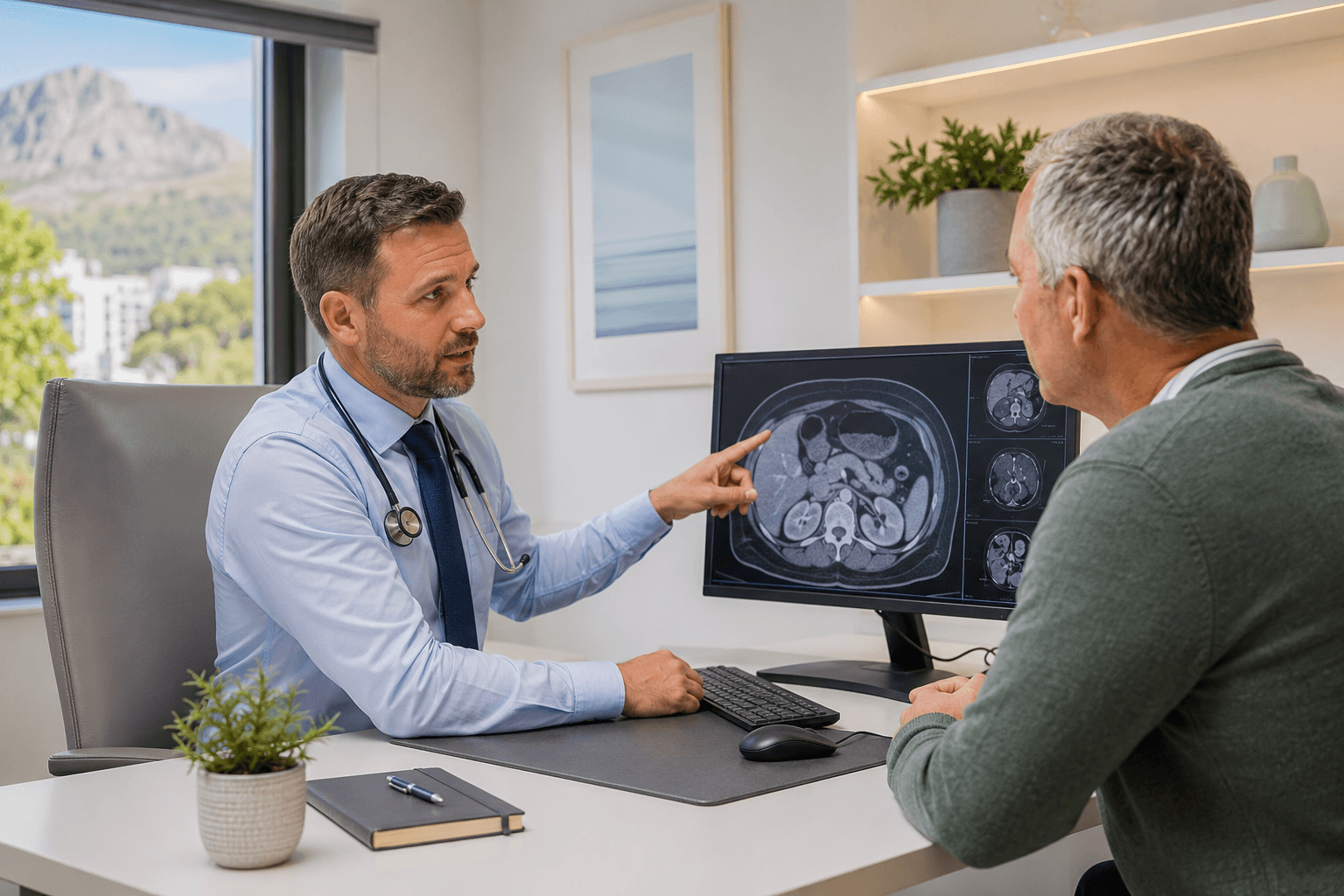
Various imaging tests can help visualize the gastrointestinal tract and identify areas of inflammation, strictures, or other abnormalities. These tests may include X-rays, computed tomography (CT) scans, magnetic resonance imaging (MRI), or ultrasound.
 

Endoscopy:
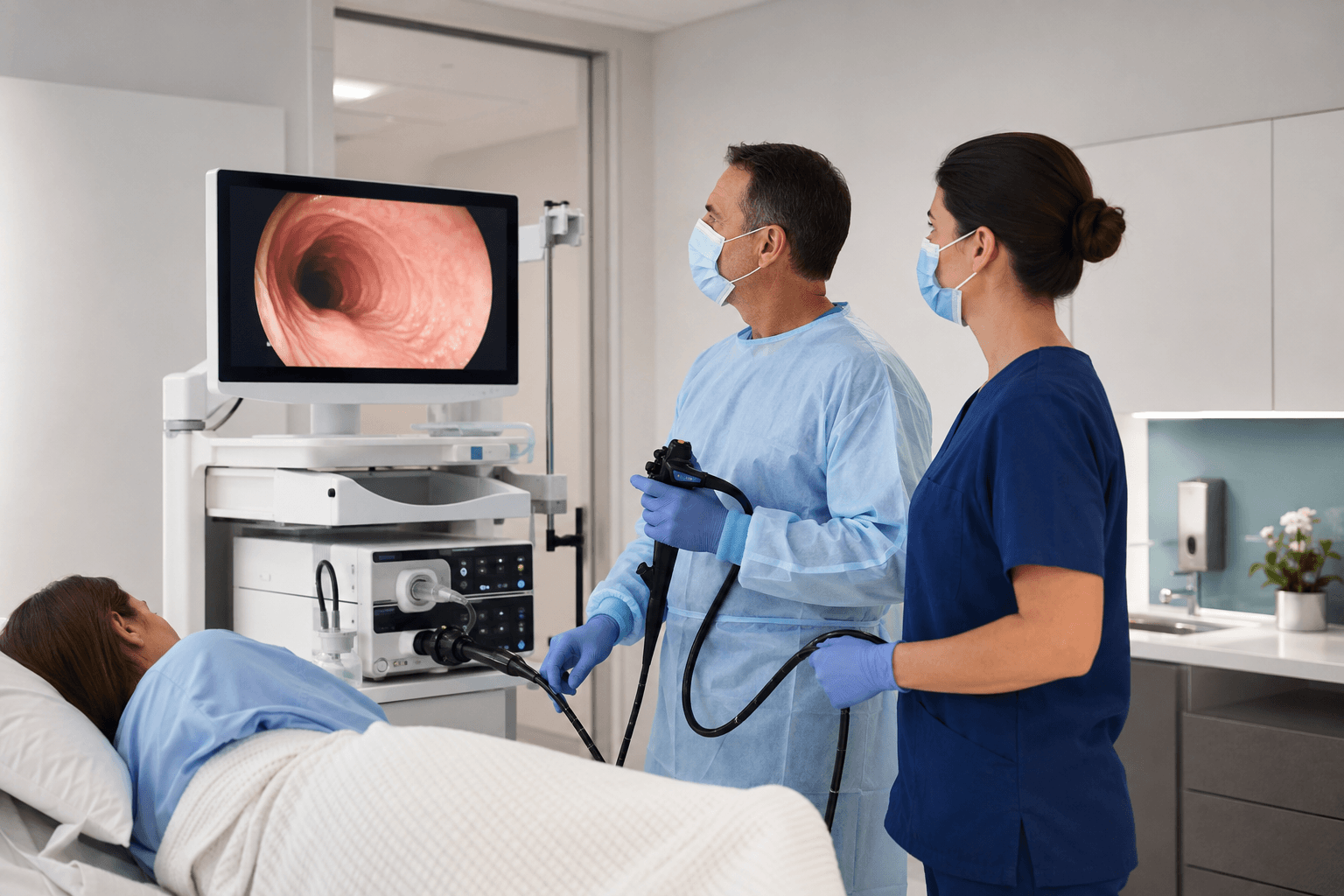
Endoscopic procedures involve inserting a flexible tube with a camera at its tip into the gastrointestinal tract to directly visualize the lining of the digestive tract and take biopsies (tissue samples) for further analysis. Two common endoscopic procedures used in diagnosing Crohn’s disease are:

Colonoscopy:
This procedure allows the physician to examine the entire colon and the end of the small intestine (ileum). Biopsies can be taken during a colonoscopy to help confirm the diagnosis.

upper_endoscopy_procedure

Upper endoscopy:
This procedure is used to examine the esophagus, stomach, and the first part of the small intestine (duodenum). It may be performed if symptoms suggest Crohn’s disease is affecting the upper gastrointestinal tract.

Capsule endoscopy:
In some cases, a capsule endoscopy may be recommended to visualize the small intestine, which can be difficult to examine using conventional endoscopy. The patient swallows a small capsule containing a camera, which takes pictures of the digestive tract as it passes through, transmitting the images to a recording device worn by the patient.

mystery_of_crohns_infographic

Conclusion

Dr. Deetlefs has earned the reputation of a trusted health expert providing consultative, diagnostic, and therapeutic endoscopic and related services to patients in Cape Town and beyond.

Dr Eduan prides himself on his ability to help his patients to the best of his ability by embracing good listening skills, effective communication, compassion and knowledge and skill honed during years of private gastroenterology practice.

If you would like to book an appointment with a gastrointestinal (GI) specialist or would simply like more information on a particular GI topic, don’t hesitate to use our online booking form
or call Dr. Deetlefs at 021 551 867. 

DISCLAIMER: PLEASE READ CAREFULLY

The information on this website is to provide general guidance. In no way does any of the information provided reflect definitive medical advice and self-diagnoses should not be made based on information obtained online. It is important to consult a Gastroenterologist or medical doctor regarding ANY and ALL symptoms or signs including, but not limited to: abdominal pain, haemorrhoids or anal / rectal bleeding as it may a sign of a serious illness or condition. A thorough consultation and examination should ALWAYS be performed for an accurate diagnosis and treatment plan. Be sure to call a physician or call our office today and schedule a consultation.

GIDoc Cape Town

Patient-focused GI treatments and procedures in Cape Town.

Monday-Friday 8AM-4PM.

Connect with Us

© Dr. Eduan Deetlefs, Registered Gastroenterologist, GI Doc Cape Town

Our website information is not intended or implied to be a substitute for professional medical advice, diagnosis or treatment. Please consult a doctor about your specific condition. Only a trained physician can determine an accurate diagnosis and proper treatment.
Listening to Your Gut: When to Consult a Gastroenterologist

Listening to Your Gut: When to Consult a Gastroenterologist

Introduction


Gain insight into the role of a gastroenterologist, a medical specialist who focuses on diagnosing and treating conditions related to the digestive system, including the esophagus, stomach, intestines, liver, gallbladder, and pancreas.

Learn about the signs and symptoms that may indicate it’s time to consult a gastroenterologist, a specialist in digestive system disorders.

Common Gastrointestinal Issues:

Common gastrointestinal issues refer to a variety of disorders affecting the digestive system, these issues can range from mild and temporary to chronic and debilitating.

Some of the most common gastrointestinal disorders include:

Gastroesophageal Reflux Disease (GERD)
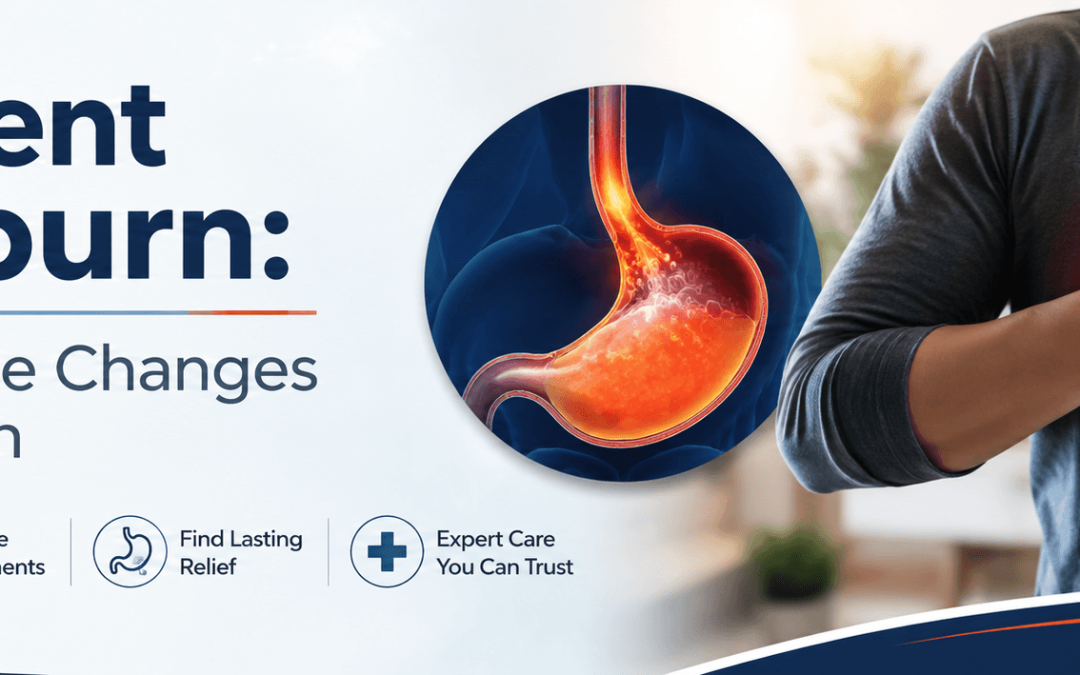
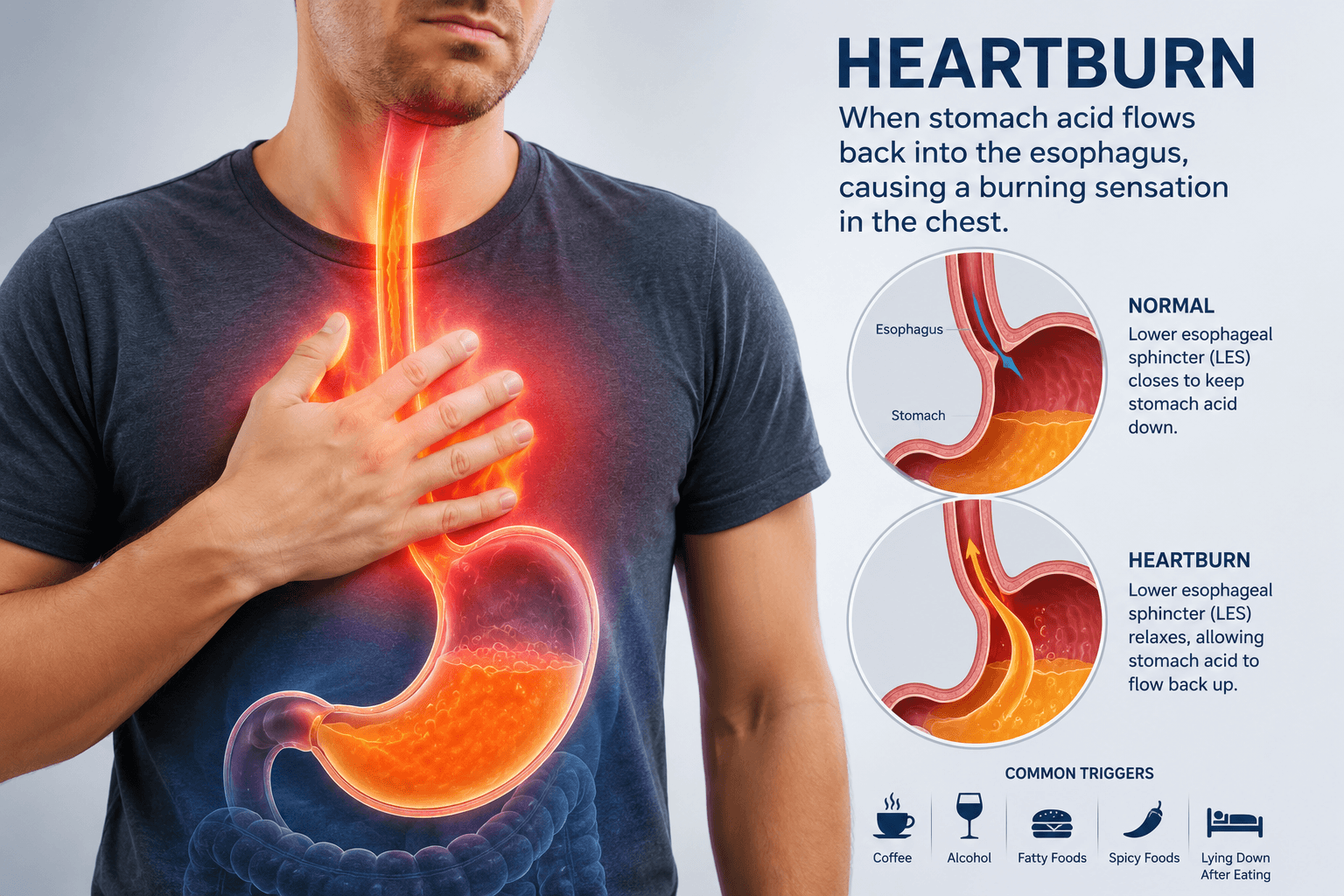
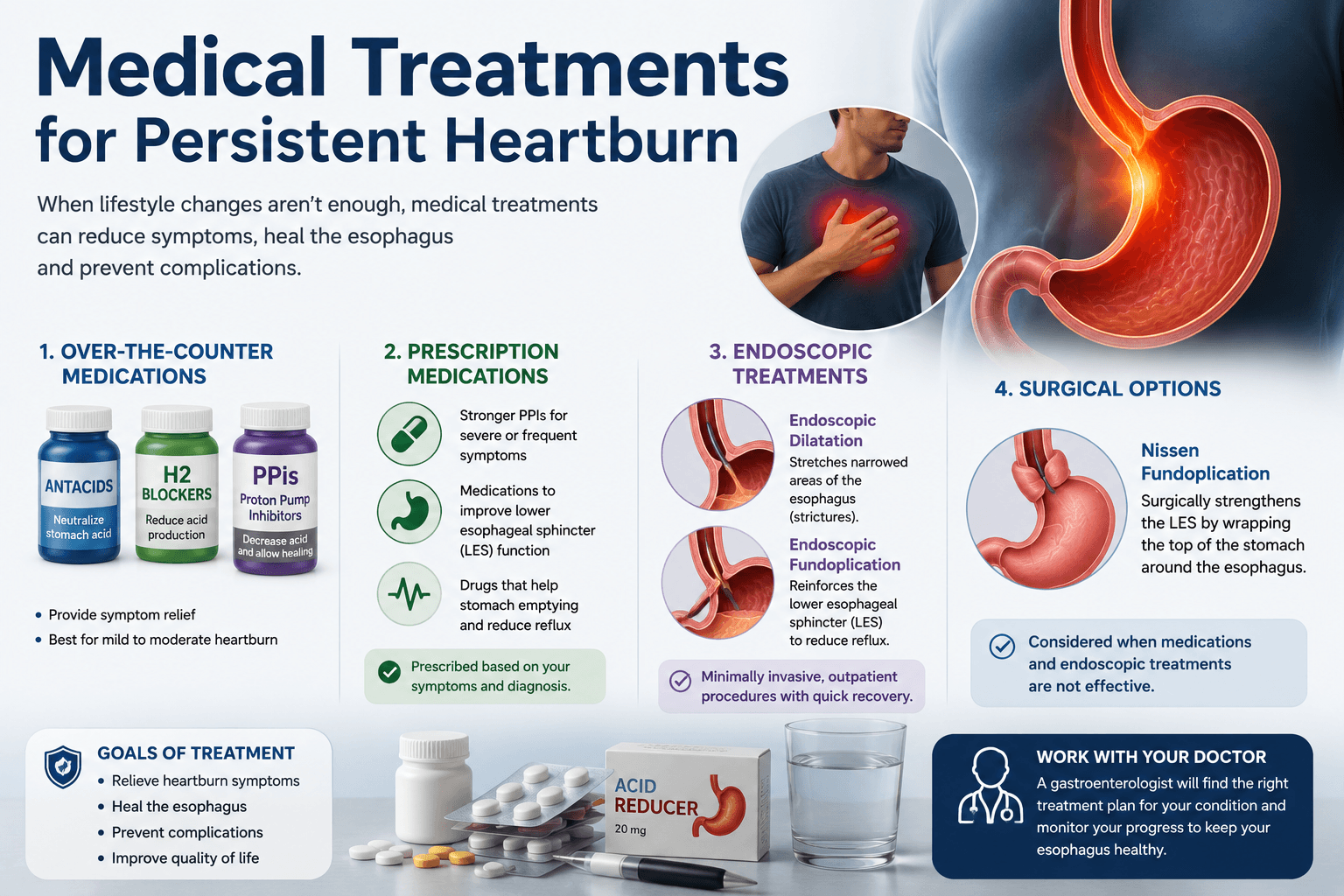
A chronic condition in which stomach acid frequently flows back into the esophagus, causing heartburn, chest pain, and sometimes, difficulty swallowing. If left untreated, GERD can lead to complications such as esophagitis, Barrett’s esophagus, and esophageal cancer.

Irritable Bowel Syndrome (IBS):
A functional gastrointestinal disorder characterized by abdominal pain, bloating, and changes in bowel habits, such as constipation, diarrhea, or alternating between the two. The exact cause of IBS is unknown, but it is thought to involve a combination of factors, including genetics, gut sensitivity, and stress.


Inflammatory Bowel Disease (IBD)

A group of chronic inflammatory conditions affecting the digestive tract, primarily Crohn’s disease and ulcerative colitis. Symptoms include abdominal pain, diarrhea (sometimes bloody), fatigue, and weight loss.

IBD can lead to complications like intestinal blockages, abscesses, and an increased risk of colon cancer.

Peptic Ulcers
Open sores that develop on the lining of the stomach or the first part of the small intestine (duodenum). Common symptoms include a burning or gnawing pain in the abdomen, nausea, and indigestion. Ulcers are often caused by infection with Helicobacter pylori bacteria or long-term use of nonsteroidal anti-inflammatory drugs (NSAIDs).

Celiac Disease
An autoimmune disorder in which the ingestion of gluten, a protein found in wheat, barley, and rye, triggers an immune response that damages the lining of the small intestine. This can lead to malabsorption of nutrients, causing symptoms such as diarrhea, abdominal pain, bloating, and weight loss.

Gallstones
Solid particles that form in the gallbladder or bile ducts, often due to an imbalance in the substances that make up bile. Gallstones can cause symptoms like abdominal pain, nausea, and jaundice if they block the flow of bile.

Hemorrhoids
Swollen veins in the lower rectum or anus that can cause discomfort, itching, and bleeding. Hemorrhoids can result from increased pressure in the rectum due to factors such as constipation, pregnancy, or straining during bowel movements.

Diverticular Disease
A condition in which small pouches, called diverticula, form in the lining of the colon. These pouches can become inflamed or infected, leading to diverticulitis, which can cause abdominal pain, fever, and changes in bowel habits.

These are just a few examples of the many gastrointestinal issues that can affect individuals. If you experience any persistent or concerning symptoms, it is essential to consult with a healthcare professional or gastroenterologist for proper evaluation and treatment.

when_to_see_gastroenterologist


Signs
And Symptoms of When to See A Gastroenterologist

There are several signs and symptoms that may indicate it’s time to consult a gastroenterologist, a specialist in diagnosing and treating digestive system disorders.

If you experience any of the following persistent or severe symptoms, consider making an appointment with a gastroenterologist:

  • Abdominal pain or discomfort: Persistent or severe pain in the abdomen that does not improve or worsen over time could be a sign of an underlying gastrointestinal issue.
  • Heartburn or acid reflux: Frequent heartburn or acid reflux, especially if it interferes with your daily life, may be a sign of gastroesophageal reflux disease (GERD) or another digestive condition.
  • Changes in bowel habits: Persistent diarrhea, constipation, or alternating between the two, particularly when accompanied by abdominal pain, may indicate conditions such as irritable bowel syndrome (IBS) or inflammatory bowel disease (IBD).
  • Rectal bleeding: Blood in the stool or on toilet paper after wiping could be a sign of hemorrhoids, diverticular disease, or more serious conditions like colorectal polyps or cancer.
  • Difficulty swallowing: If you experience consistent difficulty swallowing or a feeling that food is getting stuck in your throat or chest, it could be a sign of an esophageal issue, such as a stricture or achalasia.
  • Unexplained weight loss: Losing weight without making any significant changes to your diet or exercise routine may indicate a digestive disorder, such as celiac disease, Crohn’s disease, or even cancer.
  • Nausea and vomiting: Persistent or unexplained nausea and vomiting, especially if accompanied by weight loss, could be a sign of an underlying gastrointestinal problem.
  • Jaundice: Yellowing of the skin and eyes may indicate a liver or gallbladder issue, such as hepatitis or gallstones.
  • Persistent bloating or gas: Excessive bloating or gas that does not improve with dietary changes could be a sign of a digestive disorder, such as lactose intolerance, IBS, or small intestinal bacterial overgrowth (SIBO).
  • Family history: If you have a family history of gastrointestinal diseases, such as colorectal cancer or inflammatory bowel disease, you may need to see a gastroenterologist for screening and monitoring.

It’s important to note that these symptoms can be caused by various factors, and some may not necessarily indicate a severe issue.

However, if you experience any of these symptoms persistently or severely, it’s essential to consult with a healthcare professional or gastroenterologist to determine the cause and receive appropriate treatment.

gastroenterologist_procedures


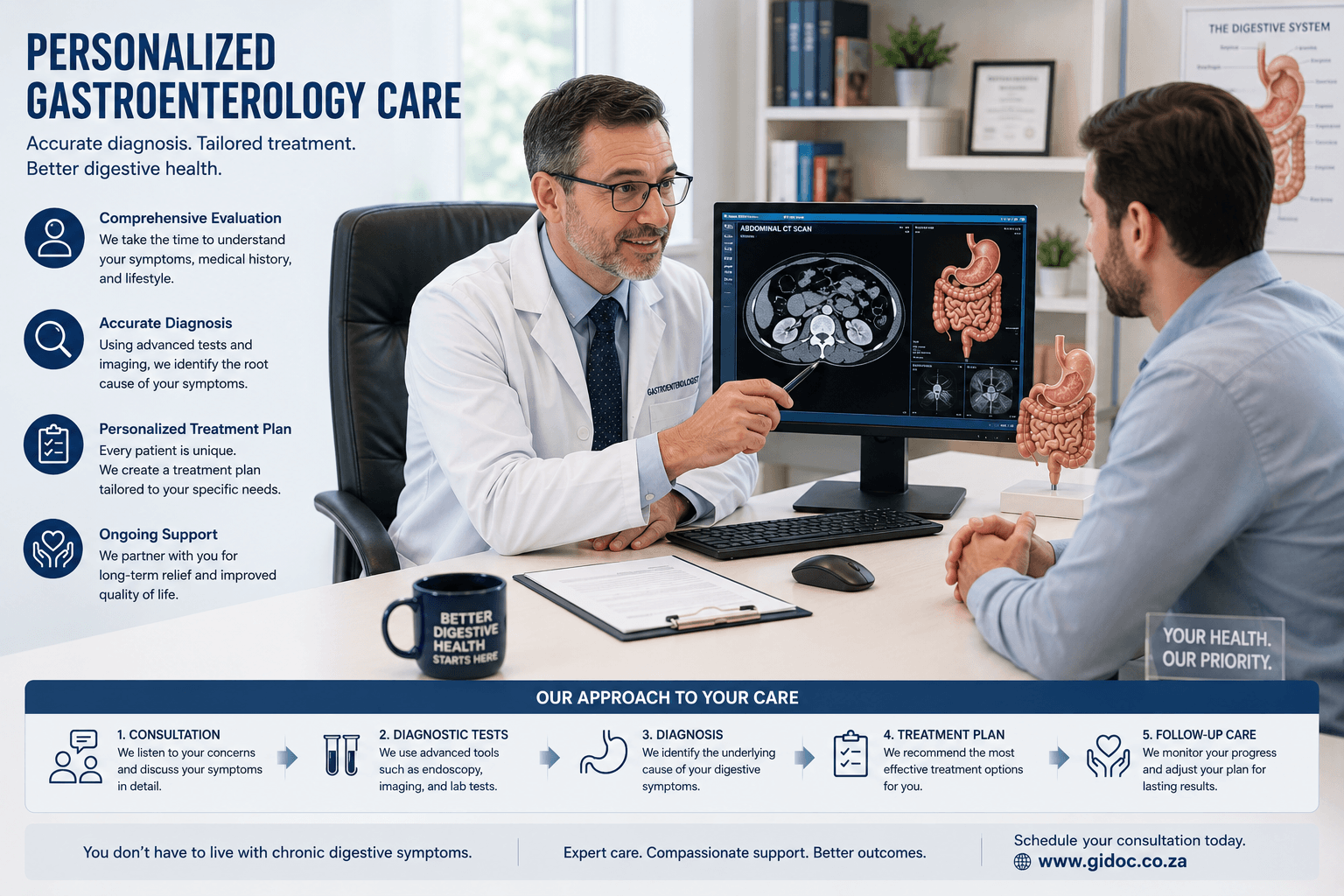
Diagnosing Gastrointestinal Disorders


Gastroenterologists use a variety of diagnostic tools and tests to identify and assess gastrointestinal issues. Some of the most common diagnostic tools include:

Medical history and physical examination: The gastroenterologist will take a detailed medical history and perform a physical examination to gather information about your symptoms, lifestyle, and any relevant family history.

 Blood tests: Blood tests can help diagnose conditions like anemia, liver disease, or infections. They may also be used to screen for celiac disease or monitor inflammation levels in patients with inflammatory bowel disease (IBD).

Stool tests: Stool samples can be analyzed for the presence of blood, parasites, bacteria, or other abnormalities that may indicate a gastrointestinal issue.

 Imaging studies: Imaging techniques such as X-rays, computed tomography (CT) scans, magnetic resonance imaging (MRI), and ultrasound can provide detailed images of the gastrointestinal tract and surrounding organs, helping to identify abnormalities or inflammation.

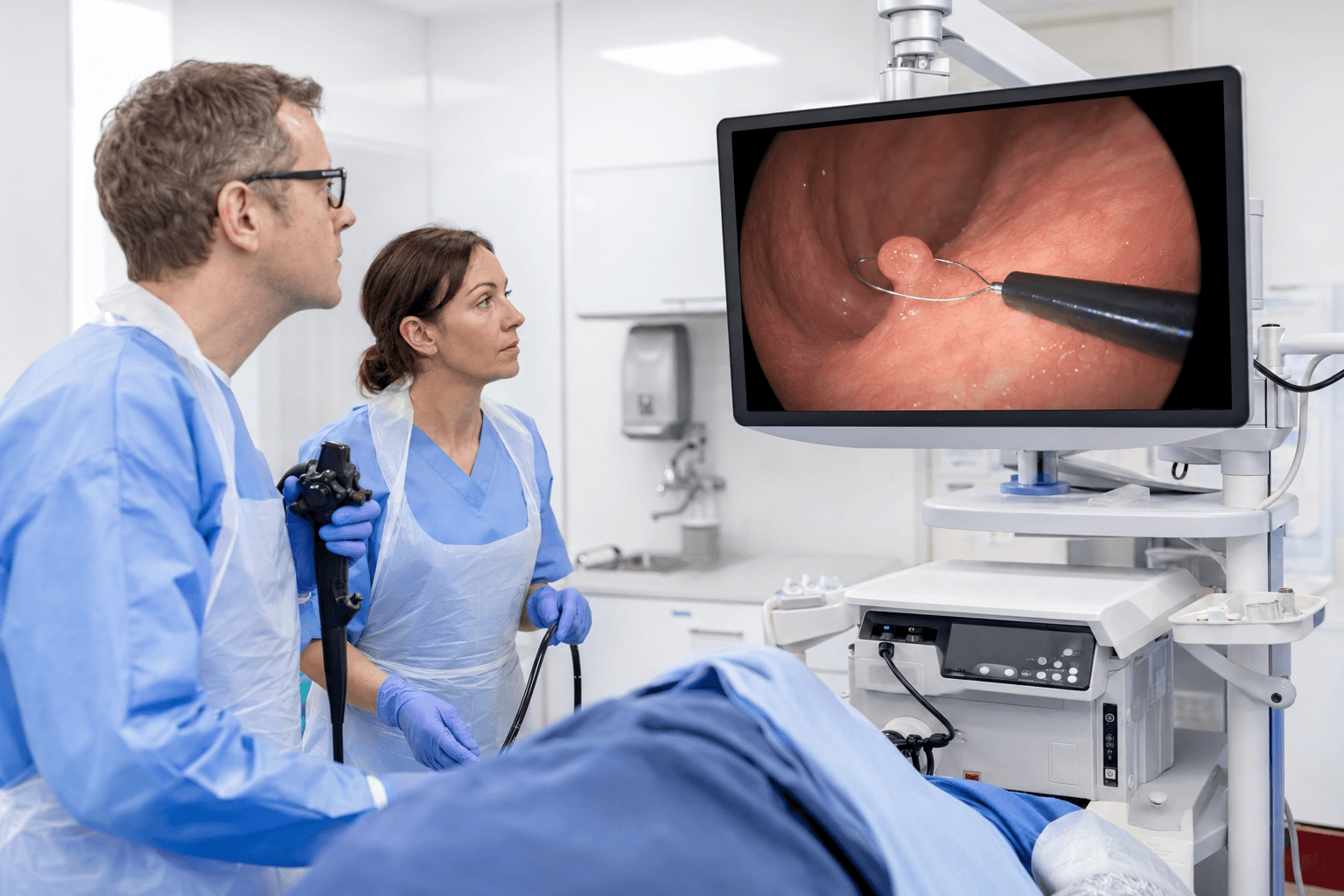
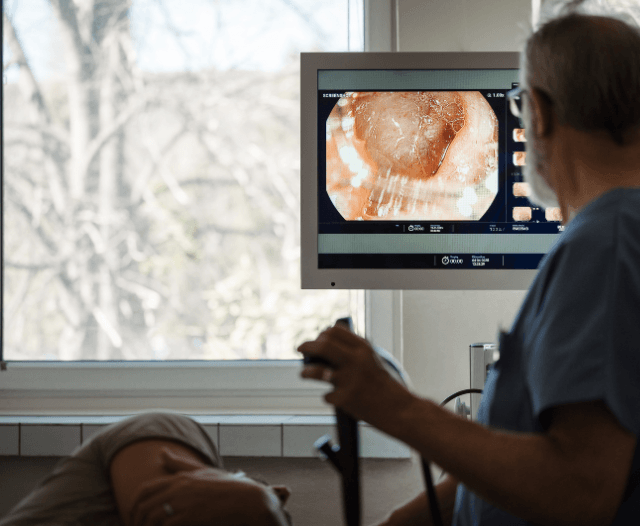
Upper endoscopy (gastroscopy): This procedure involves inserting a flexible tube with a camera and light (endoscope) through the mouth and into the esophagus, stomach, and upper part of the small intestine (duodenum). It allows the gastroenterologist to visually examine these areas and take biopsies if necessary.

Colonoscopy: A colonoscopy uses a similar endoscope to examine the large intestine (colon) and the rectum. The gastroenterologist can take biopsies, remove polyps, or treat bleeding during the procedure.

Flexible sigmoidoscopy: This procedure is similar to a colonoscopy but only examines the lower part of the colon (sigmoid colon) and the rectum.

Capsule endoscopy: This non-invasive procedure involves swallowing a small, pill-sized camera that takes pictures of the gastrointestinal tract as it passes through. It is particularly useful for examining the small intestine, which can be difficult to reach with traditional endoscopes.

Liver biopsy: A small sample of liver tissue is obtained using a needle or laparoscopic procedure to diagnose liver disease or assess the severity of liver inflammation and fibrosis.

These are just a few examples of the diagnostic tools and tests used by gastroenterologists. The specific tests and procedures required will depend on the patient’s symptoms, medical history, and suspected gastrointestinal issue.

when_to_see_gastroenterologsit_infographic


Get In Touch

If you would like to book an appointment with a gastrointestinal (GI) specialist or would simply like more information on a particular GI topic, don’t hesitate to use our online booking form
or call Dr. Deetlefs at 021 551 867. 

DISCLAIMER: PLEASE READ CAREFULLY

The information on this website is to provide general guidance. In no way does any of the information provided reflect definitive medical advice and self-diagnoses should not be made based on information obtained online. It is important to consult a Gastroenterologist or medical doctor regarding ANY and ALL symptoms or signs including, but not limited to: abdominal pain, haemorrhoids or anal / rectal bleeding as it may a sign of a serious illness or condition. A thorough consultation and examination should ALWAYS be performed for an accurate diagnosis and treatment plan. Be sure to call a physician or call our office today and schedule a consultation.

GIDoc Cape Town

Patient-focused GI treatments and procedures in Cape Town.

Monday-Friday 8AM-4PM.

Connect with Us

© Dr. Eduan Deetlefs, Registered Gastroenterologist, GI Doc Cape Town

Our website information is not intended or implied to be a substitute for professional medical advice, diagnosis or treatment. Please consult a doctor about your specific condition. Only a trained physician can determine an accurate diagnosis and proper treatment.