021 202 0626
Colonoscopy Treatment Cape Town: What You Need to Know

Colonoscopy Treatment Cape Town: What You Need to Know

Colon cancer, excluding skin cancers, is the third most common cancer among men.

While most colon cancers develop after 50, studies show that about 30% of black South African men develop colon cancer between the ages of 30 and 40.

The high percentage of South African males and females that develop colon cancer makes it important for people with a family history of colon cancer to undergo a colonoscopy.


What is a Colonoscopy?

A Colonoscopy is one of the best and effective ways to screen for colorectal cancer. During this procedure, a doctor injects aenesthesia into the patient to make them drowsy and relaxed.

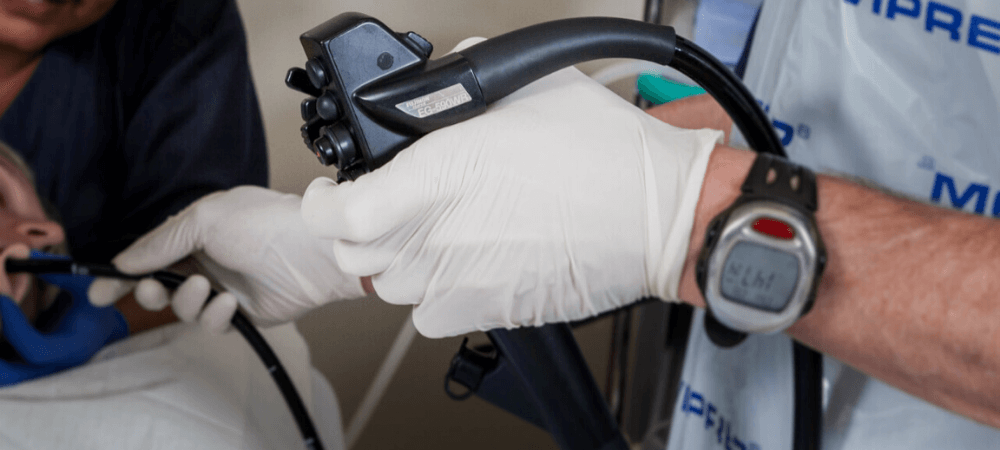
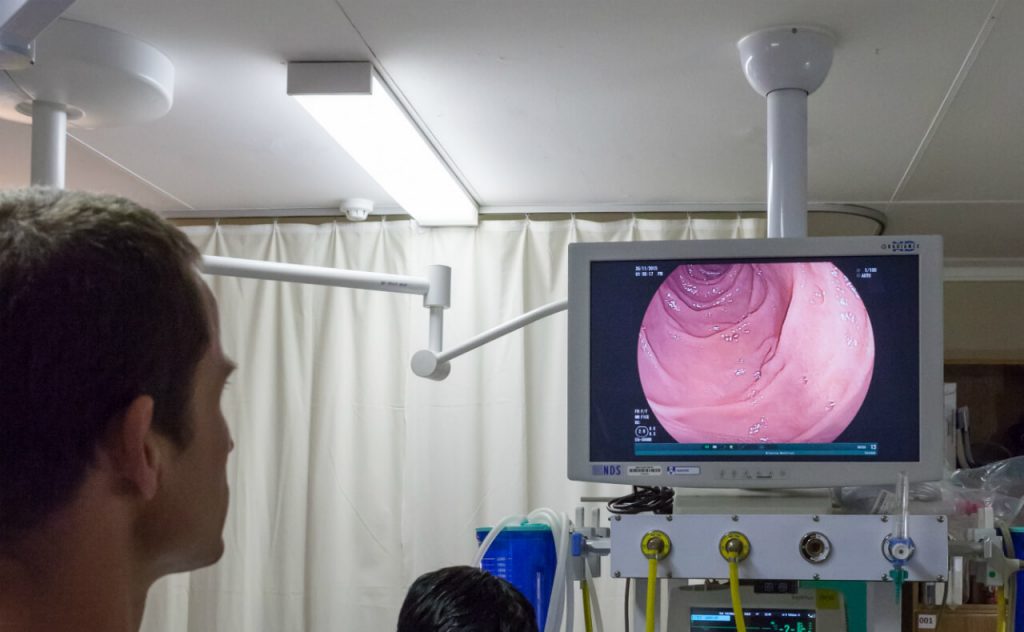
They will then be asked to lie on their side. The doctor will then use a colonoscope, a flexible tubular instrument that provides an image of the colon’s lining.

It is inserted through the rectum and advanced to the other end of the large intestine.


colonoscopy-treatment-option-cape-town

It may sound invasive, but the procedure is completely painless. At most, the patient will only experience mild cramping that could be reduced by taking slow and even breaths during the process.

During the colonoscopy, the doctor will check for anything abnormal in the patient’s colon. This includes tissue growths that can be removed for analysis.


How Long do Colonoscopies Last?

The entire procedure only takes between 20 to 30 minutes. After this, the patient will stay in the recovery room for another 30 minutes to rest.

If the patient opted for sedation, it also only takes 30 minutes to an hour to wake up from it after the procedure.

A colonoscopy is a procedure where a long tubular instrument called a colonoscope is inserted through the rectum so that the doctor can observe your large intestine.


When Can You Get the Results for a Colonoscopy?

If there are no abnormalities found during the procedure, the doctor will inform the patient that everything was normal.

However, if they found any abnormalities and removed any tissue samples, the results of the analysis can take up to three weeks.


When Do You Need a Colonoscopy?

It really depends on your doctor. However, if you have a history of colon cancer in the family, it’s best to have it done.

Research shows that the average risk of developing this specific cancer is around the age of fifty. Other colon cancer risk factors are shown in this graphic:
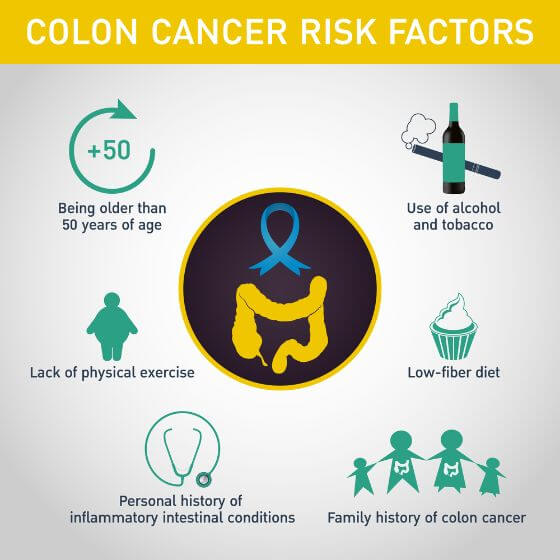
 

colon-cancer-risk-factors


If results come back normal, it is advised to have a follow-up colonoscopy every 10 years.

While colonoscopy remains to be the best way to screen for colorectal cancer, it can be utilized to detect various other abnormalities.

Colonoscopies can also detect inflammatory bowel diseases, Crohn’s, and ulcerative colitis.

Detecting these diseases early decreases extensive damage where it could be avoided, including scarring and bleeding in the colon, and pain and intestinal blockages.

Here are several symptoms typically associated with colorectal cancer:

  • Abdominal pains
  • Bloating
  • Chronic fatigue
  • Blood in stools
  • Weight loss
  • Change in bowel habits

If you are suffering from any of the symptoms above for an extended period of time, it’s best to visit a doctor and schedule a colonoscopy.


How to Find the Best Doctor for Colonoscopy in Cape Town

More and more private practices are opening up all over Cape Town. This is a good thing because it gives people more options to choose from.

The tricky part, however, is knowing how to choose a doctor for your colonoscopy. Each doctor has his/her own expertise, communication style, and set of skills that may or may not suit you.

It’s important to choose the right doctor because it makes all the difference in whether you will develop colon cancer or die from it, a study has shown.
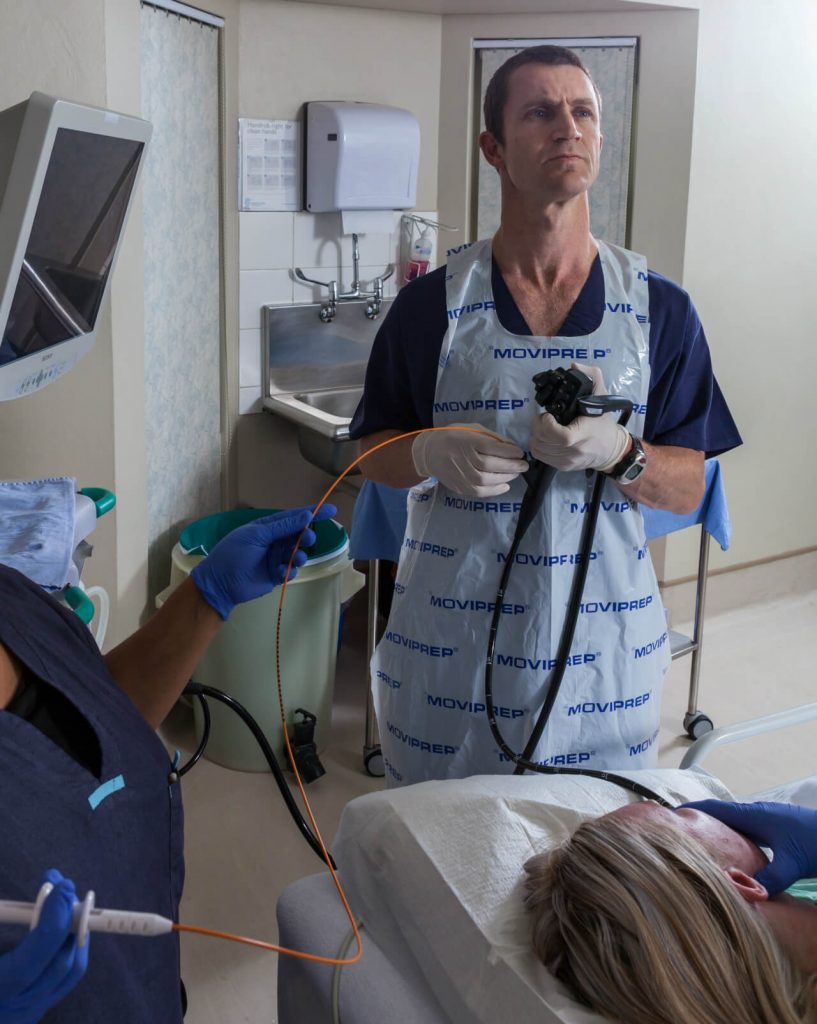
 

colonoscopy-gastroenterologist-capetown-dr-deetlefs


To help you find the most suitable colonoscopy doctor in Cape Town, here are 4 useful tips:


1. Make Sure your Doctor is a Gastroenterologist.

A gastroenterologist specializes in gastrointestinal diseases. They spend all their time studying gastrointestinal diseases and the latest gastrointestinal treatment procedures.

Non-gastroenterologists can also perform a colonoscopy, but keep in mind that they are five times more likely to miss colorectal cancer during colonoscopy than a gastroenterologist.

To make sure a doctor is a certified gastroenterologist in Cape Town, you can do a background and credentials check.

The most upfront way is to ask the doctor or the staff to provide proof of the doctor’s license, board certification, and even proof that the doctor went to a medical school.

Many private practices in Cape Town hang their credentials and certifications somewhere in their office so it won’t be that hard.

Of course, you can skip this part if you or a friend has known the doctor for many years and if the doctor has built a respectable reputation in the community.


2. Find out the Doctor’s Experience in Performing Colonoscopies.

The more colonoscopies a doctor has done, the more he/she will be skilled in spotting polyps or other abnormalities.

Another important thing to consider is the number of perforations a doctor has had. The perforation rate is the rate to which their colonoscopy has caused a hole in the colon.

Obviously, this is not good, so the rate you should look for is below 1 in 500 examinations. Many expert gastroenterologists in Cape Town even have rates of perforation below 1 in 1000.


3. Ask About the Doctor’s Polyp Detection Rate.

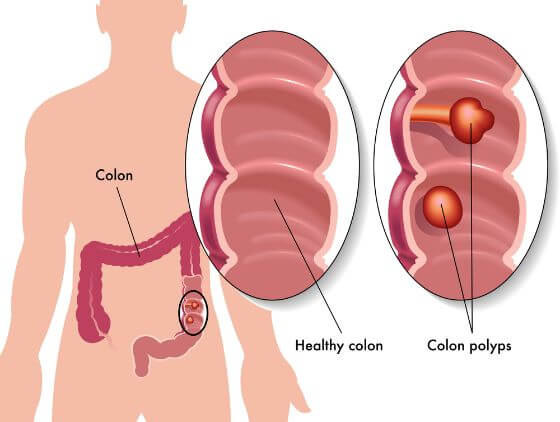
Polyps are growths in the colon that can turn into cancer.

A doctor’s polyp detection rate looks at the percentage of average-risk patients ages 50 or older whom the doctor has found to have at least polyp during their colonoscopy.
 

colon-polyps-cape-town


According to professional medical societies, 25 percent is a good benchmark. Of course, the higher the rate is, the greater the chance of preventing cancers.


4. Ask How Often Your Doctor Reaches the Start of Large Intestines.

If a doctor reaches the start of the large intestine during the colonoscopy, the chance of finding polyps located in the cecum (the pouch where your large and small intestines meet) is increased.

Experienced Gastroenterologists reach the beginning of the large intestine in more than 95% of cases.

This is a good benchmark and should indicate that your doctor is highly skilled in colonoscopy.


What are the Possible Risks, Complications, and Alternatives to a Colonoscopy?

Complications that might arise from a colonoscopy are rare and usually minor when performed by a trained doctor or physician.

These complications usually stem from the removal of tissue or growth inside the colon.

Bleeding may occur at the site but it’s minor and self-limited and can be handled through the colonoscope.

Another rare complication is perforation through the colonic wall. These tears often do not require surgery.

Other complications include reactions to sedatives used.

This is why it’s important to inform your doctor if you have any allergies from specific medications and why it’s also important to inform them if you’re under any other drugs, just in case they react negatively with the sedative.

Overall, the incidence of these complications together is less than 1%.

However, if any other signs of complications arise, you may contact your doctor or go to the emergency room.

Do this in cases of severe abdominal pain, rectal bleeding, fever, and chills.

An alternative to a colonoscopy is quite limited. There’s the barium enema, but it’s less accurate and performed with X-rays.

It misses a lot of the abnormalities that colonoscopy can easily find and remove.

There’s also the flexible sigmoidoscopy, however, the colonoscope used in this procedure is much shorter, thus, very limited.


dr-deetlefs-gastroenterology-treatment-capetown

Undergoing Colonoscopy in Cape Town


They say prevention is better than cure, and this is the primary reason why you should consider undergoing colonoscopy by your trusted Gastroenterologist in Cape Town.

Colonoscopy has saved millions of lives around the world through early detection of colon cancer and other medical conditions including ulcerative colitis.

Although it may seem invasive, the procedure is painless, quick, and rarely involves side effects.

If you’re ready to undergo colonoscopy, the first and very crucial step is to find a trusted gastroenterologist in Cape Town with the credentials, track record, and skills needed to conduct a successful colonoscopy.

GIDoc Cape Town

Patient-focused GI treatments and procedures in Cape Town.

Monday-Friday 8AM-4PM.

Connect with Us

© Dr. Eduan Deetlefs, Registered Gastroenterologist, GI Doc Cape Town

Our website information is not intended or implied to be a substitute for professional medical advice, diagnosis or treatment. Please consult a doctor about your specific condition. Only a trained physician can determine an accurate diagnosis and proper treatment.

12 Possible Reasons to See a Gastroenterologist

12 Possible Reasons to See a Gastroenterologist

There are various reason a patient might need to see a gastroenterologists. The digestive system, also referred to as the gut or the gastrointestinal tract, is as important as any other system in the body, and should be given the same level of care as others.

There are so many diseases peculiar to the system and symptoms should not be treated lackadaisically.

Once you notice any changes or discomfort in your digestive system, it is recommended that you report to your primary caregiver first.

In most cases, the symptoms can be managed by your family doctor, but in some cases, they may refer you to a gastroenterologist for proper and comprehensive care.


Who is a Gastroenterologist?

From the name, you should be able to deduce that a gastroenterologist has a lot to do with the gastrointestinal tract.

To be exact, a gastroenterologist is a physician who is specially trained and has had experience in managing the diseases of the gastrointestinal tract including the esophagus, stomach, intestines, colon, rectum, and related organs like the liver and pancreas.

The training of gastroenterologists is often internal and involves more than 5 years of additional education in internal medicine and gastroenterology after medical school.

After their years of training and practical experience, these specialists are adept at so many methods that can be used to alleviate discomfort and manage the problems of the gastrointestinal tract.

They use a number of treatment options like medications, lifestyle modifications, and some special procedures like colonoscopy, endoscopy and others to treat patients suffering from any gastrointestinal problem.


Reasons You Should See a Gastroenterologist

Most people panic or, at best, are apprehensive when their doctor mentions the need to see a specialist for any health condition.

As much as a recommendation to see a gastroenterologist may indicate that your gastrointestinal problem may be a little more complicated than the normal disturbances, this is no reason to be horrified.

Your doctor may recommend a visit to a gastroenterologist due to a number of reasons that are generally in your interest. Here are 12 major reasons why you should see a gastroenterologist.


1. Heartburn

When you have a feeling of burning in the chest region or throat, you may be experiencing what is known as acid reflux or, in common parlance, heartburn.

This experience is often a result of an abnormality whereby acid from the stomach moves back up into the esophagus, which is the important tube that connects the mouth to the stomach.

Actually, heartburn is commonly experienced by many healthy people. It really may not be a sign of any serious GI problem if they are not frequent.

If, however, symptoms occur more than twice a week, the condition may be indicative of a more serious problem known as gastroesophageal reflux disease (GERD). In this case, there will need to see a gastroenterologist.


2. Lactose Intolerance

Lactose is a sugar found in milk. Lactose intolerance is a condition whereby some people experience uncomfortable symptoms once they take milk or dairy products.

The condition develops when the body is unable to produce enough lactase (a protein that helps to break down milk products) to fully digest an even small portion of milk and dairy products.

The symptoms may occur about 2 hours after taking food substances containing milk and its products like yoghurt and cheese. Discomfort may be in the form of bloating or diarrhoea, gas, and belly pain.

The severity of the symptoms will vary, but they will ultimately cause a lot of discomforts.


3. Rectal Bleeding

Rectal bleeding is one reason that can trigger fear and anxiety in some patients. When blood is dripping from the anus or faeces are blood-stained, it is understandable that someone may panic, but there are a number of causes and many will demand the attention of a gastroenterologist.

There are quite a number of GI problems that may result to rectal bleeding such as inflammatory bowel disease (IBD), anal cancer, colon cancer and polyps, Crohn’s disease, diverticulosis, as well as angiodysplasia and related diseases.


4. Sudden Change in Bowel Habit

As an adult, you must have understood your bowel habit. Normally, some minor factors may trigger sudden changes, but normalcy will generally be restored after few days.

The use of behind-the-counter medications can equally improve symptoms. If, however, the change in bowel habit continues after a long while and does not respond to simple medication or the prescription of your physician, there may need to book an appointment with a gastroenterologist.

Note that the changes we are emphasizing may be in the form of lack of bowel movement or increase in the frequency of bowel movement. Such sudden changes should be taken seriously if they persist.


5. When You Suspect Gallstone(s)

Gallstones are tiny nuggets that form in the gallbladder and a gastroenterologist is the best person that can help a patient that has gallstone(s). In some cases, there is only one large stone, while in other cases there may be multiple stones of varying sizes.

Gallstones form due to imbalances in the substances that form the digestive liquid, bile. There are currently no explanations for the imbalances, but gallstones are more common in obese people, aged people, and pregnant women.

Also, if you have had a gallstone or gallstones removed on previous occasions, you may be at risk of another and should be mindful of any suspicious pain. Sudden pain on the right side of the abdomen may indicate gallstone.


6. Celiac Disease

This is a genetic condition that is not limited to the digestive system but is rooted in the immune system. When sufferers of celiac disease ingest substances that contain gluten (a protein that is present in barley, rye, wheat, as well as in some medicines, vitamins, and supplements), their immune systems respond by damaging the small intestines.

This is quite different from gluten sensitivity. Though they share similar symptoms, gluten sensitivity does not damage the small intestine, but the celiac disease does. Once you notice that your body reacts negatively to gluten, it is essential that you see a gastroenterologist.


7. When You Suspect Ulcer

Stomach ulcers are common, but ulcer of the mouth is another condition that can also be very distressing.

Also known as aphthous stomatitis, mouth ulcer is one of the extra-intestinal symptoms that accompany inflammatory bowel disease (IBD) and will be resolved once the IBD is under control. Even in the case of stomach ulcer, a gastroenterologist will be very helpful.


8. When you have Irritable Bowel Syndrome (IBS)

Generally, Irritable Bowel Syndrome or IBS is a condition that is characterized by a number of symptoms including abdominal pain, abdominal cramping, bloating, diarrhoea, and constipation.

IBS actually does not lead to any permanent damage or serious health condition, but it can reduce the quality of life significantly.


9. Loss of Appetite and Unexplained Weight Loss

Loss of appetite is associated with so many diseases and health conditions. This is also true for unexplained weight loss. Once you have any of or a combination of both, as well as any problem with your digestive system, there is an urgent reason to see a gastroenterologist.


10. Bloating and Distended Stomach

Bloating is one of the commonest symptoms that accompany some GI problems. In instances of lack of bowel movement or excess gas, the stomach will likely swell and become distended. This is enough reason to see a gastroenterologist.


11. Dark Urine

Occasionally, the colour of urine can be dark. But if they are really dark and you notice some form of intense pain in the back or groin, you may need to see a gastroenterologist.

This is because it may be a sign of kidney stones or urinary tract infection.


12. For Prevention of Colon Cancer

Due to the dangers of colon cancer and the susceptibility of old people to the condition, it is recommended that adults who are 50 years and above take a screening known as colonoscopy to detect colon cancer early and treat it appropriately.

Gastroenterologists perform this process and there is enough reason to see one if you are 50 years and above and have not been screened in the last ten years.

Gastroenterologists are adequately trained to cater for the special needs of patients suffering from any gastrointestinal problems.

There are several reasons to see one and we have discussed some major ones here. Your doctor will probably recommend you to one when the need arises.

Contact Dr Deetlefs

Monday – Friday: 8 AM to 4 PM

Dr Eduan Deetlefs Inc
The Park Building, (opp, Vincent Pallotti Hospital)
Suite 304, 3rd Floor,
Park Road
Pinelands
7405
Tel: 021 202 0626

Email: info @ gidoc.co.za

Vincent Pallotti Office hours:
8am to 3pm, 
Monday-Thursday
Fridays:  Procedure day – in rooms scope facility 7am to 4pm.

Patient Status

Policy Agreement

5 + 9 =

GIDoc Cape Town

Patient-focused GI treatments and procedures in Cape Town.

Monday-Friday 8AM-4PM.

Connect with Us

© Dr. Eduan Deetlefs, Registered Gastroenterologist, GI Doc Cape Town

Our website information is not intended or implied to be a substitute for professional medical advice, diagnosis or treatment. Please consult a doctor about your specific condition. Only a trained physician can determine an accurate diagnosis and proper treatment.

Things You Need To Know About Colonoscopy

Things You Need To Know About Colonoscopy

People tend to freak out when colonoscopy is mentioned. This is understandable. Cancer is one of the most fearsome things on earth and anything that relates to any form of it will surely make people cringe.

However uncomfortable it may seem, it is really important to talk about colonoscopy: what it is, who needs it, and the procedures involved.

A better understanding of what the process is and why it is essential for certain individuals will help to reduce the anxiety that people feel when it is mentioned.

It is a lifesaving procedure that needs to be understood properly, so here are important things you need to know:


What Exactly Is A Colonoscopy?

Colonoscopy is a medical examination/technique that allows doctors to see inside the large intestine in order to diagnose and possibly treat any medical problem in the colon.

While it is a particularly recommended procedure in the prevention, early detection, and treatment of colon cancer, it is also useful in determining other problems in the colon such as inflamed tissues, ulcers, and abnormal growths including polyps.

The prominent role of the exam in the prevention of cancer has overshadowed most of these other benefits, but it is worth it in every sense. Colon cancer is a deadly condition and any procedure that can help in its prevention must be given the proper consideration it deserves. 


How Does A Colonoscopy Prevent Cancer?

To some, it can be a bit perplexing how a procedure can prevent cancer. It is necessary, therefore, to give a little background information on how colon cancer develops and establish thereafter how a colonoscopy can help in its prevention.

Mostly, colon cancer develops from abnormal growths in the lining of the colon. These growths are referred to as polyps. By detecting polyps in time, doctors are able to remove them before they turn to colon cancer. This is basically how colonoscopy prevents colon cancer.


What Are Polyps?

Polyps can best be described as growth in the mucous membrane. They are not restricted to the colon. Polyps can develop at different parts of the body but they are mostly found in the colon, nose, stomach, and uterus. They are formed as a result of irritation of the mucous membrane tissue.

They may start as a protective response to certain conditions but will eventually become problematic. While most polyps are benign (meaning that they are non-cancerous), they still have the tendency to become malignant (cancerous) due to abnormal cell growth.

Ideally, the bigger the size of the polyps, the greater the chances of it becoming cancerous. Most colon cancers start as polyps, so once doctors detect polyps during colonoscopy, they remove them for preventive reasons.

Who Is A Candidate For Colonoscopy?

A doctor will normally recommend colonoscopy when he/she feels a patient may be at risk of colon cancer or any other problem of the colon. There is a certain group of individuals, however, that are considered to be at greater risk for colon cancer. Such individuals under the group will need a colonoscopy more than others.

The recommended guidelines of the American Cancer Society is as follows:

  • Men and women without personal or family history of polyps or cancer should have a colonoscopy once in ten years from the age of 50.
  • African-American men and women are at greater risk and should have their first colonoscopy earlier at the age of 45 and follow it up on 8 years interval.

Individuals who are considered at greater risk of colon cancer are generally expected to take the initial colonoscopy earlier and take subsequent ones more frequently. Risk factors can be summarised as:

  • The family history of polyps or cancer
  • A previous case(s) of polyps
  • Some diseases of the bowel including Crohn’s disease.

Colon cancer does not show early signs. A colonoscopy is the best way to stay vigilant and prevent it. There are some signs, however, that should make you seek medical attention such as sustained significant changes in bowel habit and blood in the stool.


What To Expect

Colonoscopy is not a very complex procedure but demands a lot in order for it to be completely successful. We will summarise some of the things you should expect before, during, and after the procedure.


Preparation

Your colon needs to be completely empty in order for your doctor to have a clear view of the colon: this is the basis for the success of the exam. The preparation phase involves ways of ensuring this. About two days before the scheduled procedure, you will have to adjust to a clear-liquid diet.

A laxative will also be prescribed to clear your digestive tract of any solid matter that may obstruct the view of your doctor during colonoscopy. No food or drink is expected to be taken after midnight before the day of the procedure.

An enema may be recommended for some patients, but this is not compulsory for all.


Procedure

Ideally, the actual colonoscopy procedure will last between 30 – 60 minutes. Once you follow the preparatory guideline, the procedure will be smooth.

A sedative will be administered at first. You will be conscious to an extent, but you may forget some details of the procedure afterwards. It is not a painful procedure and the sedative will help to completely block pain.

When the sedative has taken effect, the doctor will insert the colonoscope, a long flexible instrument that is about half-inch in diameter. The instrument has tiny light and camera on the end and is inserted through the rectum. As has been stated earlier, the procedure is not a painful one – it may be a little uncomfortable though.

If some polyps are found during the procedure, it will be removed. If the doctor sees some other tissues that appear abnormal, he/she will likely excise a sample for biopsy.


After The Procedure

Complications in colonoscopy are quite rare. After the procedure, however, you may experience cramping, gas, and mild pains, but they are usually short-lived. In the recovery room, you will be encouraged to pass gas as it can be really helpful in reducing the other side effects.

You can go back home after a few hours in the recovery room. It is not advisable that you drive, however, as the effect of the sedative may still take a little longer to wear completely. You will be advised by the doctor to take things easy throughout the day.

Follow the doctors discharge orders religiously and pay close attention to your body. If you feel too weak, develop a fever or feel there is any need to contact your doctor, do that immediately.


Earlier Is Better

It is understandable that you do not look forward to colonoscopy – nobody does. It is important, however, that you do it when there is a need for it. Once you are 50 years, you need to keep to the recommended intervals for screening.

Many adults tend to procrastinate when it comes to scheduling the procedure. There is absolutely no need for that. It is a necessary procedure that can save your life and needs to be done just once in 10 years or 8 years for some groups.

It is also important to note here that the colonoscopy procedure has improved tremendously over the years. It is no longer as uncomfortable as it used to be and it has become much more reliable.

When polyps or colon cancer are detected and treated at the initial stage, you will have a better chance to enjoy a healthy life. Once you are due for a colonoscopy, do not waste time in scheduling the procedure. We cannot emphasize enough the importance of the colonoscopy.

Even if you are not due for colonoscopy and notice signs such as changes in bowel habit or blood in your stool, it is important that you talk to a gastroenterologist.


Contact Dr Deetlefs

Monday – Friday: 8 AM to 4 PM

Dr Eduan Deetlefs Inc
The Park Building, (opp, Vincent Pallotti Hospital)
Suite 304, 3rd Floor,
Park Road
Pinelands
7405
Tel: 021 202 0626

Email: info @ gidoc.co.za

Vincent Pallotti Office hours:
8am to 3pm, 
Monday-Thursday
Fridays:  Procedure day – in rooms scope facility 7am to 4pm.

Patient Status

Policy Agreement

10 + 1 =

GIDoc Cape Town

Patient-focused GI treatments and procedures in Cape Town.

Monday-Friday 8AM-4PM.

Connect with Us

© Dr. Eduan Deetlefs, Registered Gastroenterologist, GI Doc Cape Town

Our website information is not intended or implied to be a substitute for professional medical advice, diagnosis or treatment. Please consult a doctor about your specific condition. Only a trained physician can determine an accurate diagnosis and proper treatment.