021 202 0626
What Happens During a Gastroscopy?

What Happens During a Gastroscopy?

Gastroscopy, or sometimes called upper gastrointestinal endoscopy, is the process of visually examining the interior of the stomach to assess, diagnose, and/or treat gastrointestinal problems.

This procedure requires the use of a gastroscope or endoscope, a thin and flexible fiber-optic instrument containing a camera and a light that is passed through the mouth and into the digestive tract.

You may be wondering if you, or someone you know, might need a gastroscopy.

One way to determine this is by checking if you, or that person you know, are experiencing one of the usual symptoms which include:

  • Heartburn
  • Abdominal pain
  • Difficulty swallowing
  • Vomiting
  • Digestive tract bleeding

If the above symptoms have been observed, it is best to consult a gastroenterologist in Cape Town for proper diagnosis and treatment.

If your doctor suggests gastroscopy to diagnose the underlying reason for your symptoms, it is best to be aware of what happens during a gastroscopy, as well as things to do to prepare for and recover from it.


Preparing for a Gastroscopy

The patient will be asked not to eat for at least 6 to 8 hours nor drink anything for at least 2 to 3 hours before a gastroscopy.

If taking any medicines, the patient must check with their doctor to determine if it should be all right to continue taking them.

They may be asked to stop taking medicines which can increase the risk of bleeding for a few days before the test; these include warfarin, aspirin, and non-steroidal anti-inflammatory (NSAID) medicines.

They should also stop taking medicines for indigestion for up to 2 weeks before a gastroscopy as these might mask some problems that the procedure could identify.

One should also inform the facility performing the gastroscopy if one has any condition requiring antibiotic intake since one may also need to take antibiotics before the gastroscopy.

However, these all depend on the patient’s circumstances, which is why it is very important to check first.


During a Gastroscopy

Checking for symptoms and confirming a diagnosis is called a diagnostic gastroscopy.

On the other hand, a gastroscopy used to treat conditions such as bleeding ulcers, blockages in the esophagus, non-cancerous growths (polyps), or small cancerous tumors is known as a therapeutic gastroscopy.

Now what exactly happens during a gastroscopy?

First, the doctor will discuss the procedure with the patient and answer any questions.

They will then be asked to sign a consent form allowing the test to be done and then direct them to get admitted for one day or even just a couple of hours prior to the main medical process.

The diagnostic procedure usually takes less than 15 minutes; however, it may take longer if it is being used to treat a condition.

Basically, the patient will be asked to lie flat, usually on their side.

Unlike other procedures, the patient will not be asked to get undressed, but they may be asked to wear a hospital gown over their clothes.

They are then given a sedative and sometimes a pain-reliever medicine via injection into a vein. The sedative will then help the patient to relax and may even put them to sleep.

The patient will usually have little recollection of the procedure.

In some cases, however, the procedure can be done without a sedative, but this would need to be discussed with the doctor before signing the consent form.

To prepare the patient for the endoscope, a local anesthetic will be sprayed at the back of the throat for it to be numb and avoid gagging.

A small mouthguard will then be placed between their teeth to avoid them from biting the endoscope as well as to protect their teeth.

If the patient wears dentures, these should be removed for the procedure.

Once the preparations are done, the endoscope will then be placed into the patient’s mouth and will be instructed to swallow it down into their stomach which is similar to swallowing a big piece of food.

This might make the patient uncomfortable, but this should pass as the procedure goes on.

 dr-deetlefs-gastroenterology-treatment-capetown

The doctor will direct air into the patient’s stomach via the endoscope; this is done to make the viewing of the stomach, duodenum, and esophagus easier.

The doctor would then make a diagnosis if any unusual redness, holes, lumps, blockages, or other abnormalities are found.

Photos can be taken through the endoscope for future reference.

If irregularities are found, a special instrument would then be inserted through the scope which will be used to take a small tissue sample (biopsy) that will then be sent to a laboratory for further examination under a microscope.

Treatments that can be performed while the endoscope is in may include:

  • Controlling blood loss from an ulcer; a probe may be passed through the endoscope to seal the ulcer with heat; small clips may also be used to stop the bleeding; an injection of an acid-reducing medication called a proton-pump inhibitor (PPI) might be given during the procedure to stop the bleeding from recurring.


  • Controlling or preventing bleeding from enlarged veins (varices) — similar to varicose veins — in the esophagus; the endoscope would be used to determine the location of the bleeding and then treat it via injection of chemicals (sclerotherapy) or placement of bands (band ligation).


  • Removing polyps (small, wart-like growths) that may grow to be cancerous; endoscopic submucosal dissection (ESD) may be performed via injection of fluid underneath the polyp, cutting carefully through the layers of the intestinal lining, cauterizing blood vessels, and then the removal of the polyp as a single piece to be sent for laboratory analysis.


  • Widening the esophagus; if the patient has a narrow esophagus, instruments may be passed down the endoscope to help stretch and widen the passageway; a balloon or stent (a hollow plastic or metal tube) may also be used to hold the esophagus open

These procedures shouldn’t be painful, but it may cause discomfort or an unpleasant sensation at times.

After a Gastroscopy

As mentioned earlier, a gastroscopy usually just takes about 15 to 30 minutes.

After that, the patient will then be transferred to a recovery room and a nurse will provide care until the patient wakes up or recovers.

Patients can usually go home after about 2 hours. It is best to have someone to drive the patient home as they will still be drowsy after the gastroscopy.

The patient should also rest throughout the day once they get home.

Although the doctor may briefly run through the findings of the gastroscopy with the patient at the facility once the sedative has worn off, a follow-up appointment is usually made to discuss the test results in more detail.


Risks of a Gastroscopy: What Could Go Wrong?

Knowing what gastroscopy is, what it is used for, and what happens during one, let’s talk about the risks.

Although gastroscopy is a very safe procedure as mentioned earlier, it does entail the risk of complications, much like all other medical procedures.

Possible complications include:

  • A negative reaction to the sedative which can cause trouble breathing as well as irregularities with heart rate and blood pressure
  • A burning sensation at the site of the sedative injection
  • Internal bleeding, especially if treatment was performed or if a biopsy was done; any bleeding is usually minor
  • Vomiting blood or passing “tar-like” stools (which are signs of internal bleeding)
  • Minor sore throat
  • Feeling bloated (due to air being trapped in the stomach)
  • Tearing (perforation) of the lining of the stomach, esophagus, or duodenum; surgery may be required to repair such tears (although this occurs rarely)
  • Neck, chest, or stomach pain (due to perforation)
  • Pain when swallowing (due to perforation)
  • A high temperature of 38°C or above (due to perforation)
  • Breathing difficulties (due to perforation)

With that, you now know what a gastroscopy is, why you or someone you know might need to undergo one, and what happens during the procedure.

Knowing the necessary steps to prepare as well as the aforementioned minimal risks should help in deciding to undergo gastroscopy and avoid further complications that might require more drastic measures to treat.


GIDoc Cape Town

Patient-focused GI treatments and procedures in Cape Town.

Monday-Friday 8AM-4PM.

Connect with Us

© Dr. Eduan Deetlefs, Registered Gastroenterologist, GI Doc Cape Town

Our website information is not intended or implied to be a substitute for professional medical advice, diagnosis or treatment. Please consult a doctor about your specific condition. Only a trained physician can determine an accurate diagnosis and proper treatment.

Capsule Endoscopy: What Is It and How Does It Work?

Capsule Endoscopy: What Is It and How Does It Work?

Our guts are more than a source of a lifesaving “hunch,” but it is the system in our body that’s responsible for delivering much-needed nutrients from the food we consume to our cells.

When problems arise with our digestive health, it can cause several symptoms including abdominal pain, constipation, bloating, heartburn, vomiting, or nausea.

While some symptoms can be managed at home, some – including severe vomiting, high fever, blood in the stool, black stool, and severe stomachaches – may be a sign of an underlying problem that needs prompt medical attention.

When it comes to issues with the GI tract, it’s best to consult a gastroenterologist, a specialist trained to perform diagnosis and treatment for gastrointestinal issues.

While gastroenterologists can perform several procedures to diagnose gut health issues, capsule endoscopy is becoming the preferred option for many patients because of its non-invasive nature.


What is a Capsule Endoscopy?


To fully understand what capsule endoscopy is, let’s first talk about endoscopy.

The most common medical imaging procedures for the gastrointestinal tract or GI tract are x-ray, endoscopy, and colonoscopy.

Some people often interchange ‘endoscopy’ and ‘colonoscopy,’ but the two have big differences.

Endoscopy is a procedure that looks into the upper GI tract (that is until the upper part of the small intestine, also called the duodenum).

The flexible tube for examination is customarily inserted in the mouth.

Colonoscopy, on the other hand, is a procedure that looks into the lower GI tract or the large intestine, colon, and rectum.

In a colonoscopy, the flexible tube with the light and camera is inserted through the rectum.

Having a procedure that involves inserting a tube in your body can be quite terrifying, especially if it is your first time undergoing such an invasive procedure.

This is precisely why more patients prefer capsule endoscopy.

Capsule endoscopy is a form of endoscopy, but instead of a flexible tube with the light and camera inserted through the mouth, a capsule is swallowed.

The capsule is about the size of a large vitamin pill that already has a camera within. It captures images as it moves from the mouth to the small intestine.


When is Capsule Endoscopy Needed?


Doctors require this minimally invasive procedure to come up with an accurate diagnosis.

Also, gastroenterologists use the captured images to rule out possible conditions for:


Gastrointestinal Cancer

This involves the abnormal growth of cells at the GI tract that can potentially invade or spread to other organs in the body.

Capsule endoscopy can detect the onset or beginning of GI cancer.


Crohn’s Disease

It’s the chronic inflammation of the GI tract. The exact cause of Crohn’s disease is yet to be known.


Celiac Disease

It is an autoimmune disease that causes patients’ bodies to react negatively to gluten which is a type of protein found in cereals, wheat, rye, and barley.

When Celiac patients consume gluten, their body reacts by damaging or attacking the lining of the small intestine. Celiac disease is hereditary.


Ulcer

Ulcer comes in the form of open sores on the lining of the stomach or small intestine. This is commonly caused by bacteria.

Capsule endoscopy can also be recommended to patients to further examine the cause of the following:

  • Abdominal pain
  • Unexplained bleeding
  • Small bowel tumors
  • Unexplained anemia

While capsule endoscopy cannot be used to treat cancer or chronic GI diseases, it can help prevent these conditions from worsening through early detection.

It is a way to protect yourself especially when you are experiencing pain or symptoms, or you are at risk of mentioned diseases due to genetics.

You can undergo capsule endoscopy in any gastroenterology clinics. In Cape Town, you can visit Dr. Eduan Deetleefs’ clinic for consultation and undergoing tests like capsule endoscopy.


Advantages of Capsule Endoscopy


Capsule endoscopy offers several advantages over traditional endoscopy:

It is a minimally invasive procedure, so it is less likely to cause discomfort.

It also does not require sedation.

Potential complications are also fewer.


Disadvantages of Capsule Endoscopy


While capsule endoscopy is usually a very safe procedure, it still has some downsides to it, including the following:

Although complications are very rare, it is still a possibility especially when you have pre-existing conditions.

Therefore it’s so important to be upfront to your gastroenterologist about your medical history.

The images taken during the capsule endoscopy also tend to be poorer in quality compared with images taken during traditional endoscopy or colonoscopy.

The capsule may also miss some lesions in the GI tract if it was facing the wrong way.

It is possible that a series of procedures will be required by your gastroenterologist to make a more accurate diagnosis.

Although the risk is low, there is a possibility that the capsule will not pass through your body and get stuck in the GI tract.

If your gastroenterologist suspects as such, further investigations and procedures will be done to remove it.

If you want to discuss the possible risks of having a capsule endoscopy in detail, contact Dr. Eduan Deetleefs in Cape Town, South Africa.


capsule-endoscopy-infographic


What Happens During a Capsule Endoscopy?


The actual procedure starts with attaching adhesive sensors to your abdomen. A recording device will also be required to be worn around your waist.

You can choose to strap it on a belt to keep it intact. This recording device stores all the images that the camera will capture.

Then, you will be asked to swallow a capsule about the size of a large vitamin pill. You will be given a glass of water to help it push down.

Inside this capsule is a wireless camera that captures the images of your GI tract as it travels through.

Just like in swallowing ordinary pills, you will not feel the capsule coursing through the GI tract. The capsule is also typically out of the body through the stool within a day or two.


Preparing for a Capsule Endoscopy


If you decide to undergo a capsule endoscopy in Cape Town, your gastroenterologist will provide you a list of things to do as preparation.

Before anything else, it’s crucial to inform your doctor if you’re on some medications.

They need to know the medications you’re taking so they can advise you on how to safely prepare for your procedure.

For example, if you are on iron supplements, you will need to stop taking it a week before the date of the procedure.

You must also disclose to your doctor if you have difficulties in swallowing.

If you had abdominal surgery in the past, you need to tell the doctor if you have experienced intestinal or bowel obstructions.


Day Before the Procedure

 A clear and empty stomach will give the best viewing conditions for capsule endoscopy. Please refrain from eating foods with seeds.

Drink only clear liquids like water, lemonade without pulp, tea with neither milk nor cream, or any clear, transparent liquid drinks.

Ten hours before your scheduled capsule endoscopy in Cape Town, you will also need to fast. Do not eat or drink anything for the said duration.

If you are diabetic, you need to tell your gastroenterologist first so that you will be advised on how to fast and prepare for the capsule endoscopy.


Day of the Procedure

 After you swallow the capsule, you will not be allowed to drink for at least 2 hours and no food intake for 4 hours more.

You also need to avoid strong magnetic fields like metal detectors, amateur or ham radios, and other procedures like magnetic resonance imaging or MRI.

Avoid having intense physical activities like having a workout or running. Always keep the sensors and recording device dry and fitted.

If your procedure is scheduled in the morning, you may be asked to remain in the clinic during the entire endoscopy.

But this depends on your medical history. After about 8 hours that the capsule is inside the GI tract, the adhesive sensors and recording device will be removed. You may go home after this.

If your procedure is scheduled in the afternoon, you may leave the clinic but you must keep the adhesive sensors and recording device intact for the rest of the day.

You may remove it after about 8 hours. Go back to the clinic in the morning after to return the equipment.

Otherwise, you can make arrangements to have it delivered back to the clinic.


Days After the Procedure

 Right after you remove the adhesive sensors and recording device, you may return to your normal eating habits and physical activities.

You may also continue your medication if you have any. But again, MRI is not allowed for 1 month.

The results of your capsule endoscopy will be sent to your gastroenterologist in about a week. You may be scheduled for a follow-up check by then.

The capsule will naturally leave your system through the stool after 2-3 days. And don’t worry – you don’t need to retrieve it!

You may not even notice it being flushed down the toilet. All the images were already stored in the recording device.

If you experience any discomfort, chest or abdominal pain, nausea, vomiting, trouble in swallowing, or fever, contact your doctor immediately.

Early detection of health problems is the key to increasing our chances for a full recovery. In many cases, it can even save lives.

If you are experiencing any gastrointestinal problems, or if you just want to monitor your gut health, please contact Dr. Deetlefs or his clinic in Cape Town, South Africa to schedule an appointment. 


GIDoc Cape Town

Patient-focused GI treatments and procedures in Cape Town.

Monday-Friday 8AM-4PM.

Connect with Us

© Dr. Eduan Deetlefs, Registered Gastroenterologist, GI Doc Cape Town

Our website information is not intended or implied to be a substitute for professional medical advice, diagnosis or treatment. Please consult a doctor about your specific condition. Only a trained physician can determine an accurate diagnosis and proper treatment.

Cancer Screening Cape Town: Why It’s Important

Cancer Screening Cape Town: Why It’s Important

Cancer remains to be one of the deadliest diseases in the world. For decades, it has stunned the greatest medical minds with its complicated nature.

To this date, no cure has been found for any type of cancer.

There are many ways to manage it and purge it from a patient’s body but only if it’s found early.

This means early detection is the key to survival and this can only be done through regular cancer screening.

There are more than a hundred types of cancer, affecting different organs and systems of the body.

According to Micro Health, five out of the ten deadliest cancers are gastrointestinal cancers or a group of cancers that affect the gastrointestinal tract and other digestive organs.

This list includes colon cancer, pancreatic cancer, bladder cancer, liver cancer, and oesophageal cancer.

To gain some insight, here is a rundown on each type of gastrointestinal (GI) cancer.


Colon Cancer

Colon cancer ranks as the second most lethal cancer. This disease accounts for 9.6% of cancer fatalities.

It’s mostly seen in elderly people and its cause may be traced to smoking, alcohol consumption, and, of course, genetics.

Colon cancer affects the colon, the first part of the large intestine that is approximately 5 feet long. Cancer also affects the rectum and anal canal.

It occurs when gastrointestinal stromal tumors form in the colon. The disease’s symptoms manifest differently based on where it originates.

If it started around the anal region, it can be characterized by a drastic change in bowel movements, diarrhea, and constipation.

Other symptoms include unexplained weight loss, rectal bleeding, bloody stools, and persistent abdominal discomfort.

Colon cancer can be managed and treated if caught early and confined just in the colon but when it spreads to the lymph nodes, the survival rate falls to 48%.

Since it affects older people generally, it’s been advised by experts to have colon cancer screening regularly done when individuals reach the age of 50. Several screening options exist, each with its own set of pros and cons.

One of these screening options is a colonoscopy.


Pancreatic Cancer

Pancreatic cancer is the fourth deadliest cancer, just behind breast cancer.

It accounts for 6% of cancer deaths across the world, primarily because its symptoms are often misdiagnosed or ignored due to its similarities with other non-deadly diseases.

These symptoms include loss of appetite, stomach pain, jaundice, and mood swings. 

Unfortunately, there is no single diagnostic test available that can determine if a patient has pancreatic cancer or not.

Screening for the disease involves a lot of scans, blood tests, and biopsy, and these tests are only done when symptoms are already showing.

At this stage, cancer has already likely spread to the other organs of the body.

This is why pancreatic cancer is considered to be a silent killer.

It’s possible that it could be caught using an ERCP or endoscopic retrograde cholangiopancreatography.


 Bladder Cancer

Speaking of the bladder, bladder cancer ranks just below pancreatic cancer. It’s a pretty rare form of cancer but it continues to affect over 75,000 Americans every year.

Bladder cancer occurs when there’s an uncontrolled growth of urothelial cells.

This growth forms a tumor and if it’s malignant, it can spread to other parts of the body, including the uterus and vagina for women, and prostate for men.

There are three types of bladder cancer: transitional cell carcinoma, squamous cell carcinoma, and adenocarcinoma, the most common type being the transitional cell carcinoma. Each of these different types is named after where cancer began in the body.

Common symptoms include urgent urination, urinary incontinence, and pain in the abdominal area. Bladder cancer can be diagnosed through urinalysis, internal examination, biopsy, intravenous pyelogram, and cystoscopy.


 Liver Cancer

Liver cancer ranks sixth in the list of most deadly cancers. It accounts for three percent of total cancer deaths and has a survival rate of only 10 percent for five years.

Genes and excessive alcohol consumption are two of the biggest risk factors for this cancer. Often, its symptoms are ignored given how common they are – loss of appetite, fatigue, nausea, and such.


It can be diagnosed through several methods, including blood tests, imaging tests, and removing a sample of the liver for biopsy.

Similar to all types of cancers, it’s best to catch it early on for immediate treatment with a higher chance of success.


Oesophageal Cancer

Just below liver cancer is oesophageal cancer. This type of cancer accounts for 2.4 percent of all cancer deaths.

Oesophageal cancer is characterized by small tumors inside the oesophagus that don’t go away.

There are two types of oesophageal cancer and it depends on where it originates – squamous cell carcinoma (upper part of the oesophagus) and adenocarcinoma (lower part of the oesophagus).

Its risk factors include: smoking, obesity, acid reflux, and Barrett’s oesophagus. This cancer can be diagnosed using an oesophagram or by undergoing endoscopy.

 cancer-screening-cape-town


Colon Cancer Screening in Cape Town

Given the list of deadly gastrointestinal (GI) cancers above, it’s always best to be aware of its symptoms and how it could be diagnosed.

If you are experiencing any of the symptoms above or just want a regular check-up of your gastrointestinal health, you could avail of a gastroenterologist’s services.

Gastroenterologists perform a wide range of procedures for screening cancer including colonoscopy, ERCP, gastroscopy, and capsule endoscopy.

Colonoscopy is one of the most common procedures used to screen colon cancer due to its high rates of success. During a colonoscopy, a gastroenterologist uses a long and flexible tube with a small video camera.

It is then inserted up the anus and is used to view the insides of the colon, searching for any polyps and suspicious tissue growths.

Getting a colonoscopy, removing polyps (or polypectomy), and putting it under a biopsy is the most effective way to screen for colon cancer.


ERCP can help diagnose pancreatic cancer. It is a procedure in which endoscopy and X-rays are used to diagnose and treat gastrointestinal problems of the bile ducts and pancreatic ducts.

This is done if there are jaundice symptoms, light stool, stones in the pancreas duct, or a tumour in the pancreas, gallbladder, or liver.

Gastroscopy and capsule or non-capsule endoscopy, on the other hand, can be used to diagnose both types of oesophageal cancer.

Gastroscopy is a procedure that allows doctors to see the inside of the digestive tract with an endoscope inserted through the mouth.

This allows the doctor to examine the patient’s stomach and duodenum.

Capsule endoscopy is a procedure that allows doctors to diagnose a patient’s disease through the help of a camera contained in a capsule that is then swallowed by the patient.

There’s little to no complications when it comes to undergoing these procedures. At most, you might not be allowed to eat before the procedure and shortly after it.

Any insistent pain felt after the procedure should immediately be referred to the doctor.

Cancer remains one of the leading causes of death of men and women all around the world, making it crucial to stay on top of one’s health.

Undergoing regular cancer screening procedures and living a healthy lifestyle are two of the most effective measures to safeguard yourself from any type of cancer.

If you need to undergo colonoscopy or other gastrointestinal cancer screening methods in Cape Town, Gi Doc Capetown is a trusted medical practice that specialises in gastroenterology.

Having been in practice for close to 10 years, Dr. Eduan Deetlefs provides consultative, diagnostic, and therapeutic endoscopic and other related services to patients in Cape Town and beyond.

GIDoc Cape Town

Patient-focused GI treatments and procedures in Cape Town.

Monday-Friday 8AM-4PM.

Connect with Us

© Dr. Eduan Deetlefs, Registered Gastroenterologist, GI Doc Cape Town

Our website information is not intended or implied to be a substitute for professional medical advice, diagnosis or treatment. Please consult a doctor about your specific condition. Only a trained physician can determine an accurate diagnosis and proper treatment.

IBS Treatment: Causes and Treatment in Cape Town

IBS Treatment: Causes and Treatment in Cape Town


Is it a normal stomach ache or is it IBS? Is it time to revisit your diet or is it time to visit a doctor?

If you’re asking these questions, here’s a quick rundown on what IBS really is, along with its causes and possible treatments.

What is IBS?

IBS is an abbreviation for Irritable Bowel Syndrome. It is a common disorder that affects the large intestine.

IBS is also known as a spastic colon, irritable colon, mucous colitis, or spastic colitis. It’s a chronic condition that can only be managed and not completely eradicated.


Signs and Symptoms of IBS

Irritable Bowel Syndrome symptoms typically include:

  • Abdominal pain, cramping, or bloating that is typically relieved or partially relieved by passing a bowel movement
  • Excess gas
  • Diarrhea or constipation
  • Mucus in stool

If you look at the symptoms, it’s easy to mistake IBS for another digestive condition – lactose intolerance.

However, lactose intolerant individuals experience similar symptoms such as bloating, diarrhea, and gas because they can’t process dairy as opposed to the cause of IBS.


The Causes of IBS?

Unfortunately, it’s actually not clear what causes IBS. However, there are different factors that contribute to it. Medical researchers and doctors have compiled a list and this includes the following: 

  • Intestinal Muscle Contractions

The intestines are lined with muscles that contract to move food across the digestive tract.

Contractions that are stronger and last longer than normal cause gas, bloating, and diarrhea, while weak intestinal contractions cause constipation.
 

  • Abnormalities in the Nervous System

The brain is still a great medical mystery.

The abnormalities in the connection between the nerves in the digestive tract and its connection to the brain can cause greater discomfort when the abdomen stretches from gas or stool.

A poor connection can cause the body to overreact and cause pain, diarrhea, or constipation.


  • Inflammation in the Intestines

People with IBS sometimes have a higher number of immune system cells in their intestines. This causes pain and diarrhea.


  • Leftover infection

After a severe case of diarrhea, IBS can develop due to the high level of virus or leftover bacteria from the previous sickness.


  • Changes in Microflora

Microflora is the “good” bacteria in the intestine. Studies suggest that an abrupt change in the gut’s microflora may cause IBS.


Due to the nature of its cause, IBS also manifests in different ways. According to Healthline, IBS can manifest with:

  • slowed movements of the colon, causing painful cramping
  • abnormal serotonin levels in the colon, affecting motility and bowel movements
  • mild celiac disease that damages the intestines, causing IBS symptoms


What Triggers IBS?

IBS symptoms can be triggered by three different factors; (1) food, (2) stress, and (3) hormones.

  • Food
    Food allergies rarely trigger IBS symptoms. However, certain types of food like wheat, dairy, beans, and carbonated drinks trigger worse IBS symptoms.


  • Stress
    Do you know that stomach ache you get when you’re anxious and stressed? That’s similar to what happens when stress triggers IBS symptoms. Patients with IBS get worse symptoms during times of great stress.
  • Hormones
    According to studies, women are twice more likely to get IBS than men.
    This might indicate that hormones and frequent hormonal change play into the role.
    Women experience worse IBS symptoms during PMS or while they’re on their period.

Given this, it’s a manageable disease. Most people with IBS only have minor symptoms.

However, for others, the symptoms are significant and disrupt daily life. It lasts between three days to three months and varies from person to person.


When Should You Call Your Doctor?

It’s time to visit your doctor if you have a persistent change in your bowel habits.

While IBS is manageable, persistent symptoms may be an indicator of a much more serious disease like colon cancer.

According to Mayo Clinic, other serious symptoms include:

  • Rectal bleeding
  • Severe weight loss
  • Iron deficiency anemia
  • Unexplained vomiting
  • Persistent stomach pain


If you’re experiencing all or any of these symptoms, it’s time to book that clinic appointment.

How is IBS diagnosed?

There is also no one way to diagnose it either. However, there are steps that doctors take to determine it.

First off, they’d take your medical history, conduct a full physical exam, and routine tests to rule out other conditions.

After other diseases are ruled out, you’ll most likely be tested for the following criteria:

1. Rome Criteria

The Rome criteria take into account the length of time and frequency that the abdominal pain and discomfort lasts.

It’s a check if the pain and discomfort happen once a week in the course of three months. It’ll also take into consideration the quality of stool and the frequency of defecation.


2. Manning Criteria

The Manning criteria focus on whether or not pain is relieved after defecation. It also checks on the stool consistency, mucus in stool, and incomplete bowel movements.

3. Type of IBS

When pursuing treatment, IBS can be categorized into three types: constipation-predominant, diarrhea-predominant, or mixed.

Aside from fulfilling these criteria, there are also other tests that your doctor might suggest to check if there are other infections or problems in your intestines. Here are some of these tests:

  • Flexible Sigmoidoscopy

A flexible sigmoidoscopy is a procedure wherein the doctor inserts a thin flexible tube with a camera into the patient’s rectum.

It allows the doctor to see the lower part of the colon and check for any overgrown tissues that may need removal. 

If you’re in Cape Town, Dr. Eduan Deetlefs offers flexible sigmoidoscopy. As a seasoned Gastroenterologist, Dr. Deetlefs has seen his fair share of IBS patients.


  • Colonoscopy

Similar to flexible sigmoidoscopy, Dr. Eduan Deetlefs also offer this test and procedure in his clinic in Cape Town.

Flexible sigmoidoscopy and colonoscopy are similar in the sense that they both use an endoscope which is then inserted into the patient’s rectum.

However, unlike flexible sigmoidoscopy that only views the lower part of the colon, a colonoscopy views the patient’s whole colon for any abnormalities.

If they find any tissue growth and they may use tweezers or forceps to remove said growth. It will then be sent to the laboratory for a biopsy.

Other tests include CT Scan, X-ray, lactose intolerance tests, breath tests, and endoscopy.


How is IBS Treated or Managed?

As mentioned, IBS can only be managed as it’s a chronic condition. There are different types of IBS depending on the symptoms that manifest the most.

Doctors help patients manage their symptoms by prescribing tricyclic depressants – medicine that doesn’t only treat depression but also chronic pain.

This drug though can cause constipation, so they’re more appropriate for patients with IBS-D. Selective serotonin reuptake inhibitors (SSRIs) on the other hand can cause diarrhea, so it’s best for IBS-C patients, patients whose symptoms primarily manifest as constipation.

Other non-drug treatments talk therapy, hypnosis, and acupuncture.

In conclusion, Irrational Bowel Syndrome has a lot of factors to consider given its vague and broad overlapping symptoms.

When you start suspecting that you may have it, it is best to visit a doctor to get an expert opinion.

Colonoscopy and flexible sigmoidoscopy are two of the best tests to determine if you have IBS or not.

Whichever you decide to go for, it’s best to visit Cape Town to have a consultation where you can ask your questions and get succinct and understandable answers.

Dr. Deetlef’s clinic also does routine screening and ablation and resection of Barrett’s oesophagus.

Should you experience any of the above, please contact us for an appointment.

GIDoc Cape Town

Patient-focused GI treatments and procedures in Cape Town.

Monday-Friday 8AM-4PM.

Connect with Us

© Dr. Eduan Deetlefs, Registered Gastroenterologist, GI Doc Cape Town

Our website information is not intended or implied to be a substitute for professional medical advice, diagnosis or treatment. Please consult a doctor about your specific condition. Only a trained physician can determine an accurate diagnosis and proper treatment.

Gerd: Symptoms, Causes and Treatment in Cape Town

Gerd: Symptoms, Causes and Treatment in Cape Town

You may think that acid reflux is normal, and to an extent it is. It happens to everyone once in a while, depending on what they ate.

It usually happens to people after eating a big meal or a spicy dish.

However, it becomes a concern when it begins to happen after nearly every  meal.

This then turns into GERD or Gastroesophageal Reflux Disease.

The stark difference between normal acid reflux and GERD is that in GERD patients, the refluxed liquid acid contains more acid and stays in the oesophagus longer, thus, causing damage.


What is GERD?

GERD or gastroesophageal reflux disease is a condition wherein a patient experiences acid reflux more than twice a week.

It is a condition in which the acidified liquid content of the stomach backs up into the oesophagus.

The liquid can inflame and damage the lining (oesophagitis) although visible signs of inflammation occur in a minority of patients.

The regurgitated liquid usually contains acid and pepsin that are produced by the stomach.


This condition can lead to other complications such as ulcers and strictures of the esophagus, throat and laryngeal inflammation, and inflammation and infection of the lungs, among others.

Unfortunately, GERD is usually a chronic condition. It means that once a patient gets it, it’s life-long. So what causes GERD in the first place?


Causes of GERD

GERD is caused by the weakening of the LES, or the lower oesophageal sphincter.

The lower oesophageal sphincter is a circular band of muscle at the end of your oesophagus.

When it becomes weak, the stomach contents rise up to the oesophagus.

What weakens the lower oesophageal sphincter?

It’s a number of factors, including:

  • Increased pressure on your abdomen caused by extreme weight gain, could be due to obesity or pregnancy
  • Smoking or inhaling second-hand smoke for a long period of time
  • Abnormal oesophageal contractions
  • Slow or prolonged empty state of the stomach
  • Certain medicines such as:
    • Some types of asthma medication that can make a person more sensitive to allergens
    • Calcium channel blockers (usually used to treat high blood pressure)
    • Anti-histamine
    • Pain killers
    • Sedatives
    • Anti-depressants
  • Hiatal hernia. A hiatal hernia is a condition wherein the opening in your diaphragm lets the upper part of the stomach move up to your chest. This, in turn, weakens the lower oesophageal sphincter.


Symptoms of GERD?

GERD patients tend to brush off their symptoms and pin it on usual acid reflux.

However, it’s best to note any changes in the body to determine the problem.

Here are several symptoms to look out for and to help identify GERD:

  • Heartburn
  • Difficulty in swallowing
  • A bitter or sour taste at the back of the mouth
  • Chronic coughing
  • Bad breath
  • Nausea
  • Constant chest pain or upper stomach pain
  • Vomiting
  • Oral health damage (rotting of teeth or wearing away of teeth)

It’s evident that the symptoms are primarily oral, given the nature of the sickness.

When visiting the dentist, they may also note the symptoms or the signs – heed their advice and have a doctor check out your symptoms.

If you’ve had any of these symptoms constantly for more than two weeks, it’s time to visit a doctor.


GERD Diagnosis

If you are experiencing symptoms of GERD, find a trusted gastroenterologist in Cape Town to go in for a consultation.

Gastroenterologists are trained to perform several tests to diagnose GI diseases with accuracy.

There are many ways doctors can diagnose GERD.

Doctors sometimes recommend different tests to diagnose the sickness or to at least rule out other conditions.

Here are some of these tests:

  • Barium Swallow Radiograph

The barium swallow radiograph is a special type of X-ray that allows doctors to see whether or not liquid is refluxing up the oesophagus.

It can also show any abnormalities or damage to the oesophagus. The test is done by making the patient drink a special solution of barium. This solution shows up under an X-ray.


  • Gastric Emptying Scan

A gastric emptying scan can help show if a patient’s stomach is emptying too slowly, thus possibly causing GERD.

It’s done by letting the patient drink milk or eat scrambled eggs with a tracer in it.

With the use of a specialized machine, doctors can view the tracker and see how fast it passes through the stomach.


  • 24-Hour Impedance Probe Study

As the name suggests, this test lasts for 24 hours.

The procedure starts when the doctor inserts a tiny tube through the patient’s nose and down the oesophagus up to their stomach.

It will stay in the patient’s body for 24 hours, monitoring the oesophagus’ acid levels as the patient goes through their daily motions.


In Cape Town, another test or procedure is offered by Dr. Eduan Deetlefs.

As a seasoned Gastroenterologist, Dr. Deetlefs has seen his fair share of GERD cases.

In his clinic, one of the ways they can diagnose GERD is through gastroscopy.

Gastroscopy is also often referred to as an upper endoscopy, OGD, or oesophago-gastro-duodenoscopy.

It is a procedure that allows the doctor to view a patient’s oesophagus, stomach, and small intestine using a tiny camera.

With the use of a numbing spray or general anesthesia to relax the patient, the doctor inserts a thin plastic tube called the endoscope down the patient’s throat.

During the endoscopy, the doctor may find abnormalities or tissue growth and may use tweezers or forceps to remove said growth.


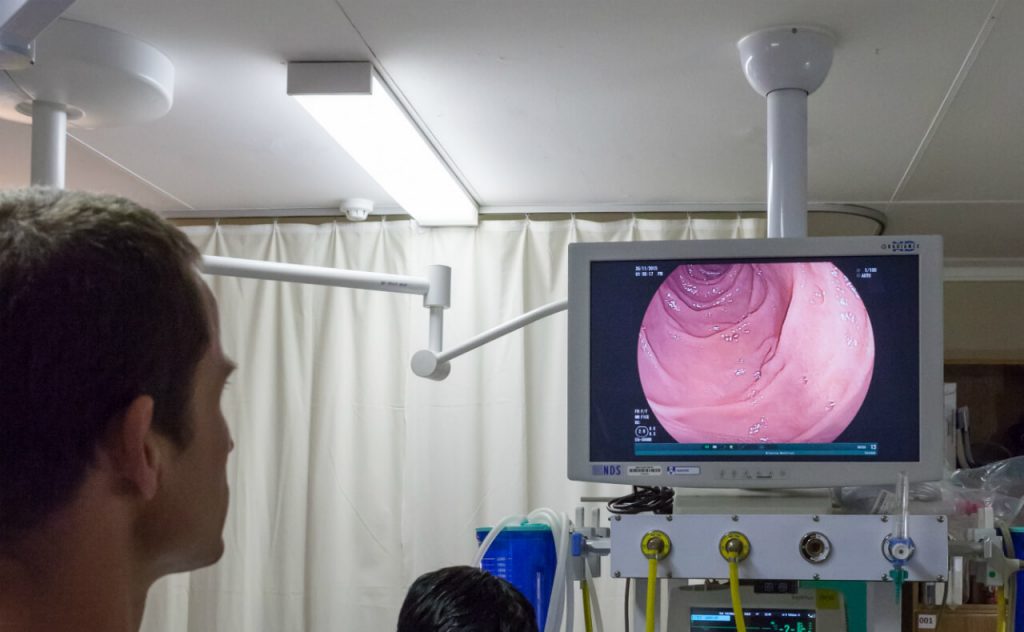
gastroscopy-cape-town

It will be sent to the laboratory for a biopsy to determine whether the damage was caused by acid reflux or not.

The doctor who performs the procedures has special training in using an endoscope to examine the upper GI system, looking for inflammation (redness, irritation), bleeding, ulcers, or tumors.

Of the four tests, the most thorough and encompassing is the gastroscopy or upper endoscopy, as it allows the doctors to catch the most subtle findings that could possibly be life-altering.


How to Prepare for Your Tests

If you do decide to go and get a gastroscopy, your doctor will give you a few things to do to prepare for the tests.

Gastroscopy requires patients to fast starting 8 pm the night before the appointment and only drink clear water up until 3 hours before the procedure.

This is to allow the doctor to see the oesophagus clearly. The procedure itself only takes 10 to 20 minutes; the next 2 hours are used for the patient to recover under the guidance of a trained medical officer.

Very rarely do complications happen but some possible complications include torn tissues and minor bleeding from the biopsy.

These are very rare and can easily be taken care of by the team.


GERD Treatment

GERD is a chronic condition, however, there are many proven ways to alleviate it.

Lifestyle changes are one, this includes:

  • quitting smoking
  • avoiding alcohol
  • losing weight if you are overweight
  • wearing loose-fitting clothes
  • avoiding carbonated beverages
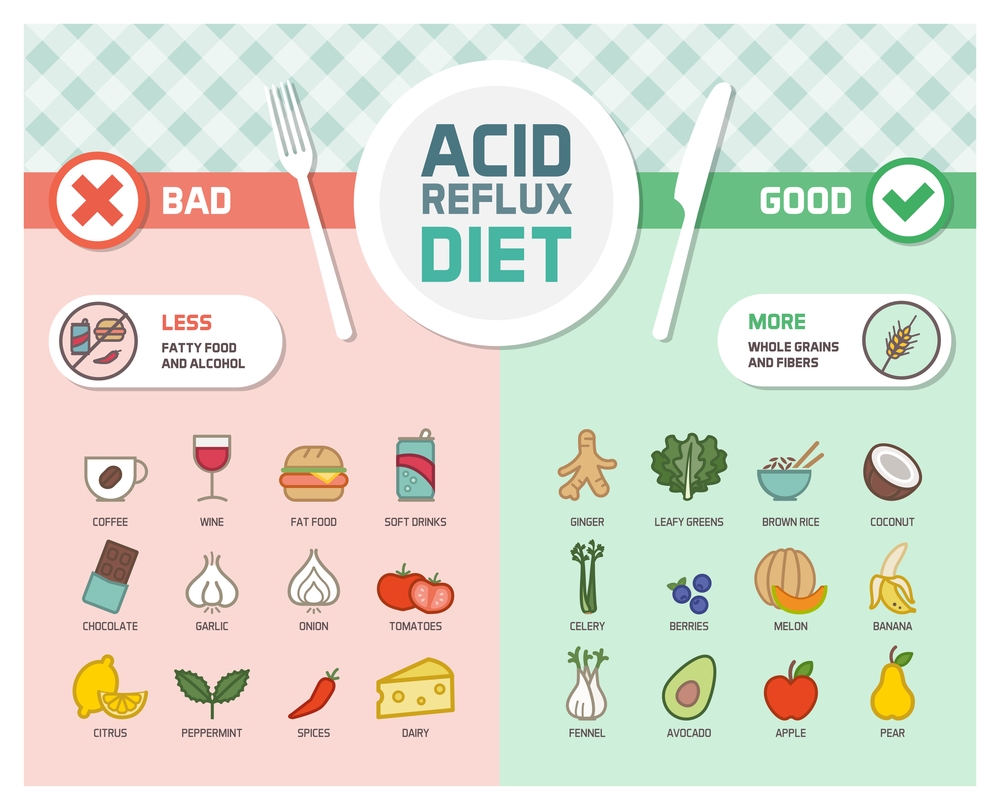
  • avoiding foods that trigger reflux

Acid-reflux-prevention-diet

Acid reflux and GERD symptoms prevention diet with trigger foods and anti-inflammatory healthy food.

There are medical options like the prescription of anti-acids like the Maalox, Mylanta, and Riopan, H2 blockers, like cimetidine, Proton Pump Inhibitors, and Prokinetics.

On the other side, there are also surgical options like fundoplication and endoscopic techniques.

Whichever you decide to go for, it’s best to find a trusted and experienced Gastroenterologist in Cape Town who can answer your questions clearly, recommend appropriate solutions, and perform tests with precision and expertise.

GIDoc Cape Town

Patient-focused GI treatments and procedures in Cape Town.

Monday-Friday 8AM-4PM.

Connect with Us

© Dr. Eduan Deetlefs, Registered Gastroenterologist, GI Doc Cape Town

Our website information is not intended or implied to be a substitute for professional medical advice, diagnosis or treatment. Please consult a doctor about your specific condition. Only a trained physician can determine an accurate diagnosis and proper treatment.