021 202 0626
Why a Colonoscopy Is Important: The Importance of Screening for Colorectal Cancer

Why a Colonoscopy Is Important: The Importance of Screening for Colorectal Cancer

Overview

A colonoscopy is important because it is the only way to know if you have rectal cancer.

There are cases on record where people have rectal cancer, not had a colonoscopy, and lost their lives because the cancer was not detected on time.

If you are deemed to be at risk for cancer or are continuing to have symptoms, it is important to have a colonoscopy.

The American Cancer Society recommends that people at average risk for colorectal cancer should talk to their doctor about whether to discuss getting colorectal cancer screening.

There are 4 ways to identify colorectal cancer: colonoscopy, sigmoidoscopy, fecal

This article continues to explain how colorectal cancer is found and treated accordingly.


Things You Should Know About Colonoscopy


As for the gastrointestinal system, it has the unique ability to digest and absorb most of the food we consume.

It is important that as we age, our gastrointestinal system stays healthy and functioning.

Recent statistics show that about one in five patients who have a screening colonoscopy develop a polyp.

They found out this way and they can now take steps to remove them and reduce their risk of colon cancer.  


risks_of_colon_cancer-min


The Risks and Consequences of Colon Cancer

Colon cancer, like the name implies, begins in the colon.

The job of the colon is to absorb all of the water from what you eat and drink so it can move on through to an organ called the rectum where waste matter that cannot be broken down is expelled when you go to the bathroom.

Colon cancer often doesn’t have any symptoms until it has advanced into Stage III or even Stage IV.

If left untreated, this type can spread rapidly throughout your body and cause severe pain and complications or even death.

Colonoscopies, which are performed by gastroenterologists, are the most effective way to identify colorectal cancer early on.

A colonoscopy can help identify and treat cancerous growths, inflammatory bowel disease or other potentially dangerous complications of your digestive system.


The Benefits of Colonoscopy Screening

Medical conditions affect everyone at different levels. Some people recover from a condition quickly, while others need more time.

Colorectal cancer is a condition that affects a person’s bowels and rectum, and it is a typical cancer that can strike anyone.

It can strike at any age, but it mainly affects the older population over the age of 50.

Discussing colon cancer can be difficult. However, colon cancer is a common cancer that touches many lives. For those who undergo a colonoscopy as a screening, it can be a lifesaver.


benefits_of_colonoscopy_screening-min


Explaining Screening Methods for Colorectal Cancer

Colon cancer is the second leading cause of cancer death in the U.S., and much of this has to do with the lack of screening methods.

The recommended screening methods for colorectal cancer include a fecal test, a colonoscopy, a CT scan, and a sigmoidoscopy.

Fecal tests – Fecal tests can monitor your blood’s proteins, which can be an early warning sign for colon cancer.

Colonoscopy – Colonoscopy is a minimally invasive procedure that provides a clear view of the entire colon and detects early signs of colon cancer.

CT Scan – Computed tomography (CT) scan is a useful diagnostic tool for detecting diseases and injuries. It uses a series of X-rays and a computer to produce a 3D image of soft tissues and bones. CT is a painless, noninvasive way for your healthcare provider to diagnose conditions. You may have a CT scan at a hospital or imaging center.

Sigmoidoscopy – Flexible sigmoidoscopy is a procedure in which a trained medical professional uses a flexible, narrow tube with a light and tiny camera on one end, called a sigmoidoscope or scope, to look inside your rectum and lower colon, also called the sigmoid colon and descending colon. Flexible sigmoidoscopy can show irritated or swollen tissue, ulcerspolyps, and cancer.

screening_methods_for_colorectal_cancer-min 

The Technology Behind Colonoscopy Screening

Colonoscopies are a routine screening procedure that detect colon cancer and other potential problems of the colon that may have been hidden or could have progressed to a point of being life-threatening.

Colonoscopies can also discover other diseases such as inflammatory bowel disease, diverticulitis, and polyps.

Colonoscopies detect abnormal or cancerous growths of the colon or rectum, called polyps.

Polyps are growths of excess tissue that protrude from the colon wall. They can be either benign growths that develop from a person’s colon tissue, or a type of abnormal growth that may include cancerous cells.


The Components of a Colonoscope

The Colonoscopy has been a key screening tool for colorectal cancer for decades.

A colonoscopy is a diagnostic test that a physician performs to see a patient’s large intestine.

The colonoscopy is a medical procedure that allows a physician to diagnose and treat a patient’s colon and rectum.

There are a number of components to a colonoscopy.

A colonoscopy may be performed as an outpatient procedure, either as the primary screening for colorectal cancer or as a follow-up screening after a polyp or other abnormality has been detected on a previous test.

The procedure typically takes place in the physician’s office and is performed under sedation, and patients can expect to be discharged home.

procedure_for_colonoscopy_screening-min


The Procedure for a Colonoscopy Screening

Before colonoscopy, your colon must be completely cleaned out so that the doctor can see any abnormal areas.

Without proper preparation the colonoscopy will not be successful and may have to be repeated.

To clean the colon, you will need to follow the prescribed diet and take a strong laxative to empty your bowels.

Your doctor’s office will provide specific instructions about how you should prepare for colonoscopy.

Be sure to read these instructions ahead of time so you will be prepared for the prep. If you have questions, contact the doctor in advance.

You will need to avoid solid food for at least one day before the test. You should also drink plenty of fluids on the day before the test.

You can drink clear liquids up to several hours before your procedure, including water, clear juice (apple, grape), Energade or similar alternative, clear soup (beef, chicken, or vegetable), coffee or tea (without milk) or jelly (avoid red jelly).

The day or night before the colonoscopy, you will take a laxative. It consists of a powder that is mixed with water.

The most common laxative treatment is called “Klean-Prep”. You can add some lemon squash to hide the unpleasant taste. Refrigerating the solution can make it easier to drink.

Drinking this solution may be the most unpleasant part of the exam. You will begin to have watery diarrhea within a short time after drinking the solution.

If you become nauseated or vomit while drinking the solution, call your doctor or nurse for instructions.


why_a_colonoscopy_is_important-min

Get in Touch with GI Expert Dr. Deetlefs

 Dr Deetlefs has admitting rights and performs endoscopies at both Mediclinic Milnerton and Life Vincent Pallotti Hospitals.

To learn more about the complexity of your gut and the opportunity for you to contribute to the scientific pursuit of gastrointestinal knowledge, visit our Cape Town office or visit our website.

We are gastroenterologist experts using patient-focused GI treatment and procedures in Cape Town.

If you haven’t been scheduled for a colonoscopy and want to get one, make an appointment now.

DISCLAIMER: PLEASE READ CAREFULLY

The information on this website is to provide general guidance. In no way does any of the information provided reflect definitive medical advice and self-diagnoses should not be made based on information obtained online. It is important to consult a Gastroenterologist or medical doctor regarding ANY and ALL symptoms or signs including, but not limited to: abdominal pain, haemorrhoids or anal / rectal bleeding as it may a sign of a serious illness or condition. A thorough consultation and examination should ALWAYS be performed for an accurate diagnosis and treatment plan. Be sure to call a physician or call our office today and schedule a consultation.

GIDoc Cape Town

Patient-focused GI treatments and procedures in Cape Town.

Monday-Friday 8AM-4PM.

Connect with Us

© Dr. Eduan Deetlefs, Registered Gastroenterologist, GI Doc Cape Town

Our website information is not intended or implied to be a substitute for professional medical advice, diagnosis or treatment. Please consult a doctor about your specific condition. Only a trained physician can determine an accurate diagnosis and proper treatment.
What is ERCP and What Are the Procedure’s Benefits?

What is ERCP and What Are the Procedure’s Benefits?

   ercp_procedure_benefitsWhat Is ERCP?

Endoscopic retrograde cholangiopancreatography (ERCP) uses an endoscope, or thin, flexible tube, to create an image of the inside of the bile ducts (cholangitis), pancreatic duct, spleen, and lymph nodes.

In patients with biliary obstruction, cholangitis, or suspected pancreatic cancer, ERCP can assess for disease and guide treatment.

ERCP is performed as an outpatient procedure with sedation and anaesthesia, and it generally takes less than 2 hours.


The Benefits of ERCP Include:

-Viewing the inside of the bile ducts

-Confirming disease

-Providing a map for potential treatments

-Finding the source of a blockage

-Determining if a blockage is severe

-Determining the severity of a suspected cancer

-MRI

-PET imaging

-Ultrasound


The Procedure

E.R.C.P is an acronym for Endoscopic Retrograde Cholangiopancreatography.

It is a medical procedure used by your doctor to diagnose liver conditions if liver function is compromised.

E.R.C.P. may be advised for diagnosing gallstones, treatments of certain pancreatic diseases, and managing some digestive disorders.

These types of conditions are difficult to diagnose without this type of endoscopic imaging.

A special tube is inserted into the mouth and throat, which is then expanded to reach past the stomach and into the pancreatic duct. The endoscope allows the doctor to view the inside of the ducts.

In a lot of cases this procedure is used to find the problem from the inside, taking pictures of the stomach for example.

The procedure also allows things to be inserted inside to help with any complications, such as the removal of stones from the gall bladder to help with pain.

ERCP has a lot of benefits, such as finding the problem from the inside, things being inserted to help alleviate the problem, and the benefits of a healthier intestine.


ercp_procedure_and_benefits

What Happens During the Procedure?

Endoplasmic reticulum cisternae (ER, or simply cisternae) are the spaces of the hepatocyte. They are further divided into rough and smooth ER.

The hepatocyte functions in the liver’s detoxification process and lipid metabolism, so any changes in the hepatocyte’s ER could affect these functions.

This can be seen in hepatocytes with steatosis and hepatocyte injury. Changes that occur in hepatocyte ER can lead to the development of chronic liver diseases like that seen in non-alcoholic fatty liver disease.

Ethology and pathogenesis of these changes in hepatocytes remain unknown. 

These changes in hepatocyte ER may be caused by an aggregation of Tau protein (α-synuclein) in hepatocyte ER.

This aggregation of Tau protein (α-synuclein) may be responsible for the changes in hepatocyte ER.

These changes in hepatocyte ER can be seen in hepatocytes with steatosis and hepatocyte injury.


How ERCP Works

ERCP is an endoscopic procedure that assesses and treats problems in the bile duct and pancreas. ERCP is endoscopic because we use a long, thin tube to examine and treat the patient.

An endoscope is a thin tube that is inserted into your mouth and end endows the viewer with a sight like no other.

Endoscopic video and light systems allow the viewer to see and diagnose problems and to treat them. ERCP is an imaging procedure that utilizes an endoscope to visualize the bile ducts of the gallbladder, pancreas, and duodenum sometimes.

The radiographer feeds the bile ducts over the end of the tube.

The radiographer may also inject contrast into the bile duct, which shows up on CSF so they can see the problem better. Sometimes the radiographer will need to remove stones, stones, or tumors to treat the patient.


what_is_ercp_and_benefits

Types of ERCP: 

Endoscopic Retrograde Cholangiopancreatography, or ERCP, is the use of an endoscope to treat various problems in the bile ducts and pancreas. There are two different types of ERCP.

The first type, called mechanical ERCP, uses insertion of an endoscope to mechanically clear an obstruction in the duct if it fails to do so naturally.

The second type, called chemical ERCP, involves injection of fluid into or around an obstruction in the duct.


ercp_procedure_and_benefits

Benefits of ERCP

The Procedure has many benefits, one being it provides a method of removing pancreatic stones.

It can also be used to diagnose pancreatitis, pancreatic cancer, and pancreatic trauma via the insertion of a small tube used to collect a sample of tissue from the pancreas.

ERCP can be the solution to many pancreatic diseases and is one of the most minimally invasive procedures available to treat these diseases.


How Long Does It Take?

ERCP is a surgical procedure where a probe is used to view and treat problems in the bile and pancreatic duct. It is usually done by sedation or general anaesthesia.

It takes forty-five minutes to an hour to complete the procedure.


How Safe Is the Procedure?

ERCP is one of those procedures that has been improving over the years, with physicians taking increasingly clearer and safer images of the small intestine and surrounding areas of the body.

Different types of doctors will have different procedures that their patients may need to get treatment for and/or diagnosed for.

The ERCP procedure itself, is something that can be done safely overall as long as there are no complications, or any sort of damage being done to other parts of the body inadvertently.

Overall, ERCP isn’t an overly complicated procedure if it’s performed by a highly trained physician, who can prepare you properly before they begin.


Is It Right for You

ERCP offers a different perspective other than a traditional endoscopy.

In patients that have a stricture or other obstruction in their bile duct, this test could be beneficial to evaluate the size of the stricture and the bile duct.

Without a strong foothold at the common bile duct, a surgical procedure to remove the obstruction might be needed to diagnose and treat the obstruction.

ERCP is a minimally invasive procedure. The patient can go home a few hours after the procedure. And it is an outpatient procedure.

Granted, this procedure may not be the best option for everyone, but if you have been diagnosed or suspect you have a stricture or other obstructions in your bile duct, then ERCP may be the exam for you. 

Who Should Not Be Referred for Procedure?

Patients with the following disorders should not be referred for this procedure:

  • During pregnancy
  • Unhealthy liver
  • Poor kidney function
  • Bleeding or clotting disorders


ercp_procedure_benefits

Conclusion

An ERCP is Used to Observe, Diagnose and Screen the:

  • Diseases of the gallbladder
  • Biliary system
  • Pancreas
  • Liver

In addition, ERCP can be used to treat problems in these parts of the digestive system.

Dr Deetlefs has admitting rights and performs endoscopies at both Mediclinic Milnerton and Life Vincent Pallotti Hospitals.

To learn more about the complexity of your gut and the opportunity for you to contribute to the scientific pursuit of gastrointestinal knowledge, visit our Cape Town office or visit our website.

We are gastroenterologist experts using patient-focused GI treatment and procedures in Cape Town.

If you haven’t been scheduled for a colonoscopy and want to get one, make an appointment now.

DISCLAIMER: PLEASE READ CAREFULLY

The information on this website is to provide general guidance. In no way does any of the information provided reflect definitive medical advice and self-diagnoses should not be made based on information obtained online. It is important to consult a Gastroenterologist or medical doctor regarding ANY and ALL symptoms or signs including, but not limited to: abdominal pain, haemorrhoids or anal / rectal bleeding as it may a sign of a serious illness or condition. A thorough consultation and examination should ALWAYS be performed for an accurate diagnosis and treatment plan. Be sure to call a physician or call our office today and schedule a consultation.

GIDoc Cape Town

Patient-focused GI treatments and procedures in Cape Town.

Monday-Friday 8AM-4PM.

Connect with Us

© Dr. Eduan Deetlefs, Registered Gastroenterologist, GI Doc Cape Town

Our website information is not intended or implied to be a substitute for professional medical advice, diagnosis or treatment. Please consult a doctor about your specific condition. Only a trained physician can determine an accurate diagnosis and proper treatment.
Colon Polyps: Signs, Symptoms, and Treatment

Colon Polyps: Signs, Symptoms, and Treatment

 colon_polyps_signs_symptoms_infographic Overview

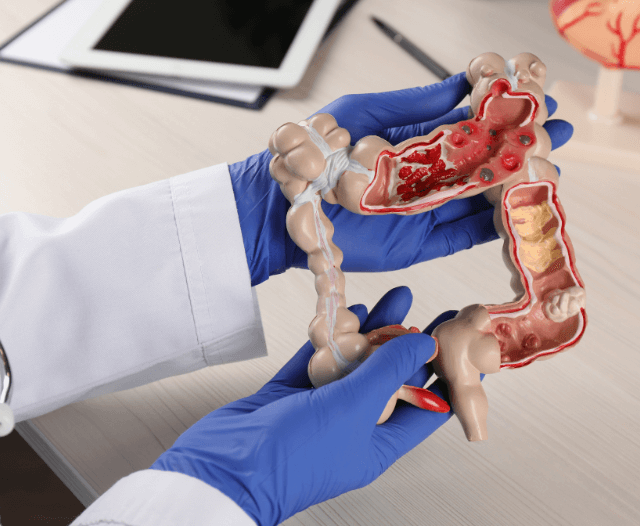
Gastrointestinal colon polyps are small, benign tumors that grow on the inner lining of your large intestines. Polyps can be present on the surface of the intestine or inside the intestine.

They are not cancerous and do not spread to other parts of the body. However, polyps can become cancerous. Gastrointestinal polyps are easy to diagnose.

There are many methods for diagnosing them including colonoscopy, wherein a scope is inserted from the anus to examine the outer large intestine.

Polyps can grow anywhere in the large intestine and tumours can grow on the inner lining of the intestine or on the surfaces of the small intestine.

In this article you will get some more information on colon polyps and which symptoms to look for, diagnosis and treatments offered.


What are Colon Polyps?

Colon polyps are growths of tissue that develop in the colon, which is also known as the large intestine. While they might come in several sizes, these growths can easily become cancerous.

Having too many fat cells or having too little exercising and eating healthy fats like omega-3 and omega-6 will raise this risk.

Colon polyps can also come from your genes and giving people a reason to always look out after themselves even if it isn’t an option for you. Therefore, more research on improving treatments needs to be made.

Colorectal polyps are small, fleshy growths that form on the inner lining of the large intestine. They can occur in both noncancerous and cancerous tissues and appear as small, fleshy growths.

While it’s not uncommon to see your doctor for a yearly screening, there are many easy yet effective steps you can take to protect your colorectal health.

Be sure to eat plenty of fiber-rich fruits, vegetables, cereals and legumes; exercise regularly; drink lots of water; maintain a healthy weight; reduce your consumption of saturated fats (such as those found in red meat) and salt (many processed foods contain added salt).
 

Signs and Symptoms of Polyps

Some of the most common signs of polyps include rectal bleeding, rectal bleeding and abdominal pain.

Although some people can often get away with simple microsurgeries to get rid of the cancer, repeat surgeries may still be required.

Even if performed carefully and properly, cancer can recur after bowel surgery. Ask your doctor to refer you for a colonoscopy if your see any of these signs and symptoms of polyps in yourself or a loved one.

Inflammation in the area may be a sign that a polyp is in a precancerous stage in some cases, they need to be removed.

When symptoms or signs occur, they may include:

  • Bloody stool
  • Black Stool
  • Weakness
  • Light-headedness
  • Diarrhea
  • Constipation if the polyp is very large and obstructs the colon
  • Intestinal obstruction including abdominal pain and distention, nausea, and vomiting.

colon_polyps_signs_symptoms_treatment

Diagnosis of Gastrointestinal Colon Polyps

Colon polyps are typically identified through colonoscopy.

A colonoscopy is where a tube is inserted into the anus and it is used to view the lining of the rectum, the lower part of the large intestine, the lowest part of the small intestine, and the cecum, which is located at the point where the small intestine empties into the large intestine.

The procedure can also detect anomalies in these areas. If polyps are found, they can be removed during the colonoscopy.

These tests can also help find colorectal cancer in its early stages.

Virtual Colonoscopy – Virtual colonoscopy is a special X-ray examination of the colon using low dose computed tomography (CT) and is a less invasive procedure than a conventional colonoscopy.

As the popularity of virtual colonoscopy continues to grow, some healthcare consultant across the world is recommending that students at highest risk for developing bowel cancer, who are more likely to suffer early onset of the disease than older patients, undergo screening tests more regularly.

This test looks for changes in the lining of your digestive tract on a monitor instead of an actual colonoscopy.

Flexible Sigmoidoscopy – This is an endoscopic procedure that allows your doctor to do an examination of the rectum and lower colon.   A sigmoidoscope consists of a thin flexible lighted tube with a camera at the tip to visualize the area.

Stool-based Test – These tests look at the stool (feces) for possible signs of colorectal cancer or polyps and can be done at home. A stool-based test however does need to be done more often. 


How to Prepare for Colonoscopy

The most important thing that you need to know before going into a colonoscopy is that it is an invasive procedure.

In order for you to be as prepared as possible for your colonoscopy, you need to start preparing the day before your procedure.

Diligent studies have shown that colonoscopy is one of the most effective ways to detect early signs of colon cancer in humans.

While anticipatory anxiety can make preparing for a bowel prep seem more trouble than it’s worth, it is essential to prepare adequately in order to maximize the effectiveness of this screening procedure.

When you are scheduled for a routine examination, it is important for you to coordinate with your health care provider in advance in order to ensure that you are able to complete this procedure in full.

Whether or not you’ve had a colonoscopy before, this process will likely differ in some aspects from your previous experience, making preparation all the more essential.

Bowel prep medication will be prescribed by your doctor to ensure you are fully prepped for your colonoscopy.

That way, your doctor will have a clear view of your colon and ileocecal valve.

Therefore, it is vital not to eat or drink anything before going in for a colonoscopy.


Treatment of Gastrointestinal Colon Polyps

There are many different types of treatment options available for gastrointestinal colon polyps.

One of these treatment options is to remove the polyps.

If your doctor decides to remove the polyps, during this procedure your surgeon will need to cut the polyps away from the colon wall, and then resect the polyps as far as they can reach within the colon.

The treatment option that your doctor chooses should depend on the location and size of the polyps.

If you want to determine if you need surgery to remove the polyps, your doctor may recommend a colonoscopy.
 

colon_polyps_symptoms

Prevention of Gastrointestinal Colon Polyps


In order to prevent polyps from forming, you should reduce your risk of getting one on a regular basis.

  1. Diet – Eating foods that are high in fiber is a great way to increase the weight and density of the stool, which helps minimize the chances of an abnormality being able to break free from the lining.

Food high in fiber:

  • Beans
  • Lentils
  • Broccoli
  • Berries
  • Avocados
  • Popcorn
  • Whole Grains
  • Apples
  • Dried Fruits
  • Potatoes
  • Nuts
  1. Exercise regularly – a greater frequency of bowel movements means increased risk for polyps. Limit your intake of red meat and processed food, as they have been proven to have additional harmful side-effects for health beyond their nutritional value.

colon_polyps_signs_symptoms_infographic

Conclusion


No one should ever ignore symptoms like fecal blood because this could lead to serious health issues for yourself and loved ones.

Understanding symptoms is important when finding preventions for unwanted conditions in your body.

Dr Deetlefs has admitting rights and performs endoscopies at both Mediclinic Milnerton and Life Vincent Pallotti Hospitals.

To learn more about the complexity of your gut and the opportunity for you to contribute to the scientific pursuit of gastrointestinal knowledge, visit our Cape Town office or visit our website.

We are gastroenterologist experts using patient-focused GI treatment and procedures in Cape Town.

If you haven’t been scheduled for a colonoscopy and want to get one, make an appointment now.

DISCLAIMER: PLEASE READ CAREFULLY

The information on this website is to provide general guidance. In no way does any of the information provided reflect definitive medical advice and self-diagnoses should not be made based on information obtained online. It is important to consult a Gastroenterologist or medical doctor regarding ANY and ALL symptoms or signs including, but not limited to: abdominal pain, haemorrhoids or anal / rectal bleeding as it may a sign of a serious illness or condition. A thorough consultation and examination should ALWAYS be performed for an accurate diagnosis and treatment plan. Be sure to call a physician or call our office today and schedule a consultation.

GIDoc Cape Town

Patient-focused GI treatments and procedures in Cape Town.

Monday-Friday 8AM-4PM.

Connect with Us

© Dr. Eduan Deetlefs, Registered Gastroenterologist, GI Doc Cape Town

Our website information is not intended or implied to be a substitute for professional medical advice, diagnosis or treatment. Please consult a doctor about your specific condition. Only a trained physician can determine an accurate diagnosis and proper treatment.
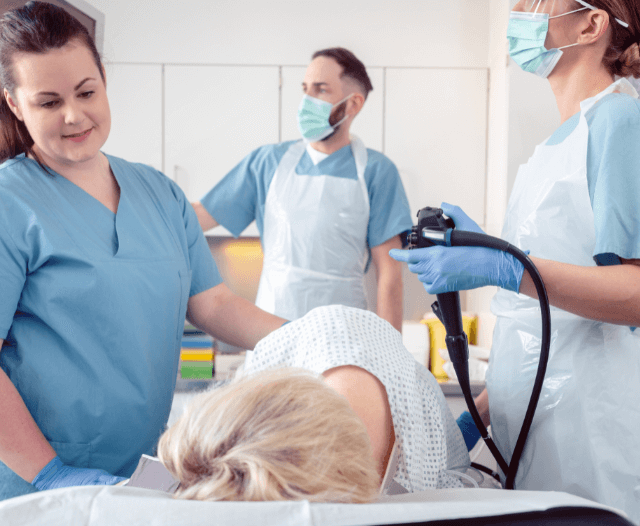
IBD: What You Should Know About Ulcerative Colitis and Crohn’s Disease

IBD: What You Should Know About Ulcerative Colitis and Crohn’s Disease

recurrent_abdominal_pain_casues_symptoms

What is IBD


Inflammatory bowel disease, the umbrella term to describe a range of disorders that involve chronic inflammation of your digestive tract.

There are two types of inflammatory bowel disease:

Ulcerative Colitis – Also known as UC, is a long-term condition that affects the large intestine. It causes inflammation and sores on the colon and rectum.

The inflammation and ulcers often bleed and produce pus, which can cause diarrhea and abdominal pain and can lead to dehydration and weight loss.

Crohn’s Disease – Crohn’s Disease, also known as regional enteritis or ileitis, is a type of inflammatory bowel disease that causes chronic inflammation in the lining of the digestive tract.

Crohn’s Disease causes stomach pain, severe diarrhea, weight loss, and problems with the bowels.


Ulcerative Colitis Explained


Ulcerative colitis is a chronic, lifelong condition that inflames and damages the large intestine.

The inflammation usually affects the rectum and the lining of the colon, which is called the mucosa. 

The inflammation can be silent, not causing any symptoms, although in some cases, ulcerative colitis can lead to rectal bleeding and abdominal cramps. 
 ulcerative_colitis_explained

Signs And Symptoms of Ulcerative Colitis

Symptoms of Ulcerative Colitis include frequent bowel movements, rectal pain, abdominal cramps, nausea, and they are in the order of severity.

It also may lead to:

  • Diarrhea
  • Constipation
  • Weight loss
  • Fatigue
  • Anemia
  • Fever

Complications from the long-term inflammation of ulcerative colitis may include:

Your doctor can prescribe medication to alleviate pain for this disorder.


causes_of_ulcerative_colitis


Causes of Ulcerative Colitis

 
The primary cause of ulcerative colitis is not known.

What we do know is that the immune system is involved. In many people, there is a genetic predisposition to ulcerative colitis. 

In addition, there are infections that can trigger the immune system to attack the colon.

Finally, there are an abundance of bacteria in the colon that can produce substances that cause inflammation. This inflammation will then cause ulcers in the colon.


How Common is Ulcerative Colitis

One out of every three people living in the United States will be diagnosed with a disease of the gastrointestinal tract during their lifetime.

It is estimated that over 700,000 people in the United States gets affected by ulcerative colitis and is found in all parts of the world.

Gastrointestinal diseases can be debilitating and include severe disorders such as Ulcerative Colitis.

However, some Gastrointestinal diseases are not as severe as others such as Gastroparesis and IBS.

Gastroparesis is a condition of the stomach that impairs it from functioning properly. IBS is irritable bowel syndrome. 

IBS causes the intestines to become over-distended and produce diarrhea.


How Ulcerative Colitis can be Diagnosed
 

Ulcerative colitis is usually diagnosed by Colonoscopy that is done by your Gastroenterologist.

The following treatments for Ulcerative Colitis include:

  • Immunomodulators
  • Antibiotics
  • Steroids
  • Immunosuppressants
  • Surgery

treatment_options_for_ulcerative_colitis


Treatment Options for Ulcerative Colitis

Treatment of Ulcerative Colitis is aimed at restoring the diseased colon to a healthy condition.

The treatment of choice is the combination of drug therapies that are formulated to work in different ways to reduce inflammation, get rid of infection, and get the body working to heal the intestine.


Crohn’s Disease Explained


The digestive system is the human body’s food-processing centre.

From the mouth to the anus, the gastrointestinal tract processes the food we eat.
Along the way, the body absorbs nutrients, eliminates waste, and protects against outside invasion.

Crohn’s disease is an autoimmune disorder that causes your immune system to attack the lining of your digestive track.

This attack produces inflammation that leads to:

  • Abdominal Pain
  • Cramping
  • Diarrhea
  • Fatigue
  • Weight Loss

Crohn’s disease is a chronic condition and has no certain cure, but diet adjustments can provide some relief.


crohns_disease_symptoms


Signs And Symptoms of Crohn’s Disease

The following are the common Crohn’s disease symptoms. 

  • IBS
  • Constipation
  • A blockage or injury to the large intestine (colon)
  • Abdominal pain
  • A blockage in the small intestine can cause abdominal pain or cramping
  • Discomfort while passing gas (stomach acid backs up into the large intestine) 
  • Dizziness 
  • Difficulty passing air 
  • Upper abdominal pain 
  • Vomiting 
  • Malnutrition
  • Bloating
  • Fatigue
  • Fever
  • Loss of appetite 

Should you experience any of the above symptoms, you should see a doctor and get professional help in treating your disease as this can affect your quality of life.


How Crohn’s Disease Can Be Diagnosed


The diagnosis of Crohn’s disease is done on physical examination, various lab tests, clinical studies and MRI scans.

Diagnostic tests for Crohn’s disease can be classified as:

Blood test:

A blood tests check for white blood cells that may indicate inflammation or infection.
The test also checks for low red blood cell count, or anemia.

Stool test:

This test looks at a sample of your stool to check for bacteria or parasites.
It can rule out infections that cause chronic diarrhea.


Colonoscopy:

Your doctor threads a long, thin tube called an endoscope through your mouth and into your throat. An attached camera allows your doctor to see inside.

During an upper endoscopy, your doctor may also take tissue samples.


Tips for Managing Crohn’s Disease


It is always advised that you have a gluten-free diet, so that you reduce the amount of gut bacterial strains that are more likely to cause a Crohn’s disease flare.

Opt for healthy low-fiber diet.

This includes fresh foods, especially vegetables. It is good to add plenty of fiber in your diet. This is essential, so that you can better absorb essential nutrients.


Best food for Crohn’s disease flare-ups:

  • Oatmeal
  • Grains
  • Low-fiber fruits
  • Peeled or poached fruit
  • Prepared vegetables
  • Juices
  • Lean meat
  • Oily fish


Foods to Avoid:

  • High-fiber foods
  • Vegetables with their peels
  • Popcorn, nuts and whole grains
  • Raw green vegetables
  • Cruciferous vegetables, such as broccoli and cauliflower
  • Red meat
  • Unhealthful fats, such as those in butter, coconut oil, and margarine
  • Salty foods, including processed foods and ready meals
  • Fruits with skins and seeds
  • Spicy foods
  • Caffeine
  • Alcohol
  • Fizzy drinks
  • Foods containing sugar alcohols, including many low-sugar or sugar-free products 

healthy_eatin_ulcerative_colitis

Treatment Options for Crohn’s Disease


Antibiotics may be used to cure Crohn’s disease.

The medication that a doctor will prescribe depends on the severity of the symptoms.

The severity of the symptoms depends on the frequency of your attacks.

As the frequency of your attacks increases, the severity of your disease symptoms will also increase.

Blood tests are used to test your levels of platelets, white blood cells, and red blood cells. Platelets and white blood cells help the blood to clot.

Currently, there is no cure for Crohn’s disease.

However, some measures can be taken to improve the quality of life for those who suffer from it.

These typically include:

  • Dietary restrictions
  • Physical therapy
  • Usage of anti-inflammatory drugs like steroids and thiopurines.


IBD_Crohns_ulcerative_colitis


There Is Hope…


Autoimmune diseases are genetic disorders that have a person’s immune system attacking its own healthy cells.

The symptoms are physical signs and not just a big picture of the patient’s health.

Although these remedies might alleviate the pain, it is recommended to get a professional diagnosis from your doctor or gastroenterologist in order to discuss the way forward.

If you would like to book an appointment with a gastrointestinal (GI) specialist or would simply like more information on a particular GI topic, don’t hesitate to use our online booking form or call Dr. Deetlefs at 021 551 867.

DISCLAIMER: PLEASE READ CAREFULLY

The information on this website is to provide general guidance. In no way does any of the information provided reflect definitive medical advice and self-diagnoses should not be made based on information obtained online. It is important to consult a Gastroenterologist or medical doctor regarding ANY and ALL symptoms or signs including, but not limited to: abdominal pain, haemorrhoids or anal / rectal bleeding as it may a sign of a serious illness or condition. A thorough consultation and examination should ALWAYS be performed for an accurate diagnosis and treatment plan. Be sure to call a physician or call our office today and schedule a consultation.

GIDoc Cape Town

Patient-focused GI treatments and procedures in Cape Town.

Monday-Friday 8AM-4PM.

Connect with Us

© Dr. Eduan Deetlefs, Registered Gastroenterologist, GI Doc Cape Town

Our website information is not intended or implied to be a substitute for professional medical advice, diagnosis or treatment. Please consult a doctor about your specific condition. Only a trained physician can determine an accurate diagnosis and proper treatment.
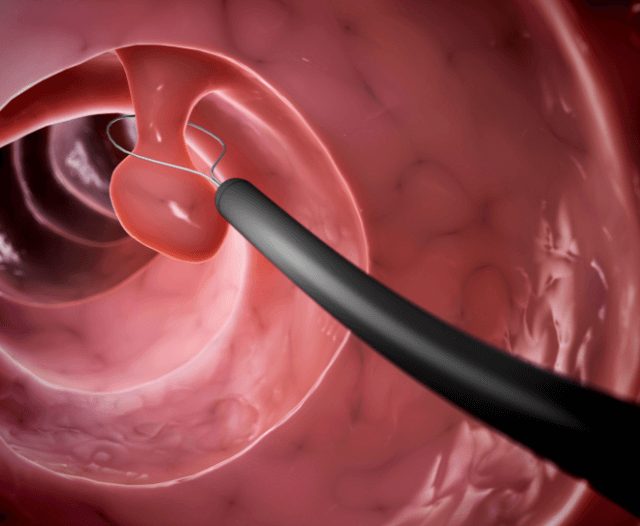
Gastroscopy: Benefits and Risks Explained

Gastroscopy: Benefits and Risks Explained

 Overview 

In a gastroscopy the contents of the stomach, duodenum and upper jejunum are inspected by inserting a flexible tube with a camera lens called an endoscope.

This endoscope goes through your mouth and down your oesophagus taking pictures of the inside of these areas.

The procedure is usually done as a day patient, that means that you do not need to spend the night in hospital.

When necessary, during the examination, a number of small procedures can also be carried out. These procedures may include:

  • Taking a small tissue sample (biopsy)
  • Stopping bleeding from an ulcer
  • Removal of polyps

What is a Gastroscopy

Abdominal pain is arguably the most common complaint among men and women, with women being more susceptible to one specific type of pain known as functional abdominal pain.

Functional abdominal pain refers to recurrent abdominal pain and is one of the most common childhood and adolescent complaints. It is true pain that can be quite severe.

Functional abdominal pain syndrome (FAPS) is a functional gastrointestinal disorder, which involves chronic or frequent pain that does not result from a specific, identifiable cause.

The vast majority of children and adolescents with recurrent abdominal pain have functional abdominal pain or “non-organic” pain, which means the pain is not caused by physical abnormalities.

It’s an extremely unpleasant sensation that can be likened to severe menstrual cramping accompanied by bloating and nausea.

The endoscope is inserted through the mouth, down the oesophagus, stomach and into the duodenum through a tiny opening called the stoma.

The endoscope is then advanced towards the oesophagus, where it enters through the oesophageal (or oesophageal) pouch, or the oesophagus (which connects to the stomach).

Gastroscopy is one of the most common outpatient procedures in gastroenterology, and is performed on patients in many different ways, including the following:

Gastro Barium Swallow

A barium swallow, also called an esophagogram, is an imaging test that checks for problems in your upper GI tract. 

Your upper GI tract includes your mouth, back of the throat, oesophagus, stomach, and first part of your small intestine.

Angiography

Angiography is an imaging test that uses X-rays to view your body’s blood vessels. The X-rays provided by an angiography are called angiograms.

This test is used to study narrow, blocked, enlarged, or malformed arteries or veins in many parts of your body, including your brain, heart, abdomen, and legs.

gastroscopy_procedure explaiend


Gastroscopy Procedure Explained

An endoscope is similar to a video camera.

When a gastroscopy is performed, a doctor inserts the camera and, with help from two small stents called guidewires, guides the camera through the food pipe and into the body.

During the procedure, the gastroscopy camera can capture X-ray images and video of the food pipe and other internal organs of the body.

The video image is combined with other diagnostic information gathered during the endoscope procedure to help determine a problem.

First, the gastroscopy camera is inserted into the stomach. This is usually done through a small opening called a trocar in the stomach.

The trocar is then pushed through the food pipe to the duodenum (first part of the small intestine)

Located between the stomach and the middle part of the small intestine, or jejunum.

After foods mix with stomach acid, they move into the duodenum, where they mix with bile from the gallbladder and digestive juices from the pancreas.

The absorption of vitamins, minerals, and other nutrients begins in the duodenum.


gastroscopy_risks_and_benefits_explained

Common Uses for Gastroscopy

 The procedure can be used to:  

  • Check on a problem with food, such as reflux, vomiting and acid reflux, which can cause chest pain or difficulty swallowing.
  • Check for any signs of chronic pancreatitis, such as abdominal pain and food intolerance.
  • Check the liver for abnormalities, such as a viral infection.
  • Check for internal bleeding or trauma, or any underlying problem with the gastrointestinal (GI) tract.
  • During the procedure, a small instrument called an endoscope is used to look inside the GI tract.

The endoscope is inserted into the nose, down the throat, into the stomach and duodenum and into the first part of the small intestine called the duodenum.

Gastroscopy Benefits

The gastroscopy helps to diagnose a number of conditions including gastroesophageal reflux disease (GERD) and duodenal ulcers.  

GERD is a long-term condition in which the oesophagus becomes irritated and irritated food moves backwards up into the oesophagus and the stomach. 

Doctors use gastroscopy to look at the stomach from the front and side and make a diagnosis. 

It may be used to see if the stomach lining has become damaged, ulcerated, or inflamed. 

The procedure takes only 15 minutes, and a gastroscopy may be done at home after asking a few questions. The surgery can be done under general anaesthetic, although you may have to stay in hospital for the night.  

A gastroscopy is not used to look at the stomach after a patient eats food.
 

risks_with_gastroscopy


Risks Associated with A Gastroscopy

The most common risk of a gastroscopy is vomiting.

To prevent this, the endoscope is passed down the throat and the patient may swallow a barbiturate or an anti-emetic. If there is an allergic reaction, it may stop the procedure.

Occasionally, a gastric or oesophageal obstruction, which may prevent the stomach from emptying, may be detected with a gastroscopy.

This can be treated by allowing the gas time to move around the stomach and remove the obstruction.

In most cases, the procedure is done under local or general anaesthesia.

Upper endoscopy is a safe procedure and complications are uncommon. 

The following is a list of possible complications: 

Aspiration (inhaling) of food or fluids into the lungs, the risk of which can be minimised by not eating or drinking for the recommended period of time before the examination.

The endoscope can cause a tear or hole in the tissue being examined. This is a serious complication but fortunately occurs only rarely.

Bleeding can occur from biopsies or the removal of polyps, although it is usually minimal and stops quickly on its own or can be easily controlled.

Reactions to the sedative medications are possible; the endoscopy team (doctors and nurses) will ask about previous medication allergies or reactions and about health problems such as heart, lung, kidney, or liver disease. 

Providing this information to the team ensures a safer examination. 

The medications may produce irritation in the vein at the site of the intravenous line. If redness, swelling, or discomfort occurs, you should call your doctor. 

The following signs and symptoms should be reported immediately:

  • Severe abdominal pain (more than gas cramps)
  • A firm, distended abdomen
  • Vomiting
  • Any temperature elevation
  • Difficulty swallowing or severe throat pain
  • A crunching feeling under the skin of the neck

What Should I Expect After a Gastroscopy?

Most patients tolerate endoscopy very well and feel fine afterwards. Some fatigue is common after the examination, and you should plan to take it easy and relax the rest of the day.

The doctor can describe the result of the examination before you leave the hospital.

If biopsies have been taken or polyps removed your doctor will discuss further follow-up arrangements with you.

First 24 hours after your procedure:

  • Do not drink alcohol
  • Do not drive or use heavy machines
  • Do not make important decisions or sign any legal papers
  • Do not take any sedatives, tranquilizers, sleeping pills, or medicines that make you drowsy
     

gastroscopy_benefits_and_risks_explained


Find a GI Specialist

There are various reason a patient might need to see a gastroenterologists.

The digestive system, also referred to as the gut or the gastrointestinal tract, is as important as any other system in the body and should be given the same level of care as others.

For further information on the procedures we perform, as well as how they can assist in diagnosing illnesses, contact Dr. Deetlefs today to schedule your appointment.

DISCLAIMER: PLEASE READ CAREFULLY

The information on this website is to provide general guidance. In no way does any of the information provided reflect definitive medical advice and self-diagnoses should not be made based on information obtained online. It is important to consult a Gastroenterologist or medical doctor regarding ANY and ALL symptoms or signs including, but not limited to: abdominal pain, haemorrhoids or anal / rectal bleeding as it may a sign of a serious illness or condition. A thorough consultation and examination should ALWAYS be performed for an accurate diagnosis and treatment plan. Be sure to call a physician or call our office today and schedule a consultation.

GIDoc Cape Town

Patient-focused GI treatments and procedures in Cape Town.

Monday-Friday 8AM-4PM.

Connect with Us

© Dr. Eduan Deetlefs, Registered Gastroenterologist, GI Doc Cape Town

Our website information is not intended or implied to be a substitute for professional medical advice, diagnosis or treatment. Please consult a doctor about your specific condition. Only a trained physician can determine an accurate diagnosis and proper treatment.