021 202 0626
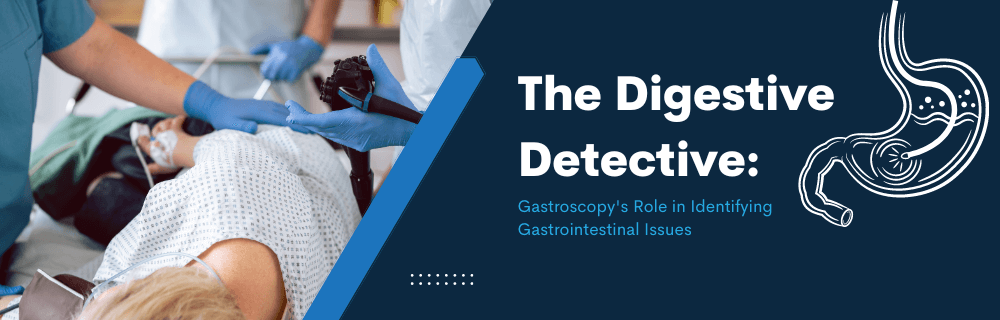
The Digestive Detective: Gastroscopy’s Role in Identifying Gastrointestinal Issues

The Digestive Detective: Gastroscopy’s Role in Identifying Gastrointestinal Issues

Introduction


The human body is a complex and intricate system, with the digestive tract playing a central role in maintaining overall health.

Sometimes, however, this intricate system can encounter problems that remain hidden beneath the surface. This is where gastroscopy, often referred to as the “digestive detective,” steps in.

In this article, we’ll embark on a journey into the world of gastroscopy, exploring how it acts as a powerful tool in identifying a wide range of gastrointestinal issues.


Gastroscopy Unveiled: The Basics


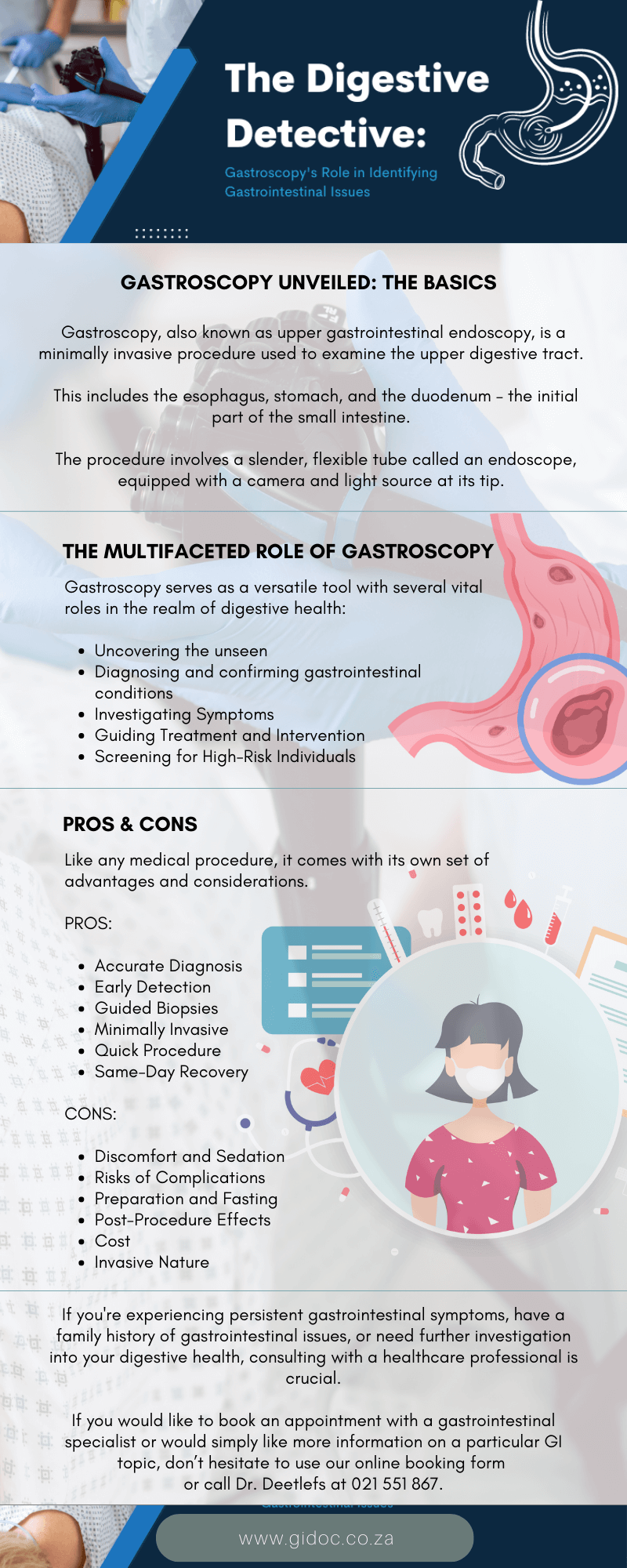
Gastroscopy, also known as upper gastrointestinal endoscopy, is a minimally invasive procedure used to examine the upper digestive tract.

This includes the esophagus, stomach, and the duodenum – the initial part of the small intestine.

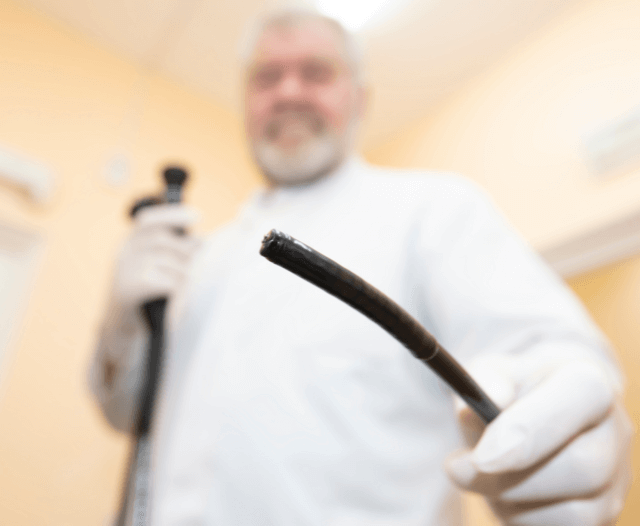
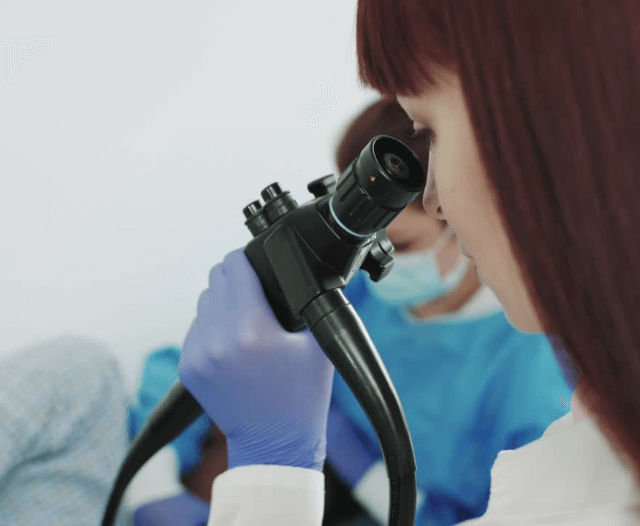
The procedure involves a slender, flexible tube called an endoscope, equipped with a camera and light source at its tip.

The endoscope is gently inserted through the mouth and guided down the throat, allowing healthcare professionals to obtain clear and real-time images of the digestive tract’s interior.


The Multifaceted Role of Gastroscopy


Gastroscopy serves as a versatile tool with several vital roles in the realm of digestive health:

  1. Uncovering the Unseen: Gastroscopy is particularly valuable when it comes to identifying gastrointestinal issues that might not be apparent through external examinations. It allows healthcare providers to directly visualize the linings of the esophagus, stomach, and duodenum, identifying abnormalities that might be causing discomfort or concern. 
  2. Diagnosing and Confirming Conditions: Gastroscopy plays a pivotal role in diagnosing various gastrointestinal conditions. From detecting ulcers, inflammation, and infections to identifying the presence of conditions like gastritis, celiac disease, and even certain types of cancer, gastroscopy’s images provide a clear window into the health of the digestive tract. 
  3. Investigating Symptoms: Individuals experiencing symptoms such as persistent heartburn, difficulty swallowing, unexplained weight loss, or gastrointestinal bleeding can benefit greatly from gastroscopy. The procedure allows healthcare professionals to investigate the root cause of these symptoms and tailor appropriate treatment plans. 
  4. Guiding Treatment and Intervention: Gastroscopy doesn’t stop at diagnosis. In fact, it often guides treatment strategies. For instance, if a suspicious growth or abnormality is identified, biopsies can be taken through the endoscope. Additionally, certain interventions, such as removing polyps or controlling bleeding, can be performed during the procedure. 
  5. Screening for High-Risk Individuals: For individuals at a higher risk of developing gastrointestinal issues – such as those with a family history of certain conditions or chronic digestive disorders – gastroscopy can serve as a valuable screening tool. Detecting issues early can lead to better outcomes and more effective management.
A Closer Look at the Procedure


Undergoing a gastroscopy is generally a straightforward process:

  1. Preparation: Before the procedure, patients are often instructed to fast for a certain period to ensure a clear view of the digestive tract. This fasting period allows for accurate imaging and reduces the risk of complications during the procedure. 
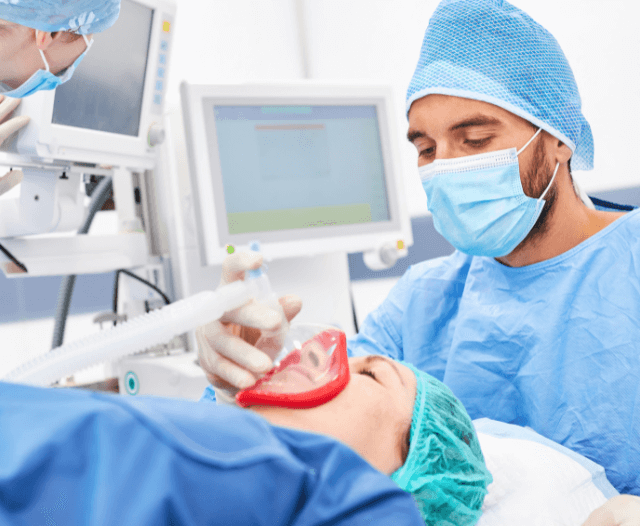
  2. Anesthesia: Most gastroscopies involve the use of sedation or anesthesia to ensure patient comfort. While the procedure itself is not painful, the sedation helps prevent discomfort or anxiety. 
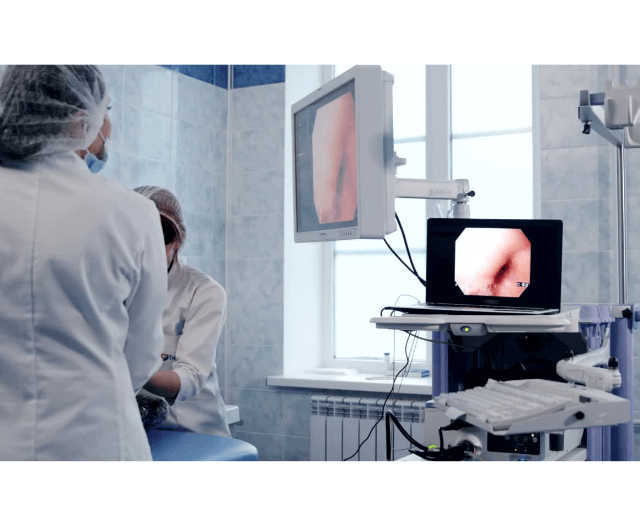
  3. Procedure: The endoscope is inserted through the mouth and gently guided through the esophagus and into the stomach and duodenum. The camera at the endoscope’s tip captures images that are displayed on a monitor, allowing healthcare professionals to examine the digestive tract in real time. 
  4. Biopsies and Interventions: If necessary, biopsies can be taken during the procedure. These samples are then sent to a laboratory for analysis. Additionally, certain interventions can be performed to address any identified issues. 
  5. Recovery: After the procedure, patients are monitored until the effects of the sedation wear off. It’s advisable to have someone accompany you to the procedure, as the sedation might temporarily impair coordination and judgment.
gastrocopy_digestive_health


Empowering Digestive Health Through Knowledge


In the realm of health, knowledge is power.

Gastroscopy exemplifies this principle by providing healthcare providers with the tools they need to accurately diagnose and address a wide array of gastrointestinal issues.

Whether it’s confirming a suspected condition, investigating mysterious symptoms, or simply ensuring the digestive system’s well-being, gastroscopy stands as a reliable ally in the quest for optimal health.

For individuals experiencing persistent digestive discomfort, unexplained symptoms, or those at risk of gastrointestinal issues, consulting with a healthcare professional about the potential benefits of gastroscopy is a proactive step.

The “digestive detective” can unveil answers, provide clarity, and pave the way for effective treatments – ultimately contributing to a healthier and more comfortable life journey.


Gastroscopy Pros and Cons: Weighing the Benefits and Considerations


Gastroscopy, also known as upper gastrointestinal endoscopy, is a valuable medical procedure that provides direct visualization of the upper digestive tract.

Like any medical procedure, it comes with its own set of advantages and considerations.

In this article, we’ll explore the pros and cons of gastroscopy to help you make an informed decision if you’re considering this procedure.


Pros of Gastroscopy:

  • Accurate Diagnosis: Gastroscopy allows healthcare professionals to directly view the esophagus, stomach, and duodenum. This real-time imaging aids in accurate diagnosis of various gastrointestinal conditions, including ulcers, inflammation, tumors, and more.
  • Early Detection: Gastroscopy plays a vital role in the early detection of gastrointestinal cancers, such as stomach cancer. Detecting these conditions at an early stage significantly improves treatment outcomes.
  • Guided Biopsies: If abnormalities are detected, biopsies can be taken during the procedure. These samples help confirm diagnoses and guide treatment strategies, ensuring that appropriate interventions are undertaken.
  • Minimally Invasive: Gastroscopy is a minimally invasive procedure that avoids the need for surgical incisions. The endoscope is inserted through the mouth, eliminating the need for external cuts.
  • Quick Procedure: The procedure is usually quick, typically lasting between 15 to 30 minutes. This means minimal disruption to your day and relatively shorter recovery time.
  • Same-Day Recovery: In most cases, patients can go home on the same day after the effects of sedation wear off. Recovery time is relatively short, and most individuals can resume their normal activities within a day or two.
  • Therapeutic Interventions: Gastroscopy not only diagnoses but can also treat certain conditions.During the procedure, polyps can be removed, bleeding can be controlled, and narrow areas of the digestive tract can be dilated.

Cons of Gastroscopy:

  • Discomfort and Sedation: While discomfort during the procedure is minimal, some individuals may experience a gagging sensation as the endoscope is inserted. Sedation or anesthesia is used to mitigate this discomfort, but there might be risks associated with sedation.
  • Risks of Complications: Like any medical procedure, there are risks of complications. These can include bleeding, infection, perforation (a rare occurrence), or adverse reactions to sedation.
  • Preparation and Fasting: Patients typically need to fast before the procedure to ensure a clear view of the digestive tract. Fasting can be inconvenient and uncomfortable for some individuals.
  • Post-Procedure Effects: After the procedure, you might experience temporary effects of
    sedation, such as drowsiness, impaired coordination, and mild discomfort in the throat.
  • Cost: Depending on your location and healthcare system, the cost of a gastroscopy can vary. It’s important to check with your healthcare provider and insurance to understand the financial aspects.
  • Invasive Nature: While considered minimally invasive, the procedure still involves inserting a foreign object into the body. Some individuals might find this invasive nature unsettling.


Conclusion: Making an Informed Decision


Like any medical procedure, it’s important to weigh the pros and cons of gastroscopy based on your individual health situation and needs.

If you’re experiencing persistent gastrointestinal symptoms, have a family history of gastrointestinal issues, or need further investigation into your digestive health, consulting with a healthcare professional is crucial.

They can provide tailored advice, address your concerns, and guide you toward the best decision for your health and well-being.
gastroscopy_infographic


Get In Touch with the Expert


If you would like to book an appointment with a gastrointestinal (GI) specialist or would simply like more information on a particular GI topic, don’t hesitate to use our online booking form
or call Dr. Deetlefs at 021 551 867.


DISCLAIMER: PLEASE READ CAREFULLY

The information on this website is to provide general guidance. In no way does any of the information provided reflect definitive medical advice and self-diagnoses should not be made based on information obtained online. It is important to consult a Gastroenterologist or medical doctor regarding ANY and ALL symptoms or signs including, but not limited to: abdominal pain, haemorrhoids or anal / rectal bleeding as it may a sign of a serious illness or condition. A thorough consultation and examination should ALWAYS be performed for an accurate diagnosis and treatment plan. Be sure to call a physician or call our office today and schedule a consultation.

GIDoc Cape Town

Patient-focused GI treatments and procedures in Cape Town.

Monday-Friday 8AM-4PM.

Connect with Us

© Dr. Eduan Deetlefs, Registered Gastroenterologist, GI Doc Cape Town

Our website information is not intended or implied to be a substitute for professional medical advice, diagnosis or treatment. Please consult a doctor about your specific condition. Only a trained physician can determine an accurate diagnosis and proper treatment.

Polypectomy Procedure: A Comprehensive Guide to Understanding its Vital Role

Polypectomy Procedure: A Comprehensive Guide to Understanding its Vital Role


Introduction


The journey to better health often involves a multitude of medical procedures, each designed to target specific conditions and ensure our well-being.

Among these procedures, the polypectomy stands out as a vital intervention in the realm of gastroenterology.

This comprehensive guide will delve into the intricacies of the polypectomy procedure, shedding light on its significance, the step-by-step process, and why it plays an essential role in preventing serious health complications.


Grasping the Concept of Polyps


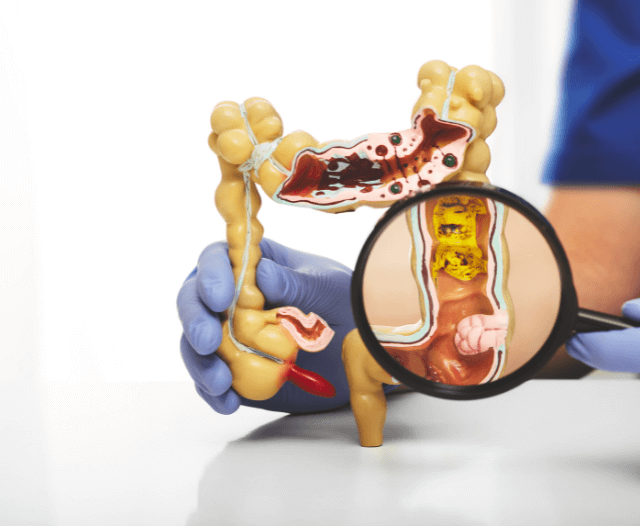
Polyps are abnormal growths of tissue that can occur in various parts of the body, including the gastrointestinal tract.

Within the gastrointestinal tract, different types of polyps can develop, each with its own characteristics, potential risks, and implications.

Within the gastrointestinal tract, especially the colon, these growths can harbor the risk of developing into colorectal cancer.

Understanding their origin, development, and potential danger forms the foundation for appreciating the importance of polypectomy.

Here are some of the different types of polyps found in the gastrointestinal tract:

Adenomatous Polyps:

  • Adenomatous polyps, also known as adenomas, are one of the most common types of polyps found in the colon and rectum.
  • These polyps are considered precancerous because they have the potential to develop into colorectal cancer if left untreated.
  • Adenomatous polyps can vary in size, shape, and appearance, and their removal is often recommended to prevent cancer.

Hyperplastic Polyps:

  • Hyperplastic polyps are typically small and non-cancerous growths found in the colon.
  • These polyps are generally considered to have a low risk of developing into cancer. However, some types of hyperplastic polyps known as “serrated polyps” may have a slightly higher potential for progression.

Sessile Serrated Adenomas (SSAs):

  • SSAs are a specific subtype of polyps that are known to have a higher risk of developing into cancer compared to other types of hyperplastic polyps.
  • They are often flat and can be more difficult to detect during routine screenings.

Inflammatory Polyps:

  • Inflammatory polyps can occur in individuals with conditions like inflammatory bowel disease (IBD), such as Crohn’s disease or ulcerative colitis.
  • These polyps are usually related to inflammation and may not carry the same risk of cancer as adenomatous polyps.

Juvenile Polyps:

  • Juvenile polyps are rare and usually found in children and adolescents.
  • While they are typically benign, they can cause bleeding and other symptoms and may need to be removed if they cause problems.

Familial Adenomatous Polyposis (FAP):

  • FAP is a genetic condition characterized by the development of numerous adenomatous polyps in the colon and rectum.
  • People with FAP have a significantly increased risk of developing colorectal cancer, and preventive measures, including frequent screenings and sometimes surgery, are often recommended.

It’s important to note that the detection and removal of certain types of polyps, especially adenomatous polyps, play a significant role in preventing colorectal cancer.

Regular screenings, such as colonoscopies, can help identify and remove these polyps early, reducing the risk of cancer development.

Healthcare professionals, such as gastroenterologists, play a crucial role in identifying the type of polyps present and determining the appropriate course of action for each individual.

polyps_in_colon


Symptoms of Polyps


Polyps in the gastrointestinal tract often do not cause noticeable symptoms in their early stages.

However, as they grow larger or become more advanced, certain symptoms may arise.

It’s important to note that these symptoms can also be indicative of other gastrointestinal conditions, so it’s essential to consult a healthcare professional for accurate diagnosis.

Here are some potential symptoms that might indicate the presence of polyps:

  • Rectal Bleeding: Blood in the stool, on toilet paper, or in the toilet bowl after bowel movements can be a sign of polyps. This is particularly concerning if the bleeding is persistent or recurrent. 
  • Changes in Bowel Habits: Polyps can sometimes cause changes in bowel habits, such as alternating between constipation and diarrhea or experiencing a change in stool size or shape. 
  • Abdominal Pain or Discomfort: Larger polyps or those located in certain areas of the gastrointestinal tract might lead to abdominal pain, cramping, or discomfort. 
  • Anemia: Chronic or recurrent bleeding from polyps can result in anemia, which is characterized by fatigue, weakness, and paleness due to low levels of red blood cells. 
  • Unexplained Weight Loss: Rapid and unexplained weight loss, especially when accompanied by other symptoms, might be a sign of an underlying issue like polyps. 
  • Feeling of Incomplete Emptying: Some individuals with larger polyps might feel as though their bowel hasn’t completely emptied after a bowel movement. 
  • Visible Polyps: In some cases, polyps might be visible at the anus or rectum, especially if they are near the opening. This is more likely to occur with larger or lower rectal polyps. 
  • Changes in Bowel Movements: Polyps can cause changes in the regularity of bowel movements or cause discomfort during bowel movements.

It’s important to emphasize that these symptoms can also indicate other gastrointestinal issues, and many people with polyps do not experience any symptoms at all.

Regular screenings, such as colonoscopies, are crucial for early detection and removal of polyps, especially in cases where symptoms are absent or not specific.

If you notice any of these symptoms or have concerns about your gastrointestinal health, it’s advisable to consult a healthcare professional for a proper evaluation and diagnosis.


symptoms_of_polyps


Importance of Polypectomy


The significance of polypectomy transcends beyond the removal of growths; it’s about taking proactive control of health.

A polypectomy, a minimally invasive procedure, emerges as a beacon of hope in the realm of gastrointestinal health.

With a focus on early intervention, a polypectomy involves the careful removal of these precancerous growths.

Detecting and removing precancerous polyps early can significantly reduce the risk of colorectal cancer.

This procedure is not only a tool for prevention but also a strategy for maintaining a high quality of life.


A Closer Look at the Polypectomy Procedure


Delving into the core of the matter, let’s explore the step-by-step journey of a polypectomy.

The process involves thorough preparation, including dietary adjustments and sometimes bowel cleansing.

During the procedure, an endoscope is used to navigate the gastrointestinal tract.
Once the polyp is identified, it is skillfully removed, and any resulting bleeding is managed.
The procedure is swift, minimally invasive, and often associated with minimal discomfort.

polypectomy_procedure


Navigating Risks and Rewards


Polypectomy, while generally considered safe and effective, carries certain risks and potential complications like any medical procedure.

It’s important to note that the risks can vary depending on factors such as the type of polyp, its location, the patient’s overall health, and the techniques used during the procedure.

Here are some of the possible risks associated with polypectomy:

  • Bleeding
  • Perforation
  • Infection
  • Post-Polypectomy Syndrome
  • Adverse Reaction to Anesthesia
  • Scar Tissue Formation
  • Incomplete Removal
  • Delayed Bleeding
  • Allergic Reaction

In contrast, the rewards are substantial.

A polypectomy serves as a preventive measure, shielding patients from the physical and emotional burden of cancer treatment and its aftermath.

Looking Ahead and Conclusion


The world of medicine is ever evolving, and the polypectomy procedure continues to advance. Researchers strive to refine techniques and enhance patient outcomes.

As we conclude this journey through the realm of polypectomy, it’s evident that this procedure is a beacon of hope, embodying the essence of prevention and early intervention.

The polypectomy procedure is more than a medical intervention; it’s a shield against the shadows of potential health threats.

Its importance lies in its ability to intercept the path to cancer and offer patients the promise of a healthier future.

By understanding the procedure and embracing its significance, individuals empower themselves to take control of their well-being and journey towards a life free from the specter of colorectal cancer.

polypectomy_infographic


Get In Touch


If you would like to book an appointment with a gastrointestinal (GI) specialist or would simply like more information on a particular GI topic, don’t hesitate to use our online booking form
or call Dr. Deetlefs at 021 551 867.

DISCLAIMER: PLEASE READ CAREFULLY

The information on this website is to provide general guidance. In no way does any of the information provided reflect definitive medical advice and self-diagnoses should not be made based on information obtained online. It is important to consult a Gastroenterologist or medical doctor regarding ANY and ALL symptoms or signs including, but not limited to: abdominal pain, haemorrhoids or anal / rectal bleeding as it may a sign of a serious illness or condition. A thorough consultation and examination should ALWAYS be performed for an accurate diagnosis and treatment plan. Be sure to call a physician or call our office today and schedule a consultation.

GIDoc Cape Town

Patient-focused GI treatments and procedures in Cape Town.

Monday-Friday 8AM-4PM.

Connect with Us

© Dr. Eduan Deetlefs, Registered Gastroenterologist, GI Doc Cape Town

Our website information is not intended or implied to be a substitute for professional medical advice, diagnosis or treatment. Please consult a doctor about your specific condition. Only a trained physician can determine an accurate diagnosis and proper treatment.

Unraveling the Liver’s Vital Role in Digestive Health: A Gastroenterologist’s Perspective

Unraveling the Liver’s Vital Role in Digestive Health: A Gastroenterologist’s Perspective


Introduction:


The liver is a remarkable organ with an essential role in maintaining overall digestive health.

As gastroenterologists, we understand the critical functions of the liver and its significant impact on the digestive system.

In this blog article, we will delve into the liver’s crucial roles, common liver-related conditions, and the importance of liver health in ensuring a well-functioning digestive system.


The Mighty Liver: Understanding Its Functions


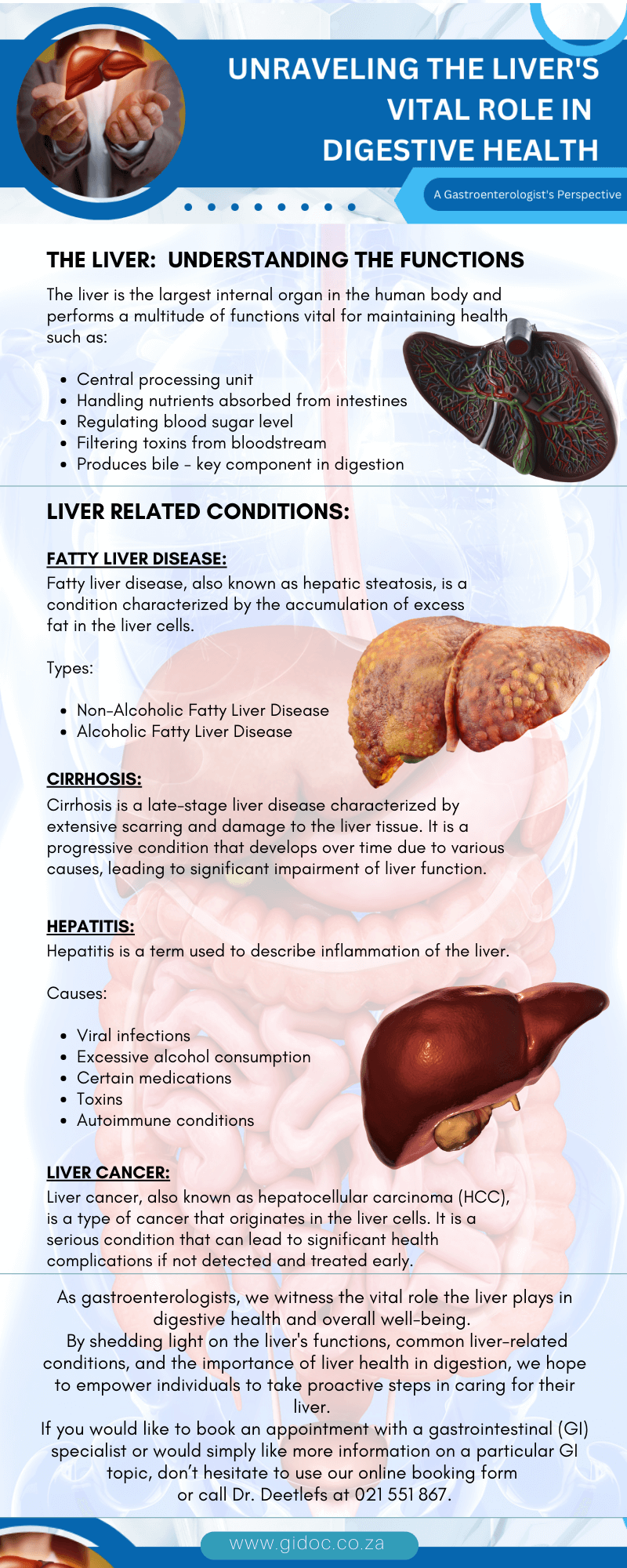
The liver is the largest internal organ in the human body and performs a multitude of functions vital for maintaining health.

It acts as a central processing unit, handling nutrients absorbed from the intestines, regulating blood sugar levels, and filtering toxins from the bloodstream.

The liver also produces bile, a key component in the digestion and absorption of dietary fats.

Understanding these functions helps highlight the liver’s pivotal role in supporting overall digestive processes.

liver_disease_diagnosis

Liver-Related Conditions: Prevalence and Impact


Various liver-related conditions can affect individuals, ranging from mild to severe.

Gastroenterologists commonly encounter patients with conditions such as fatty liver disease, hepatitis, cirrhosis, and liver cancer.

We will explore the prevalence of these conditions, their risk factors, and the potential consequences on digestive health.

Raising awareness of liver-related ailments is crucial for early detection, intervention, and successful management.

Fatty Liver Disease Explained:

Fatty liver disease, also known as hepatic steatosis, is a condition characterized by the accumulation of excess fat in the liver cells.

This buildup of fat can interfere with the liver’s normal function and lead to various health complications.

Fatty liver disease is becoming increasingly prevalent worldwide, and understanding its causes, types, symptoms, and potential consequences is essential for early detection and management.

Fatty liver disease can have both alcoholic and non-alcoholic causes:

  1. a) Non-Alcoholic Fatty Liver Disease (NAFLD):
    NAFLD is the most common type of fatty liver disease and is not related to alcohol consumption. It is often associated with obesity, insulin resistance, and metabolic syndrome. Lifestyle factors such as a high-fat diet, sedentary lifestyle, and rapid weight loss can also contribute to NAFLD.
  2. b) Alcoholic Fatty Liver Disease (AFLD):
    AFLD is caused by excessive alcohol consumption, which can lead to the accumulation of fat in the liver. The risk of AFLD is higher in individuals who consume alcohol regularly and in large quantities.


    Cirrhosis Explained:

    Cirrhosis is a late-stage liver disease characterized by extensive scarring and damage to the liver tissue. It is a progressive condition that develops over time due to various causes, leading to significant impairment of liver function. Understanding cirrhosis, its causes, symptoms, and potential complications is crucial for early detection and appropriate management.

    Hepatitis Explained:

    Hepatitis is a term used to describe inflammation of the liver. It can be caused by various factors, including viral infections, excessive alcohol consumption, certain medications, toxins, and autoimmune conditions. Understanding the different types of viral hepatitis, their symptoms, modes of transmission, and available treatments is essential for prevention, early detection, and effective management.

    Liver Cancer Explained:

    Liver cancer, also known as hepatocellular carcinoma (HCC), is a type of cancer that originates in the liver cells. It is a serious condition that can lead to significant health complications if not detected and treated early.

    Understanding the risk factors, symptoms, diagnostic methods, and available treatments for liver cancer is essential for early detection and effective management.

fatty_liver_disease


Nurturing Your Liver: Lifestyle and Dietary Factors


Promoting liver health is paramount to ensuring a well-functioning digestive system.

Gastroenterologists emphasize the significance of a liver-friendly lifestyle, including maintaining a balanced diet, staying hydrated, and engaging in regular physical activity.

We will explore dietary recommendations that support liver health, including foods rich in antioxidants, anti-inflammatory properties, and essential nutrients.

Dietary Recommendations That Support Liver Health


Maintaining a healthy diet is essential for supporting liver health and preventing liver diseases.
A well-balanced diet can help reduce the risk of liver damage and support the liver’s vital functions.

Here are some dietary recommendations that can promote liver health:

  1. Limit Alcohol Consumption:  Excessive alcohol intake is a significant risk factor for liver diseases, including fatty liver, cirrhosis, and liver cancer. If you drink alcohol, do so in moderation. For most adults, this means up to one drink per day for women and up to two drinks per day for men.
  2. Eat a Balanced Diet: Consume a diet rich in fruits, vegetables, whole grains, lean proteins, and healthy fats. A balanced diet provides essential nutrients that support liver function and overall health.
  3. Choose Healthy Fats: Include healthy fats in your diet, such as those found in avocados, nuts, seeds, and olive oil. Limit saturated fats and avoid trans fats, as they can contribute to liver inflammation and damage.
  4. Increase Fiber Intake: Fiber-rich foods, such as whole grains, fruits, vegetables, and legumes, support digestive health and help regulate blood sugar levels, which is beneficial for liver health.
  5. Watch Sugar Intake: High sugar consumption can lead to fatty liver disease. Limit added sugars in your diet, such as those found in sugary beverages, sweets, and processed foods.
  6. Consume Lean Proteins: Include lean protein sources in your diet, such as poultry, fish, tofu, beans, and lentils. Protein is essential for liver repair and regeneration.
  7. Stay Hydrated: Drinking an adequate amount of water helps flush toxins from the body and supports liver function. Aim to drink plenty of water throughout the day.
  8. Limit Sodium Intake: Excess sodium can lead to fluid retention and worsen liver conditions. Limit sodium intake by reducing the consumption of processed and salty foods.
  9. Be Cautious with Supplements: Avoid excessive intake of dietary supplements, as some can be harmful to the liver in high doses. If you take supplements, do so under the guidance of a healthcare professional.
  10. Moderate Caffeine Intake: Moderate caffeine consumption from sources like coffee and tea may have protective effects on the liver. However, excessive caffeine intake should be avoided.
  11. Maintain a Healthy Weight: Obesity and excess body weight are risk factors for fatty liver disease. Aim to maintain a healthy weight through a balanced diet and regular physical activity.
  12. Be Mindful of Food Safety: Practice proper food safety measures to prevent foodborne illnesses, which can be harmful to the liver.

It is important to note that individual dietary needs may vary based on specific health conditions, medications, and medical history.

For personalized dietary recommendations and guidance, consult with a registered dietitian or healthcare professional with expertise in liver health.

By adopting a healthy lifestyle and making mindful dietary choices, you can promote liver health and overall well-being.

the_liver's_vital_role_in_digestive_health_infograph


Conclusion


As gastroenterologists, we witness the vital role the liver plays in digestive health and overall well-being.

By shedding light on the liver’s functions, common liver-related conditions, and the importance of liver health in digestion, we hope to empower individuals to take proactive steps in caring for their liver.

Regular medical check-ups, a liver-friendly lifestyle, and seeking timely medical attention when needed are crucial for maintaining a healthy liver and supporting a well-functioning digestive system. Remember, a healthy liver lays the foundation for a healthier, happier life.

Dr. Deetlefs has earned the reputation of a trusted health expert providing consultative, diagnostic, and therapeutic endoscopic and related services to patients in Cape Town and beyond.

Dr Eduan prides himself on his ability to help his patients to the best of his ability by embracing good listening skills, effective communication, compassion and knowledge and skill honed during years of private gastroenterology practice.

If you would like to book an appointment with a gastrointestinal (GI) specialist or would simply like more information on a particular GI topic, don’t hesitate to use our online booking form
or call Dr. Deetlefs at 021 551 867.

DISCLAIMER: PLEASE READ CAREFULLY

The information on this website is to provide general guidance. In no way does any of the information provided reflect definitive medical advice and self-diagnoses should not be made based on information obtained online. It is important to consult a Gastroenterologist or medical doctor regarding ANY and ALL symptoms or signs including, but not limited to: abdominal pain, haemorrhoids or anal / rectal bleeding as it may a sign of a serious illness or condition. A thorough consultation and examination should ALWAYS be performed for an accurate diagnosis and treatment plan. Be sure to call a physician or call our office today and schedule a consultation.

GIDoc Cape Town

Patient-focused GI treatments and procedures in Cape Town.

Monday-Friday 8AM-4PM.

Connect with Us

© Dr. Eduan Deetlefs, Registered Gastroenterologist, GI Doc Cape Town

Our website information is not intended or implied to be a substitute for professional medical advice, diagnosis or treatment. Please consult a doctor about your specific condition. Only a trained physician can determine an accurate diagnosis and proper treatment.
Exploring the Benefits and Applications of Endoscopic Mucosal Resection (EMR)

Exploring the Benefits and Applications of Endoscopic Mucosal Resection (EMR)


EMR Explained

Endoscopic Mucosal Resection (EMR) is a minimally invasive procedure used to remove abnormal or precancerous growths, known as lesions, from the digestive tract. 

It is commonly performed in the gastrointestinal (GI) tract, including the esophagus, stomach, and colon. 

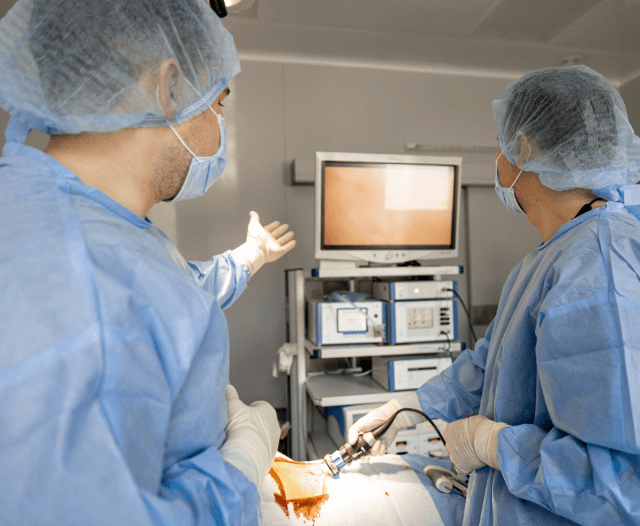
During an EMR, an endoscope, a flexible tube with a camera and specialized tools, is inserted through the mouth or anus and carefully advanced to the area of concern. 

The endoscope allows the doctor to visualize the lesion and perform the resection. 

EMR is typically performed under sedation to ensure patient comfort. It offers several advantages, including minimal incisions, faster recovery time, and reduced risk of complications compared to traditional surgical methods. 

EMR is commonly used to remove early-stage cancers, precancerous polyps, or other abnormal growths in the digestive tract. It also allows doctors to obtain tissue samples for further analysis and staging. 

After the procedure, patients may experience mild discomfort or temporary side effects such as bloating or a sore throat. 

Most individuals can resume their normal activities within a few days. 


Benefits

Raising awareness about Endoscopic Mucosal Resection (EMR) and its potential benefits is crucial for several reasons:

Early Detection and Treatment:
By increasing awareness about EMR, individuals and healthcare providers can recognize the importance of early detection and treatment of gastrointestinal abnormalities. 

EMR allows for the removal of precancerous lesions and early-stage cancers, which can greatly improve patient outcomes and increase the chances of a complete cure.

Minimally Invasive Alternative:
EMR offers a less invasive alternative to traditional surgical methods for the removal of abnormal growths in the digestive tract. 

By highlighting the potential benefits of EMR, individuals may feel more comfortable and informed when considering treatment options, ultimately leading to better-informed decisions. 

Reduced Risk and Faster Recovery:
EMR is associated with a reduced risk of complications compared to traditional surgery. By raising awareness about EMR, patients can understand that this minimally invasive procedure often results in shorter hospital stays, faster recovery times, and less post-operative discomfort. 

By raising awareness about EMR, the importance of regular screenings and early intervention can be emphasized, leading to better public health outcomes.

Overall, raising awareness about EMR and its potential benefits is essential to promote early detection, informed decision-making, and improved patient outcomes. 

endoscopic_mucosal_resection_benefits


Applications of EMR

Endoscopic Mucosal Resection (EMR) can be performed in various areas of the gastrointestinal (GI) tract, depending on the location of the abnormal or precancerous growths. 

Here is a discussion of the different GI areas where EMR can be performed:

  1. Esophagus: EMR can be utilized in the esophagus to remove abnormal growths, such as early-stage esophageal cancer or precancerous lesions called Barrett’s esophagus. It allows for the targeted removal of these lesions while preserving the healthy surrounding tissue.
  2. Stomach: In the stomach, EMR can be employed to remove early-stage gastric cancers or precancerous gastric polyps. It enables the gastroenterologist to precisely resect the abnormal tissue, minimizing the risk of leaving any cancerous cells behind.
  3. Colon: EMR is commonly performed in the colon to remove polyps or abnormal growths. Colon polyps, including adenomas, are considered precursors to colorectal cancer. EMR can effectively remove these polyps during the procedure, reducing the risk of progression to cancer.
  4. Rectum: EMR can be used in the rectum to remove abnormal growths, such as rectal polyps or early-stage rectal cancer. It allows for targeted removal while preserving the functionality of the rectum.

The decision to perform EMR in a particular area is typically based on a thorough evaluation by a gastroenterologist or an endoscopist, considering factors such as the patient’s medical history, overall health, and individual circumstances.


Procedure Explained

Preparing for Endoscopic Mucosal Resection (EMR) involves a few important steps to ensure the procedure goes smoothly and safely.

Here are some common preparations:  

  • Preparation: Before the procedure, the patient is given instructions on how to prepare, which may include dietary restrictions and bowel preparation to ensure the colon or digestive tract is clear.
  • Anesthesia and Sedation: EMR is usually performed under conscious sedation or general anesthesia, depending on the specific case and patient’s needs. This helps ensure patient comfort during the procedure.
  • Insertion of the Endoscope: The gastroenterologist inserts a flexible tube called an endoscope through the mouth or anus, depending on the location being treated. The endoscope has a light and camera on its tip, allowing the doctor to visualize the area of interest.
  • Inspection and Marking: The doctor carefully move the endoscope along the digestive tract, inspecting the lining for any abnormal or suspicious areas. If a lesion is identified, it is marked using various methods, such as tattooing or injection of a dye, to ensure accurate targeting during the resection.
  • Injection and Lift: In some cases, a saline solution or specialized fluid may be injected underneath the lesion. This lifts the lesion from the surrounding tissue, making it easier to remove during the resection.
  • Resection: The gastroenterologist utilizes specialized tools, such as a snare or a cap-assisted device, to remove the lesion. With snare resection, a looped wire snare is placed around the base of the lesion, tightened, and then cut to remove the lesion. With cap-assisted resection, a cap is used to create suction and lift the lesion, allowing for its removal.
  • Hemostasis and Pathology: After the resection, the doctor ensures hemostasis, meaning any bleeding is stopped or controlled. Tissue samples or biopsies may also be taken for further analysis by a pathologist to determine the nature of the lesion and provide a diagnosis.
  • Recovery and Post-Procedure Care: Once the procedure is complete, the patient is taken to a recovery area to gradually awaken from sedation. Post-procedure care instructions are provided, including any dietary restrictions, medication guidelines, and potential side effects to watch for.

It’s important to note that the specific steps may vary depending on the location and complexity of the lesion being treated, as well as the equipment and techniques used by the gastroenterologist. 

The procedure is typically performed by experienced healthcare professionals specialized in endoscopy and gastroenterology.

emr_preparation


Preparation

Preparing for Endoscopic Mucosal Resection (EMR) involves a few important steps to ensure the procedure goes smoothly and safely.

Here are some common preparations:

  1. Consultation and Medical History: You will have an initial consultation with your gastroenterologist to discuss the procedure and your medical history. Be prepared to provide information about any allergies, medications you are currently taking, and any previous surgeries or medical conditions.
  2. Dietary Restrictions: Your doctor will provide specific instructions regarding dietary restrictions prior to the procedure. This typically includes avoiding solid foods for a certain period of time before the procedure and consuming only clear liquids such as water, broth, and juices.
  3. Bowel Preparation: To ensure a clear view of the digestive tract, you may be required to undergo bowel preparation. This involves taking laxatives or a special solution to help cleanse the colon and remove any stool. Your doctor will provide detailed instructions on how to properly prepare, including the timing and dosage of the preparation.
  4. Medication Adjustments: Inform your doctor about any medications you are currently taking, including prescription medications, over-the-counter drugs, and supplements. Some medications may need to be temporarily discontinued or adjusted prior to the procedure, especially blood-thinning medications or those that can interfere with the procedure.
  5. Fasting: You will be instructed to fast for a certain period of time before the procedure. This typically means no food or drink for several hours beforehand to ensure an empty stomach and reduce the risk of complications during sedation.
  6. Transportation: Due to the use of sedation during the procedure, it is important to arrange for someone to accompany you and drive you home afterward. Sedation can impair your judgment and reflexes, making it unsafe to drive or operate machinery.
  7. Clarify Doubts: If you have any questions or concerns about the procedure or the preparation process, make sure to address them with your healthcare provider before the scheduled date.

It is essential to follow the specific instructions provided by your doctor regarding preparation for EMR. Proper preparation helps to ensure the best possible outcome of the procedure and reduces the risk of complications.

benefits_of_endoscopic_mucosal_resection_emr


Contact Dr. Deetlefs

Dr Eduan prides himself on his ability to help his patients to the best of his ability by embracing good listening skills, effective communication, compassion, and knowledge, and skill honed during years of private gastroenterology practice.

If you would like to book an appointment with a gastrointestinal (GI) specialist or would simply like more information on a particular GI topic, don’t hesitate to use our online booking form or call Dr. Deetlefs at 021 551 867.  

DISCLAIMER: PLEASE READ CAREFULLY

The information on this website is to provide general guidance. In no way does any of the information provided reflect definitive medical advice and self-diagnoses should not be made based on information obtained online. It is important to consult a Gastroenterologist or medical doctor regarding ANY and ALL symptoms or signs including, but not limited to: abdominal pain, haemorrhoids or anal / rectal bleeding as it may a sign of a serious illness or condition. A thorough consultation and examination should ALWAYS be performed for an accurate diagnosis and treatment plan. Be sure to call a physician or call our office today and schedule a consultation.

GIDoc Cape Town

Patient-focused GI treatments and procedures in Cape Town.

Monday-Friday 8AM-4PM.

Connect with Us

© Dr. Eduan Deetlefs, Registered Gastroenterologist, GI Doc Cape Town

Our website information is not intended or implied to be a substitute for professional medical advice, diagnosis or treatment. Please consult a doctor about your specific condition. Only a trained physician can determine an accurate diagnosis and proper treatment.

IBS 101: Symptoms, Causes, and Treatments

IBS 101: Symptoms, Causes, and Treatments

Introduction

Irritable Bowel Syndrome (IBS) affects millions of people worldwide, causing significant discomfort and disruption to their daily lives.

This comprehensive guide aims to provide an in-depth understanding of IBS, including its symptoms, causes, and available treatment options.

By shedding light on this common gastrointestinal disorder, we hope to empower individuals to better manage their condition and seek appropriate medical care.

Definition and Prevalence:

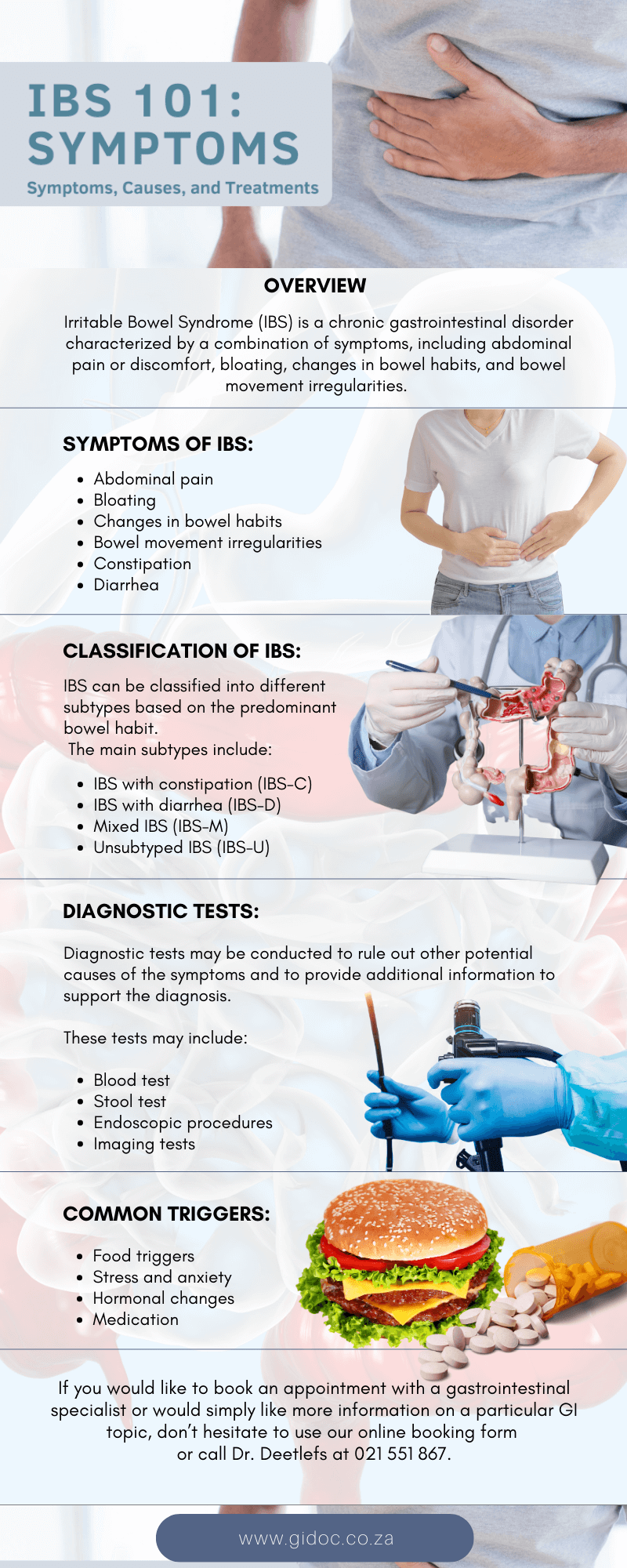
Irritable Bowel Syndrome (IBS) is a chronic gastrointestinal disorder characterized by a combination of symptoms, including abdominal pain or discomfort, bloating, changes in bowel habits, and bowel movement irregularities.

It is considered a functional disorder, meaning there are no structural abnormalities in the digestive system that can explain the symptoms.

Instead, IBS is believed to result from a dysregulation of the gut-brain axis, where the communication between the brain and the gut becomes disrupted.

IBS is a prevalent condition worldwide. Estimates suggest that around 10-15% of the global population is affected by IBS, making it one of the most common gastrointestinal disorders.

It can occur at any age, but it is most commonly diagnosed in individuals under the age of 50.
Women are more frequently affected than men, with a female-to-male ratio of approximately 2:1.

irritable_bowel_syndrome_symptoms


Classification of IBS Subtypes:

IBS can be classified into different subtypes based on the predominant bowel habit. These subtypes help to categorize the varying symptoms experienced by individuals with IBS.

The main subtypes include:

IBS with constipation (IBS-C):
Individuals with IBS-C experience infrequent and hard bowel movements. They may also have a feeling of incomplete evacuation after passing stool.

IBS with diarrhea (IBS-D):
Individuals with IBS-D experience frequent and loose bowel movements. They may have an urgent need to use the restroom and may also experience episodes of fecal incontinence.

Mixed IBS (IBS-M):
This subtype is characterized by alternating episodes of constipation and diarrhea. Individuals with IBS-M may experience varying bowel habits over time.

Unsubtyped IBS (IBS-U):
When the predominant bowel habit cannot be clearly identified, it is classified as IBS-U. In this subtype, individuals may have a combination of symptoms without a clear pattern.

Diagnostic Tests:

Diagnostic tests may be conducted to rule out other potential causes of the symptoms and to provide additional information to support the diagnosis. These tests may include:

Blood tests: These tests can help assess for signs of inflammation, anemia, or other underlying conditions.

Stool tests: Stool samples may be analyzed to rule out infections, parasites, or signs of gastrointestinal bleeding.

Endoscopic procedures: In some cases, an endoscopy or colonoscopy may be performed to visualize the gastrointestinal tract and rule out structural abnormalities or other conditions.

Imaging studies: Imaging tests, such as abdominal ultrasound or CT scan, may be ordered to evaluate the digestive organs and identify any abnormalities.

Common Triggers and Exacerbating Factors

While the exact cause of IBS is not fully understood, there are several triggers and exacerbating factors that can contribute to symptom flare-ups. These factors can vary from person to person, but some common triggers include:

Food triggers:
Certain foods and beverages can trigger IBS symptoms. Common triggers include spicy foods, fatty foods, caffeine, alcohol, and artificial sweeteners. It is important for individuals with IBS to identify their specific trigger foods through a process of elimination and personal observation.

Stress and anxiety:
Emotional factors, such as stress, anxiety, and depression, can significantly impact IBS symptoms. Stress can worsen gastrointestinal motility and sensitivity, leading to increased symptom severity.

Hormonal changes:
Hormonal fluctuations, particularly in women during their menstrual cycle, can influence IBS symptoms. Many women with IBS report changes in symptom severity during certain phases of their menstrual cycle.

Medications:
Certain medications, such as antibiotics, nonsteroidal anti-inflammatory drugs (NSAIDs), and some antidepressants, may worsen IBS symptoms.

ibs_triggers_medication

Risk Factors and Demographics:

While IBS can affect anyone, several risk factors and demographics have been associated with an increased likelihood of developing the condition.

These include:

Age:
IBS can occur at any age, but it is commonly diagnosed in individuals under the age of 50. Symptoms often begin during adolescence or early adulthood.

Gender:
Women are more commonly affected by IBS than men. The reasons for this gender disparity are not entirely clear, but hormonal factors and differences in pain perception between genders may play a role.

Family history:
There is evidence to suggest that IBS may have a genetic component. Individuals with a family history of IBS are at a higher risk of developing the condition themselves.

Psychological factors:
Psychological conditions, such as anxiety and depression, are more common in individuals with IBS. Stressful life events, trauma, and a history of abuse may also increase the risk of developing IBS.

Understanding the symptoms, triggers, and risk factors associated with IBS is crucial in managing the condition effectively.

It is important for individuals with IBS to work closely with healthcare professionals to develop an individualized treatment plan that addresses their specific needs and triggers. By identifying and managing these factors, individuals can minimize symptom flare-ups and improve their overall quality of life.

treatment_for_ibs

Lifestyle Changes for IBS

Lifestyle modifications

  • Dietary changes
  • Stress management techniques
  • Regular exercise
  • Sleep hygiene B. Medications
  • Antispasmodics
  • Antidiarrheal agents
  • Laxatives
  • Probiotics
  • Low-dose tricyclic antidepressants C. Psychological therapies
  • Cognitive-behavioural therapy (CBT)
  • Gut-directed hypnotherapy D. Complementary and alternative therapies
  • Herbal remedies
  • Acupuncture

Treatment options for IBS aim to alleviate symptoms, improve quality of life, and help individuals manage their condition effectively.

Treatment of IBS:

Lifestyle Modifications:

  1. Dietary Changes: Modifying the diet can be beneficial for many individuals with IBS. This may involve identifying and avoiding trigger foods, such as those high in fat, caffeine, or artificial sweeteners. Some individuals find relief by following specific diets, such as a low FODMAP (fermentable oligosaccharides, disaccharides, monosaccharides, and polyols) diet, which restricts certain carbohydrates that may worsen symptoms. Consulting a registered dietitian can provide personalized guidance.
  2. Stress Management Techniques: Stress and anxiety can exacerbate IBS symptoms. Engaging in stress management techniques, such as deep breathing exercises, meditation, yoga, or mindfulness practices, can help individuals reduce stress and improve symptom control.
  3. Regular Exercise: Physical activity has been shown to improve overall well-being and may help manage IBS symptoms. Engaging in regular exercise, such as walking, swimming, or cycling, can promote healthy digestion and reduce stress.
  4. Sleep Hygiene: Adequate sleep is essential for overall health and can positively impact IBS symptoms. Practicing good sleep hygiene, such as maintaining a regular sleep schedule, creating a comfortable sleep environment, and avoiding stimulating activities before bedtime, can promote restful sleep.

Medications

  1. Antispasmodics: These medications help relieve abdominal pain and cramping by relaxing the muscles in the intestines. They can be taken before meals to reduce symptoms during digestion.
  2. Antidiarrheal Agents: For individuals with IBS-D, antidiarrheal medications may be prescribed to control loose bowel movements and reduce urgency.
  3. Laxatives: In cases of IBS-C, laxatives can be used to relieve constipation and promote regular bowel movements. However, it is important to use them under medical supervision to avoid dependency.
  4. Probiotics: Probiotics are beneficial bacteria that can help restore a healthy balance in the gut. They may provide relief for some individuals with IBS by improving gut flora and reducing symptoms.
  5. Low-Dose Tricyclic Antidepressants: These medications are used in low doses to help manage pain and improve overall well-being. They can be particularly helpful for individuals with IBS who experience abdominal pain.

It is important for individuals with IBS to work closely with healthcare professionals to develop a personalized treatment plan. Not all treatments may be suitable for everyone, and the effectiveness of treatments can vary from person to person.

ibs_symptoms_infographic

Conclusion

Dr. Deetlefs has earned the reputation of a trusted health expert providing consultative, diagnostic, and therapeutic endoscopic and related services to patients in Cape Town and beyond.

Dr Eduan prides himself on his ability to help his patients to the best of his ability by embracing good listening skills, effective communication, compassion and knowledge and skill honed during years of private gastroenterology practice.

If you would like to book an appointment with a gastrointestinal (GI) specialist or would simply like more information on a particular GI topic, don’t hesitate to use our online booking form
or call Dr. Deetlefs at 021 551 867. 

DISCLAIMER: PLEASE READ CAREFULLY

The information on this website is to provide general guidance. In no way does any of the information provided reflect definitive medical advice and self-diagnoses should not be made based on information obtained online. It is important to consult a Gastroenterologist or medical doctor regarding ANY and ALL symptoms or signs including, but not limited to: abdominal pain, haemorrhoids or anal / rectal bleeding as it may a sign of a serious illness or condition. A thorough consultation and examination should ALWAYS be performed for an accurate diagnosis and treatment plan. Be sure to call a physician or call our office today and schedule a consultation.

GIDoc Cape Town

Patient-focused GI treatments and procedures in Cape Town.

Monday-Friday 8AM-4PM.

Connect with Us

© Dr. Eduan Deetlefs, Registered Gastroenterologist, GI Doc Cape Town

Our website information is not intended or implied to be a substitute for professional medical advice, diagnosis or treatment. Please consult a doctor about your specific condition. Only a trained physician can determine an accurate diagnosis and proper treatment.