021 202 0626
Colonoscopy Explained: What to Expect and How to Prepare

Colonoscopy Explained: What to Expect and How to Prepare

What Is a Colonoscopy?


A colonoscopy is a medical procedure used to examine the large intestine (colon) and rectum.

The colon and rectum are part of the digestive system.

The colonoscopy procedure involves inserting a long, flexible tube (colonoscope) into the rectum.

The colonoscope has a camera at the end which allows the doctor to see the inside of the colon and rectum.

A colonoscopy can be used to diagnose and treat various conditions of the colon and rectum, such as colorectal cancer, inflammatory bowel disease, and gastrointestinal bleeding.

A colonoscopy is generally a safe and well-tolerated procedure.

In this article we will discuss everything you need to know about this procedure and more.


Why Is a Colonoscopy Performed?


The purpose of a colonoscopy is to screen for and detect potential problems, such as colorectal cancer or polyps.

It is considered to be the best method for diagnosing and detecting certain conditions of the colon.

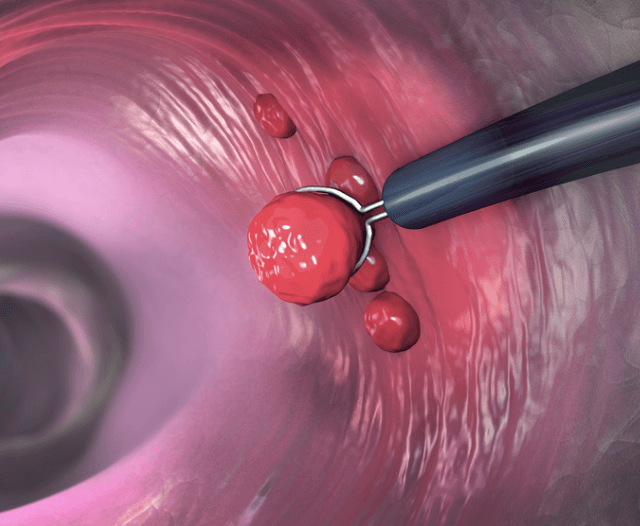
If any abnormal areas are detected, biopsy (tissue sampling) or colon polyp removal will be done.

importance_of_a_colonoscopy


The Importance of a Colonoscopy?


A routine screening can avoid many colorectal cancers.

Catching colon cancer in its early stages and seeing a doctor regularly will ensure that your condition is monitored and treated effectively.


What Happens During a Colonoscopy?


A flexible, lighted tube called a colonoscope is used.

This tube is about the thickness of your little finger and has a tiny video camera at its tip.

Your doctor will ask you to lie on your left side on an exam table. Sedation or anesthesia is usually recommended. 

The colonoscope will be inserted into your rectum. The scope contains a light and a tube which allows your doctor to pump air into your colon.  This method allows a better view of the lining of your colon.

As it moves through your colon, the tiny video camera sends images to an external monitor which makes it possible for your doctor to view the inside of your colon.

This procedure normally takes about 30 to 60 minutes.

Colonoscopy_cancer_importance


The Different Types of Colonoscopies


There are two types of colonoscopies: diagnostic and therapeutic.

Diagnostic colonoscopy is performed to find the cause of bleeding or other symptoms, such as abdominal pain or a change in bowel habits.

Therapeutic colonoscopy is performed to treat conditions, such as remove polyps or take biopsies.

What Are the Risks of a Colonoscopy?


A colonoscopy is a common medical procedure used to screen for colorectal cancer.

While the procedure is generally safe, there are a few potential risks involved.

These risks include:

– Perforation: A colonoscopy involves inserting a long, thin tube into the rectum and colon. In rare cases, this tube can cause a small tear in the lining of the bowel, known as a perforation. This can lead to infection or internal bleeding.

– Bleeding: The colonoscopy procedure can sometimes cause bleeding from the bowel. This bleeding is usually minor and stops on its own. In rare cases, more serious bleeding may occur and require treatment.

– Infection: There is a slight chance of your body having a reaction to the sedative used during the exam.

How To Prepare for A Colonoscopy


If you have been scheduled for a colonoscopy, you may be wondering what to expect and how to prepare.

Before colonoscopy, your colon must be completely cleaned out so that the doctor can see any abnormal areas.

Without proper preparation the colonoscopy will not be successful and may have to be repeated.

To clean the colon, you will need to follow the prescribed diet and take a strong laxative to empty your bowels.

Your doctor’s office will provide specific instructions about how you should prepare for colonoscopy.

Be sure to read these instructions ahead of time so you will be prepared for the prep. If you have questions, contact the doctor in advance.

You will need to avoid solid food for at least one day before the test. You should also drink plenty of fluids on the day before the test.

You can drink clear liquids up to several hours before your procedure, including water, clear juice (apple, grape), Energade or similar alternative, clear soup (beef, chicken, or vegetable), coffee or tea (without milk) or jelly (avoid red jelly).

The day or night before the colonoscopy, you will take a laxative. It consists of a powder that is mixed with water.

The most common laxative treatment is called “Klean-Prep”.

You can add some lemon squash to hide the unpleasant taste. Refrigerating the solution can make it easier to drink.

Drinking this solution may be the most unpleasant part of the exam. You will begin to have watery diarrhoea within a short time after drinking the solution.

If you become nauseated or vomit while drinking the solution, call your doctor or nurse for instructions.  

colonoscopy_preparation

 What Can I Expect After a Colonoscopy?


After the colonoscopy, you will be observed in a recovery area until the effects of the sedative medication wear off.

The most common complaint after colonoscopy is a feeling of bloating and gas cramps. You may also feel groggy from the sedation medications. You should not return to work or drive that day.

Most people are able to eat normally after the test.

Ask your doctor when it is safe to restart aspirin and other blood- thinning medications.


How Often Should You Get Screened for Colon Cancer?


So, how often should you get screened for colon cancer? The answer is simple: every 10 years beginning at age 50.

But why is screening so important?

Screening tests like colonoscopies can find precancerous polyps so they can be removed before they turn into cancer.

In fact, colon cancer death rates have declined by 30% over the last two decades thanks to screening and early detection.

Screening for colon cancer is important for everyone over the age of 50.

It’s important to talk to your doctor about how often you should be screened.


How to Choose a Colonoscopy Doctor?


If you’re considering a colonoscopy, you’ll want to choose a doctor you feel comfortable with.

Here are a few things to keep in mind when making your decision:

– Ask for recommendations from family and friends. If someone you trust has had a good experience with a particular doctor, that’s a good place to start.

– Check with your insurance company. They may have a list of approved providers.

– Once you’ve narrowed down your choices, take the time to read reviews and check out the doctor’s credentials.

Schedule a consultation. This is your chance to ask questions and get a feel for the doctor’s bedside manner.

– Trust your gut.

colonoscopy_explained_infographic


Contact Dr. Deetlefs


Although these remedies and guidelines might alleviate the pain, it is recommended to get a professional diagnosis from your doctor or gastroenterologist in order to discuss the way forward.

A colonoscopy is a quick and painless procedure that can save your life.

It’s important to know what to expect and how to prepare so you can be as comfortable as possible during the procedure.

Dr Eduan prides himself on his ability to help his patients to the best of his ability by embracing good listening skills, effective communication, compassion and knowledge and skill honed during years of private gastroenterology practice.

If you would like to book an appointment with a gastrointestinal (GI) specialist or would simply like more information on a particular GI topic, don’t hesitate to use our online booking form or call Dr. Deetlefs at 021 551 867.

DISCLAIMER: PLEASE READ CAREFULLY

The information on this website is to provide general guidance. In no way does any of the information provided reflect definitive medical advice and self-diagnoses should not be made based on information obtained online. It is important to consult a Gastroenterologist or medical doctor regarding ANY and ALL symptoms or signs including, but not limited to: abdominal pain, haemorrhoids or anal / rectal bleeding as it may a sign of a serious illness or condition. A thorough consultation and examination should ALWAYS be performed for an accurate diagnosis and treatment plan. Be sure to call a physician or call our office today and schedule a consultation.

GIDoc Cape Town

Patient-focused GI treatments and procedures in Cape Town.

Monday-Friday 8AM-4PM.

Connect with Us

© Dr. Eduan Deetlefs, Registered Gastroenterologist, GI Doc Cape Town

Our website information is not intended or implied to be a substitute for professional medical advice, diagnosis or treatment. Please consult a doctor about your specific condition. Only a trained physician can determine an accurate diagnosis and proper treatment.


Gastrointestinal Cancer Explained

Gastrointestinal Cancer Explained

What is Gastrointestinal Cancer


Gastrointestinal cancer is a disease in which malignant cells form in the lining of the stomach, esophagus, small intestine, colon, rectum, or bile ducts.

Cancerous tumors invade nearby tissues and organs and can spread to other body areas.

It is usually made up of cells that start in the lining of the digestive tract, or gastrointestinal tract, but it can start in the pancreas, stomach or esophagus.

Cancers in the gastrointestinal tract are found in the mucous lining that protects the organs, the immune system and the blood stream.

During the past century, cancer research has undergone significant changes. It has grown to become a mainstream of medical sciences and has even developed into a medical service.

It is no longer a disease to be taken lightly because it is a dangerous disease that can easily destroy our lives.

We touch a few important points in this article relating to GI cancer and how to look out for signs thereof and what the treatment options are.

Stages of GI Cancer


Cancer begins inside the GI tract as small numbers of abnormal cells that have the ability to grow and divide uncontrollably.

These cancerous cells are not able to communicate with our healthy body cells or produce necessary proteins and chemicals they need to survive.

Despite having problems, these growing cancerous cells go unnoticed by our immune system. Because our immune system cannot “see” them, it does not attack and kill the abnormal cells.

As the number of these cancerous cells increases over time (progressive growth), so does the chance for other symptoms to appear.

Some symptoms depend on where in your body the tumor is located, how large it is, and how fast it grows.

These stage state expressions are used when describing certain stages of disease severity at diagnosis based on testing already conducted or clinical signs already present on physical examination.

The stages of GI cancer are important because they are the basis of doctor’s recommendations and treatment planning.

To ensure you have the best outcome, it’s important to understand what stage you might be at to know what sort of treatment available and which options are more likely to work.

The most common tests that can determine your stage of cancer include a colonoscopy, an endoscopy or blood tests.

While there isn’t always a set way for getting through each phase, there are some rules that may apply in the standard staging procedure.

Most cancers in the esophagus tend to affect men over 50 and nearly 80% of them can be found detected in stage 1.

When it comes to larynx cancer, 50% present only in Stage 3 so early detection is essential.

This method also applies for gastric cancer with 80% presented as advanced when they’re actually caught on time as Stage I or early Stage II between 55 and 60 years old on average.


gastro_cancer_signs


Signs and Symptoms of Gastrointestinal Cancer


In the early stages of gastric cancer, the following symptoms may occur:

  • Indigestion or stomach discomfort
  • Bloated after eating
  • Nausea
  • A loss of appetite
  • Heartburn

One of the most difficult aspects of gastrointestinal cancer is the lack of immediate symptoms.

Many patients find out they have cancer when they go to their doctor for vague abdominal pain or notice swelling in the upper part of their stomach (indicating a tumor).

Early diagnosis is the key to beating this terrible disease, so if you’ve noticed any unusual symptoms that aren’t going away and don’t seem to be going away on their own, then you definitely should see your doctor about them.

The more severe symptoms include weight loss, vomiting and nausea.

If you have to use laxatives more than once a week, you are also at risk for developing certain types of GI cancer.

One key symptom that’s easier to overlook is a change in bowel habits – from eating healthy food to losing weight without trying dieting or developing difficulty eating solid foods because diarrhea has set in.

Should you experience any of the above-mentioned symptoms, contact your doctor to book an appointment.

Diagnosis of GI Cancer


Some of the most common diagnostic tests for gastrointestinal cancers include colonoscopy, endoscopy, biopsy, and imaging. 

Endoscopy
Endoscopic tests are used to look inside the body using an instrument called an endoscope. 

An endoscope is a flexible tube with a light and tiny camera attached to it. Endoscopic tests might include these nonsurgical procedures:

Colonoscopy
A colonoscopy is an exam of the lower part of the gastrointestinal tract, which is called the colon or large intestine (bowel).

Colonoscopy is a safe procedure that provides information other tests may not be able to give.

Patients who require colonoscopy often have questions and concerns about the procedure.

Colonoscopy is performed by inserting a device called a colonoscope into the anus and advanced through the entire colon

The procedure generally takes between 10 minutes and one hour.


Upper GI Endoscopy
Examines the lining of the upper part of the gastrointestinal tract, including the oesophagus, stomach, and duodenum.

gastrointestinal_cancer_diagnosis


Risk Factors of GI Cancer


There are several factors that have been implicated in the development of Gi cancer.

These include age, family history, race and ethnicity, and gender.

Getting an early diagnosis is important in catching cancer before it spreads, and treatment can commence earlier than if it’s caught after spread.

Those with the following risk factors are more likely to develop Gi cancer:

  • Stomach Polyps
  • Smoking
  • Obesity
  • GERD (Gastroesophageal reflux disease)
  • A diet high in salty and smoked foods
  • A diet low in fruits and vegetables
  • Family history of stomach cancer 

Prevention


In order to reduce the risk of stomach cancer, you can:

Stop Smoking:
Smoking increases your risk of stomach cancer.  Not only stomach cancer but many other types of cancer.

Reduce the amount of salty or smoked foods:
Protect your stomach and limit the intake of salt and smoked foods.

Maintain a Healthy Weight:
If you’re overweight or obese, talk to your doctor about strategies to help you lose weight. Aim for a slow and steady weight loss of 1 or 2 kilograms per week.


Choose a Diet Full of Fruits and Vegetables:
Try to incorporate more fruits and vegetables into your diet each day.
Choose a wide variety of colorful fruits and vegetables.


Why Cancer Screening Is Important


The general concept behind screening is to find abnormal tissues or diseases early, before the symptoms appear or before they cause other health problems.

Cancer screening for GI tract cancers, for example, looks for the tumor itself and in the first stages of growth when it is more easily treatable than at a later stage when it has progressed to an advanced state.

Early detection means treatment often starts immediately; patients have less pronounced signs or symptoms; and GI cancers can be cured in more cases than not.
 

gastrointestinal_cancer_infographic


Get in Touch with GI Expert Dr. Deetlefs


 Dr Deetlefs has admitting rights and performs endoscopies at both Mediclinic Milnerton and Life Vincent Pallotti Hospitals.

We are gastroenterologist experts using patient-focused GI treatment and procedures in Cape Town.

If you are experiencing any of the above symptoms and wish you make an appointment with Dr. Deetlefs, get in contact with his practice and book your appointment.

If you haven’t been scheduled for a colonoscopy and want to get one, make an appointment now.

DISCLAIMER: PLEASE READ CAREFULLY

The information on this website is to provide general guidance. In no way does any of the information provided reflect definitive medical advice and self-diagnoses should not be made based on information obtained online. It is important to consult a Gastroenterologist or medical doctor regarding ANY and ALL symptoms or signs including, but not limited to: abdominal pain, haemorrhoids or anal / rectal bleeding as it may a sign of a serious illness or condition. A thorough consultation and examination should ALWAYS be performed for an accurate diagnosis and treatment plan. Be sure to call a physician or call our office today and schedule a consultation.

GIDoc Cape Town

Patient-focused GI treatments and procedures in Cape Town.

Monday-Friday 8AM-4PM.

Connect with Us

© Dr. Eduan Deetlefs, Registered Gastroenterologist, GI Doc Cape Town

Our website information is not intended or implied to be a substitute for professional medical advice, diagnosis or treatment. Please consult a doctor about your specific condition. Only a trained physician can determine an accurate diagnosis and proper treatment.

Why a Colonoscopy Is Important: The Importance of Screening for Colorectal Cancer

Why a Colonoscopy Is Important: The Importance of Screening for Colorectal Cancer

Overview

A colonoscopy is important because it is the only way to know if you have rectal cancer.

There are cases on record where people have rectal cancer, not had a colonoscopy, and lost their lives because the cancer was not detected on time.

If you are deemed to be at risk for cancer or are continuing to have symptoms, it is important to have a colonoscopy.

The American Cancer Society recommends that people at average risk for colorectal cancer should talk to their doctor about whether to discuss getting colorectal cancer screening.

There are 4 ways to identify colorectal cancer: colonoscopy, sigmoidoscopy, fecal

This article continues to explain how colorectal cancer is found and treated accordingly.


Things You Should Know About Colonoscopy


As for the gastrointestinal system, it has the unique ability to digest and absorb most of the food we consume.

It is important that as we age, our gastrointestinal system stays healthy and functioning.

Recent statistics show that about one in five patients who have a screening colonoscopy develop a polyp.

They found out this way and they can now take steps to remove them and reduce their risk of colon cancer.  


risks_of_colon_cancer-min


The Risks and Consequences of Colon Cancer

Colon cancer, like the name implies, begins in the colon.

The job of the colon is to absorb all of the water from what you eat and drink so it can move on through to an organ called the rectum where waste matter that cannot be broken down is expelled when you go to the bathroom.

Colon cancer often doesn’t have any symptoms until it has advanced into Stage III or even Stage IV.

If left untreated, this type can spread rapidly throughout your body and cause severe pain and complications or even death.

Colonoscopies, which are performed by gastroenterologists, are the most effective way to identify colorectal cancer early on.

A colonoscopy can help identify and treat cancerous growths, inflammatory bowel disease or other potentially dangerous complications of your digestive system.


The Benefits of Colonoscopy Screening

Medical conditions affect everyone at different levels. Some people recover from a condition quickly, while others need more time.

Colorectal cancer is a condition that affects a person’s bowels and rectum, and it is a typical cancer that can strike anyone.

It can strike at any age, but it mainly affects the older population over the age of 50.

Discussing colon cancer can be difficult. However, colon cancer is a common cancer that touches many lives. For those who undergo a colonoscopy as a screening, it can be a lifesaver.


benefits_of_colonoscopy_screening-min


Explaining Screening Methods for Colorectal Cancer

Colon cancer is the second leading cause of cancer death in the U.S., and much of this has to do with the lack of screening methods.

The recommended screening methods for colorectal cancer include a fecal test, a colonoscopy, a CT scan, and a sigmoidoscopy.

Fecal tests – Fecal tests can monitor your blood’s proteins, which can be an early warning sign for colon cancer.

Colonoscopy – Colonoscopy is a minimally invasive procedure that provides a clear view of the entire colon and detects early signs of colon cancer.

CT Scan – Computed tomography (CT) scan is a useful diagnostic tool for detecting diseases and injuries. It uses a series of X-rays and a computer to produce a 3D image of soft tissues and bones. CT is a painless, noninvasive way for your healthcare provider to diagnose conditions. You may have a CT scan at a hospital or imaging center.

Sigmoidoscopy – Flexible sigmoidoscopy is a procedure in which a trained medical professional uses a flexible, narrow tube with a light and tiny camera on one end, called a sigmoidoscope or scope, to look inside your rectum and lower colon, also called the sigmoid colon and descending colon. Flexible sigmoidoscopy can show irritated or swollen tissue, ulcerspolyps, and cancer.

screening_methods_for_colorectal_cancer-min 

The Technology Behind Colonoscopy Screening

Colonoscopies are a routine screening procedure that detect colon cancer and other potential problems of the colon that may have been hidden or could have progressed to a point of being life-threatening.

Colonoscopies can also discover other diseases such as inflammatory bowel disease, diverticulitis, and polyps.

Colonoscopies detect abnormal or cancerous growths of the colon or rectum, called polyps.

Polyps are growths of excess tissue that protrude from the colon wall. They can be either benign growths that develop from a person’s colon tissue, or a type of abnormal growth that may include cancerous cells.


The Components of a Colonoscope

The Colonoscopy has been a key screening tool for colorectal cancer for decades.

A colonoscopy is a diagnostic test that a physician performs to see a patient’s large intestine.

The colonoscopy is a medical procedure that allows a physician to diagnose and treat a patient’s colon and rectum.

There are a number of components to a colonoscopy.

A colonoscopy may be performed as an outpatient procedure, either as the primary screening for colorectal cancer or as a follow-up screening after a polyp or other abnormality has been detected on a previous test.

The procedure typically takes place in the physician’s office and is performed under sedation, and patients can expect to be discharged home.

procedure_for_colonoscopy_screening-min


The Procedure for a Colonoscopy Screening

Before colonoscopy, your colon must be completely cleaned out so that the doctor can see any abnormal areas.

Without proper preparation the colonoscopy will not be successful and may have to be repeated.

To clean the colon, you will need to follow the prescribed diet and take a strong laxative to empty your bowels.

Your doctor’s office will provide specific instructions about how you should prepare for colonoscopy.

Be sure to read these instructions ahead of time so you will be prepared for the prep. If you have questions, contact the doctor in advance.

You will need to avoid solid food for at least one day before the test. You should also drink plenty of fluids on the day before the test.

You can drink clear liquids up to several hours before your procedure, including water, clear juice (apple, grape), Energade or similar alternative, clear soup (beef, chicken, or vegetable), coffee or tea (without milk) or jelly (avoid red jelly).

The day or night before the colonoscopy, you will take a laxative. It consists of a powder that is mixed with water.

The most common laxative treatment is called “Klean-Prep”. You can add some lemon squash to hide the unpleasant taste. Refrigerating the solution can make it easier to drink.

Drinking this solution may be the most unpleasant part of the exam. You will begin to have watery diarrhea within a short time after drinking the solution.

If you become nauseated or vomit while drinking the solution, call your doctor or nurse for instructions.


why_a_colonoscopy_is_important-min

Get in Touch with GI Expert Dr. Deetlefs

 Dr Deetlefs has admitting rights and performs endoscopies at both Mediclinic Milnerton and Life Vincent Pallotti Hospitals.

To learn more about the complexity of your gut and the opportunity for you to contribute to the scientific pursuit of gastrointestinal knowledge, visit our Cape Town office or visit our website.

We are gastroenterologist experts using patient-focused GI treatment and procedures in Cape Town.

If you haven’t been scheduled for a colonoscopy and want to get one, make an appointment now.

DISCLAIMER: PLEASE READ CAREFULLY

The information on this website is to provide general guidance. In no way does any of the information provided reflect definitive medical advice and self-diagnoses should not be made based on information obtained online. It is important to consult a Gastroenterologist or medical doctor regarding ANY and ALL symptoms or signs including, but not limited to: abdominal pain, haemorrhoids or anal / rectal bleeding as it may a sign of a serious illness or condition. A thorough consultation and examination should ALWAYS be performed for an accurate diagnosis and treatment plan. Be sure to call a physician or call our office today and schedule a consultation.

GIDoc Cape Town

Patient-focused GI treatments and procedures in Cape Town.

Monday-Friday 8AM-4PM.

Connect with Us

© Dr. Eduan Deetlefs, Registered Gastroenterologist, GI Doc Cape Town

Our website information is not intended or implied to be a substitute for professional medical advice, diagnosis or treatment. Please consult a doctor about your specific condition. Only a trained physician can determine an accurate diagnosis and proper treatment.

The Importance of Colorectal Cancer Screening

The Importance of Colorectal Cancer Screening

 Colorectal cancer is, as the name suggests, cancer that occurs in the colon or rectum.

You have probably heard it referred to as colon cancer. The reason that colon and rectal cancers are grouped together in this way is because they have many features in common.

Colorectal cancer starts off, like most cancers, as a growth. This growth is found on the inner lining of the colon or rectum and is referred to as a polyp.

A polyp is not automatically referred to as cancer and some polyps never turn cancerous. However, all colorectal cancers do arise from polyps so it’s important to keep them in check.

In this article, we are going to have a look at how colon cancer starts and spreads, and then how colorectal cancer screening can help increase your treatment options.

Before we jump into that, let’s have a look at the basic structure and function of the colon and rectum.

This will help in one’s understanding of colorectal cancer.

 colon_cancer_screening


The Structure and Function of the Colon and Rectum

The colon and rectum are part of the gastrointestinal system which, as you know, is responsible for digestion.

The colon, a muscular type, comprises most of the large intestine coming in at around 1.5m long.

It is split into four sections anatomically with each section named according to the way in which food travels through it.

These four sections are the ascending colon (travels upward from the right side of the abdomen), the transverse colon (goes across the body from right to left), the descending colon (travels down from the left side), and the sigmoid colon (due to it’s “S” shape) which joins the rectum.

There is still water and salt in the food matter after it has passed through the small intestine. This is where the function of the colon comes in – it absorbs any water and salt that is still in the remaining food matter.

What’s left after this process then goes into the rectum where it is stored until leaving the body.

In short, your colon is crucial for extracting water and other key nutrients from waste material.

 screening_colon_cancer

How Colon Cancer Starts and Spreads

As mentioned earlier, most colorectal cancers start as a growth on the inner lining of the colon or rectum. These growths are referred to as polyps. 

They come in a variety of shapes and sizes with different polyps carrying varying risks for going on to develop into cancer. 

Apart from cancer-susceptibility between the polyps, there are also general factors that can increase someone’s risk of developing colorectal cancer. 

They can be summarised as follows: 

  • Size: If a polyp larger than 1 cm is found
  • Number: If more than 3 polyps are found
  • Dysplasia: This is a pre-cancerous condition where the tissue area contains cells that look abnormal but are not yet cancerous. If dysplasia is seen in the polyp after it is removed, then it could imply an increased risk of developing colorectal cancer. 

Now let’s take a look at the variation between the actual polyp types:


  1. Adenomatous polyps: These are a common type of polyp which appear as gland-like growths. On the surface, the polyp tissue looks very much like the normal lining of your colon although it is different in a number of ways when looked at under a microscope.

    There are two major growth patterns: tubular and villous. Although many adenomas have a combination of these growth patterns and are referred to as tubulovillous adenomas.

These patterns help one’s doctor determine when the next colonoscopy needs to be done to ensure that colon cancer does not develop in the future.

 2.  Hyperplastic polyps and inflammatory polyps: This refers to a further categorization of polyps. This category is referred to as non-neoplastic polyps which do not typically become cancerous.

 Inflammatory polyps may be seen with ulcerative colitis or Crohn’s Disease.

 3.  Sessile serrated polyps and traditional serrated adenomas: These polyps fall under the neoplastic category which can be pre-cancerous and it’s normally recommended to remove them.

 “Sessile” polyps refer to those that grow as slightly flattened, broad-based polyps whereas “serrated” polyps have a saw-tooth appearance under a microscope.

 Anyone can develop colon polyps but there are heightened risks if you are over the age of 50 or if you are overweight or a smoker.

 A personal or family history of colon polyps or colon cancer is also a significant risk factor for future polyp growth.

 This leads us to the next part of our article: screening.

 Colon polyps often don’t cause any symptoms so it’s crucial to go for regular screening tests so that colon polyps can be found in as early a stage as possible.

 This will allow for a higher chance of safer and more complete removal thereby dramatically reducing the chances of developing colorectal cancer.


why_colorectal_cancer_screening_is_important


Why Colorectal Cancer Screening is Important


Colorectal screening is a test where doctors look for precancerous polyps so that they can be removed before turning into cancer.

 Colorectal cancer can also be found with screening tests. These tests are done to look for a disease when a person does not exhibit symptoms.

 Regular and early screening is key to preventing cancer. More screening has resulted in a significant drop in the number of colorectal cancer cases.

 In the U.S., for example, where colorectal cancer is a leading cause of cancer death for men and women, has seen a steadily declining death rate for the past several decades.

 Colorectal screening is responsible for this improved survival rate – when colorectal cancer is found early, the 5-year relative survival rate is 90%. A significant figure.

 The only factor preventing the death rate from declining even further is the fact that a large percentage of those susceptible to colorectal cancer never get screened.

 There are various reasons for this but one of the most significant is that of people simply not knowing that regular screening could save their lives from this disease. 

Education is key and is the premise behind providing you, our dear reader, with articles such as this one.

Do the right thing for you and your loved ones, get a screening done.

 colon_cancer_test

Types of Colorectal Cancer Screening Tests

Now that we know why it’s important to get tested, let’s take a look at the different tests that you may encounter when you go for your screening.

 There are two main groups of testing: 

1.    Structural Exams

The physical structure of the colon and rectum is studied in order to find any abnormal areas, should there be any.

In general, these tests are performed using either a scope put into the rectum or with special imaging tests.

 A colonoscopy, for example, is a type of structural (or visual) exam. The doctor uses a colonoscope (a thin flexible tube equipped with a light and small video camera) to observe the physical structure of the colon and rectum. 

The doctor can also add additional instruments to the colonoscope for the purposes of taking a sample or remove certain polyps. 

For those that would like a less invasive test, a CT colonography is also an option.

 It serves as a “virtual colonoscopy” where x-rays and a CT scan are used to build a 3D representation of the colon and rectum structure. 

These tests do require more preparation ahead of time and can’t be done as frequently as the second type of testing group.

2.    Stool-based tests

This type of testing is less invasive than visual exams and requires less preparation by the patient but it does need to be done more frequently.

 It involves a check of the stool for signs of cancer.

 Two examples of stool-based tests include the faecal immunochemical test (FIT) and the guaiac-based faecal occult blood test (gFOBT). 

the_importance_of_colorectal_cancer_infographic

Summary

Colon polyps are common but they don’t always exhibit any symptoms. This can falsely lead people to believe that they don’t have polyps and therefore don’t need to worry about colorectal cancer.


The only way to be certain is to go for regular screening tests to ensure that any signs of cancer or pre-cancerous polyps are caught and treated as early as possible.


For more information on all things gastrointestinal, visit us at www.gidoc.co.za where we can help you navigate the tricky landscape of the gut. 

DISCLAIMER: PLEASE READ CAREFULLY

The information on this website is to provide general guidance. In no way does any of the information provided reflect definitive medical advice and self-diagnoses should not be made based on information obtained online. It is important to consult a Gastroenterologist or medical doctor regarding ANY and ALL symptoms or signs including, but not limited to: abdominal pain, haemorrhoids or anal / rectal bleeding as it may a sign of a serious illness or condition. A thorough consultation and examination should ALWAYS be performed for an accurate diagnosis and treatment plan. Be sure to call a physician or call our office today and schedule a consultation.

GIDoc Cape Town

Patient-focused GI treatments and procedures in Cape Town.

Monday-Friday 8AM-4PM.

Connect with Us

© Dr. Eduan Deetlefs, Registered Gastroenterologist, GI Doc Cape Town

Our website information is not intended or implied to be a substitute for professional medical advice, diagnosis or treatment. Please consult a doctor about your specific condition. Only a trained physician can determine an accurate diagnosis and proper treatment.

Routine Colonoscopy Screening: Important Information

Routine Colonoscopy Screening: Important Information

Colorectal cancer (CRC) is cancer that occurs in the colon or rectum, where abnormal growths called polyps form.

According to the World Cancer Research Fund, colorectal cancer is the third (3rd) most common histologically diagnosed cancers worldwide.

This ranking is also true in South African cancer cases among women, while it ranks as the

second (2nd) leading cause of cancer deaths among South African men, which, only has as little as 0.1% survival rate.

A routine colonoscopy screening might be just what you need to not join the statistics.


What is a Routine Colonoscopy Screening?

A colonoscopy is a procedure doctors conduct to screen for colorectal cancer and can also help diagnose unexplained changes in bowel habits and abdominal pain.

Even without symptoms, undergoing a routine colonoscopy can help your doctor locate polyps so they can be removed before turning into cancer.

It aids doctors to find colorectal cancer at an early stage when a patient’s survival rate is still at its highest.

As it is a visual exam, colonoscopy screening involves the use of a colonoscope and a proctosigmoidoscope to look at the entire length of the colon and rectum.

These instruments are thin fiber optic devices with a light and video camera that are attached to the tip of a flexible tube to search for polyps.

The devices are passed through the anal orifice into the rectum and further inside into the colon. Mild sedation and pain medication are usually administered in this procedure.

Also, sspecial instruments can be passed through the colonoscope to get a biopsy (sample) or remove any suspicious-looking growths such as polyps if needed.


How Often Do I Need to Undergo Colonoscopy Screening?

Everybody should undergo a complete colonoscopy screening by the time they reach the age of forty-five.

By this age, the overall risk of developing colorectal cancer increases and early detection is vital for effective treatment.

If you are forty-five (45) years old or older, with an average risk of CRC you may have to routinely undergo colonoscopy once every 10 years.

People at increased or high risk of colorectal cancer might need to start colorectal cancer screening before age 45, be screened more often, and/or get specific tests.

As shown in this table, some indicators increase a person’s risk of developing colorectal cancer, and a higher risk requires more frequent colonoscopy screening:


INDICATORS Average Risk of CRC High Risk of CRC
  Colonoscopy requirement   Colonoscopy requirement
Personal history of colorectal cancer or certain types of polyps every 10 yrs. Regular colonoscopy, 1 year after previous surgery
Family history of colorectal cancer every 10 yrs. Before reaching age 45
Personal history of inflammatory bowel disease (ulcerative colitis or Crohn’s disease) every 10 yrs. Colonoscopy at least 8 years after being diagnosed with inflammatory bowel disease. Follow-up colonoscopies should be done every 1 to 3 years, depending on the person’s risk factors for colorectal cancer and the findings on the previous colonoscopy.

Personal history of getting radiation to the abdomen (belly) or pelvic area to treat a prior cancer


every 10 yrs. Colonoscopy at an earlier age (depending on how old they were when they got the radiation); often begins 5 years after the radiation was given or at age 30, may need to be screened more often than normal (such as at least every 3 to 5 years).
With genetic disease every 10 yrs. Colonoscopy as early as teenage years


Colonoscopy Routine Screening vs. Diagnostic Colonoscopy

Screening colonoscopy and diagnostic colonoscopy basically perform the same procedures and only differ in purpose and timing.

While screening colonoscopy is a preventive measure to screen patients for cancerous polyps when they reached a certain age or if they have a family history of colon cancer, diagnostic colonoscopy is more of a curative response.

Diagnostic colonoscopies are done when a patient already exhibits specific symptoms that may suggest colon cancer, such as persistent diarrhea or constipation; blood in the stool; persistent abdominal cramps, gas or pain; weakness or fatigue; unexplained weight loss; and that feeling of not being able to empty completely no matter how many bowel movements.


stages-of-colon-cancer


It is important to note that most colorectal cancer patients experience no symptoms in the early stages of the disease.

When symptoms start to show, cancer cells have most likely grown within the large intestine; therefore, it is important that you get screened.


Preparation: Things to Do to Prepare for a Colonoscopy

For your colonoscopy to be a success, you need to endure the hardship of purging as you need to empty your colon.

You will be prescribed a powerful bowel-clearing laxative resulting in frequent bowel movements or diarrhea both the night before or the morning of the procedure.

Failure to empty your colon may cause the polyps and lesions to be missed, the colonoscopy may take longer (increasing the risk of complications), or the whole process may need to be delayed and rescheduled – which means you will undergo another round of bowel prep (which you wouldn’t wish to).

Your doctor may ask you to refrain from ingesting solid food and only intake water the day before your procedure.

If you have pre-existing conditions like diabetes, heart problems, or high blood pressure, or if you have been on medication or supplements with iron, let your physician know at least a week before the screening.

Also inform your doctor if you have been taking aspirin, warfarin (Coumadin, Jantoven), anticoagulants like dabigatran (Pradaxa) or rivaroxaban (Xarelto). You might be asked to adjust your dosages or stop taking the medications temporarily.


During: What Happens During a Colonoscopy

The whole procedure typically lasts approximately 30-60 minutes and may take longer if the doctor sees abnormalities that need removal.

Many people are given medicines so they are put into a sleepy state where they can still converse but they won’t have any memory of the conversation.

You may still feel mild cramping during the procedure which you can reduce by taking several slow deep breaths. Some people, however, may need stronger anesthesia.

You will be asked to lie on your left side on the examining table as the doctor will insert the colonoscope through the rectum and advance to the other end of the large intestine while the instrument transmits images of the colon lining to the screen.

The scope is bendable so the doctor can move it around the curves of your colon. You may be asked to change position as needed to facilitate the moving of the scope.

Your colon expands as the scope blows air into your colon so the doctor can see more clearly.

When the doctor has finished, he will slowly withdraw the colonoscope while carefully examining the lining of your bowel.

after_treatment_colonoscopy

Recovery: What to Do After a Colonoscopy

It is particularly important that you are accompanied by someone in the next 24 hours after your procedure.

As you have been sedated, it is not recommended that you drive, fly, or do any strenuous activity.

Watch your diet, drink plenty of fluids, and stick to your prescribed medications.

If polyps have been removed in your colon, you might need to take at least 7 days to rest and alter your activities including exercising 

Possible Risks of Colonoscopy

Although rare, some complications may arise after a colonoscopy. Studies estimate the overall risk of complications for routine colonoscopy to be as low as 1.6%.

Perforation (a hole in the intestine), bleeding, post-polypectomy syndrome, reaction to anesthetic and infection are some of the possible complications that may occur.

Despite these, colonoscopy is an overall very safe test, and the benefits of undergoing routine colonoscopy screening far outweigh the discomfort and possible risks that may arise.

We highly recommend that you get screened because as the saying goes, “prevention is better than cure”.

DISCLAIMER: PLEASE READ CAREFULLY

The information on this website is to provide general guidance. In no way does any of the information provided reflect definitive medical advice and self-diagnoses should not be made based on information obtained online. It is important to consult a Gastroenterologist or medical doctor regarding ANY and ALL symptoms or signs including, but not limited to: abdominal pain, haemorrhoids or anal / rectal bleeding as it may a sign of a serious illness or condition. A thorough consultation and examination should ALWAYS be performed for an accurate diagnosis and treatment plan. Be sure to call a physician or call our office today and schedule a consultation.

GIDoc Cape Town

Patient-focused GI treatments and procedures in Cape Town.

Monday-Friday 8AM-4PM.

Connect with Us

© Dr. Eduan Deetlefs, Registered Gastroenterologist, GI Doc Cape Town

Our website information is not intended or implied to be a substitute for professional medical advice, diagnosis or treatment. Please consult a doctor about your specific condition. Only a trained physician can determine an accurate diagnosis and proper treatment.