021 202 0626
Understanding Ulcerative Colitis

Understanding Ulcerative Colitis

Overview of Ulcerative Colitis


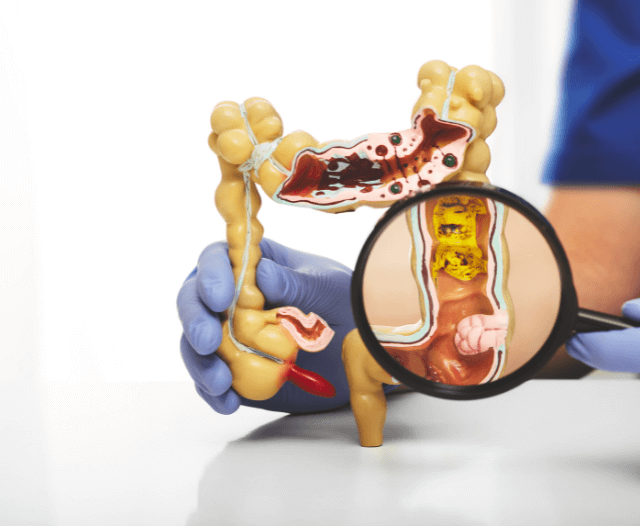
Ulcerative colitis is a chronic inflammatory bowel disease that primarily affects the colon and rectum. The condition causes inflammation and sores (ulcers) to develop on the inner lining of the large intestine, leading to symptoms such as diarrhea, abdominal pain, and rectal bleeding.

The exact cause of ulcerative colitis is not known, but it is thought to be an autoimmune disorder in which the body’s immune system mistakenly attacks the lining of the colon and rectum.

Other factors that may contribute to the development of ulcerative colitis include genetics, environmental factors, and an imbalance of gut bacteria.

Symptoms of ulcerative colitis can vary in severity and may include diarrhea, bloody stools, abdominal pain and cramping, fatigue, weight loss, and fever.

Flares of the disease can be unpredictable and may be triggered by factors such as stress, infections, or changes in diet.

Treatment for ulcerative colitis typically involves medications to reduce inflammation and manage symptoms, such as corticosteroids, immunosuppressants, and biologics.

In this blog, we will delve into the topic of ulcerative colitis, a chronic inflammatory bowel disease that affects the colon and rectum.


Symptoms


The symptoms of ulcerative colitis can vary from person to person, and they may range from mild to severe.

Some of the most common symptoms of UC include:

  • Diarrhea, often with blood or pus
  • Abdominal pain and cramping
  • Urgency to have a bowel movement
  • Inability to have a bowel movement despite urgency
  • Rectal pain and bleeding
  • Fatigue
  • Loss of appetite and weight loss
  • Anemia

ulcerative_colitis_diagnosis


Causes


The exact cause of ulcerative colitis is unknown, but it is thought to be a result of a combination of genetic, environmental, and immunological factors.

People with a family history of UC are at a higher risk of developing the disease.

Other factors that may contribute to the development of UC include a compromised immune system, bacterial or viral infections, and stress.


Diagnosis

The diagnosis of ulcerative colitis involves a combination of medical history, physical examination, and diagnostic tests.

A healthcare provider will ask about the patient’s symptoms, medical history, and family history of IBD.
A physical exam may also be conducted to check for signs of inflammation in the abdomen.

Diagnostic tests that may be used to diagnose UC include: 

Blood tests to check for signs of inflammation or infection

Blood tests can be useful in the diagnosis and management of ulcerative colitis (UC).
While there is no one specific blood test that can definitively diagnose UC, blood tests can help rule out other conditions that may have similar symptoms and help monitor disease activity and response to treatment.

Some of the tests that may be ordered for UC include:

  • Complete blood count (CBC):
    This test measures the levels of different types of blood cells, including red blood cells, white blood cells, and platelets. In UC, the CBC can show signs of anemia (low red blood cell count) or inflammation (elevated white blood cell count).
  • Stool tests to check for blood, infections, or parasites
  • CT scan or MRI to evaluate the extent of inflammation and complications
  • Colonoscopy to visualize the colon and take tissue samples for biopsy

ulcerative_colitis_treatment


Colonoscopy Explained


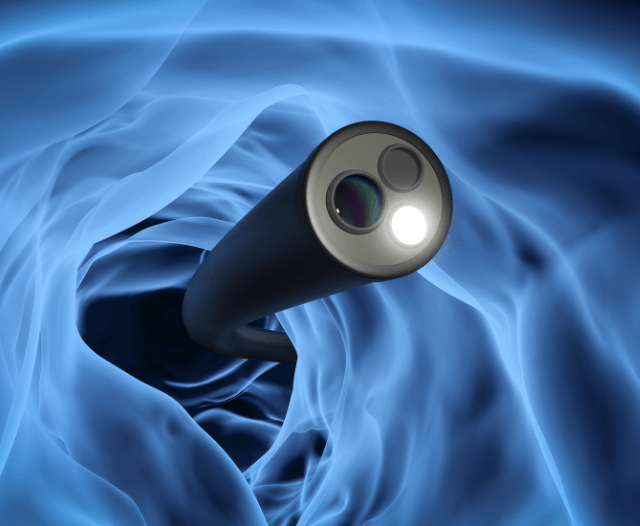
Colonoscopy is a medical procedure that allows healthcare providers to visualize the inside of the colon and rectum using a flexible, lighted tube called a colonoscope. 

The procedure is used to screen for colon cancer, diagnose and treat various gastrointestinal conditions, and monitor the effectiveness of treatment.

During a colonoscopy, the patient lies on their side while the colonoscope is inserted into the rectum and advanced through the colon.

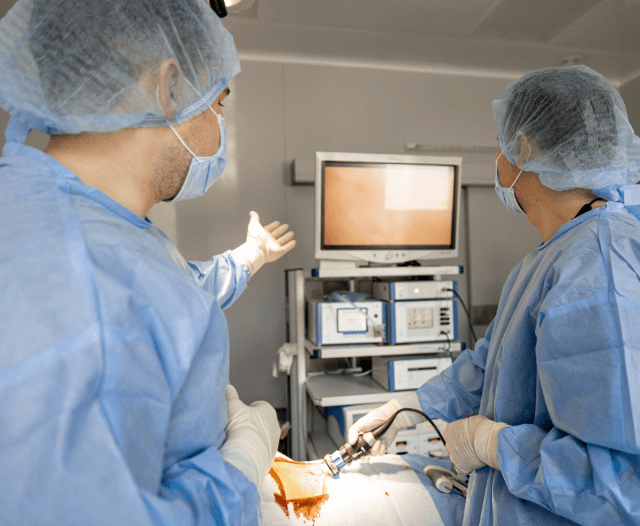
The colonoscope has a tiny camera on the end, which sends images to a monitor that the healthcare provider uses to examine the colon lining for abnormalities such as polyps, inflammation, or cancerous growths.

Before a colonoscopy, patients must follow a special diet and take laxatives to cleanse the colon.

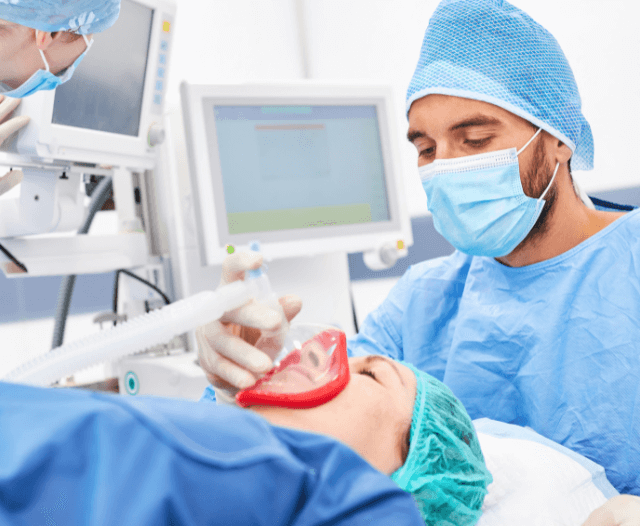
They may also receive sedation or anesthesia to help them relax and reduce discomfort during the procedure.

If any abnormalities are found during the colonoscopy, the healthcare provider may take a biopsy or remove the abnormal tissue for further testing.

The removed tissue is then sent to a lab for analysis to determine if it is cancerous or benign.

Although colonoscopy is generally considered a safe procedure, there are some risks, including bleeding, infection, and perforation of the colon.

It is important to discuss any concerns with the healthcare provider before the procedure.

In summary, colonoscopy is a procedure that allows healthcare providers to examine the colon and rectum for abnormalities using a colonoscope.

The procedure is used to screen for conditions and diagnose and treat gastrointestinal conditions, and monitor treatment effectiveness.

Patients must prepare for the procedure by following a special diet and taking laxatives to cleanse the colon.

If abnormalities are found, a biopsy or removal of tissue may be necessary for further testing.

While generally safe, there are some risks associated with the procedure.


ulcerative_colitis_colonoscopy


Treatment


The treatment of ulcerative colitis may involve medications and lifestyle changes.
The goals of treatment are to reduce inflammation, manage symptoms, and prevent complications.

Medications that may be used to treat UC include: 

  • Aminosalicylates (5-ASAs) to reduce inflammation
  • Corticosteroids to reduce inflammation
  • Immunosuppressants to suppress the immune system
  • Biologic therapies to target specific proteins involved in inflammation
  • Lifestyle changes
  • Eating a healthy and balanced diet
  • Staying hydrated
  • Getting regular exercise
  • Reducing stress
  • Quitting smoking

In some cases, surgery may be necessary to remove the affected part of the colon or rectum.


Traveling with Ulcerative Colitis:


Traveling can be stressful for people with ulcerative colitis, as it can disrupt daily routines and access to medical care. 

It is important to stay calm during travelling, keep an emergency kit with you and stay hydrated.


Alternative Therapies for Ulcerative Colitis:

While conventional medical treatments are often effective for managing ulcerative colitis, some people may seek out alternative therapies, such as acupuncture or herbal remedies.


The Latest Research on Ulcerative Colitis:


Ulcerative colitis is a rapidly evolving field, with new research and treatments emerging all the time. 

In this blog post, you could highlight some of the latest research on ulcerative colitis, including advances in genetics, immunology, and microbiome research. 

ulcerative_infographic


Conclusion:


In conclusion, ulcerative colitis is a chronic inflammatory disease that affects the colon and rectum.

It can cause a range of uncomfortable symptoms.  Although there is no known cure for ulcerative colitis, there are a variety of treatment options available to manage the symptoms and improve quality of life for patients.

It is important for individuals with ulcerative colitis to work closely with their healthcare providers to develop a personalized treatment plan that addresses their specific symptoms and needs. This may involve a combination of medications, lifestyle changes, and dietary modifications.

Furthermore, it is essential to stay up to date with regular check-ups and monitoring to ensure that the disease is under control and to prevent the development of serious complications, such as colon cancer.

Living with ulcerative colitis can be challenging, but with proper care and management, it is possible to lead a healthy and fulfilling life.

For any additional information regarding a Colonoscopy procedure, it’s best to find a trusted and experienced Gastroenterologist who can answer your questions clearly, recommend appropriate solutions, and perform tests with precision and expertise.

Dr. Deetlefs has earned the reputation of a trusted health expert providing consultative, diagnostic, and therapeutic endoscopic and related services to patients in Cape Town and beyond.

Dr Eduan prides himself on his ability to help his patients to the best of his ability by embracing good listening skills, effective communication, compassion and knowledge and skill honed during years of private gastroenterology practice.


If you would like to book an appointment with a gastrointestinal (GI) specialist or would simply like more information on a particular GI topic, don’t hesitate to use our online booking form
or call Dr. Deetlefs at 021 551 867. 

DISCLAIMER: PLEASE READ CAREFULLY

The information on this website is to provide general guidance. In no way does any of the information provided reflect definitive medical advice and self-diagnoses should not be made based on information obtained online. It is important to consult a Gastroenterologist or medical doctor regarding ANY and ALL symptoms or signs including, but not limited to: abdominal pain, haemorrhoids or anal / rectal bleeding as it may a sign of a serious illness or condition. A thorough consultation and examination should ALWAYS be performed for an accurate diagnosis and treatment plan. Be sure to call a physician or call our office today and schedule a consultation.

GIDoc Cape Town

Patient-focused GI treatments and procedures in Cape Town.

Monday-Friday 8AM-4PM.

Connect with Us

© Dr. Eduan Deetlefs, Registered Gastroenterologist, GI Doc Cape Town

Our website information is not intended or implied to be a substitute for professional medical advice, diagnosis or treatment. Please consult a doctor about your specific condition. Only a trained physician can determine an accurate diagnosis and proper treatment.

Colonoscopy Explained

Colonoscopy Explained


What is a Colonoscopy?


A colonoscopy is a medical procedure used to examine the inside of the large intestine (colon) and rectum.

During the procedure, a long, flexible, and lighted instrument called a colonoscope is inserted through the rectum to visualize the entire colon.

The procedure is used to detect and diagnose conditions such as colon cancer, inflammatory bowel disease (IBD), diverticulosis, and to remove polyps or other growths.

Why is a Colonoscopy Important

A colonoscopy is important because it allows the doctor to visually examine the inside of the colon for any abnormalities such as polyps, tumors, or inflammation.

It can help diagnose various conditions such as colon cancer, inflammatory bowel disease (IBD), and diverticulosis.

It is also used as a screening tool to detect colon cancer in its early stages, when it is most treatable.

Additionally, if any abnormal growths are found during the procedure, they can be removed immediately, reducing the risk of future complications.


How to Prepare for a Colonoscopy

To prepare for a colonoscopy, you will need to follow specific instructions provided by your doctor to clean out your colon, which typically include:


  • Diet changes: Avoid solid foods for 1 – 2 days before the procedure and follow a clear liquid diet. 
  • Laxatives: Take prescribed or over-the counter laxatives to empty your bowels. 
  • Hydration: Drink plenty of liquids to stay hydrated 
  • Avoid certain medications: Stop taking certain medications such as blood thinners before procedure. 
  • Fast: Don’t eat or drink anything for 8 – 12 hours before the procedure. 

It’s important to follow the instructions provided by your doctor closely, as a clean colon is essential for a successful and safe colonoscopy.

Additionally, let your doctor know of any medications you are taking, and if you have any medical conditions or allergies.

colonoscopy_Prepare

What Happens During a Colonoscopy

During a colonoscopy, the patient is positioned on their side on an exam table and given sedation to relax and make the procedure more comfortable.

The doctor then inserts the colonoscope through the rectum and guides it through the colon.

The scope has a light and camera, allowing the doctor to see the inside of the colon and take images for later review.

If any polyps or other growths are found, the doctor can remove them during the procedure using instruments passed through the colonoscope.

The procedure typically lasts 30 minutes to an hour.

After the procedure, the patient should rest for a short time under observation, until the sedation wears off.

The patient may feel some bloating or mild cramping, but these symptoms typically resolve quickly.

The doctor will discuss the results of the colonoscopy with the patient, including any findings and the need for any further tests or treatments.


Risks and Potential Complications

A colonoscopy is a generally safe procedure, but like any medical procedure, there are some risks and potential complications.

These include:

  • Bleeding: There is a small risk of bleeding after the removal of a polyp or growth.
  • Perforation: In rare cases, the colonoscope may cause a tear in the colon, which can cause peritonitis (an infection of the abdominal cavity). 
  • Reaction to sedation: Some people may have an adverse reaction to the sedation used during the procedure. 
  • Discomfort: Some patients may experience discomfort or mild pain during or after the procedure. 
  • Missed lesions: While a colonoscopy is highly effective, it is not foolproof and there is a small risk that a lesion or growth may be missed.

It is important to discuss any concerns or questions about the risks and potential complications of a colonoscopy with your doctor before the procedure.

Your doctor can also explain what to expect during and after the procedure and answer any questions you may have.


colonoscopy_procedure


How to Care for Yourself After a Colonoscopy

After a colonoscopy, you should follow these steps to ensure a smooth recovery:

  • Rest: Take it easy for the rest of the day and avoid strenuous activities. 
  • Hydration: Drink plenty of clear liquids to stay hydrated. 
  • Resume normal activities: Gradually return to your normal diet and activities but avoid solid foods for a few hours after the procedure. 
  • Follow-up care: If you had any polyps or growths removed during the procedure, your doctor will let you know if any follow-up care is needed. 
  • Report any symptoms: If you experience any symptoms such as severe abdominal pain, fever, or heavy bleeding, contact your doctor immediately. 

It is important to follow your doctor’s instructions and listen to your body as you recover from a colonoscopy.

If you have any concerns or questions about your recovery, do not hesitate to reach out to your doctor for advice.


Alternatives to a Colonoscopy


There are several alternatives to a colonoscopy, including:

  • Fecal Occult Blood Test (FOBT): A simple blood test to detect blood in the stool, which can be a sign of colon cancer. 
  • Stool DNA test: A test that looks for abnormal DNA in the stool, which can indicate the presence of colon cancer or precancerous polyps. 
  • Flexible Sigmoidoscopy: Similar to a colonoscopy, but only examines the lower part of the colon. 
  • CT Colonography (Virtual Colonoscopy): A non-invasive test that uses X-rays and computer software to produce images of the colon. 
  • Double-Contrast Barium Enema (DCBE): An X-ray test that uses barium to highlight the inside of the colon.

It’s important to discuss your options with your doctor, who can help determine which test is best for you based on your individual needs and risk factors.

Keep in mind that while these tests can be used to detect colon cancer or precancerous growths, a colonoscopy remains the most effective way to examine the inside of the colon and remove any growths or polyps if necessary.

colonoscopy_diagnosis


When to Schedule Your Next Colonoscopy

The recommended interval for scheduling your next colonoscopy depends on several factors, including:

  • Age: For average-risk individuals, the American Cancer Society recommends a first colonoscopy at age 45 or earlier if there is a family history of colon cancer. 
  • Risk factors: If you have any risk factors for colon cancer, such as a family history, personal history of polyps or colon cancer, or inflammatory bowel disease, your doctor may recommend a more frequent screening schedule. 
  • Results of previous colonoscopies: If no polyps or growths were found during your previous colonoscopy, your doctor may recommend scheduling your next colonoscopy in 10 years.If polyps were found and removed, the recommended interval may be shorter, based on the size, number, and type of polyps.

It is important to discuss your individual screening schedule with your doctor, who can help determine the right time for your next colonoscopy based on your individual health history and risk factors.

colonocopy_explained_infographic


Conclusion

For any additional information regarding a Colonoscopy procedure, it’s best to find a trusted and experienced Gastroenterologist who can answer your questions clearly, recommend appropriate solutions, and perform tests with precision and expertise.

Dr. Deetlefs has earned the reputation of a trusted health expert providing consultative, diagnostic, and therapeutic endoscopic and related services to patients in Cape Town and beyond.

Dr Eduan prides himself on his ability to help his patients to the best of his ability by embracing good listening skills, effective communication, compassion and knowledge and skill honed during years of private gastroenterology practice.


If you would like to book an appointment with a gastrointestinal (GI) specialist or would simply like more information on a particular GI topic, don’t hesitate to use our online booking form
or call Dr. Deetlefs at 021 551 867. 

DISCLAIMER: PLEASE READ CAREFULLY

The information on this website is to provide general guidance. In no way does any of the information provided reflect definitive medical advice and self-diagnoses should not be made based on information obtained online. It is important to consult a Gastroenterologist or medical doctor regarding ANY and ALL symptoms or signs including, but not limited to: abdominal pain, haemorrhoids or anal / rectal bleeding as it may a sign of a serious illness or condition. A thorough consultation and examination should ALWAYS be performed for an accurate diagnosis and treatment plan. Be sure to call a physician or call our office today and schedule a consultation.

GIDoc Cape Town

Patient-focused GI treatments and procedures in Cape Town.

Monday-Friday 8AM-4PM.

Connect with Us

© Dr. Eduan Deetlefs, Registered Gastroenterologist, GI Doc Cape Town

Our website information is not intended or implied to be a substitute for professional medical advice, diagnosis or treatment. Please consult a doctor about your specific condition. Only a trained physician can determine an accurate diagnosis and proper treatment.

Understanding a Polypectomy: Risks, Benefits, and Recovery

Understanding a Polypectomy: Risks, Benefits, and Recovery


What Is a Polypectomy?


A polypectomy is a medical procedure in which a polyp, or small growth, is removed from the body. 

Polyps can occur in a variety of places, including the colon, nose, and throat.

A Polypectomy is procedure used by doctors to remove polyps from the inner linings of the large intestine/the colon. It is usually performed during colonoscopy or sigmoidoscopy.

A colonoscopy is first done to detect the presence of any polyps. If any are detected, a polypectomy is performed, and the tissue is removed.

The tissue will be examined to determine if the growths are cancerous, precancerous, or benign to prevent colon cancer.

Polyps can be small, large, sessile, or pedunculated. Sessile polyps are flat and don’t have a stalk. Pedunculated polyps grow on stalks like mushrooms.

For small polyps (less than 5mm in diameter), biopsy forceps can be used for removal. Larger polyps (up to 2cm in diameter) can be removed using a snare.

After the procedure, your Gastroenterologist will remove the colonoscope and give you a chance to change and rest.

The medical staff will give you instructions explaining what to expect and the symptoms to look out for.

In most cases, polyps are benign, or non-cancerous. However, some polyps may be precancerous, or have the potential to develop into cancer.

Polypectomies are typically performed as outpatient procedures, meaning the patient does not need to stay overnight in the hospital.

The specific procedure will vary depending on the location of the polyp.

For example, a polyp in the colon may be removed during a colonoscopy, while a polyp in the nose may be removed with a nasal endoscope.

In this blog article we discuss the polypectomy procedure, risks and benefits involved.


What is a Polyp?


A polyp is a small, benign growth that protrudes from the surface of a mucous membrane.

Polyps can occur anywhere in the body where there is mucous membrane, but they are most commonly found in the nose, sinuses, and colon.

While most polyps are benign, some can become cancerous. Polyps are usually treated by removal, either by surgery or endoscopy.


polypectomy_polyp_removal


Types of Polypectomies


There are several different types of polypectomies, depending on the location and type of polyp being removed.

The most common type of polypectomy is a colonoscopy, in which polyps are removed from the colon (large intestine).

Other types of polypectomies include endometrial polypectomies (removal of polyps from the lining of the uterus), gastric polypectomies (removal of polyps from the stomach), and bronchial polypectomies (removal of polyps from the airway).


What Are the Risks of a Polypectomy?


A polypectomy is a minimally invasive surgical procedure used to remove polyps from the colon.
Polyps are growths that can develop on the lining of the colon.

While most polyps are benign, or noncancerous, some can develop into cancer.

The risks of a polypectomy include:

  • Bleeding
  • Infection
  • Perforation of the colon 

Bleeding is the most common complication, and usually occurs during or immediately after the procedure.

Infection and perforation are rare but more serious complications that can occur. Infection can develop if the colon is not properly cleaned before the procedure.

Perforation can occur if the polyp is removed without proper cautery, or if the colon is nicked during the procedure.

Overall, the risks of a polypectomy are low. The procedure is typically safe, and complications are rare.

However, as with any surgical procedure, there are potential risks that should be discussed with your doctor prior to having the procedure.polypectomy_benefits

What Are the Benefits of Undergoing a Polypectomy?


Polyps can be benign (noncancerous) or malignant (cancerous), and although most polyps are benign, removal is still recommended because some polyps can develop into cancer over time.

There are several benefits of undergoing a polypectomy.

First, it can help to prevent colon cancer by removing precancerous polyps before they have a chance to become cancerous.

Second, it can help to relieve symptoms such as bleeding or changes in bowel habits that may be caused by polyps.

Third, it can help to improve the overall health of the colon by removing polyps that could potentially cause problems in the future.

Overall, a polypectomy is a safe and effective way to remove polyps from the colon or rectum.

If you have any concerns about polyps or your risk for colon cancer, be sure to talk to your doctor.


What Is Recovery Like After a Polypectomy?


Recovery from a polypectomy is typically fairly easy, and most people can go home the same day as the procedure. However, there are a few things you can do to help make the recovery process go more smoothly.

Recovery is generally quick. Minor side effects such as gassiness, bloating, and cramps usually resolve within 24 hours.

With a more involved procedure, a full recovery can take up to two weeks.

First, it’s important to get plenty of rest. This will help your body heal and reduce the risk of complications.

You should also take it easy for the first few days after the procedure. Avoid strenuous activity and heavy lifting. Drink plenty of fluids and eat a healthy diet to help your body recover.

If you have any pain, your doctor may prescribe medication. Be sure to take it as directed. You may also have some bleeding or drainage from the incision site.

This is normal and should eventually stop. If you have any concerns about your recovery, be sure to contact your doctor.


polypectomy_procedure


Signs You Might Need a Polypectomy


If you have been diagnosed with a polyp, your doctor may recommend a polypectomy to remove it.

However, not all polyps need to be removed and your doctor will determine if a polypectomy is necessary.

There are a few signs that may indicate that you need a polypectomy, which include: 

  • If the polyp is large
  • If the polyp is bleeding
  • If the polyp is causing pain or other symptoms
  • If the polyp is located in a difficult to reach area

If you have any of these signs, your doctor will likely recommend a polypectomy.
During the procedure, a small camera is inserted into the colon and the polyp is removed.
 

A polypectomy is generally a safe and effective procedure with a low risk of complications.


polypectomy_prevent


How You Can Prevent Polyps


There are a few things you can do to help prevent polyps from forming in the first place.

First, eat a healthy diet that is low in fat and sugar. Get plenty of fiber from whole grains, fruits, and vegetables.

Second, exercise regularly.

Third, avoid smoking.

And fourth, if you drink alcohol, do so in moderation.

If you have any family members with polyps or other gastrointestinal problems, be sure to let your doctor know.

 polypectomy_infgraphic


Conclusion


The most important thing to do after a polypectomy is to maintain a healthy lifestyle.

This means eating a healthy diet, getting enough sleep, and exercising. Doing these things will help to lower the risk of polyps from returning.

If you have any questions or concerns regarding a polypectomy, please contact your physician.

For any additional information regarding a polypectomy, it’s best to find a trusted and experienced Gastroenterologist who can answer your questions clearly, recommend appropriate solutions, and perform tests with precision and expertise.

Dr. Deetlefs has earned the reputation of a trusted health expert providing consultative, diagnostic, and therapeutic endoscopic and related services to patients in Cape Town and beyond. 

Dr. Deetlefs can be contacted to confirm the estimated breakdown should you be interested in having the procedure done. 


DISCLAIMER: PLEASE READ CAREFULLY

The information on this website is to provide general guidance. In no way does any of the information provided reflect definitive medical advice and self-diagnoses should not be made based on information obtained online. It is important to consult a Gastroenterologist or medical doctor regarding ANY and ALL symptoms or signs including, but not limited to: abdominal pain, haemorrhoids or anal / rectal bleeding as it may a sign of a serious illness or condition. A thorough consultation and examination should ALWAYS be performed for an accurate diagnosis and treatment plan. Be sure to call a physician or call our office today and schedule a consultation.

GIDoc Cape Town

Patient-focused GI treatments and procedures in Cape Town.

Monday-Friday 8AM-4PM.

Connect with Us

© Dr. Eduan Deetlefs, Registered Gastroenterologist, GI Doc Cape Town

Our website information is not intended or implied to be a substitute for professional medical advice, diagnosis or treatment. Please consult a doctor about your specific condition. Only a trained physician can determine an accurate diagnosis and proper treatment.

Crohn’s Disease: Symptoms and Treatments Explained

Crohn’s Disease: Symptoms and Treatments Explained


Overview


Crohn’s disease is a type of inflammatory bowel disease (IBD) that can affect any part of the gastrointestinal tract from the mouth to the rectum.

It is a chronic condition, which means it can last for months or years, and can come and go in periods of remission (when symptoms are not present) and relapse (when symptoms return).

Crohn’s disease is usually diagnosed based on a combination of symptoms, medical history, physical examination, and tests.

There is no one test that can definitively diagnose Crohn’s disease.

Treatment for Crohn’s disease typically involves a combination of medication and lifestyle changes. Surgery may also be necessary in some cases.

The most common symptoms are abdominal pain and cramping, diarrhea, weight loss, and fatigue.

However, the disease can also cause a wide range of other symptoms, depending on which part of the gastrointestinal tract is affected.


Crohn’s Disease Explained


Crohn’s disease is a chronic, inflammatory bowel disease that typically affects the ileum, or the end of the small intestine, and the beginning of the large intestine.

The disease is characterized by the formation of ulcers, or sores, in the lining of the intestine. These ulcers can bleed and become infected.

Crohn’s disease is a chronic, progressive disease that can lead to severe abdominal pain, diarrhea, weight loss, and fatigue.

The exact cause of Crohn’s disease is unknown, but it is believed to be an autoimmune disorder, in which the body’s immune system attacks the lining of the intestine.

Treatment for Crohn’s disease typically includes the use of anti-inflammatory drugs, steroids, and immunosuppressants. In some cases, surgery may be necessary to remove the diseased portion of the intestine.


crohns_disease_types


Causes of Crohn’s Disease


There is no one known cause of Crohn’s disease, although there are several possible contributing factors.

One theory is that the disease is caused by an abnormal response of the immune system to bacteria in the digestive tract.

Another possibility is that Crohn’s disease is caused by a combination of genetic and environmental factors.

Some research suggests that a virus or other infectious agent may play a role in the development of Crohn’s disease.

Environmental factors that have been linked to the development of Crohn’s disease include a diet high in fat and sugar, smoking, and stress.

Genetic factors that may contribute to the development of Crohn’s disease include a family history of the condition and certain genetic mutations.


Symptoms of Crohn’s Disease


Symptoms of Crohn’s disease can vary, depending on the location and severity of the inflammation.

They may include:

  • Abdominal pain
  • Diarrhea
  • Weight loss
  • Fatigue
  • Fever
  • Cramping
  • Blood in stool
  • Mouth sores
  • Reduced appetite and weight loss
  • Anal pain

In severe cases, the inflammation can lead to:

Crohn’s disease is a relapsing-remitting condition, meaning that symptoms can flare up and then subside for periods of time.

There is no cure for Crohn’s disease, but treatments are available to manage the symptoms.


crohns_disease_symptoms


How to Get Diagnosed with Crohn’s Disease?

There is no single test to diagnose Crohn’s disease. Your doctor will likely start with a physical exam and a review of your medical history.

They may also order blood tests and imaging tests to look for inflammation in your digestive tract.

If you have symptoms of Crohn’s disease, your doctor may refer you to a gastroenterologist, a doctor who specializes in diseases of the digestive system.

The gastroenterologist may perform a colonoscopy or other tests to confirm the diagnosis.


Treatments for Crohn’s Disease

There is no cure for Crohn’s disease, but there are treatments that can help to control the symptoms and keep the condition from getting worse. The most common treatments are medication, nutrition therapy, and surgery.

Medication is the first line of treatment for Crohn’s disease. The most common medications used to treat Crohn’s are anti-inflammatory drugs, immune system suppressors, and antibiotics.

These drugs can help to reduce inflammation, improve symptoms, and prevent further damage to the intestines.

Nutrition therapy is important for people with Crohn’s disease. A healthy diet can help to reduce symptoms, maintain good nutrition, and prevent complications.

Nutrition therapy may include changes in diet, use of supplements, and/or special formulas.

Surgery may be an option for people with Crohn’s disease who do not respond to other treatments, or who have complications from the disease.

Surgery can help to remove part of the diseased intestine, repair damage, and/or relieve blockages.

If you or a loved one has been diagnosed with a medical condition, you may be wondering if there are any clinical trials you could participate in.

A clinical trial is a research study that tests a new medical treatment, drug, or device.

Clinical trials are an important step in developing new treatments, and they offer patients the opportunity to try out new treatments that are not yet available to the general public.

crohns_disease_treatments

Tips for Crohn’s Disease


If you have Crohn’s disease, there are a few things you can do to help manage the condition.

First, it’s important to eat a healthy diet and get plenty of exercise.

This will help to keep your symptoms under control. Additionally, it’s important to stay on top of your medications and to see your doctor regularly.

If you have a flare-up, be sure to get treatment right away.
With proper management, you can live a normal, healthy life with Crohn’s disease.

There is no one-size-fits-all approach to managing Crohn’s disease, but there are some general tips that can help. First, it’s important to follow a healthy diet and get enough exercise.

This can help reduce symptoms and improve overall health. It’s also important to stay hydrated and avoid smoking.

In addition, it’s important to work with a healthcare team to create a personalized treatment plan. This may include medication, surgery, or other therapies.

It’s also important to be aware of the potential complications of Crohn’s disease and to seek medical help if symptoms worsen.


When Should I See a Doctor


Each person’s experience with Crohn’s disease is unique.

However, there are some general guidelines that can help you decide when to see a doctor.

If you are experiencing any persistent gastrointestinal symptoms, such as diarrhea, abdominal pain, or rectal bleeding, it is important to see a doctor.

Additionally, if you are losing weight or are unable to maintain a healthy weight, this is also a reason to seek medical attention.

crohns_disease_infographic

Contact Dr. Deetlefs

 
There is no one definitive answer to the question of whether or not Crohn’s disease can be cured.

While there are certainly treatments available that can help manage the symptoms and improve the quality of life for those affected by the condition, there is no guarantee that any particular treatment will be effective for every individual.

In some cases, the disease may go into remission for a period of time, only to flare up again later. For others, the symptoms may be managed effectively for many years.

Ultimately, each individual must work with their healthcare team to determine the best course of treatment for their unique situation.

Dr Eduan prides himself on his ability to help his patients to the best of his ability by embracing good listening skills, effective communication, compassion and knowledge and skill honed during years of private gastroenterology practice.

Dr Deetlefs has admitting rights and performs endoscopies at both Mediclinic Milnerton and Life Vincent Pallotti Hospitals.

Services include consultations for gastrointestinal and liver related diseases with a specific interest in inflammatory bowel disease and iron deficiency anemia caused by obscure gastrointestinal bleeding.

If you would like to book an appointment with a gastrointestinal (GI) specialist or would simply like more information on a particular GI topic, don’t hesitate to use our online booking form or call Dr. Deetlefs at 021 551 867.

DISCLAIMER: PLEASE READ CAREFULLY

The information on this website is to provide general guidance. In no way does any of the information provided reflect definitive medical advice and self-diagnoses should not be made based on information obtained online. It is important to consult a Gastroenterologist or medical doctor regarding ANY and ALL symptoms or signs including, but not limited to: abdominal pain, haemorrhoids or anal / rectal bleeding as it may a sign of a serious illness or condition. A thorough consultation and examination should ALWAYS be performed for an accurate diagnosis and treatment plan. Be sure to call a physician or call our office today and schedule a consultation.

GIDoc Cape Town

Patient-focused GI treatments and procedures in Cape Town.

Monday-Friday 8AM-4PM.

Connect with Us

© Dr. Eduan Deetlefs, Registered Gastroenterologist, GI Doc Cape Town

Our website information is not intended or implied to be a substitute for professional medical advice, diagnosis or treatment. Please consult a doctor about your specific condition. Only a trained physician can determine an accurate diagnosis and proper treatment.

Managing IBD Pain: How to Find Relief During a Flare-Up

Managing IBD Pain: How to Find Relief During a Flare-Up


What is Irritable Bowel Disease


Irritable bowel disease or IBD, is a disorder that affects the large intestine.

The two main types are ulcerative colitis and Crohn’s disease. Symptoms include abdominal pain, diarrhea, weight loss, and fatigue.

Treatment depends on the severity of the disease and may include lifestyle changes, medication, or surgery.

This article explains everything about IBD.  We discuss symptoms, causes and lifestyle changes you can make to cope with IBD.


Irritable Bowel Disease Symptoms


Irritable bowel disease (IBD) is a chronic (long-term) condition that affects the digestive system.

IBD can cause a range of symptoms as follows:


  • Abdominal pain
  • Diarrhea or constipation
  • Fatigue
  • Weight loss
  • Gas and bloating
  • Loss of appetite
  • Mucus or blood in stool
  • Upset stomach

Some people with IBD also have other conditions, such as arthritis or eye problems.

If you have IBD, it is important to work with your healthcare team to manage your symptoms and prevent

If you think you might have irritable bowel disease, it’s important to see a doctor to get a diagnosis and treatment.

There are many ways to diagnose IBD, but the most common is through a colonoscopy. This is where a doctor inserts a small camera into your rectum and colon to look for any inflammation or ulcers.

Other ways to diagnose IBD include an upper GI endoscopy, CT scan, or MRI.

Irritable Bowel Disease Causes


IBD can be extremely debilitating and can cause a great deal of pain and discomfort.

There are several different theories about what causes IBD, but the exact cause is still not known.

It is thought that IBD is caused by a combination of genetic and environmental factors.

Some studies have shown that people with certain genetic mutations are more likely to develop IBD.

However, it is not clear why these mutations lead to the development of IBD. Environmental factors are most likely to play a role in the development of IBD.

ibd_symptoms


Common Flare-up Management Techniques


If you have inflammatory bowel disease (IBD), you know that flare-ups can be frustrating.

While there is no cure for IBD, there are ways to manage your symptoms and prevent flare-ups.

Here are some flare-up management techniques: 

Follow A Healthy Diet
Eating a nutritious diet is important for everyone, but it’s especially important for people with IBD.

A healthy diet can help reduce inflammation and prevent flare-ups. Be sure to eat plenty of fruits, vegetables, and whole grains.

And limit your intake of saturated fats, processed foods, and refined sugars.

Get Regular Exercise
If you have inflammatory bowel disease (IBD), you may be wondering if exercise is safe and whether it’s something you should be doing.

The short answer is yes, exercise is generally safe for people with IBD, and it offers a number of benefits.

Exercise can help reduce stress and fatigue, improve sleep, and increase your sense of well-being.

It can also help you maintain a healthy weight, which is important because being overweight or obese can make IBD symptoms worse.

There are many different medications that can be used to manage IBD flare-ups.


Pain Medication

Some of the most common medications include:

Anti-Inflammatory Drugs
These drugs can help to reduce inflammation in the intestines.

Immunosuppressive Drugs
These drugs can help to suppress the immune system and reduce inflammation.

Antibiotics
These drugs can help to kill bacteria that may be causing the inflammation.

Probiotics
These live microorganisms can help to restore the balance of good bacteria in the intestines.

If you are experiencing a flare-up, it is important to talk to your doctor about which medications may be right for you.

ibd_treatments

Diet and Lifestyle Changes

If you live with inflammatory bowel disease (IBD), you know that flares can be unpredictable and frustrating.  While there is no surefire way to prevent flares, there are some diet and lifestyle changes that may help.

Here are a few common flare-up management techniques to try:

Identify and avoid your trigger foods.
Different people with IBD have different trigger foods, so it’s important to figure out what yours are. Once you know what to avoid, it will be much easier to keep flares at bay.

Eat a well-balanced diet.
When you’re in a flare, it’s important to eat a nutritious diet to help your body heal.

Stress Management
Stress can be a common trigger for flare-ups in IBD. Learning some stress management techniques can help you to better control your symptoms.

Relaxation techniques such as yoga or meditation can help to calm the mind and the body. Identifying the things in your life that are causing you stress and finding ways to eliminate or reduce them can also be helpful. 

ibd_surgery


Surgery

For some people with IBD, surgery is the best treatment option. IBD surgery can be used to remove part of the intestine (a procedure called resection) or the entire intestine (a procedure called colectomy).

Surgery can also be used to remove an abscess or fistula. Surgery is usually only considered when other treatments, such as medication, have not worked.


The Impact of IBD On Daily Life

IBD can have a significant impact on a person’s quality of life. The symptoms of IBD can be very disruptive to daily life.

Many people with IBD experience fatigue, abdominal pain, and diarrhea. These symptoms can make it difficult to work, exercise, or even go out in public.

This is why making lifestyle changes can be so beneficial for an IBD patient.


The Need for Changes in Lifestyle


If you are affected by inflammatory bowel disease (IBD), you know that the condition can have a major impact on your life.

IBD can be debilitating and can lead to a number of other health problems.

Making lifestyle changes is often a necessary part of managing IBD. These changes can be difficult, but they are often necessary to help control symptoms and prevent flares.

By making some lifestyle changes, you can take control of your IBD and improve your quality of life.

Work with your doctor to make some lifestyle changes and take control of your IBD.


Home Remedies For IBD


There are many different home remedies that people swear by for treating irritable bowel disease (IBD), and it can be tough to know which ones to try.

Some common home remedies include probiotics, peppermint oil, chamomile tea, and aloe vera juice.

Probiotics are live bacteria that can help to restore the balance of gut bacteria, which is often out of balance in people with IBD.
Peppermint oil has anti-inflammatory and antispasmodic properties, which can help to relieve symptoms of IBD.

Chamomile tea is a relaxing herbal tea that can help to reduce stress, which can trigger IBD symptoms.
Aloe vera juice is also thought to be beneficial for IBD patients as it can help to soothe the digestive tract.

 ibd_management_infographic


Conclusion

It is important to work with your doctor to develop a pain management plan that is right for you. Don’t hesitate to ask for referrals to pain specialists or other health care providers if you need additional help.

Be sure to keep an open line of communication with your doctor to let them know what treatments are working and which are not.

Living with IBD can be challenging, but by working closely with your health care team and taking an active role in your disease management, you can find relief and lead a full, active life.

For any additional information regarding IBD, it’s best to find a trusted and experienced Gastroenterologist who can answer your questions clearly, recommend appropriate solutions, and perform tests with precision and expertise.

Dr. Deetlefs has earned the reputation of a trusted health expert providing consultative, diagnostic, and therapeutic endoscopic and related services to patients in Cape Town and beyond. 

Dr. Deetlefs can be contacted to confirm the estimated breakdown should you be interested in having the procedure done.

DISCLAIMER: PLEASE READ CAREFULLY

The information on this website is to provide general guidance. In no way does any of the information provided reflect definitive medical advice and self-diagnoses should not be made based on information obtained online. It is important to consult a Gastroenterologist or medical doctor regarding ANY and ALL symptoms or signs including, but not limited to: abdominal pain, haemorrhoids or anal / rectal bleeding as it may a sign of a serious illness or condition. A thorough consultation and examination should ALWAYS be performed for an accurate diagnosis and treatment plan. Be sure to call a physician or call our office today and schedule a consultation.

GIDoc Cape Town

Patient-focused GI treatments and procedures in Cape Town.

Monday-Friday 8AM-4PM.

Connect with Us

© Dr. Eduan Deetlefs, Registered Gastroenterologist, GI Doc Cape Town

Our website information is not intended or implied to be a substitute for professional medical advice, diagnosis or treatment. Please consult a doctor about your specific condition. Only a trained physician can determine an accurate diagnosis and proper treatment.

The Best Way to Keep Your Colon Happy

The Best Way to Keep Your Colon Happy

The colon is an important part of the digestive system and keeping it happy and healthy. There are a few simple things you can do to keep your colon happy and healthy.

A healthy colon is important for your overall health. Taking care of your colon can help prevent many health problems in the future.

In this article we will talk about the importance of keeping your colon healthy and the best way to do it!


The Importance of Keeping Your Colon Healthy


Your colon is one of the most important organs in your body. It’s responsible for removing waste from your body, and it also helps to absorb nutrients and moisture.

Keeping your colon healthy is essential for maintaining a healthy digestive system.

Not only does an unhealthy colon affect you physically, but it also affects your body mentally.

A happy colon equals a happy mind. That’s because your gut and your brain are connected by the vagus nerve, which runs from your brain stem all the way down to your belly.

When your gut is unhappy, it sends signals to your brain that can affect your mood. That’s why it’s important to keep your colon healthy and happy!

 keeping_your_colon_happy


The Consequences of an Unhealthy Colon

The consequences of an unhealthy colon can be very serious.

An unhealthy colon can lead to a variety of health problems, including colon cancer. There are a few things you can do to keep your colon healthy.

If you do not take care of your colon, you may experience a variety of health problems.

These problems can include:

 If you experience any of these symptoms, don’t delay in seeking medical help.

 unhealthy_colon_consequences


The Best Way to Keep Your Colon Healthy


There are many ways to keep your colon healthy, but there are a few key things that are important to remember.

First, it is important to eat a healthy diet that is high in fiber. This will help to keep your colon clean and free of debris.

Secondly, it is important to drink plenty of water. This will help to keep your colon hydrated and working properly.

Another way to keep your colon healthy is by limiting alcohol and smoking. If you choose to drink alcohol, do it moderately.

Regular screening is an important cancer prevention strategy.  Having regular colonoscopies can prevent cancer by discovering polyps and having them removed before developing into cancer.

Another crucial point in maintaining a healthy colon is to manage stress. This is important for gut health in general and can help prevent issues like constipation or diarrhea.

Finally, it is important to exercise regularly. This will help to keep your colon muscles toned and working properly.

By following these simple tips, you can help to keep your colon healthy and happy.


Eating The Right Foods


One of the most important things is to make sure that you are eating the right foods.

There are a lot of different foods that you can eat that are good for your colon and here are just a few of them.

Fiber is one of the most important things that you can eat for your colon. There are two different types of fiber, soluble and insoluble and both are important for your colon.

Soluble fiber dissolves in water and helps to form a gel that helps to trap cholesterol and other toxins.

Insoluble fiber does not dissolve in water and helps to add bulk to your stool and helps to move things along in your colon.

Fruits and vegetables have also been linked to a decreased risk in developing colon cancer.

unhealthy_colon_consequences


Drinking Plenty of Water


Your colon is responsible for eliminating waste from your body, so it’s important to keep it happy and healthy. Drinking plenty of water is the best way to do this.

Water keeps your colon hydrated and working properly. It also helps to flush out toxins and keeps things moving along smoothly. Aim for eight glasses of water a day.


Avoiding Constipation

Your colon (or large intestine) is responsible for removing water, electrolytes, and vitamins from solid waste before your body eliminates it.

The colon reabsorbs about 95% of the water and electrolytes in feces. This process of water removal makes feces more solid.

When the colon cannot remove enough water from waste, diarrhea results.

If the colon removes too much water, constipation occurs.

There are many things that can contribute to constipation, including a lack of fiber in your diet, not drinking enough fluids, not being active enough, and certain medications.

 unhealthy_colon_consequences


Getting Regular Exercise


One of the best ways to keep your colon happy is to get regular exercise.

Exercise not only helps to keep your colon healthy, but it also helps to improve your overall health.
Exercise helps to keep your colon clean and free from toxins.

It also helps to improve circulation, which is essential for a healthy colon.Exercise also helps to reduce stress, which can be a major factor in colon problems.

So, if you want to keep your colon happy and healthy, make sure that you get regular exercise.


The Benefits of a Healthy Colon


There are many benefits to having a healthy colon. For one, it helps to increase your overall energy levels. Additionally, a healthy colon can improve your digestion and help to prevent constipation.

Finally, a healthy colon can also help to reduce your risk of developing colon cancer.

Foods That Can Upset Your Stomach


There are a few things you can do to keep your colon happy and healthy, but one of the most important is to be aware of the foods that can upset your stomach.

Some of these foods may surprise you, so it’s important to be informed.

Dairy products
Dairy products can be hard to digest, especially for people who are lactose intolerant. If you have trouble digesting dairy, it’s best to avoid it or eat it in small amounts.

Spicy foods
If you’re a fan of spicy food, you might want to think twice before indulging. Spicy food can cause irritation and inflammation in your colon, which can lead to uncomfortable symptoms like abdominal pain, diarrhea, and rectal bleeding.

If you have a history of colon problems, you should avoid spicy food altogether.

Alcohol
There are a few ways that alcohol can affect your colon.

It can increase the amount of acid in your stomach, which can lead to indigestion and heartburn.
Second, it can irritate the lining of your stomach and intestines, which can lead to inflammation and pain.

Alcohol can also increase the risk of developing ulcers in the lining of your stomach or intestines.

Gluten
Gluten has been shown to be detrimental to gut health.

For those with celiac disease, gluten can cause serious inflammation in the lining of the intestines, which can lead to a host of other problems. Even for those without celiac disease, gluten can still cause damage to the gut, and has been linked to increased intestinal permeability, or “leaky gut.”

If you’re struggling with any sort of gut issue, it might be worth eliminating gluten from your diet to see if it makes a difference.

the_best_way_to_keep_your_colon_happy

Contact Dr. Deetlefs 

Dr Eduan prides himself on his ability to help his patients to the best of his ability by embracing good listening skills, effective communication, compassion and knowledge and skill honed during years of private gastroenterology practice.

If you would like to book an appointment with a gastrointestinal (GI) specialist or would simply like more information on a particular GI topic, don’t hesitate to use our online booking form or call Dr. Deetlefs at 021 551 867.

DISCLAIMER: PLEASE READ CAREFULLY

The information on this website is to provide general guidance. In no way does any of the information provided reflect definitive medical advice and self-diagnoses should not be made based on information obtained online. It is important to consult a Gastroenterologist or medical doctor regarding ANY and ALL symptoms or signs including, but not limited to: abdominal pain, haemorrhoids or anal / rectal bleeding as it may a sign of a serious illness or condition. A thorough consultation and examination should ALWAYS be performed for an accurate diagnosis and treatment plan. Be sure to call a physician or call our office today and schedule a consultation.

GIDoc Cape Town

Patient-focused GI treatments and procedures in Cape Town.

Monday-Friday 8AM-4PM.

Connect with Us

© Dr. Eduan Deetlefs, Registered Gastroenterologist, GI Doc Cape Town

Our website information is not intended or implied to be a substitute for professional medical advice, diagnosis or treatment. Please consult a doctor about your specific condition. Only a trained physician can determine an accurate diagnosis and proper treatment.