021 202 0626
Unraveling the Mystery of Crohn’s Disease: Causes, Symptoms, and Insights

Unraveling the Mystery of Crohn’s Disease: Causes, Symptoms, and Insights

Gain a better understanding of Crohn’s disease, a chronic inflammatory bowel condition that can affect various parts of the digestive tract.

Delve into the potential causes, common symptoms, and the diagnostic process to understand this complex autoimmune disorder better.

What is Crohn’s Disease?

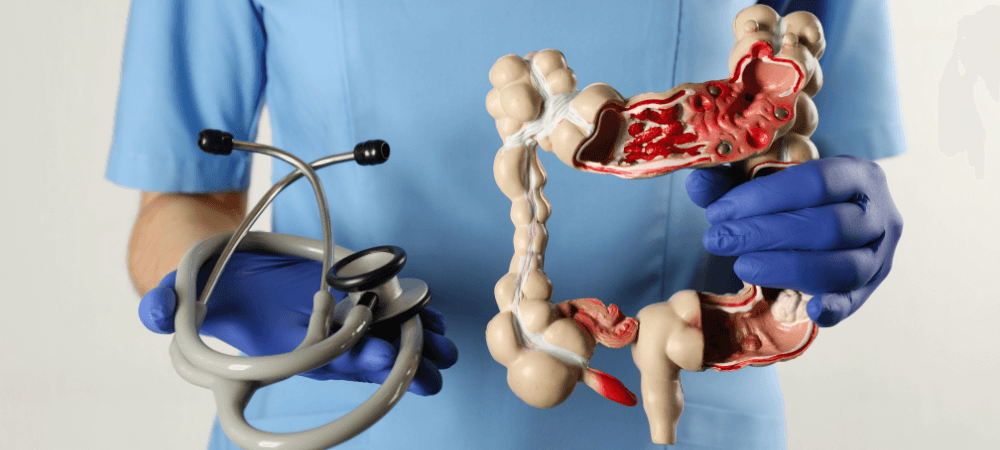
Crohn’s disease is a chronic inflammatory bowel disease (IBD) that affects the lining of the digestive tract, also known as the gastrointestinal (GI) tract.

It can involve any part of the GI tract from the mouth to the anus, but it most commonly affects the end of the small intestine (ileum) and the beginning of the large intestine (colon).

The inflammation caused by Crohn’s disease can penetrate deep into the layers of the affected bowel tissue, leading to pain, discomfort, and various digestive symptoms.

The inflammation can also cause complications such as strictures (narrowing of the intestine), fistulas (abnormal connections between different parts of the intestine or between the intestine and other organs), and abscesses (pockets of infection).

Causes and Risk Factors

The exact cause of Crohn’s disease is still not completely understood, but it is believed to result from a complex interplay of genetic, environmental, and immune system factors.

Here are some of the known causes and risk factors associated with Crohn’s disease:

Genetics:
There is a clear genetic component to Crohn’s disease, as individuals with a family history of the condition are more likely to develop it. Several genes have been identified that may increase the risk of developing Crohn’s disease, but not everyone who carries these genes will develop the condition.
 

Immune system:
Crohn’s disease is considered an autoimmune disorder, in which the immune system mistakenly attacks healthy cells in the gastrointestinal tract. This immune response leads to chronic inflammation and tissue damage. The exact reason for this abnormal immune response is not fully understood, but it is believed to involve a combination of genetic and environmental factors.

Environmental factors:
Although the exact environmental triggers of Crohn’s disease are not known, several factors have been associated with an increased risk of developing the condition. These factors include smoking and having a diet high in fat and low in fiber. It has also been suggested that infections, particularly those involving the gastrointestinal tract, may play a role in triggering Crohn’s disease in susceptible individuals.

Age:
Crohn’s disease can occur at any age, but it is most commonly diagnosed in young adults between the ages of 15 and 35. However, it is important to note that the condition can develop later in life as well.

Smoking:
Smoking is a significant risk factor for the development of Crohn’s disease and is also associated with more severe disease and a higher risk of complications. Quitting smoking can help reduce the risk of developing the condition and improve the overall health of those who already have it.

crohns_symptoms

Common Symptoms of Crohn’s

The symptoms of Crohn’s disease can vary widely depending on the severity of inflammation and the specific parts of the digestive tract affected. Some common symptoms associated with Crohn’s disease include:

Abdominal Pain and Cramping:
This is often experienced in the lower right part of the abdomen but can occur anywhere along the digestive tract. The pain may be mild to severe and can come and go, often worsening after meals.

Diarrhea:
Frequent loose and watery stools are a common symptom of Crohn’s disease. In some cases, diarrhea may be severe and accompanied by blood or mucus.

Fatigue:
People with Crohn’s disease often experience a general feeling of tiredness and low energy levels due to inflammation, malabsorption of nutrients, and the impact of other symptoms on daily life.

Weight loss:
Unintentional weight loss can result from a combination of reduced appetite, malabsorption of nutrients, and increased calorie expenditure due to the ongoing inflammation in the digestive tract.

Fever:
A low-grade fever can sometimes accompany active inflammation in Crohn’s disease, particularly during flare-ups.

Mouth sores:
Painful sores, or ulcers, can develop in the mouth as a result of inflammation in the digestive tract.

Perianal disease:
This includes symptoms like pain, swelling, or drainage around the anus, which can result from the formation of abscesses, fissures, or fistulas.

Nutritional deficiencies:
Crohn’s disease can cause malabsorption of nutrients, leading to deficiencies in essential vitamins and minerals such as iron, vitamin B12, and vitamin D.

Joint pain:
Arthritis or joint pain can occur in some individuals with Crohn’s disease, affecting the knees, ankles, wrists, or other joints.

Skin issues:
Some people with Crohn’s disease may develop skin problems, such as erythema nodosum (painful red nodules under the skin) or pyoderma gangrenosum (painful ulcers that develop rapidly).


Eye inflammation:
Inflammation of the eyes, such as uveitis or episcleritis, can also be a symptom of Crohn’s disease.

crohns_diagnosis_and_testing


Diagnosis and Testing

Diagnosing Crohn’s disease can be challenging due to its varied symptoms and the fact that it can mimic other gastrointestinal conditions.

A combination of medical history, physical examination, and various tests and procedures is often required to accurately diagnose Crohn’s disease.

Here are some of the common steps and tests involved in diagnosing the condition:

Medical History and Physical Examination:
The physician will begin by taking a detailed medical history, including information about symptoms, family history of Crohn’s disease or other gastrointestinal disorders, and any medications the patient is taking. A physical examination will follow, focusing on signs of inflammation, malnutrition, or complications related to Crohn’s disease.

Blood Tests:
Blood tests can help identify signs of inflammation, anemia, and possible nutritional deficiencies. Common blood tests include complete blood count (CBC), C-reactive protein (CRP), and erythrocyte sedimentation rate (ESR).

Stool Tests:
Stool samples may be analyzed to rule out other causes of gastrointestinal symptoms, such as infections or parasites. The presence of fecal calprotectin, a protein that indicates inflammation in the intestines, can also be detected in stool samples and may be a marker for Crohn’s disease.

Imaging Studies:
Various imaging tests can help visualize the gastrointestinal tract and identify areas of inflammation, strictures, or other abnormalities. These tests may include X-rays, computed tomography (CT) scans, magnetic resonance imaging (MRI), or ultrasound.
 

Endoscopy:
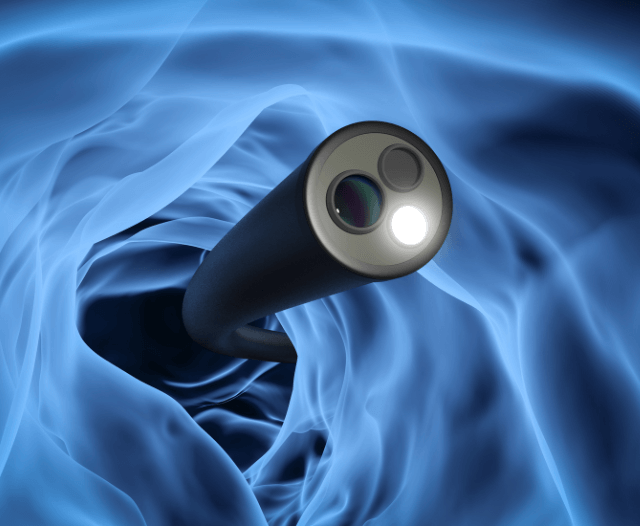
Endoscopic procedures involve inserting a flexible tube with a camera at its tip into the gastrointestinal tract to directly visualize the lining of the digestive tract and take biopsies (tissue samples) for further analysis. Two common endoscopic procedures used in diagnosing Crohn’s disease are:

Colonoscopy:
This procedure allows the physician to examine the entire colon and the end of the small intestine (ileum). Biopsies can be taken during a colonoscopy to help confirm the diagnosis.
upper_endoscopy_procedure

Upper endoscopy:
This procedure is used to examine the esophagus, stomach, and the first part of the small intestine (duodenum). It may be performed if symptoms suggest Crohn’s disease is affecting the upper gastrointestinal tract.

Capsule endoscopy:
In some cases, a capsule endoscopy may be recommended to visualize the small intestine, which can be difficult to examine using conventional endoscopy. The patient swallows a small capsule containing a camera, which takes pictures of the digestive tract as it passes through, transmitting the images to a recording device worn by the patient.

mystery_of_crohns_infographic

Conclusion

Dr. Deetlefs has earned the reputation of a trusted health expert providing consultative, diagnostic, and therapeutic endoscopic and related services to patients in Cape Town and beyond.

Dr Eduan prides himself on his ability to help his patients to the best of his ability by embracing good listening skills, effective communication, compassion and knowledge and skill honed during years of private gastroenterology practice.

If you would like to book an appointment with a gastrointestinal (GI) specialist or would simply like more information on a particular GI topic, don’t hesitate to use our online booking form
or call Dr. Deetlefs at 021 551 867. 

GIDoc Cape Town

Patient-focused GI treatments and procedures in Cape Town.

Monday-Friday 8AM-4PM.

Connect with Us

© Dr. Eduan Deetlefs, Registered Gastroenterologist, GI Doc Cape Town

Our website information is not intended or implied to be a substitute for professional medical advice, diagnosis or treatment. Please consult a doctor about your specific condition. Only a trained physician can determine an accurate diagnosis and proper treatment.

Listening to Your Gut: When to Consult a Gastroenterologist

Listening to Your Gut: When to Consult a Gastroenterologist

Introduction


Gain insight into the role of a gastroenterologist, a medical specialist who focuses on diagnosing and treating conditions related to the digestive system, including the esophagus, stomach, intestines, liver, gallbladder, and pancreas.

Learn about the signs and symptoms that may indicate it’s time to consult a gastroenterologist, a specialist in digestive system disorders.

Common Gastrointestinal Issues:

Common gastrointestinal issues refer to a variety of disorders affecting the digestive system, these issues can range from mild and temporary to chronic and debilitating.

Some of the most common gastrointestinal disorders include:

Gastroesophageal Reflux Disease (GERD)
A chronic condition in which stomach acid frequently flows back into the esophagus, causing heartburn, chest pain, and sometimes, difficulty swallowing. If left untreated, GERD can lead to complications such as esophagitis, Barrett’s esophagus, and esophageal cancer.

Irritable Bowel Syndrome (IBS):
A functional gastrointestinal disorder characterized by abdominal pain, bloating, and changes in bowel habits, such as constipation, diarrhea, or alternating between the two. The exact cause of IBS is unknown, but it is thought to involve a combination of factors, including genetics, gut sensitivity, and stress.


Inflammatory Bowel Disease (IBD)

A group of chronic inflammatory conditions affecting the digestive tract, primarily Crohn’s disease and ulcerative colitis. Symptoms include abdominal pain, diarrhea (sometimes bloody), fatigue, and weight loss.

IBD can lead to complications like intestinal blockages, abscesses, and an increased risk of colon cancer.

Peptic Ulcers
Open sores that develop on the lining of the stomach or the first part of the small intestine (duodenum). Common symptoms include a burning or gnawing pain in the abdomen, nausea, and indigestion. Ulcers are often caused by infection with Helicobacter pylori bacteria or long-term use of nonsteroidal anti-inflammatory drugs (NSAIDs).

Celiac Disease
An autoimmune disorder in which the ingestion of gluten, a protein found in wheat, barley, and rye, triggers an immune response that damages the lining of the small intestine. This can lead to malabsorption of nutrients, causing symptoms such as diarrhea, abdominal pain, bloating, and weight loss.

Gallstones
Solid particles that form in the gallbladder or bile ducts, often due to an imbalance in the substances that make up bile. Gallstones can cause symptoms like abdominal pain, nausea, and jaundice if they block the flow of bile.

Hemorrhoids
Swollen veins in the lower rectum or anus that can cause discomfort, itching, and bleeding. Hemorrhoids can result from increased pressure in the rectum due to factors such as constipation, pregnancy, or straining during bowel movements.

Diverticular Disease
A condition in which small pouches, called diverticula, form in the lining of the colon. These pouches can become inflamed or infected, leading to diverticulitis, which can cause abdominal pain, fever, and changes in bowel habits.

These are just a few examples of the many gastrointestinal issues that can affect individuals. If you experience any persistent or concerning symptoms, it is essential to consult with a healthcare professional or gastroenterologist for proper evaluation and treatment.

when_to_see_gastroenterologist


Signs
And Symptoms of When to See A Gastroenterologist

There are several signs and symptoms that may indicate it’s time to consult a gastroenterologist, a specialist in diagnosing and treating digestive system disorders.

If you experience any of the following persistent or severe symptoms, consider making an appointment with a gastroenterologist:

  • Abdominal pain or discomfort: Persistent or severe pain in the abdomen that does not improve or worsen over time could be a sign of an underlying gastrointestinal issue.
  • Heartburn or acid reflux: Frequent heartburn or acid reflux, especially if it interferes with your daily life, may be a sign of gastroesophageal reflux disease (GERD) or another digestive condition.
  • Changes in bowel habits: Persistent diarrhea, constipation, or alternating between the two, particularly when accompanied by abdominal pain, may indicate conditions such as irritable bowel syndrome (IBS) or inflammatory bowel disease (IBD).
  • Rectal bleeding: Blood in the stool or on toilet paper after wiping could be a sign of hemorrhoids, diverticular disease, or more serious conditions like colorectal polyps or cancer.
  • Difficulty swallowing: If you experience consistent difficulty swallowing or a feeling that food is getting stuck in your throat or chest, it could be a sign of an esophageal issue, such as a stricture or achalasia.
  • Unexplained weight loss: Losing weight without making any significant changes to your diet or exercise routine may indicate a digestive disorder, such as celiac disease, Crohn’s disease, or even cancer.
  • Nausea and vomiting: Persistent or unexplained nausea and vomiting, especially if accompanied by weight loss, could be a sign of an underlying gastrointestinal problem.
  • Jaundice: Yellowing of the skin and eyes may indicate a liver or gallbladder issue, such as hepatitis or gallstones.
  • Persistent bloating or gas: Excessive bloating or gas that does not improve with dietary changes could be a sign of a digestive disorder, such as lactose intolerance, IBS, or small intestinal bacterial overgrowth (SIBO).
  • Family history: If you have a family history of gastrointestinal diseases, such as colorectal cancer or inflammatory bowel disease, you may need to see a gastroenterologist for screening and monitoring.

It’s important to note that these symptoms can be caused by various factors, and some may not necessarily indicate a severe issue.

However, if you experience any of these symptoms persistently or severely, it’s essential to consult with a healthcare professional or gastroenterologist to determine the cause and receive appropriate treatment.

gastroenterologist_procedures


Diagnosing Gastrointestinal Disorders


Gastroenterologists use a variety of diagnostic tools and tests to identify and assess gastrointestinal issues. Some of the most common diagnostic tools include:

Medical history and physical examination: The gastroenterologist will take a detailed medical history and perform a physical examination to gather information about your symptoms, lifestyle, and any relevant family history.

 Blood tests: Blood tests can help diagnose conditions like anemia, liver disease, or infections. They may also be used to screen for celiac disease or monitor inflammation levels in patients with inflammatory bowel disease (IBD).

Stool tests: Stool samples can be analyzed for the presence of blood, parasites, bacteria, or other abnormalities that may indicate a gastrointestinal issue.

 Imaging studies: Imaging techniques such as X-rays, computed tomography (CT) scans, magnetic resonance imaging (MRI), and ultrasound can provide detailed images of the gastrointestinal tract and surrounding organs, helping to identify abnormalities or inflammation.

Upper endoscopy (gastroscopy): This procedure involves inserting a flexible tube with a camera and light (endoscope) through the mouth and into the esophagus, stomach, and upper part of the small intestine (duodenum). It allows the gastroenterologist to visually examine these areas and take biopsies if necessary.

Colonoscopy: A colonoscopy uses a similar endoscope to examine the large intestine (colon) and the rectum. The gastroenterologist can take biopsies, remove polyps, or treat bleeding during the procedure.

Flexible sigmoidoscopy: This procedure is similar to a colonoscopy but only examines the lower part of the colon (sigmoid colon) and the rectum.

Capsule endoscopy: This non-invasive procedure involves swallowing a small, pill-sized camera that takes pictures of the gastrointestinal tract as it passes through. It is particularly useful for examining the small intestine, which can be difficult to reach with traditional endoscopes.

Liver biopsy: A small sample of liver tissue is obtained using a needle or laparoscopic procedure to diagnose liver disease or assess the severity of liver inflammation and fibrosis.

These are just a few examples of the diagnostic tools and tests used by gastroenterologists. The specific tests and procedures required will depend on the patient’s symptoms, medical history, and suspected gastrointestinal issue.

when_to_see_gastroenterologsit_infographic


Get In Touch

If you would like to book an appointment with a gastrointestinal (GI) specialist or would simply like more information on a particular GI topic, don’t hesitate to use our online booking form
or call Dr. Deetlefs at 021 551 867. 

GIDoc Cape Town

Patient-focused GI treatments and procedures in Cape Town.

Monday-Friday 8AM-4PM.

Connect with Us

© Dr. Eduan Deetlefs, Registered Gastroenterologist, GI Doc Cape Town

Our website information is not intended or implied to be a substitute for professional medical advice, diagnosis or treatment. Please consult a doctor about your specific condition. Only a trained physician can determine an accurate diagnosis and proper treatment.
Double-Balloon Enteroscopy Explained

Double-Balloon Enteroscopy Explained

Double-Balloon Enteroscopy Overview


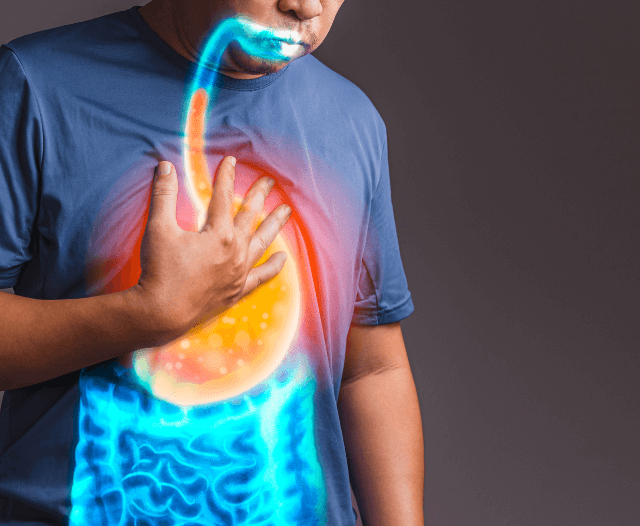
Double balloon enteroscopy (DBE) is a specialized endoscopic procedure that enables visualization and treatment of the small intestine, which is often difficult to access with traditional endoscopy techniques.

The procedure involves the use of a specialized endoscope that has two balloons attached to it – one at the tip of the endoscope and the other at the overtube.

The endoscope is passed through the patient’s mouth or anus, depending on which part of the small intestine needs to be examined.

The process works as follows:

  • The first balloon is inflated, anchoring the overtube in place.
  • The second balloon, located at the tip of the endoscope, is advanced further into the small intestine and then inflated.
  • The first balloon is deflated, allowing the overtube to be moved forward.
  • This process is repeated, with the alternating inflation and deflation of the balloons, allowing the endoscope to “pleat” or “shorten” the small intestine, making it easier to visualize and access.

Double balloon enteroscopy is useful in diagnosing and treating various conditions of the small intestine, such as bleeding, tumors, inflammatory bowel disease, and other abnormalities.

The procedure can also be used to obtain tissue samples for biopsy or to perform therapeutic interventions like polyp removal, dilating strictures, or treating bleeding lesions.

As with any invasive procedure, there are risks associated with double balloon enteroscopy, such as bleeding, perforation, or infection.

However, it is generally considered a safe and effective method for evaluating the small intestine when performed by an experienced endoscopist.

double_balloon_enetroscopy_procedure


Reasons For a Double-Balloon Enteroscopy


Double-balloon enteroscopy (DBE) is a valuable tool for diagnosing and treating various conditions involving the small intestine.

It is typically performed when other diagnostic methods, such as standard upper and lower endoscopies, capsule endoscopy, or imaging studies, have not provided a definitive diagnosis or when therapeutic intervention is required.

Some common reasons for a double-balloon enteroscopy include: 

  • Obscure gastrointestinal bleeding: DBE is often used to identify the source of gastrointestinal bleeding when it cannot be found using conventional endoscopy or imaging studies. This type of bleeding can be caused by vascular malformations, small bowel tumors, or ulcers.
  • Inflammatory bowel disease (IBD): DBE can help diagnose and evaluate the extent of IBD, such as Crohn’s disease, in the small intestine, particularly when other imaging studies are inconclusive or insufficient.
  • Small bowel tumors: DBE can be used to visualize and biopsy small bowel tumors, such as gastrointestinal stromal tumors (GISTs), adenocarcinomas, or lymphomas, which are difficult to reach with conventional endoscopy.
  • Polyps and polyposis syndromes: DBE can be used to diagnose and treat polyps or polyposis syndromes, such as Peutz-Jeghers syndrome, in the small intestine.
  • Small bowel strictures: DBE can help identify and treat strictures or narrowing in the small intestine caused by conditions such as Crohn’s disease, radiation enteritis, or surgical adhesions.
  • Malabsorption syndromes: DBE can be used to evaluate and diagnose malabsorption syndromes, such as celiac disease or Whipple’s disease, when other diagnostic methods are inconclusive.
  • Retrieval of foreign bodies or retained capsules: In some cases, DBE can be used to retrieve foreign bodies or endoscopy capsules that have become lodged in the small intestine.
  • Gastrointestinal fistulas or abnormal connections: DBE can help identify and evaluate fistulas between the small intestine and other organs or structures.

It is essential to note that the decision to perform a double-balloon enteroscopy is made on a case-by-case basis, considering the patient’s medical history, symptoms, and the results of prior diagnostic tests.

abdominal_pain_enteroscopy


Preparing for a Double-Balloon Enteroscopy


Preparing for a double-balloon enteroscopy (DBE) is an essential step to ensure the procedure’s success and minimize potential complications.

Your healthcare provider will give you specific instructions on how to prepare, which may vary depending on whether the DBE is performed via the oral (antegrade) or anal (retrograde) approach.

Here are some general guidelines for preparing for a DBE:

Diet and fasting:

You may be asked to follow a clear liquid diet for a day or two before the procedure. Clear liquids include water, clear broth, apple juice, plain tea, or black coffee.

You will likely be instructed to stop consuming any food or drink after midnight on the day before the procedure.

This ensures that your stomach and small intestine are empty during the examination.

Bowel preparation:

For an antegrade DBE (through the mouth), bowel preparation is usually not required.

For a retrograde DBE (through the anus), bowel preparation is essential. You will be given instructions on using a laxative solution or enema to clean out your colon.

This may involve drinking a large volume of a prescribed solution or taking over-the-counter laxatives. Follow your doctor’s instructions carefully to ensure your colon is adequately cleansed.
 

Medications:

Inform your healthcare provider about any medications you are taking, including prescription medications, over-the-counter drugs, vitamins, or herbal supplements.

You may be asked to stop or adjust the dosage of certain medications, such as blood thinners, nonsteroidal anti-inflammatory drugs (NSAIDs), or diabetes medications, before the procedure.

Always consult your healthcare provider before making any changes to your medications.


Allergies:

Inform your healthcare provider if you have any allergies, particularly to medications, latex, or iodine, as these substances may be used during the procedure.

Sedation and anesthesia:

DBE is typically performed under conscious sedation or general anaesthesia, depending on the individual patient and the facility where the procedure is conducted.

Discuss your sedation or anaesthesia options with your healthcare provider and inform them of any previous adverse reactions to sedatives or anaesthetics.

Arrange transportation: 

Since you will be sedated for the procedure, you will not be able to drive yourself home afterward. Arrange for a friend or family member to accompany you and provide transportation.

Remember to follow your healthcare provider’s instructions carefully to ensure the best possible outcome from your double-balloon enteroscopy.

If you have any questions or concerns about the preparation process, don’t hesitate to contact your healthcare provider for clarification.

balloon_enteroscopy_recovery


The Recovery After Double-Balloon Enteroscopy


Recovery after a double-balloon enteroscopy (DBE) may vary depending on the individual patient, the extent of the procedure, and whether any therapeutic interventions were performed during the examination.

Here are some general guidelines for the recovery process:

Post-procedure monitoring:

Immediately after the procedure, you will be taken to a recovery area where your vital signs, such as blood pressure, heart rate, and oxygen levels, will be monitored as the sedation or anesthesia wears off. 

You may experience mild drowsiness, dizziness, or disorientation due to the sedative medications. These effects should resolve as the sedation wears off.
 

Discharge Instructions:

Once you are fully awake and stable, you will be given discharge instructions. These may include guidelines on resuming your regular diet, medications, and activities. 

You may be advised to avoid driving or operating heavy machinery for 24 hours after the procedure due to the lingering effects of sedation.

Side effects and complications:

You may experience mild bloating, gas, or abdominal discomfort after the procedure.

These symptoms are usually temporary and should resolve within a few hours to a day.

Although rare, complications can occur after a DBE, including bleeding, infection, or perforation. If you experience any of the following symptoms, contact your healthcare provider immediately:

  • Severe abdominal pain
  • Fever or chills
  • Persistent vomiting
  • Bloody or black, tarry stools
  • Shortness of breath or chest pain

Follow-up appointments:

Your healthcare provider will typically schedule a follow-up appointment to discuss the results of the DBE and any biopsy results if tissue samples were taken during the procedure.

If therapeutic interventions were performed, such as polyp removal or stricture dilation, your healthcare provider will discuss the appropriate follow-up care, including any additional testing or treatment that may be required.

In general, most patients recover quickly after a double-balloon enteroscopy and can return to their normal activities within a day or two.

However, your individual recovery time may vary depending on your overall health and the specifics of your procedure.

Always follow your healthcare provider’s instructions and recommendations for the best possible outcome. 

double_balloon_enteroscopy_infographic


Conclusion


Dr. Deetlefs has earned the reputation of a trusted health expert providing consultative, diagnostic, and therapeutic endoscopic and related services to patients in Cape Town and beyond.  

Dr Eduan prides himself on his ability to help his patients to the best of his ability by embracing good listening skills, effective communication, compassion and knowledge and skill honed during years of private gastroenterology practice.

If you would like to book an appointment with a gastrointestinal (GI) specialist or would simply like more information on a particular GI topic, don’t hesitate to use our online booking form
or call Dr. Deetlefs at 021 551 867.

GIDoc Cape Town

Patient-focused GI treatments and procedures in Cape Town.

Monday-Friday 8AM-4PM.

Connect with Us

© Dr. Eduan Deetlefs, Registered Gastroenterologist, GI Doc Cape Town

Our website information is not intended or implied to be a substitute for professional medical advice, diagnosis or treatment. Please consult a doctor about your specific condition. Only a trained physician can determine an accurate diagnosis and proper treatment.

Understanding Ulcerative Colitis

Understanding Ulcerative Colitis

Overview of Ulcerative Colitis


Ulcerative colitis is a chronic inflammatory bowel disease that primarily affects the colon and rectum. The condition causes inflammation and sores (ulcers) to develop on the inner lining of the large intestine, leading to symptoms such as diarrhea, abdominal pain, and rectal bleeding.

The exact cause of ulcerative colitis is not known, but it is thought to be an autoimmune disorder in which the body’s immune system mistakenly attacks the lining of the colon and rectum.

Other factors that may contribute to the development of ulcerative colitis include genetics, environmental factors, and an imbalance of gut bacteria.

Symptoms of ulcerative colitis can vary in severity and may include diarrhea, bloody stools, abdominal pain and cramping, fatigue, weight loss, and fever.

Flares of the disease can be unpredictable and may be triggered by factors such as stress, infections, or changes in diet.

Treatment for ulcerative colitis typically involves medications to reduce inflammation and manage symptoms, such as corticosteroids, immunosuppressants, and biologics.

In this blog, we will delve into the topic of ulcerative colitis, a chronic inflammatory bowel disease that affects the colon and rectum.


Symptoms


The symptoms of ulcerative colitis can vary from person to person, and they may range from mild to severe.

Some of the most common symptoms of UC include:

  • Diarrhea, often with blood or pus
  • Abdominal pain and cramping
  • Urgency to have a bowel movement
  • Inability to have a bowel movement despite urgency
  • Rectal pain and bleeding
  • Fatigue
  • Loss of appetite and weight loss
  • Anemia

ulcerative_colitis_diagnosis


Causes


The exact cause of ulcerative colitis is unknown, but it is thought to be a result of a combination of genetic, environmental, and immunological factors.

People with a family history of UC are at a higher risk of developing the disease.

Other factors that may contribute to the development of UC include a compromised immune system, bacterial or viral infections, and stress.


Diagnosis

The diagnosis of ulcerative colitis involves a combination of medical history, physical examination, and diagnostic tests.

A healthcare provider will ask about the patient’s symptoms, medical history, and family history of IBD.
A physical exam may also be conducted to check for signs of inflammation in the abdomen.

Diagnostic tests that may be used to diagnose UC include: 

Blood tests to check for signs of inflammation or infection

Blood tests can be useful in the diagnosis and management of ulcerative colitis (UC).
While there is no one specific blood test that can definitively diagnose UC, blood tests can help rule out other conditions that may have similar symptoms and help monitor disease activity and response to treatment.

Some of the tests that may be ordered for UC include:

  • Complete blood count (CBC):
    This test measures the levels of different types of blood cells, including red blood cells, white blood cells, and platelets. In UC, the CBC can show signs of anemia (low red blood cell count) or inflammation (elevated white blood cell count).
  • Stool tests to check for blood, infections, or parasites
  • CT scan or MRI to evaluate the extent of inflammation and complications
  • Colonoscopy to visualize the colon and take tissue samples for biopsy

ulcerative_colitis_treatment


Colonoscopy Explained


Colonoscopy is a medical procedure that allows healthcare providers to visualize the inside of the colon and rectum using a flexible, lighted tube called a colonoscope. 

The procedure is used to screen for colon cancer, diagnose and treat various gastrointestinal conditions, and monitor the effectiveness of treatment.

During a colonoscopy, the patient lies on their side while the colonoscope is inserted into the rectum and advanced through the colon.

The colonoscope has a tiny camera on the end, which sends images to a monitor that the healthcare provider uses to examine the colon lining for abnormalities such as polyps, inflammation, or cancerous growths.

Before a colonoscopy, patients must follow a special diet and take laxatives to cleanse the colon.

They may also receive sedation or anesthesia to help them relax and reduce discomfort during the procedure.

If any abnormalities are found during the colonoscopy, the healthcare provider may take a biopsy or remove the abnormal tissue for further testing.

The removed tissue is then sent to a lab for analysis to determine if it is cancerous or benign.

Although colonoscopy is generally considered a safe procedure, there are some risks, including bleeding, infection, and perforation of the colon.

It is important to discuss any concerns with the healthcare provider before the procedure.

In summary, colonoscopy is a procedure that allows healthcare providers to examine the colon and rectum for abnormalities using a colonoscope.

The procedure is used to screen for conditions and diagnose and treat gastrointestinal conditions, and monitor treatment effectiveness.

Patients must prepare for the procedure by following a special diet and taking laxatives to cleanse the colon.

If abnormalities are found, a biopsy or removal of tissue may be necessary for further testing.

While generally safe, there are some risks associated with the procedure.


ulcerative_colitis_colonoscopy


Treatment


The treatment of ulcerative colitis may involve medications and lifestyle changes.
The goals of treatment are to reduce inflammation, manage symptoms, and prevent complications.

Medications that may be used to treat UC include: 

  • Aminosalicylates (5-ASAs) to reduce inflammation
  • Corticosteroids to reduce inflammation
  • Immunosuppressants to suppress the immune system
  • Biologic therapies to target specific proteins involved in inflammation
  • Lifestyle changes
  • Eating a healthy and balanced diet
  • Staying hydrated
  • Getting regular exercise
  • Reducing stress
  • Quitting smoking

In some cases, surgery may be necessary to remove the affected part of the colon or rectum.


Traveling with Ulcerative Colitis:


Traveling can be stressful for people with ulcerative colitis, as it can disrupt daily routines and access to medical care. 

It is important to stay calm during travelling, keep an emergency kit with you and stay hydrated.


Alternative Therapies for Ulcerative Colitis:

While conventional medical treatments are often effective for managing ulcerative colitis, some people may seek out alternative therapies, such as acupuncture or herbal remedies.


The Latest Research on Ulcerative Colitis:


Ulcerative colitis is a rapidly evolving field, with new research and treatments emerging all the time. 

In this blog post, you could highlight some of the latest research on ulcerative colitis, including advances in genetics, immunology, and microbiome research. 

ulcerative_infographic


Conclusion:


In conclusion, ulcerative colitis is a chronic inflammatory disease that affects the colon and rectum.

It can cause a range of uncomfortable symptoms.  Although there is no known cure for ulcerative colitis, there are a variety of treatment options available to manage the symptoms and improve quality of life for patients.

It is important for individuals with ulcerative colitis to work closely with their healthcare providers to develop a personalized treatment plan that addresses their specific symptoms and needs. This may involve a combination of medications, lifestyle changes, and dietary modifications.

Furthermore, it is essential to stay up to date with regular check-ups and monitoring to ensure that the disease is under control and to prevent the development of serious complications, such as colon cancer.

Living with ulcerative colitis can be challenging, but with proper care and management, it is possible to lead a healthy and fulfilling life.

For any additional information regarding a Colonoscopy procedure, it’s best to find a trusted and experienced Gastroenterologist who can answer your questions clearly, recommend appropriate solutions, and perform tests with precision and expertise.

Dr. Deetlefs has earned the reputation of a trusted health expert providing consultative, diagnostic, and therapeutic endoscopic and related services to patients in Cape Town and beyond.

Dr Eduan prides himself on his ability to help his patients to the best of his ability by embracing good listening skills, effective communication, compassion and knowledge and skill honed during years of private gastroenterology practice.


If you would like to book an appointment with a gastrointestinal (GI) specialist or would simply like more information on a particular GI topic, don’t hesitate to use our online booking form
or call Dr. Deetlefs at 021 551 867. 

GIDoc Cape Town

Patient-focused GI treatments and procedures in Cape Town.

Monday-Friday 8AM-4PM.

Connect with Us

© Dr. Eduan Deetlefs, Registered Gastroenterologist, GI Doc Cape Town

Our website information is not intended or implied to be a substitute for professional medical advice, diagnosis or treatment. Please consult a doctor about your specific condition. Only a trained physician can determine an accurate diagnosis and proper treatment.

Colonoscopy Explained

Colonoscopy Explained


What is a Colonoscopy?


A colonoscopy is a medical procedure used to examine the inside of the large intestine (colon) and rectum.

During the procedure, a long, flexible, and lighted instrument called a colonoscope is inserted through the rectum to visualize the entire colon.

The procedure is used to detect and diagnose conditions such as colon cancer, inflammatory bowel disease (IBD), diverticulosis, and to remove polyps or other growths.

Why is a Colonoscopy Important

A colonoscopy is important because it allows the doctor to visually examine the inside of the colon for any abnormalities such as polyps, tumors, or inflammation.

It can help diagnose various conditions such as colon cancer, inflammatory bowel disease (IBD), and diverticulosis.

It is also used as a screening tool to detect colon cancer in its early stages, when it is most treatable.

Additionally, if any abnormal growths are found during the procedure, they can be removed immediately, reducing the risk of future complications.


How to Prepare for a Colonoscopy

To prepare for a colonoscopy, you will need to follow specific instructions provided by your doctor to clean out your colon, which typically include:


  • Diet changes: Avoid solid foods for 1 – 2 days before the procedure and follow a clear liquid diet. 
  • Laxatives: Take prescribed or over-the counter laxatives to empty your bowels. 
  • Hydration: Drink plenty of liquids to stay hydrated 
  • Avoid certain medications: Stop taking certain medications such as blood thinners before procedure. 
  • Fast: Don’t eat or drink anything for 8 – 12 hours before the procedure. 

It’s important to follow the instructions provided by your doctor closely, as a clean colon is essential for a successful and safe colonoscopy.

Additionally, let your doctor know of any medications you are taking, and if you have any medical conditions or allergies.

colonoscopy_Prepare

What Happens During a Colonoscopy

During a colonoscopy, the patient is positioned on their side on an exam table and given sedation to relax and make the procedure more comfortable.

The doctor then inserts the colonoscope through the rectum and guides it through the colon.

The scope has a light and camera, allowing the doctor to see the inside of the colon and take images for later review.

If any polyps or other growths are found, the doctor can remove them during the procedure using instruments passed through the colonoscope.

The procedure typically lasts 30 minutes to an hour.

After the procedure, the patient should rest for a short time under observation, until the sedation wears off.

The patient may feel some bloating or mild cramping, but these symptoms typically resolve quickly.

The doctor will discuss the results of the colonoscopy with the patient, including any findings and the need for any further tests or treatments.


Risks and Potential Complications

A colonoscopy is a generally safe procedure, but like any medical procedure, there are some risks and potential complications.

These include:

  • Bleeding: There is a small risk of bleeding after the removal of a polyp or growth.
  • Perforation: In rare cases, the colonoscope may cause a tear in the colon, which can cause peritonitis (an infection of the abdominal cavity). 
  • Reaction to sedation: Some people may have an adverse reaction to the sedation used during the procedure. 
  • Discomfort: Some patients may experience discomfort or mild pain during or after the procedure. 
  • Missed lesions: While a colonoscopy is highly effective, it is not foolproof and there is a small risk that a lesion or growth may be missed.

It is important to discuss any concerns or questions about the risks and potential complications of a colonoscopy with your doctor before the procedure.

Your doctor can also explain what to expect during and after the procedure and answer any questions you may have.


colonoscopy_procedure


How to Care for Yourself After a Colonoscopy

After a colonoscopy, you should follow these steps to ensure a smooth recovery:

  • Rest: Take it easy for the rest of the day and avoid strenuous activities. 
  • Hydration: Drink plenty of clear liquids to stay hydrated. 
  • Resume normal activities: Gradually return to your normal diet and activities but avoid solid foods for a few hours after the procedure. 
  • Follow-up care: If you had any polyps or growths removed during the procedure, your doctor will let you know if any follow-up care is needed. 
  • Report any symptoms: If you experience any symptoms such as severe abdominal pain, fever, or heavy bleeding, contact your doctor immediately. 

It is important to follow your doctor’s instructions and listen to your body as you recover from a colonoscopy.

If you have any concerns or questions about your recovery, do not hesitate to reach out to your doctor for advice.


Alternatives to a Colonoscopy


There are several alternatives to a colonoscopy, including:

  • Fecal Occult Blood Test (FOBT): A simple blood test to detect blood in the stool, which can be a sign of colon cancer. 
  • Stool DNA test: A test that looks for abnormal DNA in the stool, which can indicate the presence of colon cancer or precancerous polyps. 
  • Flexible Sigmoidoscopy: Similar to a colonoscopy, but only examines the lower part of the colon. 
  • CT Colonography (Virtual Colonoscopy): A non-invasive test that uses X-rays and computer software to produce images of the colon. 
  • Double-Contrast Barium Enema (DCBE): An X-ray test that uses barium to highlight the inside of the colon.

It’s important to discuss your options with your doctor, who can help determine which test is best for you based on your individual needs and risk factors.

Keep in mind that while these tests can be used to detect colon cancer or precancerous growths, a colonoscopy remains the most effective way to examine the inside of the colon and remove any growths or polyps if necessary.

colonoscopy_diagnosis


When to Schedule Your Next Colonoscopy

The recommended interval for scheduling your next colonoscopy depends on several factors, including:

  • Age: For average-risk individuals, the American Cancer Society recommends a first colonoscopy at age 45 or earlier if there is a family history of colon cancer. 
  • Risk factors: If you have any risk factors for colon cancer, such as a family history, personal history of polyps or colon cancer, or inflammatory bowel disease, your doctor may recommend a more frequent screening schedule. 
  • Results of previous colonoscopies: If no polyps or growths were found during your previous colonoscopy, your doctor may recommend scheduling your next colonoscopy in 10 years.If polyps were found and removed, the recommended interval may be shorter, based on the size, number, and type of polyps.

It is important to discuss your individual screening schedule with your doctor, who can help determine the right time for your next colonoscopy based on your individual health history and risk factors.

colonocopy_explained_infographic


Conclusion

For any additional information regarding a Colonoscopy procedure, it’s best to find a trusted and experienced Gastroenterologist who can answer your questions clearly, recommend appropriate solutions, and perform tests with precision and expertise.

Dr. Deetlefs has earned the reputation of a trusted health expert providing consultative, diagnostic, and therapeutic endoscopic and related services to patients in Cape Town and beyond.

Dr Eduan prides himself on his ability to help his patients to the best of his ability by embracing good listening skills, effective communication, compassion and knowledge and skill honed during years of private gastroenterology practice.


If you would like to book an appointment with a gastrointestinal (GI) specialist or would simply like more information on a particular GI topic, don’t hesitate to use our online booking form
or call Dr. Deetlefs at 021 551 867. 

GIDoc Cape Town

Patient-focused GI treatments and procedures in Cape Town.

Monday-Friday 8AM-4PM.

Connect with Us

© Dr. Eduan Deetlefs, Registered Gastroenterologist, GI Doc Cape Town

Our website information is not intended or implied to be a substitute for professional medical advice, diagnosis or treatment. Please consult a doctor about your specific condition. Only a trained physician can determine an accurate diagnosis and proper treatment.

Irritable Bowel Disease – What It Is, What Causes It, and How to Treat It

Irritable Bowel Disease – What It Is, What Causes It, and How to Treat It

Overview


Irritable bowel disease (IBD) is a group of chronic disorders that affect the gastrointestinal tract. The two most common types of IBD are ulcerative colitis and Crohn’s disease.

Symptoms of IBD can vary depending on the individual, but may include abdominal pain, cramping, diarrhea, weight loss, and fatigue.

IBD can also lead to other complications such as malnutrition, dehydration, and anemia.

There is no known cure for IBD, but there are treatments available to help manage the symptoms and prevent flares. Treatment options include medication, surgery, and lifestyle changes.


What Exactly Is Irritable Bowel Disease?


Irritable bowel disease (IBD) is a chronic inflammation of the intestines that can cause abdominal pain, diarrhea, and weight loss.

The two main types of IBD are ulcerative colitis and Crohn’s disease.

IBD can be difficult to diagnose because its symptoms are similar to those of other gastrointestinal disorders.

Treatment for IBD typically involves medications to reduce inflammation, but some people may require surgery.


Types of Irritable Bowel Disease


Crohn’s Disease

Crohn’s disease is an inflammatory bowel disease that can affect any part of the gastrointestinal tract from the mouth to the anus.

It is a chronic condition, which means it can last for a long time and may flare up at unpredictable intervals.

Symptoms of Crohn’s disease can include:

  • Abdominal pain
  • Diarrhea
  • Weight loss
  • Fatigue

The exact cause of Crohn’s disease is unknown, but it is thought to be a combination of genetic and environmental factors.

Treatment for Crohn’s disease usually involves a combination of medication and lifestyle changes.

 ibd_causes_treatment


Ulcerative Colitis

Ulcerative colitis is a chronic inflammatory disease of the large intestine, or colon, in which the lining of the colon becomes ulcerated and inflamed.

The inflammation typically affects the innermost layer of the colon, known as the mucosa. Ulcerative colitis typically begins in the rectum and spreads upward.

The most common symptom of ulcerative colitis is bloody diarrhea.

Other symptoms may include:

  • Abdominal pain
  • Cramping
  • Urgency to have a bowel movement
  • Weight loss

Ulcerative colitis is a lifelong condition that has no cure.

However, it is possible to manage the symptoms with medication and lifestyle changes.


What Are the Common Causes Of IBD?


There are many possible causes of irritable bowel disease (IBD), and the exact cause of a person’s IBD may not be known.

Possible causes include a malfunctioning immune system, genetics, and certain environmental factors.

The immune system is responsible for protecting the body against infection and disease. However, in people with IBD, the immune system mistakenly attacks the digestive tract, causing inflammation.

This inflammation can lead to symptoms such as abdominal pain, diarrhea, and weight loss.

Genetics may also play a role in IBD.

Studies have shown that IBD is more common in people who have a family history of the condition.

Additionally, certain ethnic groups are more likely to develop IBD, suggesting that there may be a genetic link.

Finally, certain environmental factors may contribute to IBD. For example, exposure to certain bacteria or viruses has been linked to the development of IBD.

Additionally, stress and diet may also play a role in triggering IBD.


How Does IBD Affect Your Body?


IBD can cause a variety of symptoms, including abdominal pain, diarrhea, fatigue, and weight loss. The inflammation can also lead to ulcers, fistulas, and intestinal bleeding.

IBD can be a very debilitating condition, and it can significantly impact a person’s quality of life.

There is no cure for IBD, but there are treatments that can help to manage the symptoms and minimize the inflammation.

If you have IBD, it is important to work with a healthcare team that can help you to create an individualized treatment plan.


ibd_diagnosis


How is IBD Diagnosed?


There is no single test used to diagnose IBD. The diagnosis is made based on a combination of factors, including a person’s medical history, symptoms, and results from a physical exam and various diagnostic tests.

The first step in diagnosing IBD is usually a consultation with a doctor. During this appointment, the doctor will take a medical history and ask about the symptoms the person is experiencing.

The doctor will also perform a physical exam.

Based on the information collected, the doctor may order one or more of the following diagnostic tests:

  • Endoscopy: An endoscope is a thin, flexible tube with a light and camera attached to it. The endoscope is inserted through the mouth and down the throat into the stomach and intestines. This allows the doctor to directly visualize the inside of the digestive tract and look for any signs of inflammation.
  • Biopsy: A small sample of tissue is taken from the digestive tract during endoscopy and examined under a microscope. This can help confirm the diagnosis of IBD and rule out other conditions.
  • Blood tests: A blood test can be used to look for certain markers of inflammation in the body.
  • Stool tests: A stool sample may be examined for evidence of inflammation or infection.

Once IBD is diagnosed, the doctor will work with the person to develop a treatment plan.


ibd_symptoms


What Is the Treatment For IBD?


There is no one-size-fits-all treatment for IBD, as the condition can vary considerably from person to person.

However, there are a number of effective treatments available that can help to control the symptoms and flares of IBD.

Medical therapy for IBD usually involves the use of anti-inflammatory medications, immunosuppressants, and/or biologic agents.

These medications can help to reduce inflammation in the gut and improve symptoms. In some cases, surgery may also be necessary to remove affected portions of the intestine.

Dietary changes can also be helpful in managing IBD symptoms. A diet that is low in inflammatory foods and rich in fiber and healthy fats can help to reduce gut inflammation and improve symptoms.

Probiotics and other supplements may also be helpful in reducing inflammation and promoting gut health.


Lifestyle Changes for IBD


There is no one-size-fits-all approach to managing IBD but making lifestyle changes can be an important part of your treatment plan. Some lifestyle changes that may help manage IBD include:

  • Eating a healthy diet: Eating a diet that is high in fiber and low in fat can help reduce symptoms and promote healing.
  • Exercising regularly:
    Exercise can help reduce stress and promote a healthy immune system.
  • Reducing stress:
    Stress can trigger IBD flares, so finding ways to reduce stress in your life can be helpful.
  • Quitting smoking: Smoking can make IBD symptoms worse and can also increase the risk for complications.

Making these lifestyle changes can be difficult but working with your doctor and a registered dietitian can help you develop a plan that works for you.


Conclusion:


Being aware of the disease is the best way to fight it.

A little knowledge goes a long way. If you have IBD, you are not alone. If you suspect that you might have IBD, contact your doctor for a consultation.

irritable_bowel_disease_Infographic


When to See a Doctor


Although these remedies and guidelines might alleviate the pain, it is recommended to get a professional diagnosis from your doctor or gastroenterologist in order to discuss the way forward.

Dr Eduan prides himself on his ability to help his patients to the best of his ability by embracing good listening skills, effective communication, compassion and knowledge and skill honed during years of private gastroenterology practice.

If you would like to book an appointment with a gastrointestinal (GI) specialist or would simply like more information on a particular GI topic, don’t hesitate to use our online booking form or call Dr. Deetlefs at 021 551 867.

GIDoc Cape Town

Patient-focused GI treatments and procedures in Cape Town.

Monday-Friday 8AM-4PM.

Connect with Us

© Dr. Eduan Deetlefs, Registered Gastroenterologist, GI Doc Cape Town

Our website information is not intended or implied to be a substitute for professional medical advice, diagnosis or treatment. Please consult a doctor about your specific condition. Only a trained physician can determine an accurate diagnosis and proper treatment.