
021 202 0626
IBS or IBD? Understanding the Key Differences

IBS or IBD? Understanding the Key Differences


Many people confuse Irritable Bowel Syndrome (IBS) and Inflammatory Bowel Disease (IBD) — and understandably so. Both conditions affect the gastrointestinal (GI) tract, cause abdominal pain, and disrupt daily life.

However, IBS and IBD are fundamentally different in cause, severity, and treatment. Understanding the distinction is crucial for timely diagnosis, appropriate care, and effective symptom management.

In this article, we’ll explore the key differences between IBS and IBD, outline common symptoms, delve into diagnosis and treatment approaches, and offer guidance for patients living with either condition.


What Is IBS (Irritable Bowel Syndrome)?


Irritable Bowel Syndrome is a functional gastrointestinal disorder, which means that while the digestive tract appears normal on testing, it doesn’t function properly.

IBS affects the large intestine (colon) and is characterized by chronic abdominal discomfort, bloating, and altered bowel habits. Though it does not cause inflammation or damage to the bowel tissue, its symptoms can be severe and significantly affect quality of life.

IBS is believed to be caused by a complex interplay between the brain and gut, often referred to as the gut-brain axis. Abnormal muscle contractions in the intestine, heightened pain sensitivity, and changes in gut bacteria may all contribute to the development of IBS.


Common Symptoms of IBS


  • Abdominal cramping or pain
  • Bloating and gas
  • Diarrhea (IBS-D), constipation (IBS-C), or alternating both (IBS-M)
  • Mucus in the stool
  • Feeling of incomplete bowel movement
  • Relief of pain after a bowel movement

Key Features of IBS


  • No visible inflammation or damage to the GI tract
  • Does not cause permanent harm to the intestines
  • No increased risk of colorectal cancer
  • Often triggered by stress, diet, or hormonal changes
  • Tends to improve with dietary management and stress reduction

ibs_abdominal_pain

What Is IBD (Inflammatory Bowel Disease)?


Inflammatory Bowel Disease refers to a group of chronic autoimmune diseases that result in inflammation and damage to the gastrointestinal tract. The two main types of IBD are:

  • Crohn’s Disease, which can affect any part of the GI tract from the mouth to the anus, often with patchy, transmural inflammation
  • Ulcerative Colitis, which affects only the colon and rectum, with inflammation typically limited to the mucosal lining

IBD is an autoimmune condition where the body mistakenly attacks healthy cells in the GI tract, leading to inflammation, ulceration, and complications over time. Unlike IBS, IBD can cause serious structural damage to the bowel and may require intensive medical treatment or surgery.


Common Symptoms of IBD


  • Persistent diarrhea, often with urgency
  • Rectal bleeding
  • Abdominal pain and cramping
  • Fatigue and malaise
  • Weight loss and nutritional deficiencies
  • Fever and night sweats during active flares
  • Anemia due to chronic blood loss

Extraintestinal Manifestations


IBD can also affect other parts of the body beyond the digestive tract:

  • Joint pain or arthritis
  • Skin disorders like erythema nodosum
  • Eye inflammation (uveitis)
  • Liver disorders such as primary sclerosing cholangitis

Key Features of IBD


  • Visible inflammation, ulcers, and damage to the GI tract
  • Can lead to complications like strictures, fistulas, abscesses, and increased cancer risk
  • Requires long-term medical treatment, and sometimes surgery
  • May involve periods of remission and flare-ups

ibd_crohns_disease


IBS vs IBD: A Side-by-Side Comparison


Feature IBS IBD
Nature of Condition Functional disorder Autoimmune/inflammatory disease
Damage to GI Tract None Inflammation and structural damage
Risk of Colon Cancer No Increased risk (especially in UC)
Bleeding Rare Common
Diagnosis Based on symptoms and exclusion Confirmed by colonoscopy and biopsy
Treatment Goals Symptom relief Inflammation control and disease remission
Medications Antispasmodics, fiber, laxatives Biologics, immunosuppressants, steroids
Surgery Required Rare Often needed in severe cases
Mental Health Impact Common, stress-related Anxiety and depression due to disease burden


Causes and Risk Factors


IBS Causes and Risk Factors

  • Gut-brain axis dysfunction
  • Stress and anxiety
  • Dietary triggers (e.g., FODMAPs, caffeine, spicy foods)
  • Hormonal fluctuations (more common in women)
  • Post-infectious IBS after gastroenteritis
  • Genetic and early life factors

IBD Causes and Risk Factors

  • Immune system dysfunction
  • Genetic predisposition (family history of IBD)
  • Environmental triggers (e.g., antibiotics, pollution, Western diet)
  • Smoking (increases Crohn’s risk, but may be protective in UC)
  • Alterations in gut microbiota
  • Urban living and lower vitamin D levels

ibd_gut_brain_axis


Diagnosis: IBS vs. IBD


How Is IBS Diagnosed?

IBS is typically diagnosed after ruling out more serious conditions. Physicians may:

  • Use the Rome IV criteria (abdominal pain related to defecation, lasting at least 1 day per week over 3 months)
  • Review a detailed symptom and diet history
  • Order blood tests to rule out anemia, celiac disease, or infection
  • Use stool tests to rule out inflammation (e.g., fecal calprotectin)
  • Conduct colonoscopy if red-flag symptoms are present

How Is IBD Diagnosed?

IBD diagnosis involves more advanced testing to confirm inflammation:

  • Blood tests for CRP, ESR, and iron levels
  • Stool tests like fecal calprotectin and occult blood
  • Colonoscopy with tissue biopsy to assess extent and severity
  • MRI or CT enterography to view the small bowel in Crohn’s disease
  • Capsule endoscopy or ultrasound when needed


Treatment Options


Managing IBS

IBS is usually managed with a multi-faceted approach aimed at reducing symptom frequency and improving quality of life:

  • Low-FODMAP diet to reduce gas-producing foods
  • Fiber supplements for constipation-predominant IBS (soluble fiber preferred)
  • Antispasmodic medications like hyoscine or dicyclomine
  • Laxatives or anti-diarrheal agents as needed
  • Probiotics to balance gut bacteria
  • Cognitive behavioral therapy (CBT) or gut-directed hypnotherapy
  • Stress management with mindfulness, yoga, or regular exercise


Managing IBD

IBD requires targeted medical therapy to control inflammation and induce remission:

  • Aminosalicylates (5-ASA) for mild to moderate UC
  • Corticosteroids for moderate to severe flares
  • Immunomodulators like azathioprine or methotrexate for long-term control
  • Biologic therapies (anti-TNF agents, integrin inhibitors, IL-12/23 blockers)
  • Janus kinase (JAK) inhibitors for refractory cases
  • Nutritional therapy or enteral nutrition in pediatric cases
  • Surgical options including colectomy or bowel resection when necessary

ibd_diagnosis_colonoscopy

Living with IBS or IBD


Coping with IBS

While IBS does not cause damage to the digestive tract, the chronic and unpredictable nature of symptoms can lead to anxiety, embarrassment, and a lower quality of life.

Supportive care, patient education, and tailored diet and lifestyle changes can significantly improve symptoms.

Coping with IBD

IBD is a lifelong condition that can fluctuate between remission and flare-ups. Early diagnosis, consistent treatment, and lifestyle adjustments can help prevent complications and maintain gut health.

Patients benefit from ongoing support from a gastroenterology care team.


General Tips for Both


  • Track symptoms and dietary triggers with a health diary
  • Build a strong relationship with your healthcare provider
  • Avoid smoking and unnecessary NSAIDs
  • Prioritize mental health care and support networks

When to See a Gastroenterologist


You should see a gastroenterologist if you experience:

  • Persistent abdominal pain or bloating
  • Blood or mucus in the stool
  • Unexplained weight loss
  • Severe or frequent diarrhea
  • Fatigue or anemia
  • Any symptoms interfering with your day-to-day life

Early consultation can lead to faster diagnosis and improved outcomes, especially in cases of IBD.


Conclusion: IBS and IBD Are Not the Same


Although IBS and IBD can produce overlapping symptoms, they differ significantly in cause, severity, and long-term risks.

IBS is a functional disorder, often manageable through lifestyle changes and stress reduction. IBD, on the other hand, is a chronic inflammatory disease that can result in serious complications without medical intervention.

Understanding these differences empowers patients to seek timely care and take control of their digestive health.

If you’re unsure whether your symptoms point to IBS or IBD, schedule a consultation with a gastroenterologist. An accurate diagnosis is the first step toward effective treatment and lasting relief.

ibs_or_ibd_infographic


Contact the Experts


Dr. Deetlefs has earned the reputation of a trusted health expert providing consultative, diagnostic, and therapeutic endoscopic and related services to patients in Cape Town and beyond. 

Dr. Deetlefs can be contacted to confirm the estimated breakdown should you be interested in having the procedure done.


DISCLAIMER: PLEASE READ CAREFULLY

The information on this website is to provide general guidance. In no way does any of the information provided reflect definitive medical advice and self-diagnoses should not be made based on information obtained online. It is important to consult a Gastroenterologist or medical doctor regarding ANY and ALL symptoms or signs including, but not limited to: abdominal pain, haemorrhoids or anal / rectal bleeding as it may a sign of a serious illness or condition. A thorough consultation and examination should ALWAYS be performed for an accurate diagnosis and treatment plan. Be sure to call a physician or call our office today and schedule a consultation.

GIDoc Cape Town

Patient-focused GI treatments and procedures in Cape Town.

Monday-Friday 8AM-4PM.

Connect with Us

© Dr. Eduan Deetlefs, Registered Gastroenterologist, GI Doc Cape Town

Our website information is not intended or implied to be a substitute for professional medical advice, diagnosis or treatment. Please consult a doctor about your specific condition. Only a trained physician can determine an accurate diagnosis and proper treatment.

GERD or Acid Reflux: What’s the Difference and Simple Remedies to Help You

GERD or Acid Reflux: What’s the Difference and Simple Remedies to Help You


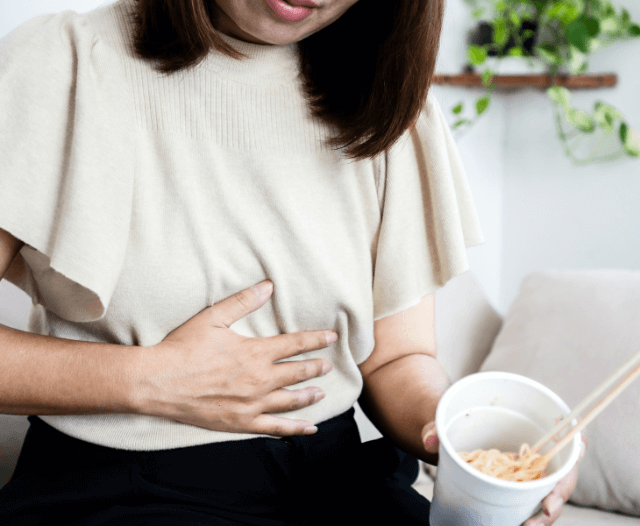
Gastrointestinal issues are incredibly common in today’s fast-paced world, and few are as prevalent as acid reflux and gastroesophageal reflux disease (GERD). While many people use these terms interchangeably, they are not the same.

Understanding the difference between occasional acid reflux and chronic GERD is crucial for finding the right treatment and preventing long-term complications.

In this article, we’ll explore the differences between acid reflux and GERD, the causes and symptoms, when to seek medical help, and simple remedies that can ease your discomfort and support better digestive health.


Understanding Acid Reflux


Acid reflux occurs when stomach acid flows backward into the esophagus — the tube that connects your mouth to your stomach.

This happens when the lower esophageal sphincter (LES), a ring-like muscle that acts as a valve between the stomach and esophagus, fails to close properly or opens too frequently.

Common Symptoms of Acid Reflux:

  • A burning sensation in the chest (heartburn)
  • Sour or bitter taste in the mouth
  • Regurgitation of food or liquids
  • Difficulty swallowing (dysphagia)
  • A feeling of a lump in the throat
  • Coughing or hoarseness

Most people experience occasional acid reflux, especially after a large meal, spicy foods, or lying down soon after eating. When acid reflux becomes more frequent — occurring two or more times a week — it may indicate a more serious condition known as GERD.

gerd_symptoms


What Is GERD?


Gastroesophageal Reflux Disease (GERD) is a chronic, more severe form of acid reflux. It is diagnosed when acid reflux occurs regularly and leads to inflammation, damage to the esophageal lining, or more serious symptoms.

GERD is a long-term condition that often requires medical management and lifestyle modifications.

GERD Symptoms:

  • Frequent heartburn (more than twice a week)
  • Chronic cough or sore throat
  • Asthma-like symptoms
  • Erosion of tooth enamel from acid
  • Sleep disturbances due to reflux
  • Chest pain (can mimic heart issues)

GERD can affect people of all ages, and if left untreated, it can lead to complications such as:

acid_reflux_symptoms


The Difference Between Acid Reflux and GERD


Acid Reflux                GERD
·         Occasional episodes ·         Chronic and frequent
·         Usually mild and short-lived ·         May lead to long-term complications
·         Triggered by diet or lifestyle ·         Often requires medical treatment
·         Managed with simple remedies ·         May need prescription medication or surgery


Causes and Risk Factors


While both acid reflux and GERD involve stomach acid flowing into the esophagus, various factors can contribute to their development:

  1. Diet
  • Fatty or fried foods
  • Spicy foods
  • Chocolate, caffeine, and alcohol
  • Citrus fruits and tomatoes
  • Carbonated beverages
  1. Lifestyle Factors
  • Overeating or eating too quickly
  • Lying down right after meals
  • Smoking
  • Obesity
  • Pregnancy (due to increased abdominal pressure)
  1. Medical Conditions
  • Hiatal hernia
  • Delayed stomach emptying
  • Connective tissue disorders (e.g., scleroderma)

gerd_lifestyle_changes

Diagnosing GERD


If you experience persistent acid reflux or GERD symptoms, consult a gastroenterologist.
They may recommend:

  • Upper endoscopy: To examine the esophagus and check for inflammation or damage.
  • Esophageal pH monitoring: Measures how often acid enters the esophagus.
  • Esophageal manometry: Tests muscle function in the esophagus.
  • Barium swallow X-ray: Assesses structure and function of the esophagus and stomach.

Early diagnosis is key to managing GERD and preventing complications.


Simple Remedies for Acid Reflux and GERD


  1. Dietary Changes
    Adjusting your diet is one of the most effective ways to reduce symptoms.
  • Eat smaller, more frequent meals.
  • Avoid trigger foods (fatty, spicy, acidic).
  • Limit alcohol and caffeine.
  • Eat slowly and chew food thoroughly.
  1. Maintain a Healthy Weight
    Excess weight increases abdominal pressure, pushing stomach contents upward. Losing even 5-10% of body weight can significantly reduce symptoms.
  2. Avoid Eating Late at Night
    Give your body time to digest. Avoid eating 2–3 hours before bedtime to minimize nighttime reflux.
  3. Elevate the Head of Your Bed
    Raising the head of your bed by 15–20 cm (6–8 inches) helps prevent acid from traveling back up the esophagus during sleep.
  4. Stop Smoking
    Nicotine weakens the LES, allowing stomach acid to escape more easily into the esophagus.
  5. Wear Loose Clothing
    Tight clothing can compress the stomach and worsen reflux.

acid_reflux_symptoms_gerd


Over-the-Counter and Prescription Treatments


If lifestyle changes aren’t enough, several medications can help:


  1. Antacids
    Neutralize existing stomach acid. Best for occasional heartburn.
  • Examples: Gaviscon, Tums, Rennie
  1. H2 Blockers
    Reduce acid production in the stomach.
  • Examples: Ranitidine (withdrawn in many markets), Famotidine
  1. Proton Pump Inhibitors (PPIs)
    Strongest acid reducers and first-line treatment for GERD.
  • Examples: Omeprazole, Esomeprazole, Pantoprazole
  1. Prokinetics
    Help strengthen the LES and improve stomach emptying.
  • Examples: Metoclopramide

Always consult your doctor before starting or stopping any medications.


When Surgery Might Be Needed


For some people with GERD who do not respond to medication or have complications, surgery may be recommended.

Common Surgical Options:

  • Nissen fundoplication: The top of the stomach is wrapped around the LES to strengthen it.
  • LINX device: A ring of magnetic beads is placed around the LES to keep it closed but allow food to pass.

Surgical intervention is generally considered after thorough evaluation and when other treatments have failed.


When to Seek Medical Help


Don’t ignore persistent symptoms. See your doctor if you experience:

  • Frequent or severe heartburn
  • Difficulty swallowing
  • Unexplained weight loss
  • Vomiting or nausea
  • Chest pain (especially if it mimics heart symptoms)

These may be signs of more serious conditions like GERD, Barrett’s esophagus, or even early-stage esophageal cancer.


Living with GERD: Long-Term Management


Managing GERD requires long-term commitment. In addition to dietary and lifestyle modifications, regular follow-ups with your gastroenterologist are essential to monitor for complications.


Tips for Long-Term Success:

  • Keep a food and symptom diary
  • Take medications as prescribed
  • Avoid known triggers
  • Practice stress management (yoga, meditation, or breathing exercises)
  • Get regular checkups, especially if symptoms change

gerd_acid_reflux_infographic


Final Thoughts


While acid reflux is common and often manageable, persistent symptoms may point to GERD, which requires medical attention.

Understanding the difference between the two and taking action early can help you avoid complications and improve your quality of life.

If you’re struggling with ongoing reflux or are unsure whether your symptoms could indicate GERD, don’t wait — speak to your gastroenterologist. With the right care plan, you can regain control of your digestive health and live more comfortably.


Need Help? Contact a Specialist


If you’re experiencing frequent heartburn or digestive discomfort, consult a gastrointestinal specialist for a personalized assessment.

Early treatment can prevent long-term complications and restore your digestive wellness.

Dr. Deetlefs has earned the reputation of a trusted health expert providing consultative, diagnostic, and therapeutic endoscopic and related services to patients in Cape Town and beyond. 

Dr. Deetlefs can be contacted to confirm the estimated breakdown should you be interested in having the procedure done.


DISCLAIMER: PLEASE READ CAREFULLY

The information on this website is to provide general guidance. In no way does any of the information provided reflect definitive medical advice and self-diagnoses should not be made based on information obtained online. It is important to consult a Gastroenterologist or medical doctor regarding ANY and ALL symptoms or signs including, but not limited to: abdominal pain, haemorrhoids or anal / rectal bleeding as it may a sign of a serious illness or condition. A thorough consultation and examination should ALWAYS be performed for an accurate diagnosis and treatment plan. Be sure to call a physician or call our office today and schedule a consultation.

GIDoc Cape Town

Patient-focused GI treatments and procedures in Cape Town.

Monday-Friday 8AM-4PM.

Connect with Us

© Dr. Eduan Deetlefs, Registered Gastroenterologist, GI Doc Cape Town

Our website information is not intended or implied to be a substitute for professional medical advice, diagnosis or treatment. Please consult a doctor about your specific condition. Only a trained physician can determine an accurate diagnosis and proper treatment.

Endoscopic Stent Placement for GI Obstruction: What You Need to Know

Endoscopic Stent Placement for GI Obstruction: What You Need to Know


Gastrointestinal (GI) obstruction is a serious condition that can significantly impact digestion and overall health. Whether caused by tumors, strictures, inflammation, or other factors, GI obstructions can block the passage of food, fluids, and waste through the digestive tract. In such cases, restoring the flow through the gastrointestinal system becomes an urgent medical necessity. One of the most effective, minimally invasive solutions is endoscopic stent placement.

This article explores what endoscopic stent placement is, why it’s used, how the procedure is performed, and what patients can expect before, during, and after treatment. Understanding this procedure can empower patients and caregivers to make informed decisions about their GI care.


What Is GI Obstruction?


GI obstruction occurs when the normal movement of contents through the digestive tract is blocked. This can happen in the esophagus, stomach, small intestine, colon, or rectum. Obstructions can be either partial or complete, and causes may include:

  • Malignant tumors (such as colorectal, gastric, or pancreatic cancer)
  • Benign strictures due to inflammation, ulcers, or surgery
  • Diverticulitis
  • Crohn’s disease
  • Radiation-induced narrowing
  • Foreign objects

Symptoms may include nausea, vomiting, abdominal pain, constipation, bloating, and inability to pass gas or stool.


What Is Endoscopic Stent Placement?


Endoscopic stent placement is a minimally invasive procedure used to treat obstructions in the gastrointestinal tract. A stent is a tube-like device, usually made of metal or plastic, that is inserted into the GI tract to keep a narrowed or blocked area open, allowing for the normal passage of food, fluids, or waste.

Stents can be placed in several areas of the GI tract, including:

  • Esophagus – for esophageal cancer or strictures
  • Duodenum or small intestine – for gastric outlet obstruction
  • Colon – for obstructive colorectal cancer
  • Bile ducts – though technically not part of the GI tract, endoscopic stenting is common here too

This procedure is commonly performed using endoscopy, which involves a thin, flexible tube with a camera (endoscope) that allows the doctor to see the inside of the GI tract in real time.


endoscopic_stent_diverticulitis

When Is Endoscopic Stent Placement Recommended?


Endoscopic stent placement is typically recommended in the following scenarios:

1. Malignant Obstruction (Cancer)

Many patients with advanced cancers in the GI tract experience obstruction as a complication. A stent can relieve symptoms and improve quality of life. In such cases, it is often used as a palliative measure for patients who are not candidates for surgery.

2. Benign Strictures

In cases of non-cancerous narrowing caused by chronic inflammation (e.g., Crohn’s disease, radiation enteritis), stenting may be used when other treatments such as dilation have failed or if the narrowing is recurrent.

3. Preoperative Bridge to Surgery

In patients with obstructing colon cancer, a stent may be used to decompress the bowel before elective surgery, allowing time for better surgical planning and avoiding emergency surgery.


Types of GI Stents


There are several types of stents used in the gastrointestinal tract:

  • Self-expanding metal stents (SEMS): Most commonly used, especially in malignancies.
  • Plastic stents: Usually used in benign conditions or temporary placements.
  • Covered vs. Uncovered stents:
    • Covered stents prevent tumor ingrowth but are more prone to migration.
    • Uncovered stents stay in place better but can become obstructed over time by tissue growth.

Your doctor will select the appropriate type based on the location and cause of the obstruction.

endoscopic_stent_placement

The Procedure: What to Expect


1. Preparation

Patients are typically advised not to eat or drink anything for several hours before the procedure. Your doctor may recommend stopping certain medications like blood thinners. You may also receive instructions for bowel preparation if the stent is being placed in the colon.

2. During the Procedure

  • You will be given a sedative or anesthesia for comfort.
  • An endoscope is inserted through the mouth or rectum, depending on the location of the obstruction.
  • Once the narrowed area is visualized, a guidewire is passed through it.
  • The stent is then advanced over the guidewire and deployed in the affected area.
  • The stent expands on its own (self-expanding) or is manually expanded to keep the passage open.

The procedure usually takes 30 to 60 minutes.

3. After the Procedure

  • Patients are monitored for a few hours and can often return home the same day.
  • Some may experience mild abdominal discomfort, gas, or bloating.
  • Eating and drinking are usually resumed within 24 hours, starting with liquids and advancing to soft foods.
  • Follow-up visits are scheduled to monitor the stent’s function and address any complications.


Benefits of Endoscopic Stent Placement


  • Minimally invasive
  • Quick symptom relief
  • Shorter recovery time compared to surgery
  • Improves quality of life in palliative care
  • Can avoid emergency surgery

endoscopic_stent_procedure


Potential Risks and Complications


Although generally safe, endoscopic stent placement does carry some risks, including:

  • Stent migration – more common with covered stents
  • Perforation – a tear in the wall of the GI tract
  • Bleeding
  • Stent occlusion – due to tumor ingrowth, food blockage, or tissue overgrowth
  • Infection

Complications are usually manageable, and your gastroenterologist will discuss the risks with you before the procedure.


Follow-Up Care and Lifestyle Tips


After a stent is placed, it’s important to:

  • Follow dietary recommendations – chew food thoroughly, avoid sticky or fibrous foods, and drink plenty of water
  • Attend follow-up appointments – to ensure the stent is functioning well
  • Watch for warning signs – such as increasing abdominal pain, vomiting, fever, or difficulty swallowing (depending on location)

If symptoms return, your doctor may perform additional imaging or endoscopy to assess the stent.


endoscopic_stent_follow_up


Alternatives to Stenting

Depending on your condition, other treatments may be considered:

  • Endoscopic balloon dilation – especially for short benign strictures
  • Surgical resection – for suitable candidates, especially in cancer cases
  • Bypass surgery – for advanced tumors where resection isn’t possible

The best approach depends on the underlying cause, your overall health, and treatment goals.


endoscopic_stent_placement_infographic


Conclusion


Endoscopic stent placement is a highly effective, minimally invasive procedure used to relieve GI obstruction caused by tumors, strictures, or other blockages. Whether as a palliative measure in advanced cancer or a temporary solution before surgery, stents can significantly improve comfort and quality of life.

If you or a loved one is experiencing symptoms of GI obstruction, consult a gastroenterologist or GI specialist. Early diagnosis and prompt intervention can lead to better outcomes and a faster return to normal life.

For personalized consultation and expert care, don’t hesitate to reach out to a specialist with experience in advanced endoscopic procedures.


Get in Touch

Dr. Deetlefs has earned the reputation of a trusted health expert providing consultative, diagnostic, and therapeutic endoscopic and related services to patients in Cape Town and beyond. 

Dr. Deetlefs can be contacted to confirm the estimated breakdown should you be interested in having the procedure done.

DISCLAIMER: PLEASE READ CAREFULLY

The information on this website is to provide general guidance. In no way does any of the information provided reflect definitive medical advice and self-diagnoses should not be made based on information obtained online. It is important to consult a Gastroenterologist or medical doctor regarding ANY and ALL symptoms or signs including, but not limited to: abdominal pain, haemorrhoids or anal / rectal bleeding as it may a sign of a serious illness or condition. A thorough consultation and examination should ALWAYS be performed for an accurate diagnosis and treatment plan. Be sure to call a physician or call our office today and schedule a consultation.

GIDoc Cape Town

Patient-focused GI treatments and procedures in Cape Town.

Monday-Friday 8AM-4PM.

Connect with Us

© Dr. Eduan Deetlefs, Registered Gastroenterologist, GI Doc Cape Town

Our website information is not intended or implied to be a substitute for professional medical advice, diagnosis or treatment. Please consult a doctor about your specific condition. Only a trained physician can determine an accurate diagnosis and proper treatment.
Procedures Offered by Dr. Deetlefs  – Expert Gastroenterology Care

Procedures Offered by Dr. Deetlefs  – Expert Gastroenterology Care


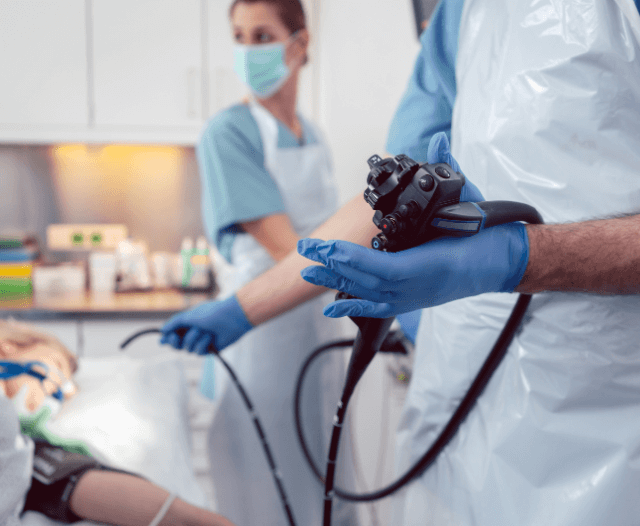
When it comes to digestive health, early diagnosis and expert care are crucial for effective treatment and long-term wellness. Dr. Deetlefs, a highly respected gastroenterologist, offers advanced diagnostic and therapeutic procedures tailored to meet the individual needs of his patients.

With years of experience and a reputation for excellence in the field of gastroenterology, Dr. Deetlefs ensures that each patient receives comprehensive care using the latest medical techniques and technologies.

This article provides an in-depth look at the procedures offered by Dr. Deetlefs and explains how they are used to diagnose and treat a variety of gastrointestinal (GI) conditions.


Gastroscopy (Upper Endoscopy)

What It Is:
Gastroscopy is a procedure that allows for the visual examination of the esophagus, stomach, and duodenum using a flexible endoscope with a camera.

What It’s Used For:

  • Investigating causes of upper abdominal pain, reflux, or swallowing difficulties
  • Diagnosing ulcers, inflammation, or tumors
  • Taking biopsies for suspected infections or cancer
  • Treating bleeding lesions or dilating strictures

Why Choose Dr. Deetlefs:
Dr. Deetlefs uses the latest endoscopic technology to ensure high-resolution imaging and accurate diagnosis. His careful technique reduces patient discomfort and improves recovery times.

gastroscopy_procedure_deetlefs


Colonoscopy

What It Is:
A colonoscopy involves examining the inside of the colon and rectum using a long, flexible tube with a camera.

What It’s Used For:

  • Colorectal cancer screening
  • Diagnosing causes of rectal bleeding, diarrhea, or unexplained weight loss
  • Removing polyps (polypectomy) to prevent cancer
  • Monitoring inflammatory bowel diseases (Crohn’s or ulcerative colitis)

Why Choose Dr. Deetlefs:
With a patient-first approach, Dr. Deetlefs ensures every colonoscopy is thorough, safe, and comfortable. His keen diagnostic skills help detect early signs of disease before symptoms become severe.

ercp_dr_deetlefs

Polypectomy

What It Is:
Polypectomy is the removal of polyps found during a colonoscopy or gastroscopy.

What It’s Used For:

  • Preventing colorectal cancer
  • Removing precancerous lesions
  • Controlling bleeding polyps

Why Choose Dr. Deetlefs:
His experience in endoscopic polypectomy ensures the procedure is safe and effective, minimizing the need for invasive surgery.


polypectomy_procedure_deetlefs


Double-Balloon Enteroscopy

What It Is:
This advanced technique allows examination and treatment of the small intestine, which cannot be reached using standard endoscopes.

What It’s Used For:

  • Investigating obscure GI bleeding
  • Diagnosing small bowel tumors or inflammation
  • Performing biopsies or therapeutic interventions

Why Choose Dr. Deetlefs:
As a specialist trained in advanced endoscopy, Dr. Deetlefs is one of the few experts offering double-balloon enteroscopy, providing a critical tool for diagnosing complex conditions.

double_balloon_enteroscopy


Capsule Endoscopy

What It Is:
Capsule endoscopy involves swallowing a small, pill-sized camera that captures images as it travels through the digestive tract.

What It’s Used For:

  • Identifying sources of GI bleeding
  • Diagnosing Crohn’s disease
  • Detecting tumors in the small intestine

Why Choose Dr. Deetlefs:
Dr. Deetlefs utilizes capsule endoscopy for non-invasive yet comprehensive evaluation, offering patients a more comfortable diagnostic option.

capsule_endoscopy_deetlefs

Dilatation of Strictures

What It Is:
This procedure involves stretching or widening narrowed areas (strictures) in the esophagus, stomach, or intestines using balloons or dilators.

What It’s Used For:

  • Treating swallowing difficulties due to esophageal strictures
  • Alleviating blockages caused by inflammation or tumors
  • Improving food passage and quality of life

Why Choose Dr. Deetlefs:
His precision in identifying and treating strictures ensures maximum relief with minimal complications.

colonoscopy_procedure_deetlefs


Oesophageal, Gastric, and Duodenal Stent Placement

What It Is:
Stents are small tubes inserted into narrowed or blocked sections of the GI tract to keep them open.

What It’s Used For:

  • Palliating symptoms in patients with tumors
  • Relieving obstructions in the esophagus, stomach, or small intestine
  • Enabling better nutrition and comfort in advanced GI disease

Why Choose Dr. Deetlefs:
His use of minimally invasive stent placement helps patients maintain better nutrition and quality of life, particularly when surgery isn’t an option.


Endoscopic Mucosal Resection (EMR)

What It Is:
EMR is a technique used to remove early-stage cancer or precancerous lesions from the GI tract without surgery.

What It’s Used For:

  • Removing large polyps
  • Treating early esophageal or stomach cancer
  • Managing Barrett’s esophagus with dysplasia

Why Choose Dr. Deetlefs:
As a leader in therapeutic endoscopy, Dr. Deetlefs offers expert EMR services with a focus on organ preservation and early intervention.


Endoscopic Retrograde Cholangiopancreatography (ERCP)

What It Is:
ERCP is a specialized procedure that combines endoscopy and X-ray to diagnose and treat problems in the bile and pancreatic ducts.

What It’s Used For:

  • Removing bile duct stones
  • Placing stents to relieve obstruction
  • Diagnosing pancreatitis or bile duct strictures

Why Choose Dr. Deetlefs:
With years of experience in ERCP, Dr. Deetlefs ensures that patients receive accurate diagnoses and prompt treatment for complex hepatobiliary conditions.

emr_placement_deetlefs


Haemostasis of GI Bleeding

What It Is:
This involves stopping active bleeding during endoscopy using clips, heat (cautery), injections, or sprays.

What It’s Used For:

  • Bleeding ulcers
  • Bleeding tumors
  • Variceal bleeding
  • Diverticular bleeding

Why Choose Dr. Deetlefs:
Prompt and effective haemostasis can save lives. Dr. Deetlefs is highly skilled in emergency and elective endoscopic bleeding control.


Why Choose Dr. Deetlefs?


Dr. Deetlefs is a board-certified gastroenterologist with extensive training in both diagnostic and therapeutic endoscopy. Known for his compassionate patient care and cutting-edge clinical expertise, he emphasizes personalized treatment plans for each patient. Whether managing chronic conditions or performing complex procedures, Dr. Deetlefs ensures optimal outcomes through attention to detail, patient education, and the use of the most advanced technologies available.

Consultations for gastrointestinal and liver related diseases with a specific interest in inflammatory bowel disease and iron deficiency anaemia caused by obscure gastrointestinal bleeding. Admitting rights to Mediclinic Milnerton and Life Vincent Pallotti Hospitals.

As part of his special interest in obscure GI bleeding, he provides a full service for small bowel investigation including capsule endoscopy and double balloon Enteroscopy.

Dr Eduan Deetlefs sees the whole spectrum of gastrointestinal and liver related diseases with a special interest in inflammatory bowel disease and anaemia caused by obscure intestinal bleeding.

He furthermore has an in room infusion centre at his Mediclinic Milnerton Practice for administration of biological and intravenous iron infusions.

He performs numerous procedures including diagnostic and therapeutic gastroscopies and colonoscopies.

He believes that quality endoscopy is of the utmost importance as subtle findings might be life altering.

Dr Eduan Deetlefs has a wealth of up to date knowledge in the management of inflammatory bowel disease and in addition he has a trial centre, Spoke Research Inc, that specializes in biological trials for inflammatory bowel disease.

procedures_offered_by_dr_deetlefs


Patient-Centered Care and Compassion


Beyond his technical expertise, what sets Dr. Deetlefs apart is his patient-first philosophy. He understands that undergoing any medical procedure can be stressful. That’s why he takes the time to answer questions, explain procedures in understandable terms, and make sure patients feel comfortable every step of the way.


Schedule a Consultation


If you are experiencing digestive symptoms or have been referred for a gastroenterology procedure, Dr. Deetlefs can provide the expert guidance and care you need. Early intervention is key to managing GI conditions effectively and improving quality of life.

To book an appointment or learn more about the procedures he offers, contact Dr. Deetlefs’ practice today.


DISCLAIMER: PLEASE READ CAREFULLY

The information on this website is to provide general guidance. In no way does any of the information provided reflect definitive medical advice and self-diagnoses should not be made based on information obtained online. It is important to consult a Gastroenterologist or medical doctor regarding ANY and ALL symptoms or signs including, but not limited to: abdominal pain, haemorrhoids or anal / rectal bleeding as it may a sign of a serious illness or condition. A thorough consultation and examination should ALWAYS be performed for an accurate diagnosis and treatment plan. Be sure to call a physician or call our office today and schedule a consultation.

GIDoc Cape Town

Patient-focused GI treatments and procedures in Cape Town.

Monday-Friday 8AM-4PM.

Connect with Us

© Dr. Eduan Deetlefs, Registered Gastroenterologist, GI Doc Cape Town

Our website information is not intended or implied to be a substitute for professional medical advice, diagnosis or treatment. Please consult a doctor about your specific condition. Only a trained physician can determine an accurate diagnosis and proper treatment.

What Is Dilatation of Strictures? A Patient’s Guide to Treatment and Recovery

What Is Dilatation of Strictures? A Patient’s Guide to Treatment and Recovery


When it comes to gastrointestinal health, early detection and treatment of narrowing in the digestive tract—also known as strictures—can significantly improve a patient’s quality of life.

Strictures can lead to uncomfortable and even dangerous symptoms such as difficulty swallowing, abdominal pain, or bowel obstruction. One of the most effective treatment methods for these conditions is dilatation—a minimally invasive procedure designed to widen narrowed areas of the gastrointestinal (GI) tract.

This guide will walk you through everything you need to know about the dilatation of strictures, from the causes and symptoms to the treatment process and recovery expectations.

Whether you’re a patient preparing for the procedure or simply seeking to better understand your treatment options, this article will provide a clear and compassionate overview of this important GI therapy.


What Are Strictures?


Strictures refer to abnormal narrowing in the gastrointestinal tract. This narrowing can occur anywhere along the digestive system, including the esophagus, stomach, small intestine, or colon.

Strictures can be caused by various conditions, including:

  • Gastroesophageal reflux disease (GERD)
  • Inflammatory bowel diseases (IBD) like Crohn’s disease or ulcerative colitis
  • Radiation therapy
  • Surgical scarring
  • Peptic ulcers
  • Infections
  • Cancer or tumors
  • Prolonged use of nasogastric tubes or caustic injury

When the GI tract narrows, it restricts the movement of food, liquids, and digestive materials, often leading to symptoms that vary based on the stricture’s location.


Common Symptoms of GI Strictures


The symptoms of strictures largely depend on where they occur in the digestive system. Common signs include:

  • Esophageal Strictures: Difficulty swallowing (dysphagia), food getting stuck, chest pain, and regurgitation.
  • Gastric Strictures: Nausea, vomiting, bloating, early satiety, and weight loss.
  • Small Bowel Strictures: Abdominal pain, cramping, nausea, vomiting, and signs of obstruction.
  • Colonic Strictures: Changes in bowel habits, bloating, and abdominal discomfort.

If left untreated, strictures can lead to serious complications such as malnutrition, intestinal blockage, or perforation.


What Is Dilatation of Strictures?


Dilatation of strictures is a therapeutic procedure used to stretch or widen a narrowed segment of the GI tract.

This allows for the smoother passage of food and digestive contents, alleviating symptoms and improving the patient’s quality of life.

There are two main types of dilatations:

  • Endoscopic Balloon Dilatation: A deflated balloon is inserted into the stricture site via an endoscope and then gently inflated to widen the narrowed area.
  • Bougie Dilatation: A series of flexible, tapered tubes (called bougies) are inserted through the stricture, progressively increasing in size to expand the passage.

Both methods are typically performed under sedation or anesthesia and may be done as an outpatient procedure, depending on the patient’s condition.


gi_strictures_symptoms


Preparing for the Procedure


Before undergoing a dilatation, your gastroenterologist will perform a detailed assessment, which may include:

  • Endoscopy: To visually inspect the stricture.
  • Imaging Tests: Such as barium swallow, CT scan, or MRI to evaluate the severity and location.
  • Biopsy: If cancer or inflammation is suspected.


Preparation instructions typically include:

  • Fasting: No food or drink for at least 6–8 hours before the procedure.
  • Medication Adjustments: Stopping certain medications like blood thinners or antiplatelet drugs.
  • Medical History Review: Including allergies, previous surgeries, or anesthesia reactions.

gi_strictures_and_dilation


What to Expect During the Procedure


1. Arrival and Sedation

Upon arrival, a nurse will check your vital signs, review your medical history, and start an IV line for medications. You’ll receive sedation to help you relax and minimize discomfort.

2. Endoscope Insertion

Your doctor will insert an endoscope (a thin, flexible tube with a camera) through your mouth or anus, depending on the location of the stricture.

3. Dilatation

Once the narrowed segment is located, the physician will use either a balloon or bougie to gently expand the area. The dilatation may last a few seconds to a couple of minutes.

4. Monitoring

After the procedure, you’ll be monitored in a recovery area until the sedation wears off. Most patients go home the same day.


Risks and Complications


Dilatation of strictures is generally safe, but like any medical procedure, it carries some risks. Potential complications include:

  • Bleeding: Especially if the area is inflamed or ulcerated.
  • Perforation (Tear in the GI wall): Though rare, this is the most serious risk and may require surgery.
  • Infection
  • Recurrence of the stricture
  • To reduce these risks, it’s crucial to follow all pre- and post-procedure instructions and inform your healthcare provider of any underlying conditions or medications.

ditaltion_of_strictures_procedure


Post-Procedure Care and Recovery


Recovery after dilatation is typically smooth, especially if the procedure was performed without complications.


What to Expect Afterward

  • Mild sore throat (if upper GI)
  • Bloating or gas
  • Slight cramping
  • Temporary dietary restrictions

Most patients can resume normal activities within 24 hours, although you may need to stick to soft foods for a short period.


Follow-Up Care

  • Repeat Procedures: Some patients may require more than one session to fully resolve the stricture.
  • Ongoing Monitoring: Your doctor may recommend follow-up endoscopies, especially if the underlying condition is chronic (like Crohn’s disease).
  • Medications: Anti-inflammatory drugs or acid reducers may be prescribed to prevent recurrence.


gastrointestinal_tract_dilation


Managing the Underlying Cause


Successful treatment of strictures also means managing the root cause. Depending on your condition, your doctor may recommend:

  • For GERD-related strictures: Proton pump inhibitors (PPIs) or surgical interventions.
  • For IBD patients: Immunosuppressants or biologic therapies.
  • For post-surgical strictures: Regular monitoring and additional dilatations if needed.
  • For malignant strictures: Additional interventions like stent placement or surgery.


When to Call Your Doctor


After a dilatation, seek medical attention if you experience:

  • Severe chest or abdominal pain
  • Vomiting blood or passing black stools
  • Fever or chills
  • Difficulty swallowing or breathing

These could be signs of complications and should be addressed promptly.


Frequently Asked Questions (FAQs)


Q: Will I need multiple procedures?
A: It depends on the cause and severity of your stricture. Some patients achieve relief after one session, while others may need multiple treatments.

Q: Is dilatation painful?
A: The procedure is usually well-tolerated under sedation. Mild discomfort or a sore throat may occur afterward.

Q: How long does the effect last?
A: Duration varies. In some cases, the stricture can recur, especially if the underlying disease isn’t well-managed.


dilation_of_strictures_treatments


More About Dr. Deetlefs


Dr. Deetlefs is a highly respected specialist in the field of gastroenterology, known for his compassionate patient care and extensive expertise in a wide range of diagnostic and therapeutic procedures.

With years of clinical experience, he provides expert medical assistance in managing complex gastrointestinal conditions, including endoscopic treatments such as dilatation of strictures, colonoscopy, gastroscopy, and the placement of esophageal, gastric, and duodenal stents.

Dr. Deetlefs is dedicated to ensuring that each patient receives personalized care tailored to their unique needs, backed by the latest advancements in gastrointestinal medicine. His thorough approach, combined with a commitment to patient education, makes him a trusted figure in the journey toward better digestive health.


If you would like to book an appointment with a gastrointestinal (GI) specialist or would simply like more information on a particular GI topic, don’t hesitate to use our online booking form or call Dr. Deetlefs at 021 551 867.


dilatation_of_strictures_infographic


Conclusion


Dilatation of strictures is a safe and effective procedure that provides significant relief from the symptoms caused by narrowed segments in the GI tract. Whether due to GERD, IBD, or post-surgical scarring, strictures can severely impact quality of life if left untreated.

With modern endoscopic techniques and tailored medical care, patients can expect improved function, reduced discomfort, and a path toward long-term digestive health.

If you are experiencing symptoms of a stricture or have been advised to undergo dilatation, speak with your gastroenterologist to fully understand your options. Early treatment and consistent follow-up are the keys to a smoother recovery and better health outcomes. 

DISCLAIMER: PLEASE READ CAREFULLY

The information on this website is to provide general guidance. In no way does any of the information provided reflect definitive medical advice and self-diagnoses should not be made based on information obtained online. It is important to consult a Gastroenterologist or medical doctor regarding ANY and ALL symptoms or signs including, but not limited to: abdominal pain, haemorrhoids or anal / rectal bleeding as it may a sign of a serious illness or condition. A thorough consultation and examination should ALWAYS be performed for an accurate diagnosis and treatment plan. Be sure to call a physician or call our office today and schedule a consultation.

GIDoc Cape Town

Patient-focused GI treatments and procedures in Cape Town.

Monday-Friday 8AM-4PM.

Connect with Us

© Dr. Eduan Deetlefs, Registered Gastroenterologist, GI Doc Cape Town

Our website information is not intended or implied to be a substitute for professional medical advice, diagnosis or treatment. Please consult a doctor about your specific condition. Only a trained physician can determine an accurate diagnosis and proper treatment.

Spring Clean Your Gut: Digestive Health Tips for a New Season

Spring Clean Your Gut: Digestive Health Tips for a New Season

As winter fades and spring begins to bloom, it’s the perfect time to refresh more than just your home. Your digestive system, often overlooked during colder months, can also benefit from a seasonal reset.

The concept of “spring cleaning” your gut isn’t just a trendy phrase—it’s a proactive way to boost your overall health, improve digestion, and set the tone for the months ahead.

In this article, we’ll explore practical, medically-sound ways to support your digestive system this spring.

From dietary adjustments and hydration to lifestyle changes and the role of probiotics, these tips will help you feel lighter, more energetic, and ready for the new season.


Why Digestive Health Matters


The digestive system plays a crucial role in overall health. It’s responsible for breaking down the food you eat, absorbing nutrients, and eliminating waste.

When your gut is functioning well, it helps maintain a balanced immune system, reduces inflammation, and supports mental health through the gut-brain axis.

However, poor eating habits, lack of fiber, dehydration, stress, and a sedentary lifestyle can throw your gut microbiome out of balance—leading to bloating, constipation, fatigue, or even flare-ups of conditions like IBS, Crohn’s disease, or ulcerative colitis.

Spring is the perfect opportunity to reset and refocus on gut health.

fiber_rich_foods_for_healthy_gut

Tip 1: Add More Seasonal, Fiber-Rich Foods

Springtime brings a bounty of fresh produce that can do wonders for your gut. Fiber is essential for a healthy digestive system. It keeps bowel movements regular and acts as fuel for the beneficial bacteria in your gut.

Top spring fiber-rich foods to try:

  • Asparagus: High in inulin, a prebiotic fiber that promotes healthy gut bacteria.
  • Artichokes: Rich in fiber and antioxidants.
  • Peas and green beans: Mild, high-fiber veggies that are easy to digest.
  • Leafy greens: Spinach, kale, and arugula help keep things moving.
  • Berries: Packed with fiber and antioxidants to support both gut and immune health.

Gradually increase your fiber intake to avoid gas or bloating and always drink plenty of water when increasing fiber.


Tip 2: Stay Hydrated for Digestive Ease

Water is essential for digestion. It helps dissolve nutrients, softens stool for regular bowel movements, and supports the lining of the intestines.

During colder months, many people drink less water, especially if they’re not sweating as much. Spring is a great time to get back into a hydration routine. Aim for 6–8 glasses of water a day—or more if you’re active.

Add lemon or mint to your water for a refreshing spring twist, and try herbal teas like ginger or peppermint, which have natural digestive benefits.


Tip 3: Support Your Gut with Probiotics and Prebiotics

Your gut is home to trillions of bacteria—some beneficial and some not-so-much. Keeping this microbiome balanced is key to digestive health.

Probiotics are “good” bacteria that support digestion, immunity, and even mental health. You can find them in:

  • Yogurt with live cultures
  • Kefir
  • Sauerkraut
  • Kimchi
  • Miso
  • Fermented pickles (not vinegar-based)

Prebiotics, on the other hand, are the food that nourishes these good bacteria. Foods like onions, garlic, leeks, and bananas are excellent sources.

Consider adding a probiotic supplement, especially if you’ve recently taken antibiotics or have gut health concerns. But consult your gastroenterologist before starting new supplements.

fiber_rich_foods_healthy_gut


Tip 4: Reduce Processed Foods and Sugar

Processed foods and added sugars can disrupt the gut microbiome, promote inflammation, and contribute to digestive issues like bloating or constipation.

Spring is a great time to cut back on packaged snacks, sugary drinks, and ultra-processed meals. Instead, focus on whole, minimally processed foods.

Make room on your plate for:

  • Lean proteins like grilled chicken or fish
  • Fresh vegetables
  • Whole grains like quinoa or brown rice
  • Healthy fats like olive oil and avocado

Cleaning up your diet doesn’t have to mean strict dieting—it just means being mindful and making healthier swaps.


Tip 5: Get Moving Again

Physical activity promotes regular bowel movements, improves mood, and supports gut motility. If your activity levels dropped during the winter, spring offers an energizing opportunity to re-engage.

Start with daily walks, yoga, or stretching. Gardening, biking, and light hikes are great spring activities that support both mental and digestive well-being.

Even just 20–30 minutes of light to moderate activity a day can make a big difference in how your digestive system functions.


Tip 6: Manage Stress

Stress has a direct impact on the digestive system. It can cause or worsen symptoms of IBS, heartburn, nausea, and abdominal discomfort.

Spring cleaning your gut means addressing your mental wellness too. Incorporate stress-reducing habits such as:

  • Deep breathing exercises or meditation
  • Journaling
  • Spending time in nature
  • Reducing screen time
  • Maintaining a regular sleep schedule

The gut-brain connection is strong—taking care of your mind helps take care of your gut.


Tip 7: Revisit Your Gastrointestinal Health Goals

Have you been postponing a colonoscopy, endoscopy, or follow-up with your gastroenterologist? Spring is an excellent time to get back on track.

If you have chronic digestive conditions like GERD, IBS, IBD, or celiac disease, routine monitoring is essential. And if you’re over 45 or have a family history of colorectal cancer, don’t delay your screening.

Spring is also a good time to:

  • Reassess your medications and supplements
  • Check in about recurring symptoms
  • Discuss new dietary changes or probiotics with your doctor

probitoic_healthy_gut


Tip 8: Try a Gentle Detox—The Right Way

While harsh “cleanses” or laxative-based detoxes can do more harm than good, a gentle digestive reset can be beneficial.

Here’s a safe, natural way to support your body’s detox process:

  • Drink plenty of water
  • Eat whole, unprocessed foods
  • Avoid alcohol and caffeine for a few days
  • Increase fiber gradually
  • Add herbal teas like dandelion or chamomile

Remember: your liver, kidneys, and digestive system are already designed to detox your body. Supporting these organs with smart choices is all you need.


When to See a Gastroenterologist


As you spring-clean your gut, pay attention to any persistent or unusual symptoms, such as:

  • Chronic bloating or abdominal pain
  • Irregular bowel movements (diarrhea or constipation)
  • Blood in stool
  • Sudden weight loss
  • Heartburn or reflux that doesn’t improve

These could be signs of a more serious underlying condition that needs medical evaluation. Early diagnosis and treatment can prevent complications and improve your quality of life.

If you’re unsure where to begin, consult your gastroenterologist for a personalized plan.


Conclusion


Spring is a time of renewal—and your gut health should be part of that transformation.

By incorporating fresh, seasonal foods, staying hydrated, nurturing your gut microbiome, reducing stress, and staying active, you can “spring clean” your digestive system in a way that promotes long-term wellness.

Whether you’re managing a digestive disorder or simply looking to feel better day to day, these tips can help you start the new season with a healthier gut and a renewed sense of vitality.

If you have ongoing concerns or want professional guidance, don’t hesitate to reach out to your gastroenterologist. A healthy gut is the foundation of a healthy you.

springclean_your_gut_digestive_health_infographic


Get in Contact with Dr. Deetlefs

Gi Doc Capetown is a practice founded to provide medical solutions in the area of gastroenterology.

Over the years, Dr Eduan Deetlefs has earned the reputation of a trusted health expert providing consultative, diagnostic, and therapeutic endoscopic and related services to patients in
Cape Town and beyond.

If you would like to book an appointment with a gastrointestinal (GI) specialist or would simply like more information on a particular GI topic, don’t hesitate to use our online booking form or call Dr. Deetlefs at 021 551 867.

DISCLAIMER: PLEASE READ CAREFULLY

The information on this website is to provide general guidance. In no way does any of the information provided reflect definitive medical advice and self-diagnoses should not be made based on information obtained online. It is important to consult a Gastroenterologist or medical doctor regarding ANY and ALL symptoms or signs including, but not limited to: abdominal pain, haemorrhoids or anal / rectal bleeding as it may a sign of a serious illness or condition. A thorough consultation and examination should ALWAYS be performed for an accurate diagnosis and treatment plan. Be sure to call a physician or call our office today and schedule a consultation.

GIDoc Cape Town

Patient-focused GI treatments and procedures in Cape Town.

Monday-Friday 8AM-4PM.

Connect with Us

© Dr. Eduan Deetlefs, Registered Gastroenterologist, GI Doc Cape Town

Our website information is not intended or implied to be a substitute for professional medical advice, diagnosis or treatment. Please consult a doctor about your specific condition. Only a trained physician can determine an accurate diagnosis and proper treatment.