021 202 0626
Acid Reflux or Something More? When to Consider a Gastroscopy

Acid Reflux or Something More? When to Consider a Gastroscopy


Acid reflux is one of the most common digestive complaints today. Almost everyone has experienced that unmistakable burning feeling behind the breastbone after a heavy meal, late-night snack, or stressful day. While most cases of acid reflux are harmless and easily managed with lifestyle changes or over-the-counter medication, persistent or severe symptoms may point to something more serious.

For many patients, the biggest question is: How do I know when it’s just heartburn—and when it’s time to consider a gastroscopy?

Understanding the difference can make a major impact on your digestive health, early diagnosis, and treatment outcomes.

This article explores the signs, risks, and red flags of chronic reflux, and explains when a gastroscopy—performed by specialists like Dr. Deetlefs, who has extensive experience in gastroscopy treatments—may be recommended.


What Is Acid Reflux?


Acid reflux occurs when stomach acid flows upward into the oesophagus (food pipe). This happens when the lower oesophageal sphincter (LES), a small ring of muscle that acts like a valve, weakens or relaxes at the wrong time.

Common triggers include:

  • Fatty, spicy, or acidic foods
  • Alcohol and caffeine
  • Smoking
  • Obesity
  • Eating too late at night
  • Stress
  • Certain medications

Most people experience reflux occasionally, and it usually settles quickly. But when it becomes frequent, persists for weeks, or interferes with daily life, it may indicate gastro-oesophageal reflux disease, also known as GERD.


Symptoms of Acid Reflux


Not every patient experiences reflux the same way. Classic and common symptoms include:

  • Burning sensation in the chest (heartburn)
  • Sour taste at the back of the throat
  • Regurgitation of food or fluid
  • Bloating
  • Belching
  • Chronic cough
  • Hoarse voice
  • Difficulty swallowing

These symptoms can range from mild to severe. Importantly, reflux symptoms should respond to simple interventions—like diet changes, weight management, or over-the-counter antacids. When they don’t, it’s time to investigate further.

symptoms_of_acid_reflux


When It Might Be More Than Acid Reflux


While reflux is common, some symptoms may suggest a more serious underlying condition. These include:

  1. Persistent or Worsening Symptoms

If your reflux symptoms continue for several weeks despite medication or lifestyle changes, it may signal complications such as:

  • Inflammation of the oesophagus (oesophagitis)
  • Narrowing (strictures)
  • Barrett’s oesophagus

These conditions cannot be confirmed without a gastroscopy.

  1. Pain That Mimics Heart Disease

Chest pain is a symptom that doctors take extremely seriously. While reflux can cause chest discomfort, it’s important to seek urgent medical evaluation to rule out cardiac causes.

Once heart disease is excluded, persistent chest discomfort may need investigation through gastroscopy.

  1. Difficulty Swallowing (Dysphagia)

A feeling that food is getting “stuck” or slow to pass down the oesophagus is a major red flag. This can be caused by inflammation, scarring, or growths within the oesophagus.

  1. Unexplained Weight Loss

Losing weight unintentionally may indicate a more serious problem in the upper digestive tract. A gastroscopy helps detect structural problems and early signs of disease.

  1. Vomiting, Especially With Blood

Regular vomiting or vomiting that contains blood, requires immediate investigation. These symptoms suggest irritation or bleeding somewhere in the upper gastrointestinal tract.

  1. Anemia

If a patient develops iron-deficiency anaemia, it may be due to chronic bleeding from the stomach or oesophagus. A gastroscopy helps identify the source.


What is a Gastroscopy?


A gastroscopy, also known as an upper endoscopy, is a minimally invasive procedure that allows a specialist to examine the oesophagus, stomach, and the first part of the small intestine (duodenum).

It is performed using a thin, flexible tube with a light and camera at the end. The images are projected onto a screen so the specialist can look for:

  • Inflammation
  • Ulcers
  • Abnormal growths
  • Bleeding
  • Structural problems
  • Infection (including Helicobacter pylori)

Dr. Deetlefs, who specialises in gastroscopy treatments, uses this advanced diagnostic tool to accurately identify the causes of persistent reflux or other upper-GI symptoms, ensuring patients receive the correct diagnosis and treatment plan.

gastrocopy_procedure_adic_reflux

Why a Gastroscopy May Be Recommended


A gastroscopy is not typically the first step in evaluating reflux. However, it becomes essential when symptoms suggest complications or an underlying disease.

Here are the main reasons your doctor—such as Dr. Deetlefs—may advise a gastroscopy:

  1. Your Reflux Is Long-Standing

Patients with reflux lasting five years or more, especially those over 50 or with risk factors like obesity and smoking, may require screening for Barrett’s oesophagus, a condition linked to chronic acid exposure.

  1. Symptoms Do Not Respond to Treatment

When antacids, proton pump inhibitors (PPIs), or lifestyle changes don’t provide relief, gastroscopy helps identify why.

  1. Alarm Symptoms Are Present

These include:

  • Difficulty swallowing
  • Vomiting
  • Bleeding
  • Persistent pain
  • Weight loss

Alarm symptoms are never ignored and require prompt investigation.

  1. You Have a Family History of Oesophageal or Stomach Cancer

In such cases, early screening is important, especially if reflux is present.

  1. To Diagnose or Confirm Hiatal Hernia

A hiatal hernia is a common contributor to reflux. A gastroscopy allows the specialist to assess its severity.


What Conditions Can a Gastroscopy Detect?


Gastroscopy is one of the most valuable tools in digestive health because it allows direct visualisation—and often biopsy—of tissues.

Some conditions it helps diagnose include:

  1. Oesophagitis

Inflammation caused by acid damage.
If left untreated, it can progress to scarring and strictures.

  1. Barrett’s Oesophagus

A change in the lining of the oesophagus due to chronic reflux.
Although Barrett’s oesophagus does not cause symptoms on its own, it increases the risk of oesophageal cancer. Early detection is critical.

  1. Peptic Ulcers

Ulcers can occur in the stomach or duodenum and may cause pain, bleeding, or anaemia.

  1. Hiatal Hernia

A structural issue where part of the stomach pushes upward through the diaphragm. Gastroscopy helps assess its impact on reflux.

  1. Gastritis

Inflammation of the stomach lining, sometimes caused by medications or infection.

  1. H. pylori Infection

A common bacterial infection linked to ulcers, gastritis, and even stomach cancer.

  1. Cancers of the Upper GI Tract

Although not common, early detection through gastroscopy dramatically improves treatment outcomes.


What to Expect During a Gastroscopy


Many patients feel anxious before their first gastroscopy, but the procedure is quick, safe, and done under sedation to ensure comfort.

Here is what typically happens:

Before the Procedure

  • You’ll be asked not to eat or drink for 6–8 hours.
  • Your medical team will discuss any medications you’re taking.

During the Procedure

  • You’ll receive sedation so you remain relaxed and comfortable.
  • A thin endoscope is gently guided through the mouth and down the oesophagus.
  • The specialist examines the lining of the oesophagus, stomach, and duodenum.
  • Small tissue samples (biopsies) may be taken if needed. Biopsies are painless.

After the Procedure

  • You’ll rest briefly while the sedation wears off.
  • Most patients can go home the same day.
  • Your doctor will explain the findings and discuss next steps.

As an experienced endoscopist, Dr. Deetlefs ensures that patients receive safe, thorough, and compassionate care throughout the process.


Why Early Investigation Matters


Ignoring symptoms, especially persistent reflux, can lead to long-term complications. Early gastroscopy can:

  • Prevent progression to more serious disease
  • Detect conditions at their earliest and most treatable stage
  • Provide peace of mind
  • Guide the correct treatment pathway
  • Reduce the risk of complications like strictures or bleeding
  • Screen for conditions like Barrett’s oesophagus

When in doubt, it is always safer to investigate.

acid_reflux_peptic_ulcers

How Dr. Deetlefs Helps Patients with Chronic Reflux


As a specialist in gastroscopy and digestive disorders, Dr. Deetlefs has extensive experience diagnosing and managing:

  • Chronic acid reflux
  • Oesophagitis
  • Barrett’s oesophagus
  • Stomach and duodenal ulcers
  • Hiatal hernia
  • Gastritis
  • H. pylori infection

His patient-centred approach ensures that individuals receive personalised care—from assessment and testing to long-term management and follow-up.

If your reflux symptoms are persistent, severe, or accompanied by red-flag signs, consulting a specialist like Dr. Deetlefs is one of the best steps you can take.


When Should You Book a Gastroscopy?


You should consider a gastroscopy if:

  • Your reflux symptoms have lasted more than a few months
  • Medications are no longer helping
  • You have difficulty swallowing
  • You experience unexplained weight loss or vomiting
  • You have a family history of digestive cancers
  • You’re over 50 and have long-standing reflux
  • You’ve experienced bleeding or anaemia

If you are unsure, a consultation with Dr. Deetlefs can help determine whether a gastroscopy is the right next step.


Final Thoughts


Acid reflux is common and often harmless—but it can also be a warning sign of something more serious. Being aware of your symptoms, recognising red flags, and knowing when to seek further investigation is essential for protecting your digestive health.

A gastroscopy is a safe, effective tool that provides clear answers and early diagnosis. With the expertise of specialists like Dr. Deetlefs, who focuses on gastroscopy treatments, patients can receive an accurate diagnosis and tailored care to restore comfort and improve long-term health.

If your reflux symptoms are interfering with your quality of life, don’t ignore them. Early investigation can make all the difference.

acid_reflux_considering_gastroscopy 

About Dr. Eduan Deetlefs – Cape Town Gastroenterologist


Dr. Eduan Deetlefs is a highly experienced gastroenterologist based in Cape Town, specializing in the diagnosis and management of gastrointestinal disorders such as IBS, IBD, acid reflux, Crohn’s disease, ulcerative colitis, and liver conditions.

He provides a comprehensive range of diagnostic procedures, including colonoscopy, gastroscopy, endoscopic dilatation, and stent placement, using advanced technology to ensure accurate diagnosis and effective treatment.

If you’re struggling with chronic digestive symptoms or uncertain whether your condition is IBS or IBD, book a consultation with Dr. Deetlefs for expert evaluation and compassionate care.

📍 Visit: www.gidoc.co.za
📞 Call: 021 202 0626
📧 Email: info@gidoc.co.za

GIDoc Cape Town

Patient-focused GI treatments and procedures in Cape Town.

Monday-Friday 8AM-4PM.

Connect with Us

© Dr. Eduan Deetlefs, Registered Gastroenterologist, GI Doc Cape Town

Our website information is not intended or implied to be a substitute for professional medical advice, diagnosis or treatment. Please consult a doctor about your specific condition. Only a trained physician can determine an accurate diagnosis and proper treatment.

IBS vs. IBD: Understanding the Differences and Treatment Options

IBS vs. IBD: Understanding the Differences and Treatment Options


Digestive discomfort is common, but when abdominal pain, bloating, or changes in bowel habits persist, many patients start to wonder what’s really going on. Two of the most common — and often confused — digestive disorders are Irritable Bowel Syndrome (IBS) and Inflammatory Bowel Disease (IBD).

Although their symptoms may overlap, these are very different conditions with distinct causes, diagnostic processes, and treatment approaches. Understanding these differences is key to finding effective relief — and knowing when to see a gastroenterologist like Dr. Eduan Deetlefs in Cape Town for expert evaluation and care.


What Is IBS?

Irritable Bowel Syndrome (IBS) is a functional gastrointestinal disorder, meaning there’s no visible inflammation or damage to the digestive tract. Instead, IBS involves a disturbance in how the gut functions, often related to hypersensitivity of the intestines or abnormal muscle contractions.

IBS affects the large intestine (colon) and can cause chronic digestive symptoms that fluctuate in intensity. It’s one of the most common GI conditions worldwide, affecting both men and women, often beginning in early adulthood.

Common Symptoms of IBS:

  • Recurrent abdominal pain or cramping
  • Bloating or excessive gas
  • Changes in bowel habits — diarrhea, constipation, or alternating between both
  • A feeling of incomplete bowel emptying
  • Mucus in the stool
  • Relief of pain after a bowel movement

IBS symptoms are often triggered by diet, stress, or hormonal changes, and they may come and go over time. Importantly, IBS does not cause intestinal damage, bleeding, or weight loss — these signs usually indicate another condition.


ibs_ibd_symptoms

 What Is IBD?

Inflammatory Bowel Disease (IBD) refers to chronic, immune-mediated inflammation of the digestive tract. Unlike IBS, IBD causes visible damage to the intestinal lining, which can lead to serious complications if untreated.

There are two main types of IBD:

  1. Crohn’s Disease – can affect any part of the digestive tract from the mouth to the anus, often in “patchy” segments.
  2. Ulcerative Colitis – affects only the colon and rectum, causing continuous inflammation and ulcers in the intestinal lining.

IBD is an autoimmune condition, meaning the body’s immune system mistakenly attacks healthy cells in the gut, causing inflammation and tissue injury.

ibd_symptoms


Common Symptoms of IBD:

  • Persistent diarrhea (sometimes with blood or mucus)
  • Abdominal pain and cramping
  • Unintended weight loss
  • Fatigue
  • Loss of appetite
  • Blood in the stool
  • Fever or joint pain in severe flare-ups

Because IBD causes real inflammation, it can lead to complications such as intestinal strictures, fistulas, abscesses, or increased risk of colon cancer — making early diagnosis and treatment essential.

🔍 IBS vs. IBD: Key Differences at a Glance


Feature IBS (Irritable Bowel Syndrome) IBD (Inflammatory Bowel Disease)
Type of condition Functional disorder (no visible damage) Autoimmune inflammatory disease
Affected areas Large intestine (colon) Any part of GI tract (Crohn’s) or colon/rectum (Ulcerative Colitis)
Cause Gut hypersensitivity, stress, diet, hormonal factors Immune system attacking intestinal tissue
Inflammation present? ❌ No ✅ Yes
Symptoms Bloating, pain, diarrhea/constipation, mucus Bloody diarrhea, pain, fatigue, weight loss
Complications None (does not cause damage) Intestinal damage, strictures, cancer risk
Diagnosis Clinical history, exclusion of other diseases Colonoscopy, biopsies, blood/stool tests, imaging
Treatment goal Symptom management Inflammation control and remission
Seriousness Chronic but not life-threatening Can be serious or life-threatening if untreated

🧠 Understanding the Causes


Causes of IBS

The exact cause of IBS is not fully understood, but several factors are thought to contribute:

  • Abnormal gut motility: Muscles in the intestines contract too quickly or too slowly.
  • Visceral hypersensitivity: The nerves in the gut are overly sensitive to stretching or movement.
  • Gut-brain axis dysfunction: Stress and anxiety can directly affect gut function through nerve signals.
  • Dietary triggers: Fatty foods, caffeine, dairy, and artificial sweeteners may worsen symptoms.
  • Post-infectious IBS: Some people develop IBS after a bacterial or viral infection.


Causes of IBD

IBD is more complex, involving a mix of immune, genetic, and environmental factors:

  • Immune system dysfunction: The body mistakenly attacks the intestinal lining.
  • Genetics: A family history of IBD increases risk.
  • Gut microbiome imbalance: Certain bacteria may trigger inflammation.
  • Environmental factors: Smoking, diet, and infections may contribute.

ibs_ibd_triggers

🧪 Diagnosing IBS vs. IBD

Because their symptoms overlap, a proper diagnosis is essential.

Diagnosing IBS

IBS is usually diagnosed by excluding other conditions. Gastroenterologists use the Rome IV Criteria, which include:

  • Abdominal pain at least once per week for the last 3 months
  • Pain related to bowel movements or changes in stool frequency/consistency

Tests may include:

  • Blood tests to rule out celiac disease or anemia
  • Stool tests to check for inflammation
  • Colonoscopy (if red-flag symptoms like bleeding or weight loss are present)


Diagnosing IBD

IBD requires more direct evaluation of inflammation and damage. Dr. Deetlefs may recommend:

  • Colonoscopy or gastroscopy – to view and biopsy inflamed tissue
  • Blood tests – checking for anemia, infection, or inflammation markers
  • Stool tests (calprotectin or lactoferrin) – to measure intestinal inflammation
  • Imaging (CT or MRI enterography) – to visualize small bowel involvement in Crohn’s disease

ibs_diagnosis

💊 Treatment Options for IBS and IBD


IBS Treatment

Because IBS is functional, treatment focuses on symptom control and lifestyle modification.

  1. Dietary Management
  • Low-FODMAP diet: Eliminating fermentable carbohydrates that cause gas and bloating.
  • High-fiber diet: Helps relieve constipation (for IBS-C).
  • Avoiding trigger foods: Caffeine, spicy food, alcohol, and processed meals.
  1. Stress and Lifestyle
  • Regular exercise and mindfulness can reduce gut-brain tension.
  • Good sleep hygiene and stress reduction techniques (yoga, deep breathing).
  1. Medications
  • Antispasmodics: Reduce cramping.
  • Antidiarrheals or laxatives: For bowel habit regulation.
  • Low-dose antidepressants: Modulate gut nerve sensitivity.
  • Probiotics: Support healthy gut flora.

IBD Treatment

IBD requires a more targeted medical approach to reduce inflammation and prevent long-term damage.

  1. Anti-Inflammatory Medications
  • Aminosalicylates (5-ASA): Reduce inflammation in the colon.
  • Corticosteroids: Used short-term for acute flare-ups.
  1. Immune System Suppressors
  • Azathioprine or methotrexate: Help reduce immune overactivity.
  1. Biologic Therapies
  • Advanced treatments that target specific inflammatory pathways (e.g., TNF inhibitors, integrin blockers).
  • Biologics have revolutionized IBD management, offering long-term remission and mucosal healing.
  1. Nutritional Support
  • Ensures patients maintain healthy weight and nutrient levels during flare-ups.
  1. Endoscopic or Surgical Interventions
  • Endoscopic dilatation may treat strictures caused by Crohn’s disease.
  • Surgery may be necessary for severe cases or complications such as bowel obstruction or perforation.

ibs_ibd_treatment


⏰ When to See a Gastroenterologist

While mild digestive discomfort can often be managed with diet, persistent or severe symptoms require medical evaluation.

You should see a gastroenterologist like Dr. Eduan Deetlefs if you experience:

  • Blood in your stool
  • Persistent diarrhea or constipation
  • Severe or unexplained abdominal pain
  • Unexplained weight loss or fatigue
  • Symptoms that do not improve with over-the-counter treatments
  • A family history of IBD or colon cancer

Early consultation allows for accurate diagnosis and tailored treatment, improving both comfort and long-term gut health.

👨‍⚕️ About Dr. Eduan Deetlefs – Cape Town Gastroenterologist

Dr. Eduan Deetlefs is a highly experienced gastroenterologist based in Cape Town, specializing in the diagnosis and management of gastrointestinal disorders such as IBS, IBD, acid reflux, Crohn’s disease, ulcerative colitis, and liver conditions.

He provides a comprehensive range of diagnostic procedures, including colonoscopy, gastroscopy, endoscopic dilatation, and stent placement, using advanced technology to ensure accurate diagnosis and effective treatment.

If you’re struggling with chronic digestive symptoms or uncertain whether your condition is IBS or IBD, book a consultation with Dr. Deetlefs for expert evaluation and compassionate care.

📍 Visit: www.gidoc.co.za
📞 Call: 021 202 0626
📧 Email: info@gidoc.co.za

ibs_ibd_infographic

✅ Takeaway

While IBS and IBD may sound similar, they are fundamentally different in cause, severity, and management. IBS affects how your gut works, while IBD affects its structure. Both can significantly impact quality of life — but with expert guidance and individualized care, patients can achieve relief, stability, and confidence in managing their digestive health.


GIDoc Cape Town

Patient-focused GI treatments and procedures in Cape Town.

Monday-Friday 8AM-4PM.

Connect with Us

© Dr. Eduan Deetlefs, Registered Gastroenterologist, GI Doc Cape Town

Our website information is not intended or implied to be a substitute for professional medical advice, diagnosis or treatment. Please consult a doctor about your specific condition. Only a trained physician can determine an accurate diagnosis and proper treatment.

Colon Cancer: Early Detection and Prevention Through Regular Screening

Colon Cancer: Early Detection and Prevention Through Regular Screening


Colon cancer, also known as colorectal cancer when it involves both the colon and rectum, remains one of the most common yet preventable cancers globally. Through advances in medical technology—particularly colonoscopy screening—the early detection and prevention of colon cancer have never been more achievable.

Regular colonoscopy examinations not only detect cancer in its earliest, most treatable stages but can also prevent it entirely by removing precancerous growths. For patients seeking expert care in South Africa, Dr. Eduard Deetlefs, a leading gastroenterologist and colonoscopy specialist in Cape Town, provides comprehensive, patient-focused digestive health services to safeguard your long-term wellbeing.

Understanding Colon Cancer

The colon, or large intestine, forms part of the digestive tract responsible for processing waste and absorbing water and electrolytes. Colon cancer typically begins as small, benign growths called polyps that form on the lining of the colon.

Over time, certain polyps—particularly adenomatous polyps—can undergo cellular changes that transform them into cancerous tumors. Because this process develops slowly, often over many years, routine colon cancer screening provides a critical opportunity for early intervention and prevention.

colon_cancer_prevention


Who Is at Risk?

While anyone can develop colon cancer, certain factors increase the likelihood:

  • Age: Risk rises significantly after the age of 50, though cases in adults under 45 are becoming more frequent.
  • Family History: Having a close relative with colon cancer or advanced polyps increases personal risk.
  • Genetic Syndromes: Conditions such as Lynch syndrome or familial adenomatous polyposis (FAP) substantially elevate risk.
  • Lifestyle Factors: Diets high in red or processed meats, obesity, smoking, alcohol use, and lack of exercise are all linked to higher risk.
  • Inflammatory Bowel Disease (IBD): Long-standing Crohn’s disease or ulcerative colitis increase colon cancer risk.
  • Type 2 Diabetes: Metabolic and hormonal factors in diabetes may also contribute to higher risk.

Understanding and managing these risk factors—combined with routine colonoscopy screening—can significantly reduce your chances of developing colon cancer.


Recognizing the Symptoms

In its early stages, colon cancer often develops silently, showing no symptoms. As the disease advances, common warning signs include:

  • Persistent changes in bowel habits, such as constipation, diarrhea, or narrow stools
  • Blood in the stool or rectal bleeding
  • Unexplained fatigue or weakness
  • Cramping, bloating, or abdominal pain
  • Unexplained weight loss
  • A feeling that the bowel does not empty completely

Because these symptoms can resemble other gastrointestinal conditions, timely medical evaluation by a gastroenterologist is essential.


Colonoscopy: The Gold Standard for Detection and Prevention

Among all available screening tests, colonoscopy remains the most accurate and effective method for detecting colon cancer and its precursors. This minimally invasive procedure allows a colonoscopy specialist to inspect the entire colon and rectum using a thin, flexible tube with a camera.

What Happens During a Colonoscopy

  • Preparation: Before the procedure, patients follow a bowel-cleansing preparation to ensure clear visibility.
  • Procedure: Under mild sedation, the doctor gently advances the colonoscope through the colon to examine the lining.
  • Polyp Removal: If any polyps or abnormal tissue are found, they can be removed immediately and sent for analysis.

Because colonoscopy allows both diagnosis and treatment during the same procedure, it’s not only a screening tool but a powerful method of cancer prevention.

colon_cancer_screening_colonoscopy

Other Screening Options

While colonoscopy is the most comprehensive test, other screening options are available for some individuals:

  • Fecal Immunochemical Test (FIT): Detects microscopic blood in the stool.
  • Fecal Occult Blood Test (FOBT): Identifies hidden blood but requires dietary restrictions.
  • Stool DNA Tests (e.g., Cologuard®): Look for genetic changes linked to colon cancer.
  • CT Colonography: A “virtual colonoscopy” using advanced imaging technology.

However, unlike these tests, colonoscopy provides the advantage of immediate detection and removal of precancerous polyps, making it the preferred option for most patients.

When to Begin Screening

The American Cancer Society and global gastroenterology guidelines recommend:

  • Average-Risk Adults: Begin colon cancer screening at age 45.
  • High-Risk Individuals: Those with family history, genetic conditions, or IBD should start earlier, often by age 40 or sooner, as advised by their doctor.

If no abnormalities are found, colonoscopy should be repeated every 10 years. If polyps are discovered, follow-up may be recommended in 3 to 5 years, depending on their size and pathology.

Lifestyle Steps to Prevent Colon Cancer

Prevention doesn’t end with screening—healthy lifestyle choices can further reduce your risk:

  1. Adopt a High-Fiber Diet: Eat plenty of fruits, vegetables, whole grains, and legumes.
  2. Limit Red and Processed Meats: Reduce consumption of processed foods linked to higher cancer risk.
  3. Exercise Regularly: Aim for at least 150 minutes of moderate activity per week.
  4. Maintain a Healthy Weight: Obesity is a major risk factor, particularly for men.
  5. Avoid Smoking and Excess Alcohol: Both increase inflammation and cellular damage.
  6. Manage Chronic Conditions: Keep diabetes and IBD under control with regular medical care.

healthy_living_trevents_colon_cancer


Why Early Detection Matters

Colon cancer is one of the few cancers that can be completely prevented through early detection. Studies show that removing polyps during colonoscopy reduces the risk of developing colon cancer by up to 90%.

When detected early, colon cancer is highly treatable—with a five-year survival rate exceeding 90%. Once it spreads to distant organs, however, survival drops sharply. This is why regular screening is one of the most important steps you can take for your long-term health.


Treatment Options

If colon cancer is diagnosed, treatment options depend on its stage and the patient’s overall health. These may include:

  • Surgery: Removal of the affected colon segment, often curative for early-stage cancers.
  • Chemotherapy: Targets residual cancer cells after surgery or reduces tumor size before surgery.
  • Radiation Therapy: Primarily used for rectal cancers.
  • Targeted and Immunotherapy: Modern treatments that focus on specific cancer pathways for advanced cases.

Early detection through colonoscopy can often prevent the need for extensive surgery or aggressive treatments.

colon_cancer_awareness_colonoscopy


Expert Care with Dr. Eduard Deetlefs – Colonoscopy Specialist in Cape Town

For patients seeking trusted, professional care for colon cancer screening in Cape Town, Dr. Eduard Deetlefs offers world-class expertise in gastroenterology and digestive health. With extensive experience in colonoscopy, gastroscopy, and endoscopic procedures, Dr. Deetlefs provides comprehensive, patient-centered care in a comfortable and reassuring environment.

Whether you need a routine screening, evaluation for digestive symptoms, or expert management of inflammatory bowel disease, Dr. Deetlefs and his dedicated team are here to help.

📍 Location: Cape Town, South Africa
📞 Call: 021 551 8678
📧 Email: info@gidoc.co.za
🌐 Visit: www.gidoc.co.za

Take charge of your digestive health—book your colonoscopy today with Dr. Deetlefs, your trusted colonoscopy specialist in Cape Town. Early detection could save your life.

colon_cancer_screening_infographic

The Bottom Line: Screening Saves Lives

Colon cancer is one of the few cancers that can be detected early and prevented entirely. Regular colonoscopy screenings with an experienced gastroenterologist offer peace of mind, powerful prevention, and life-saving early detection.

If you are 45 or older—or have a family history or other risk factors—don’t delay. Schedule your screening with Dr. Eduard Deetlefs at www.gidoc.co.za and take the first step toward long-term digestive wellness.

GIDoc Cape Town

Patient-focused GI treatments and procedures in Cape Town.

Monday-Friday 8AM-4PM.

Connect with Us

© Dr. Eduan Deetlefs, Registered Gastroenterologist, GI Doc Cape Town

Our website information is not intended or implied to be a substitute for professional medical advice, diagnosis or treatment. Please consult a doctor about your specific condition. Only a trained physician can determine an accurate diagnosis and proper treatment.

Understanding Common Gastrointestinal Conditions: What Patients Should Know

Understanding Common Gastrointestinal Conditions: What Patients Should Know


Introduction


Digestive diseases range from common, easily managed problems to complex, life-altering disorders. Early recognition, accurate diagnosis and timely specialist care dramatically improve outcomes.

This article explains five major areas of gastrointestinal health — colorectal cancer and polyps; gastro-oesophageal reflux disease (GERD) and Barrett’s esophagus; Crohn’s disease and ulcerative colitis (the two main forms of inflammatory bowel disease, IBD); celiac disease; and fatty liver disease and gallstones — and highlights how patients in Cape Town can access expert assessment and treatment with Dr. Deetlefs.


Colorectal Polyps and Colorectal Cancer


Colorectal polyps are growths that form on the inner lining of the colon or rectum. While most polyps are benign, some — particularly adenomatous polyps — can slowly progress to colorectal cancer over several years. Colorectal cancer is one of the most common malignancies worldwide but is highly preventable and, when detected early, very treatable.

Symptoms And Red Flags:

  • Change in bowel habits (persistent diarrhea or constipation)
  • Rectal bleeding or blood in the stool
  • Unexplained iron-deficiency anemia
  • Abdominal pain or unexplained weight loss 

Diagnosis And Screening:
Colonoscopy remains the gold standard for detecting polyps and early cancer because it allows visualisation and removal (polypectomy) during the same procedure. Faecal immunochemical testing (FIT) and flexible sigmoidoscopy are other tools used in screening programs.

Treatment: Polypectomy at colonoscopy prevents progression to cancer. Early-stage colorectal cancers are managed with surgical removal and, when indicated, adjuvant therapies. Regular surveillance colonoscopies are recommended for patients with high-risk polyps.

Why Specialist Care Matters: A gastroenterologist such as Dr. Deetlefs can perform high-quality colonoscopy, assess polyp pathology, plan surveillance intervals, and co-ordinate multidisciplinary cancer care when necessary.

colon_polyps


GERD and Barrett’s Esophagus


Gastro-esophageal reflux disease (GERD) occurs when stomach acid regularly flows back into the esophagus, causing heartburn and other symptoms.

Chronic acid exposure can damage the esophageal lining and lead to Barrett’s esophagus — a condition in which the normal squamous cells are replaced by columnar epithelium. Barrett’s is important because it increases the risk of esophageal adenocarcinoma.

Symptoms: Heartburn, regurgitation, difficulty swallowing (dysphagia), chest discomfort and chronic cough or hoarseness in some patients.

Diagnosis: Initial evaluation includes symptom assessment and trials of acid suppression. Endoscopy (esophago-gastro-duodenoscopy, OGD) with biopsies is necessary to diagnose Barrett’s and to look for dysplasia.

Management: Lifestyle measures (weight loss, head-of-bed elevation, dietary changes) and proton pump inhibitors (PPIs) are first-line treatments. Patients with Barrett’s are often enrolled in structured endoscopic surveillance; if dysplasia is found, endoscopic treatments such as radiofrequency ablation (RFA) or endoscopic mucosal resection (EMR) can remove abnormal tissue.

Role of a specialist: Dr. Deetlefs provides diagnostic endoscopy, surveillance for Barrett’s oesophagus and endoscopic therapies for dysplasia — interventions that can prevent progression to cancer.

gerd_acid_reflux

Crohn’s Disease and Ulcerative Colitis (Inflammatory Bowel Disease)


Crohn’s disease and ulcerative colitis are chronic inflammatory disorders of the gastrointestinal tract. Crohn’s can affect any part of the GI tract from mouth to anus and is characterised by patchy inflammation; ulcerative colitis primarily affects the colon and rectum with continuous mucosal inflammation.

Symptoms: Persistent diarrhea (sometimes bloody), abdominal pain, urgency, weight loss, fatigue and extra-intestinal manifestations (joint pain, skin rashes, eye inflammation).

Diagnosis: A combination of history, blood tests, stool studies, endoscopy with biopsies and imaging (CT or MR enterography) is used to define disease extent and severity.

Treatment: Modern management aims for mucosal healing and long-term remission. Options include aminosalicylates, corticosteroids for flares, immunomodulators and biologic therapies (anti-TNF, anti-integrin and anti-IL agents). Nutritional support, smoking cessation (important in Crohn’s), and surgery for complications are also part of comprehensive care.

Specialist care importance: IBD is complex and benefits from a multidisciplinary team. Dr. Deetlefs offers diagnostic endoscopy, treatment planning including biologic therapy initiation and monitoring, and collaboration with surgeons, dietitians and radiologists to optimise outcomes.

crohns_disease_ulcerative_colitis

Celiac Disease


Celiac disease is an autoimmune disorder triggered by dietary gluten in genetically predisposed individuals. It leads to small intestinal villous atrophy and malabsorption.

Symptoms: Diarrhea, steatorrhea, bloating, anemia, weight loss and sometimes non-gastrointestinal symptoms such as dermatitis herpetiformis or neuropathy. Some patients present with subtle signs or are asymptomatic.

Diagnosis: Serologic testing (tissue transglutaminase IgA, with total IgA assessment) followed by confirmatory duodenal biopsies via endoscopy when indicated.

Management: Lifelong strict gluten-free diet is the cornerstone. Dietitian input is essential for safe and nutritionally adequate dietary changes. Follow-up includes symptom review, serology, and, where necessary, repeat endoscopy.

How a gastroenterologist helps: Dr. Deetlefs diagnoses celiac disease using up-to-date testing protocols, arranges appropriate endoscopic biopsies, and refers patients to dietetic services to ensure safe dietary transition.

celiac_disease


Fatty Liver Disease & Gallstones


Fatty liver disease: Non-alcoholic fatty liver disease (NAFLD) is increasingly common and linked to obesity, diabetes and metabolic syndrome. Most patients have simple steatosis, but a subset develop non-alcoholic steatohepatitis (NASH) with inflammation and fibrosis, which can progress to cirrhosis.

Gallstones: Gallstones form when bile components become imbalanced. Symptomatic gallstones cause biliary colic and can complicate with cholecystitis, choledocholithiasis (common bile duct stones) or pancreatitis.

Diagnosis and management: NAFLD is suspected on imaging (ultrasound) and abnormal liver blood tests; fibrosis assessment may require elastography or liver biopsy in selected cases. Management focuses on weight loss, control of metabolic risk factors and, where fibrosis is advanced, specialist hepatology input. Symptomatic gallstones are treated surgically with cholecystectomy; stones in the common bile duct often require endoscopic removal via ERCP (endoscopic retrograde cholangiopancreatography).

Link to gastroenterology services: Dr. Deetlefs partners with hepatology and surgical teams in Cape Town to investigate fatty liver, advise on metabolic risk reduction, and co-ordinate care for gallstone disease — including referral for ERCP when common bile duct stones are present.

fatty_liver_gallstones

How To Know When to See a Specialist

Seek specialist consultation if you have:

  • Persistent or unexplained gastrointestinal symptoms (bleeding, persistent pain, unintentional weight loss).
  • Abnormal screening tests (positive FIT, abnormal liver tests).
  • Chronic conditions requiring long-term management (IBD, celiac disease, Barrett’s oesophagus).
  • Complications (obstructive jaundice, recurrent pancreatitis, severe malnutrition).

Early referral allows definitive diagnosis, targeted treatment, and prevention of complications.


Why Choose Dr. Deetlefs In Cape Town?

Dr. Deetlefs is a gastroenterologist based in Cape Town with expertise in diagnostic and therapeutic endoscopy, IBD management, hepatobiliary disease and colorectal cancer screening.

Patients benefit from a patient-centered approach, evidence-based treatment plans and access to multidisciplinary care including dietetics, hepatology, radiology and surgical services.

Whether you need a screening colonoscopy, evaluation for reflux and Barrett’s surveillance, advanced IBD care or coordination for gallstone disease, Dr. Deetlefs provides comprehensive, up-to-date gastroenterology care.


gi_conditions_infographic


Conclusion


Digestive conditions such as colorectal polyps and cancer, GERD and Barrett’s, IBD, celiac disease, and fatty liver/gallstones vary widely in severity and management. Many are preventable or highly treatable when identified early. If you live in or near Cape Town and have digestive concerns, arranging an assessment with a specialist like Dr. Deetlefs can speed diagnosis, start appropriate treatment, and improve long-term outcomes.


Contact Dr. Deetlefs


Dr. Deetlefs has earned the reputation of a trusted health expert providing consultative, diagnostic, and therapeutic endoscopic and related services to patients in Cape Town and beyond. 

Dr. Deetlefs can be contacted to confirm the estimated breakdown should you be interested in having the procedure done.

You can schedule a consultation with Dr. Deetlefs at his practice in Cape Town by calling 021 123 4567 or emailing info@gidoc.co.za.


GIDoc Cape Town

Patient-focused GI treatments and procedures in Cape Town.

Monday-Friday 8AM-4PM.

Connect with Us

© Dr. Eduan Deetlefs, Registered Gastroenterologist, GI Doc Cape Town

Our website information is not intended or implied to be a substitute for professional medical advice, diagnosis or treatment. Please consult a doctor about your specific condition. Only a trained physician can determine an accurate diagnosis and proper treatment.

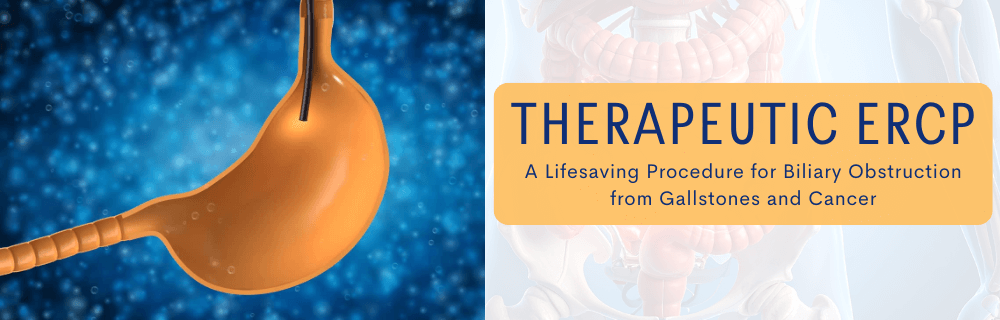
Therapeutic ERCP: A Lifesaving Procedure for Biliary Obstruction from Gallstones and Cancer

Therapeutic ERCP: A Lifesaving Procedure for Biliary Obstruction from Gallstones and Cancer


Introduction

Biliary obstruction is a serious condition that occurs when the flow of bile from the liver to the small intestine is blocked. This blockage can result in jaundice, severe infection, liver damage, and even life-threatening complications if not addressed swiftly. One of the most effective treatments for this condition is therapeutic ERCP (Endoscopic Retrograde Cholangiopancreatography).

Therapeutic ERCP is a specialized endoscopic procedure that allows gastroenterologists to diagnose and treat issues in the bile ducts, pancreatic ducts, and gallbladder. It is especially beneficial for patients experiencing biliary obstruction due to gallstones, strictures, or cancer.

In this article, we will discuss what therapeutic ERCP is, its indications, what patients can expect during the procedure, and the importance of timely intervention.


Understanding Biliary Obstruction


The biliary system consists of a network of ducts that transport bile—a fluid produced by the liver—to the small intestine to aid in fat digestion. A blockage in these ducts causes bile to back up into the liver and bloodstream.

  • Gallstones in the bile duct (choledocholithiasis): Stones may migrate from the gallbladder into the bile duct, causing pain, infection, and jaundice.
  • Biliary strictures: These are narrowings of the bile ducts, which can result from scarring, inflammation, or surgical injury.
  • Cancer: Tumors in the bile duct, pancreas, or gallbladder may compress or invade the bile ducts.
  • Other causes: Rarely, parasites, chronic pancreatitis, or congenital abnormalities can also lead to obstruction.

Symptoms of biliary obstruction include:

  • Yellowing of the skin and eyes (jaundice)
  • Dark urine and pale stools
  • Severe upper abdominal pain
  • Fever and chills (which may indicate infection)
  • Nausea and vomiting
  • General fatigue and itching

If untreated, biliary obstruction can progress to cholangitis (a severe infection of the bile ducts), sepsis, liver failure, and other complications. Prompt diagnosis and treatment are, therefore, essential.

biliary_symptoms


What Is Therapeutic ERCP?

ERCP is a minimally invasive procedure that combines endoscopy with fluoroscopy (X-ray imaging) to diagnose and treat biliary and pancreatic disorders.

While diagnostic ERCP is used mainly to visualize the bile and pancreatic ducts and identify blockages, stones, or tumors, therapeutic ERCP allows for the treatment of these issues in the same session.

Through therapeutic ERCP, gastroenterologists can:

  • Remove gallstones from the bile duct
  • Widen narrowed ducts (stricture dilatation)
  • Insert stents to relieve obstructions caused by cancer or scar tissue
  • Perform a sphincterotomy (cutting the muscle at the duct opening) to improve bile flow
  • Drain infected bile, which is particularly important in managing cholangitis

This dual diagnostic and therapeutic capacity makes ERCP a crucial tool in modern gastroenterology.

How the Procedure Works

  1. Preparation:
  2. Patients are typically required to fast for several hours before the procedure. Blood tests may be conducted to assess liver function and clotting abilities.
  3. Sedation:
  4. ERCP is generally performed under conscious sedation or general anesthesia, depending on the patient’s needs and the complexity of the procedure.
  5. Endoscopic Access:
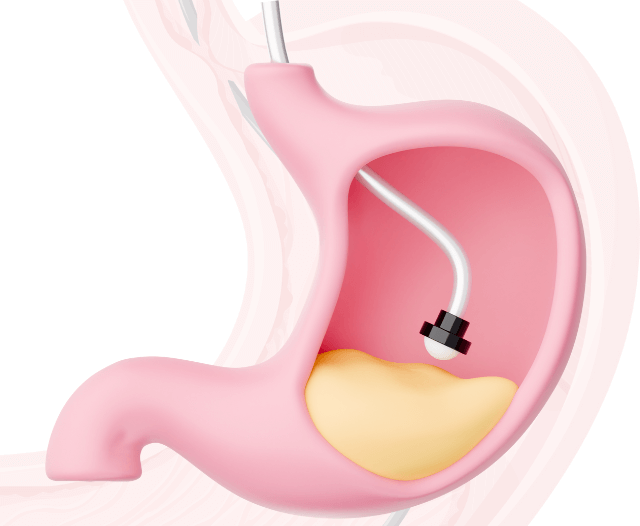
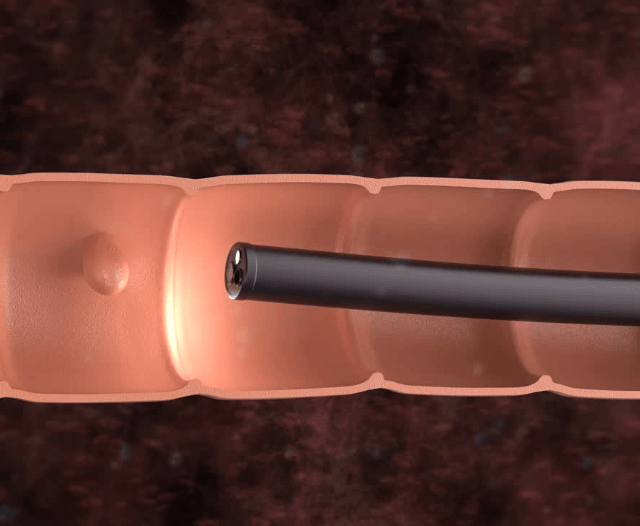
  6. The gastroenterologist advances a flexible endoscope through the mouth, esophagus, and stomach into the duodenum (the first part of the small intestine).
  7. Cannulation and Contrast Injection:
  8. Using specialized instruments, the physician locates the opening of the bile duct (papilla), inserts a catheter, and injects contrast dye to visualize the ducts under X-ray.
  9. Therapeutic Intervention:
  10. Stone Removal: A balloon or basket device is used to extract stones.
  11. Stent Placement: Plastic or metal stents are inserted to keep the ducts open when narrowed by cancer or scarring.
  12. Sphincterotomy: A small incision is made to enlarge the bile duct opening, improving drainage.
  13. Post-Procedure Care:
  14. Patients are monitored during recovery for several hours. Most can return home the same day unless observation is required due to infection or complications.

ercp_procedure_biliary_gallstones


Benefits of Therapeutic ERCP

  • Immediate Relief of Symptoms: Rapidly removes obstructions, reducing jaundice, pain, and infection risk.
  • Minimally Invasive: Requires no large incisions, promoting faster recovery compared to open surgery.
  • Combined Diagnosis and Treatment: Allows for both in a single procedure, minimizing delays.
  • Essential for Cancer Care: Stenting in malignant obstructions relieves jaundice and enables timely chemotherapy or surgery.

Risks and Complications

Therapeutic ERCP is generally safe but technically complex and carries some risks. Common complications include:

  • Pancreatitis (inflammation of the pancreas), occurring in up to 5–10% of patients
  • Bleeding, especially following sphincterotomy
  • Infection (cholangitis), if ducts are incompletely drained
  • Perforation, which is rare but possible with any endoscopic procedure

These risks are minimized when the procedure is performed by an experienced gastroenterologist in a well-equipped facility.


Recovery and Aftercare


Most patients recover quickly following therapeutic ERCP, though some may experience mild bloating, sore throat, or nausea due to sedation.

Post-procedure recommendations include:

  • Resting for the remainder of the day
  • Resuming a light diet unless otherwise instructed
  • Monitoring for warning signs such as severe abdominal pain, persistent vomiting, fever, or black stools—seek immediate medical attention if these occur
  • Attending follow-up visits to ensure bile ducts remain open and symptoms resolve

ercp_procedure_recovery


Why Timely ERCP Matters


Delaying treatment for biliary obstruction may lead to severe consequences, such as:

  • Cholangitis—a potentially life-threatening infection that requires urgent drainage
  • Liver damage—prolonged obstruction can cause biliary cirrhosis
  • Sepsis—a systemic infection spreading through the bloodstream

Thus, therapeutic ERCP is often a lifesaving intervention rather than a mere convenience.


The Role of a Gastroenterologist


ERCP requires specialized training and equipment, making it unavailable in all hospitals or clinics. Gastroenterologists with expertise in therapeutic endoscopy are best suited to perform the procedure safely and effectively.

Patients experiencing jaundice, severe abdominal pain, or unexplained changes in urine or stool color should seek prompt evaluation. Early referral to a gastroenterologist allows for faster diagnosis, treatment, and recovery.


Final Thoughts


Therapeutic ERCP is a cornerstone of modern gastroenterology for managing biliary obstruction caused by gallstones, strictures, and cancer. By combining diagnosis and treatment in one session, it provides rapid relief, reduces complications, and improves patient outcomes.

If you or a loved one have symptoms suggestive of bile duct obstruction—such as jaundice, dark urine, pale stools, or unexplained abdominal pain—do not delay seeking medical attention. An experienced gastroenterologist can determine if therapeutic ERCP is appropriate and guide you safely through the process.

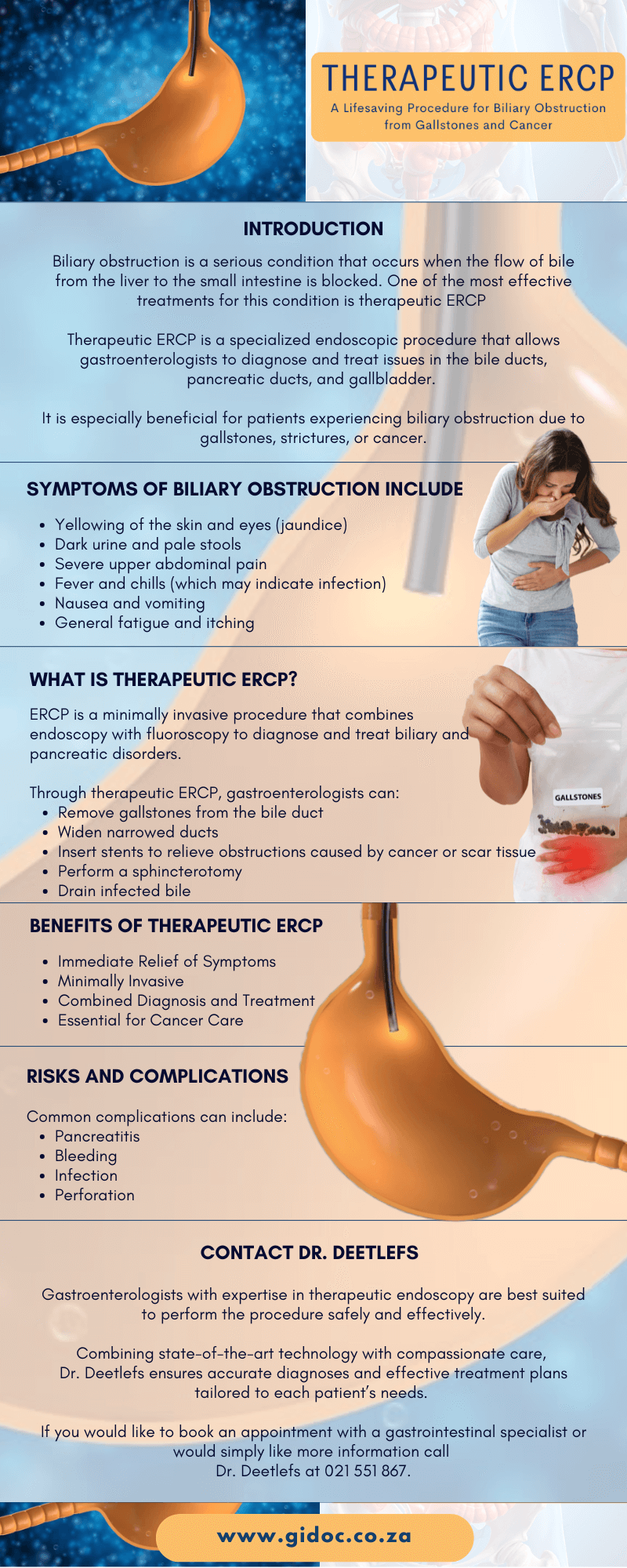
therapeutic_ercp_infographic


About Dr. Deetlefs


Dr. Deetlefs is a highly respected gastroenterologist based in Cape Town, recognized for his expertise in diagnosing and treating a wide range of gastrointestinal (GI) conditions. With years of clinical experience and a patient-centered approach, he is dedicated to providing advanced, evidence-based care for issues such as acid reflux, inflammatory bowel disease, liver and biliary disorders, and colorectal cancer screening.

Combining state-of-the-art technology with compassionate care, Dr. Deetlefs ensures accurate diagnoses and effective treatment plans tailored to each patient’s needs. For those experiencing persistent digestive symptoms or in need of a routine check-up, contacting Dr. Deetlefs is a proactive step toward optimal digestive health.

He has earned a reputation as a trusted health expert, providing consultative, diagnostic, and therapeutic endoscopic services to patients in Cape Town and beyond. Dr. Deetlefs can be contacted to confirm the estimated breakdown should you be interested in having the procedure done. 

GIDoc Cape Town

Patient-focused GI treatments and procedures in Cape Town.

Monday-Friday 8AM-4PM.

Connect with Us

© Dr. Eduan Deetlefs, Registered Gastroenterologist, GI Doc Cape Town

Our website information is not intended or implied to be a substitute for professional medical advice, diagnosis or treatment. Please consult a doctor about your specific condition. Only a trained physician can determine an accurate diagnosis and proper treatment.

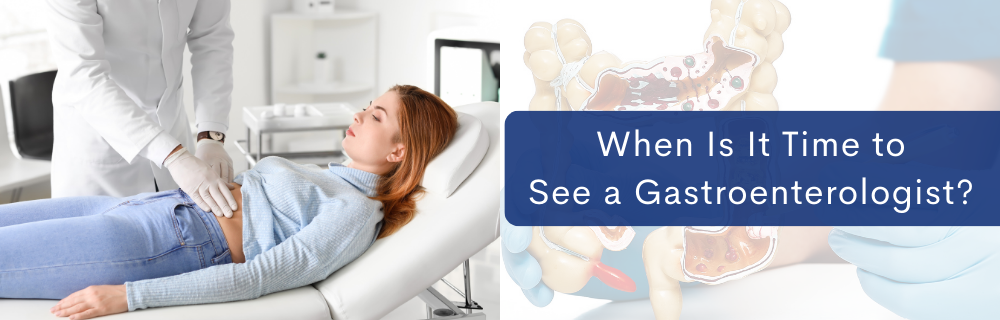
When Is It Time to See a Gastroenterologist?

When Is It Time to See a Gastroenterologist?


Introduction


Digestive health plays a vital role in your overall well-being, yet it is often overlooked until symptoms become too uncomfortable to ignore. From occasional heartburn to chronic abdominal pain, many gastrointestinal (GI) issues can disrupt daily life.

But how do you know when it’s time to move beyond over-the-counter remedies and consult a specialist?

A gastroenterologist is a physician trained in diagnosing and treating disorders of the digestive system, which includes the esophagus, stomach, intestines, liver, pancreas, and gallbladder. Knowing when to seek expert care can make all the difference between managing symptoms effectively and allowing conditions to worsen.

This article explores the signs, symptoms, and conditions that signal it may be time to see a gastroenterologist, the importance of early detection, and what you can expect from your visit.


What Does a Gastroenterologist Do?

Gastroenterologists specialize in diseases of the digestive tract and perform advanced procedures such as endoscopy and colonoscopy.

Their scope of care includes:

  • Esophagus and stomach: GERD, ulcers, swallowing disorders.
  • Small and large intestines: Crohn’s disease, ulcerative colitis, irritable bowel syndrome (IBS), strictures.
  • Liver and pancreas: Hepatitis, fatty liver disease, pancreatitis.
  • Gallbladder and bile ducts: Gallstones, bile duct obstructions.
  • Cancer prevention and detection: Screening for colorectal cancer and Barrett’s esophagus.

If you experience ongoing or severe digestive issues, a gastroenterologist provides specialized care that general practitioners may not offer.

gastroenterologist_visits

Signs It’s Time to See a Gastroenterologist


1. Persistent Heartburn or Acid Reflux

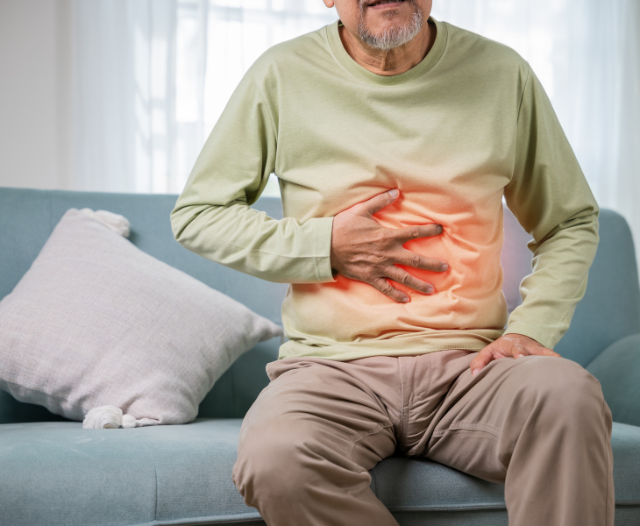
Occasional heartburn after a spicy meal is common, but frequent reflux may signal gastroesophageal reflux disease (GERD). Left untreated, GERD can damage the esophagus and increase the risk of Barrett’s esophagus and esophageal cancer. If heartburn occurs more than twice a week, it’s time to see a gastroenterologist.


2. Chronic Abdominal Pain or Bloating

Stomach discomfort should not be ignored if it:

  • Lasts more than a few days,
  • Is associated with changes in bowel habits, or
  • Comes with nausea, vomiting, or weight loss.

These symptoms may indicate IBS, IBD (Crohn’s or ulcerative colitis), ulcers, or gallstones.


3. Blood in Stool or Rectal Bleeding

Visible blood in your stool—or stools that are black and tarry—requires immediate medical evaluation. Causes may range from hemorrhoids to more serious conditions such as colon polyps, colorectal cancer, or inflammatory bowel disease.


4. Unexplained Weight Loss

Losing weight without changing your diet or exercise routine can be a red flag. A gastroenterologist can investigate causes such as celiac disease, Crohn’s disease, pancreatic disorders, or even gastrointestinal cancers.


5. Chronic Constipation or Diarrhea

Persistent changes in bowel habits should not be dismissed. Constipation lasting weeks, or diarrhea that doesn’t resolve, may point to IBS, infections, strictures, or even colon cancer.


6. Difficulty Swallowing (Dysphagia)

If swallowing feels painful or food seems to get “stuck,” it could be related to esophageal strictures, GERD complications, or motility disorders. Early diagnosis helps prevent complications such as malnutrition or aspiration.


7. Family History of GI Conditions

If colorectal cancer, polyps, Crohn’s disease, or celiac disease runs in your family, your risk is higher. Regular check-ups with a gastroenterologist can provide personalized screening and prevention strategies.


8. Jaundice or Liver Concerns

Yellowing of the skin or eyes is a warning sign of liver disease. Other symptoms include dark urine, light-colored stools, or persistent fatigue. Conditions like hepatitis, cirrhosis, and fatty liver disease require specialist management.


9. Routine Screenings for Prevention

Even without symptoms, adults should see a gastroenterologist for preventive care:

  • Colonoscopy at age 45+ (earlier if family history exists).
  • Periodic follow-up if polyps are found.
  • Endoscopy for patients with long-standing GERD.

Routine screenings save lives by detecting cancer and precancerous conditions early.


Common Conditions a Gastroenterologist Treats


Gastroesophageal Reflux Disease (GERD)

Symptoms: Heartburn, regurgitation, chronic cough.
Why see a GI specialist? To prevent esophageal damage and complications.


Inflammatory Bowel Disease (Crohn’s Disease & Ulcerative Colitis)

Symptoms: Diarrhea, abdominal pain, blood in stool, fatigue.
Treatment: Endoscopic procedures, medications, biologics.


Irritable Bowel Syndrome (IBS)

Symptoms: Alternating constipation and diarrhea, bloating.
Why see a GI specialist? To confirm diagnosis and manage symptoms effectively.

Celiac Disease

An autoimmune condition where gluten damages the small intestine.
Diagnosis requires blood tests and endoscopy.

Liver Disease

Includes fatty liver, hepatitis, cirrhosis.
Often silent until advanced, requiring specialist testing.

Colon Cancer & Polyps

Routine colonoscopies can remove precancerous polyps before they become cancerous.

signs_to_see_a_gastroenterologist

What to Expect at Your Appointment


When you visit a gastroenterologist, you can expect:

  • Detailed Medical History – including family history, lifestyle, and current symptoms.
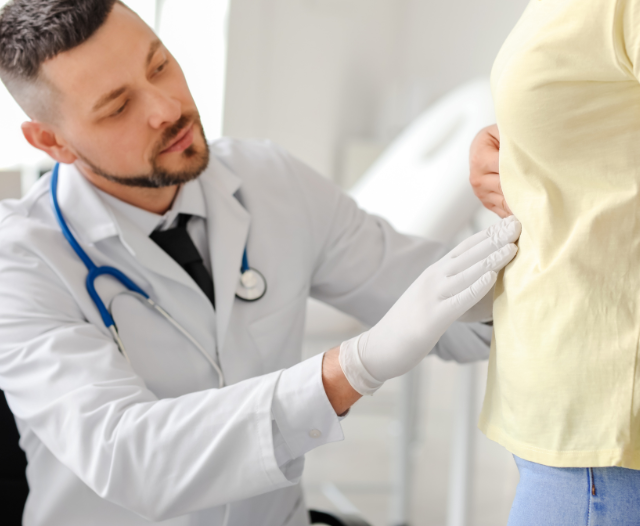
  • Physical Examination – abdominal check, blood pressure, weight.
  • Diagnostic Tests – may include blood work, imaging (CT/MRI/ultrasound), stool tests, or endoscopic procedures.
  • Treatment Plan – medication, dietary changes, minimally invasive procedures, or long-term monitoring.

importance_of_early_detection

Diagnostic and Treatment Procedures


Gastroenterologists use advanced diagnostic tools:

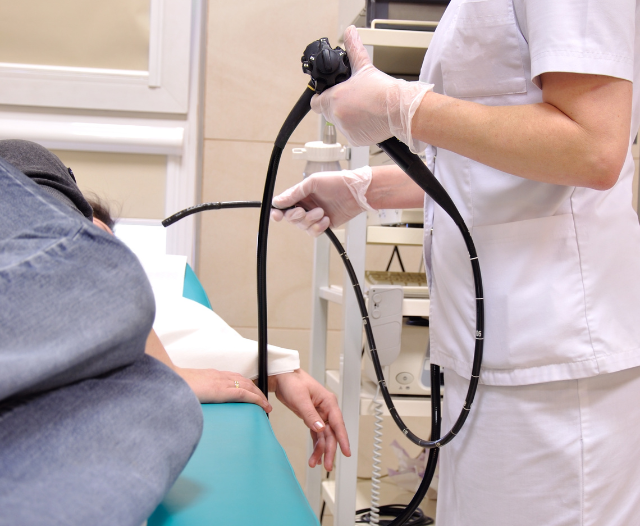
  • Endoscopy: Examines the esophagus, stomach, and small intestine.
  • Colonoscopy: Inspects the large intestine for polyps or cancer.
  • Capsule Endoscopy: A small camera pill to view the small intestine.
  • Endoscopic Ultrasound: Provides detailed imaging of digestive organs.

Endoscopic Dilatation or Stent Placement: Relieves strictures or obstructions.

Treatment approaches may include:

  • Medications (acid reducers, anti-inflammatories, biologics).
  • Lifestyle and dietary adjustments.
  • Minimally invasive procedures for strictures, bleeding, or polyps.

routine_screenings_by_gastroenterologists


The Importance of Early Detection


Ignoring symptoms can lead to serious complications:

  • GERD may lead to Barrett’s esophagus and cancer.
  • Untreated Crohn’s can cause strictures or fistulas.
  • Delayed colonoscopy may allow cancer to progress undetected.

By consulting a gastroenterologist early, patients can prevent progression, receive appropriate treatment, and enjoy better quality of life.


When to Seek Emergency Care


Not all digestive issues can wait for an appointment. Seek emergency care if you experience:

  • Severe abdominal pain with fever.
  • Vomiting blood or passing black stools.
  • Sudden, severe difficulty swallowing.
  • Rapid, unexplained weight loss with weakness.

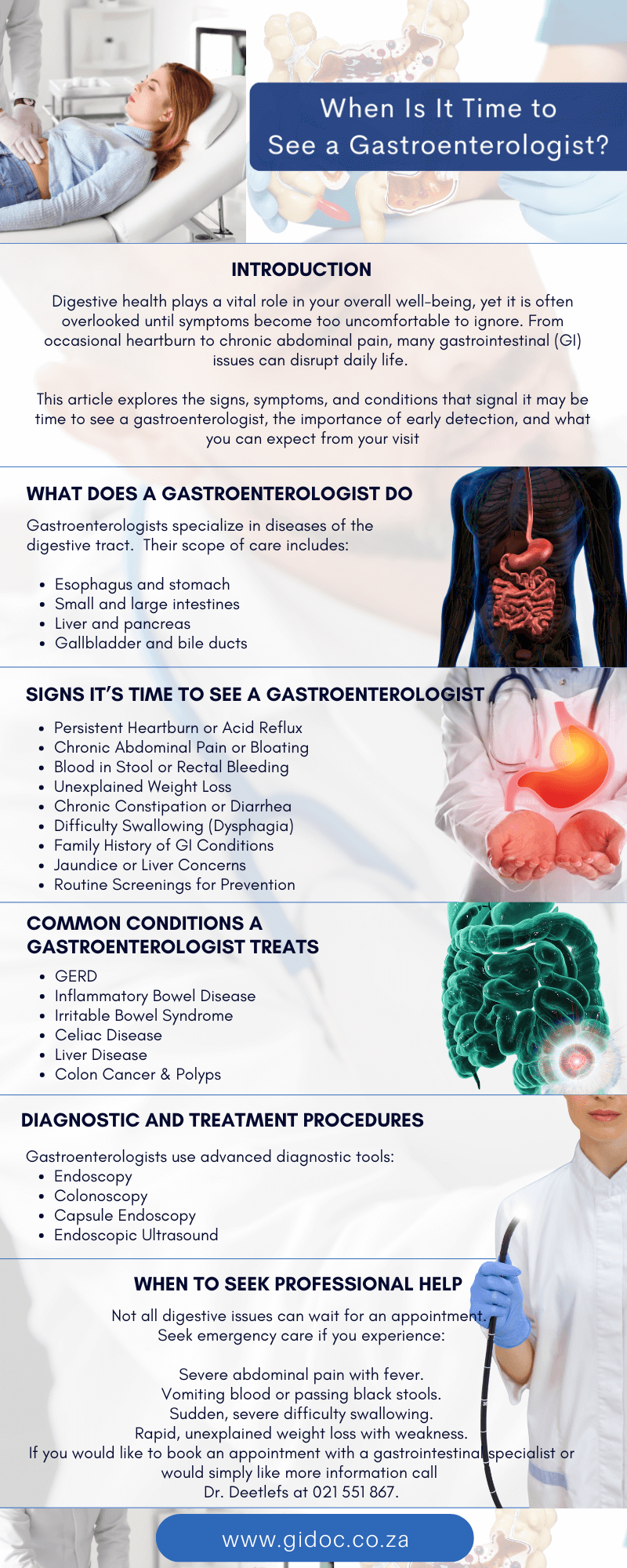
when_to_see_a_gastroenterologist_infographic

Conclusion


Your digestive system is central to your overall health, and ignoring warning signs can put you at risk of serious complications. From persistent heartburn and unexplained weight loss to routine screenings for cancer prevention, a gastroenterologist provides the expertise needed to diagnose, treat, and manage digestive conditions.

If you’re experiencing ongoing digestive symptoms—or if you’re due for a preventive screening—don’t wait.

Scheduling a visit with a gastroenterologist could be the most important step you take toward protecting your health.


Contact Dr. Deetlefs


Dr Eduan prides himself on his ability to help his patients to the best of his ability by embracing good listening skills, effective communication, compassion and knowledge and skill honed during years of private gastroenterology practice.

If you would like to book an appointment with a gastrointestinal (GI) specialist or would simply like more information on a particular GI topic, don’t hesitate to use our online booking form or call Dr. Deetlefs at 021 551 867.  

GIDoc Cape Town

Patient-focused GI treatments and procedures in Cape Town.

Monday-Friday 8AM-4PM.

Connect with Us

© Dr. Eduan Deetlefs, Registered Gastroenterologist, GI Doc Cape Town

Our website information is not intended or implied to be a substitute for professional medical advice, diagnosis or treatment. Please consult a doctor about your specific condition. Only a trained physician can determine an accurate diagnosis and proper treatment.