021 202 0626
Liver Disease: Causes, Symptoms, and Treatments

Liver Disease: Causes, Symptoms, and Treatments

Overview

Liver disease is a broad term that describes any sort of damage that affects the liver.

The liver is a vital organ that helps to filter toxins out of the blood, so when it is not functioning properly, it can have serious consequences.

Liver disease can be caused by a number of things, including alcohol abuse, viral infections, and certain medications.

Symptoms of liver disease can include fatigue, nausea, and yellowing of the skin and eyes (jaundice).
If liver disease is caught early, it is often treatable with medication and lifestyle changes.

However, if the damage to the liver is severe, a transplant may be necessary.
In this article we discuss liver disease in depth, covering the causes, symptoms, and treatments thereof.

If you think you may have liver disease, it is important to see a doctor as soon as possible.

liver_disease_causes_symptoms

What Is the Function of The Liver?

The liver is one of your body’s most important organs and the second largest organ in the body.
Consisting of multiple lobes, it’s located just under your ribcage on the right side of your body.

The liver sits just to the left of your gallbladder, and its size is comparable to a football.

The liver has many functions, including filtering the blood, storing glycogen, and producing bile. The liver is also responsible for detoxifying the body and removing toxins from the blood.

The liver is a vital organ in the human body, so when it isn’t functioning properly, it can cause a number of problems.


What is Liver Disease?

Liver disease is a general term for any type of damage that affects the liver.
It can be caused by a variety of things, including viruses, alcohol, and certain medications.

Liver disease can lead to a build-up of toxins in the body, which can cause a range of symptoms.

In severe cases, liver disease can be fatal. There is no one-size-fits-all approach to treatment, as it will depend on the underlying cause of the liver damage.

There are many different causes of liver disease, which we will discuss below.


Symptoms of Liver Disease

Liver disease is any disturbance of liver function that causes illness.

The liver is responsible for many vital functions within the body and when it is unable to perform these functions properly, it can result in a variety of symptoms that can be mild to severe.

There are many different causes of liver disease, ranging from viral infections to chronic alcohol abuse.

Symptoms of liver disease can include fatigue, weakness, weight loss, nausea and vomiting, yellowing of the skin and whites of the eyes (jaundice), itching, and easy bruising.

If you are experiencing any of these symptoms, it is important to see your doctor for a proper diagnosis.

Liver disease is often progressive and can be fatal if not treated properly.


liver_disease_jaundice

Jaundice
Jaundice is a yellowing of the skin, mucous membranes, and the whites of the eyes. It is caused by an excess of bilirubin, a yellow pigment, in the blood.

Jaundice most commonly occurs when there is an obstruction in the bile ducts, preventing bile from draining from the liver.

This can lead to a build-up of bilirubin in the blood and a yellowing of the skin.

Swelling in the abdomen
If you have chronic liver disease, you may be aware of the many symptoms that come with the territory.

One symptom that is not as commonly discussed is abdominal swelling, or ascites.
This can be a very frustrating symptom, but there are treatments available to help.

There are a few different things that can cause ascites. One is portal hypertension. This is when the pressure in the portal vein, which goes from the intestines to the liver, is too high.

This can be caused by various things, such as liver scarring from hepatitis C.

Another cause of ascites is when the liver can’t make enough protein.

Fatigue
If you’re feeling tired all the time, it could be a sign that your liver is not functioning properly.

Liver disease can cause fatigue because the liver is not able to remove toxins from the body as efficiently as it should.

The build-up of toxins can lead to fatigue, muscle weakness, and other symptoms.

There are a number of different liver diseases that can cause fatigue. These include hepatitis, cirrhosis, and fatty liver disease.

If you have any of these conditions, it’s important to get treatment so that your liver can function properly, and you can feel your best.

Weight
As we all know, being overweight has many consequences including an increased risk for developing chronic diseases such as heart disease, stroke, and diabetes.

However, many people are unaware that being overweight also puts them at risk for developing liver disease.


Causes of Liver Disease

Liver disease can be caused by a number of things, including:

  • Excessive alcohol consumption: Drinking more than the recommended amount of alcohol can damage the liver.
  • Hepatitis: This is an inflammation of the liver that can be caused by a viral infection, such as the hepatitis C virus, or by autoimmune disease.
  • Fatty liver: This occurs when there is an accumulation of fat in the liver. It can be caused by obesity, diabetes, or excessive alcohol.
  • Alcohol Abuse: While there are many different types of liver disease, one of the most common is alcohol abuse. Alcohol abuse can cause a wide variety of problems, including liver damage, cirrhosis, and even cancer.
  • Smoking: Few people know that smoking is one of the leading causes of liver disease. In fact, smoking is directly responsible for about 30% of all cases of liver disease. And, even if you don’t smoke, if you’re regularly exposed to secondhand smoke, you’re also at risk.
  • Obesity: Obesity is a risk factor for many diseases, including liver disease. In fact, obesity is the leading cause of liver disease in the United States. 
  • Viruses: The most common types of liver disease are caused by viruses. Viruses are the leading cause of liver disease worldwide. In the United States, the most common viral causes of liver disease are hepatitis A, hepatitis B, and hepatitis C. Hepatitis A is a virus that is transmitted through contaminated food or water.

liver_disease_stages_of_cirrhosis


Diagnosis of Liver Disease

In order to diagnose liver disease, your doctor will likely take a complete medical history and perform a physical examination.

They may also order one or more of the following tests:

Liver function tests
These tests measure the levels of enzymes in your blood that are released by the liver.
Enzymes are proteins that help chemical reactions in the body.

Imaging Tests
These tests create pictures of the inside of your body. They may be used to look for a mass, tumor, or blockage in the liver.

Biopsy
This is a test in which a small sample of liver tissue is removed and examined for damage or disease.


Treatment of Liver Disease

If you have liver disease, it’s important to get early diagnosis and treatment.

Many types of liver disease can be treated successfully if they’re caught early.

There are many different types of liver disease, and the treatment depends on the specific diagnosis. In general, however, most liver diseases can be treated with a combination of medication and lifestyle changes.

Medications used to treat liver disease include antiviral drugs, antibiotics, antifungal drugs, and immunosuppressants.

These drugs can help slow the progression of liver damage, and they may also be used to manage the symptoms of liver disease.
 

liver_disease_infographic

Getting Help

In conclusion, it’s important to stay positive and prevent liver disease from developing.
Regardless of your diet, it’s good to be aware of what you’re eating and drinking.

Anything that encourages you to make better nutritional choices is worth considering.

Contact Dr. Deetlefs today to book your appointment online or call us on 021-5518678. 

DISCLAIMER: PLEASE READ CAREFULLY

The information on this website is to provide general guidance. In no way does any of the information provided reflect definitive medical advice and self-diagnoses should not be made based on information obtained online. It is important to consult a Gastroenterologist or medical doctor regarding ANY and ALL symptoms or signs including, but not limited to: abdominal pain, haemorrhoids or anal / rectal bleeding as it may a sign of a serious illness or condition. A thorough consultation and examination should ALWAYS be performed for an accurate diagnosis and treatment plan. Be sure to call a physician or call our office today and schedule a consultation.

GIDoc Cape Town

Patient-focused GI treatments and procedures in Cape Town.

Monday-Friday 8AM-4PM.

Connect with Us

© Dr. Eduan Deetlefs, Registered Gastroenterologist, GI Doc Cape Town

Our website information is not intended or implied to be a substitute for professional medical advice, diagnosis or treatment. Please consult a doctor about your specific condition. Only a trained physician can determine an accurate diagnosis and proper treatment.
Celiac Disease: What You Need to Know

Celiac Disease: What You Need to Know

What is Celiac Disease?

Celiac disease is an autoimmune disorder that is triggered by the ingestion of gluten.

When people with celiac disease eat gluten, their bodies mount an immune response that attacks the small intestine. This can lead to damage of the small intestine and malabsorption of nutrients.

Symptoms of celiac disease can include abdominal pain, bloating, gas, diarrhea, constipation, weight loss, fatigue, and anemia to mention a few.

Celiac disease is a serious condition, and it is important for people who think they may have the condition to be diagnosed by a medical professional.

There is no cure for celiac disease, but the symptoms can be controlled by following a gluten-free diet.


What Are the Symptoms of Celiac Disease?

When you eat gluten, your immune system reacts by damaging the lining of your small intestine.

This can lead to a host of problems, including malnutrition, because your body cannot absorb nutrients properly.

Symptoms of celiac disease can range from mild to severe, and can include the following:

  • Abdominal pain
  • Bloating
  • Gas
  • Diarrhea
  • Constipation
  • Fatigue
  • Anemia
  • Bone or joint pain
  • Anxiety
  • Depression
  • Nausea
  • Vomiting
  • Constipation
  • Skin rashes

Children and adults tend to have a different set of symptoms.

If you have any of these symptoms, it’s important to see a doctor so that you can get a diagnosis and start treatment.
 

celiac_disease_symptoms


Causes of Celiac Disease


The exact cause of celiac disease is still not completely known.

It is believed that both genetic and environmental factors play a role.

Some people who develop celiac disease may have a genetic mutation that causes the immune system to attack the lining of the small intestine more often.

Other people develop the disease because they live such stressful lives that they lose immune system function.

Whatever the cause, the disease affects about 1 in 5 people in the United Kingdom.

About 60% of people with coeliac disease have an associated condition, such as Crohn’s disease or arthritis.


How Is Celiac Disease Diagnosed?


There is no one test that can definitively diagnose celiac disease.

Instead, doctors will often use a combination of blood tests, intestinal biopsies, and family history to make a diagnosis.

Blood Tests
A blood test for antibodies is the usual way to test for coeliac disease. You should include gluten in your diet when the blood test is carried out, as avoiding it could give an inaccurate result.

Intestinal Biopsies

If you need to have a biopsy, an endoscope (a thin, flexible tube with a light and camera at one end) will be inserted into your mouth and gently passed down to your small intestine.

diagnosis_of_celiac_disease


How Is Celiac Disease Treated?


Celiac disease cannot be cured but it can be managed by following a celiac diet. If you have been diagnosed as having celiac disease, then you may also want to consider adopting a gluten-free lifestyle.

Many find that by eliminating gluten from their diets they experience improvements in not only their health but their general quality of life as well.

It can be very beneficial in helping you understand the seriousness of this condition and will help you to feel confident in your decision to go gluten-free as well.


The Importance of a Gluten-Free Diet


The only treatment for celiac disease is a strict gluten-free diet.  This means eliminating all foods that contain gluten from your diet.

It can be a daunting task, but it’s crucial for managing the disease. There are a few things to keep in mind when starting a gluten-free diet.

Eating gluten-free is important because it can help those who are intolerant to wheat.

The dietary shift helps the body properly digest food. Not only does going gluten-free offer relief from uncomfortable symptoms such as bloating and chronic constipation, but also it is considered a diet that will help with weight loss for people who are unable to lose excess weight no matter what diet or exercise program they follow.

It seems that this diet may have more of an effect on health than originally thought, since many claim to have lost weight, gained energy, and felt healthier after going on a gluten-free diet.

Gluten can be found in the following food items which should be avoided:

  • Candy
  • Potato Chips
  • French Fries
  • Cold Cuts
  • Soy Sauce
  • Sauces
  • Bread
  • Pasta
  • Cereals
  • Baked Goods
  • Alcoholic Beverages like Beer

Foods to eat:

  • Eggs
  • Meat and Fish
  • Grains
  • Fruits and Vegetables
  • Dairy
  • Nuts
  • Seeds

gluten_free_diet


What Are the Long-Term Effects of Celiac Disease?


If you have celiac disease, it’s important to be aware of the potential long-term effects of the condition.

While the disease is manageable with a gluten-free diet, there are some potential complications that can occur if the disease is left untreated.

One of the most serious potential complications of celiac disease is malnutrition. This can happen because the damage to the intestine caused by celiac disease prevents the absorption of nutrients from food.

Malnutrition can lead to weight loss, anemia, and other serious health problems.

Celiac disease can also increase the risk for other autoimmune diseases, such as type 1 diabetes and thyroid disease.

celiac_disease_effects


What Are the Risks of Celiac Disease?


There are a number of risks associated with celiac disease, including:

Malnutrition
When your body is unable to absorb nutrients properly, you may become malnourished. This can lead to weight loss, fatigue, and a number of other health problems.

 Anemia
Celiac disease can cause anemia, or a low level of red blood cells, due to the malabsorption.
Iron is an important nutrient needed to prevent anemia.

Anemia occurs when there is a lack of healthy red blood cells.

Your body gets iron from food, so anemia can occur if you do not have enough iron in your diet.


The Link Between Celiac Disease and other Autoimmune Condition


There is a strong link between coeliac disease and other autoimmune conditions, such as type 1 diabetes, autoimmune thyroid disease, rheumatoid arthritis, and psoriasis.

In fact, people with coeliac disease are more than twice as likely to develop another autoimmune condition.

If you have coeliac disease, it’s important to be aware of the link to other autoimmune conditions and to talk to your doctor about any symptoms you may be experiencing.


celiac_disease_infographic


When To See a doctor


Celiac disease is a multi-systemic autoimmune disorder that affects the gastrointestinal tract.
It is caused by an immune reaction to gluten, which is a protein found in wheat, barley, and rye.

When people with celiac disease eat gluten, their immune system reacts by damaging the small intestine, which makes it difficult for the body to absorb nutrients.

There is no cure for celiac disease, but the only treatment is to avoid eating gluten.

Although these remedies and guidelines might alleviate the pain, it is recommended to get a professional diagnosis from your doctor or gastroenterologist in order to discuss the way forward.

Dr Eduan prides himself on his ability to help his patients to the best of his ability by embracing good listening skills, effective communication, compassion and knowledge and skill honed during years of private gastroenterology practice.

If you would like to book an appointment with a gastrointestinal (GI) specialist or would simply like more information on a particular GI topic, don’t hesitate to use our online booking form 
or call Dr. Deetlefs at 021 551 867.

DISCLAIMER: PLEASE READ CAREFULLY

The information on this website is to provide general guidance. In no way does any of the information provided reflect definitive medical advice and self-diagnoses should not be made based on information obtained online. It is important to consult a Gastroenterologist or medical doctor regarding ANY and ALL symptoms or signs including, but not limited to: abdominal pain, haemorrhoids or anal / rectal bleeding as it may a sign of a serious illness or condition. A thorough consultation and examination should ALWAYS be performed for an accurate diagnosis and treatment plan. Be sure to call a physician or call our office today and schedule a consultation.

GIDoc Cape Town

Patient-focused GI treatments and procedures in Cape Town.

Monday-Friday 8AM-4PM.

Connect with Us

© Dr. Eduan Deetlefs, Registered Gastroenterologist, GI Doc Cape Town

Our website information is not intended or implied to be a substitute for professional medical advice, diagnosis or treatment. Please consult a doctor about your specific condition. Only a trained physician can determine an accurate diagnosis and proper treatment.

Ulcerative Colitis: Your Complete Guide

Ulcerative Colitis: Your Complete Guide

What is Ulcerative Colitis


Ulcerative Colitis is a chronic condition of the large intestine which over time irritate and damage the digestive tract and can lead to rectal bleeding or bloody stool.

This can usually be accompanied with diarrhea and cramps. There is not only pain associated with Ulcerative Colitis but also irritation of inflamed area, low-grade fever, loss of appetite and weight loss.

Ulcerative Colitis (UC) is defined as inflammation of the large intestine.

It can occur in any part of the colon but tends to affect the rectum and sigmoid colon to a greater extent than it does the rest of the colon, which is where IBD symptoms are typically worse.

The only reason UC symptoms are usually localised to one area of the gastrointestinal tract is because unlike Crohn’s disease patients, whose immune system can attack anywhere on their digestive tract, UC sufferers will generally mount an immune response only in their large intestine.

But that doesn’t mean you don’t have IBD in your small intestine – what it means is that your immune system attacks your small intestine at a slower rate or without a full-on inflammatory response.

This article will cover a large area in explaining what Ulcerative Colitis typically is, the symptoms thereof and how to avoid triggers and flare-ups.


Symptoms of Ulcerative Colitis


The majority with ulcerative colitis has mild to moderate symptoms.

The direction of ulcerative colitis may additionally vary, with some humans having long periods of remission.

Symptoms may include:

  • Diarrhea
  • Rectal Pain
  • Abdominal pain or abdominal cramping
  • Rectal bleeding
  • Fever
  • Fatigue
  • Defecate urgency
  • Weight loss
  • Bloody stool

ulcerative_colitis_symptoms


Causes of Ulcerative Colitis


The cause of ulcerative colitis is unknown, but it is believed to be the result of a combination of environmental, immunologic, and genetic factors.

Symptoms of ulcerative colitis may include abdominal pain, cramping, urgency, diarrhea, and blood in the stool.

Treatment for ulcerative colitis may include medications, diet, lifestyle changes, and surgery.


Diagnosis


Gastroenterologists may additionally use a selection of tests on the way to apprehend what’s occurring with a patient who’s suspected of getting ulcerative colitis, but it is normally a colonoscopy with biopsies that is used to make the prognosis.

Treatments for Ulcerative Colitis


Ulcerative colitis is, unfortunately, incurable.

When you have been diagnosed with ulcerative colitis, it’s crucial to see your doctor to discover the first-class manner to treat it.

With the proper care, you are able to control your circumstance and lead a complete and productive life.

Some of the most common treatments for ulcerative colitis include:

  • Anti-diarrheal medication
  • Pain relievers
  • Iron supplements
  • Antispasmodics
  • Surgery

 ulcerative_colitis_guide


            Ulcerative Colitis Diet Guide            


Eating a diet high in fiber can help to alleviate some of the problems associated with Ulcerative Colitis but there are other things that can be done to lessen the pain and discomfort too.

What are the best foods to eat when you have Ulcerative colitis or Crohn’s disease?

The key word here is animal protein. Animal proteins in the form of fish, seafood and poultry are your best allies.

The reason for this is because they are easy on your system and rapidly absorbed by the digestive tract without causing inflammation in your bowels the way that red meat can (even if its grass fed it can still cause issues down the road).

Focus on low GI carbs such as sweet potatoes, yams, or regular potatoes.

However, avoid white bread or sugary snacks like sweets.

You should also avoid fruit juices while on this diet too since they quickly spike your blood sugar levels which will only aggravate a flare up of ulcerative colitis or Crohn’s disease and increase inflammation in your body.


Natural Ways to Reduce UC


By utilising lifestyle choices, it is possible to help prevent the onset of ulcerative colitis and reduce any symptoms that are already present.

These changes in one’s lifestyle need to be adopted for the long-term in order to achieve maximum results.

Remember, when looking at various supplements and herbal remedies, you need to have a solid understanding of what your condition is, in order to prevent any danger or confusion if you wish not only to reduce UC ulcerative colitis but also prevent flare-ups.

While there is no cure for ulcerative colitis, you will find that there are many different things you can do to reduce your chances of getting flare ups and make yourself feel far better for longer periods at a time.

For starters, encourage yourself to eat healthier by reducing the amount of fatty, processed foods in your diet and try out a few different recipes using some interesting spices and herbs.

You should also try eating more fruit and vegetables every day, particularly citrus varieties or those that contain lots of water like tomatoes or cucumbers.

You will be adding valuable fiber to your diet, which helps food pass through the intestine more easily.

ulcerative_colitis_healthy_diet


Managing Flare-ups


Flare-ups can be incredibly painful, so it’s important to manage them effectively to ensure that you can maintain a healthy quality of life.

Although flare-ups can happen for seemingly no reason, there are certain things you can do to reduce their frequency and severity.

  • Reduce stress by, for example meditating, doing yoga, or eating more healthily and drinking more water.
  • Cut your alcohol consumption if you’re not doing so already
  • Try supplementing with fish oils or evening primrose oil – they both may help reduce flare-ups
  • Try keeping a food journal for everyday use. This way you can keep track of what you eat and the reaction your body gives when eating certain foods.
  • Limit your fiber intake
  • Eat smaller meals throughout the day
  • Talk to a dietician
  • Relaxation exercise

You should usually see your GP again when you have a flare up because they need to assess whether you need conjunctional treatment (antibiotics) or steroids.


Risk Factors


Ulcerative colitis is a form of inflammatory colitis (IBD) and is a long-term condition characterized by severe inflammation that affects the large intestine and the lining of the rectum.

Here are 9 risk factors for ulcerative colitis:

  • Genetics 
  • Autoimmune reaction 
  • Smoking 
  • Anti-Inflammatory drugs 
  • Antibiotics

ulcerative_colitis_infographic


When To See a Doctor

Although these remedies and guidelines might alleviate the pain, it is recommended to get a professional diagnosis from your doctor or gastroenterologist in order to discuss the way forward.

Dr Eduan prides himself on his ability to help his patients to the best of his ability by embracing good listening skills, effective communication, compassion and knowledge and skill honed during years of private gastroenterology practice.

If you would like to book an appointment with a gastrointestinal (GI) specialist or would simply like more information on a particular GI topic, don’t hesitate to use our online booking form or call Dr. Deetlefs at 021 551 867.

DISCLAIMER: PLEASE READ CAREFULLY

The information on this website is to provide general guidance. In no way does any of the information provided reflect definitive medical advice and self-diagnoses should not be made based on information obtained online. It is important to consult a Gastroenterologist or medical doctor regarding ANY and ALL symptoms or signs including, but not limited to: abdominal pain, haemorrhoids or anal / rectal bleeding as it may a sign of a serious illness or condition. A thorough consultation and examination should ALWAYS be performed for an accurate diagnosis and treatment plan. Be sure to call a physician or call our office today and schedule a consultation.

GIDoc Cape Town

Patient-focused GI treatments and procedures in Cape Town.

Monday-Friday 8AM-4PM.

Connect with Us

© Dr. Eduan Deetlefs, Registered Gastroenterologist, GI Doc Cape Town

Our website information is not intended or implied to be a substitute for professional medical advice, diagnosis or treatment. Please consult a doctor about your specific condition. Only a trained physician can determine an accurate diagnosis and proper treatment.

Gastrointestinal Cancer Explained

Gastrointestinal Cancer Explained

What is Gastrointestinal Cancer


Gastrointestinal cancer is a disease in which malignant cells form in the lining of the stomach, esophagus, small intestine, colon, rectum, or bile ducts.

Cancerous tumors invade nearby tissues and organs and can spread to other body areas.

It is usually made up of cells that start in the lining of the digestive tract, or gastrointestinal tract, but it can start in the pancreas, stomach or esophagus.

Cancers in the gastrointestinal tract are found in the mucous lining that protects the organs, the immune system and the blood stream.

During the past century, cancer research has undergone significant changes. It has grown to become a mainstream of medical sciences and has even developed into a medical service.

It is no longer a disease to be taken lightly because it is a dangerous disease that can easily destroy our lives.

We touch a few important points in this article relating to GI cancer and how to look out for signs thereof and what the treatment options are.

Stages of GI Cancer


Cancer begins inside the GI tract as small numbers of abnormal cells that have the ability to grow and divide uncontrollably.

These cancerous cells are not able to communicate with our healthy body cells or produce necessary proteins and chemicals they need to survive.

Despite having problems, these growing cancerous cells go unnoticed by our immune system. Because our immune system cannot “see” them, it does not attack and kill the abnormal cells.

As the number of these cancerous cells increases over time (progressive growth), so does the chance for other symptoms to appear.

Some symptoms depend on where in your body the tumor is located, how large it is, and how fast it grows.

These stage state expressions are used when describing certain stages of disease severity at diagnosis based on testing already conducted or clinical signs already present on physical examination.

The stages of GI cancer are important because they are the basis of doctor’s recommendations and treatment planning.

To ensure you have the best outcome, it’s important to understand what stage you might be at to know what sort of treatment available and which options are more likely to work.

The most common tests that can determine your stage of cancer include a colonoscopy, an endoscopy or blood tests.

While there isn’t always a set way for getting through each phase, there are some rules that may apply in the standard staging procedure.

Most cancers in the esophagus tend to affect men over 50 and nearly 80% of them can be found detected in stage 1.

When it comes to larynx cancer, 50% present only in Stage 3 so early detection is essential.

This method also applies for gastric cancer with 80% presented as advanced when they’re actually caught on time as Stage I or early Stage II between 55 and 60 years old on average.


gastro_cancer_signs


Signs and Symptoms of Gastrointestinal Cancer


In the early stages of gastric cancer, the following symptoms may occur:

  • Indigestion or stomach discomfort
  • Bloated after eating
  • Nausea
  • A loss of appetite
  • Heartburn

One of the most difficult aspects of gastrointestinal cancer is the lack of immediate symptoms.

Many patients find out they have cancer when they go to their doctor for vague abdominal pain or notice swelling in the upper part of their stomach (indicating a tumor).

Early diagnosis is the key to beating this terrible disease, so if you’ve noticed any unusual symptoms that aren’t going away and don’t seem to be going away on their own, then you definitely should see your doctor about them.

The more severe symptoms include weight loss, vomiting and nausea.

If you have to use laxatives more than once a week, you are also at risk for developing certain types of GI cancer.

One key symptom that’s easier to overlook is a change in bowel habits – from eating healthy food to losing weight without trying dieting or developing difficulty eating solid foods because diarrhea has set in.

Should you experience any of the above-mentioned symptoms, contact your doctor to book an appointment.

Diagnosis of GI Cancer


Some of the most common diagnostic tests for gastrointestinal cancers include colonoscopy, endoscopy, biopsy, and imaging. 

Endoscopy
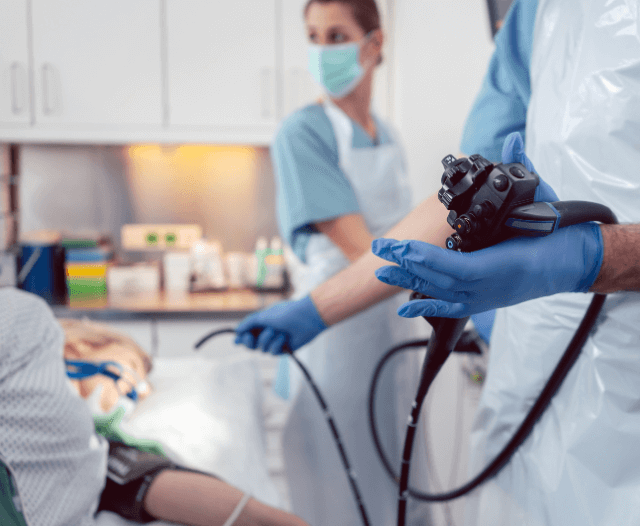
Endoscopic tests are used to look inside the body using an instrument called an endoscope. 

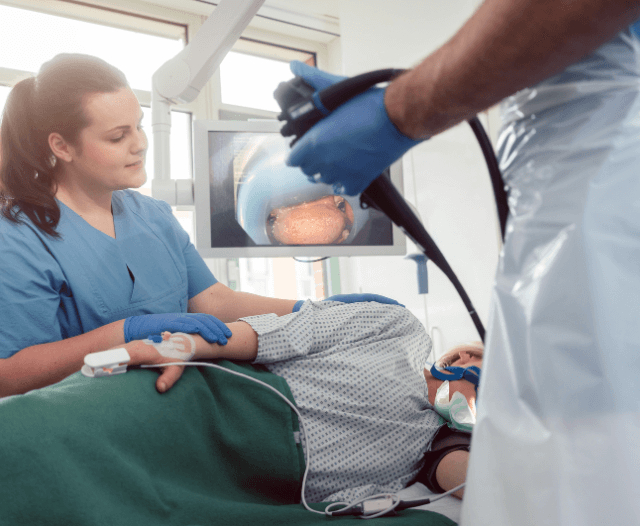
An endoscope is a flexible tube with a light and tiny camera attached to it. Endoscopic tests might include these nonsurgical procedures:

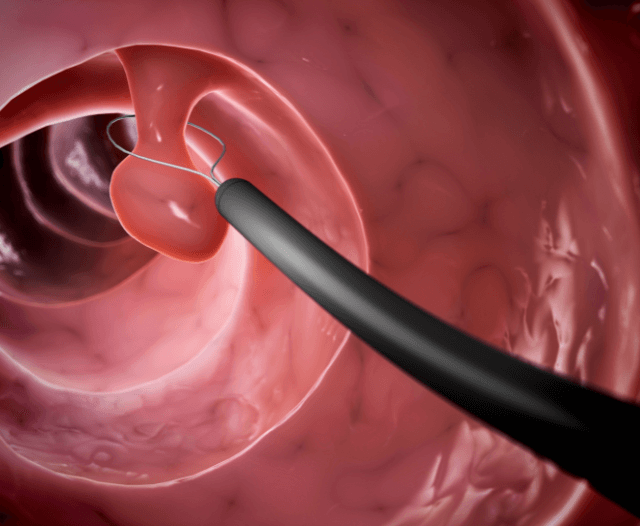
Colonoscopy
A colonoscopy is an exam of the lower part of the gastrointestinal tract, which is called the colon or large intestine (bowel).

Colonoscopy is a safe procedure that provides information other tests may not be able to give.

Patients who require colonoscopy often have questions and concerns about the procedure.

Colonoscopy is performed by inserting a device called a colonoscope into the anus and advanced through the entire colon

The procedure generally takes between 10 minutes and one hour.


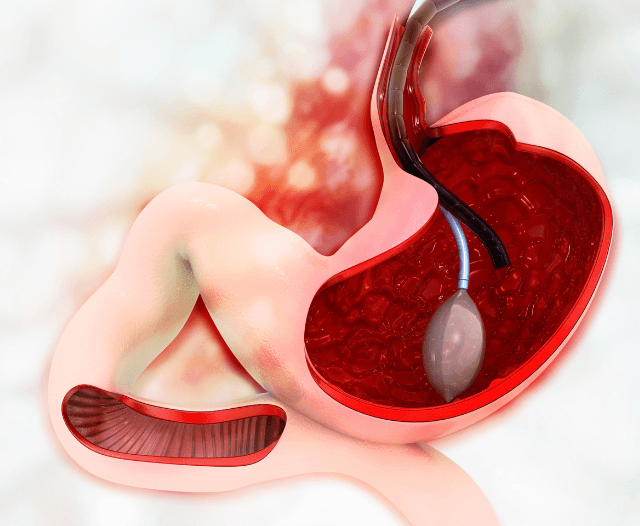
Upper GI Endoscopy
Examines the lining of the upper part of the gastrointestinal tract, including the oesophagus, stomach, and duodenum.

gastrointestinal_cancer_diagnosis


Risk Factors of GI Cancer


There are several factors that have been implicated in the development of Gi cancer.

These include age, family history, race and ethnicity, and gender.

Getting an early diagnosis is important in catching cancer before it spreads, and treatment can commence earlier than if it’s caught after spread.

Those with the following risk factors are more likely to develop Gi cancer:

  • Stomach Polyps
  • Smoking
  • Obesity
  • GERD (Gastroesophageal reflux disease)
  • A diet high in salty and smoked foods
  • A diet low in fruits and vegetables
  • Family history of stomach cancer 

Prevention


In order to reduce the risk of stomach cancer, you can:

Stop Smoking:
Smoking increases your risk of stomach cancer.  Not only stomach cancer but many other types of cancer.

Reduce the amount of salty or smoked foods:
Protect your stomach and limit the intake of salt and smoked foods.

Maintain a Healthy Weight:
If you’re overweight or obese, talk to your doctor about strategies to help you lose weight. Aim for a slow and steady weight loss of 1 or 2 kilograms per week.


Choose a Diet Full of Fruits and Vegetables:
Try to incorporate more fruits and vegetables into your diet each day.
Choose a wide variety of colorful fruits and vegetables.


Why Cancer Screening Is Important


The general concept behind screening is to find abnormal tissues or diseases early, before the symptoms appear or before they cause other health problems.

Cancer screening for GI tract cancers, for example, looks for the tumor itself and in the first stages of growth when it is more easily treatable than at a later stage when it has progressed to an advanced state.

Early detection means treatment often starts immediately; patients have less pronounced signs or symptoms; and GI cancers can be cured in more cases than not.
 

gastrointestinal_cancer_infographic


Get in Touch with GI Expert Dr. Deetlefs


 Dr Deetlefs has admitting rights and performs endoscopies at both Mediclinic Milnerton and Life Vincent Pallotti Hospitals.

We are gastroenterologist experts using patient-focused GI treatment and procedures in Cape Town.

If you are experiencing any of the above symptoms and wish you make an appointment with Dr. Deetlefs, get in contact with his practice and book your appointment.

If you haven’t been scheduled for a colonoscopy and want to get one, make an appointment now.

DISCLAIMER: PLEASE READ CAREFULLY

The information on this website is to provide general guidance. In no way does any of the information provided reflect definitive medical advice and self-diagnoses should not be made based on information obtained online. It is important to consult a Gastroenterologist or medical doctor regarding ANY and ALL symptoms or signs including, but not limited to: abdominal pain, haemorrhoids or anal / rectal bleeding as it may a sign of a serious illness or condition. A thorough consultation and examination should ALWAYS be performed for an accurate diagnosis and treatment plan. Be sure to call a physician or call our office today and schedule a consultation.

GIDoc Cape Town

Patient-focused GI treatments and procedures in Cape Town.

Monday-Friday 8AM-4PM.

Connect with Us

© Dr. Eduan Deetlefs, Registered Gastroenterologist, GI Doc Cape Town

Our website information is not intended or implied to be a substitute for professional medical advice, diagnosis or treatment. Please consult a doctor about your specific condition. Only a trained physician can determine an accurate diagnosis and proper treatment.

What Is Crohn’s Disease?

What Is Crohn’s Disease?

what_is_crohns_disease_infographic When you think of Crohn’s disease, you usually think of a bloated stomach, lack of appetite and cramps.

But did you know there many other symptoms of Crohn’s?

They are all unique, as every person is different. You might not have all or even any of them. It’s important to remember that a symptom you experience doesn’t mean that you have Crohn’s.

If you experience any of the symptoms below, see your healthcare professional.

In this article we discuss everything you need to know about Crohn’s disease and how to live a healthy life despite this disease.

Introduction to Crohn’s Disease?

Crohn’s Disease is a chronic inflammatory bowel disease (IBD) that affects the gastrointestinal tract.

The disease is named after Dr. Burrill Crohn, who first described the condition in 1932. Crohn’s disease is a type of IBD that is marked by inflammation in the lining of the small intestine.

The inflammation can occur in any part of the gastrointestinal tract, from the mouth to the anus, but it is most commonly found in the last section of the small intestine, called the ileum.

People with Crohn’s disease often experience abdominal pain, diarrhea, weight loss, and fever.

The inflammation caused by Crohn’s disease can also lead to the development of ulcers in the digestive tract known as Ulcerative Colitis.

What Are the Symptoms of Crohn’s Disease?

This chronic condition can cause inflammation, pain and other symptoms in different parts of the digestive system.

The most common symptoms of Crohn’s disease include:

  • Diarrhea
  • Abdominal cramps
  • Weight loss
  • Fever
  • Fatigue
  • Bloody Stool
  • Mouth Sores

Other possible symptoms include:

  • Urgent need to move bowels
  • Night sweats
  • Loss of appetite
  • Joint pain
  • Skin lesions
  • Inflammation of the liver or bile ducts
  • Kidney stones
  • Iron deficiency
  • Delayed growth in children

Crohn’s disease is a serious condition and can lead to many possible complications, including malnutrition, dehydration, intestinal blockages, and cancer.

Treatment for Crohn’s disease typically involves medications and surgery.

If you are experiencing any of the symptoms of Crohn’s disease, it is important to see a doctor for diagnosis and treatment.

crohns_disease_treatment

What Are the Causes of Crohn’s Disease?

The cause of Crohn’s disease is unknown, but there are several theories about what may trigger the disease.

Some possible causes of Crohn’s disease include:

Genetic factors: Crohn’s disease may be caused by a combination of environmental and genetic factors. Some people may be more likely to develop Crohn’s disease because they inherit genes that make them more susceptible to the disease.

Bacterial infection: It is possible that a bacterial infection may trigger Crohn’s disease. The bacteria may enter the gastrointestinal tract through the mouth or nose and cause inflammation and damage to the intestinal lining.

Smoking:  Cigarette smoking could double your risk of Crohn’s disease.

Diagnosing Crohn’s Disease

To diagnose Crohn’s disease, doctors take a medical history and perform a physical exam. They may order blood tests, stool tests, a sigmoidoscopy, or a colonoscopy.

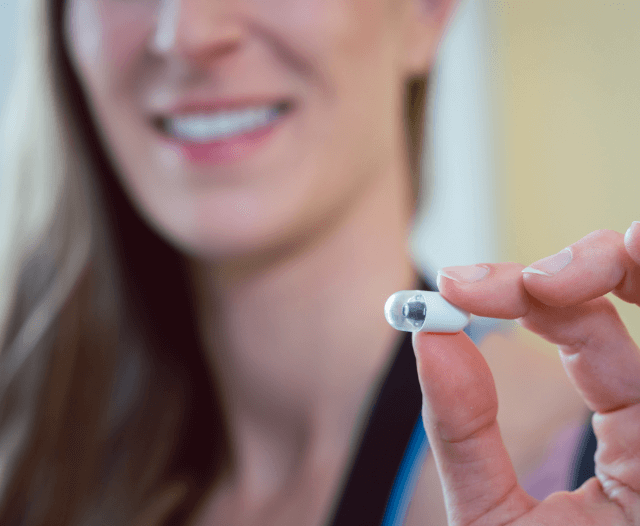
Additionally, they may also use a device called a capsule endoscopy, which is a pill that takes a picture of the small intestine.

The three most common ways to diagnose Crohn’s disease are discussed below.

Blood Test – Blood tests are one of the most used testing methods for diagnosing Crohn’s disease.  Doctors can use blood samples to check for signs of infection in your blood. If you have an increased level of white blood cells in your blood, it may be a sign of infection or inflammation in your body.

Stool Test – Your doctor might want to order a stool test to check if you have blood in your stool.  To have blood in your stool is normally a sign that you have digestive problems such as Crohn’s disease.

Sigmoidoscopy – A sigmoidoscopy is a procedure to examine the inside of the rectum and sigmoid colon. A sigmoidoscope is inserted into the rectum and advanced into the sigmoid colon. This allows the doctor to view the lining of the rectum and sigmoid colon and to detect any abnormalities.

Colonoscopy – A colonoscopy is a screening test for colon cancer. It is a procedure in which a thin, flexible tube with a light and camera on the end is inserted through the anus and passed through the rectum and into the colon. The test is used to look for polyps, which are small growths on the lining of the colon that can become cancerous.

Capsule Endoscopy – Capsule endoscopy is a diagnostic test that uses a small camera to take pictures of the inside of your small intestine. This test is used to help diagnose problems in the small intestine, such as Crohn’s disease, celiac disease, and tumors.

what_is_crohns_disease_colonoscopy


What Is the Treatment for Crohn’s Disease?

There is no known cure for Crohn’s disease, but there are treatments that can help lessen the symptoms.

Treatment may include medication, diet and lifestyle changes, and surgery.

Food Preparation and Meal Planning

Although everyone is different and no one-size-fits-all when it comes to food, these tips can help you find your rhythm and guide you to a better daily nutrition.

  • Eat 4 – 6 small meals per day
  • Drink enough liquids such as water, broth, tomato juice
  • Prepare your meals in advance
  • Use simple technique when cooking like boil, grill, steam or poach. Try not to deep fry and techniques using a lot of oil or butter.
  • Use a food journal to keep track of what you eat and when you experience Crohn’s symptoms.

What Are the Possible Complications of Crohn’s Disease?

Some of the most common complications include:

– Inflammation of the joints, skin, or eyes

– Rectal bleeding

– Ulcers in the intestine

– Swelling of the intestinal wall

– Structures or narrowing of the intestine

– Malabsorption of nutrients

– Abscesses

– Inflammation of the pouch created by surgery to treat Crohn’s Disease

– Cancer of the intestine

It is important for people with Crohn’s disease to be aware of the potential complications and take steps to prevent them from occurring.

The Relationship of Diet and Crohn’s Disease

There is no one food that Crohn’s disease patients must avoid, but there are some general dietary guidelines that can be helpful.

Patients with Crohn’s disease should aim to eat a balanced diet that includes plenty of fruits, vegetables, and whole grains.

It’s important to avoid foods that are high in fat and sugar, as these can aggravate symptoms.

Some specific foods that may be troublesome for Crohn’s patients include nuts, seeds, cruciferous vegetables (like broccoli and cauliflower), and dairy products.

It’s also important to drink plenty of fluids, especially water, as dehydration can aggravate symptoms. Some patients find that drinking caffeine or alcohol can worsen symptoms.

It is important to listen to your body and take note of the reaction your body shows after consuming some foods. 

what_is_crohns_disease_infographic

Conclusion

If you are worried about Crohn’s there are some easy steps to take to improve your condition, regardless of what your specific diagnosis is.

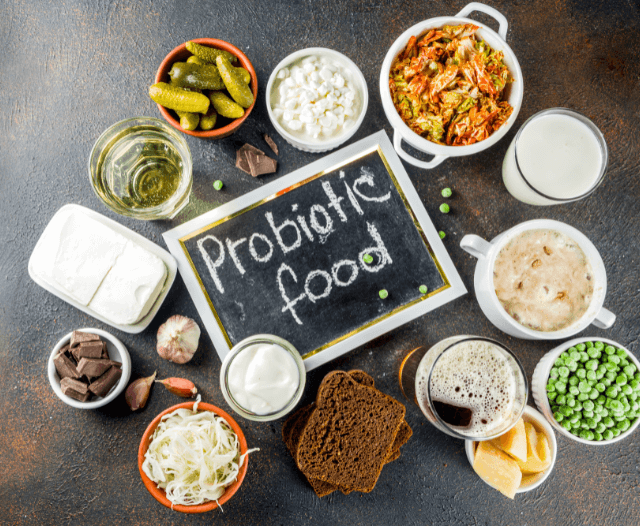
These follow-up measures include taking good care of yourself; eating a healthy diet; avoiding alcohol; controlling stress through exercise, meditation or yoga; and using probiotics to improve gut health.

For any additional information regarding Crohn’s disease, it’s best to find a trusted and experienced Gastroenterologist who can answer your questions clearly, recommend appropriate solutions, and perform tests with precision and expertise.

Dr. Deetlefs has earned the reputation of a trusted health expert providing consultative, diagnostic, and therapeutic endoscopic and related services to patients in Cape Town and beyond.

Dr. Deetlefs can be contacted to confirm the estimated breakdown should you be interested in having the procedure done. 

DISCLAIMER: PLEASE READ CAREFULLY

The information on this website is to provide general guidance. In no way does any of the information provided reflect definitive medical advice and self-diagnoses should not be made based on information obtained online. It is important to consult a Gastroenterologist or medical doctor regarding ANY and ALL symptoms or signs including, but not limited to: abdominal pain, haemorrhoids or anal / rectal bleeding as it may a sign of a serious illness or condition. A thorough consultation and examination should ALWAYS be performed for an accurate diagnosis and treatment plan. Be sure to call a physician or call our office today and schedule a consultation.

GIDoc Cape Town

Patient-focused GI treatments and procedures in Cape Town.

Monday-Friday 8AM-4PM.

Connect with Us

© Dr. Eduan Deetlefs, Registered Gastroenterologist, GI Doc Cape Town

Our website information is not intended or implied to be a substitute for professional medical advice, diagnosis or treatment. Please consult a doctor about your specific condition. Only a trained physician can determine an accurate diagnosis and proper treatment.