021 202 0626
Identifying And Diagnosing Inflammatory Bowel Disease

Identifying And Diagnosing Inflammatory Bowel Disease

IBD Introduction


There are many different diseases and disorders that can affect the gastrointestinal system, making it difficult to diagnose any one condition.

Inflammatory bowel disease (IBD) is one such condition that can be characterized by chronic inflammation of the GI tract, resulting in abdominal pain, diarrhea, and weight loss.

The two most common types of IBD are ulcerative colitis and Crohn’s disease.

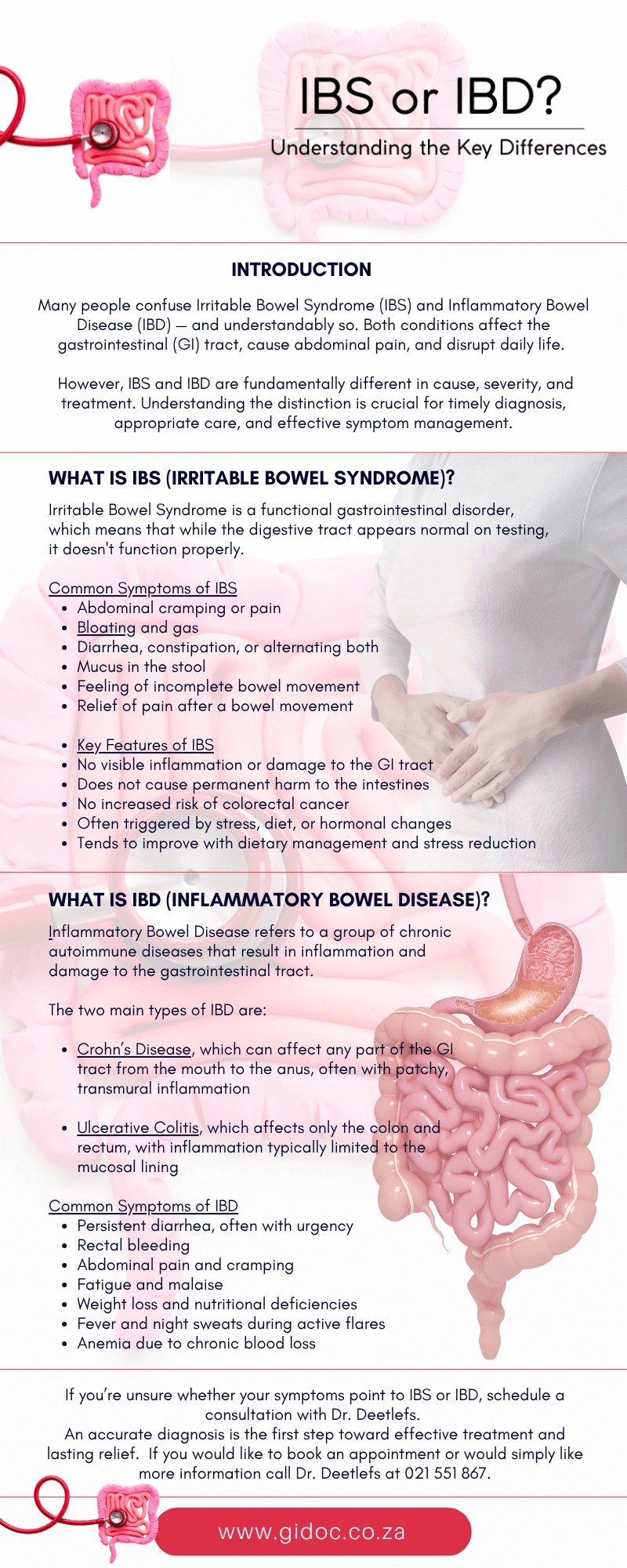
IBD can be difficult to diagnose because its symptoms can be similar to other GI conditions, such as irritable bowel syndrome (IBS).

A diagnosis of IBD is typically made by a combination of medical history, physical examination, lab testing, and imaging studies.

Treatment for IBD typically includes medications to reduce inflammation, as well as diet and lifestyle changes.

Let’s get into IBD in more detail, discussing the different types of IBD and diagnostic and treatments thereof.


What Is Inflammatory Bowel Disease?

Irritable Bowel Disease, or IBD, is a chronic inflammatory condition of the gastrointestinal tract. The two most common types of IBD are ulcerative colitis and Crohn’s disease.

IBD can be difficult to diagnose because its symptoms are similar to other GI disorders.

IBD can cause a wide range of symptoms, including abdominal pain, diarrhea, weight loss, and fatigue.

There is no cure for IBD, but there are treatments available to help manage the symptoms.

Crohn’s Disease Explained

Crohn’s disease is a chronic inflammatory bowel disease that can affect any part of the gastrointestinal tract. It is a debilitating and often painful disease that can lead to a number of serious complications.

Crohn’s disease is thought to be caused by a combination of genetic and environmental factors.

There is no cure for Crohn’s disease, but there are a number of treatments that can help to manage the symptoms and improve the quality of life for those affected by the disease.

Symptoms of Crohn’s Disease:

  • Abdominal pain
  • Diarrhea
  • Weight loss
  • Mouth sores
  • Rectal bleeding
  • Fever


Ulcerative Colitis Explained


When you hear the term “ulcerative colitis,” you may not know what it is. Ulcerative colitis is a type of inflammatory bowel disease (IBD) that affects the large intestine, or colon.

The main symptom of ulcerative colitis is abdominal pain and cramping, as well as diarrhea. Other symptoms may include weight loss, fatigue, and rectal bleeding.

Ulcerative colitis is thought to be caused by a combination of genetic and environmental factors.

There is no known cure for ulcerative colitis, but there are treatments available to help manage the symptoms and keep the disease in remission.

Symptoms of Ulcerative Colitis:

  • Abdominal pain
  • Cramping
  • Bloody diarrhea
  • Weight loss
  • Fatigue
  • Rectal bleeding
  • Fever

If you experience any of these symptoms, it is important to see a doctor so that you can get a proper diagnosis and treatment. 

ibd_symptoms_diagnoses


The Symptoms of Inflammatory Bowel Disease

There are a few key things to look for when trying to identify IBD.

Symptoms of inflammatory bowel disease can vary depending on the type of disease, but may include:

  • Abdominal pain
  • Cramping
  • Bloating
  • Diarrhea
  • Weight loss
  • Bloody stool

Diagnosis is typically made through a combination of medical history, physical examination, and diagnostic tests such as bloodwork, stool samples, and imaging.

If you are experiencing any of these symptoms, it is important to see a doctor to determine the cause.


The Causes of Irritable Bowel Disease


There are many different potential causes of irritable bowel disease, and unfortunately, the exact cause is still unknown.

However, there are a few different theories as to what may contribute to the development of this disorder.

One theory suggests that a bacterial imbalance in the gut may play a role. Another possibility is that a viral infection could trigger the disorder.

Additionally, it has been suggested that certain food sensitivities may contribute to the development of irritable bowel disease. Stress and anxiety have also been shown to worsen symptoms of irritable bowel disease.

Therefore, it is important to manage stress in order to help keep symptoms under control.

irritable_bowel_disease_stages


The Tests Used to Diagnose Inflammatory Bowel Disease


There are a few different tests that may be used to help diagnose inflammatory bowel disease and includes:

  • Medical history
  • Physical examination
  • Blood tests
  • Stool tests
  • Imaging tests
  • X-rays
  • CT scans
  • Endoscopy


Blood Tests
There are a few different ways that doctors can test for Inflammatory Bowel Disease (IBD). A blood test is one way that can be done in order to help diagnose IBD. There are certain proteins in the blood that are an indication of inflammation. One of these proteins is called C-reactive protein (CRP). If the CRP levels in the blood are high, it is a sign that there is inflammation present in the body.

Stool Samples
One way to help diagnose IBD is through a stool sample. Your doctor will likely ask you to provide a stool sample so that they can test it for the presence of blood or inflammation. This is an important test because it can help rule out other conditions, such as infections, that may be causing your symptoms.

X-Rays
An X-ray can reveal changes in the intestine that are characteristic of IBD. In IBD, the lining of the intestine is inflamed. This can cause the intestine to narrow, which may lead to blockages. An X-ray can show if the intestine is narrowed or if there are any blockages. An X-ray can also show if there are any other abnormal changes in the intestine, such as ulcers.

CT Scans
A CT scan is a type of imaging test that uses X-rays and computer technology to create detailed pictures of the inside of your body.

MRI
MRI can create detailed images of the gastrointestinal tract and show areas of inflammation. This information can help doctors determine the best course of treatment for each individual patient.

If you think you may have Inflammatory Bowel Disease, it is important to see a doctor and get a diagnosis.

colonoscopy_ibd


The Treatments for Inflammatory Bowel Disease


There is no one-size-fits-all approach to treating inflammatory bowel disease (IBD). The goal of treating IBD is to reduce inflammation.

The best treatment plan for each individual will be determined by the severity of the disease, the type of IBD diagnosed, and other factors unique to the patient.

That said, there are a few common treatments that are often used to manage IBD.
These include:

  • Medications: Anti-inflammatory drugs, immune suppressants, and biologic therapies are all commonly used to treat IBD.
  • Diet: What you eat can have a big impact on your symptoms. Your doctor may recommend a special diet, such as the low-FODMAP diet, to help
  • Lifestyle Changes: Stress can aggravate IBD symptoms and cause flare-ups therefor stress should be managed. Light to moderate exercise is believed to be good for people with IBD.

Treatment for IBD typically involves the use of medications, such as anti-inflammatories, immune-modulators, and antibiotics.

In some cases, surgery may also be necessary.

identifying_ibd_infographic


Conclusion


In summary, inflammatory bowel disease can be difficult to diagnose because its symptoms can mimic those of other gastrointestinal disorders.

However, there are some key differences that can help your doctor make a definitive diagnosis.

Be sure to keep track of your symptoms and share them with your doctor so that they can help you get the treatment you need to manage your condition.

For any additional information regarding IBD, it’s best to find a trusted and experienced Gastroenterologist who can answer your questions clearly, recommend appropriate solutions, and perform tests with precision and expertise.

Dr. Deetlefs has earned the reputation of a trusted health expert providing consultative, diagnostic, and therapeutic endoscopic and related services to patients in Cape Town and beyond. 

Dr. Deetlefs can be contacted to confirm the estimated breakdown should you be interested in having the procedure done.

DISCLAIMER: PLEASE READ CAREFULLY

The information on this website is to provide general guidance. In no way does any of the information provided reflect definitive medical advice and self-diagnoses should not be made based on information obtained online. It is important to consult a Gastroenterologist or medical doctor regarding ANY and ALL symptoms or signs including, but not limited to: abdominal pain, haemorrhoids or anal / rectal bleeding as it may a sign of a serious illness or condition. A thorough consultation and examination should ALWAYS be performed for an accurate diagnosis and treatment plan. Be sure to call a physician or call our office today and schedule a consultation.

GIDoc Cape Town

Patient-focused GI treatments and procedures in Cape Town.

Monday-Friday 8AM-4PM.

Connect with Us

© Dr. Eduan Deetlefs, Registered Gastroenterologist, GI Doc Cape Town

Our website information is not intended or implied to be a substitute for professional medical advice, diagnosis or treatment. Please consult a doctor about your specific condition. Only a trained physician can determine an accurate diagnosis and proper treatment.
The Best Way to Keep Your Colon Happy

The Best Way to Keep Your Colon Happy

The colon is an important part of the digestive system and keeping it happy and healthy. There are a few simple things you can do to keep your colon happy and healthy.

A healthy colon is important for your overall health. Taking care of your colon can help prevent many health problems in the future.

In this article we will talk about the importance of keeping your colon healthy and the best way to do it!


The Importance of Keeping Your Colon Healthy


Your colon is one of the most important organs in your body. It’s responsible for removing waste from your body, and it also helps to absorb nutrients and moisture.

Keeping your colon healthy is essential for maintaining a healthy digestive system.

Not only does an unhealthy colon affect you physically, but it also affects your body mentally.

A happy colon equals a happy mind. That’s because your gut and your brain are connected by the vagus nerve, which runs from your brain stem all the way down to your belly.

When your gut is unhappy, it sends signals to your brain that can affect your mood. That’s why it’s important to keep your colon healthy and happy!

 keeping_your_colon_happy


The Consequences of an Unhealthy Colon

The consequences of an unhealthy colon can be very serious.

An unhealthy colon can lead to a variety of health problems, including colon cancer. There are a few things you can do to keep your colon healthy.

If you do not take care of your colon, you may experience a variety of health problems.

These problems can include:

 If you experience any of these symptoms, don’t delay in seeking medical help.

 unhealthy_colon_consequences


The Best Way to Keep Your Colon Healthy


There are many ways to keep your colon healthy, but there are a few key things that are important to remember.

First, it is important to eat a healthy diet that is high in fiber. This will help to keep your colon clean and free of debris.

Secondly, it is important to drink plenty of water. This will help to keep your colon hydrated and working properly.

Another way to keep your colon healthy is by limiting alcohol and smoking. If you choose to drink alcohol, do it moderately.

Regular screening is an important cancer prevention strategy.  Having regular colonoscopies can prevent cancer by discovering polyps and having them removed before developing into cancer.

Another crucial point in maintaining a healthy colon is to manage stress. This is important for gut health in general and can help prevent issues like constipation or diarrhea.

Finally, it is important to exercise regularly. This will help to keep your colon muscles toned and working properly.

By following these simple tips, you can help to keep your colon healthy and happy.


Eating The Right Foods


One of the most important things is to make sure that you are eating the right foods.

There are a lot of different foods that you can eat that are good for your colon and here are just a few of them.

Fiber is one of the most important things that you can eat for your colon. There are two different types of fiber, soluble and insoluble and both are important for your colon.

Soluble fiber dissolves in water and helps to form a gel that helps to trap cholesterol and other toxins.

Insoluble fiber does not dissolve in water and helps to add bulk to your stool and helps to move things along in your colon.

Fruits and vegetables have also been linked to a decreased risk in developing colon cancer.

unhealthy_colon_consequences


Drinking Plenty of Water


Your colon is responsible for eliminating waste from your body, so it’s important to keep it happy and healthy. Drinking plenty of water is the best way to do this.

Water keeps your colon hydrated and working properly. It also helps to flush out toxins and keeps things moving along smoothly. Aim for eight glasses of water a day.


Avoiding Constipation

Your colon (or large intestine) is responsible for removing water, electrolytes, and vitamins from solid waste before your body eliminates it.

The colon reabsorbs about 95% of the water and electrolytes in feces. This process of water removal makes feces more solid.

When the colon cannot remove enough water from waste, diarrhea results.

If the colon removes too much water, constipation occurs.

There are many things that can contribute to constipation, including a lack of fiber in your diet, not drinking enough fluids, not being active enough, and certain medications.

 unhealthy_colon_consequences


Getting Regular Exercise


One of the best ways to keep your colon happy is to get regular exercise.

Exercise not only helps to keep your colon healthy, but it also helps to improve your overall health.
Exercise helps to keep your colon clean and free from toxins.

It also helps to improve circulation, which is essential for a healthy colon.Exercise also helps to reduce stress, which can be a major factor in colon problems.

So, if you want to keep your colon happy and healthy, make sure that you get regular exercise.


The Benefits of a Healthy Colon


There are many benefits to having a healthy colon. For one, it helps to increase your overall energy levels. Additionally, a healthy colon can improve your digestion and help to prevent constipation.

Finally, a healthy colon can also help to reduce your risk of developing colon cancer.

Foods That Can Upset Your Stomach


There are a few things you can do to keep your colon happy and healthy, but one of the most important is to be aware of the foods that can upset your stomach.

Some of these foods may surprise you, so it’s important to be informed.

Dairy products
Dairy products can be hard to digest, especially for people who are lactose intolerant. If you have trouble digesting dairy, it’s best to avoid it or eat it in small amounts.

Spicy foods
If you’re a fan of spicy food, you might want to think twice before indulging. Spicy food can cause irritation and inflammation in your colon, which can lead to uncomfortable symptoms like abdominal pain, diarrhea, and rectal bleeding.

If you have a history of colon problems, you should avoid spicy food altogether.

Alcohol
There are a few ways that alcohol can affect your colon.

It can increase the amount of acid in your stomach, which can lead to indigestion and heartburn.
Second, it can irritate the lining of your stomach and intestines, which can lead to inflammation and pain.

Alcohol can also increase the risk of developing ulcers in the lining of your stomach or intestines.

Gluten
Gluten has been shown to be detrimental to gut health.

For those with celiac disease, gluten can cause serious inflammation in the lining of the intestines, which can lead to a host of other problems. Even for those without celiac disease, gluten can still cause damage to the gut, and has been linked to increased intestinal permeability, or “leaky gut.”

If you’re struggling with any sort of gut issue, it might be worth eliminating gluten from your diet to see if it makes a difference.

the_best_way_to_keep_your_colon_happy

Contact Dr. Deetlefs 

Dr Eduan prides himself on his ability to help his patients to the best of his ability by embracing good listening skills, effective communication, compassion and knowledge and skill honed during years of private gastroenterology practice.

If you would like to book an appointment with a gastrointestinal (GI) specialist or would simply like more information on a particular GI topic, don’t hesitate to use our online booking form or call Dr. Deetlefs at 021 551 867.

DISCLAIMER: PLEASE READ CAREFULLY

The information on this website is to provide general guidance. In no way does any of the information provided reflect definitive medical advice and self-diagnoses should not be made based on information obtained online. It is important to consult a Gastroenterologist or medical doctor regarding ANY and ALL symptoms or signs including, but not limited to: abdominal pain, haemorrhoids or anal / rectal bleeding as it may a sign of a serious illness or condition. A thorough consultation and examination should ALWAYS be performed for an accurate diagnosis and treatment plan. Be sure to call a physician or call our office today and schedule a consultation.

GIDoc Cape Town

Patient-focused GI treatments and procedures in Cape Town.

Monday-Friday 8AM-4PM.

Connect with Us

© Dr. Eduan Deetlefs, Registered Gastroenterologist, GI Doc Cape Town

Our website information is not intended or implied to be a substitute for professional medical advice, diagnosis or treatment. Please consult a doctor about your specific condition. Only a trained physician can determine an accurate diagnosis and proper treatment.

Characteristics of Liver Disease

Characteristics of Liver Disease

 Overview

Liver disease is a broad term that covers any sort of disorder that affects the liver.

The liver is a vital organ that helps to filter out toxins from the body, so when it is not functioning properly, it can lead to a build-up of harmful substances in the blood.

There are many different types of liver disease, and each one has its own unique set of symptoms and treatment options.

Symptoms of liver disease can include nausea, vomiting, abdominal pain, and yellowing of the skin and eyes.

Treatment for liver disease depends on the cause, but may include medication, surgery, or lifestyle changes.

There are many different liver diseases, but they can broadly be classified into two categories: those that are caused by viruses and those that are not.

In this article we discuss liver disease and treatments available, the causes and symptoms of this disease, and when to seek help from a medical professional.


What is Liver Disease?


The liver is a large organ located in the right upper abdomen that aids in digestion and filters toxins from the blood.

Liver disease is an umbrella term used to describe a wide range of health issues that affect the liver.

Liver disease isn’t a single problem. Plenty of different liver diseases can affect your body, and these different ailments need to be pinpointed and studied individually in order to develop better treatments and cures.

With that being said, the types of liver diseases out there include both hereditary conditions and those you pick up by way of lifestyle or environment.

The primary causes of liver disease are alcohol abuse, drug use, diabetes, and obesity, but there are also other contributing factors worth keeping an eye out for like hepatitis C or B, fatty liver disease caused by obesity, chronic fatigue syndrome/fibromyalgia (which can damage the cells in your body), and even several dangerous disorders that threaten the long-term health.

Ideally, you should make educating yourself on these various conditions a priority if you want to avoid developing them yourself.


liver_disease_fibrosis


Causes of Liver Disease

There are different types of liver disease, each with its own underlying cause. Liver disease may be caused by:

Viral Infections
Diseases caused by a viral infection such as Hepatitis A, Hepatitis B and Hepatitis C.

Inherited Diseases
Liver problems can also be caused by genetic diseases such as Wilson disease or hemochromatosis.

Immune System Problems
Autoimmune liver diseases occur when the immune system mistakenly attacks the liver. These include primary biliary cholangitis and autoimmune hepatitis.

Cancer
Tumors can develop when abnormal cells multiply in your liver.
They can be noncancerous (benign) or it can be
liver cancer (malignant).

Alcohol Consumption
Alcoholic fatty liver disease (AFLD) is a condition that results from the mismanagement of alcohol consumption. Non-alcoholic fatty liver disease (NAFLD) is a similar condition that results from consuming too much fat. As rates of obesity and diabetes rise, so does the incidence of NAFLD.


Symptoms of Liver Disease

Liver disease is a condition that can lead to many different problems and symptoms.

It is important to be aware of these symptoms so that you can get treatment as soon as possible.

Liver disease can cause problems with the way your body metabolizes food.
This can lead to malnutrition and weight loss.

Liver disease can also cause problems with blood clotting.
This can lead to bleeding and bruising.

Liver disease can also cause problems with the production of bile.
This can lead to jaundice, which is a yellowing of the skin and eyes.

Medication can help to control the symptoms and slow the progression of the disease.

Should you experience any of these symptoms, it is advised that you seek medical attention.


Jaundice
One of the most common characteristics of liver disease is jaundice, which is a yellowing of the skin and eyes.

Jaundice occurs when the liver is not able to properly break down bilirubin, a yellow pigment that is formed when red blood cells are broken down.

Bilirubin builds up in the blood and is excreted in urine, giving it a yellow color.

Jaundice can also be caused by other conditions that damage the liver, such as hepatitis.
There are many different treatment options available for jaundice, depending on the underlying cause.

If jaundice is caused by liver damage, treatments may include medications to help protect the liver.

Fatigue
Fatigue is a common symptom of liver disease and can be caused by a number of different factors. The most common cause of fatigue in liver disease is anemia.

Anemia is a condition in which the body does not have enough healthy red blood cells to carry oxygen to the tissues. When the liver is not functioning properly, it can lead to anemia.

Nausea
Nausea is a common symptom of liver disease, and can be caused by a variety of factors, including liver damage, inflammation, and certain medications.

If you are experiencing nausea, it is important to talk to your doctor.

Weight Loss
Weight loss is a common symptom of liver disease, and it can be a very serious problem. If you are losing weight without trying, it is important to see your doctor.

Weight loss can be a sign of liver disease, and it can also be a sign of other health problems.

Abdominal Pain
Liver disease can cause pain in the abdomen because it can lead to inflammation of the liver.

This inflammation can cause the liver to swell, which in turn can cause pain. The pain may be worse when the liver is active, such as after a meal.

Treatment for liver disease may also cause abdominal pain. The pain may be caused by the medications used to treat the disease, or by the procedures used to diagnose or treat the disease.

If you are experiencing abdominal pain, it is important to talk to your doctor.

liver_disease_jaundice


Diagnosis of Liver Disease

There are several tests that can be used to diagnose liver disease, including blood tests, imaging tests, and biopsies.

Your doctor will likely order one or more of these tests to confirm a diagnosis and determine the best course of treatment.


Imaging Studies

Early diagnosis and treatment of liver disease is essential to preventing these complications. Imaging studies, such as ultrasound, CT scan, and MRI, can often be used to diagnose liver disease.

These studies can help to identify the cause of the liver disease, as well as the extent of damage.


Blood Tests

There are many different blood tests that can be used to diagnose liver disease.

These tests can measure the level of enzymes in the blood, proteins, and bilirubin. They can also help to determine how well the liver is functioning.

liver_disease_blood_test


Prevention of Liver Disease


Liver disease affected by your diet or lifestyle can be prevented by taking the following steps:

  • Avoid Alcohol or limit your alcohol intake
  • Make healthy choices when it comes to your diet. Avoid food and drinks containing trans fats or high sugar content.
  • Manage your medication intake. Medication are common causes of liver disease.
  • Exercise regularly
  • Limit red meat intake

liver_disease_infographic


Conclusion


In conclusion, liver disease is a very serious condition that can have a number of negative effects on the body.

If you think you may be at risk for liver disease, it is important to talk to your doctor and get tested. There are a number of treatments available for liver disease, so it is important to catch it early.

Contact Dr. Deetlefs today to book your appointment online or call us on 021-5518678. 

DISCLAIMER: PLEASE READ CAREFULLY

The information on this website is to provide general guidance. In no way does any of the information provided reflect definitive medical advice and self-diagnoses should not be made based on information obtained online. It is important to consult a Gastroenterologist or medical doctor regarding ANY and ALL symptoms or signs including, but not limited to: abdominal pain, haemorrhoids or anal / rectal bleeding as it may a sign of a serious illness or condition. A thorough consultation and examination should ALWAYS be performed for an accurate diagnosis and treatment plan. Be sure to call a physician or call our office today and schedule a consultation.

GIDoc Cape Town

Patient-focused GI treatments and procedures in Cape Town.

Monday-Friday 8AM-4PM.

Connect with Us

© Dr. Eduan Deetlefs, Registered Gastroenterologist, GI Doc Cape Town

Our website information is not intended or implied to be a substitute for professional medical advice, diagnosis or treatment. Please consult a doctor about your specific condition. Only a trained physician can determine an accurate diagnosis and proper treatment.

Causes, Symptoms, and Risk Factors of Anemia and How to Prevent Them

Causes, Symptoms, and Risk Factors of Anemia and How to Prevent Them

Overview of Anemia

Anemia is a medical condition in which the blood doesn’t have enough healthy red blood cells which is needed to carry oxygen to the body’s organs and tissues.

There are many different types and causes of anemia of which Iron deficiency anemia is the most common type.

Iron deficiency anemia (IDA) occurs when your body doesn’t have enough iron to make hemoglobin, the substance in red blood cells (RBC’s) that carries oxygen.

Untreated IDA can cause problems such as fatigue and lack of energy. IDA is the most common form of anemia worldwide.

Anemia can also make you feel cold and weak. You may also have trouble breathing, and your heart may have to work harder to pump blood.

Other causes of anemia include blood loss, certain chronic diseases, and bone marrow problems.
Anemia can be serious, but it’s often treatable.

If you think you may be at risk for anemia, or are experiencing symptoms, be sure to talk to your doctor.

We discuss everything you need to know about Anemia and how you can prevent this from affecting your quality of life.


What is Anemia


If you’re feeling tired and run down, it could be more than just the hustle and bustle of everyday life. You could be experiencing iron deficiency anemia.

Anemia is a blood disorder that occurs when there are not enough healthy red blood cells in the body.
Red blood cells carry oxygen to all parts of the body.

There are many different types of anemia, each with its own cause.

Some types of anemia are more serious than others. The most common type of anemia is iron-deficiency anemia.

It occurs when the body does not have enough iron. Iron is needed to make hemoglobin, a protein in red blood cells that carries oxygen.


Types of Anemia

There are three types of anemia:

Iron Deficiency Anemia: This is the most common type of anemia. It is caused by not getting enough iron in the diet or by losing too much blood.

Blood Loss Anemia: This type of anemia can be caused by bleeding from the gastrointestinal tract, heavy menstrual bleeding, or blood loss from injury or surgery.

Chronic Disease Anemia: This type of anemia can be caused by certain chronic medication.


Causes of Anemia


Anemia is a condition that can be caused by a variety of factors.

Common causes include:

  • Blood loss
  • Poor nutrition
  • Certain medical conditions
  • Certain medications or treatments

Anemia can be a serious condition, so it is important to get treatment.


Symptoms of Anemia

There are a variety of symptoms associated with anemia. They can range from mild to severe and can include the following:

  • Headache
  • Frequent urination
  • Yellow skin
  • Unexplained weight loss
  • Weight gain
  • Exhaustion
  • Mental Confusion
  • Pale skin, dry skin, or easily bruised skin
  • Dizziness
  • Fatigue
  • Weakness
  • Tingling or pins and needles sensation in the hands and feet
  • Restless legs syndrome
  • Sore tongue
  • Fast heartbeat
  • Feeling cold
  • Vomiting
  • Brittle nails
  • Hair loss
  • Change in sense of taste

In children a lack of attention, delayed development of motor skills and learning problems can occur.

If you think you may be experiencing any of these symptoms, it’s important to see a doctor to get a diagnosis.

anemia_causes_symptoms_risks


How is Anemia Diagnosed?


To diagnose anemia, your doctor will likely take your medical history, do a physical exam, and order a blood test.

The blood test will measure your hemoglobin and hematocrit levels. A low hemoglobin level is an indicator of anemia.

The type and number of blood and other tests will depend on the type of anemia your provider believes you have.

Anemia can also be diagnosed by your doctor based on the following parameters:

These tests may be ordered by your doctor after a trial period of treatment with iron supplements.

Risk Factors of Anemia


There are many different types of anemia, each with its own set of causes. However, there are some general risk factors that can increase your chances of developing this condition.

These include:

  • A family history of anemia
  • Certain medical conditions, such as autoimmune disorders, kidney disease, or cancer
  • Certain medications, such as those used to treat cancer or HIV
  • A diet low in iron, folate, or vitamin B12
  • Pregnancy
  • Excessive bleeding
  • Chronic inflammation

If you have any of these risk factors, it’s important to be aware of the signs and symptoms of anemia.

Women
There are many different types of anemia, each with its own set of risk factors. But women are at particular risk for some types of anemia.

Here’s a look at some of the risk factors for anemia in women. One of the most common types of anemia is iron-deficiency anemia. This form of anemia is caused by a lack of iron in the body.

Women are at particular risk for iron-deficiency anemia because of blood loss during menstruation.

If you have heavy menstrual periods, you may be at risk for iron-deficiency anemia.

Children
There are some general risk factors that can increase a child’s chances of developing anemia.

One of the most common risk factors is a lack of iron in the diet. Iron is essential for the production of red blood cells, and a diet lacking in iron can lead to anemia.

Other risk factors include a lack of other nutrients such as folate and vitamin B12, chronic illnesses and blood loss.

anemia_healthy_diet

Anemia and Pregnancy


Anemia can be temporary or long term, and it can range from mild to severe. Pregnant women are especially at risk for anemia because of the increased demand for iron during pregnancy.

During pregnancy, the body needs more iron to make more blood to supply oxygen to the growing fetus.

The body needs iron to make hemoglobin, which carries oxygen in the blood. There are several risk factors for anemia during pregnancy.

One is simply not having enough iron in the diet. Another is bleeding, which can occur during pregnancy, childbirth, or after a miscarriage.

Bleeding can also occur from other causes, such as ulcers, hemorrhoids, or nosebleeds. Certain medical conditions can also lead to anemia.
 

How to Prevent Anemia


There are several ways to prevent anemia.

Eating a diet that includes iron-rich foods, such as meat, poultry, fish, beans, and leafy green vegetables, can help prevent anemia.

Taking a daily multivitamin that contains iron can also help.

If you have any chronic medical conditions or take medications that can cause anemia, your doctor may recommend additional treatments or supplements.

anemia_infographic


Contact the Experts


Anemia can be a serious condition, but there are things that you can do to manage it and keep yourself healthy.

Work with your doctor to come up with a treatment plan that is right for you, and make sure to follow all of their instructions.

Be sure to eat a healthy diet, get plenty of exercise, and get regular checkups to make sure that your anemia is under control.

Dr Eduan prides himself on his ability to help his patients to the best of his ability by embracing good listening skills, effective communication, compassion and knowledge and skill honed during years of private gastroenterology practice.

If you would like to book an appointment with a gastrointestinal (GI) specialist or would simply like more information on a particular GI topic, don’t hesitate to use our online booking form or call Dr. Deetlefs at 021 551 867.

DISCLAIMER: PLEASE READ CAREFULLY

The information on this website is to provide general guidance. In no way does any of the information provided reflect definitive medical advice and self-diagnoses should not be made based on information obtained online. It is important to consult a Gastroenterologist or medical doctor regarding ANY and ALL symptoms or signs including, but not limited to: abdominal pain, haemorrhoids or anal / rectal bleeding as it may a sign of a serious illness or condition. A thorough consultation and examination should ALWAYS be performed for an accurate diagnosis and treatment plan. Be sure to call a physician or call our office today and schedule a consultation.

GIDoc Cape Town

Patient-focused GI treatments and procedures in Cape Town.

Monday-Friday 8AM-4PM.

Connect with Us

© Dr. Eduan Deetlefs, Registered Gastroenterologist, GI Doc Cape Town

Our website information is not intended or implied to be a substitute for professional medical advice, diagnosis or treatment. Please consult a doctor about your specific condition. Only a trained physician can determine an accurate diagnosis and proper treatment.
Colonoscopy Explained: What to Expect and How to Prepare

Colonoscopy Explained: What to Expect and How to Prepare

What Is a Colonoscopy?


A colonoscopy is a medical procedure used to examine the large intestine (colon) and rectum.

The colon and rectum are part of the digestive system.

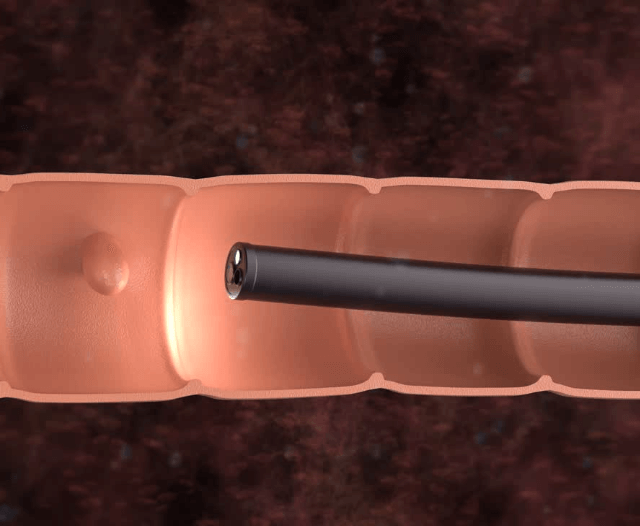
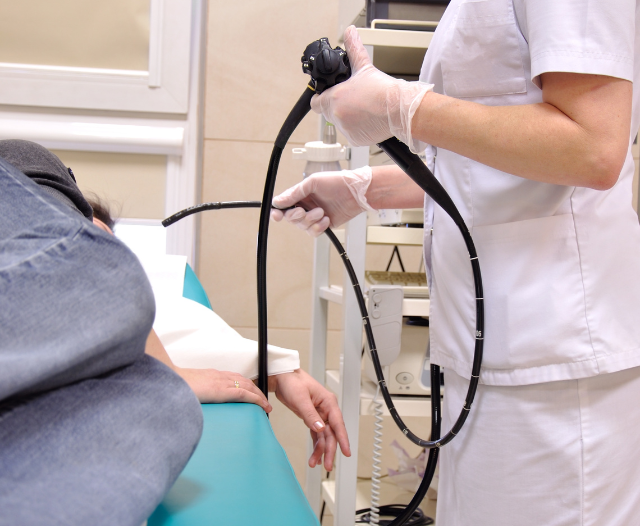
The colonoscopy procedure involves inserting a long, flexible tube (colonoscope) into the rectum.

The colonoscope has a camera at the end which allows the doctor to see the inside of the colon and rectum.

A colonoscopy can be used to diagnose and treat various conditions of the colon and rectum, such as colorectal cancer, inflammatory bowel disease, and gastrointestinal bleeding.

A colonoscopy is generally a safe and well-tolerated procedure.

In this article we will discuss everything you need to know about this procedure and more.


Why Is a Colonoscopy Performed?


The purpose of a colonoscopy is to screen for and detect potential problems, such as colorectal cancer or polyps.

It is considered to be the best method for diagnosing and detecting certain conditions of the colon.

If any abnormal areas are detected, biopsy (tissue sampling) or colon polyp removal will be done.

importance_of_a_colonoscopy


The Importance of a Colonoscopy?


A routine screening can avoid many colorectal cancers.

Catching colon cancer in its early stages and seeing a doctor regularly will ensure that your condition is monitored and treated effectively.


What Happens During a Colonoscopy?


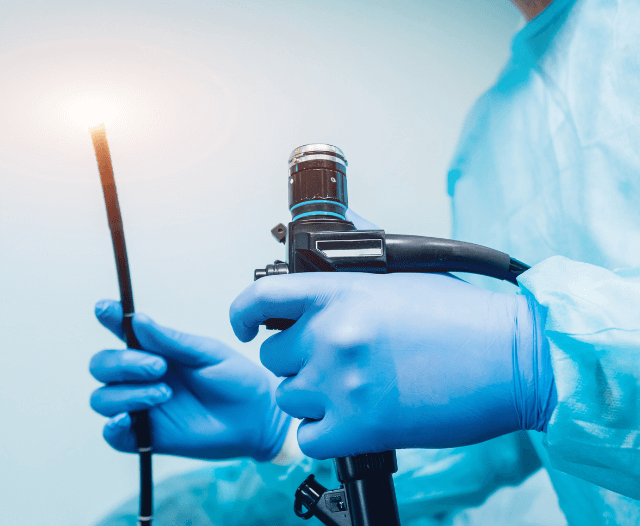
A flexible, lighted tube called a colonoscope is used.

This tube is about the thickness of your little finger and has a tiny video camera at its tip.

Your doctor will ask you to lie on your left side on an exam table. Sedation or anesthesia is usually recommended. 

The colonoscope will be inserted into your rectum. The scope contains a light and a tube which allows your doctor to pump air into your colon.  This method allows a better view of the lining of your colon.

As it moves through your colon, the tiny video camera sends images to an external monitor which makes it possible for your doctor to view the inside of your colon.

This procedure normally takes about 30 to 60 minutes.

Colonoscopy_cancer_importance


The Different Types of Colonoscopies


There are two types of colonoscopies: diagnostic and therapeutic.

Diagnostic colonoscopy is performed to find the cause of bleeding or other symptoms, such as abdominal pain or a change in bowel habits.

Therapeutic colonoscopy is performed to treat conditions, such as remove polyps or take biopsies.

What Are the Risks of a Colonoscopy?


A colonoscopy is a common medical procedure used to screen for colorectal cancer.

While the procedure is generally safe, there are a few potential risks involved.

These risks include:

– Perforation: A colonoscopy involves inserting a long, thin tube into the rectum and colon. In rare cases, this tube can cause a small tear in the lining of the bowel, known as a perforation. This can lead to infection or internal bleeding.

– Bleeding: The colonoscopy procedure can sometimes cause bleeding from the bowel. This bleeding is usually minor and stops on its own. In rare cases, more serious bleeding may occur and require treatment.

– Infection: There is a slight chance of your body having a reaction to the sedative used during the exam.

How To Prepare for A Colonoscopy


If you have been scheduled for a colonoscopy, you may be wondering what to expect and how to prepare.

Before colonoscopy, your colon must be completely cleaned out so that the doctor can see any abnormal areas.

Without proper preparation the colonoscopy will not be successful and may have to be repeated.

To clean the colon, you will need to follow the prescribed diet and take a strong laxative to empty your bowels.

Your doctor’s office will provide specific instructions about how you should prepare for colonoscopy.

Be sure to read these instructions ahead of time so you will be prepared for the prep. If you have questions, contact the doctor in advance.

You will need to avoid solid food for at least one day before the test. You should also drink plenty of fluids on the day before the test.

You can drink clear liquids up to several hours before your procedure, including water, clear juice (apple, grape), Energade or similar alternative, clear soup (beef, chicken, or vegetable), coffee or tea (without milk) or jelly (avoid red jelly).

The day or night before the colonoscopy, you will take a laxative. It consists of a powder that is mixed with water.

The most common laxative treatment is called “Klean-Prep”.

You can add some lemon squash to hide the unpleasant taste. Refrigerating the solution can make it easier to drink.

Drinking this solution may be the most unpleasant part of the exam. You will begin to have watery diarrhoea within a short time after drinking the solution.

If you become nauseated or vomit while drinking the solution, call your doctor or nurse for instructions.  

colonoscopy_preparation

 What Can I Expect After a Colonoscopy?


After the colonoscopy, you will be observed in a recovery area until the effects of the sedative medication wear off.

The most common complaint after colonoscopy is a feeling of bloating and gas cramps. You may also feel groggy from the sedation medications. You should not return to work or drive that day.

Most people are able to eat normally after the test.

Ask your doctor when it is safe to restart aspirin and other blood- thinning medications.


How Often Should You Get Screened for Colon Cancer?


So, how often should you get screened for colon cancer? The answer is simple: every 10 years beginning at age 50.

But why is screening so important?

Screening tests like colonoscopies can find precancerous polyps so they can be removed before they turn into cancer.

In fact, colon cancer death rates have declined by 30% over the last two decades thanks to screening and early detection.

Screening for colon cancer is important for everyone over the age of 50.

It’s important to talk to your doctor about how often you should be screened.


How to Choose a Colonoscopy Doctor?


If you’re considering a colonoscopy, you’ll want to choose a doctor you feel comfortable with.

Here are a few things to keep in mind when making your decision:

– Ask for recommendations from family and friends. If someone you trust has had a good experience with a particular doctor, that’s a good place to start.

– Check with your insurance company. They may have a list of approved providers.

– Once you’ve narrowed down your choices, take the time to read reviews and check out the doctor’s credentials.

Schedule a consultation. This is your chance to ask questions and get a feel for the doctor’s bedside manner.

– Trust your gut.

colonoscopy_explained_infographic


Contact Dr. Deetlefs


Although these remedies and guidelines might alleviate the pain, it is recommended to get a professional diagnosis from your doctor or gastroenterologist in order to discuss the way forward.

A colonoscopy is a quick and painless procedure that can save your life.

It’s important to know what to expect and how to prepare so you can be as comfortable as possible during the procedure.

Dr Eduan prides himself on his ability to help his patients to the best of his ability by embracing good listening skills, effective communication, compassion and knowledge and skill honed during years of private gastroenterology practice.

If you would like to book an appointment with a gastrointestinal (GI) specialist or would simply like more information on a particular GI topic, don’t hesitate to use our online booking form or call Dr. Deetlefs at 021 551 867.

DISCLAIMER: PLEASE READ CAREFULLY

The information on this website is to provide general guidance. In no way does any of the information provided reflect definitive medical advice and self-diagnoses should not be made based on information obtained online. It is important to consult a Gastroenterologist or medical doctor regarding ANY and ALL symptoms or signs including, but not limited to: abdominal pain, haemorrhoids or anal / rectal bleeding as it may a sign of a serious illness or condition. A thorough consultation and examination should ALWAYS be performed for an accurate diagnosis and treatment plan. Be sure to call a physician or call our office today and schedule a consultation.

GIDoc Cape Town

Patient-focused GI treatments and procedures in Cape Town.

Monday-Friday 8AM-4PM.

Connect with Us

© Dr. Eduan Deetlefs, Registered Gastroenterologist, GI Doc Cape Town

Our website information is not intended or implied to be a substitute for professional medical advice, diagnosis or treatment. Please consult a doctor about your specific condition. Only a trained physician can determine an accurate diagnosis and proper treatment.