021 202 0626
Understanding Anemia: Causes, Symptoms, Diagnosis, and Treatment

Understanding Anemia: Causes, Symptoms, Diagnosis, and Treatment


Introduction


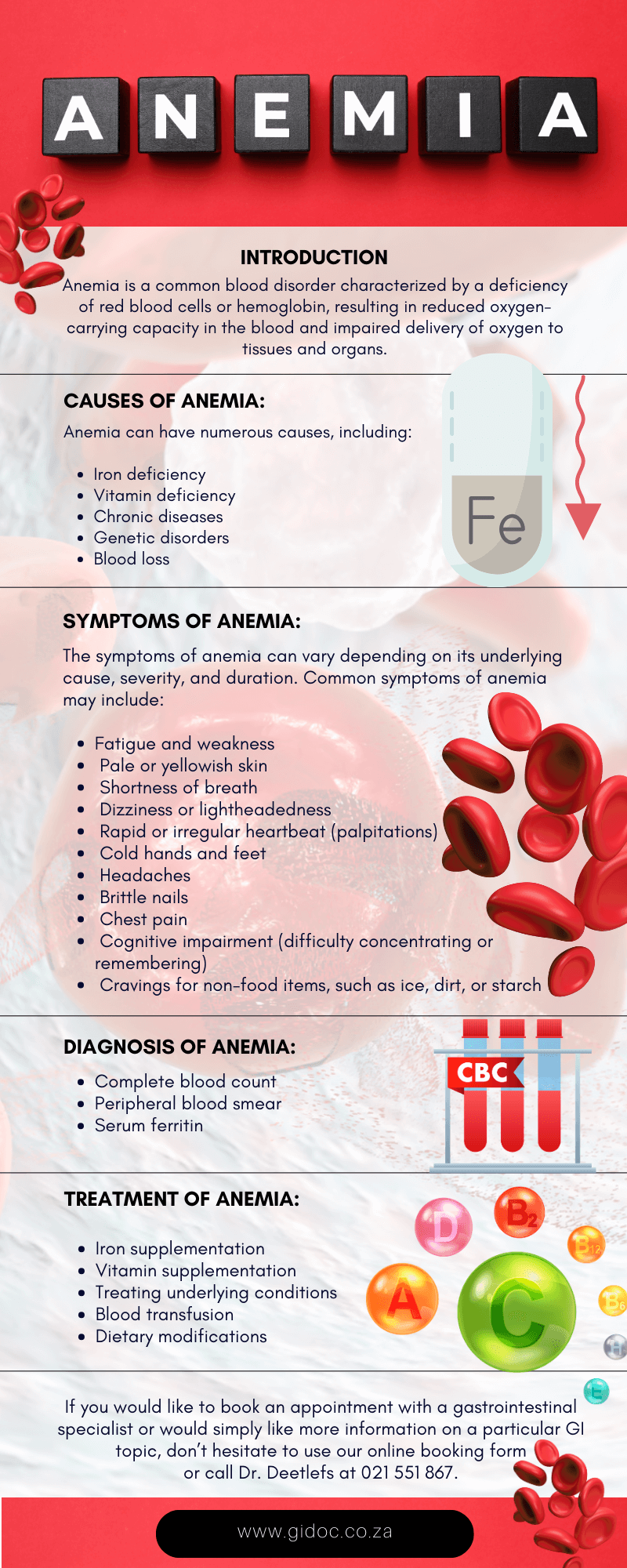
Anemia is a common blood disorder characterized by a deficiency of red blood cells or hemoglobin, resulting in reduced oxygen-carrying capacity in the blood and impaired delivery of oxygen to tissues and organs.

In this comprehensive article, we will delve into the various aspects of anemia, including its causes, symptoms, diagnosis, and treatment options, as well as strategies for prevention and management.


Understanding Anemia


Anemia occurs when the body lacks a sufficient number of healthy red blood cells or when the red blood cells do not function properly.

Red blood cells contain hemoglobin, a protein that binds oxygen in the lungs and carries it to tissues and organs throughout the body.

Anemia can develop due to various factors that disrupt the production, destruction, or loss of red blood cells, leading to a range of symptoms and complications.


Causes of Anemia


Anemia can have numerous causes, including:

  1. Iron deficiency: The most common cause of anemia worldwide, iron deficiency occurs when the body lacks sufficient iron to produce hemoglobin.
  2. Vitamin deficiency: Deficiencies in vitamins such as vitamin B12, folate (vitamin B9), and vitamin C can impair red blood cell production and lead to anemia.
  3. Chronic diseases: Chronic conditions such as chronic kidney disease, inflammatory bowel disease, cancer, HIV/AIDS, and autoimmune disorders can interfere with red blood cell production or lifespan, contributing to anemia.
  4. Genetic disorders: Inherited conditions such as sickle cell anemia, thalassemia, and hereditary spherocytosis affect the structure or function of red blood cells, leading to anemia.
  5. Blood loss: Acute or chronic blood loss from sources such as gastrointestinal bleeding, menstruation, surgery, or trauma can deplete red blood cell levels and cause anemia.


iron_deficiency_anemia


Symptoms of Anemia


The symptoms of anemia can vary depending on its underlying cause, severity, and duration. Common symptoms of anemia may include:

– Fatigue and weakness

– Pale or yellowish skin

– Shortness of breath

– Dizziness or lightheadedness

– Rapid or irregular heartbeat (palpitations)

– Cold hands and feet

– Headaches

– Brittle nails

– Chest pain

– Cognitive impairment (difficulty concentrating or remembering)

– Cravings for non-food items (pica), such as ice, dirt, or starch


Diagnosis of Anemia


Diagnosing anemia typically involves a combination of medical history, physical examination, laboratory tests, and diagnostic procedures.

Healthcare providers may inquire about symptoms, dietary habits, medical history, and family history of anemia or related conditions.

Physical examination may reveal signs such as pallor (pale skin), rapid heartbeat, or abnormal heart sounds. Laboratory tests commonly used to diagnose anemia include:


  1. Complete blood count (CBC): A blood test that measures red blood cell count, hemoglobin levels, hematocrit (percentage of blood volume occupied by red blood cells), and other parameters related to red blood cell health.
  2. Peripheral blood smear: A microscopic examination of a blood sample to evaluate the size, shape, and appearance of red blood cells and detect any abnormalities.
  3. Serum ferritin: A blood test that measures the body’s iron stores and helps diagnose iron deficiency anemia.

anemia_causes_symptoms_diagnosis


Treatment Options for Anemia


The treatment of anemia depends on its underlying cause, severity, and individual factors such as age, overall health, and medical history. Treatment options may include:

  1. Iron supplementation: Oral iron supplements are commonly prescribed to replenish iron stores and treat iron deficiency anemia. Iron supplements are available in various forms, including ferrous sulfate, ferrous gluconate, ferrous fumarate, and heme iron polypeptide.
  2. Vitamin supplementation: Vitamin B12 injections or oral vitamin B12 supplements are used to treat vitamin B12 deficiency anemia, while folic acid supplements are prescribed for folate deficiency anemia.
  3. Treating underlying conditions: Managing chronic diseases, addressing gastrointestinal bleeding, or correcting nutritional deficiencies are essential for treating anemia associated with underlying medical conditions.
  4. Blood transfusion: In severe cases of anemia or when rapid correction is necessary, blood transfusion may be required to replace lost blood or improve oxygen delivery to tissues.
  5. Dietary modifications: Consuming a balanced diet rich in iron, vitamins, and minerals is essential for preventing and treating anemia. Iron-rich foods include red meat, poultry, fish, beans, lentils, tofu, spinach, and fortified cereals. 


Anemia_iron_rich_foods

Prevention and Management of Anemia


Preventing anemia involves adopting healthy lifestyle habits, consuming a nutritious diet, and addressing any underlying medical conditions that may contribute to anemia.


Strategies for preventing and managing anemia include:

  1. Eating a balanced diet: Consuming a variety of nutrient-rich foods, including fruits, vegetables, whole grains, lean proteins, and dairy products, can help maintain optimal iron, vitamin, and mineral levels.
  2. Iron-rich foods: Incorporating iron-rich foods such as lean meats, poultry, fish, beans, lentils, tofu, spinach, and fortified cereals into your diet can help prevent iron deficiency anemia.
  3. Vitamin supplementation: Taking daily multivitamin supplements or specific vitamin supplements (such as vitamin B12 or folic acid) as recommended by healthcare providers can help prevent or correct nutritional deficiencies that may lead to anemia.
  4. Avoiding excessive alcohol consumption: Limiting alcohol intake and avoiding binge drinking can help prevent alcohol-related anemia and liver damage.
  5. Managing chronic conditions: Following treatment plans and regularly monitoring chronic medical conditions such as chronic kidney disease, inflammatory bowel disease, or autoimmune disorders can help prevent anemia and its complications.
     

anemia_infographic

Conclusion

Anemia is a widespread blood disorder that can have significant implications for overall health and well-being.

Understanding the causes, symptoms, diagnosis, and treatment options for anemia is essential for timely intervention and effective management of the condition.

By adopting healthy lifestyle habits, consuming a balanced diet, and seeking appropriate medical care, individuals can reduce their risk of anemia, improve their quality of life, and maintain optimal health and vitality.

Gi Doc Capetown is a practice founded to provide medical solutions in the area of gastroenterology.

Over the years, Dr Eduan Deetlefs has earned the reputation of a trusted health expert providing consultative, diagnostic, and therapeutic endoscopic and related services to patients in
Cape Town and beyond.


If you would like to book an appointment with a gastrointestinal (GI) specialist or would simply like more information on a particular GI topic, don’t hesitate to use our online booking form or call Dr. Deetlefs at 021 551 867.


DISCLAIMER: PLEASE READ CAREFULLY

The information on this website is to provide general guidance. In no way does any of the information provided reflect definitive medical advice and self-diagnoses should not be made based on information obtained online. It is important to consult a Gastroenterologist or medical doctor regarding ANY and ALL symptoms or signs including, but not limited to: abdominal pain, haemorrhoids or anal / rectal bleeding as it may a sign of a serious illness or condition. A thorough consultation and examination should ALWAYS be performed for an accurate diagnosis and treatment plan. Be sure to call a physician or call our office today and schedule a consultation.

GIDoc Cape Town

Patient-focused GI treatments and procedures in Cape Town.

Monday-Friday 8AM-4PM.

Connect with Us

© Dr. Eduan Deetlefs, Registered Gastroenterologist, GI Doc Cape Town

Our website information is not intended or implied to be a substitute for professional medical advice, diagnosis or treatment. Please consult a doctor about your specific condition. Only a trained physician can determine an accurate diagnosis and proper treatment.

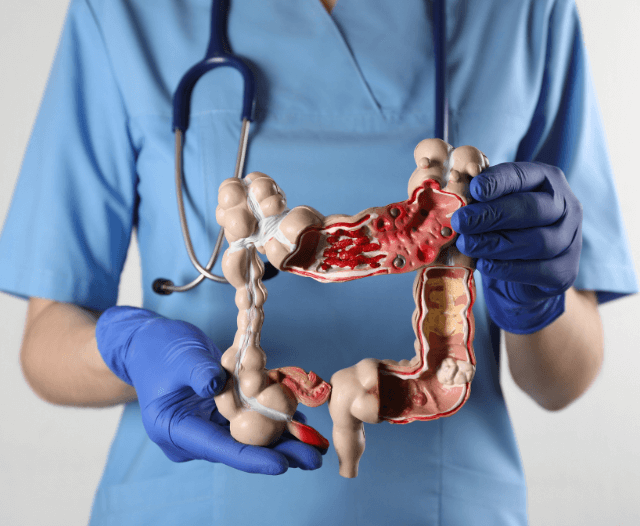
Colorectal Cancer Month: A Comprehensive Guide to Prevention, Screening, and Awareness

Colorectal Cancer Month: A Comprehensive Guide to Prevention, Screening, and Awareness

Introduction:


Colorectal Cancer Month, observed annually in March, serves as a critical period for raising awareness about colorectal cancer, promoting prevention strategies, and emphasizing the importance of early detection through screening.

This guide aims to delve into the significance of Colorectal Cancer Month, explore risk factors associated with the disease, discuss screening options, highlight advocacy efforts, and provide actionable steps for individuals to take charge of their colorectal health.


Understanding Colorectal Cancer:


Colorectal cancer, which affects the colon or rectum, is one of the most common cancers diagnosed globally.

It typically originates from precancerous polyps that develop on the inner lining of the colon or rectum and gradually progress to cancerous growths.

While the exact cause of colorectal cancer remains unclear, several risk factors contribute to its development, including age, family history of colorectal cancer, personal history of inflammatory bowel disease, genetic predisposition, unhealthy lifestyle habits, and dietary factors.


risk_factors_colorectal_Cancer


Risk Factors Associated with Colorectal Cancer:

Various risk factors increase an individual’s likelihood of developing colorectal cancer. Advancing age is a significant risk factor, with the majority of cases diagnosed in individuals over the age of 50.

A family history of colorectal cancer or certain hereditary conditions, such as Lynch syndrome or familial adenomatous polyposis (FAP), can significantly elevate the risk.

Additionally, lifestyle factors such as smoking, excessive alcohol consumption, obesity, lack of physical activity, and diets high in red and processed meats and low in fiber-rich foods increase the risk of colorectal cancer.


Diagnosis of Colorectal Cancer:

Colorectal cancer can be diagnosed through various methods, which may include:

  1. Screening Tests: Screening tests are instrumental in detecting colorectal cancer in its early stages or identifying precancerous polyps before they develop into cancer. Common screening tests include:

Colonoscopy: A procedure in which a flexible, lighted tube with a camera is inserted into the rectum to examine the entire colon and rectum for abnormalities, such as polyps or cancerous growths.

– Fecal Occult Blood Test (FOBT) and Fecal Immunochemical Test (FIT): These tests detect hidden blood in the stool, which can be a sign of colorectal cancer or precancerous polyps. They are non-invasive and can be performed at home by collecting stool samples.

– Stool DNA Test: This test analyzes stool samples for specific DNA markers associated with colorectal cancer or precancerous polyps.

Flexible Sigmoidoscopy: Similar to a colonoscopy, but it examines only the lower part of the colon and rectum.


  1. Diagnostic Procedures: If a screening test suggests the presence of colorectal cancer or if an individual experiences symptom suggestive of colorectal cancer, further diagnostic procedures may be necessary. These procedures may include:

– Colonoscopy: While colonoscopy is primarily a screening tool, it can also be used for diagnostic purposes to biopsy suspicious areas or remove polyps for examination under a microscope.

– Biopsy: During a colonoscopy or sigmoidoscopy, a small tissue sample (biopsy) may be taken from any suspicious areas for laboratory analysis to confirm the presence of cancerous cells.

– Imaging Tests: Imaging tests such as computed tomography (CT) scans, magnetic resonance imaging (MRI), and positron emission tomography (PET) scans may be performed to evaluate the extent of cancer spread (staging) and identify any metastases.


  1. Symptom Evaluation: Individuals experiencing symptoms associated with colorectal cancer, such as rectal bleeding, changes in bowel habits (such as diarrhea or constipation), abdominal pain or cramping, unintended weight loss, or fatigue, should promptly consult a healthcare professional.A thorough medical history, physical examination, and additional diagnostic tests may be conducted to evaluate the cause of these symptoms and determine if further investigation for colorectal cancer is warranted.

Early detection of colorectal cancer through screening and diagnostic procedures is critical for improving treatment outcomes and reducing mortality rates associated with the disease.

Individuals should discuss their colorectal cancer screening options and risk factors with their healthcare providers to develop a personalized screening plan based on their age, family history, and overall health status.


Importance of Screening for Colorectal Cancer:


Early detection through screening plays a crucial role in reducing the incidence and mortality of colorectal cancer. Screening tests can detect precancerous polyps or early-stage cancer when treatment is most effective.

Several screening modalities are available, including colonoscopy, fecal occult blood tests (FOBT), fecal immunochemical tests (FIT), stool DNA tests, flexible sigmoidoscopy, and virtual colonoscopy (CT colonography).

The American Cancer Society recommends regular screening for individuals at average risk beginning at age 45, with earlier initiation and more frequent screening for those with higher risk factors.

colorectal_cancer_colonoscopy

Promoting Awareness and Education:


Colorectal Cancerpolyps Month serves as a platform for raising awareness about the importance of colorectal cancer screening, risk factors, symptoms, and available resources.

Educational campaigns, community events, social media initiatives, and media outreach efforts are instrumental in disseminating information and encouraging individuals to prioritize their colorectal health.

Advocacy organizations, healthcare providers, and individuals affected by colorectal cancer play pivotal roles in promoting awareness and advocating for policies that support prevention, screening, and access to care.

colorectal_cancer_lifestyle_changes

Lifestyle Modifications for Prevention:


While some risk factors for colorectal cancer, such as age and family history, are non-modifiable, adopting a healthy lifestyle can help mitigate the risk of developing the disease.

Dietary changes, such as consuming a balanced diet rich in fruits, vegetables, whole grains, and lean proteins while limiting red and processed meats, are recommended.

Regular physical activity, maintaining a healthy weight, avoiding tobacco use, moderating alcohol consumption, and managing chronic conditions like diabetes and hypertension contribute to overall colorectal health.


Advocacy Efforts and Support Networks:


Colorectal Cancer Month provides an opportunity for advocacy organizations, healthcare professionals, survivors, caregivers, and individuals affected by colorectal cancer to come together and amplify their voices.

Advocacy efforts focus on raising funds for research, supporting patient assistance programs, and advocating for policy changes that prioritize colorectal cancer prevention, screening, and treatment.

Additionally, support networks and resources are available to provide emotional, practical, and financial support to individuals and families affected by colorectal cancer.


Conclusion: Nourishing Your Gut for a Healthier You


Colorectal Cancer Month serves as a poignant reminder of the importance of prioritizing colorectal health and taking proactive steps to prevent and detect colorectal cancer early.

By raising awareness, promoting screening initiatives, advocating for policy changes, and supporting research efforts, individuals and communities can make a tangible impact in the fight against colorectal cancer.

Together, we can strive towards a future where colorectal cancer is a preventable and treatable disease, ultimately saving lives and improving outcomes for those affected by the condition.


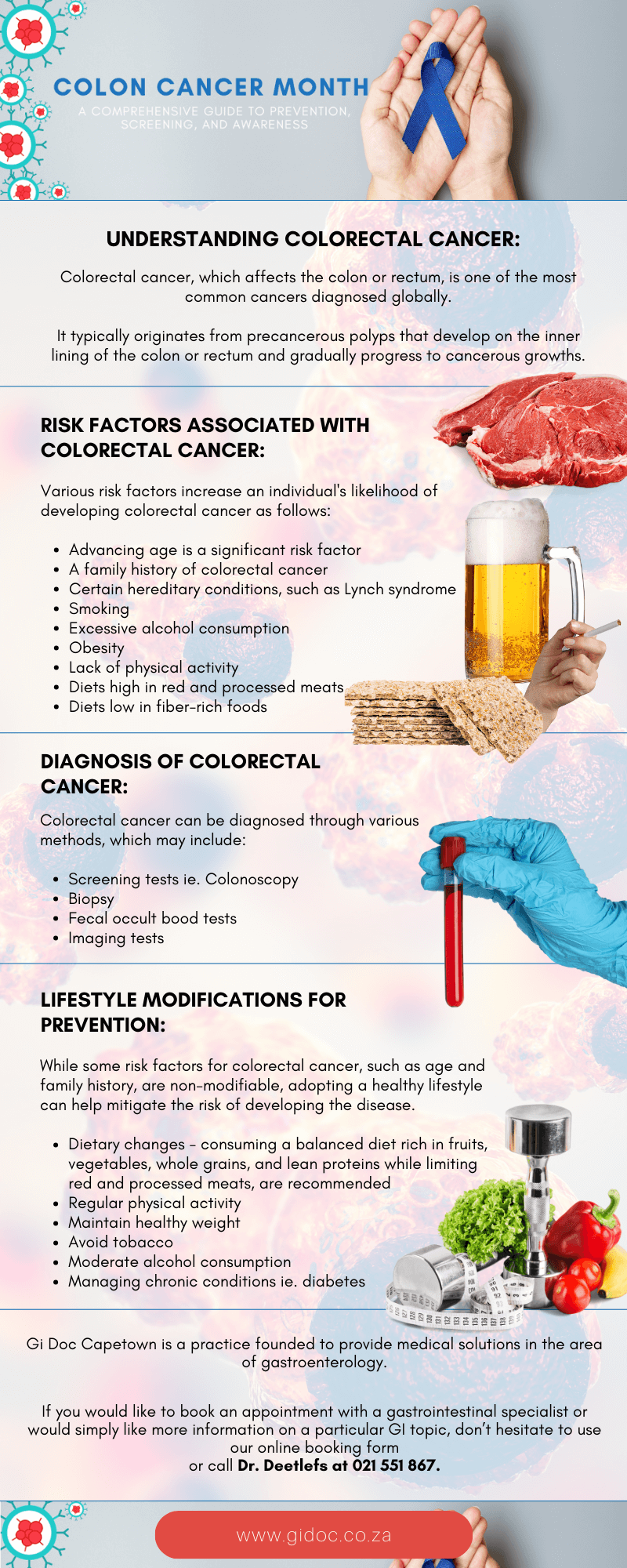
colorectal_cancer_month_infographic

Get In Contact with The Expert – Dr. Deetlefs


Dr Deetlefs has admitting rights and performs endoscopies at both Mediclinic Milnerton and Life Vincent Pallotti Hospitals.

Services include consultations for gastrointestinal and liver related diseases with a specific interest in inflammatory bowel disease and iron deficiency anemia caused by obscure gastrointestinal bleeding.

He furthermore performs numerous more specialised procedures such as capsule endoscopy, double balloon enteroscopy, ERCP and various interventional procedures including polypectomies for large polyps, haemostasis of bleeding lesions, ablation of Barrett’s oesophagus and placement of feeding tubes (PEG).


Gi Doc Capetown is a practice founded to provide medical solutions in the area of gastroenterology.

Over the years, Dr Eduan Deetlefs has earned the reputation of a trusted health expert providing consultative, diagnostic, and therapeutic endoscopic and related services to patients in
Cape Town and beyond.

If you would like to book an appointment with a gastrointestinal (GI) specialist or would simply like more information on a particular GI topic, don’t hesitate to use our online booking form or call Dr. Deetlefs at 021 551 867.


DISCLAIMER: PLEASE READ CAREFULLY

The information on this website is to provide general guidance. In no way does any of the information provided reflect definitive medical advice and self-diagnoses should not be made based on information obtained online. It is important to consult a Gastroenterologist or medical doctor regarding ANY and ALL symptoms or signs including, but not limited to: abdominal pain, haemorrhoids or anal / rectal bleeding as it may a sign of a serious illness or condition. A thorough consultation and examination should ALWAYS be performed for an accurate diagnosis and treatment plan. Be sure to call a physician or call our office today and schedule a consultation.

GIDoc Cape Town

Patient-focused GI treatments and procedures in Cape Town.

Monday-Friday 8AM-4PM.

Connect with Us

© Dr. Eduan Deetlefs, Registered Gastroenterologist, GI Doc Cape Town

Our website information is not intended or implied to be a substitute for professional medical advice, diagnosis or treatment. Please consult a doctor about your specific condition. Only a trained physician can determine an accurate diagnosis and proper treatment.

Early Detection Saves Lives: The Impact of Routine Screenings on Disease Prevention

Early Detection Saves Lives: The Impact of Routine Screenings on Disease Prevention

Overview


In the realm of healthcare, prevention is often hailed as the cornerstone of well-being.

By detecting health issues in their early stages, medical professionals can intervene swiftly, potentially averting the progression of diseases and saving lives.

Routine screenings play a pivotal role in this preventive approach, offering individuals the opportunity to identify underlying health concerns before they escalate into more serious conditions.

In this comprehensive guide, we will delve into the significance of routine screenings, explore their impact on disease prevention, and highlight the importance of proactive healthcare management.


Understanding Routine Screenings


Routine screenings encompass a variety of medical tests and examinations designed to detect potential health problems before symptoms manifest.

These screenings are typically recommended based on factors such as age, gender, family history, and lifestyle habits.

Examples of routine screenings include blood pressure measurements, cholesterol checks, mammograms, Pap smears, colonoscopies, and various laboratory tests.


Colonoscopy Explained


Colonoscopy is a medical procedure that plays a crucial role in the early detection and prevention of colorectal cancer and other gastrointestinal conditions.

During a colonoscopy, a flexible tube called a colonoscope is inserted into the rectum and guided through the colon, allowing the physician to visually inspect the lining of the large intestine. This procedure is typically performed under sedation to ensure patient comfort and relaxation throughout the examination.

One of the primary purposes of a colonoscopy is to screen for colorectal cancer, the third most common cancer worldwide.

Colorectal cancer often begins as small growths called polyps, which can develop on the inner lining of the colon or rectum.

While most polyps are benign, some may progress to cancer over time. During a colonoscopy, the physician can identify and remove any suspicious polyps, reducing the risk of colorectal cancer development.

In addition to colorectal cancer screening, colonoscopies are also used to diagnose and evaluate various gastrointestinal conditions such as inflammatory bowel disease (IBD), diverticulosis, and gastrointestinal bleeding.

The procedure allows the physician to visually inspect the colon for signs of inflammation, ulceration, or other abnormalities that may indicate underlying gastrointestinal issues.

Colonoscopies are recommended for individuals at average risk for colorectal cancer starting at age 45 to 50, with follow-up screenings typically recommended every 10 years thereafter.

However, individuals with certain risk factors, such as a family history of colorectal cancer or a personal history of inflammatory bowel disease, may require earlier or more frequent screenings.

It is essential for individuals to discuss their screening recommendations with their healthcare provider to determine the most appropriate screening schedule based on their individual risk factors and medical history.

While the thought of undergoing a colonoscopy may be intimidating for some, it is essential to recognize the life-saving potential of this procedure.

Colorectal cancer is highly treatable when detected early, with a five-year survival rate of over 90% for localized stage colorectal cancer.

By undergoing regular colonoscopies as recommended, individuals can significantly reduce their risk of developing colorectal cancer and improve their chances of successful treatment and survival in the event of a cancer diagnosis.

In conclusion, colonoscopy is a vital tool in the prevention, early detection, and management of colorectal cancer and other gastrointestinal conditions.

By undergoing regular screenings as recommended, individuals can take proactive steps to protect their health and well-being.

While the procedure may seem daunting, the potential benefits far outweigh any temporary discomfort or inconvenience.

It is essential for individuals to prioritize their colorectal health and discuss their screening options with their healthcare provider to ensure timely and appropriate care.

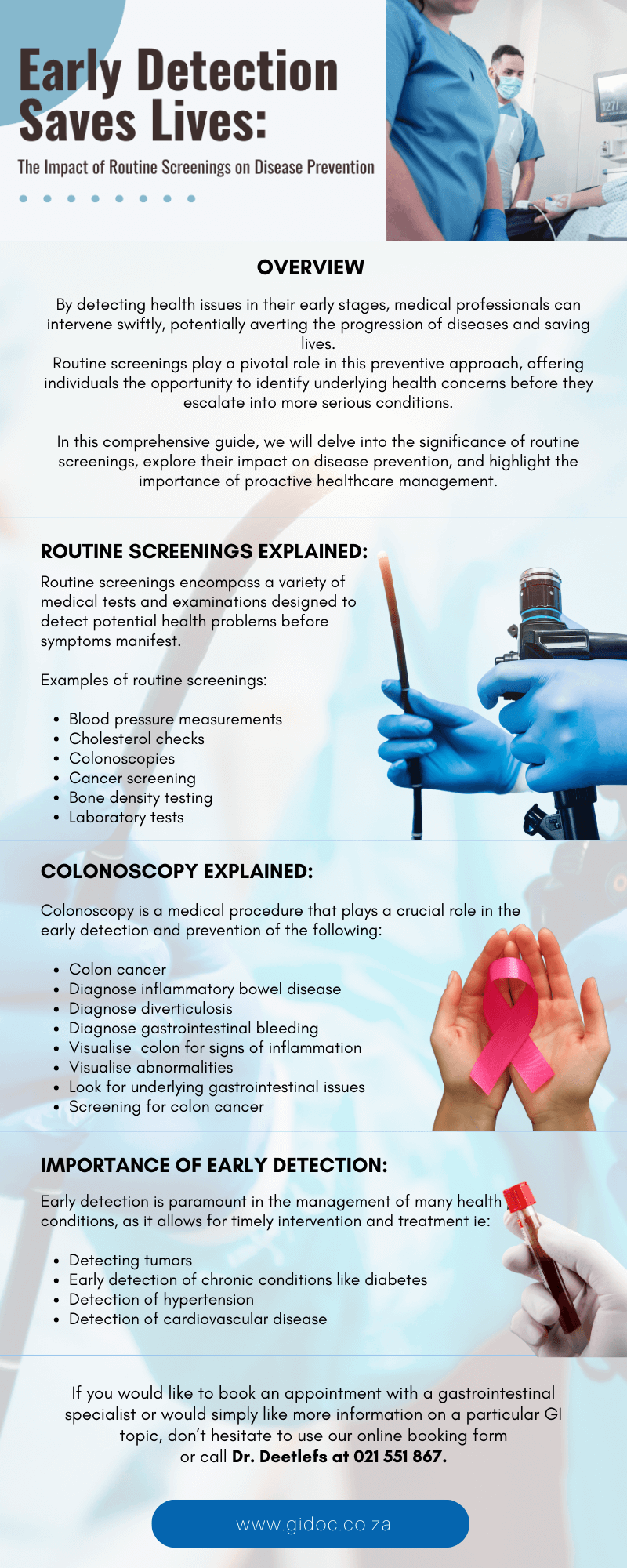
importance_of_early_detection

The Importance of Early Detection


Early detection is paramount in the management of many health conditions, as it allows for timely intervention and treatment.

For instance, in the case of cancer, detecting tumors at an early stage often enables more effective treatment options and improves overall prognosis.

Similarly, early detection of chronic conditions such as diabetes, hypertension, and cardiovascular disease can lead to better outcomes and reduce the risk of complications.


Disease Prevention Through Screening


Routine screenings serve as a proactive measure to prevent disease by identifying risk factors and detecting abnormalities in their nascent stages.

By identifying potential health concerns early on, individuals can take appropriate steps to mitigate risks and make lifestyle modifications that promote better health outcomes.

For example, individuals identified as at risk for developing type 2 diabetes through blood glucose screenings can implement dietary changes, exercise regularly, and monitor their blood sugar levels to prevent or delay the onset of the disease.

importance_of_screening


Screening Guidelines and Recommendations


Guidelines for routine screenings vary depending on factors such as age, gender, and individual risk factors.

Healthcare organizations and professional medical associations regularly update screening guidelines based on the latest research and evidence-based practices.

It is essential for individuals to consult with their healthcare providers to determine which screenings are appropriate for their age, health status, and medical history.


Common Types of Routine Screenings


  1. Blood Pressure Measurement: High blood pressure, or hypertension, is a significant risk factor for cardiovascular disease and stroke. Routine blood pressure checks can help identify hypertension early and initiate appropriate management strategies.


  1. Cholesterol Testing: High cholesterol levels can contribute to the development of heart disease and stroke. Regular cholesterol screenings assess lipid levels in the blood, allowing for early intervention through lifestyle changes or medication.


  1. Cancer Screenings: Cancer screenings such as mammograms, Pap smears, prostate-specific antigen (PSA) tests, and colonoscopies are critical for detecting various types of cancer in their early stages when treatment is most effective.


  1. Diabetes Screening: Screening for diabetes involves assessing blood glucose levels through tests such as fasting blood sugar tests, oral glucose tolerance tests, and hemoglobin A1c tests. Early detection of diabetes allows for prompt intervention and management to prevent complications.


  1. Bone Density Testing: Bone density screenings, such as dual-energy X-ray absorptiometry (DXA) scans, assess bone strength and density, helping to diagnose osteoporosis and assess fracture risk.

screening_diagnosis

Overcoming Barriers to Screening


Despite the clear benefits of routine screenings, several barriers may prevent individuals from undergoing recommended tests.

These barriers may include lack of awareness, fear or anxiety about the screening process, financial constraints, and cultural or language barriers.

Healthcare providers play a crucial role in addressing these barriers by providing education, offering support and encouragement, and ensuring access to affordable screening services.


importance_of_early_detection


Conclusion: Empowering Health Through Early Detection


Routine screenings are invaluable tools for disease prevention and early detection, offering individuals the opportunity to take proactive control of their health and well-being.

By undergoing recommended screenings according to established guidelines and recommendations, individuals can identify potential health concerns early, enabling timely intervention and treatment.

Ultimately, early detection saves lives, underscoring the importance of routine screenings in safeguarding health and promoting longevity.

Dr. Deetlefs has earned the reputation of a trusted health expert providing consultative, diagnostic, and therapeutic endoscopic and related services to patients in Cape Town and beyond.

Dr. Deetlefs can be contacted to confirm the estimated breakdown should you be interested in having the procedure done.

DISCLAIMER: PLEASE READ CAREFULLY

The information on this website is to provide general guidance. In no way does any of the information provided reflect definitive medical advice and self-diagnoses should not be made based on information obtained online. It is important to consult a Gastroenterologist or medical doctor regarding ANY and ALL symptoms or signs including, but not limited to: abdominal pain, haemorrhoids or anal / rectal bleeding as it may a sign of a serious illness or condition. A thorough consultation and examination should ALWAYS be performed for an accurate diagnosis and treatment plan. Be sure to call a physician or call our office today and schedule a consultation.

GIDoc Cape Town

Patient-focused GI treatments and procedures in Cape Town.

Monday-Friday 8AM-4PM.

Connect with Us

© Dr. Eduan Deetlefs, Registered Gastroenterologist, GI Doc Cape Town

Our website information is not intended or implied to be a substitute for professional medical advice, diagnosis or treatment. Please consult a doctor about your specific condition. Only a trained physician can determine an accurate diagnosis and proper treatment.

Why Seeing a Gastroenterologist Should Top Your New Year’s Resolution List

Why Seeing a Gastroenterologist Should Top Your New Year’s Resolution List

As the new year unfolds, it’s an opportune time to prioritize health and well-being.

While resolutions often revolve around fitness and nutrition, the health of our digestive system is equally crucial.

Abdominal pain is a signal that your body may be trying to communicate an underlying issue.

Whether it’s a fleeting discomfort or persistent pain, taking prompt action can be crucial for your well-being.

Here’s why, when it comes to abdominal pain, booking that medical appointment should be a top priority.

This comprehensive guide explores why considering a visit to a gastroenterologist should be a cornerstone of your new year’s health initiatives, shedding light on the vital role these specialists play in maintaining optimal digestive wellness.


Understanding the Role of a Gastroenterologist


Expertise in Digestive Health:

Gastroenterologists are medical professionals specializing in the diagnosis and treatment of disorders affecting the digestive system.

From the esophagus to the rectum, these specialists possess a deep understanding of the intricate workings of the gastrointestinal tract.


Comprehensive Approach to Digestive Disorders:

Digestive issues can manifest in various ways, from common discomforts to more complex conditions.

Gastroenterologists are equipped to address a spectrum of concerns, including acid reflux, irritable bowel syndrome (IBS), inflammatory bowel diseases (IBD), and liver disorders.


Diagnostic Expertise:

Gastroenterologists employ a range of diagnostic tools, including endoscopic procedures like colonoscopies and esophagogastroduodenoscopies (EGD), to investigate and diagnose digestive issues accurately.

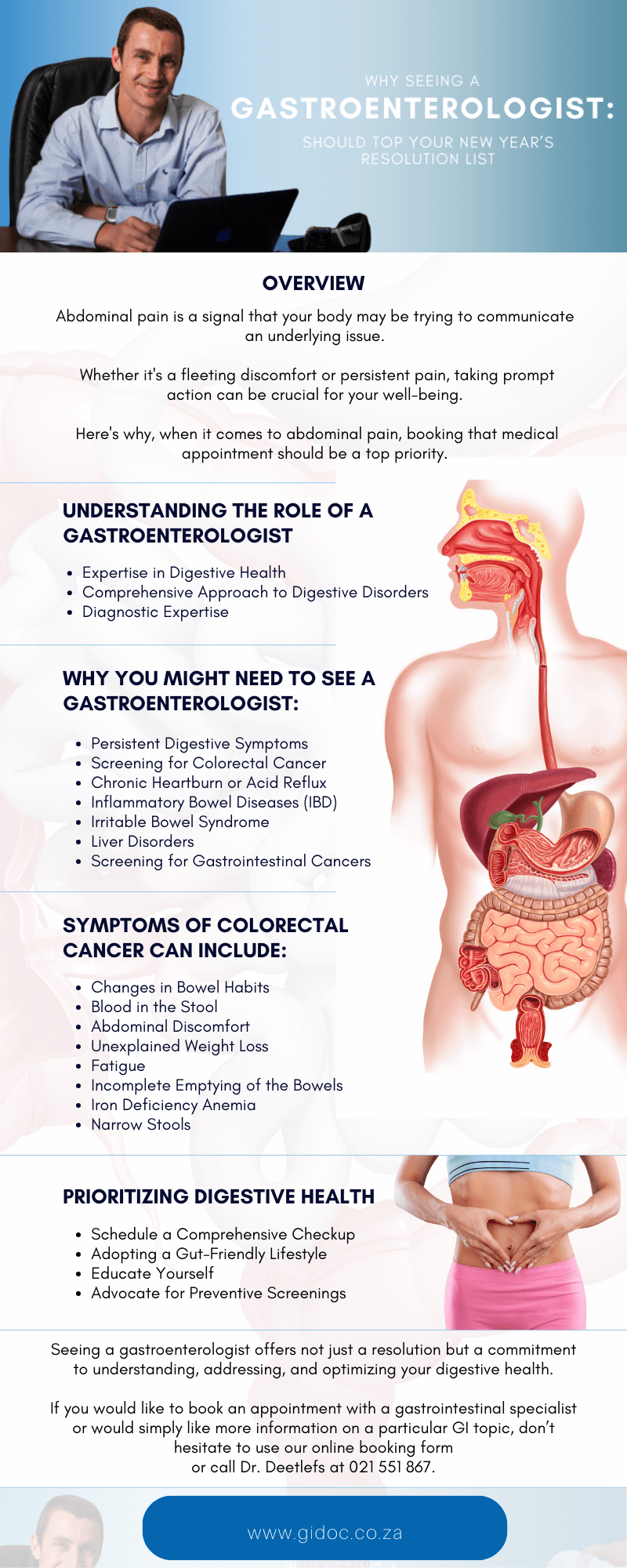
 why_you_might_need_a_gastroenterologist


Why You Might Need to See a Gastroenterologist:


  1. Persistent Digestive Symptoms:

If you’ve been grappling with persistent symptoms such as abdominal pain, bloating, changes in bowel habits, or unexplained weight loss, a gastroenterologist can conduct a thorough evaluation to identify the underlying cause.


  1. Screening for Colorectal Cancer:

Colorectal cancer is a significant health concern, but early detection through routine screenings can be life-saving. Gastroenterologists play a pivotal role in performing colonoscopies, a gold-standard screening tool for colorectal cancer.


  1. Chronic Heartburn or Acid Reflux:

Occasional heartburn is common, but chronic symptoms may indicate gastroesophageal reflux disease (GERD). Gastroenterologists can assess the severity of symptoms and recommend appropriate treatments to prevent complications.


  1. Inflammatory Bowel Diseases (IBD):

Conditions like Crohn’s disease and ulcerative colitis fall under the umbrella of IBD. Gastroenterologists specialize in managing these chronic conditions, offering personalized treatment plans to alleviate symptoms and improve quality of life.


  1. Irritable Bowel Syndrome (IBS):

IBS is a common digestive disorder characterized by abdominal pain and changes in bowel habits. Gastroenterologists can provide guidance on managing symptoms and improving overall digestive health.


  1. Liver Disorders:

From fatty liver disease to viral hepatitis, gastroenterologists are well-versed in diagnosing and managing a range of liver conditions. Early intervention is crucial for preventing liver damage.


  1. Screening for Gastrointestinal Cancers:

Beyond colorectal cancer, gastroenterologists can assess the risk and screen for other gastrointestinal cancers, including stomach, pancreatic, and esophageal cancers.


Symptoms of Colorectal Cancer Can Include:

Colorectal cancer can present a range of symptoms, and it’s important to note that the presence of these symptoms does not necessarily indicate cancer.

However, if you experience any of the following signs, it’s advisable to consult with a healthcare professional for a thorough evaluation.

Early detection and intervention significantly improve outcomes. Common symptoms of colorectal cancer include:


  • Changes in Bowel Habits:

Persistent diarrhea or constipation

Changes in the consistency of stool

  • Blood in the Stool:

Bright red or dark blood in the stool

Stool that appears black or tarry

  • Abdominal Discomfort:

Persistent abdominal pain or cramping

Discomfort or bloating that doesn’t go away.

  • Unexplained Weight Loss:

Significant and unexplained weight loss

  • Fatigue:

Unexplained fatigue or weakness

  • Incomplete Emptying of the Bowels:
    Feeling that the bowel doesn’t empty completely after a bowel movement
  • Iron Deficiency Anemia:
    Anemia that’s identified by symptoms such as weakness, fatigue, or shortness of breath, and confirmed through blood tests showing low levels of red blood cells or hemoglobin
  • Narrow Stools:
    Pencil-thin or narrow stools

It’s essential to recognize that these symptoms can also be associated with various other non-cancerous conditions such as hemorrhoids, inflammatory bowel disease, or infections.

Nevertheless, if you experience persistent or worsening symptoms, especially if you’re over the age of 50 or have a family history of colorectal cancer, it’s crucial to seek medical attention promptly.

Screening for colorectal cancer is recommended, especially for individuals at average risk starting at the age of 45 or earlier for those with higher risk factors.

Common screening methods include colonoscopy, fecal occult blood tests, and stool DNA tests.
Regular screenings are vital for early detection and prevention of colorectal cancer.

 prioritizing_digestive_health


The New Year’s Resolution: Prioritizing Digestive Health


  1. Schedule a Comprehensive Checkup:

Begin the new year by scheduling a comprehensive digestive health checkup with a gastroenterologist. This proactive step can help identify potential issues before they escalate.


  1. Adopting a Gut-Friendly Lifestyle:

Gastroenterologists can offer personalized advice on lifestyle modifications that promote digestive health, encompassing dietary recommendations, stress management, and regular physical activity.


  1. Educate Yourself:

Use the new year as an opportunity to educate yourself about digestive health. Gastroenterologists can provide valuable insights, and there is a wealth of reputable resources available online.


  1. Advocate for Preventive Screenings:

If you’re due for preventive screenings, such as a colonoscopy, don’t delay. Gastroenterologists emphasize the importance of these screenings for early detection and prevention.


Common Procedures Conducted by Gastroenterologists:


  1. Colonoscopy:

Purpose:  Examination of the entire colon (large intestine) for abnormalities such as polyps, inflammation, or cancer.


  1. Upper Endoscopy (Esophagogastroduodenoscopy or EGD):

Purpose:  Examination of the esophagus, stomach, and the beginning of the small intestine for issues like ulcers, inflammation, or tumors.


  1. Endoscopic Retrograde Cholangiopancreatography (ERCP):

Purpose:  Evaluation and treatment of conditions affecting the liver, gallbladder, bile ducts, and pancreas.


  1. Capsule Endoscopy:

Purpose:  Evaluation of the small intestine for issues like bleeding, tumors, or inflammatory bowel disease.


  1. Flexible Sigmoidoscopy:

Purpose:  Examination of the rectum and the lower part of the colon for polyps, tumors, or inflammation.


  1. Liver Biopsy:

Purpose:  Collection of a small sample of liver tissue for examination, aiding in the diagnosis of liver diseases.


  1. Esophageal Dilation:

Purpose:  Widening of a narrowed esophagus, often due to scar tissue or strictures.


  1. Polypectomy:

Purpose:  Removal of polyps, which are abnormal growths, usually during a colonoscopy.

These procedures are valuable for diagnosing and treating a wide range of digestive conditions.

The choice of procedure depends on the patient’s symptoms, medical history, and the suspected or identified issue.

 seeing_a_gastroenterologist_resolution_infographic

Conclusion: A Digestive Wellness Journey Begins


Seeing a gastroenterologist offers not just a resolution but a commitment to understanding, addressing, and optimizing your digestive health.

Whether you’re grappling with specific symptoms or seeking preventive care, the guidance of a gastroenterologist sets the stage for a healthier, more vibrant you in the new year and beyond.

By putting your digestive health in the spotlight and seeing a gastroenterologist, you set the stage for a year of holistic well-being.

Book that appointment, take charge of your gut health, and embark on a journey towards a healthier, happier you.

Dr. Deetlefs has earned the reputation of a trusted health expert providing consultative, diagnostic, and therapeutic endoscopic and related services to patients in Cape Town and beyond. 

Dr. Deetlefs can be contacted to confirm the estimated breakdown should you be interested in having the procedure done.


DISCLAIMER: PLEASE READ CAREFULLY

The information on this website is to provide general guidance. In no way does any of the information provided reflect definitive medical advice and self-diagnoses should not be made based on information obtained online. It is important to consult a Gastroenterologist or medical doctor regarding ANY and ALL symptoms or signs including, but not limited to: abdominal pain, haemorrhoids or anal / rectal bleeding as it may a sign of a serious illness or condition. A thorough consultation and examination should ALWAYS be performed for an accurate diagnosis and treatment plan. Be sure to call a physician or call our office today and schedule a consultation.

GIDoc Cape Town

Patient-focused GI treatments and procedures in Cape Town.

Monday-Friday 8AM-4PM.

Connect with Us

© Dr. Eduan Deetlefs, Registered Gastroenterologist, GI Doc Cape Town

Our website information is not intended or implied to be a substitute for professional medical advice, diagnosis or treatment. Please consult a doctor about your specific condition. Only a trained physician can determine an accurate diagnosis and proper treatment.
Revitalize Your Gut: A Healthy Start to the New Year

Revitalize Your Gut: A Healthy Start to the New Year

Revitalize Your Gut: A Healthy Start to the New Year


As the calendar turns and we embark on a new year, there’s no better time to prioritize your health, and a great place to start is with your gut.

A healthy gut is fundamental to overall well-being, influencing everything from digestion to immune function.

In this comprehensive guide, we’ll explore the strategies, habits, and choices that can help you revitalize your gut and set the stage for a vibrant and healthy year ahead.


The Gut Microbiome Overview

The gut microbiome is a complex and dynamic community of microorganisms that resides in the digestive tract, primarily in the colon.

Comprising trillions of bacteria, viruses, fungi, and other microorganisms, the gut microbiome plays a crucial role in various aspects of human health.


The Balance of Good and Bad Bacteria


The balance of good and bad bacteria in the gut microbiome is crucial for maintaining optimal gut health.

This balance, often referred to as microbial homeostasis, ensures that the diverse community of microorganisms in the digestive tract functions harmoniously.

Here’s a closer look at the balance between good and bad bacteria in the gut:


Good Bacteria

Types:  Beneficial bacteria, also known as probiotics, include various strains such as Lactobacillus and Bifidobacterium.

Functions:
Digestive Health:  Probiotics contribute to the breakdown of complex carbohydrates and fibers, aiding in digestion.

Immune System Support:
Beneficial bacteria play a role in regulating the immune system, helping to defend against infections and illnesses.

Nutrient Absorption:
Certain probiotics enhance the absorption of nutrients in the gut.


Bad Bacteria

Types:  Harmful bacteria, often referred to as pathogenic bacteria, include species that can cause infections or contribute to inflammation.

Functions:
Infection:
Pathogenic bacteria can cause infections in the gastrointestinal tract, leading to symptoms such as diarrhea, abdominal pain, and fever.

Inflammation: An overgrowth of harmful bacteria can trigger inflammation in the gut, contributing to conditions like inflammatory bowel disease (IBD).


Importance of Balance


Optimal Functioning:
A balanced gut microbiome ensures the optimal functioning of the digestive system, nutrient absorption, and immune response.

Resilience to Pathogens:
The presence of a healthy balance of beneficial bacteria helps prevent the overgrowth of harmful bacteria, providing resilience against infections.

Disease Prevention:
Imbalances, where harmful bacteria dominate, can contribute to the development of various gastrointestinal conditions and impact overall health.


Factors Influencing the Balance


Diet:  The types of foods you eat can influence the balance of bacteria in the gut. A diet rich in fiber and diverse plant-based foods supports the growth of beneficial bacteria.

Antibiotic Use:  Antibiotics, while essential for treating infections, can disrupt the balance in the gut microbiome by reducing both harmful and beneficial bacteria.

Stress: Chronic stress can negatively impact the gut microbiome, potentially leading to an overgrowth of harmful bacteria.

Infections:  Gastrointestinal infections can alter the balance by introducing a higher concentration of pathogenic bacteria.


Signs of Imbalance

Digestive Issues:   Persistent digestive issues such as bloating.


Nutritional Strategies for Gut Health


Nutritional strategies play a crucial role in maintaining a healthy gut.

The choices you make in terms of what you eat can significantly impact the composition and function of your gut microbiome.

Here are key nutritional strategies to promote gut health:


1. Embrace Fiber-Rich Foods:

Benefits:  Fiber is the preferred food source for the beneficial bacteria in your gut. It promotes the growth of these bacteria, contributing to a diverse and healthy microbiome.

Sources:  Whole grains, fruits, vegetables, legumes, nuts, and seeds are rich in fiber.


2. Include Fermented Foods:

Benefits: Fermented foods are loaded with probiotics, live beneficial bacteria that can enhance gut health by balancing the microbiome.

 Sources:  Yogurt, kefir, sauerkraut, kimchi, miso, and kombucha are excellent choices.


3. Prioritize Prebiotics:

Benefits:  Prebiotics are non-digestible fibers that nourish the good bacteria in your gut. They help these bacteria thrive and maintain a healthy balance.

Sources:  Garlic, onions, bananas, asparagus, leeks, and chicory root are rich in prebiotics.


4. Choose Lean Proteins:

Benefits:  Including lean proteins in your diet provides essential amino acids that support overall health. Fish and poultry are good choices.

Sources:  Fish, chicken, turkey, eggs, and plant-based proteins like legumes and tofu.


5. Healthy Fats Matter:

Benefits:   Healthy fats, particularly omega-3 fatty acids, have anti-inflammatory properties that benefit the gut. They contribute to the integrity of the intestinal lining.

Sources:  Fatty fish (salmon, mackerel), flaxseeds, chia seeds, walnuts, and olive oil.


6. Stay Hydrated:

Benefits:  Proper hydration is essential for overall health, including digestion. Water helps in the breakdown of food and the absorption of nutrients in the digestive tract.

Sources:  Drink an adequate amount of water throughout the day. Herbal teas and infused water can also contribute to hydration.


7. Consider Bone Broth:

Benefits:  Bone broth is rich in collagen, amino acids, and minerals.
It supports gut health by helping to repair the intestinal lining.

 Sources:  Homemade bone broth from chicken, beef, or fish bones.


8. Limit Processed Foods:

Benefits:   Processed foods often contain additives and preservatives that can disrupt the balance of gut bacteria.

A diet rich in whole, unprocessed foods is beneficial.

Sources:  Choose fresh fruits, vegetables, whole grains, and lean proteins over heavily processed and packaged foods.

healhty_gut_food


9. Moderate Alcohol and Caffeine:

Benefits:  Excessive alcohol and caffeine intake can disrupt the gut microbiome and contribute to digestive issues. Moderation is key.

Sources:  Limit alcoholic beverages and monitor caffeine intake from coffee, tea, and energy drinks.


10. Monitor Sugar Intake:

Benefits:  High sugar intake can feed harmful bacteria in the gut and contribute to inflammation. Be mindful of added sugars in your diet.

Sources:  Limit sugary beverages, sweets, and processed foods with high sugar content.


11. Consider Probiotic Supplements:

Benefits:   Probiotic supplements can be beneficial, especially after a course of antibiotics or if you have specific gut issues. They introduce beneficial bacteria into the gut.

Sources:   Choose a high-quality probiotic supplement with a variety of strains. Consult with a healthcare professional for guidance.


12. Explore Digestive Enzymes:

Benefits:  Digestive enzyme supplements can aid in the breakdown of food, supporting digestion and nutrient absorption. They can be particularly useful for individuals with certain digestive conditions.

Sources:  Look for enzyme supplements that contain a mix of enzymes such as amylase, lipase, and protease.

Incorporating these nutritional strategies into your daily routine can contribute to a thriving and balanced gut microbiome.

It’s essential to listen to your body, pay attention to how different foods make you feel, and make adjustments based on your individual needs.

If you have specific digestive concerns or conditions, consulting with a healthcare professional or a registered dietitian can provide personalized guidance for optimizing your gut health through nutrition.


Conclusion: Nourishing Your Gut for a Healthier You


Embarking on a journey to revitalize your gut is a powerful step toward overall health and well-being.

By embracing a holistic approach that includes mindful nutrition, lifestyle choices, and professional guidance when needed, you can cultivate a thriving gut microbiome.

As you prioritize your gut health in the new year, you’re not just nurturing your digestive system; you’re fostering resilience, vitality, and the foundation for a healthier you.

Gi Doc Capetown is a practice founded to provide medical solutions in the area of gastroenterology.

Over the years, Dr Eduan Deetlefs has earned the reputation of a trusted health expert providing consultative, diagnostic, and therapeutic endoscopic and related services to patients in
Cape Town and beyond.


If you would like to book an appointment with a gastrointestinal (GI) specialist or would simply like more information on a particular GI topic, don’t hesitate to use our online booking form or call Dr. Deetlefs at 021 551 867.

DISCLAIMER: PLEASE READ CAREFULLY

The information on this website is to provide general guidance. In no way does any of the information provided reflect definitive medical advice and self-diagnoses should not be made based on information obtained online. It is important to consult a Gastroenterologist or medical doctor regarding ANY and ALL symptoms or signs including, but not limited to: abdominal pain, haemorrhoids or anal / rectal bleeding as it may a sign of a serious illness or condition. A thorough consultation and examination should ALWAYS be performed for an accurate diagnosis and treatment plan. Be sure to call a physician or call our office today and schedule a consultation.

GIDoc Cape Town

Patient-focused GI treatments and procedures in Cape Town.

Monday-Friday 8AM-4PM.

Connect with Us

© Dr. Eduan Deetlefs, Registered Gastroenterologist, GI Doc Cape Town

Our website information is not intended or implied to be a substitute for professional medical advice, diagnosis or treatment. Please consult a doctor about your specific condition. Only a trained physician can determine an accurate diagnosis and proper treatment.