021 202 0626
Understanding Common Gastroenterology Procedures and Conditions

Understanding Common Gastroenterology Procedures and Conditions


 Gastroenterology is a branch of medicine focused on the digestive system and its disorders.

This field encompasses the diagnosis, treatment, and prevention of conditions affecting the gastrointestinal (GI) tract, which includes the esophagus, stomach, small intestine, colon, rectum, pancreas, gallbladder, bile ducts, and liver.

This article will provide an in-depth look at common gastroenterology procedures and conditions, aiming to educate and inform readers about the importance of digestive health.


Common Gastroenterological Conditions


Gastroesophageal Reflux Disease (GERD)

GERD is a chronic condition where stomach acid frequently flows back into the esophagus, leading to irritation. Symptoms include heartburn, regurgitation, and difficulty swallowing. Lifestyle changes, medications, and sometimes surgery are used to manage GERD.


Irritable Bowel Syndrome (IBS)

IBS is a common disorder that affects the large intestine. It causes symptoms such as cramping, abdominal pain, bloating, gas, diarrhea, and constipation. Managing IBS typically involves dietary changes, stress management, and medications.

  irritable_bowel_syndrome


Inflammatory Bowel Disease (IBD)

IBD includes conditions like Crohn’s disease and ulcerative colitis, which involve chronic inflammation of the digestive tract. Symptoms include severe diarrhea, pain, fatigue, and weight loss. Treatment often involves medication to reduce inflammation and, in severe cases, surgery.


Celiac Disease

Celiac disease is an autoimmune disorder where ingestion of gluten leads to damage in the small intestine. Symptoms include diarrhea, bloating, and weight loss. The primary treatment is a strict gluten-free diet.


Gallstones

Gallstones are hardened deposits of digestive fluid that can form in the gallbladder. They can cause pain, nausea, and serious complications if they block a bile duct. Treatment may involve medication to dissolve the stones or surgery to remove the gallbladder.


Hepatitis

Hepatitis is inflammation of the liver, often caused by viral infections (hepatitis A, B, and C), but also by alcohol, drugs, or autoimmune diseases. Symptoms include jaundice, fatigue, and abdominal pain. Treatment varies depending on the type and cause of hepatitis.


Pancreatitis

Pancreatitis is inflammation of the pancreas, which can be acute or chronic. Symptoms include upper abdominal pain, nausea, and vomiting. Treatment may involve fasting, pain management, and addressing the underlying cause.


Colon Cancer

Colon cancer begins in the large intestine (colon). It typically starts as benign polyps that can become cancerous over time. Symptoms include changes in bowel habits, blood in the stool, and unexplained weight loss. Screening and early detection through colonoscopy can significantly improve outcomes.

gerd_gastroenterology


Common Gastroenterological Procedures


Endoscopy

Endoscopy involves inserting a flexible tube with a camera (endoscope) into the GI tract to diagnose and sometimes treat conditions.

Types of endoscopy include:

  • Upper Endoscopy (Esophagogastroduodenoscopy or EGD): Examines the esophagus, stomach, and duodenum.
  • Colonoscopy: Examines the colon and rectum.
  • Capsule Endoscopy: Involves swallowing a small capsule with a camera to examine the small intestine.


Colonoscopy

A colonoscopy is a procedure to examine the inner lining of the colon and rectum using a long, flexible tube with a camera. It is used for screening and diagnosing conditions like colorectal cancer, polyps, and inflammatory bowel disease. Biopsies can also be taken during the procedure.


Endoscopic Retrograde Cholangiopancreatography (ERCP)

ERCP is a procedure used to diagnose and treat problems in the liver, gallbladder, bile ducts, and pancreas. It combines endoscopy and X-ray to visualize these organs and can also involve therapeutic interventions like removing stones or placing stents.


Endoscopic Ultrasound (EUS)

EUS combines endoscopy and ultrasound to obtain detailed images of the digestive tract and surrounding tissues. It is used to diagnose and stage cancers, evaluate pancreatic and biliary diseases, and guide fine-needle aspiration for biopsy.


Flexible Sigmoidoscopy

Similar to a colonoscopy, flexible sigmoidoscopy examines the rectum and lower part of the colon using a shorter tube with a camera. It is used for screening and diagnosing conditions affecting the lower GI tract.


Liver Biopsy

A liver biopsy involves taking a small sample of liver tissue for examination under a microscope. It is used to diagnose liver diseases, monitor treatment, and assess liver damage.


Breath Tests

Breath tests can diagnose conditions like small intestinal bacterial overgrowth (SIBO), lactose intolerance, and Helicobacter pylori infection. They involve analyzing the breath after ingesting specific substances.


Barium Swallow and Barium Enema

These imaging tests use a contrast material (barium) to visualize the upper GI tract (barium swallow) or the colon (barium enema) on X-rays. They help diagnose structural abnormalities and motility disorders.

endoscopy_procedure


Preventive Measures and Lifestyle Changes


Maintaining digestive health is crucial for preventing GI disorders and complications.

Here are some general tips:


Diet

Fiber-Rich Foods: Include plenty of fruits, vegetables, whole grains, and legumes in your diet to promote healthy digestion.

Hydration: Drink enough water to keep the digestive system functioning smoothly.

Limit Fatty Foods: Reduce intake of high-fat foods that can slow digestion and cause discomfort.

Avoid Trigger Foods: Identify and avoid foods that trigger symptoms of conditions like GERD, IBS, and food intolerances.


Exercise

Regular Physical Activity: Engage in at least 150 minutes of moderate aerobic exercise or 75 minutes of vigorous exercise per week. Activities like walking, cycling, and swimming are beneficial for digestion.

Strength Training: Include strength training exercises at least two days a week to maintain muscle mass and support overall health.

exercise_for_gi_health

Avoid Smoking and Excessive Alcohol

Smoking and excessive alcohol consumption can damage the digestive system and increase the risk of various GI disorders.


Stress Management

Mind-Body Practices: Practices such as yoga, meditation, and tai chi can reduce stress and improve digestive health.

Counseling and Therapy: Psychological therapies, including cognitive-behavioral therapy (CBT), can be effective for managing conditions like IBS and stress-related digestive issues.


Regular Screenings

Colorectal Cancer: Begin screening for colorectal cancer at age 50 (or earlier if there is a family history) and continue at regular intervals based on the chosen method and risk factors.

Liver Health: Regular monitoring of liver function tests and hepatitis screenings for those at risk can help in early detection and management of liver diseases.

Gastrointestinal Health: Regular check-ups with a gastroenterologist can help in early detection and management of GI conditions, especially for individuals with symptoms or a family history of GI diseases.

understanding_agastroenterology_procedures_conditions


Conclusion


Understanding the various gastroenterological conditions, their symptoms, and the available diagnostic and treatment options is essential for maintaining optimal digestive health.

By adopting preventive measures such as a balanced diet, regular exercise, stress management, and routine screenings, individuals can significantly reduce their risk of developing GI disorders and improve their overall well-being.

If you experience persistent digestive symptoms or have a family history of GI conditions, consulting a gastroenterologist is crucial. Early diagnosis and tailored treatment plans can lead to better health outcomes and a higher quality of life.

Remember, your digestive health plays a vital role in your overall health, and taking proactive steps to maintain it can lead to long-term benefits.


Gi Doc Capetown is a practice founded to provide medical solutions in the area of gastroenterology.

Over the years, Dr Eduan Deetlefs has earned the reputation of a trusted health expert providing consultative, diagnostic, and therapeutic endoscopic and related services to patients in
Cape Town and beyond.


If you would like to book an appointment with a gastrointestinal (GI) specialist or would simply like more information on a particular GI topic, don’t hesitate to use our online booking form or call Dr. Deetlefs at 021 551 867.

DISCLAIMER: PLEASE READ CAREFULLY

The information on this website is to provide general guidance. In no way does any of the information provided reflect definitive medical advice and self-diagnoses should not be made based on information obtained online. It is important to consult a Gastroenterologist or medical doctor regarding ANY and ALL symptoms or signs including, but not limited to: abdominal pain, haemorrhoids or anal / rectal bleeding as it may a sign of a serious illness or condition. A thorough consultation and examination should ALWAYS be performed for an accurate diagnosis and treatment plan. Be sure to call a physician or call our office today and schedule a consultation.

GIDoc Cape Town

Patient-focused GI treatments and procedures in Cape Town.

Monday-Friday 8AM-4PM.

Connect with Us

© Dr. Eduan Deetlefs, Registered Gastroenterologist, GI Doc Cape Town

Our website information is not intended or implied to be a substitute for professional medical advice, diagnosis or treatment. Please consult a doctor about your specific condition. Only a trained physician can determine an accurate diagnosis and proper treatment.

The Digestive Maze: Understanding Common Gastrointestinal Disorders

The Digestive Maze: Understanding Common Gastrointestinal Disorders


Overview


The digestive system plays a vital role in maintaining our overall health and well-being. It is responsible for breaking down food, absorbing nutrients, and eliminating waste.

However, the digestive system is also vulnerable to a wide range of disorders that can significantly impact a person’s quality of life.

In this article, we will explore some of the most common gastrointestinal disorders, their causes, symptoms, and treatment options.

We will also provide guidance on how to navigate the complex maze of digestive disorders.


Understanding the Digestive System


Before delving into specific gastrointestinal disorders, it is important to have a basic understanding of the digestive system.

The process starts in the mouth, where food is broken down by chewing and mixed with saliva. It then travels down the esophagus to the stomach.

In the stomach, acids and enzymes further break down the food before it moves to the small intestine, where the majority of nutrient absorption occurs.

The remaining waste then travels to the large intestine or colon, where water is absorbed, and the waste is ultimately eliminated from the body.


common_gastrointestinal_disorders

Common Gastrointestinal Disorders

Acid Reflux

One of the most common gastrointestinal disorders is acid reflux, also known as gastroesophageal reflux disease (GERD).
It occurs when stomach acid flows back into the esophagus, causing a burning sensation in the chest known as heartburn.

This condition can be caused by a weakened lower esophageal sphincter, certain foods, obesity, or pregnancy.

Symptoms of acid reflux include heartburn, chest pain, difficulty swallowing, and a chronic cough.

Treatment options for acid reflux include lifestyle modifications, over-the-counter antacids, prescription medications, and in severe cases, surgery.


Irritable Bowel Syndrome (IBS)

Irritable bowel syndrome (IBS) is a chronic disorder that affects the large intestine. It is characterized by abdominal pain, bloating, diarrhea, and constipation.

The exact cause of IBS is unknown, but factors such as abnormal muscle contractions in the intestine, inflammation, and changes in gut bacteria may contribute to its development.

Managing IBS often involves dietary modifications, stress management techniques, medications to control symptoms, and in some cases, counseling or therapy to address the psychological impact of the condition.


Inflammatory Bowel Disease (IBD)

Inflammatory bowel disease (IBD) is a term used to describe several conditions, including Crohn’s disease and ulcerative colitis.

These conditions involve chronic inflammation of the digestive tract. Symptoms of IBD can vary but often include severe abdominal pain, diarrhea, fatigue, weight loss, and malnutrition.

The exact cause of IBD is not fully understood but is believed to involve an abnormal immune response to the bacteria in the gut.

Treatment for IBD typically involves anti-inflammatory medications, immune system suppressors, antibiotics, and in severe cases, surgery to remove damaged portions of the digestive tract.


Celiac Disease

Celiac disease is an autoimmune disorder in which the consumption of gluten triggers an immune response, damaging the lining of the small intestine.

Symptoms can include abdominal pain, bloating, diarrhea, weight loss, fatigue, and nutrient deficiencies.

The only treatment for celiac disease is a strict gluten-free diet, avoiding all sources of gluten, including wheat, barley, and rye.


Gallstones

Gallstones are hardened deposits that form in the gallbladder, a small organ responsible for storing bile, a digestive fluid.

They can vary in size and can cause symptoms such as abdominal pain, bloating, nausea, and vomiting.

Treatment options for gallstones range from medications to dissolve the stones to surgical removal of the gallbladder.


Peptic Ulcers

Peptic ulcersare open sores that develop on the lining of the stomach, small intestine, or esophagus.

They can be caused by a bacterial infection called Helicobacter pylori, prolonged use of nonsteroidal anti-inflammatory drugs (NSAIDs), or excessive acid production.

Symptoms of peptic ulcers can include abdominal pain, bloating, nausea, vomiting, and weight loss.

Treatment options include antibiotics to eliminate the bacterial infection, acid-reducing medications, and lifestyle modifications.


irritable_bowel_disease_treatment


Navigating the Digestive Maze


Navigating the digestive maze can be challenging, especially when facing a gastrointestinal disorder.

However, there are several strategies that can help manage these conditions and improve overall digestive health.


Dietary Modifications

Making changes to your diet can have a significant impact on gastrointestinal disorders.
For example, individuals with acid reflux may benefit from avoiding trigger foods such as spicy dishes, citrus fruits, and caffeine.

Those with IBS might find relief by following a low-FODMAP diet, which restricts foods high in certain carbohydrates that can exacerbate symptoms.

Additionally, increasing fiber intake can help regulate bowel movements and alleviate symptoms of constipation.


Stress Management

Stress has been linked to exacerbating symptoms of many gastrointestinal disorders, including IBS and acid reflux.

Engaging in stress-reducing activities such as yoga, meditation, deep breathing exercises, and regular physical activity can help manage symptoms and improve overall digestive health.


Medication Management

Depending on the specific gastrointestinal disorder, medication may be prescribed to manage symptoms and reduce inflammation.

It is essential to work closely with a healthcare provider to determine the most effective treatment plan, as certain medications may carry side effects or interact with other medications.


Seeking Support

Living with a gastrointestinal disorder can be challenging, both physically and emotionally. Seeking support from friends, family, or a support group can provide encouragement, understanding, and valuable coping strategies.

Additionally, mental health support such as therapy or counseling can help individuals address the psychological impact of living with a chronic digestive condition.


celiac_disease_diet


Regular Check-ups and Screenings


Regular check-ups with a healthcare professional are essential for individuals with gastrointestinal disorders.

These check-ups allow healthcare providers to monitor the progress of the condition, assess symptom management, and make any necessary adjustments to the treatment plan.

They also provide an opportunity for individuals to discuss any concerns or new symptoms they may be experiencing.

Screenings are preventive measures used to detect certain digestive disorders before symptoms manifest or when the condition is in its early stages.

Below are some common screenings for digestive disorders:

Colonoscopy: This screening is used to detect colorectal cancer and certain gastrointestinal conditions, such as ulcerative colitis and Crohn’s disease. During a colonoscopy, a flexible tube with a camera is inserted into the colon to examine its lining. Polyps, abnormal growths that may develop into cancer, can also be removed during the procedure.


Endoscopy: An endoscopy is a procedure that involves inserting a flexible tube with a camera into the esophagus, stomach, or small intestine. It helps to diagnose conditions such as gastroesophageal reflux disease (GERD), peptic ulcers, and celiac disease. Tissue samples can also be taken for further examination during the procedure.

digestive_maize_infographic


Conclusion


The digestive system is complex and can be prone to various disorders that can significantly impact a person’s quality of life.

Understanding the causes, symptoms, and treatment options for common gastrointestinal disorders is the first step in navigating the digestive maze.

By implementing dietary modifications, stress management techniques, and proper medical care, individuals can take control of their digestive health and improve their overall well-being.

It is essential to work closely with healthcare professionals to develop an individualized treatment plan and seek support from loved ones and counseling when needed.

With the right strategies in place, individuals can effectively navigate the digestive maze and achieve a healthier and more comfortable life.


Contact The Experts


Gi Doc Capetown is a practice founded to provide medical solutions in the area of gastroenterology.

Over the years, Dr Eduan Deetlefs has earned the reputation of a trusted health expert providing consultative, diagnostic, and therapeutic endoscopic and related services to patients in
Cape Town and beyond.

If you would like to book an appointment with a gastrointestinal (GI) specialist or would simply like more information on a particular GI topic, don’t hesitate to use our online booking form or call Dr. Deetlefs at 021 551 867.


DISCLAIMER: PLEASE READ CAREFULLY

The information on this website is to provide general guidance. In no way does any of the information provided reflect definitive medical advice and self-diagnoses should not be made based on information obtained online. It is important to consult a Gastroenterologist or medical doctor regarding ANY and ALL symptoms or signs including, but not limited to: abdominal pain, haemorrhoids or anal / rectal bleeding as it may a sign of a serious illness or condition. A thorough consultation and examination should ALWAYS be performed for an accurate diagnosis and treatment plan. Be sure to call a physician or call our office today and schedule a consultation.

GIDoc Cape Town

Patient-focused GI treatments and procedures in Cape Town.

Monday-Friday 8AM-4PM.

Connect with Us

© Dr. Eduan Deetlefs, Registered Gastroenterologist, GI Doc Cape Town

Our website information is not intended or implied to be a substitute for professional medical advice, diagnosis or treatment. Please consult a doctor about your specific condition. Only a trained physician can determine an accurate diagnosis and proper treatment.

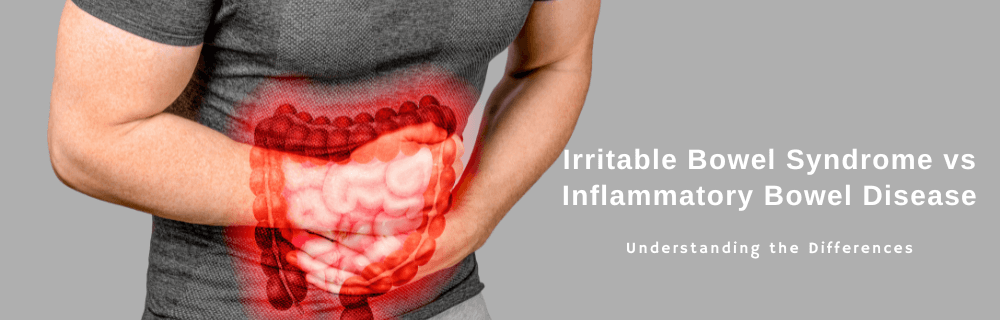
Understanding the Differences: Irritable Bowel Syndrome vs. Inflammatory Bowel Disease

Understanding the Differences: Irritable Bowel Syndrome vs. Inflammatory Bowel Disease


Introduction


Navigating the world of gastrointestinal disorders can be challenging, especially when faced with conditions like Irritable Bowel Syndrome (IBS) and Inflammatory Bowel Disease (IBD).

While both can cause discomfort and disrupt daily life, they are distinct conditions with unique characteristics and treatment approaches.

Understanding the differences between IBS and IBD is crucial for accurate diagnosis and effective management.

In this article, we’ll explore the key distinctions between these two gastrointestinal disorders, including their symptoms, underlying causes, diagnostic methods, and treatment strategies.

By gaining a deeper understanding of IBS and IBD, individuals can better advocate for their health and work with healthcare providers to develop personalized management plans.


Understanding Irritable Bowel Syndrome (IBS)


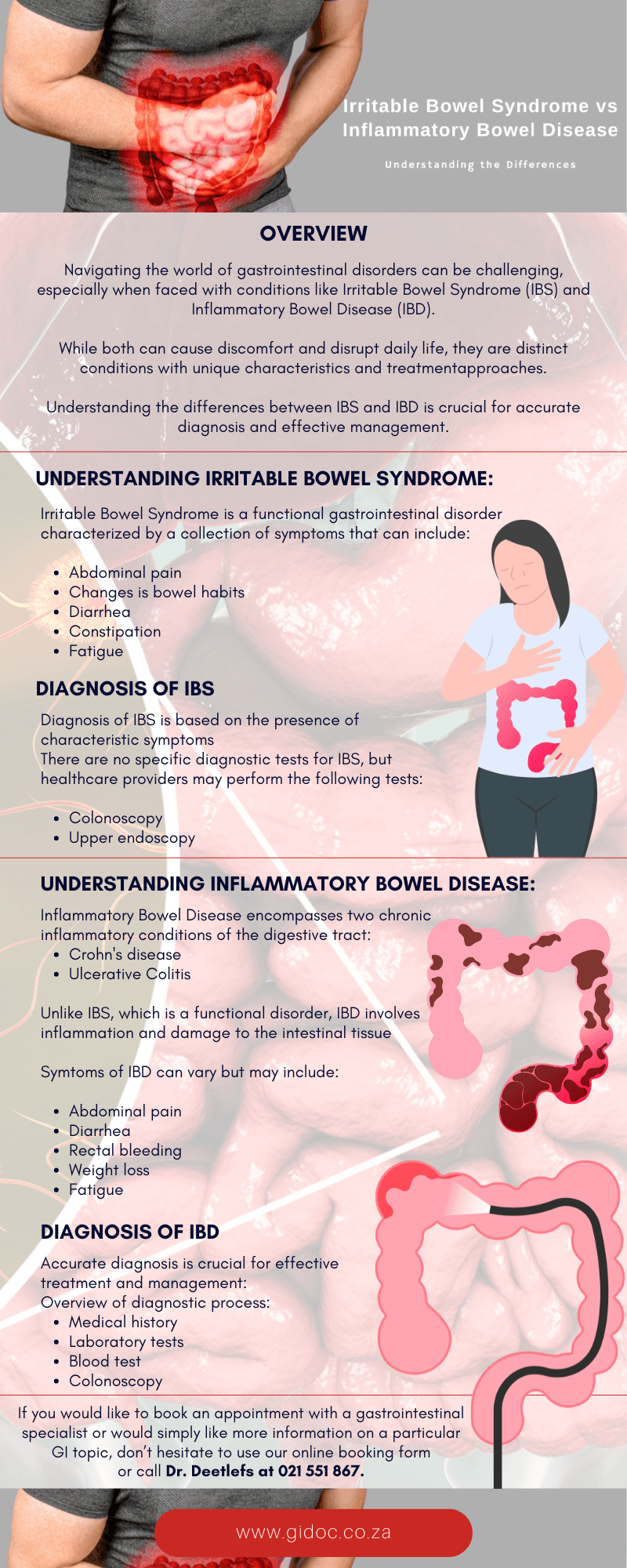
Irritable Bowel Syndrome is a functional gastrointestinal disorder characterized by a collection of symptoms that can include abdominal pain, bloating, gas, diarrhea, and constipation.

Unlike IBD, IBS does not involve inflammation or structural damage to the intestines. Instead, it is believed to arise from dysregulation of the gut-brain axis, which affects gut motility, sensitivity, and function.


Key Features of IBS


  1. Symptoms: The hallmark symptoms of IBS include abdominal discomfort or pain that is often relieved by bowel movements, as well as changes in bowel habits such as diarrhea, constipation, or a combination of both.
  2. Absence of Inflammation: IBS does not cause inflammation or structural damage to the intestines, as seen in IBD.
  3. Triggers: Certain factors such as stress, dietary choices, hormonal fluctuations, and medications can trigger or exacerbate symptoms of IBS.
  4. Diagnosis: Diagnosis of IBS is based on the presence of characteristic symptoms and the exclusion of other gastrointestinal conditions. There are no specific diagnostic tests for IBS, but healthcare providers may perform tests to rule out other disorders ie. Colonoscopy or upper endoscopy.
  5. Treatment: Treatment for IBS focuses on managing symptoms and improving quality of life. This may involve dietary modifications, stress management techniques, medications to relieve symptoms, and lifestyle changes.

symptoms_of_gastrointestinal_disorders


Causes of Irritable Bowel Syndrome


The exact cause of Irritable Bowel Syndrome (IBS) remains unknown, and it is likely influenced by a combination of factors. While the precise underlying mechanisms are not fully understood, several potential contributors to IBS have been identified.

These include:

  1. Altered Gut Motility: Abnormal contractions of the intestinal muscles may lead to changes in bowel habits such as diarrhea, constipation, or alternating between the two.


  1. Visceral Hypersensitivity: Individuals with IBS may experience heightened sensitivity to stimuli within the gastrointestinal tract, leading to increased perception of pain or discomfort.


  1. Abnormal Brain-Gut Communication: Dysfunction in the communication between the brain and the gut, known as the gut-brain axis, may play a role in the development of IBS.


  1. Changes in Gut Microbiota: Alterations in the composition and diversity of the gut microbiota, the community of microorganisms that inhabit the digestive tract, have been observed in individuals with IBS.


  1. Psychological Factors: Stress, anxiety, depression, and other psychological factors are known to influence gut function and may exacerbate symptoms in individuals with IBS.
  2. Dietary Factors: Certain foods and dietary components have been implicated as triggers for IBS symptoms in some individuals. Common dietary triggers include high-fat foods, spicy foods, caffeine, alcohol, artificial sweeteners, and foods high in FODMAPs.


  1. Genetic Predisposition: Family history of IBS or other functional gastrointestinal disorders may predispose individuals to the condition.

low_fodmap_diet_ibs

Understanding Inflammatory Bowel Disease (IBD)


Inflammatory Bowel Disease encompasses two chronic inflammatory conditions of the digestive tract:

Crohn’s disease and Ulcerative Colitis.

Unlike IBS, which is a functional disorder, IBD involves inflammation and damage to the intestinal tissue, leading to complications such as strictures, fistulas, and nutritional deficiencies.


Key Features of IBD


  1. Symptoms: Symptoms of IBD can vary depending on the type and location of the condition but may include abdominal pain, diarrhea, rectal bleeding, weight loss, fatigue, and fever.
  2. Inflammation: IBD is characterized by chronic inflammation of the gastrointestinal tract, which can occur anywhere from the mouth to the anus in Crohn’s disease and is typically limited to the colon and rectum in Ulcerative Colitis.
  3. Chronic Nature: IBD is a chronic condition with periods of active disease (flare-ups) and periods of remission, during which symptoms may improve or disappear.
  4. Diagnosis: Diagnosis of IBD typically involves a combination of medical history, physical examination, blood tests, imaging studies, and tissue biopsy to assess inflammation and rule out other conditions.
  5. Treatment: Treatment for IBD aims to reduce inflammation, alleviate symptoms, and prevent complications.


Causes of Irritable Bowel Disease


Irritable Bowel Disease (IBD) is a term that is not typically used in medical literature.

The correct term for chronic inflammatory conditions of the digestive tract is Inflammatory Bowel Disease (IBD). Inflammatory Bowel Disease primarily includes Crohn’s disease and Ulcerative Colitis.


The causes of Inflammatory Bowel Disease (IBD) are complex and not fully understood. However, research suggests that a combination of genetic, environmental, immune, and microbial factors contribute to the development of IBD. Here are some key factors that may play a role:


  1. Genetic Predisposition: Family history is a significant risk factor for IBD, suggesting a genetic component to the disease.
  2. Dysregulated Immune Response: In individuals with IBD, the immune system mistakenly attacks the gastrointestinal tract, leading to chronic inflammation. It is thought that a dysregulated immune response, possibly triggered by environmental factors, contributes to the development of IBD.


  1. Environmental Factors: Various environmental factors have been implicated in the development of IBD, including diet, smoking, antibiotic use, stress, and exposure to certain infections or pollutants.


  1. Alterations in Gut Microbiota: The gut microbiota, the diverse community of microorganisms that inhabit the digestive tract, plays a crucial role in maintaining intestinal health and immune function.


  1. Intestinal Barrier Dysfunction: Dysfunction of the intestinal epithelial barrier, which normally acts as a protective barrier against harmful substances and pathogens, has been implicated in the development of IBD. Increased intestinal permeability, or “leaky gut,” may allow harmful substances to penetrate the intestinal lining and trigger an immune response.


  1. Immunological Triggers: Infections and other immunological triggers may initiate or exacerbate inflammation in the gastrointestinal tract, particularly in genetically susceptible individuals.

crohns_disease_ulcerative_colitis


Distinguishing Between IBS and IBD


While IBS and IBD share some similar symptoms, there are key differences that can help distinguish between the two conditions:

  • IBS is a functional disorder characterized by gut-brain axis dysfunction, whereas IBD involves chronic inflammation and structural damage to the intestines.
  • Diagnosis of IBS is based on symptoms and exclusion of other conditions, whereas diagnosis of IBD involves objective evidence of inflammation through tests such as endoscopy or imaging studies.
  • Treatment approaches for IBS focus on symptom management and improving quality of life, while treatment for IBD targets inflammation and aims to prevent complications.


Conclusion


In summary, Irritable Bowel Syndrome (IBS) and Inflammatory Bowel Disease (IBD) are distinct gastrointestinal conditions with different underlying causes, mechanisms, and treatment approaches.

While they share some similarities in symptoms, understanding the key differences between IBS and IBD is essential for accurate diagnosis and appropriate management.

Individuals experiencing gastrointestinal symptoms should seek evaluation by a healthcare provider for proper diagnosis and guidance on treatment options tailored to their specific condition.


ibs_vs_ibd_infographic


Contact Doctor Deetlefs


Gi Doc Capetown is a practice founded to provide medical solutions in the area of gastroenterology.

Over the years, Dr Eduan Deetlefs has earned the reputation of a trusted health expert providing consultative, diagnostic, and therapeutic endoscopic and related services to patients in
Cape Town and beyond.


If you would like to book an appointment with a gastrointestinal (GI) specialist or would simply like more information on a particular GI topic, don’t hesitate to use our online booking form or call Dr. Deetlefs at 021 551 867.

DISCLAIMER: PLEASE READ CAREFULLY

The information on this website is to provide general guidance. In no way does any of the information provided reflect definitive medical advice and self-diagnoses should not be made based on information obtained online. It is important to consult a Gastroenterologist or medical doctor regarding ANY and ALL symptoms or signs including, but not limited to: abdominal pain, haemorrhoids or anal / rectal bleeding as it may a sign of a serious illness or condition. A thorough consultation and examination should ALWAYS be performed for an accurate diagnosis and treatment plan. Be sure to call a physician or call our office today and schedule a consultation.

GIDoc Cape Town

Patient-focused GI treatments and procedures in Cape Town.

Monday-Friday 8AM-4PM.

Connect with Us

© Dr. Eduan Deetlefs, Registered Gastroenterologist, GI Doc Cape Town

Our website information is not intended or implied to be a substitute for professional medical advice, diagnosis or treatment. Please consult a doctor about your specific condition. Only a trained physician can determine an accurate diagnosis and proper treatment.

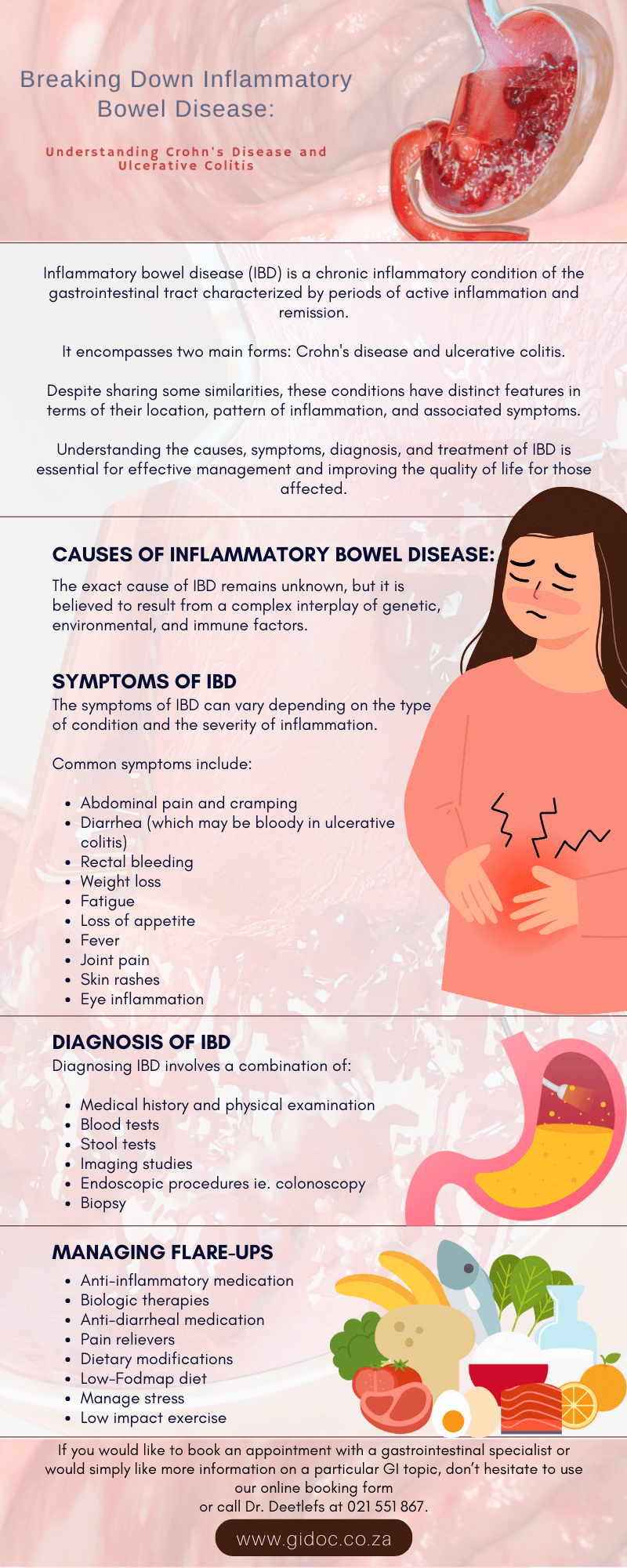
Breaking Down Inflammatory Bowel Disease: Understanding Crohn’s Disease and Ulcerative Colitis

Breaking Down Inflammatory Bowel Disease: Understanding Crohn’s Disease and Ulcerative Colitis


Introduction


Inflammatory bowel disease (IBD) is a chronic inflammatory condition of the gastrointestinal tract characterized by periods of active inflammation and remission.

It encompasses two main forms: Crohn’s disease and ulcerative colitis.

Despite sharing some similarities, these conditions have distinct features in terms of their location, pattern of inflammation, and associated symptoms.

Understanding the causes, symptoms, diagnosis, and treatment of IBD is essential for effective management and improving the quality of life for those affected.


Causes of Inflammatory Bowel Disease


The exact cause of IBD remains unknown, but it is believed to result from a complex interplay of genetic, environmental, and immune factors.

Genetic predisposition plays a significant role, as individuals with a family history of IBD are at higher risk.

Environmental factors such as diet, smoking, stress, and microbial exposures may also contribute to the development of IBD.

Dysregulation of the immune system leads to chronic inflammation in the gastrointestinal tract, triggering the symptoms associated with IBD.


Symptoms of Inflammatory Bowel Disease


The symptoms of IBD can vary depending on the type of condition and the severity of inflammation.

Common symptoms include:

  • Abdominal pain and cramping
  • Diarrhea (which may be bloody in ulcerative colitis)
  • Rectal bleeding
  • Weight loss
  • Fatigue
  • Loss of appetite
  • Fever
  • Joint pain
  • Skin rashes
  • Eye inflammation

These symptoms can range from mild to severe and may fluctuate over time, with periods of active disease (flare-ups) alternating with periods of remission.

inflammatory_bowel_symptoms


Diagnosis of Inflammatory Bowel Disease


Diagnosing IBD involves a combination of clinical evaluation, laboratory tests, imaging studies, and endoscopic procedures. The following diagnostic approaches may be utilized:

  1. Medical History and Physical Examination: A healthcare provider will review the patient’s medical history and perform a physical examination to assess symptoms and signs of IBD.
  2. Blood Tests: Blood tests may be conducted to assess inflammation (e.g., C-reactive protein, erythrocyte sedimentation rate), nutritional deficiencies, and markers associated with IBD (e.g., antibodies).
  3. Stool Tests: Stool samples may be analyzed for signs of infection, inflammation, or blood.
  4. Imaging Studies: Imaging tests such as X-rays, computed tomography (CT) scans, magnetic resonance imaging (MRI), or ultrasound may be used to visualize the gastrointestinal tract and assess for signs of inflammation or complications.
  5. Endoscopic Procedures: Colonoscopy and flexible sigmoidoscopy allow direct visualization of the colon and rectum, enabling the healthcare provider to assess inflammation, take tissue samples (biopsies), and exclude other conditions.
  6. Biopsy: Tissue samples obtained during endoscopic procedures are examined under a microscope to confirm the presence of inflammation and distinguish between Crohn’s disease and ulcerative colitis.


Colonoscopy Explained


A colonoscopy is a minimally invasive medical procedure used to examine the lining of the large intestine (colon) and rectum.

During the procedure, a thin, flexible tube with a tiny camera at the end (colonoscope) is inserted into the rectum and guided through the colon.

This allows the healthcare provider to visualize the entire length of the colon and identify any abnormalities, such as polyps, ulcers, inflammation, or signs of colorectal cancer.

Colonoscopy is considered the gold standard for colorectal cancer screening and can also help diagnose and treat various gastrointestinal conditions, including inflammatory bowel disease (IBD) and diverticulosis.

One of the primary benefits of colonoscopy is its ability to detect colorectal cancer at an early stage when it is most treatable and may even prevent cancer by removing precancerous polyps during the procedure.

Additionally, colonoscopy can provide valuable information for diagnosing and managing other gastrointestinal disorders, leading to better health outcomes for patients.

Despite the potential discomfort associated with preparation and the procedure itself, the benefits of colonoscopy in terms of early detection, prevention, and treatment of colorectal conditions far outweigh any temporary discomfort.

Regular screening colonoscopies are recommended for individuals at average risk of colorectal cancer starting at age 50 and at earlier ages for those with certain risk factors or family history.


ibd_diagnosis


Treatment of Inflammatory Bowel Disease


The goals of treatment for IBD are to reduce inflammation, control symptoms, induce and maintain remission, and improve the quality of life. Treatment strategies may include:

  1. Medications:

– Anti-inflammatory drugs (e.g., 5-aminosalicylates, corticosteroids)

– Immunomodulators (e.g., azathioprine, methotrexate)

– Biologic therapies (e.g., tumor necrosis factor-alpha inhibitors)

– Antibiotics (for specific complications or infections)

  1. Nutritional Therapy: Dietary modifications or nutritional supplementation may be recommended to address specific nutritional deficiencies or alleviate symptoms.
  2. Lifestyle Changes: Managing stress, getting regular exercise, staying hydrated, and avoiding tobacco use may help reduce symptoms and improve overall well-being.
  3. Surgery: In cases of severe disease or complications (e.g., intestinal obstruction, perforation, dysplasia, cancer), surgical intervention may be necessary to remove diseased portions of the intestine or alleviate symptoms.


Managing IBD Flare-ups


Managing flare-ups of inflammatory bowel disease (IBD) involves a multifaceted approach aimed at reducing inflammation, alleviating symptoms, and promoting healing of the gastrointestinal tract.

One key aspect of managing flare-ups is medication therapy, which may include anti-inflammatory drugs such as corticosteroids, 5-aminosalicylates, and immunomodulators to help control inflammation and induce remission.

Biologic therapies, which target specific molecules involved in the inflammatory response, may also be prescribed for moderate to severe flare-ups.

Additionally, symptom management strategies such as anti-diarrheal medications, pain relievers, and dietary modifications can help alleviate symptoms like diarrhea, abdominal pain, and cramping.

Patients may be advised to follow a low-residue or low-FODMAP diet to reduce bowel irritation and avoid triggering foods such as spicy or high-fiber foods. Maintaining adequate hydration, getting enough rest, and managing stress through relaxation techniques or counseling can also play a crucial role in managing flare-ups.

In some cases, hospitalization may be necessary for severe flare-ups or complications such as dehydration, severe pain, or intestinal obstruction. During hospitalization, patients may receive intravenous fluids, nutritional support, and more intensive medical therapy.

It’s important for individuals with IBD to work closely with their healthcare providers to develop a personalized management plan tailored to their specific needs and circumstances, with the goal of achieving symptom control, preventing complications, and improving quality of life.

Regular monitoring and follow-up care are essential for adjusting treatment as needed and optimizing long-term outcomes.

ibd_treatment_options 

Conclusion:


Inflammatory bowel disease is a chronic condition characterized by inflammation of the gastrointestinal tract, which can significantly impact a person’s quality of life.

While the exact cause of IBD remains unknown, a combination of genetic, environmental, and immune factors is believed to contribute to its development.

Early diagnosis and appropriate treatment are essential for managing symptoms, preventing complications, and improving long-term outcomes for individuals with IBD.

With proper medical care, lifestyle modifications, and ongoing support, many people with IBD can achieve symptom control and lead fulfilling lives.

If you suspect you may have IBD or are experiencing symptoms suggestive of the condition, consult with a healthcare provider for evaluation, diagnosis, and personalized treatment recommendations.

crohns_ulcerataive_infographic


Contact Doctor Deetlefs


Gi Doc Capetown is a practice founded to provide medical solutions in the area of gastroenterology.

Over the years, Dr Eduan Deetlefs has earned the reputation of a trusted health expert providing consultative, diagnostic, and therapeutic endoscopic and related services to patients in
Cape Town and beyond.

If you would like to book an appointment with a gastrointestinal (GI) specialist or would simply like more information on a particular GI topic, don’t hesitate to use our online booking form or call Dr. Deetlefs at 021 551 867.

DISCLAIMER: PLEASE READ CAREFULLY

The information on this website is to provide general guidance. In no way does any of the information provided reflect definitive medical advice and self-diagnoses should not be made based on information obtained online. It is important to consult a Gastroenterologist or medical doctor regarding ANY and ALL symptoms or signs including, but not limited to: abdominal pain, haemorrhoids or anal / rectal bleeding as it may a sign of a serious illness or condition. A thorough consultation and examination should ALWAYS be performed for an accurate diagnosis and treatment plan. Be sure to call a physician or call our office today and schedule a consultation.

GIDoc Cape Town

Patient-focused GI treatments and procedures in Cape Town.

Monday-Friday 8AM-4PM.

Connect with Us

© Dr. Eduan Deetlefs, Registered Gastroenterologist, GI Doc Cape Town

Our website information is not intended or implied to be a substitute for professional medical advice, diagnosis or treatment. Please consult a doctor about your specific condition. Only a trained physician can determine an accurate diagnosis and proper treatment.

Lifestyle Changes for Improved Gut Health: Insights from Gastroenterologists

Lifestyle Changes for Improved Gut Health: Insights from Gastroenterologists


Introduction


Our gut health is intricately linked to our overall well-being, influencing everything from digestion and nutrient absorption to immune function and mental health.

As experts in digestive health, gastroenterologists emphasize the importance of lifestyle factors in maintaining optimal gut health.

In this comprehensive guide, we’ll delve into the expert advice from gastroenterologists on lifestyle changes that can promote a healthy gut, empowering you to take proactive steps towards improved digestive wellness.


Understanding Gut Health


The gut microbiota, a diverse community of microorganisms residing in our digestive tract, plays a pivotal role in gut health.

A balanced and diverse microbiota helps regulate digestion, supports immune function, produces essential nutrients, and protects against harmful pathogens.

Lifestyle factors such as diet, physical activity, stress levels, sleep quality, and medication use can significantly influence the composition and function of the gut microbiota.


understanding_gut_health


Expert Tips for Improved Gut Health


  1. Adopt a Fiber-Rich Diet: Gastroenterologists consistently recommend a diet rich in fiber, as it promotes bowel regularity, supports healthy digestion, and nourishes beneficial gut bacteria. Incorporate a variety of fiber-rich foods into your meals, including fruits, vegetables, whole grains, legumes, nuts, and seeds. Aim for at least 25-30 grams of fiber per day to maintain optimal gut health.
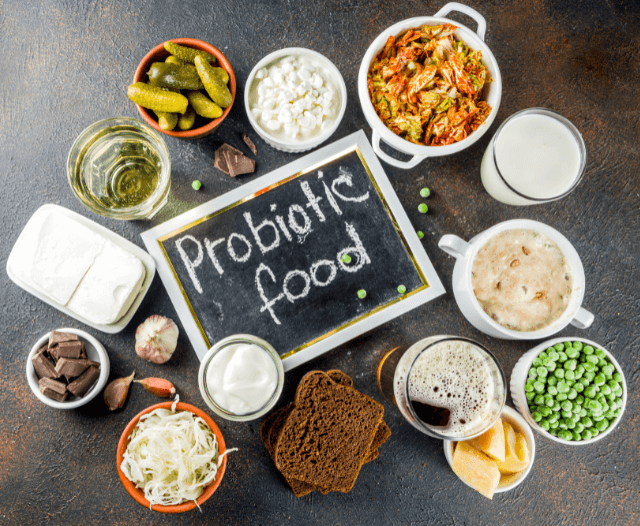
  2. Prioritize Probiotic Foods: Probiotics are beneficial bacteria that support gut health by promoting a balanced microbiota and reducing inflammation. Include probiotic-rich foods such as yogurt, kefir, sauerkraut, kimchi, miso, and kombucha in your diet regularly. These fermented foods provide a natural source of probiotics and can help maintain a healthy microbial balance in the gut.


  3. Limit Processed Foods and Added Sugars: Highly processed foods and those high in added sugars can disrupt gut health by promoting inflammation and altering the composition of the gut microbiota. Minimize your intake of processed snacks, sugary beverages, refined grains, and desserts, opting instead for whole, nutrient-dense foods that support gut health.


  4. Stay Hydrated: Adequate hydration is essential for optimal digestive function, as it helps soften stool, prevent constipation, and support the mucous lining of the intestines. Aim to drink plenty of water throughout the day, and consider consuming hydrating foods such as fruits, vegetables, and herbal teas to maintain optimal hydration levels.


  5. Manage Stress: Chronic stress can have a profound impact on gut health, disrupting digestion, increasing inflammation, and altering gut microbiota composition. Practice stress-reduction techniques such as mindfulness meditation, deep breathing exercises, yoga, tai chi, or spending time in nature to promote relaxation and support gut health.


  6. Get Regular Exercise: Physical activity is not only beneficial for cardiovascular health and weight management but also plays a crucial role in promoting gut health. Regular exercise helps stimulate bowel movements, reduce bloating and gas, and support a healthy gut microbiota. Aim for at least 30 minutes of moderate intensity exercise most days of the week to reap the benefits for your digestive system.


  7. Prioritize Quality Sleep: Quality sleep is essential for overall health, including gut health. Poor sleep habits can disrupt circadian rhythms, impair immune function, and alter gut microbiota composition. Aim for 7-9 hours of restorative sleep per night, practice good sleep hygiene habits, and establish a consistent sleep schedule to support optimal gut health.


  8. Limit Alcohol and Caffeine: Excessive alcohol consumption and caffeine intake can irritate the gastrointestinal tract, disrupt digestion, and contribute to inflammation. Limit alcohol intake to moderate levels and consider reducing caffeine consumption if you experience digestive discomfort or sleep disturbances.


  9. Avoid Smoking: Smoking is harmful to gut health, as it can increase the risk of gastrointestinal disorders such as peptic ulcers, gastroesophageal reflux disease (GERD), and inflammatory bowel disease (IBD). If you smoke, consider quitting or seeking support to help you quit smoking and improve your gut health.


  10. Practice Mindful Eating: Mindful eating involves paying attention to the sensory experience of eating, including taste, texture, and aroma, as well as hunger and fullness cues. Eating mindfully can help you enjoy your meals more, improve digestion, and prevent overeating, promoting overall gut health.

probiotic_foods_fod_gut_health


Foods That Improve Gut Health


Improving gut health involves incorporating foods rich in fiber, prebiotics, probiotics, and essential nutrients. Here are some examples:

  1. Fiber-Rich Foods: Whole grains like oats, barley, and brown rice, as well as fruits and vegetables like apples, bananas, berries, broccoli, carrots, and spinach, are excellent sources of fiber. Fiber promotes regular bowel movements, prevents constipation, and supports the growth of beneficial gut bacteria.
  1. Prebiotic Foods: Prebiotics are non-digestible fibers that nourish beneficial gut bacteria. Foods rich in prebiotics include garlic, onions, leeks, asparagus, chicory root, Jerusalem artichokes, and dandelion greens.
  1. Probiotic Foods: Probiotics are live beneficial bacteria that colonize the gut and support digestive health. Fermented foods like yogurt, kefir, sauerkraut, kimchi, miso, tempeh, and kombucha are natural sources of probiotics.
  1. Fermented Foods: In addition to probiotics, fermented foods contain enzymes and organic acids that support digestion. Incorporate fermented foods like yogurt, kefir, sauerkraut, kimchi, pickles, and kombucha into your diet.
  1. Omega-3 Fatty Acids: Foods rich in omega-3 fatty acids, such as fatty fish (salmon, mackerel, sardines), flaxseeds, chia seeds, and walnuts, have anti-inflammatory properties that can benefit gut health.
  1. Polyphenol-Rich Foods: Polyphenols are plant compounds with antioxidant and anti-inflammatory properties that support gut health. Include foods like berries, grapes, cherries, apples, green tea, cocoa, dark chocolate, and olive oil in your diet.
  1. Bone Broth: Bone broth is rich in collagen, gelatin, and amino acids that support gut health and repair the intestinal lining. Homemade bone broth made from simmering animal bones (such as chicken, beef, or fish) is an excellent option.


  1. Ginger and Turmeric: These spices have anti-inflammatory and antioxidant properties that can benefit gut health. Add fresh ginger and turmeric to your meals or brew them into teas for a soothing effect on the digestive system.
  1. Fermentable Fiber: Certain types of fiber, known as fermentable fibers or resistant starches, are broken down by gut bacteria into short-chain fatty acids that nourish the cells lining the colon. Sources include green bananas, cooked and cooled potatoes, legumes, and whole grains.
  1. Nuts and Seeds: Nuts and seeds like almonds, walnuts, flaxseeds, chia seeds, and pumpkin seeds are rich in fiber, healthy fats, and essential nutrients that support gut health.

Incorporating a variety of these foods into your diet can help promote a diverse and balanced gut microbiota, support digestive health, and reduce the risk of gastrointestinal disorders.

Remember to consume these foods as part of a balanced diet and consult with a healthcare provider or registered dietitian if you have specific dietary concerns or medical conditions.

gut_health_lifestyle_changes_infographic


Conclusion

Incorporating these lifestyle changes into your daily routine can have a profound impact on your gut health, supporting digestion, promoting a balanced gut microbiota, and reducing the risk of gastrointestinal disorders.

By following the expert advice from gastroenterologists and prioritizing your digestive wellness, you can take proactive steps towards improved gut health and overall well-being.

Remember that small changes can lead to significant improvements over time, so start implementing these tips today to nurture a healthy gut for years to come.


Contact Dr. Deetlefs


Gi Doc Capetown is a practice founded to provide medical solutions in the area of gastroenterology.

Over the years, Dr Eduan Deetlefs has earned the reputation of a trusted health expert providing consultative, diagnostic, and therapeutic endoscopic and related services to patients in
Cape Town and beyond.


If you would like to book an appointment with a gastrointestinal (GI) specialist or would simply like more information on a particular GI topic, don’t hesitate to use our online booking form or call Dr. Deetlefs at 021 551 867.


DISCLAIMER: PLEASE READ CAREFULLY

The information on this website is to provide general guidance. In no way does any of the information provided reflect definitive medical advice and self-diagnoses should not be made based on information obtained online. It is important to consult a Gastroenterologist or medical doctor regarding ANY and ALL symptoms or signs including, but not limited to: abdominal pain, haemorrhoids or anal / rectal bleeding as it may a sign of a serious illness or condition. A thorough consultation and examination should ALWAYS be performed for an accurate diagnosis and treatment plan. Be sure to call a physician or call our office today and schedule a consultation.

GIDoc Cape Town

Patient-focused GI treatments and procedures in Cape Town.

Monday-Friday 8AM-4PM.

Connect with Us

© Dr. Eduan Deetlefs, Registered Gastroenterologist, GI Doc Cape Town

Our website information is not intended or implied to be a substitute for professional medical advice, diagnosis or treatment. Please consult a doctor about your specific condition. Only a trained physician can determine an accurate diagnosis and proper treatment.