021 202 0626
Important Questions to Ask Your Gastroenterologist About Ulcerative Colitis

Important Questions to Ask Your Gastroenterologist About Ulcerative Colitis

How To Know If You Have Ulcerative Colitis


 Ulcerative colitis (UC) is a type of inflammatory bowel disease that affects the large intestine.

 UC is a condition that causes inflammation and sores, called ulcers, in the lining of the rectum and colon.

Symptoms vary, but may include diarrhea, abdominal pain, blood in the stool, and weight loss. Treatment focuses on relieving symptoms and may include medicines, diet changes, and surgery.

Many people with ulcerative colitis need to take medicines to control their condition.

UC is a chronic disease, which means that it lasts for a long time and can’t be cured but it can be treated to keep it under control.

 If you think you may have ulcerative colitis, there are some key signs and symptoms to look out for.

In this article we will discuss everything you need to know about Ulcerative Colitis and which symptoms to look out for.

If you experience any of these symptoms, it’s important to see your doctor for a diagnosis.

Treatment options include medications, surgery, and lifestyle changes.


What Are the Causes of Ulcerative Colitis?


Ulcerative colitis is a chronic inflammatory bowel disease that affects the lining of the rectum and colon.

While the cause of ulcerative colitis is unknown, abnormal immune response, genetics, microbiome, and environmental factors are all believed to contribute to the disease.

Research suggests that ulcerative colitis could be triggered by an interaction between a virus or bacterial infection in the colon and the body’s immune response.


How Is Ulcerative Colitis Diagnosed?


Blood Test:  Having a blood test done can show signs of infection or anemia. Anemia is a low level of iron in your blood. This can indicate that you have bleeding in the colon or rectum.

Stool Samples:  A stool sample is needed to diagnose ulcerative colitis. This is a sample of the stool that is taken and tested in a lab. This test is used to look for signs of the disease.

Endoscopic Tests:  One of the tests that can be used to diagnose ulcerative colitis is an endoscopic examination. During this test, a doctor inserts a thin, flexible tube with a camera on the end into the rectum. This allows the doctor to see the inside of the colon and look for any signs of inflammation or damage.


symptoms_of_ulcerative_colitis


What Are the Symptoms of Ulcerative Colitis?


Symptoms can vary from person to person, but common symptoms include diarrhea, rectal bleeding, abdominal cramps, and Urgency to have a bowel movement.

There are many signs and symptoms of ulcerative colitis, but some of the most common symptoms are as follows: 

  • Ulcers in the rectum
  • Blood in the stool (hemorrhoids)
  • Diarrhea
  • Rectal bleeding
  • Abdominal cramps
  • Urgency to have a bowel movement
  • Low appetite
  • Abdominal pain
  • Nausea
  • Weight loss
  • Night sweats
  • Joint pain
  • Skin lesions
  • Mouth ulcers

The severity of symptoms can also vary, with some people having only minor symptoms and others having very severe symptoms that require hospitalization.

If you experience any of these symptoms, it’s important to see your doctor for a diagnosis.


How to Manage Symptoms of Ulcerative Colitis?


There is no one-size-fits-all approach to managing ulcerative colitis, as the symptoms can vary from person to person.

However, there are a few general tips that can help to control the symptoms of ulcerative colitis:

  • Pain relievers
  • Antispasmodics
  • Iron Supplements
  • Anti-diarrheal medications 


ulcerative_colitis_diet_plan


Should You Be Treated with Medication or Surgery?


The disease is marked by periods of remission and relapse.

Medication and surgery are both potential treatments for ulcerative colitis. Medication can help calm the inflammation. Which treatment is best depends on the individual case.

Treatment options include medications such as steroids and immune suppressing drugs, diet, lifestyle changes, and surgery.

Surgery is often necessary when medication fails to control the symptoms of ulcerative colitis.


Types Of Treatment for Ulcerative Colitis, Doctor’s Approach and The Right Medicines for You?

Medications such as anti-inflammatory drugs, antibiotics, and corticosteroids can help reduce inflammation and pain. Surgery may also be necessary to remove the section of the intestine affected by the disease. 

Lifestyle changes such as dietary modifications and stress management can also help manage symptoms of ulcerative


Ulcerative Colitis Diet Plan and Meal Suggestions


If you have ulcerative colitis, it’s worth your while to pay attention to what you eat.  Your diet can play a big role in managing symptoms of ulcerative colitis.

Some foods that may aggravate symptoms of ulcerative colitis include spicy foods, dairy products, and caffeine.

It is important to avoid these foods if they cause problems. In addition, it is important to eat plenty of fiber-rich foods such as fruits, vegetables, and whole grains. These foods help to keep the intestines healthy and can help to reduce symptoms.

So, what foods and nutrients can help reduce the pain and manage the condition?

Nutrient-rich foods
Nutrient-rich foods can help fill you up and keep you feeling satisfied, which may help reduce the frequency of bathroom visits. Here are some examples:

Fruits

  • Citrus fruits
  • Apples
  • Bananas
  • Cherries
  • Pomegranates
  • Honeydew melons
  • Avocados

Vegetables

  • Carrots
  • Beets
  • Sweet potatoes
  • Yams
  • Onions

Food Diary
Be on top of things, stay organised and make a food diary.  Track the good and the bad in terms of what you eat and when you have flare-ups. 

This way you would know exactly which foods to stay clear of and get to really know your gut.

This will take some time and patience, but this way you will exactly be able to know what works for you and what doesn’t.   It will be worth it in the end.

Simple tweaks in your daily meal prep can make it easier to enjoy some foods, for example rather steaming veggies or switching to low-fat dairy.

Watch Out For:

  • Seeds
  • Spicy foods
  • Popcorn
  • Meat
  • Raw fruits and vegetables
  • High fiber foods
  • Dried fruits
  • Dried beans
  • Peas
  • Refined sugar
  • Nuts
  • Alcohol
  • Caffeine

 ulcerative_colitis_diet


How To Exercise While Suffering from Ulcerative Colitis


Exercise is often recommended to people suffering from Ulcerative Colitis as a way to manage the symptoms of the disease.

 However, for many people with Ulcerative Colitis, exercise can be difficult or even impossible.

Exercise can help reduce inflammation in the intestine and improve bowel function. It can also help improve mood and overall well-being.

There are a number of exercises that can be helpful for people with ulcerative colitis, including:

  • Walking
  • Swimming
  • Biking
  • Yoga

 Swimming is a great exercise for people with ulcerative colitis because it is gentle on the gut and doesn’t require any jarring movements.

Yoga is a great way to improve flexibility and strength. It is also a good way to reduce stress and anxiety.

Anyone with ulcerative colitis should consult with a doctor before starting an exercise.

How to Improve Quality of Life with UC


 There are several things that you can do to improve quality of life with UC.

First, make sure that you are taking your medications as prescribed.

Second, make sure that you are eating a healthy diet.

Third, make sure that you are getting enough exercise.

And fourth, make sure that you are getting enough rest.

If you follow these tips, you can improve your quality of life with UC.


ulcerative_colitis_infographic


Conclusion


For any additional information regarding a ulcerative colitis, it’s best to find a trusted and experienced Gastroenterologist who can answer your questions clearly, recommend appropriate solutions, and perform tests with precision and expertise.


Dr. Deetlefs has earned the reputation of a trusted health expert providing consultative, diagnostic, and therapeutic endoscopic and related services to patients in Cape Town and beyond. 


Dr. Deetlefs can be contacted to confirm the estimated breakdown should you be interested in having the procedure done. 


GIDoc Cape Town

Patient-focused GI treatments and procedures in Cape Town.

Monday-Friday 8AM-4PM.

Connect with Us

© Dr. Eduan Deetlefs, Registered Gastroenterologist, GI Doc Cape Town

Our website information is not intended or implied to be a substitute for professional medical advice, diagnosis or treatment. Please consult a doctor about your specific condition. Only a trained physician can determine an accurate diagnosis and proper treatment.

Capsule Endoscopy: A Revolutionary New Way to Diagnose Disease

Capsule Endoscopy: A Revolutionary New Way to Diagnose Disease

Introduction to Capsule Endoscopy


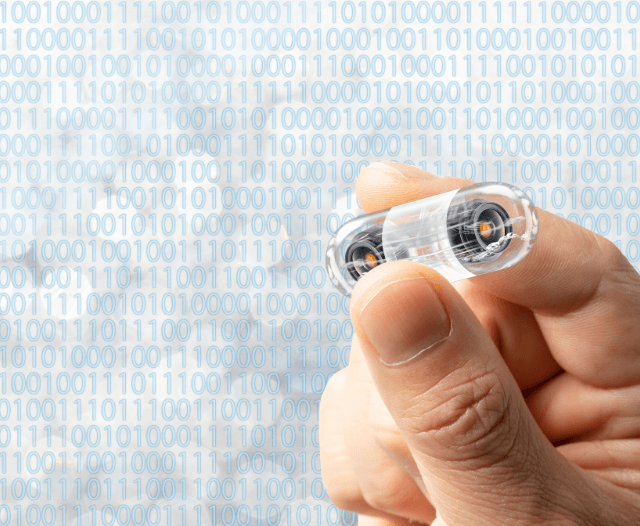
Capsule endoscopy is a revolutionary new technique that allows doctors to diagnose, non-invasively, any type of ailment in the human body by swallowing a special pill sized camera and undergoing an endoscopic procedure.

The technical capabilities of capsule endoscopy continue to improve, which has revolutionized the diagnosis of small intestine diseases. This non-invasive examination method is sensitive in identifying subtle abnormalities.

Capsule Endoscopy is a safe and painless procedure.

The camera travels through the digestive system and takes pictures of the small intestine as it travels.
These pictures are then sent to a doctor, who can review them to diagnose diseases.

The camera sends real time images to a computer which are then analyzed by both human and artificial intelligence.

The benefit of this new technology is that it can diagnose numerous different conditions from stomach ulcers and cancers to cardiovascular diseases.

This camera can help doctors diagnose digestive diseases.

In this article we will discover more on capsule endoscopy and the benefits thereof.


More on Capsule Endoscopy


Capsule endoscopy is an investigation that will enable your doctor to visualize the entire length of the inside of the small bowel.

It consists of three components namely a camera the size of a large vitamin capsule, a sensor belt, which is strapped around the waist and a data recorder- a walk-man sized box that is connected to the sensor belt and carried around the neck.

Once the camera is activated and swallowed, it takes two pictures every second. The pictures are received by the sensor belt and stored in the data recorder.

The camera will travel through your small bowel and on average takes about 8 hours to reach your large bowel (colon).

After 8 hours the test is finished, and the doctor will remove the equipment to retrieve the pictures that have been taken. The test generates up to 50 000 pictures!

The camera can only be used once, and it will be eliminated with your next bowel action.
This information can help doctors to diagnose diseases such as  Crohn’s disease and Celiac disease and colon cancer.

Capsule Endoscopy is a less invasive alternative to traditional endoscopy procedures.

It is also a more cost-effective option since it does not require the use of expensive medical equipment.  Capsule Endoscopy is a safe and painless procedure that can be performed in a doctor’s office.

capsule_endoscopy_pill


How does Capsule Endoscopy Work?


Capsule endoscopy is a relatively new diagnostic tool that is revolutionizing the way doctors can screen and diagnose diseases, especially those affecting the small intestine.

Unlike traditional endoscopy, which requires the insertion of a thin, flexible tube down the throat, capsule endoscopy is a non-invasive procedure in which a small, pill-sized camera is swallowed.

Once inside the body, the camera takes pictures of the digestive tract and sends them wirelessly to a receiver worn by the patient.

Capsule endoscopy is a valuable diagnostic tool because it allows doctors to view the entire small intestine, something that cannot be done with traditional endoscopy. This makes it an ideal tool for diagnosing such conditions.


What Diseases Can Capsule Endoscopy Diagnose?


Capsule endoscopy is a sensitive and simple means of examining the inside of the small intestine. It has revolutionized diagnosis by providing a non-invasive means of identifying subtle abnormalities.

Common examples of small intestine diseases diagnosed by capsule endoscopy include:

Inflammatory Bowel Disease
Inflammatory bowel disease (IBD) is a group of disorders that cause chronic inflammation (pain and swelling) in the intestines. IBD includes Crohn’s disease and ulcerative colitis. Both types affect the digestive system. Treatments can help manage this lifelong condition.

Celiac Disease
Celiac disease is an autoimmune condition which prevents your body from absorbing nutrients properly. The disease is triggered by the presence of gluten in your blood stream, usually as a result of eating certain foods. There’s no known cure for celiac disease, which means that people with this condition are at constant risk of malnutrition.

While most people associate this disease with gluten intolerance, there are also those who suffer from “silent celiac” since they don’t experience obvious symptoms. Most cases of silent celiac are far more significant health concern than typical celiac cases since their immune systems will likely start attacking their bodies.

Gastrointestinal Bleeding
Gastrointestinal (GI) bleeding is a symptom of a disorder in your digestive tract. The blood often appears in stool or vomit but isn’t always visible, though it may cause the stool to look black or tarry.

The level of bleeding can range from mild to severe and can be life-threatening.

Ulcerative Colitis
Ulcerative colitis is a chronic, lifelong condition that inflames and damages the large intestine.

The inflammation usually affects the rectum and the lining of the colon, which is called the mucosa. 

The inflammation can be silent, not causing any symptoms, although in some cases, ulcerative colitis can lead to rectal bleeding and abdominal cramps. 

Colon Polyps
Gastrointestinal colon polyps are small, benign tumors that grow on the inner lining of your large intestines. Polyps can be present on the surface of the intestine or inside the intestine.

They are not cancerous and do not spread to other parts of the body. However, polyps can become cancerous.

Colon Cancer
Colon cancer is a type of cancer that begins in the large intestine (colon). The colon is the final part of the digestive tract. Colon cancer typically affects older adults, though it can happen at any age.


Rectal Cancer
Rectal cancer is a disease in which cancer cells develop in the rectum. Signs of rectal cancer include diarrhea, constipation, or blood in your poop.
Treatments include surgery, chemotherapy, and radiation therapy. Rectal cancer is curable, especially when detected early through screening methods like colonoscopy.
capsule_endoscopy_risks

What are the risks associated with Capsule Endoscopy?


The risks associated with Capsule Endoscopy are minimal.
The capsule is made of a non-toxic, biocompatible material that is safe for ingestion.

The patient may experience some discomfort while the capsule is passing through the GI tract, but this is generally mild and brief. Capsule Endoscopy is a safe and effective way to diagnose a variety of GI disorders.


How to Prepare for a Capsule Endoscopy


Prior to a capsule endoscopy, it is important to follow the doctor’s orders closely.
This includes drinking plenty of water and avoiding anything that could obstruct the camera.

It is also important to let the doctor know if there are any health conditions that could affect the results of the test. The capsule endoscopy procedure itself is relatively short and painless.

capsule_endoscopy_infographic


What Is the Cost and How Do I Get Authorisation from My Medical Aid


It is important to get authorisation from your medical aid as this is an expensive procedure and unless you obtain pre-authorisation they might refuse to pay, and you will be liable for the account.

I would also advise that you enquire from them exactly how much they will cover as some medial aids either pay from your medical savings or only pay a certain percentage of the claimed amount.

For any additional information regarding a capsule endoscopy, it’s best to find a trusted and experienced Gastroenterologist who can answer your questions clearly, recommend appropriate solutions, and perform tests with precision and expertise.

Dr. Deetlefs has earned the reputation of a trusted health expert providing consultative, diagnostic, and therapeutic endoscopic and related services to patients in Cape Town and beyond. 

Dr. Deetlefs can be contacted to confirm the estimated breakdown should you be interested in having the procedure done.

GIDoc Cape Town

Patient-focused GI treatments and procedures in Cape Town.

Monday-Friday 8AM-4PM.

Connect with Us

© Dr. Eduan Deetlefs, Registered Gastroenterologist, GI Doc Cape Town

Our website information is not intended or implied to be a substitute for professional medical advice, diagnosis or treatment. Please consult a doctor about your specific condition. Only a trained physician can determine an accurate diagnosis and proper treatment.

What Is GERD And How to Treat It

What Is GERD And How to Treat It

Overview


If you’ve ever had heartburn or GERD, you will know that it can really give you a hard time.

It might even affect how you eat. But there is good news-there are all sorts of treatment options out there.

This article is going to go over the various ways to help and treat your GERD and make life a little better.

Acid reflux is the most common digestive problem in the world today. It affects not only adults, but also children and teens.

It can take over your life and make you worry about eating the wrong foods or drinking the wrong beverages.

In fact, it’s estimated that over 4 % of children in the United States have GERD.

This is a problem that could be affecting you or someone you know.

Here is a blog post that teaches you how to treat it, improve it and prevent it.


About GERD


The term GERD stands for Gastroesophageal reflux disease.

It is a condition that affects the esophagus– the muscular tube that starts at the top of the throat and connects it to the stomach.

Gastroesophageal reflux disease is caused by the stomach’s contents coming up into the esophagus.

If these contents stay in the esophagus, they can lead to serious damage. The symptoms of GERD include persistent heartburn, chest pain, and trouble swallowing.

If this occurs at least once a week, it is important to see your doctor for an evaluation.

gerd_explained


Difference Between Gastroesophageal Reflux Disease (GERD) and Acid Reflux?


If you are experiencing a burning feeling in your chest, you probably already know you’re experiencing heartburn.

Heartburn is not a condition on its own, and it has nothing to do with the heart.

Instead, it is the main symptom one experiences when suffering from acid reflux, which is when stomach contents come back up in your esophagus.

Often the reason for this is easily identified.

For example, if you have eaten an extremely chilli heavy dinner or consumed a large amount of fizzy cooldrink, you may activate symptoms of acid reflux.

If this is happening on a regular basis (multiple times per week) it could be an indication that you’re suffering from a more serious condition called gastroesophageal reflux disease (GERD).

Understanding the differences between acid reflux and GERD involves understanding the links between each.


Symptoms of GERD

This chronic digestive disorder causes irritation or inflammation of the esophagus.

There are some common symptoms of GERD as follows:

  • Heartburn
  • Regurgitation
  • Vomiting
  • Nausea
  • Belching
  • Sore throat
  • Ear problems
  • Abdominal Pain
  • Asthma
  • Drooling
  • Choking Episodes

Should you experience any of these symptoms, contact your doctor for a consultation.
 

gerd_symptoms


Causes of GERD

Gastroesophageal reflux disease (GERD) is a condition in which the stomach contents rise up into the esophagus and irritate the lining of the esophagus.

This is more common in people who have weak stomach muscles, a hiatal hernia, and esophagitis.

The most common triggers include:

  • Anxiety and Stress: Stress and anxiety can cause muscle spasms and tightening in the chest, which can affect the movement of food and acid.
  • Lifestyle: eating too quickly, eating large or heavy meals, lying down right after eating or drinking, bending over, or lifting something


  • Eating disorders, weight loss surgery, smoking, and certain medications can also cause GERD. A person with GERD may experience pain in the chest, known as heartburn. The nerves of the chest are affected by GERD.

How to Evaluate GERD

GERD affects an estimated 6% of the US population.

Patients with chronic GERD may suffer from gastritis, erosive esophagitis, or Barrett’s esophagus.

There are many things that can cause GERD. The most common cause of GERD is a hiatal hernia. A hiatal hernia occurs when the lower part of the stomach moves up into the chest cavity.

When this happens, it can cause a vacuum effect that places pressure on the esophagus.


Medical Tests


Medical tests can vary depending on the severity of GERD symptoms.

The first step is to visit a doctor and discuss symptoms and try to pinpoint a probable cause.

A doctor will order a medical examination, which includes:

  • Upper Endoscopy – Your doctor inserts a thin flexible tube equipped with a light and camera (endoscope) down your throat, to examine the inside of your esophagus and stomach
  • Ambulatory acid (pH) probe test – pH probe study is a test that uses a thin probe or tube placed in the esophagus or food pipe that connects the mouth to the stomach to help your doctor diagnose and treat acid reflux.
  • Esophageal manometry – a thin, flexible tube (catheter) that contains pressure sensors is passed through your nose, down your esophagus and into your stomach. Esophageal manometry can be helpful in diagnosing certain disorders that can affect your esophagus.
  • X-ray of your upper digestive system

People who experience GERD may find relief through over-the-counter medicines, such as the anti-acid pills that are typically sold in pharmacies.


gerd_treatment


Treatments for GERD


There are various ways to treat GERD, including lifestyle changes and medication.

Medications can be helpful when GERD episodes are severe and frequent.
Medications may include: H2 blockers, proton pump inhibitors and antacids.

There are many different treatments for GERD, but there are some that are more common than others.

Some are gastrointestinal medications, others are surgical treatments, treatments are medications that are oral or inhalational.

There are different treatments for GERD. Experts recommend lifestyle changes, such as not wearing tight clothes around the waist while sitting, not eating large meals or fatty foods before bedtime, drinking more water, and possibly changing positions while sleeping.

The most commonly prescribed medication for GERD is Prevacid, Nexium or Prilosec.


Lifestyle Changes to Reduce GERD


Lifestyle changes to reduce GERD include the following:

  • Quit smoking
  • Losing weight if you are overweight
  • Eating smaller meals more often
  • Avoiding foods and drinks that trigger your GERD
  • Elevate the head of your bed
  • Don’t lie down after a meal
  • Eat food slowly and chew thoroughly
  • Avoid foods and drinks that trigger reflux
  • Avoid tight fitting clothing

If you are pregnant, these changes will also help reduce the risk of developing GERD.


Non-Medical Treatments of GERD


Fortunately, there are some good home remedies for GERD which can be used to treat this disease.

These remedies are affordable and safe. One way to help with GERD is to eat ginger.

This has an anti-spasmodic effect that can both help to digest food and fight GERD.
You can put ginger in tea, ginger snaps, ginger ale, or ginger cookies.

Another way to treat GERD is with cumin. This is because cumin aids in digestion and helps to suppress an acid reflex in the stomach.

Many of the non-medical treatments for acid reflux listed have proven to be effective in many cases, and the remainder of them have received scientific study which shows that they may be helpful.

However, it’s important to remember that non-medical treatments are often only a temporary fix for acid reflux symptoms and should not be seen as replacements for medication prescribed by your doctor.


gerd_symptoms_treatment


Conclusion

If you are concerned about mild or already frequent bouts of heartburn, talk to us today about the possibility that you are suffering from GERD.

For further reading on the procedures we perform, as well as how they can assist in diagnosing illnesses such as GERD, see our article on capsule endoscopies or visit our blog page.

GIDoc Cape Town

Patient-focused GI treatments and procedures in Cape Town.

Monday-Friday 8AM-4PM.

Connect with Us

© Dr. Eduan Deetlefs, Registered Gastroenterologist, GI Doc Cape Town

Our website information is not intended or implied to be a substitute for professional medical advice, diagnosis or treatment. Please consult a doctor about your specific condition. Only a trained physician can determine an accurate diagnosis and proper treatment.

Why a Colonoscopy Is Important: The Importance of Screening for Colorectal Cancer

Why a Colonoscopy Is Important: The Importance of Screening for Colorectal Cancer

Overview

A colonoscopy is important because it is the only way to know if you have rectal cancer.

There are cases on record where people have rectal cancer, not had a colonoscopy, and lost their lives because the cancer was not detected on time.

If you are deemed to be at risk for cancer or are continuing to have symptoms, it is important to have a colonoscopy.

The American Cancer Society recommends that people at average risk for colorectal cancer should talk to their doctor about whether to discuss getting colorectal cancer screening.

There are 4 ways to identify colorectal cancer: colonoscopy, sigmoidoscopy, fecal

This article continues to explain how colorectal cancer is found and treated accordingly.


Things You Should Know About Colonoscopy


As for the gastrointestinal system, it has the unique ability to digest and absorb most of the food we consume.

It is important that as we age, our gastrointestinal system stays healthy and functioning.

Recent statistics show that about one in five patients who have a screening colonoscopy develop a polyp.

They found out this way and they can now take steps to remove them and reduce their risk of colon cancer.  


risks_of_colon_cancer-min


The Risks and Consequences of Colon Cancer

Colon cancer, like the name implies, begins in the colon.

The job of the colon is to absorb all of the water from what you eat and drink so it can move on through to an organ called the rectum where waste matter that cannot be broken down is expelled when you go to the bathroom.

Colon cancer often doesn’t have any symptoms until it has advanced into Stage III or even Stage IV.

If left untreated, this type can spread rapidly throughout your body and cause severe pain and complications or even death.

Colonoscopies, which are performed by gastroenterologists, are the most effective way to identify colorectal cancer early on.

A colonoscopy can help identify and treat cancerous growths, inflammatory bowel disease or other potentially dangerous complications of your digestive system.


The Benefits of Colonoscopy Screening

Medical conditions affect everyone at different levels. Some people recover from a condition quickly, while others need more time.

Colorectal cancer is a condition that affects a person’s bowels and rectum, and it is a typical cancer that can strike anyone.

It can strike at any age, but it mainly affects the older population over the age of 50.

Discussing colon cancer can be difficult. However, colon cancer is a common cancer that touches many lives. For those who undergo a colonoscopy as a screening, it can be a lifesaver.


benefits_of_colonoscopy_screening-min


Explaining Screening Methods for Colorectal Cancer

Colon cancer is the second leading cause of cancer death in the U.S., and much of this has to do with the lack of screening methods.

The recommended screening methods for colorectal cancer include a fecal test, a colonoscopy, a CT scan, and a sigmoidoscopy.

Fecal tests – Fecal tests can monitor your blood’s proteins, which can be an early warning sign for colon cancer.

Colonoscopy – Colonoscopy is a minimally invasive procedure that provides a clear view of the entire colon and detects early signs of colon cancer.

CT Scan – Computed tomography (CT) scan is a useful diagnostic tool for detecting diseases and injuries. It uses a series of X-rays and a computer to produce a 3D image of soft tissues and bones. CT is a painless, noninvasive way for your healthcare provider to diagnose conditions. You may have a CT scan at a hospital or imaging center.

Sigmoidoscopy – Flexible sigmoidoscopy is a procedure in which a trained medical professional uses a flexible, narrow tube with a light and tiny camera on one end, called a sigmoidoscope or scope, to look inside your rectum and lower colon, also called the sigmoid colon and descending colon. Flexible sigmoidoscopy can show irritated or swollen tissue, ulcers, polyps, and cancer.

screening_methods_for_colorectal_cancer-min 

The Technology Behind Colonoscopy Screening

Colonoscopies are a routine screening procedure that detect colon cancer and other potential problems of the colon that may have been hidden or could have progressed to a point of being life-threatening.

Colonoscopies can also discover other diseases such as inflammatory bowel disease, diverticulitis, and polyps.

Colonoscopies detect abnormal or cancerous growths of the colon or rectum, called polyps.

Polyps are growths of excess tissue that protrude from the colon wall. They can be either benign growths that develop from a person’s colon tissue, or a type of abnormal growth that may include cancerous cells.


The Components of a Colonoscope

The Colonoscopy has been a key screening tool for colorectal cancer for decades.

A colonoscopy is a diagnostic test that a physician performs to see a patient’s large intestine.

The colonoscopy is a medical procedure that allows a physician to diagnose and treat a patient’s colon and rectum.

There are a number of components to a colonoscopy.

A colonoscopy may be performed as an outpatient procedure, either as the primary screening for colorectal cancer or as a follow-up screening after a polyp or other abnormality has been detected on a previous test.

The procedure typically takes place in the physician’s office and is performed under sedation, and patients can expect to be discharged home.

procedure_for_colonoscopy_screening-min


The Procedure for a Colonoscopy Screening

Before colonoscopy, your colon must be completely cleaned out so that the doctor can see any abnormal areas.

Without proper preparation the colonoscopy will not be successful and may have to be repeated.

To clean the colon, you will need to follow the prescribed diet and take a strong laxative to empty your bowels.

Your doctor’s office will provide specific instructions about how you should prepare for colonoscopy.

Be sure to read these instructions ahead of time so you will be prepared for the prep. If you have questions, contact the doctor in advance.

You will need to avoid solid food for at least one day before the test. You should also drink plenty of fluids on the day before the test.

You can drink clear liquids up to several hours before your procedure, including water, clear juice (apple, grape), Energade or similar alternative, clear soup (beef, chicken, or vegetable), coffee or tea (without milk) or jelly (avoid red jelly).

The day or night before the colonoscopy, you will take a laxative. It consists of a powder that is mixed with water.

The most common laxative treatment is called “Klean-Prep”. You can add some lemon squash to hide the unpleasant taste. Refrigerating the solution can make it easier to drink.

Drinking this solution may be the most unpleasant part of the exam. You will begin to have watery diarrhea within a short time after drinking the solution.

If you become nauseated or vomit while drinking the solution, call your doctor or nurse for instructions.


why_a_colonoscopy_is_important-min

Get in Touch with GI Expert Dr. Deetlefs

 Dr Deetlefs has admitting rights and performs endoscopies at both Mediclinic Milnerton and Life Vincent Pallotti Hospitals.

To learn more about the complexity of your gut and the opportunity for you to contribute to the scientific pursuit of gastrointestinal knowledge, visit our Cape Town office or visit our website.

We are gastroenterologist experts using patient-focused GI treatment and procedures in Cape Town.

If you haven’t been scheduled for a colonoscopy and want to get one, make an appointment now.

GIDoc Cape Town

Patient-focused GI treatments and procedures in Cape Town.

Monday-Friday 8AM-4PM.

Connect with Us

© Dr. Eduan Deetlefs, Registered Gastroenterologist, GI Doc Cape Town

Our website information is not intended or implied to be a substitute for professional medical advice, diagnosis or treatment. Please consult a doctor about your specific condition. Only a trained physician can determine an accurate diagnosis and proper treatment.

What is ERCP and What Are the Procedure’s Benefits?

What is ERCP and What Are the Procedure’s Benefits?

   ercp_procedure_benefitsWhat Is ERCP?

Endoscopic retrograde cholangiopancreatography (ERCP) uses an endoscope, or thin, flexible tube, to create an image of the inside of the bile ducts (cholangitis), pancreatic duct, spleen, and lymph nodes.

In patients with biliary obstruction, cholangitis, or suspected pancreatic cancer, ERCP can assess for disease and guide treatment.

ERCP is performed as an outpatient procedure with sedation and anaesthesia, and it generally takes less than 2 hours.


The Benefits of ERCP Include:

-Viewing the inside of the bile ducts

-Confirming disease

-Providing a map for potential treatments

-Finding the source of a blockage

-Determining if a blockage is severe

-Determining the severity of a suspected cancer

-MRI

-PET imaging

-Ultrasound


The Procedure

E.R.C.P is an acronym for Endoscopic Retrograde Cholangiopancreatography.

It is a medical procedure used by your doctor to diagnose liver conditions if liver function is compromised.

E.R.C.P. may be advised for diagnosing gallstones, treatments of certain pancreatic diseases, and managing some digestive disorders.

These types of conditions are difficult to diagnose without this type of endoscopic imaging.

A special tube is inserted into the mouth and throat, which is then expanded to reach past the stomach and into the pancreatic duct. The endoscope allows the doctor to view the inside of the ducts.

In a lot of cases this procedure is used to find the problem from the inside, taking pictures of the stomach for example.

The procedure also allows things to be inserted inside to help with any complications, such as the removal of stones from the gall bladder to help with pain.

ERCP has a lot of benefits, such as finding the problem from the inside, things being inserted to help alleviate the problem, and the benefits of a healthier intestine.


ercp_procedure_and_benefits

What Happens During the Procedure?

Endoplasmic reticulum cisternae (ER, or simply cisternae) are the spaces of the hepatocyte. They are further divided into rough and smooth ER.

The hepatocyte functions in the liver’s detoxification process and lipid metabolism, so any changes in the hepatocyte’s ER could affect these functions.

This can be seen in hepatocytes with steatosis and hepatocyte injury. Changes that occur in hepatocyte ER can lead to the development of chronic liver diseases like that seen in non-alcoholic fatty liver disease.

Ethology and pathogenesis of these changes in hepatocytes remain unknown. 

These changes in hepatocyte ER may be caused by an aggregation of Tau protein (α-synuclein) in hepatocyte ER.

This aggregation of Tau protein (α-synuclein) may be responsible for the changes in hepatocyte ER.

These changes in hepatocyte ER can be seen in hepatocytes with steatosis and hepatocyte injury.


How ERCP Works

ERCP is an endoscopic procedure that assesses and treats problems in the bile duct and pancreas. ERCP is endoscopic because we use a long, thin tube to examine and treat the patient.

An endoscope is a thin tube that is inserted into your mouth and end endows the viewer with a sight like no other.

Endoscopic video and light systems allow the viewer to see and diagnose problems and to treat them. ERCP is an imaging procedure that utilizes an endoscope to visualize the bile ducts of the gallbladder, pancreas, and duodenum sometimes.

The radiographer feeds the bile ducts over the end of the tube.

The radiographer may also inject contrast into the bile duct, which shows up on CSF so they can see the problem better. Sometimes the radiographer will need to remove stones, stones, or tumors to treat the patient.


what_is_ercp_and_benefits

Types of ERCP: 

Endoscopic Retrograde Cholangiopancreatography, or ERCP, is the use of an endoscope to treat various problems in the bile ducts and pancreas. There are two different types of ERCP.

The first type, called mechanical ERCP, uses insertion of an endoscope to mechanically clear an obstruction in the duct if it fails to do so naturally.

The second type, called chemical ERCP, involves injection of fluid into or around an obstruction in the duct.


ercp_procedure_and_benefits

Benefits of ERCP

The Procedure has many benefits, one being it provides a method of removing pancreatic stones.

It can also be used to diagnose pancreatitis, pancreatic cancer, and pancreatic trauma via the insertion of a small tube used to collect a sample of tissue from the pancreas.

ERCP can be the solution to many pancreatic diseases and is one of the most minimally invasive procedures available to treat these diseases.


How Long Does It Take?

ERCP is a surgical procedure where a probe is used to view and treat problems in the bile and pancreatic duct. It is usually done by sedation or general anaesthesia.

It takes forty-five minutes to an hour to complete the procedure.


How Safe Is the Procedure?

ERCP is one of those procedures that has been improving over the years, with physicians taking increasingly clearer and safer images of the small intestine and surrounding areas of the body.

Different types of doctors will have different procedures that their patients may need to get treatment for and/or diagnosed for.

The ERCP procedure itself, is something that can be done safely overall as long as there are no complications, or any sort of damage being done to other parts of the body inadvertently.

Overall, ERCP isn’t an overly complicated procedure if it’s performed by a highly trained physician, who can prepare you properly before they begin.


Is It Right for You

ERCP offers a different perspective other than a traditional endoscopy.

In patients that have a stricture or other obstruction in their bile duct, this test could be beneficial to evaluate the size of the stricture and the bile duct.

Without a strong foothold at the common bile duct, a surgical procedure to remove the obstruction might be needed to diagnose and treat the obstruction.

ERCP is a minimally invasive procedure. The patient can go home a few hours after the procedure. And it is an outpatient procedure.

Granted, this procedure may not be the best option for everyone, but if you have been diagnosed or suspect you have a stricture or other obstructions in your bile duct, then ERCP may be the exam for you. 

Who Should Not Be Referred for Procedure?

Patients with the following disorders should not be referred for this procedure:

  • During pregnancy
  • Unhealthy liver
  • Poor kidney function
  • Bleeding or clotting disorders


ercp_procedure_benefits

Conclusion

An ERCP is Used to Observe, Diagnose and Screen the:

  • Diseases of the gallbladder
  • Biliary system
  • Pancreas
  • Liver

In addition, ERCP can be used to treat problems in these parts of the digestive system.

Dr Deetlefs has admitting rights and performs endoscopies at both Mediclinic Milnerton and Life Vincent Pallotti Hospitals.

To learn more about the complexity of your gut and the opportunity for you to contribute to the scientific pursuit of gastrointestinal knowledge, visit our Cape Town office or visit our website.

We are gastroenterologist experts using patient-focused GI treatment and procedures in Cape Town.

If you haven’t been scheduled for a colonoscopy and want to get one, make an appointment now.

GIDoc Cape Town

Patient-focused GI treatments and procedures in Cape Town.

Monday-Friday 8AM-4PM.

Connect with Us

© Dr. Eduan Deetlefs, Registered Gastroenterologist, GI Doc Cape Town

Our website information is not intended or implied to be a substitute for professional medical advice, diagnosis or treatment. Please consult a doctor about your specific condition. Only a trained physician can determine an accurate diagnosis and proper treatment.

Colon Polyps: Signs, Symptoms, and Treatment

Colon Polyps: Signs, Symptoms, and Treatment

 colon_polyps_signs_symptoms_infographic Overview

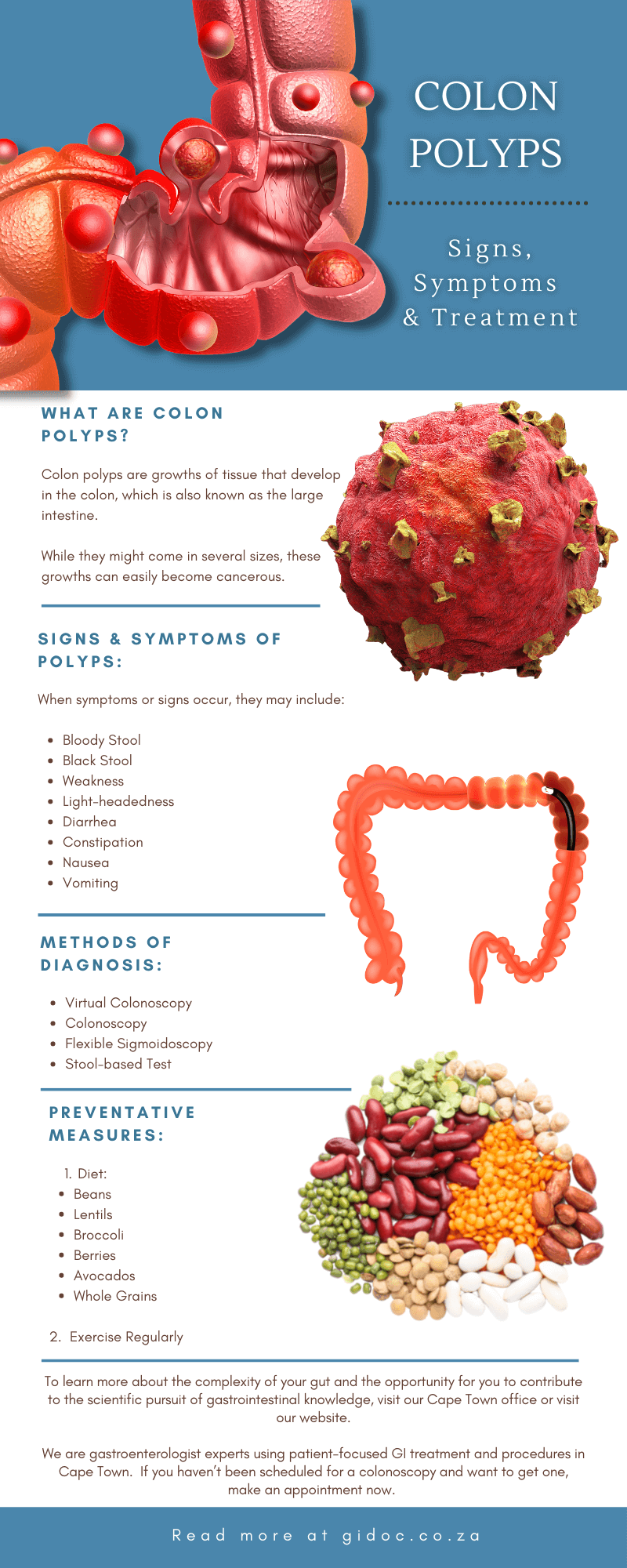
Gastrointestinal colon polyps are small, benign tumors that grow on the inner lining of your large intestines. Polyps can be present on the surface of the intestine or inside the intestine.

They are not cancerous and do not spread to other parts of the body. However, polyps can become cancerous. Gastrointestinal polyps are easy to diagnose.

There are many methods for diagnosing them including colonoscopy, wherein a scope is inserted from the anus to examine the outer large intestine.

Polyps can grow anywhere in the large intestine and tumours can grow on the inner lining of the intestine or on the surfaces of the small intestine.

In this article you will get some more information on colon polyps and which symptoms to look for, diagnosis and treatments offered.


What are Colon Polyps?

Colon polyps are growths of tissue that develop in the colon, which is also known as the large intestine. While they might come in several sizes, these growths can easily become cancerous.

Having too many fat cells or having too little exercising and eating healthy fats like omega-3 and omega-6 will raise this risk.

Colon polyps can also come from your genes and giving people a reason to always look out after themselves even if it isn’t an option for you. Therefore, more research on improving treatments needs to be made.

Colorectal polyps are small, fleshy growths that form on the inner lining of the large intestine. They can occur in both noncancerous and cancerous tissues and appear as small, fleshy growths.

While it’s not uncommon to see your doctor for a yearly screening, there are many easy yet effective steps you can take to protect your colorectal health.

Be sure to eat plenty of fiber-rich fruits, vegetables, cereals and legumes; exercise regularly; drink lots of water; maintain a healthy weight; reduce your consumption of saturated fats (such as those found in red meat) and salt (many processed foods contain added salt).
 

Signs and Symptoms of Polyps

Some of the most common signs of polyps include rectal bleeding, rectal bleeding and abdominal pain.

Although some people can often get away with simple microsurgeries to get rid of the cancer, repeat surgeries may still be required.

Even if performed carefully and properly, cancer can recur after bowel surgery. Ask your doctor to refer you for a colonoscopy if your see any of these signs and symptoms of polyps in yourself or a loved one.

Inflammation in the area may be a sign that a polyp is in a precancerous stage in some cases, they need to be removed.

When symptoms or signs occur, they may include:

  • Bloody stool
  • Black Stool
  • Weakness
  • Light-headedness
  • Diarrhea
  • Constipation if the polyp is very large and obstructs the colon
  • Intestinal obstruction including abdominal pain and distention, nausea, and vomiting.

colon_polyps_signs_symptoms_treatment

Diagnosis of Gastrointestinal Colon Polyps

Colon polyps are typically identified through colonoscopy.

A colonoscopy is where a tube is inserted into the anus and it is used to view the lining of the rectum, the lower part of the large intestine, the lowest part of the small intestine, and the cecum, which is located at the point where the small intestine empties into the large intestine.

The procedure can also detect anomalies in these areas. If polyps are found, they can be removed during the colonoscopy.

These tests can also help find colorectal cancer in its early stages.

Virtual Colonoscopy – Virtual colonoscopy is a special X-ray examination of the colon using low dose computed tomography (CT) and is a less invasive procedure than a conventional colonoscopy.

As the popularity of virtual colonoscopy continues to grow, some healthcare consultant across the world is recommending that students at highest risk for developing bowel cancer, who are more likely to suffer early onset of the disease than older patients, undergo screening tests more regularly.

This test looks for changes in the lining of your digestive tract on a monitor instead of an actual colonoscopy.

Flexible Sigmoidoscopy – This is an endoscopic procedure that allows your doctor to do an examination of the rectum and lower colon.   A sigmoidoscope consists of a thin flexible lighted tube with a camera at the tip to visualize the area.

Stool-based Test – These tests look at the stool (feces) for possible signs of colorectal cancer or polyps and can be done at home. A stool-based test however does need to be done more often. 


How to Prepare for Colonoscopy

The most important thing that you need to know before going into a colonoscopy is that it is an invasive procedure.

In order for you to be as prepared as possible for your colonoscopy, you need to start preparing the day before your procedure.

Diligent studies have shown that colonoscopy is one of the most effective ways to detect early signs of colon cancer in humans.

While anticipatory anxiety can make preparing for a bowel prep seem more trouble than it’s worth, it is essential to prepare adequately in order to maximize the effectiveness of this screening procedure.

When you are scheduled for a routine examination, it is important for you to coordinate with your health care provider in advance in order to ensure that you are able to complete this procedure in full.

Whether or not you’ve had a colonoscopy before, this process will likely differ in some aspects from your previous experience, making preparation all the more essential.

Bowel prep medication will be prescribed by your doctor to ensure you are fully prepped for your colonoscopy.

That way, your doctor will have a clear view of your colon and ileocecal valve.

Therefore, it is vital not to eat or drink anything before going in for a colonoscopy.


Treatment of Gastrointestinal Colon Polyps

There are many different types of treatment options available for gastrointestinal colon polyps.

One of these treatment options is to remove the polyps.

If your doctor decides to remove the polyps, during this procedure your surgeon will need to cut the polyps away from the colon wall, and then resect the polyps as far as they can reach within the colon.

The treatment option that your doctor chooses should depend on the location and size of the polyps.

If you want to determine if you need surgery to remove the polyps, your doctor may recommend a colonoscopy.
 

colon_polyps_symptoms

Prevention of Gastrointestinal Colon Polyps


In order to prevent polyps from forming, you should reduce your risk of getting one on a regular basis.

  1. Diet – Eating foods that are high in fiber is a great way to increase the weight and density of the stool, which helps minimize the chances of an abnormality being able to break free from the lining.

Food high in fiber:

  • Beans
  • Lentils
  • Broccoli
  • Berries
  • Avocados
  • Popcorn
  • Whole Grains
  • Apples
  • Dried Fruits
  • Potatoes
  • Nuts
  1. Exercise regularly – a greater frequency of bowel movements means increased risk for polyps. Limit your intake of red meat and processed food, as they have been proven to have additional harmful side-effects for health beyond their nutritional value.

colon_polyps_signs_symptoms_infographic

Conclusion


No one should ever ignore symptoms like fecal blood because this could lead to serious health issues for yourself and loved ones.

Understanding symptoms is important when finding preventions for unwanted conditions in your body.

Dr Deetlefs has admitting rights and performs endoscopies at both Mediclinic Milnerton and Life Vincent Pallotti Hospitals.

To learn more about the complexity of your gut and the opportunity for you to contribute to the scientific pursuit of gastrointestinal knowledge, visit our Cape Town office or visit our website.

We are gastroenterologist experts using patient-focused GI treatment and procedures in Cape Town.

If you haven’t been scheduled for a colonoscopy and want to get one, make an appointment now.

GIDoc Cape Town

Patient-focused GI treatments and procedures in Cape Town.

Monday-Friday 8AM-4PM.

Connect with Us

© Dr. Eduan Deetlefs, Registered Gastroenterologist, GI Doc Cape Town

Our website information is not intended or implied to be a substitute for professional medical advice, diagnosis or treatment. Please consult a doctor about your specific condition. Only a trained physician can determine an accurate diagnosis and proper treatment.