021 202 0626
IBD: What You Should Know About Ulcerative Colitis and Crohn’s Disease

IBD: What You Should Know About Ulcerative Colitis and Crohn’s Disease
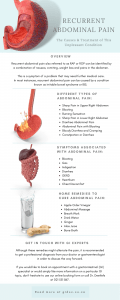
recurrent_abdominal_pain_casues_symptoms

What is IBD


Inflammatory bowel disease, the umbrella term to describe a range of disorders that involve chronic inflammation of your digestive tract.

There are two types of inflammatory bowel disease:

Ulcerative Colitis – Also known as UC, is a long-term condition that affects the large intestine. It causes inflammation and sores on the colon and rectum.

The inflammation and ulcers often bleed and produce pus, which can cause diarrhea and abdominal pain and can lead to dehydration and weight loss.

Crohn’s Disease – Crohn’s Disease, also known as regional enteritis or ileitis, is a type of inflammatory bowel disease that causes chronic inflammation in the lining of the digestive tract.

Crohn’s Disease causes stomach pain, severe diarrhea, weight loss, and problems with the bowels.


Ulcerative Colitis Explained


Ulcerative colitis is a chronic, lifelong condition that inflames and damages the large intestine.

The inflammation usually affects the rectum and the lining of the colon, which is called the mucosa. 

The inflammation can be silent, not causing any symptoms, although in some cases, ulcerative colitis can lead to rectal bleeding and abdominal cramps. 
 ulcerative_colitis_explained

Signs And Symptoms of Ulcerative Colitis

Symptoms of Ulcerative Colitis include frequent bowel movements, rectal pain, abdominal cramps, nausea, and they are in the order of severity.

It also may lead to:

  • Diarrhea
  • Constipation
  • Weight loss
  • Fatigue
  • Anemia
  • Fever

Complications from the long-term inflammation of ulcerative colitis may include:

Your doctor can prescribe medication to alleviate pain for this disorder.


causes_of_ulcerative_colitis


Causes of Ulcerative Colitis

 
The primary cause of ulcerative colitis is not known.

What we do know is that the immune system is involved. In many people, there is a genetic predisposition to ulcerative colitis. 

In addition, there are infections that can trigger the immune system to attack the colon.

Finally, there are an abundance of bacteria in the colon that can produce substances that cause inflammation. This inflammation will then cause ulcers in the colon.


How Common is Ulcerative Colitis

One out of every three people living in the United States will be diagnosed with a disease of the gastrointestinal tract during their lifetime.

It is estimated that over 700,000 people in the United States gets affected by ulcerative colitis and is found in all parts of the world.

Gastrointestinal diseases can be debilitating and include severe disorders such as Ulcerative Colitis.

However, some Gastrointestinal diseases are not as severe as others such as Gastroparesis and IBS.

Gastroparesis is a condition of the stomach that impairs it from functioning properly. IBS is irritable bowel syndrome. 

IBS causes the intestines to become over-distended and produce diarrhea.


How Ulcerative Colitis can be Diagnosed
 

Ulcerative colitis is usually diagnosed by Colonoscopy that is done by your Gastroenterologist.

The following treatments for Ulcerative Colitis include:

  • Immunomodulators
  • Antibiotics
  • Steroids
  • Immunosuppressants
  • Surgery

treatment_options_for_ulcerative_colitis


Treatment Options for Ulcerative Colitis

Treatment of Ulcerative Colitis is aimed at restoring the diseased colon to a healthy condition.

The treatment of choice is the combination of drug therapies that are formulated to work in different ways to reduce inflammation, get rid of infection, and get the body working to heal the intestine.


Crohn’s Disease Explained


The digestive system is the human body’s food-processing centre.

From the mouth to the anus, the gastrointestinal tract processes the food we eat.
Along the way, the body absorbs nutrients, eliminates waste, and protects against outside invasion.

Crohn’s disease is an autoimmune disorder that causes your immune system to attack the lining of your digestive track.

This attack produces inflammation that leads to:

  • Abdominal Pain
  • Cramping
  • Diarrhea
  • Fatigue
  • Weight Loss

Crohn’s disease is a chronic condition and has no certain cure, but diet adjustments can provide some relief.


crohns_disease_symptoms


Signs And Symptoms of Crohn’s Disease

The following are the common Crohn’s disease symptoms. 

  • IBS
  • Constipation
  • A blockage or injury to the large intestine (colon)
  • Abdominal pain
  • A blockage in the small intestine can cause abdominal pain or cramping
  • Discomfort while passing gas (stomach acid backs up into the large intestine) 
  • Dizziness 
  • Difficulty passing air 
  • Upper abdominal pain 
  • Vomiting 
  • Malnutrition
  • Bloating
  • Fatigue
  • Fever
  • Loss of appetite 

Should you experience any of the above symptoms, you should see a doctor and get professional help in treating your disease as this can affect your quality of life.


How Crohn’s Disease Can Be Diagnosed


The diagnosis of Crohn’s disease is done on physical examination, various lab tests, clinical studies and MRI scans.

Diagnostic tests for Crohn’s disease can be classified as:

Blood test:

A blood tests check for white blood cells that may indicate inflammation or infection.
The test also checks for low red blood cell count, or anemia.

Stool test:

This test looks at a sample of your stool to check for bacteria or parasites.
It can rule out infections that cause chronic diarrhea.


Colonoscopy:

Your doctor threads a long, thin tube called an endoscope through your mouth and into your throat. An attached camera allows your doctor to see inside.

During an upper endoscopy, your doctor may also take tissue samples.


Tips for Managing Crohn’s Disease


It is always advised that you have a gluten-free diet, so that you reduce the amount of gut bacterial strains that are more likely to cause a Crohn’s disease flare.

Opt for healthy low-fiber diet.

This includes fresh foods, especially vegetables. It is good to add plenty of fiber in your diet. This is essential, so that you can better absorb essential nutrients.


Best food for Crohn’s disease flare-ups:

  • Oatmeal
  • Grains
  • Low-fiber fruits
  • Peeled or poached fruit
  • Prepared vegetables
  • Juices
  • Lean meat
  • Oily fish


Foods to Avoid:

  • High-fiber foods
  • Vegetables with their peels
  • Popcorn, nuts and whole grains
  • Raw green vegetables
  • Cruciferous vegetables, such as broccoli and cauliflower
  • Red meat
  • Unhealthful fats, such as those in butter, coconut oil, and margarine
  • Salty foods, including processed foods and ready meals
  • Fruits with skins and seeds
  • Spicy foods
  • Caffeine
  • Alcohol
  • Fizzy drinks
  • Foods containing sugar alcohols, including many low-sugar or sugar-free products 

healthy_eatin_ulcerative_colitis

Treatment Options for Crohn’s Disease


Antibiotics may be used to cure Crohn’s disease.

The medication that a doctor will prescribe depends on the severity of the symptoms.

The severity of the symptoms depends on the frequency of your attacks.

As the frequency of your attacks increases, the severity of your disease symptoms will also increase.

Blood tests are used to test your levels of platelets, white blood cells, and red blood cells. Platelets and white blood cells help the blood to clot.

Currently, there is no cure for Crohn’s disease.

However, some measures can be taken to improve the quality of life for those who suffer from it.

These typically include:

  • Dietary restrictions
  • Physical therapy
  • Usage of anti-inflammatory drugs like steroids and thiopurines.


IBD_Crohns_ulcerative_colitis


There Is Hope…


Autoimmune diseases are genetic disorders that have a person’s immune system attacking its own healthy cells.

The symptoms are physical signs and not just a big picture of the patient’s health.

Although these remedies might alleviate the pain, it is recommended to get a professional diagnosis from your doctor or gastroenterologist in order to discuss the way forward.

If you would like to book an appointment with a gastrointestinal (GI) specialist or would simply like more information on a particular GI topic, don’t hesitate to use our online booking form or call Dr. Deetlefs at 021 551 867.

GIDoc Cape Town

Patient-focused GI treatments and procedures in Cape Town.

Monday-Friday 8AM-4PM.

Connect with Us

© Dr. Eduan Deetlefs, Registered Gastroenterologist, GI Doc Cape Town

Our website information is not intended or implied to be a substitute for professional medical advice, diagnosis or treatment. Please consult a doctor about your specific condition. Only a trained physician can determine an accurate diagnosis and proper treatment.

Gastroscopy: Benefits and Risks Explained

Gastroscopy: Benefits and Risks Explained

 Overview 

In a gastroscopy the contents of the stomach, duodenum and upper jejunum are inspected by inserting a flexible tube with a camera lens called an endoscope.

This endoscope goes through your mouth and down your oesophagus taking pictures of the inside of these areas.

The procedure is usually done as a day patient, that means that you do not need to spend the night in hospital.

When necessary, during the examination, a number of small procedures can also be carried out. These procedures may include:

  • Taking a small tissue sample (biopsy)
  • Stopping bleeding from an ulcer
  • Removal of polyps

What is a Gastroscopy

Abdominal pain is arguably the most common complaint among men and women, with women being more susceptible to one specific type of pain known as functional abdominal pain.

Functional abdominal pain refers to recurrent abdominal pain and is one of the most common childhood and adolescent complaints. It is true pain that can be quite severe.

Functional abdominal pain syndrome (FAPS) is a functional gastrointestinal disorder, which involves chronic or frequent pain that does not result from a specific, identifiable cause.

The vast majority of children and adolescents with recurrent abdominal pain have functional abdominal pain or “non-organic” pain, which means the pain is not caused by physical abnormalities.

It’s an extremely unpleasant sensation that can be likened to severe menstrual cramping accompanied by bloating and nausea.

The endoscope is inserted through the mouth, down the oesophagus, stomach and into the duodenum through a tiny opening called the stoma.

The endoscope is then advanced towards the oesophagus, where it enters through the oesophageal (or oesophageal) pouch, or the oesophagus (which connects to the stomach).

Gastroscopy is one of the most common outpatient procedures in gastroenterology, and is performed on patients in many different ways, including the following:

Gastro Barium Swallow

A barium swallow, also called an esophagogram, is an imaging test that checks for problems in your upper GI tract. 

Your upper GI tract includes your mouth, back of the throat, oesophagus, stomach, and first part of your small intestine.

Angiography

Angiography is an imaging test that uses X-rays to view your body’s blood vessels. The X-rays provided by an angiography are called angiograms.

This test is used to study narrow, blocked, enlarged, or malformed arteries or veins in many parts of your body, including your brain, heart, abdomen, and legs.

gastroscopy_procedure explaiend


Gastroscopy Procedure Explained

An endoscope is similar to a video camera.

When a gastroscopy is performed, a doctor inserts the camera and, with help from two small stents called guidewires, guides the camera through the food pipe and into the body.

During the procedure, the gastroscopy camera can capture X-ray images and video of the food pipe and other internal organs of the body.

The video image is combined with other diagnostic information gathered during the endoscope procedure to help determine a problem.

First, the gastroscopy camera is inserted into the stomach. This is usually done through a small opening called a trocar in the stomach.

The trocar is then pushed through the food pipe to the duodenum (first part of the small intestine)

Located between the stomach and the middle part of the small intestine, or jejunum.

After foods mix with stomach acid, they move into the duodenum, where they mix with bile from the gallbladder and digestive juices from the pancreas.

The absorption of vitamins, minerals, and other nutrients begins in the duodenum.


gastroscopy_risks_and_benefits_explained

Common Uses for Gastroscopy

 The procedure can be used to:  

  • Check on a problem with food, such as reflux, vomiting and acid reflux, which can cause chest pain or difficulty swallowing.
  • Check for any signs of chronic pancreatitis, such as abdominal pain and food intolerance.
  • Check the liver for abnormalities, such as a viral infection.
  • Check for internal bleeding or trauma, or any underlying problem with the gastrointestinal (GI) tract.
  • During the procedure, a small instrument called an endoscope is used to look inside the GI tract.

The endoscope is inserted into the nose, down the throat, into the stomach and duodenum and into the first part of the small intestine called the duodenum.

Gastroscopy Benefits

The gastroscopy helps to diagnose a number of conditions including gastroesophageal reflux disease (GERD) and duodenal ulcers.  

GERD is a long-term condition in which the oesophagus becomes irritated and irritated food moves backwards up into the oesophagus and the stomach. 

Doctors use gastroscopy to look at the stomach from the front and side and make a diagnosis. 

It may be used to see if the stomach lining has become damaged, ulcerated, or inflamed. 

The procedure takes only 15 minutes, and a gastroscopy may be done at home after asking a few questions. The surgery can be done under general anaesthetic, although you may have to stay in hospital for the night.  

A gastroscopy is not used to look at the stomach after a patient eats food.
 

risks_with_gastroscopy


Risks Associated with A Gastroscopy

The most common risk of a gastroscopy is vomiting.

To prevent this, the endoscope is passed down the throat and the patient may swallow a barbiturate or an anti-emetic. If there is an allergic reaction, it may stop the procedure.

Occasionally, a gastric or oesophageal obstruction, which may prevent the stomach from emptying, may be detected with a gastroscopy.

This can be treated by allowing the gas time to move around the stomach and remove the obstruction.

In most cases, the procedure is done under local or general anaesthesia.

Upper endoscopy is a safe procedure and complications are uncommon. 

The following is a list of possible complications: 

Aspiration (inhaling) of food or fluids into the lungs, the risk of which can be minimised by not eating or drinking for the recommended period of time before the examination.

The endoscope can cause a tear or hole in the tissue being examined. This is a serious complication but fortunately occurs only rarely.

Bleeding can occur from biopsies or the removal of polyps, although it is usually minimal and stops quickly on its own or can be easily controlled.

Reactions to the sedative medications are possible; the endoscopy team (doctors and nurses) will ask about previous medication allergies or reactions and about health problems such as heart, lung, kidney, or liver disease. 

Providing this information to the team ensures a safer examination. 

The medications may produce irritation in the vein at the site of the intravenous line. If redness, swelling, or discomfort occurs, you should call your doctor. 

The following signs and symptoms should be reported immediately:

  • Severe abdominal pain (more than gas cramps)
  • A firm, distended abdomen
  • Vomiting
  • Any temperature elevation
  • Difficulty swallowing or severe throat pain
  • A crunching feeling under the skin of the neck

What Should I Expect After a Gastroscopy?

Most patients tolerate endoscopy very well and feel fine afterwards. Some fatigue is common after the examination, and you should plan to take it easy and relax the rest of the day.

The doctor can describe the result of the examination before you leave the hospital.

If biopsies have been taken or polyps removed your doctor will discuss further follow-up arrangements with you.

First 24 hours after your procedure:

  • Do not drink alcohol
  • Do not drive or use heavy machines
  • Do not make important decisions or sign any legal papers
  • Do not take any sedatives, tranquilizers, sleeping pills, or medicines that make you drowsy
     

gastroscopy_benefits_and_risks_explained


Find a GI Specialist

There are various reason a patient might need to see a gastroenterologists.

The digestive system, also referred to as the gut or the gastrointestinal tract, is as important as any other system in the body and should be given the same level of care as others.

For further information on the procedures we perform, as well as how they can assist in diagnosing illnesses, contact Dr. Deetlefs today to schedule your appointment.

GIDoc Cape Town

Patient-focused GI treatments and procedures in Cape Town.

Monday-Friday 8AM-4PM.

Connect with Us

© Dr. Eduan Deetlefs, Registered Gastroenterologist, GI Doc Cape Town

Our website information is not intended or implied to be a substitute for professional medical advice, diagnosis or treatment. Please consult a doctor about your specific condition. Only a trained physician can determine an accurate diagnosis and proper treatment.

Recurrent Abdominal Pain – The Causes & Treatment of This Unpleasant Condition

Recurrent Abdominal Pain – The Causes & Treatment of This Unpleasant Condition

recurrent_abdominal_pain_casues_symptoms 

What is Abdominal Pain


Recurrent abdominal pain also referred to as RAP or ROP can be identified by a combination of nausea, vomiting, weight loss and pains in the abdomen.

This is a symptom of a problem that may need further medical care.

In most instances, recurrent abdominal pain can be caused by a condition known as irritable bowel syndrome or IBS.

It is also possible to have RAP with different symptoms such as cramping and severe stomach aches.

It isn’t constant or agonizing to care for proper treatment, especially since pain might be alarming at first, however recurrent abdominal ache situations can fortunately be diagnosed and treated.

There is no need to suffer from frequent abdominal aches.

Let’s see how RAP can be caused, diagnosed and treated.
 

Main Causes of Abdominal Pain


The most common cause of abdominal pain is indigestion, or more specifically gastritis.

This occurs when the lining of the stomach becomes irritated from any number of ailments, including stress, overeating and consumption of certain foods.

Another reason for pain in the stomach area could be a hernia, which occurs when fat pushes through a weak point in your abdominal muscles.

Some other reasons that pain could occur in your gut include appendicitis and hepatitis, both of which are difficult to say without proper diagnosis.

If you’re experiencing any sort of discomfort in your abdomen you should see a doctor right away because these conditions can escalate quickly and lead to deadly consequences if left completely untreated.
 

causes_of_abdominal_pain


Different Types / Variants of Abdominal Pain

When it comes to abdominal pain, there is no such thing as a one-size-fits-all solution.

That said, there are several different ways of tackling the issue of stomach pain.

The following is a rough overview of different variants of abdominal pain.

Ideally, it’s always worth going in for a proper medical examination in case things are more serious than you think. 

  • Sharp Pain in Upper Right Abdomen
  • Bloating
  • Burning Sensation or Upper Stomach Pain
  • Sharp Pain in Lower Right Side of the Abdomen
  • Diarrhea Abdominal Pain
  • Abdominal Pain with Bloating
  • Bloody Diarrhea and Cramping
  • Bodily Discomfort with Constipation or Diarrhea


Symptoms Associated with Abdominal Pain


The way you feel when you have abdominal pains varies from person to person, but there are a few consistent symptoms that everyone can identify with.

Although it is not possible to get a diagnosis from the list of abdominal pain symptoms alone, these areas of concern should put people out of their misery by ruling out certain conditions.

However, it is important to remember that even though the pain appears localised to an area of the abdomen, they can still be caused by any organ within the body – not just the abdominal organs themselves.

Here are some of the symptoms associated with abdominal pain:

  • Bloating
  • Gas  
  • Indigestion
  • Discomfort in the upper left or right; middle; or lower left or right abdomen
  • Diarrhea
  • GERD (gastro-esophageal reflux)
  • Heartburn
  • Chest discomfort
  • Belching
  • Constipation
  • Pelvic discomfort

recurrent_abdominal_pain_symptoms


How to Diagnose and Treat Abdominal Pain


Abdominal pain is arguably the most common complaint among men and women, with women being more susceptible to one specific type of pain known as functional abdominal pain.

It’s an extremely unpleasant sensation that can be likened to severe menstrual cramping accompanied by bloating and nausea.

Men can express pain in different ways, such as gastroenteritis or irritable bowel syndrome (IBS), which indicates that they will need a different approach when diagnosing their problem.

It’s vital experts figure out what is exactly causing the abdomen pain so it can be treated efficiently and effectively.

The causes of abdominal pain vary broadly and therefore each case must be dealt with on its own terms through a thorough evaluation and proper diagnosis process.
 

diagnosing_abdominal_pain


Home Remedies to Cure Abdominal Pain


Some common home remedies to cure abdominal pain include: 

Apple Cider Vinegar
Apple cider vinegar is a great natural remedy to many digestive problems. It helps to balance the acidity of the stomach, which we need in order to properly digest food.
 

Abdominal Massage
If you have been experiencing stomach pain and constipation, a gentle abdominal massage can help move things along and relieve the intestinal blockages that may be causing the stomach pain.

Gently massage this area with your forefinger and middle finger in a clockwise motion to stimulate muscle contractions and break up food that may be stuck in the intestines, due to overeating.

Breath Work
When you are stressed, your body enters a state of “fight or flight” – not “rest and digest”. This can make digestion difficult, which can lead to stomach-ache.

To help with digestion, take 3-5 deep breaths in and out before you sit down to eat. This will recentre your body and shift your focus to digesting food. If you start experiencing stomach-aches, try this trick before the meal starts!

Drink Water
Water is a key nutrient that helps hydrate the colon, speed up elimination and support the small intestine bacteria.

Drinking enough water daily can help prevent constipation and acid reflux. One way to remember to drink plenty of water is by downloading one of these free water-drinking apps.

Ginger
Ginger is a fantastic natural stimulant to digestion, like apple cider vinegar. 

If you have fresh ginger in your house or can quickly go out to the grocery store to get some, break off about 1 centimeter of it and chew on it for a few minutes.

Aloe Juice
When you’re suffering from a sunburn, it’s common to turn to aloe. The plant has been used for centuries to soothe skin and heal wounds, but aloe can have a number of other benefits as well. One of those is that it can be soothing for the cells in your digestive tract.

Bone Broth
Bone broth is rich in both collagen and gelatine, which help to repair damage to cells.

If you eat a nutrient-poor diet, have a known digestive health condition, or have taken medications that may have compromised the integrity of the digestive tract, cellular damage may have occurred, and bone broth can be extremely healing.  Here’s how to make your own.

Peppermint Essential Oil
The benefits of ginger and apple cider vinegar are well documented, and research suggests that peppermint oil offers similar benefits.

Peppermint oil is a great substitute for ginger or apple cider vinegar if these ingredients aren’t available due to illness or travel. It can also be used to treat muscle spasms in the stomach lining and colon.

 Lemon Tea or Water
Lemons are another go-to for digestive health remedies. Lemons also help to entice proper digestive secretions to ensure your food is properly broken down and moving along in your system.

If your stomach isn’t feeling so great after a meal, make a hot lemon tea, or simply add 1 tbsp of lemon juice to a cup of water.


recurrent_abdominal_pain_casues_symptoms


Summary


Although these remedies might alleviate the pain, it is recommended to get a professional diagnosis from your doctor or gastroenterologist in order to discuss the way forward.

If you would like to book an appointment with a gastrointestinal (GI) specialist or would simply like more information on a particular GI topic, don’t hesitate to use our online booking form or call Dr. Deetlefs at 021 551 867. 

GIDoc Cape Town

Patient-focused GI treatments and procedures in Cape Town.

Monday-Friday 8AM-4PM.

Connect with Us

© Dr. Eduan Deetlefs, Registered Gastroenterologist, GI Doc Cape Town

Our website information is not intended or implied to be a substitute for professional medical advice, diagnosis or treatment. Please consult a doctor about your specific condition. Only a trained physician can determine an accurate diagnosis and proper treatment.

Iron Deficiency Anemia: A Comprehensive Guide

Iron Deficiency Anemia: A Comprehensive Guide

Introduction
 

Iron deficiency anemia is a common type of anemia — a condition in which blood lacks adequate healthy red blood cells. Red blood cells carry oxygen to the body’s tissues.

Iron deficiency is a common issue amongst people from all age groups. It can lead to anemia.

In this comprehensive guide, we provide an analysis on the symptoms, causes, and possible ways to prevent and treat the condition. 


What is Iron Deficiency Anemia


For some people, life can be a daily struggle. For a person with a blood disorder, a chronic illness, or a serious injury, staying healthy can be a never-ending battle.

There is a new weapon in the fight against the physical, mental, and emotional stresses that impact our daily lives – iron deficiency anemia.

Iron is an important nutrient needed to prevent anemia. Anemia occurs when there is a lack of healthy red blood cells.

Your body gets iron from food, so anemia can occur if you do not have enough iron in your diet. Iron deficiency anemia is the most common form of anemia worldwide.

The World Health Organization estimates that 30% of the world’s population is anaemic, and half of that is due to iron deficiency.

Let’s take a closer look at some of the important facts to consider and guide you when dealing with iron deficiency. 

What are the Symptoms of Anemia


Every year, 150 million people worldwide are affected by anemia, and more than half of them don’t even know they have it.

That’s because anemia comes without any symptoms. Most of the time the only way to detect an iron deficiency is through blood work.

However, some symptoms include:

  • Fatigue
  • Frequent Urination
  • Pale or yellow skin
  • Unexplained weight loss
  • Weight gain
  • Exhaustion
  • Shortness of breath
  • Hair loss
  • Flaky Skin
  • Dizziness
  • Tingling or pins and needles sensation in the hands or feet
  • Mental Confusion

More severe symptoms include:

  • Nausea
  • Vomiting
  • Low Heart Rate
  • Palpitations
  • Irregular Heartbeat
  • Heart Failure  

iron_deficiency_fatigue


How to Diagnose Anemia
 

Anemia can be diagnosed by your doctor based on the following parameters:

Blood Glucose Test
The medical experts believe that you can diagnosis anemia based on the blood glucose levels.
If your blood glucose level is above normal, it can be diagnosed as a cause of anemia. Anemia is a common cause of diabetes.

Electrolytes Test
Electrolytes test helps in diagnosing the condition of anemia by measuring the concentration of various electrolytes in the blood.

Ferritin Test
It’s a simple blood test that will reveal the amount of ferritin in the blood. The more iron, the greater the amount of ferritin, which indicates anemia.

Haemoglobin Test
Lower than normal haemoglobin levels indicate anemia.
The normal haemoglobin range is generally defined as 13.2 to 16.6 grams (g) of haemoglobin per decilitre (dL) of blood for men and 11.6 to 15. g/dL for women.

Additional Diagnostic Tests:

Endoscopy
Doctors often check for bleeding from a hiatal hernia, an ulcer or the stomach with the aid of endoscopy. In this procedure, a thin, lighted tube equipped with a video camera is passed down your throat to your stomach.

This allows your doctor to view the tube that runs from your mouth to your stomach (oesophagus) and your stomach to look for sources of bleeding.

Colonoscopy
To rule out lower intestinal sources of bleeding, your doctor may recommend a procedure called a colonoscopy.

A thin, flexible tube equipped with a video camera is inserted into the rectum and guided to your colon.

You’re usually sedated during this test. A colonoscopy allows your doctor to view inside some or all of your colon and rectum to look for internal bleeding.

Ultrasound
Women may also have a pelvic ultrasound to look for the cause of excess menstrual bleeding, such as uterine fibroids.

These tests may be ordered by your doctor after a trial period of treatment with iron supplements.

iron_deficiency_diet


How to Prevent Anemia and What Iron Rich Diet to Follow


The best way to prevent anemia is to eat a healthy well-balanced diet.
The best food sources of iron are as follows: 

  • Meat – especially red meat
  • Poultry
  • Fish
  • Shellfish
  • Tofu
  • Beans

But not all people can eat these foods as they may be vegetarians or have other food allergies.

For those who can’t, the following are good sources of iron:

  • Cereals
  • Meat alternatives
  • Bread
  • Eggs
  • Nuts

Alternative Prevention Measures

  • Smoking
  • Weight Gain
  • Low consumption of iron-rich foods
  • Physical inactivity
  • Poor nutrition
  • Low levels of intake of calcium and vitamin D 

foods_high_in_iron


How to Treat Anemia Naturally at Home


You just can’t work hard enough, or lose enough weight, and your iron deficiency is probably caused by something you eat and drink every day – and even more so, in women than men.

But there is a simple way you can help yourself, and it doesn’t involve expensive supplements, “superfoods,” herbs or injections.

You can get your body to be able to absorb all that precious iron you’re getting from meat, eggs and sturdy greens by cutting back on substances that inhibit the absorption of this mineral from your food.

Many people are unaware of how a few lifestyle changes can make the entire difference. Preventing the condition is a lot easier and requires only minor lifestyle adjustments.

Here we detail what you need to do:

Weighing yourself regularly
Do not ignore this simple yet effective method. If you do not have enough iron in your diet, check your weight regularly to know your actual body weight. A deficiency in iron can lead to anemia, so be it.

Eat foods rich in iron
Vitamin C rich fruits, beans, leafy greens, lentils, meat, chicken, etc are iron-rich foods. The amount of iron in these foods is sufficient to prevent anemia.

Move more often
Always try and include a few vigorous exercises like swimming, jogging or running in your weekly routine.

Take iron supplements
The most commonly used treatment for anemia is the oral iron supplements. They are available over the counter.

Iron supplements, also known as iron salts and iron pills, are a number of iron formulations used to treat and prevent iron deficiency including iron deficiency anemia.

For prevention they are only recommended in those with poor absorption, heavy menstrual periods, pregnancy, hemodialysis, or a diet low in iron.

iron_deficiency_supplements


The Difference Between Iron Deficiency Anemia and Normal Low Iron Levels


The main difference between iron deficiency anemia and having normal low iron levels is that anemia causes you to become tired, weak, and pale.

When the macrophages — which are involved in immune function — can’t make enough haemoglobin to help them fight infections the way they normally do, you begin suffering from lack of nutrients.

You can also experience depression, trouble concentrating or thinking clearly, irritability, vision problems (or changes), restless leg syndrome (RLS), tingling hands or feet (paraesthesia), temperament changes including excessive moodiness, impatience, or sadness.

Of course, it’s possible for all of these things to appear on their own for multiple reasons having nothing to do with anemia.

Nutritional deficiencies are rarely diagnosed based on symptoms alone so if any of these apply to you, you might want to get your iron tested by your doctor.


iron_deficiency_anemia_infographic


Get in Touch with GI Experts


With the abundance of essential nutrients and vitamins, your body would most likely be able to fight any form of anemia.

To learn more about the complexity of your gut and the opportunity for you to contribute to the scientific pursuit of gastrointestinal knowledge, contact Dr. Deetlefs or peruse our website.

We are gastroenterologist experts using patient-focused GI treatment and procedures in Cape Town.

GIDoc Cape Town

Patient-focused GI treatments and procedures in Cape Town.

Monday-Friday 8AM-4PM.

Connect with Us

© Dr. Eduan Deetlefs, Registered Gastroenterologist, GI Doc Cape Town

Our website information is not intended or implied to be a substitute for professional medical advice, diagnosis or treatment. Please consult a doctor about your specific condition. Only a trained physician can determine an accurate diagnosis and proper treatment.

Colonoscopy: What to Expect by Dr. Deetlefs – Cape Town

Colonoscopy: What to Expect by Dr. Deetlefs – Cape Town

About Dr. Deetlefs and his Practice


GiDoc Capetown
is a practice founded to provide medical solutions in the area of gastroenterology.

Over the years, Dr Eduan Deetlefs has earned the reputation of a trusted health expert providing consultative, diagnostic, and therapeutic endoscopic and related services to patients in Cape Town and beyond.

Dr Eduan has a wealth of up-to-date knowledge in the management of inflammatory bowel disease and in addition he has a trial centre, Spoke Research Inc, that specialises in biological trials for inflammatory bowel disease.

Services include consultations for gastrointestinal and liver related diseases with a specific interest in inflammatory bowel disease and iron deficiency anaemia caused by obscure gastrointestinal bleeding.

He furthermore performs numerous more specialised procedures such as capsule endoscopy, double-balloon enteroscopy, ERCP and various interventional procedures including polypectomies for large polyps, haemostasis of bleeding lesions, ablation of Barrett’s oesophagus and placement of feeding tubes (PEG).

Let’s dig deeper into one of his most specialised procedures:  The Colonoscopy.
 

Colonoscopy Explained


Dr Eduan sees the whole spectrum of gastrointestinal and liver-related diseases with a special interest in inflammatory bowel disease and anaemia caused by obscure intestinal bleeding.

He performs numerous procedures including diagnostic and therapeutic gastroscopies and colonoscopies.

Millions of people have a colonoscopy every year. Here’s how it works and what to expect.

A colonoscopy is an examination of the rectum and colon to look for polyps, bleeding, ulcers and other abnormal areas that can be removed before they become cancerous. 

The colonoscope used for a colonoscopy has a camera on the end that transmits what you see inside your colon onto a large screen in the exam room. Since a colonoscopy allows doctors to directly see any abnormalities within the digestive tract, specialized tests that require biopsies aren’t needed as often. 

This means you’ll have fewer test procedures so the procedure itself is usually shorter than other diagnostic tests for similar conditions.

Also, because polyps grow over time, it’s easier to find them during examinations than it would be using non-invasive methods like virtual colonoscopies or CT scans since they’re usually too small to detect on these technologies. 

Most patients are sedated during this test, so there isn’t much discomfort involved.

The procedure typically takes about 30 to 60 minutes.
 

reasons_why_you_might_need_a_colonoscopy

Reasons Why You Might Need a Colonoscopy

When you need to boost your colon health, you’ll have many options in terms of ways to do so. One of the best known procedures is a colonoscopy. But why should you get one?

To begin with, it allows for early detection of cancerous growths that may otherwise go undetected without intervention and be treated accordingly.

It also allows patients who suffer from chronic constipation to determine whether their issue might be a result of intestinal polyps that can then be surgically removed from the bowel without causing further problems later on.

Finally, it is also capable of detecting Crohn’s disease or ulcerative colitis and may allow proper measures to be followed in an attempt to prevent further complications before they begin to appear and might otherwise require painful surgery or extreme measures later on if left untreated early on in life.

The most common reasons for colonoscopy are to evaluate the following:

  • As a screening exam for colon cancer
  • Rectal bleeding
  • A change in bowel habits, like persistent diarrhea
  • Iron deficiency anemia (a decrease in blood count due to loss of iron)
  • A family history of colon cancer
  • As a follow-up test in people with colon polyps or colon cancer
  • Chronic, unexplained abdominal or rectal pain
  • An abnormal X-ray exam, like a barium enema or CT scan 

colonoscopy_by_dr_deetlefs


The Importance of Getting a Colonoscopy

As the cliché goes, “prevention is better than cure”.

Colonoscopy might seem like a scary medical procedure, but it’s one that prevents you from being diagnosed with colon or colorectal cancer too late and suffering because of it.

Fear about your health should never be an excuse not to get regular check-ups. Prevention is important to keep yourself healthy and prevent unnecessary costs in the future.

After all, at the end of the day you’ll only get out what you put in. You need to take some action in order to benefit from this. 

How to Get Ready for a Colonoscopy

Having an adequate preparation for a colonoscopy is essential for getting the best results, while increasing the least amount of discomfort.

You will have to make sure that your bowels are empty prior to your procedure by having a good bowel movement in the morning, and some people opt for going through an enema procedure before scheduling their colonoscopy.

If you’re diabetic or on a special diet, then you need to inform your gastro-intestinal specialist about what medications and supplements you’re on.

This could be important for determining which type of laxatives are safe to use prior to a scheduled procedure – usually the night before, rather than early morning. 

colonoscopy_explained_gidoc_cpt


What To Expect After a Colonoscopy

After a Colonoscopy, you may experience some noticeable discomfort in the first few days, following which your bowel motions will re-establish their normal pattern. 

There are many myths and misconceptions that surround having a colonoscopy. Most people are not aware of some of the common side effects after a colonoscopy.

On the patient side of things, there are a few potential side effects that could occur following a colonoscopy that are unpleasant to experience.

The most common side effect after a colonoscopy is vomiting. This happens because food or fluid comes into contact with the intestines when the colon is being cleansed.

As it leaves the body, the food or fluid passes through the body and exits via the bowel. 

If a person experiences abdominal pain, cramping, or fever, it could be a sign of a side effect of this procedure.

Other potential side effects of the colonoscopy include: 

  • Dizziness
  • Depression
  • Diarrhea
  • Loss of appetite
  • Dry mouth
  • Yawning
  • Low blood pressure
  • Fever

If any side effects do not go away, it is a good idea to see a doctor to rule out other possible causes. While most people go home from the colonoscopy fine, a small percentage of people have side effects. 

Colonoscopy What to Expect by Dr. Deetlefs CPT

Get in Touch with GI Expert Dr. Deetlefs

Dr Deetlefs has admitting rights and performs endoscopies at both Mediclinic Milnerton and Life Vincent Pallotti Hospitals.

To learn more about the complexity of your gut and the opportunity for you to contribute to the scientific pursuit of gastrointestinal knowledge, visit our Cape Town office or visit our website.

We are gastroenterologist experts using patient-focused GI treatment and procedures in Cape Town.

If you haven’t been scheduled for a colonoscopy and want to get one, make an appointment now. 

GIDoc Cape Town

Patient-focused GI treatments and procedures in Cape Town.

Monday-Friday 8AM-4PM.

Connect with Us

© Dr. Eduan Deetlefs, Registered Gastroenterologist, GI Doc Cape Town

Our website information is not intended or implied to be a substitute for professional medical advice, diagnosis or treatment. Please consult a doctor about your specific condition. Only a trained physician can determine an accurate diagnosis and proper treatment.

Double-Balloon Enteroscopy Explained

Double-Balloon Enteroscopy Explained

                                                   What is Double-Balloon Enteroscopy?


Double-balloon Enteroscopy is a technique used by Gastroenterologists to gain visual access to the small bowel. 

The enteroscopy allows the doctor to have a complete internal view of the small intestine and the colon using two inflatable balloons. 

Your small bowel, which is the longest part of the intestine, is about six meters long and allows you to digest and absorb food before it gets into your colon, where the undigested food is then stored and eliminated.  

When a blockage causes the small intestine to swell, it is called a gastrointestinal obstruction, also known as a “blockage” or “obstruction.” 

Unlike single-balloon enteroscopy, a double-balloon technique is used when a patient has small bowel strictures (narrowing of the small bowel).

With the introducer device, the patient can be sedated so the procedure can be done on an outpatient basis instead of an operating room setting.


What Does DBE Involve? 


The double-balloon endoscope is inserted into the mouth and fed through the small intestines, doing a standard endoscopy of the small bowel. 

At one point during the procedure, the doctor inserts a small camera with an LED light to illuminate the small intestine. The double-balloon endoscope has two balloons — a water balloon and a gas balloon. 

The water balloon holds the endoscope in place to help the doctor view the small bowel. The gas balloon inflates later in the procedure and gives the doctor a better view.

These balloons are inflated prior to the procedure to enlarge the small intestine, so that the inner lining and tumors can be visualized.  

Most patients require sedative or general anesthesia to keep them still.
Some patients are given general anesthesia prior to the procedure, rather than local anesthesia, so they don’t require sedation or a general anesthetic. 

Also, this procedure does have a recovery time, so it is important to have time set aside immediately after the procedure.


small_intestine_enteroscopy


Why a Double-Balloon Enteroscopy is Performed? 
 

There are many different reasons as to why a Double Balloon Enteroscopy is performed.

It can be very useful if the patient is experiencing severe constipation, bloating and/or vomiting.

The procedure is minimally invasive and as for recovery, patients can go back to playing their regular sport or exercise routines within a few days. 

This procedure is both diagnostic and interventional for a variety of small intestinal diseases such as: 

  • Vascular Lesions
  • Obtaining a biopsy of Tumors
  • Placement of a Stent
  • Removal of Polyps
  • Dilating of a Stricture
  • Involvement of inflammatory bowel diseases
  • Diagnosis and treatment of mid-gastrointestinal bleeding 


What to Expect During the Procedure? 


 Many patients are worried about how they’ll feel during the Double-Balloon Enteroscopy procedure. 

There is a good chance they will feel nothing at all. 

You have two small balloons that are inflated in your small intestine.  These balloons are inflated prior to the procedure to enlarge the small intestine, so that the inner lining and tumors can be visualized. 

Your small intestine produces gas that can cause gas pains and cramping. When the balloons are inflated, the gas leaves your stomach and colon through the small intestine. 

The entire procedure takes about 10 to 15 minutes. 


How to Prepare for a DBE?


Before the Procedure

Your doctor’s office will instruct about preparation prior your procedure.
Confirm with your doctor on any medications you should stop for a time, including over-the-counter medication.

Diet

Your stomach and bowel should be empty during the procedure to make it possible to visualise the entire area. 
This decreases the possibility of food or fluid being vomited into the lungs while under sedation.

It is often a daunting task. Even though it is an outpatient procedure you will still need to plan time for rest following this procedure.  When you have to undergo a Double-balloon Enteroscopy, there are a few things you need to remember.

Should the procedure be done through the mouth, you should not eat or drink anything after midnight prior to the procedure. 

If your procedure will be done through the rectum, bowel prep will need to be done prior to your DBE.  This is similar to preparing for a colonoscopy.

Bowel prep is a necessary procedure when getting any invasive medical procedure done.

The primary side effect of bowel prep is diarrhea. However, this is only temporary and is recovered within six hours. 


double_balloon_enteroscopy

The Risks


Like many medical devices, the double-balloon enteroscope comes with a list of risks.

The biggest downside of double-balloon enteroscopy is that in certain rare instances of double-balloon enteroscopy the patient runs the risk of leaking feces into the peritoneal cavity.

There is also a chance of the procedure leading to temporary nausea and vomiting.

Therefore, double-balloon enteroscopy is not recommended for use in individuals who are critically ill or those with other health complications.

For example, a patient who is older than 65 and has chronic pulmonary disease is at a higher risk for complications from the test.

If this patient has an incisional hernia or gastric bypass surgery, the complications are elevated further. 

Similar risks involved with having a colonoscopy done, can be expected with having a DBE done.

These risks include:

  • Bleeding
  • Perforation
  • Complications of sedation

Side Effects of DBE?
 

Let’s discuss side effects. 

The unique feature of double-balloon enteroscopy is the fact that it allows you to conduct the procedure from the Oesophagus. 

This offers a number of benefits, like a reduced risk of post-procedure bleeding.
However, it also causes a few side effects like sores in the oesophagus after the procedure.

 Common Side Effects may include:

  • Sore throat
  • Nausea or vomiting
  • Excessive gas, bloating or cramping
  • Irregular heartbeat
  • Headache
  • Mild abdominal discomfort
  • Minor bowel irritation
  • Drowsiness

Your doctor will always outline exactly what you can expect after any medical procedure.   

double_balloon_enteroscopy_medical_procedure


What is the Recovery Time? 


Double-balloon enteroscopy is rapidly becoming one of the most effective and efficient ways to study the intestines.  

This procedure is a great method to use in conjunction with other procedures and the overall recovery time following a DBBE is usually around the same as for a standard colonoscopy.  

During the procedure itself there is usually little to no pain involved, however it is not uncommon for patients to suffer from some discomfort during double balloon enteroscopy.  

Other than this there may be other side effects such as temporary irregular heartbeat.  

However, these side effects are extremely uncommon and unlikely. 

You should be able to walk and talk right after and no more than 24–48 hours after the procedure is completed you should be fully active and back on your feet.  

Generally speaking, it is best to follow your doctor’s orders post-wand removal.  


balloon_enteroscopy_infographic


GI Doc Cape Town is a practice founded to provide medical solutions in the area of gastroenterology. 

Over the years, Dr. Eduan Deetlefs has earned the reputation of a trusted health expert providing consultative, diagnostic, and therapeutic endoscopic and related services to patients in Cape Town and beyond. 

Should you experience any of the above symptoms or need any additional information regarding the above procedure, give us a call at 021 551 8678.

GIDoc Cape Town

Patient-focused GI treatments and procedures in Cape Town.

Monday-Friday 8AM-4PM.

Connect with Us

© Dr. Eduan Deetlefs, Registered Gastroenterologist, GI Doc Cape Town

Our website information is not intended or implied to be a substitute for professional medical advice, diagnosis or treatment. Please consult a doctor about your specific condition. Only a trained physician can determine an accurate diagnosis and proper treatment.