021 202 0626
Breaking Down Inflammatory Bowel Disease: Understanding Crohn’s Disease and Ulcerative Colitis

Breaking Down Inflammatory Bowel Disease: Understanding Crohn’s Disease and Ulcerative Colitis


Introduction


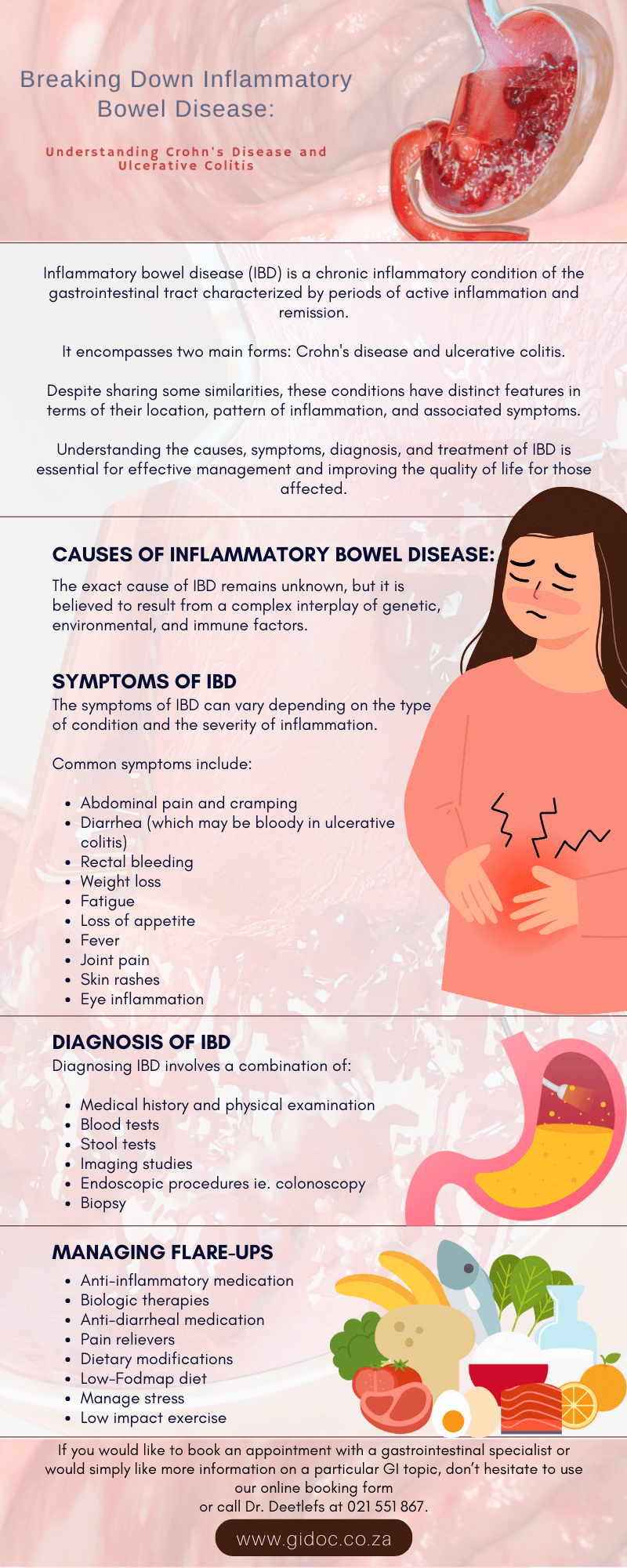
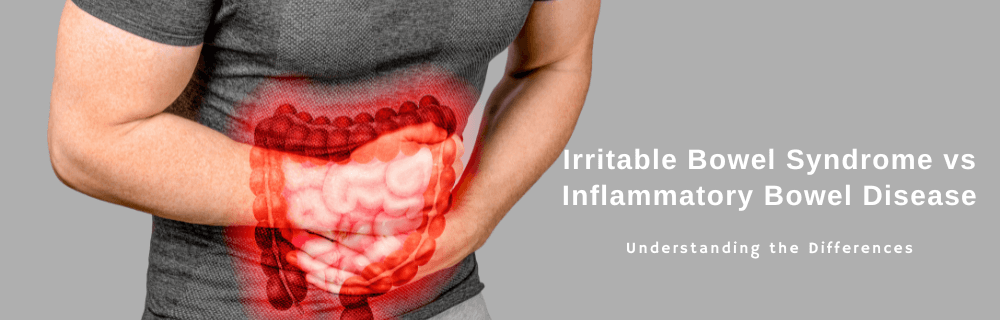
Inflammatory bowel disease (IBD) is a chronic inflammatory condition of the gastrointestinal tract characterized by periods of active inflammation and remission.

It encompasses two main forms: Crohn’s disease and ulcerative colitis.

Despite sharing some similarities, these conditions have distinct features in terms of their location, pattern of inflammation, and associated symptoms.

Understanding the causes, symptoms, diagnosis, and treatment of IBD is essential for effective management and improving the quality of life for those affected.


Causes of Inflammatory Bowel Disease


The exact cause of IBD remains unknown, but it is believed to result from a complex interplay of genetic, environmental, and immune factors.

Genetic predisposition plays a significant role, as individuals with a family history of IBD are at higher risk.

Environmental factors such as diet, smoking, stress, and microbial exposures may also contribute to the development of IBD.

Dysregulation of the immune system leads to chronic inflammation in the gastrointestinal tract, triggering the symptoms associated with IBD.


Symptoms of Inflammatory Bowel Disease


The symptoms of IBD can vary depending on the type of condition and the severity of inflammation.

Common symptoms include:

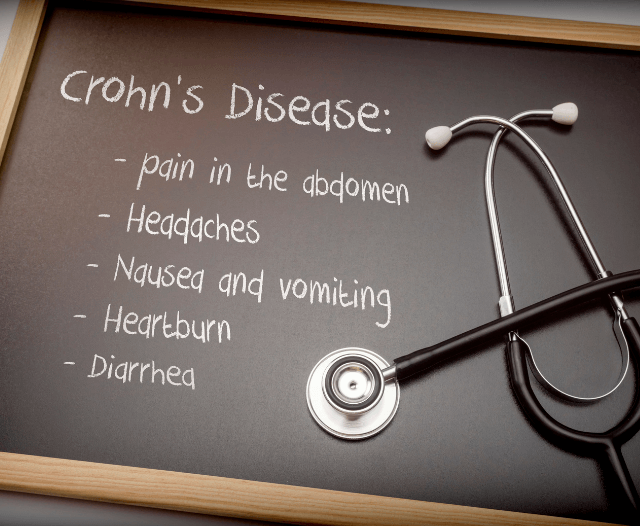
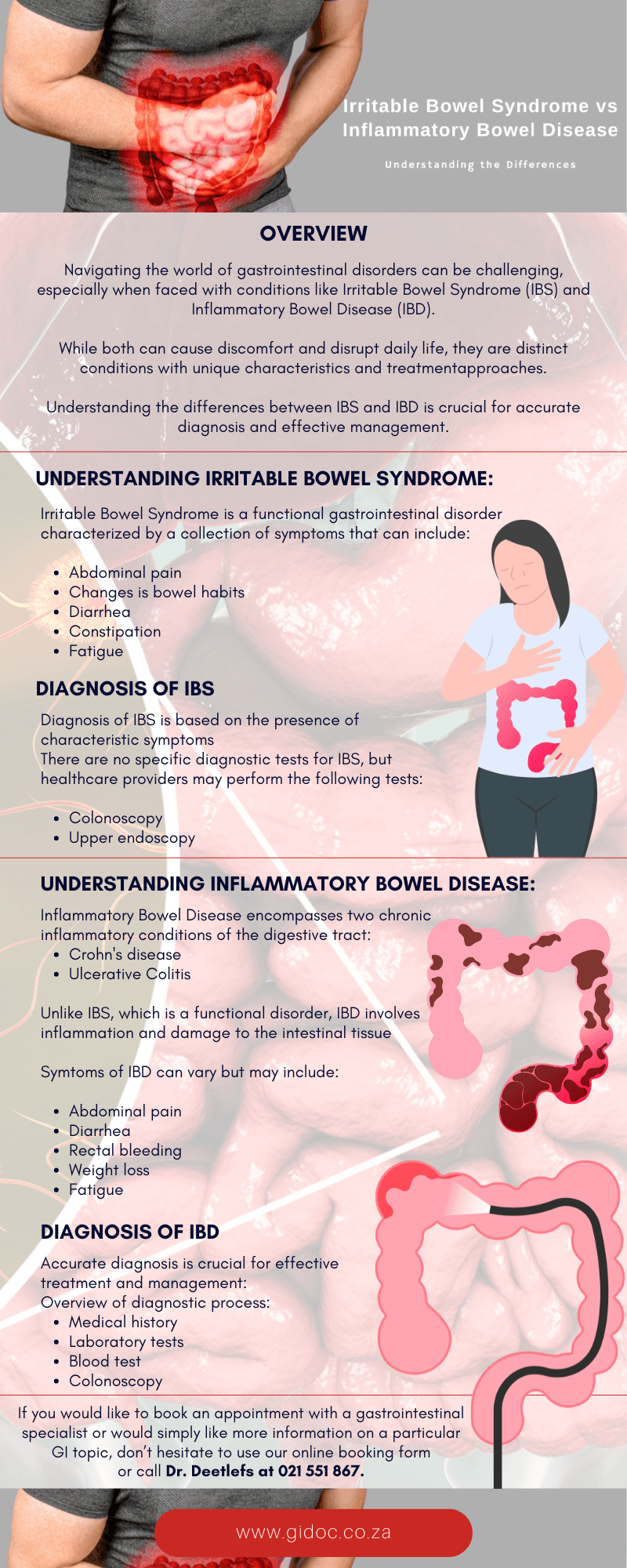
  • Abdominal pain and cramping
  • Diarrhea (which may be bloody in ulcerative colitis)
  • Rectal bleeding
  • Weight loss
  • Fatigue
  • Loss of appetite
  • Fever
  • Joint pain
  • Skin rashes
  • Eye inflammation

These symptoms can range from mild to severe and may fluctuate over time, with periods of active disease (flare-ups) alternating with periods of remission.

inflammatory_bowel_symptoms


Diagnosis of Inflammatory Bowel Disease


Diagnosing IBD involves a combination of clinical evaluation, laboratory tests, imaging studies, and endoscopic procedures. The following diagnostic approaches may be utilized:

  1. Medical History and Physical Examination: A healthcare provider will review the patient’s medical history and perform a physical examination to assess symptoms and signs of IBD.
  2. Blood Tests: Blood tests may be conducted to assess inflammation (e.g., C-reactive protein, erythrocyte sedimentation rate), nutritional deficiencies, and markers associated with IBD (e.g., antibodies).
  3. Stool Tests: Stool samples may be analyzed for signs of infection, inflammation, or blood.
  4. Imaging Studies: Imaging tests such as X-rays, computed tomography (CT) scans, magnetic resonance imaging (MRI), or ultrasound may be used to visualize the gastrointestinal tract and assess for signs of inflammation or complications.
  5. Endoscopic Procedures: Colonoscopy and flexible sigmoidoscopy allow direct visualization of the colon and rectum, enabling the healthcare provider to assess inflammation, take tissue samples (biopsies), and exclude other conditions.
  6. Biopsy: Tissue samples obtained during endoscopic procedures are examined under a microscope to confirm the presence of inflammation and distinguish between Crohn’s disease and ulcerative colitis.


Colonoscopy Explained


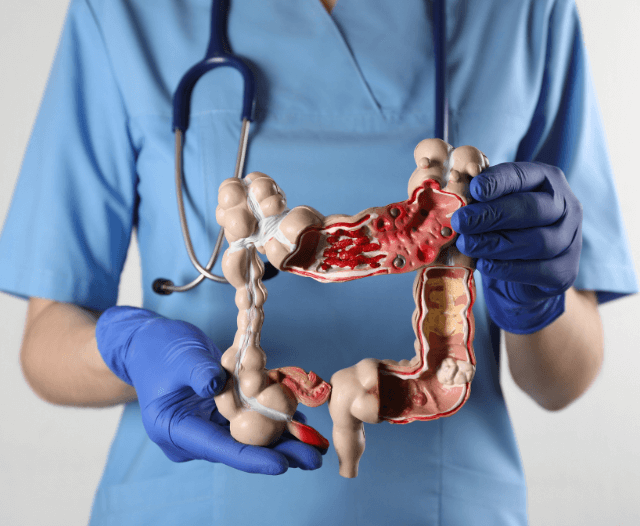
A colonoscopy is a minimally invasive medical procedure used to examine the lining of the large intestine (colon) and rectum.

During the procedure, a thin, flexible tube with a tiny camera at the end (colonoscope) is inserted into the rectum and guided through the colon.

This allows the healthcare provider to visualize the entire length of the colon and identify any abnormalities, such as polyps, ulcers, inflammation, or signs of colorectal cancer.

Colonoscopy is considered the gold standard for colorectal cancer screening and can also help diagnose and treat various gastrointestinal conditions, including inflammatory bowel disease (IBD) and diverticulosis.

One of the primary benefits of colonoscopy is its ability to detect colorectal cancer at an early stage when it is most treatable and may even prevent cancer by removing precancerous polyps during the procedure.

Additionally, colonoscopy can provide valuable information for diagnosing and managing other gastrointestinal disorders, leading to better health outcomes for patients.

Despite the potential discomfort associated with preparation and the procedure itself, the benefits of colonoscopy in terms of early detection, prevention, and treatment of colorectal conditions far outweigh any temporary discomfort.

Regular screening colonoscopies are recommended for individuals at average risk of colorectal cancer starting at age 50 and at earlier ages for those with certain risk factors or family history.


ibd_diagnosis


Treatment of Inflammatory Bowel Disease


The goals of treatment for IBD are to reduce inflammation, control symptoms, induce and maintain remission, and improve the quality of life. Treatment strategies may include:

  1. Medications:

– Anti-inflammatory drugs (e.g., 5-aminosalicylates, corticosteroids)

– Immunomodulators (e.g., azathioprine, methotrexate)

– Biologic therapies (e.g., tumor necrosis factor-alpha inhibitors)

– Antibiotics (for specific complications or infections)

  1. Nutritional Therapy: Dietary modifications or nutritional supplementation may be recommended to address specific nutritional deficiencies or alleviate symptoms.
  2. Lifestyle Changes: Managing stress, getting regular exercise, staying hydrated, and avoiding tobacco use may help reduce symptoms and improve overall well-being.
  3. Surgery: In cases of severe disease or complications (e.g., intestinal obstruction, perforation, dysplasia, cancer), surgical intervention may be necessary to remove diseased portions of the intestine or alleviate symptoms.


Managing IBD Flare-ups


Managing flare-ups of inflammatory bowel disease (IBD) involves a multifaceted approach aimed at reducing inflammation, alleviating symptoms, and promoting healing of the gastrointestinal tract.

One key aspect of managing flare-ups is medication therapy, which may include anti-inflammatory drugs such as corticosteroids, 5-aminosalicylates, and immunomodulators to help control inflammation and induce remission.

Biologic therapies, which target specific molecules involved in the inflammatory response, may also be prescribed for moderate to severe flare-ups.

Additionally, symptom management strategies such as anti-diarrheal medications, pain relievers, and dietary modifications can help alleviate symptoms like diarrhea, abdominal pain, and cramping.

Patients may be advised to follow a low-residue or low-FODMAP diet to reduce bowel irritation and avoid triggering foods such as spicy or high-fiber foods. Maintaining adequate hydration, getting enough rest, and managing stress through relaxation techniques or counseling can also play a crucial role in managing flare-ups.

In some cases, hospitalization may be necessary for severe flare-ups or complications such as dehydration, severe pain, or intestinal obstruction. During hospitalization, patients may receive intravenous fluids, nutritional support, and more intensive medical therapy.

It’s important for individuals with IBD to work closely with their healthcare providers to develop a personalized management plan tailored to their specific needs and circumstances, with the goal of achieving symptom control, preventing complications, and improving quality of life.

Regular monitoring and follow-up care are essential for adjusting treatment as needed and optimizing long-term outcomes.

ibd_treatment_options 

Conclusion:


Inflammatory bowel disease is a chronic condition characterized by inflammation of the gastrointestinal tract, which can significantly impact a person’s quality of life.

While the exact cause of IBD remains unknown, a combination of genetic, environmental, and immune factors is believed to contribute to its development.

Early diagnosis and appropriate treatment are essential for managing symptoms, preventing complications, and improving long-term outcomes for individuals with IBD.

With proper medical care, lifestyle modifications, and ongoing support, many people with IBD can achieve symptom control and lead fulfilling lives.

If you suspect you may have IBD or are experiencing symptoms suggestive of the condition, consult with a healthcare provider for evaluation, diagnosis, and personalized treatment recommendations.

crohns_ulcerataive_infographic


Contact Doctor Deetlefs


Gi Doc Capetown is a practice founded to provide medical solutions in the area of gastroenterology.

Over the years, Dr Eduan Deetlefs has earned the reputation of a trusted health expert providing consultative, diagnostic, and therapeutic endoscopic and related services to patients in
Cape Town and beyond.

If you would like to book an appointment with a gastrointestinal (GI) specialist or would simply like more information on a particular GI topic, don’t hesitate to use our online booking form or call Dr. Deetlefs at 021 551 867.

GIDoc Cape Town

Patient-focused GI treatments and procedures in Cape Town.

Monday-Friday 8AM-4PM.

Connect with Us

© Dr. Eduan Deetlefs, Registered Gastroenterologist, GI Doc Cape Town

Our website information is not intended or implied to be a substitute for professional medical advice, diagnosis or treatment. Please consult a doctor about your specific condition. Only a trained physician can determine an accurate diagnosis and proper treatment.

Colorectal Cancer Month: A Comprehensive Guide to Prevention, Screening, and Awareness

Colorectal Cancer Month: A Comprehensive Guide to Prevention, Screening, and Awareness

Introduction:


Colorectal Cancer Month, observed annually in March, serves as a critical period for raising awareness about colorectal cancer, promoting prevention strategies, and emphasizing the importance of early detection through screening.

This guide aims to delve into the significance of Colorectal Cancer Month, explore risk factors associated with the disease, discuss screening options, highlight advocacy efforts, and provide actionable steps for individuals to take charge of their colorectal health.


Understanding Colorectal Cancer:


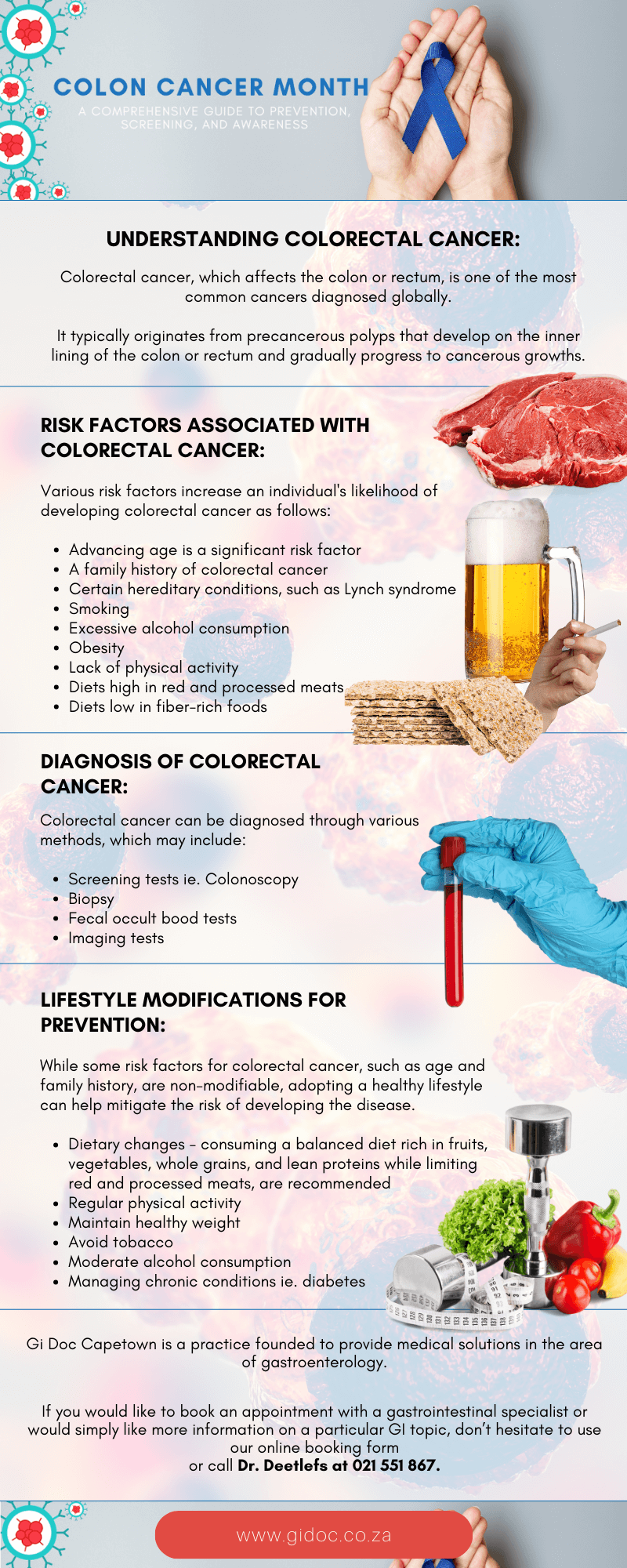
Colorectal cancer, which affects the colon or rectum, is one of the most common cancers diagnosed globally.

It typically originates from precancerous polyps that develop on the inner lining of the colon or rectum and gradually progress to cancerous growths.

While the exact cause of colorectal cancer remains unclear, several risk factors contribute to its development, including age, family history of colorectal cancer, personal history of inflammatory bowel disease, genetic predisposition, unhealthy lifestyle habits, and dietary factors.


risk_factors_colorectal_Cancer


Risk Factors Associated with Colorectal Cancer:

Various risk factors increase an individual’s likelihood of developing colorectal cancer. Advancing age is a significant risk factor, with the majority of cases diagnosed in individuals over the age of 50.

A family history of colorectal cancer or certain hereditary conditions, such as Lynch syndrome or familial adenomatous polyposis (FAP), can significantly elevate the risk.

Additionally, lifestyle factors such as smoking, excessive alcohol consumption, obesity, lack of physical activity, and diets high in red and processed meats and low in fiber-rich foods increase the risk of colorectal cancer.


Diagnosis of Colorectal Cancer:

Colorectal cancer can be diagnosed through various methods, which may include:

  1. Screening Tests: Screening tests are instrumental in detecting colorectal cancer in its early stages or identifying precancerous polyps before they develop into cancer. Common screening tests include:

Colonoscopy: A procedure in which a flexible, lighted tube with a camera is inserted into the rectum to examine the entire colon and rectum for abnormalities, such as polyps or cancerous growths.

– Fecal Occult Blood Test (FOBT) and Fecal Immunochemical Test (FIT): These tests detect hidden blood in the stool, which can be a sign of colorectal cancer or precancerous polyps. They are non-invasive and can be performed at home by collecting stool samples.

– Stool DNA Test: This test analyzes stool samples for specific DNA markers associated with colorectal cancer or precancerous polyps.

Flexible Sigmoidoscopy: Similar to a colonoscopy, but it examines only the lower part of the colon and rectum.


  1. Diagnostic Procedures: If a screening test suggests the presence of colorectal cancer or if an individual experiences symptom suggestive of colorectal cancer, further diagnostic procedures may be necessary. These procedures may include:

– Colonoscopy: While colonoscopy is primarily a screening tool, it can also be used for diagnostic purposes to biopsy suspicious areas or remove polyps for examination under a microscope.

– Biopsy: During a colonoscopy or sigmoidoscopy, a small tissue sample (biopsy) may be taken from any suspicious areas for laboratory analysis to confirm the presence of cancerous cells.

– Imaging Tests: Imaging tests such as computed tomography (CT) scans, magnetic resonance imaging (MRI), and positron emission tomography (PET) scans may be performed to evaluate the extent of cancer spread (staging) and identify any metastases.


  1. Symptom Evaluation: Individuals experiencing symptoms associated with colorectal cancer, such as rectal bleeding, changes in bowel habits (such as diarrhea or constipation), abdominal pain or cramping, unintended weight loss, or fatigue, should promptly consult a healthcare professional.A thorough medical history, physical examination, and additional diagnostic tests may be conducted to evaluate the cause of these symptoms and determine if further investigation for colorectal cancer is warranted.

Early detection of colorectal cancer through screening and diagnostic procedures is critical for improving treatment outcomes and reducing mortality rates associated with the disease.

Individuals should discuss their colorectal cancer screening options and risk factors with their healthcare providers to develop a personalized screening plan based on their age, family history, and overall health status.


Importance of Screening for Colorectal Cancer:


Early detection through screening plays a crucial role in reducing the incidence and mortality of colorectal cancer. Screening tests can detect precancerous polyps or early-stage cancer when treatment is most effective.

Several screening modalities are available, including colonoscopy, fecal occult blood tests (FOBT), fecal immunochemical tests (FIT), stool DNA tests, flexible sigmoidoscopy, and virtual colonoscopy (CT colonography).

The American Cancer Society recommends regular screening for individuals at average risk beginning at age 45, with earlier initiation and more frequent screening for those with higher risk factors.

colorectal_cancer_colonoscopy

Promoting Awareness and Education:


Colorectal Cancerpolyps Month serves as a platform for raising awareness about the importance of colorectal cancer screening, risk factors, symptoms, and available resources.

Educational campaigns, community events, social media initiatives, and media outreach efforts are instrumental in disseminating information and encouraging individuals to prioritize their colorectal health.

Advocacy organizations, healthcare providers, and individuals affected by colorectal cancer play pivotal roles in promoting awareness and advocating for policies that support prevention, screening, and access to care.

colorectal_cancer_lifestyle_changes

Lifestyle Modifications for Prevention:


While some risk factors for colorectal cancer, such as age and family history, are non-modifiable, adopting a healthy lifestyle can help mitigate the risk of developing the disease.

Dietary changes, such as consuming a balanced diet rich in fruits, vegetables, whole grains, and lean proteins while limiting red and processed meats, are recommended.

Regular physical activity, maintaining a healthy weight, avoiding tobacco use, moderating alcohol consumption, and managing chronic conditions like diabetes and hypertension contribute to overall colorectal health.


Advocacy Efforts and Support Networks:


Colorectal Cancer Month provides an opportunity for advocacy organizations, healthcare professionals, survivors, caregivers, and individuals affected by colorectal cancer to come together and amplify their voices.

Advocacy efforts focus on raising funds for research, supporting patient assistance programs, and advocating for policy changes that prioritize colorectal cancer prevention, screening, and treatment.

Additionally, support networks and resources are available to provide emotional, practical, and financial support to individuals and families affected by colorectal cancer.


Conclusion: Nourishing Your Gut for a Healthier You


Colorectal Cancer Month serves as a poignant reminder of the importance of prioritizing colorectal health and taking proactive steps to prevent and detect colorectal cancer early.

By raising awareness, promoting screening initiatives, advocating for policy changes, and supporting research efforts, individuals and communities can make a tangible impact in the fight against colorectal cancer.

Together, we can strive towards a future where colorectal cancer is a preventable and treatable disease, ultimately saving lives and improving outcomes for those affected by the condition.


colorectal_cancer_month_infographic

Get In Contact with The Expert – Dr. Deetlefs


Dr Deetlefs has admitting rights and performs endoscopies at both Mediclinic Milnerton and Life Vincent Pallotti Hospitals.

Services include consultations for gastrointestinal and liver related diseases with a specific interest in inflammatory bowel disease and iron deficiency anemia caused by obscure gastrointestinal bleeding.

He furthermore performs numerous more specialised procedures such as capsule endoscopy, double balloon enteroscopy, ERCP and various interventional procedures including polypectomies for large polyps, haemostasis of bleeding lesions, ablation of Barrett’s oesophagus and placement of feeding tubes (PEG).


Gi Doc Capetown is a practice founded to provide medical solutions in the area of gastroenterology.

Over the years, Dr Eduan Deetlefs has earned the reputation of a trusted health expert providing consultative, diagnostic, and therapeutic endoscopic and related services to patients in
Cape Town and beyond.

If you would like to book an appointment with a gastrointestinal (GI) specialist or would simply like more information on a particular GI topic, don’t hesitate to use our online booking form or call Dr. Deetlefs at 021 551 867.


GIDoc Cape Town

Patient-focused GI treatments and procedures in Cape Town.

Monday-Friday 8AM-4PM.

Connect with Us

© Dr. Eduan Deetlefs, Registered Gastroenterologist, GI Doc Cape Town

Our website information is not intended or implied to be a substitute for professional medical advice, diagnosis or treatment. Please consult a doctor about your specific condition. Only a trained physician can determine an accurate diagnosis and proper treatment.

What to Expect During a Gastroscopy Procedure: Step-by-Step Guide

What to Expect During a Gastroscopy Procedure: Step-by-Step Guide

Introduction


For individuals facing gastrointestinal issues, the prospect of undergoing a gastroscopy procedure can be both daunting and mysterious.

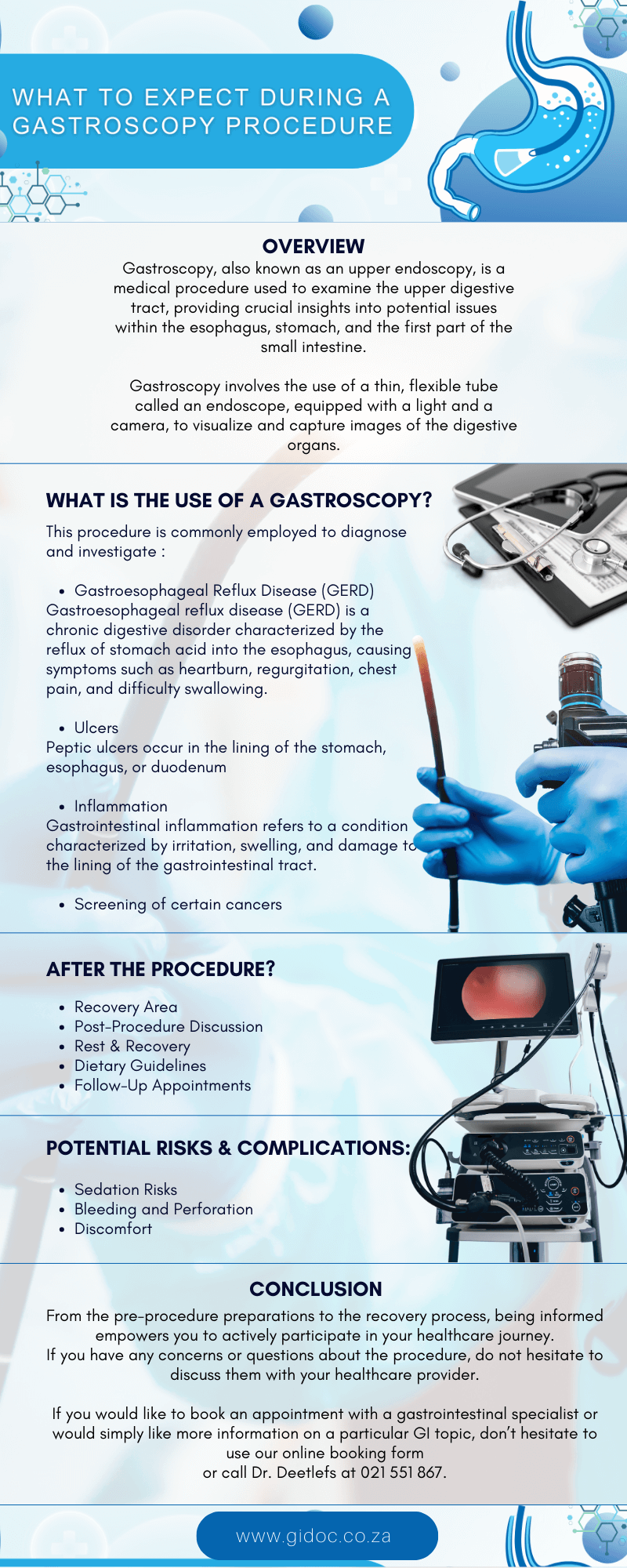
Gastroscopy, also known as an upper endoscopy, is a medical procedure used to examine the upper digestive tract, providing crucial insights into potential issues within the esophagus, stomach, and the first part of the small intestine.

In this comprehensive guide, we will walk you through what to expect during a gastroscopy procedure, step by step, alleviating uncertainties and empowering you with knowledge.


What is Gastroscopy?


Gastroscopy involves the use of a thin, flexible tube called an endoscope, equipped with a light and a camera, to visualize and capture images of the digestive organs.

This procedure is commonly employed to diagnose and investigate various gastrointestinal conditions, including gastroesophageal reflux disease (GERD), ulcers, inflammation, and even to screen for certain cancers.

Gastroesophageal reflux disease:
Gastroesophageal reflux disease (GERD) is a chronic digestive disorder characterized by the reflux of stomach acid into the esophagus, causing symptoms such as heartburn, regurgitation, chest pain, and difficulty swallowing.

It occurs when the lower esophageal sphincter (LES)—a muscular ring at the junction between the esophagus and the stomach—does not function properly, allowing stomach contents to flow back up into the esophagus.

Ulcer:  An ulcer is a type of open sore or lesion that forms on the skin or mucous membranes of the body.

When discussing ulcers in the context of gastrointestinal health, we typically refer to peptic ulcers, which occur in the lining of the stomach, esophagus, or duodenum (the first part of the small intestine).


Gastrointestinal inflammation:
Gastrointestinal inflammation refers to a condition characterized by irritation, swelling, and damage to the lining of the gastrointestinal tract.

This inflammation can affect various parts of the digestive system, including the esophagus, stomach, small intestine, and large intestine.

It can be caused by a wide range of factors, including infections, autoimmune disorders, dietary factors, and medications.


Before the Procedure


Preparation Instructions:

Before the gastroscopy, your healthcare provider will provide detailed instructions on how to prepare for the procedure.

This may include fasting for a specific period, typically overnight, to ensure a clear view of the digestive tract.


Medication Adjustments:

Inform your healthcare provider about any medications you are currently taking, especially blood thinners or anticoagulants.

In some cases, adjustments to your medication regimen may be necessary before the procedure.


Health Assessment:

A pre-procedure health assessment will be conducted to ensure that you are physically prepared for the gastroscopy.

This may involve checking vital signs, reviewing your medical history, and addressing any concerns you may have.

gastroscopy_procedure

The Gastroscopy Procedure


Arrival at the Medical Facility:

On the day of the procedure, you will check in at the medical facility. The healthcare team will guide you through the necessary paperwork and answer any last-minute questions you may have.


Consent and Explanation:

Before the procedure, you will meet with the gastroenterologist or endoscopist who will perform the gastroscopy.

They will explain the procedure in detail, discuss its purpose, and address any concerns you might have. You will be asked to sign a consent form indicating your understanding and agreement to undergo the procedure.


Administration of Anesthesia:

Gastroscopy is typically performed under sedation to ensure your comfort and relaxation during the procedure. You may receive an intravenous (IV) sedative, and in some cases, a local anesthetic to numb the throat.


Positioning:

Once sedated, you will be positioned on your left side. A mouthguard may be placed to protect your teeth and the endoscope.


Insertion of the Endoscope:

The endoscope, a thin, flexible tube with a light and camera at its tip, will be gently inserted through your mouth and guided down the esophagus.

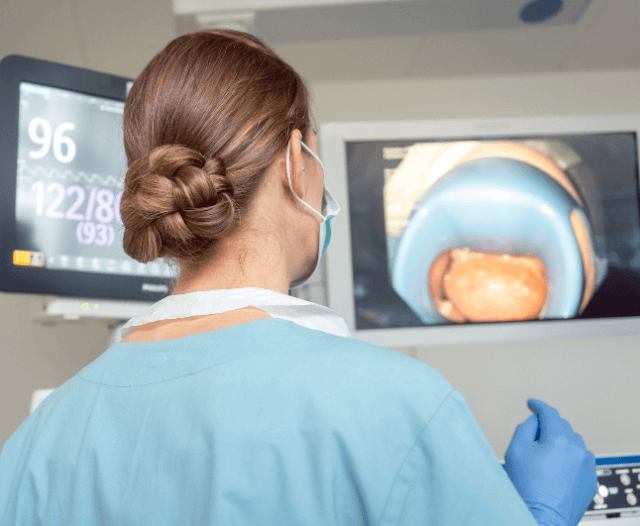
The camera transmits real-time images to a monitor, allowing the healthcare team to examine the lining of the digestive organs.


Visual Examination:

The gastroenterologist will carefully navigate the endoscope through the esophagus, stomach, and the initial part of the small intestine.

They will inspect the mucosal lining for abnormalities such as inflammation, ulcers, tumors, or other structural issues.


Biopsy (if necessary):

During the procedure, the gastroenterologist may take tissue samples (biopsies) for further examination.

This is a routine and relatively painless process. Biopsies can provide valuable information about the presence of infections, inflammation, or abnormalities.


Air Insufflation:

To enhance visibility, air may be gently introduced through the endoscope into the digestive tract. This can cause a temporary feeling of fullness or bloating.


Completion of Procedure:

Once the examination is complete, the endoscope will be carefully removed. You will be monitored as you recover from the sedation.

After the Procedure


Recovery Area:

You will be taken to a recovery area where you will be monitored as the sedation wears off. It is common to experience a mild sore throat or bloating due to the air insufflation.


Post-Procedure Discussion:

The gastroenterologist will meet with you to discuss their initial findings and share any immediate insights. If biopsies were taken, the results may take a few days and will be communicated to you in a follow-up appointment.


Rest and Recovery:

It’s advisable to rest for the remainder of the day. You should refrain from driving or making important decisions until the effects of the sedation wear off completely.


Dietary Guidelines:

You may be advised to start with a light diet and gradually resume your regular eating habits. Avoiding hot or spicy foods, as well as heavy or greasy meals, can help ease any residual discomfort.


Follow-Up Appointments:

Your healthcare provider will schedule a follow-up appointment to discuss the complete results of the gastroscopy, including any biopsy findings, and to determine the next steps in your care.

gastroscopy_aftercare


Potential Risks and Complications


While gastroscopy is generally considered safe, it is important to be aware of potential risks and complications associated with the procedure:

  • Sedation Risks: The use of sedative medications during gastroscopy carries a risk of complications, such as respiratory depression, cardiovascular events, or allergic reactions. However, these risks are minimal and are carefully monitored by the healthcare team.


  • Bleeding and Perforation: In rare cases, gastroscopy may cause bleeding or perforation of the gastrointestinal tract, particularly if therapeutic interventions are performed. However, the risk of these complications is low, especially when the procedure is performed by experienced gastroenterologists.


  • Discomfort: Some patients may experience mild discomfort or a gagging sensation during the insertion of the endoscope. However, sedation is typically administered to minimize discomfort and ensure patient comfort throughout the procedure.


After the Procedure


After the gastroscopy, you will be taken to a recovery area where you will be monitored as the effects of the sedation wear off.

You may experience some temporary side effects, such as a sore throat, bloating, or mild discomfort.

The healthcare team will provide instructions for post-procedure care, including dietary guidelines, activity restrictions, and when to follow up with your healthcare provider.


Conclusion


Navigating the unknowns of a gastroscopy procedure becomes more manageable with a comprehensive understanding of each step.

From the pre-procedure preparations to the recovery process, being informed empowers you to actively participate in your healthcare journey.

If you have any concerns or questions about the procedure, do not hesitate to discuss them with your healthcare provider.

Remember, the goal of a gastroscopy is to provide valuable insights into your digestive health, helping guide further diagnosis and treatment decisions.


gastroscopy_infographic


Contact Dr. Deetlefs


Dr. Deetlefs has earned the reputation of a trusted health expert providing consultative, diagnostic, and therapeutic endoscopic and related services to patients in Cape Town and beyond. 

Dr. Deetlefs can be contacted to confirm the estimated breakdown should you be interested in having the procedure done.

GIDoc Cape Town

Patient-focused GI treatments and procedures in Cape Town.

Monday-Friday 8AM-4PM.

Connect with Us

© Dr. Eduan Deetlefs, Registered Gastroenterologist, GI Doc Cape Town

Our website information is not intended or implied to be a substitute for professional medical advice, diagnosis or treatment. Please consult a doctor about your specific condition. Only a trained physician can determine an accurate diagnosis and proper treatment.
Early Detection Saves Lives: The Impact of Routine Screenings on Disease Prevention

Early Detection Saves Lives: The Impact of Routine Screenings on Disease Prevention

Overview


In the realm of healthcare, prevention is often hailed as the cornerstone of well-being.

By detecting health issues in their early stages, medical professionals can intervene swiftly, potentially averting the progression of diseases and saving lives.

Routine screenings play a pivotal role in this preventive approach, offering individuals the opportunity to identify underlying health concerns before they escalate into more serious conditions.

In this comprehensive guide, we will delve into the significance of routine screenings, explore their impact on disease prevention, and highlight the importance of proactive healthcare management.


Understanding Routine Screenings


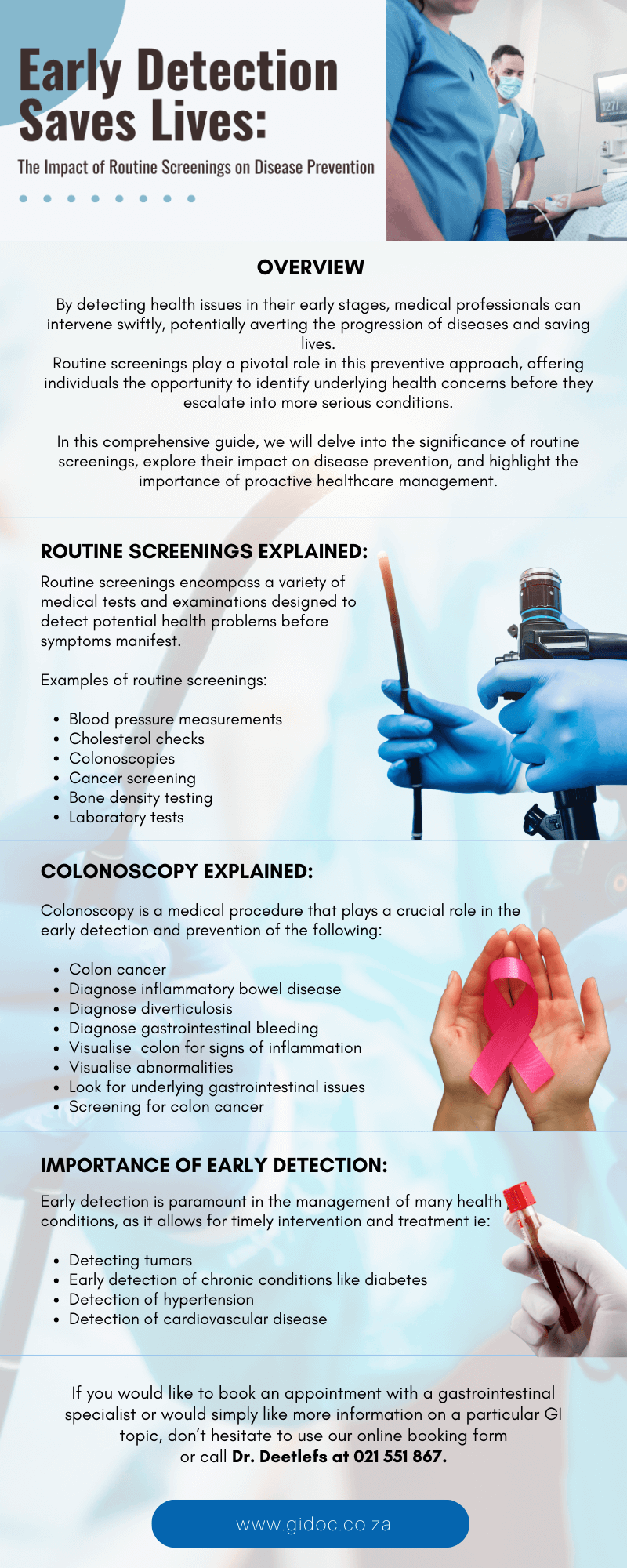
Routine screenings encompass a variety of medical tests and examinations designed to detect potential health problems before symptoms manifest.

These screenings are typically recommended based on factors such as age, gender, family history, and lifestyle habits.

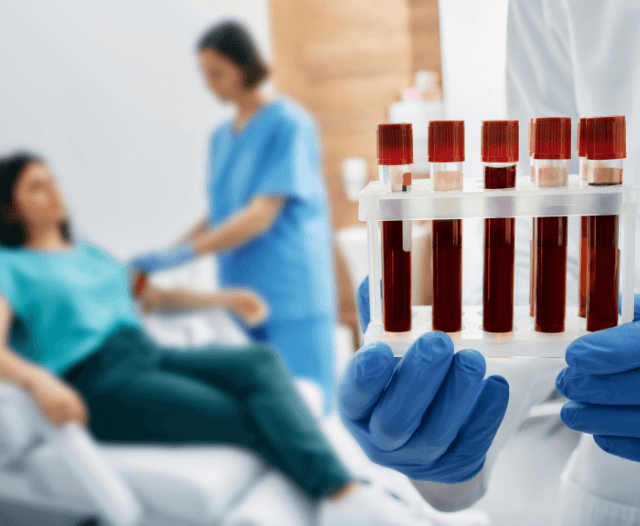
Examples of routine screenings include blood pressure measurements, cholesterol checks, mammograms, Pap smears, colonoscopies, and various laboratory tests.


Colonoscopy Explained


Colonoscopy is a medical procedure that plays a crucial role in the early detection and prevention of colorectal cancer and other gastrointestinal conditions.

During a colonoscopy, a flexible tube called a colonoscope is inserted into the rectum and guided through the colon, allowing the physician to visually inspect the lining of the large intestine. This procedure is typically performed under sedation to ensure patient comfort and relaxation throughout the examination.

One of the primary purposes of a colonoscopy is to screen for colorectal cancer, the third most common cancer worldwide.

Colorectal cancer often begins as small growths called polyps, which can develop on the inner lining of the colon or rectum.

While most polyps are benign, some may progress to cancer over time. During a colonoscopy, the physician can identify and remove any suspicious polyps, reducing the risk of colorectal cancer development.

In addition to colorectal cancer screening, colonoscopies are also used to diagnose and evaluate various gastrointestinal conditions such as inflammatory bowel disease (IBD), diverticulosis, and gastrointestinal bleeding.

The procedure allows the physician to visually inspect the colon for signs of inflammation, ulceration, or other abnormalities that may indicate underlying gastrointestinal issues.

Colonoscopies are recommended for individuals at average risk for colorectal cancer starting at age 45 to 50, with follow-up screenings typically recommended every 10 years thereafter.

However, individuals with certain risk factors, such as a family history of colorectal cancer or a personal history of inflammatory bowel disease, may require earlier or more frequent screenings.

It is essential for individuals to discuss their screening recommendations with their healthcare provider to determine the most appropriate screening schedule based on their individual risk factors and medical history.

While the thought of undergoing a colonoscopy may be intimidating for some, it is essential to recognize the life-saving potential of this procedure.

Colorectal cancer is highly treatable when detected early, with a five-year survival rate of over 90% for localized stage colorectal cancer.

By undergoing regular colonoscopies as recommended, individuals can significantly reduce their risk of developing colorectal cancer and improve their chances of successful treatment and survival in the event of a cancer diagnosis.

In conclusion, colonoscopy is a vital tool in the prevention, early detection, and management of colorectal cancer and other gastrointestinal conditions.

By undergoing regular screenings as recommended, individuals can take proactive steps to protect their health and well-being.

While the procedure may seem daunting, the potential benefits far outweigh any temporary discomfort or inconvenience.

It is essential for individuals to prioritize their colorectal health and discuss their screening options with their healthcare provider to ensure timely and appropriate care.

importance_of_early_detection

The Importance of Early Detection


Early detection is paramount in the management of many health conditions, as it allows for timely intervention and treatment.

For instance, in the case of cancer, detecting tumors at an early stage often enables more effective treatment options and improves overall prognosis.

Similarly, early detection of chronic conditions such as diabetes, hypertension, and cardiovascular disease can lead to better outcomes and reduce the risk of complications.


Disease Prevention Through Screening


Routine screenings serve as a proactive measure to prevent disease by identifying risk factors and detecting abnormalities in their nascent stages.

By identifying potential health concerns early on, individuals can take appropriate steps to mitigate risks and make lifestyle modifications that promote better health outcomes.

For example, individuals identified as at risk for developing type 2 diabetes through blood glucose screenings can implement dietary changes, exercise regularly, and monitor their blood sugar levels to prevent or delay the onset of the disease.

importance_of_screening


Screening Guidelines and Recommendations


Guidelines for routine screenings vary depending on factors such as age, gender, and individual risk factors.

Healthcare organizations and professional medical associations regularly update screening guidelines based on the latest research and evidence-based practices.

It is essential for individuals to consult with their healthcare providers to determine which screenings are appropriate for their age, health status, and medical history.


Common Types of Routine Screenings


  1. Blood Pressure Measurement: High blood pressure, or hypertension, is a significant risk factor for cardiovascular disease and stroke. Routine blood pressure checks can help identify hypertension early and initiate appropriate management strategies.


  1. Cholesterol Testing: High cholesterol levels can contribute to the development of heart disease and stroke. Regular cholesterol screenings assess lipid levels in the blood, allowing for early intervention through lifestyle changes or medication.


  1. Cancer Screenings: Cancer screenings such as mammograms, Pap smears, prostate-specific antigen (PSA) tests, and colonoscopies are critical for detecting various types of cancer in their early stages when treatment is most effective.


  1. Diabetes Screening: Screening for diabetes involves assessing blood glucose levels through tests such as fasting blood sugar tests, oral glucose tolerance tests, and hemoglobin A1c tests. Early detection of diabetes allows for prompt intervention and management to prevent complications.


  1. Bone Density Testing: Bone density screenings, such as dual-energy X-ray absorptiometry (DXA) scans, assess bone strength and density, helping to diagnose osteoporosis and assess fracture risk.

screening_diagnosis

Overcoming Barriers to Screening


Despite the clear benefits of routine screenings, several barriers may prevent individuals from undergoing recommended tests.

These barriers may include lack of awareness, fear or anxiety about the screening process, financial constraints, and cultural or language barriers.

Healthcare providers play a crucial role in addressing these barriers by providing education, offering support and encouragement, and ensuring access to affordable screening services.


importance_of_early_detection


Conclusion: Empowering Health Through Early Detection


Routine screenings are invaluable tools for disease prevention and early detection, offering individuals the opportunity to take proactive control of their health and well-being.

By undergoing recommended screenings according to established guidelines and recommendations, individuals can identify potential health concerns early, enabling timely intervention and treatment.

Ultimately, early detection saves lives, underscoring the importance of routine screenings in safeguarding health and promoting longevity.

Dr. Deetlefs has earned the reputation of a trusted health expert providing consultative, diagnostic, and therapeutic endoscopic and related services to patients in Cape Town and beyond.

Dr. Deetlefs can be contacted to confirm the estimated breakdown should you be interested in having the procedure done.

GIDoc Cape Town

Patient-focused GI treatments and procedures in Cape Town.

Monday-Friday 8AM-4PM.

Connect with Us

© Dr. Eduan Deetlefs, Registered Gastroenterologist, GI Doc Cape Town

Our website information is not intended or implied to be a substitute for professional medical advice, diagnosis or treatment. Please consult a doctor about your specific condition. Only a trained physician can determine an accurate diagnosis and proper treatment.
Polypectomy: Navigating the Landscape of Precancerous Lesion Removal

Polypectomy: Navigating the Landscape of Precancerous Lesion Removal


Polyps, abnormal tissue growths that can develop in various parts of the body, are commonly found in the colon.

When detected during a colonoscopy, these polyps may be removed through a procedure known as polypectomy.

This comprehensive guide aims to delve into the intricacies of polypectomy, exploring its purpose, the types of polyps encountered, the procedure itself, potential risks, and the significance of this intervention in preventing colorectal cancer.


Introduction


Polyps, although often benign, have the potential to transform into cancerous growths, particularly in the colon.

The importance of polypectomy lies in its role as a preventive measure, removing these precancerous lesions before they can progress.

This guide navigates through the world of polypectomy, shedding light on its significance in colorectal health.


Understanding Polyps and Their Types


Before delving into the specifics of polypectomy, it’s essential to understand the nature of polyps.

There are various types, including adenomatous polyps, hyperplastic polyps, and serrated polyps.

While most polyps are noncancerous, certain types have a higher likelihood of developing into colorectal cancer, underscoring the importance of early detection and removal.


Types of Polyps:

Polyps are abnormal tissue growths that can develop in various parts of the body, and they are commonly found in the colon.

The types of polyps can vary based on their characteristics and potential for malignancy. Here are some of the main types of polyps:


  1. Adenomatous Polyps:
  • Description:
    Adenomatous polyps are the most common type of polyps found in the colon.
  • Characteristics:
    They can be further classified into three subtypes – tubular, tubulovillous, and villous
    adenomas – based on their structure. Villous adenomas have a higher risk of developing into cancer.
  • Potential for Malignancy:
    Adenomatous polyps are considered precancerous, and their removal is crucial in preventing the development of colorectal cancer.


  1. Hyperplastic Polyps:
  • Description:
    Hyperplastic polyps are generally noncancerous and are more common in the rectum.
  • Characteristics:
    They are typically small and have a smoother appearance compared to adenomatous polyps.
  • Potential for Malignancy:
    While hyperplastic polyps themselves are not considered precancerous, some subtypes, especially those in the serrated category, may have an increased risk of developing into cancer.


  1. Serrated Polyps:
  • Description:
    Serrated polyps have a saw-toothed appearance under the microscope.
  • Characteristics: This category includes various types, such as traditional serrated adenomas, sessile serrated adenomas, and hyperplastic polyps with serrated features.
  • Potential for Malignancy: Some serrated polyps, particularly sessile serrated adenomas, are associated with an increased risk of developing into cancer.


  1. Inflammatory Polyps:
  • Description:
    Inflammatory polyps are typically associated with conditions such as inflammatory bowel disease (IBD).
  • Characteristics:
    They result from the body’s response to inflammation in the colon.
  • Potential for Malignancy:
    Inflammatory polyps themselves are not considered precancerous, but the underlying inflammation may increase the risk of developing colorectal cancer.


  1. Juvenile Polyps:
  • Description:
    Juvenile polyps are rare and are usually found in children.
  • Characteristics:
    They are typically small, and their appearance is distinctive under the microscope.
  • Potential for Malignancy:
    Juvenile polyps are generally noncancerous, but they can cause rectal bleeding and other symptoms.


  1. Peutz-Jeghers Polyps:
  • Description:
    Peutz-Jeghers polyps are associated with a rare genetic condition called Peutz-Jeghers syndrome.
  • Characteristics:
    They are often found in the stomach and small intestine.
  • Potential for Malignancy:
    While the polyps themselves are benign, individuals with Peutz-Jeghers syndrome have an increased risk of various cancers.


It’s important to note that the potential for malignancy varies among different types of polyps.

Regular screenings, such as colonoscopies, are crucial for detecting and removing precancerous polyps, thus preventing the development of colorectal cancer.

Individuals should discuss their specific situation with their healthcare provider to determine the most appropriate screening and surveillance plan based on their risk factors and medical history.


polypectomy_procedure_early_detection

The Importance of Early Detection


Early detection of polyps is paramount in preventing the progression to colorectal cancer.

Regular screenings, such as colonoscopies, play a crucial role in identifying and characterizing polyps, enabling timely intervention through polypectomy.


Polypectomy Procedure: Step by Step

Polypectomy is a vital medical procedure performed during a colonoscopy to remove polyps found in the colon.

These polyps, although often benign, have the potential to develop into colorectal cancer.

The step-by-step guide below provides a comprehensive overview of the polypectomy procedure, emphasizing its significance in preventing the progression of precancerous lesions.


Preparation:

Before the polypectomy procedure, the individual undergoes thorough preparation, typically involving a clear liquid diet and bowel cleansing to ensure optimal visualization of the colon during the colonoscopy.


Anesthesia and Sedation:

Once the patient is prepared, the healthcare provider administers anesthesia or sedation to ensure the patient is comfortable and relaxed during the procedure. In some cases, conscious sedation is used, allowing the patient to remain awake but in a relaxed state.


Insertion of Colonoscope:

The gastroenterologist or endoscopist then inserts a colonoscope into the rectum. A colonoscope is a flexible tube with a light and camera at its tip, allowing the healthcare provider to visualize the inside of the colon on a monitor.


Identification of Polyps:

As the colonoscope is navigated through the colon, the healthcare provider carefully examines the lining for the presence of polyps. Polyps may vary in size and shape, and their characteristics influence the choice of the polypectomy technique.


Snare Polypectomy:

For smaller polyps, a common technique is the snare polypectomy. The gastroenterologist uses a thin wire loop (snare) at the end of the colonoscope to encircle the polyp. Once the polyp is captured, the snare is tightened, cutting the polyp from the colon wall.


Endoscopic Mucosal Resection (EMR):

Larger polyps may require a more intricate technique known as Endoscopic Mucosal Resection (EMR). This technique involves injecting a saline solution beneath the polyp to lift it away from the colon wall. The elevated polyp is then snared and removed.


Electrocautery:

In some cases, particularly if bleeding is a concern, electrocautery may be used during the polypectomy. This involves applying an electrical current to the snare, coagulating blood vessels and minimizing the risk of bleeding.


Removal and Retrieval:

Once the polyp is successfully snared or resected, it is carefully removed from the colon. Larger polyps may be cut into smaller pieces for easier retrieval.


Biopsy (if needed):

In certain situations, the healthcare provider may perform a biopsy of the surrounding tissue to ensure complete removal of the polyp and to assess for any potential malignancy.


Post-Polypectomy Inspection:

After the polypectomy, the gastroenterologist carefully inspects the treated area to ensure there is no bleeding or other complications. Any potential bleeding can be addressed immediately during the procedure.


Recovery and Post-Procedure Care:

Following the polypectomy, the patient is monitored in a recovery area until the effects of sedation wear off. Instructions are provided regarding diet, activity, and any signs or symptoms that should prompt a follow-up.


types_of_polyps


Types of Polypectomy Techniques


Various techniques are utilized in polypectomy, each tailored to the characteristics of the polyp.

Snare polypectomy involves using a wire loop to snare and remove the polyp, while EMR is employed for larger lesions. This section explores the nuances of these techniques and their application.


Beyond Polypectomy: Colorectal Health and Cancer Prevention


Polypectomy is a pivotal intervention in colorectal health, but it is just one aspect of a broader strategy for preventing colorectal cancer.

Lifestyle factors, regular screenings, and awareness play integral roles in maintaining optimal colorectal health.


polypectomy_procedure_infographic


Contact Dr. Deetlefs


In conclusion, polypectomy emerges as a powerful tool in the prevention of colorectal cancer.

By understanding the procedure, its importance, and the collaborative role of individuals and healthcare providers, we empower ourselves in the journey toward optimal colorectal health.

Dr Eduan prides himself on his ability to help his patients to the best of his ability by embracing good listening skills, effective communication, compassion and knowledge and skill honed during years of private gastroenterology practice.

If you would like to book an appointment with a gastrointestinal (GI) specialist or would simply like more information on a particular GI topic, don’t hesitate to use our online booking form or call Dr. Deetlefs at 021 551 867. 

GIDoc Cape Town

Patient-focused GI treatments and procedures in Cape Town.

Monday-Friday 8AM-4PM.

Connect with Us

© Dr. Eduan Deetlefs, Registered Gastroenterologist, GI Doc Cape Town

Our website information is not intended or implied to be a substitute for professional medical advice, diagnosis or treatment. Please consult a doctor about your specific condition. Only a trained physician can determine an accurate diagnosis and proper treatment.

Gastroscopy Unveiled: A Comprehensive Guide to the Procedure, Purpose, and Beyond

Gastroscopy Unveiled: A Comprehensive Guide to the Procedure, Purpose, and Beyond

Introduction

Gastroscopy, a crucial diagnostic tool in modern medicine, provides a direct and visual exploration of the upper gastrointestinal tract.

In this extensive guide, we will navigate through the world of gastroscopy, unraveling its intricacies, exploring its purpose, diving into the procedure itself, and addressing the crucial aspects of preparation, risks, benefits, and post-procedure care.

By understanding gastroscopy comprehensively, individuals can approach this medical procedure with confidence, knowing its significance in uncovering vital insights into digestive health.

The Essence of Gastroscopy

At its core, gastroscopy is a procedure designed to examine the upper gastrointestinal (GI) tract using a flexible endoscope equipped with a tiny camera.

This instrument becomes a lens into the intricate world of the esophagus, stomach, and duodenum, aiding healthcare providers in diagnosing a spectrum of GI conditions.

gastroscopy_benefits


The Purpose and Benefits

Gastroscopy serves as a diagnostic powerhouse, particularly when symptoms such as persistent abdominal pain, difficulty swallowing, or unexplained weight loss arise.

Beyond visual inspection, the procedure allows for the collection of tissue samples (biopsies), aiding in the identification of conditions like inflammation, ulcers, tumors, or infections.


Gastroscopy Step by Step

Gastroscopy, also known as upper endoscopy, is a medical procedure that allows healthcare providers to examine the lining of the upper gastrointestinal tract, including the esophagus, stomach, and duodenum.

This step-by-step guide provides an overview of what individuals can expect during a gastroscopy procedure.

Preparation

Fasting
Before the procedure, individuals are typically required to fast for a specified period, usually overnight. This empty stomach allows for better visualization during the gastroscopy.

Medication Review
It’s essential to review medications with the healthcare provider, as some medications may need to be adjusted or temporarily stopped before the procedure.

Registration
Upon arrival, individuals will go through the registration process. This involves providing necessary information and completing any required paperwork.

Vital Signs
Vital signs, including blood pressure, heart rate, and oxygen saturation, may be checked before the procedure.

Patient Consent
The healthcare provider will explain the procedure, its purpose, potential risks, and benefits. Individuals will have the opportunity to ask questions and provide informed consent for the gastroscopy.

Sedation Option
Gastroscopy is often performed with the use of sedation to enhance patient comfort. The type and level of sedation will be discussed with the healthcare provider, and the patient’s vital signs will be monitored throughout the procedure.

Positioning for Comfort
The individual will be positioned on their left side or back, and a mouthguard may be inserted to protect the teeth and the endoscope during the procedure.

Insertion of the Endoscope
Throat Numbing:  Before the insertion of the endoscope, the back of the throat may be sprayed with a numbing agent to minimize discomfort.

Flexible Endoscope
The gastroenterologist will gently insert the flexible endoscope through the mouth and into the esophagus. The endoscope contains a light and a small camera at its tip.

Visual Inspection
The healthcare provider will carefully guide the endoscope through the esophagus, stomach, and into the duodenum. Images from the camera are transmitted to a monitor in real-time, allowing for a visual inspection of the gastrointestinal lining.

Biopsy and Therapeutic Interventions (if needed)
If abnormalities are detected, the healthcare provider may take tissue samples (biopsies) for further analysis.

Therapeutic Interventions
Gastroscopy can also be used for therapeutic purposes, such as removing polyps or stopping bleeding.

Conclusion of the Procedure
Endoscope Removal – Once the examination and any necessary interventions are complete, the endoscope is gently withdrawn.

Recovery Individuals are monitored in a recovery area until the effects of sedation wear off. This may take a variable amount of time, and patients are typically advised not to drive for the rest of the day.

It’s important for individuals undergoing gastroscopy to follow pre-procedural instructions carefully and communicate openly with their healthcare team.

This step-by-step guide provides a general overview, but individual experiences may vary based on the specifics of the procedure and the patient’s unique circumstances.

gastroscopy_risks_complications

Risks and Complications

Gastroscopy, while generally considered a safe and valuable diagnostic tool, like any medical procedure, comes with its set of potential risks and complications.

It’s essential for individuals undergoing or considering gastroscopy to be aware of these factors.

In this section, we will delve into the risks associated with gastroscopy, emphasizing that these occurrences are relatively uncommon but important to understand.

Bleeding

  • Description
    Gastroscopy involves the insertion of a flexible endoscope through the mouth and down the esophagus, and occasionally, biopsies or other therapeutic procedures may be performed. This can, in rare cases, cause bleeding.
  • Severity
    Most cases involve minimal bleeding that stops on its own, but there is a risk of more significant bleeding requiring intervention.

Perforation

  • Description
    The passage of the endoscope through the digestive tract carries a slight risk of perforation or a small tear in the esophagus, stomach, or duodenum.
  • Severity
    Perforation is an infrequent complication, and severe cases may require immediate medical attention and intervention.

Reaction to Sedation

  • Description
    Sedation is often administered to enhance patient comfort during the procedure. While adverse reactions are rare, they can include respiratory issues or allergic responses to the medications used.
  • Severity
    Close monitoring during the procedure mitigates the risks, and healthcare providers are trained to manage any unexpected reactions promptly.

Infection

  • Description
    Although the risk is minimal, there’s a potential for infection, particularly if the endoscope or other equipment used during the procedure is not adequately sterilized.
  • Prevention
    Rigorous adherence to infection control protocols and proper sterilization practices significantly minimizes the risk.

Discomfort and Reaction to Scope Insertion

  • Description:
    Some individuals may experience discomfort, throat irritation, or a gagging reflex during the insertion of the endoscope.
  • Severity
    This is a common and temporary side effect. Adequate sedation helps minimize discomfort.

Aspiration

  • Description
    Aspiration involves inhaling stomach contents into the lungs, and it can occur if vomiting occurs during the procedure.
  • Prevention
    Patient fasting before the procedure reduces the risk of aspiration.

Persistent Pain or Fever

  • Description
    Some individuals may experience persistent pain or fever after the procedure, which may indicate an underlying issue.
  • Severity
    While uncommon, persistent symptoms should be reported to healthcare providers for further evaluation.

It’s crucial for individuals considering or undergoing gastroscopy to discuss these potential risks with their healthcare providers.

Providers will assess each patient’s unique medical history and circumstances, taking steps to minimize risks and ensure a safe procedure.

The benefits of gastroscopy, including its role in diagnosing and managing gastrointestinal conditions, often outweigh the potential risks.

Open communication with healthcare providers, adherence to pre-procedural instructions, and prompt reporting of any unexpected symptoms contribute to a safe and effective gastroscopic experience.


post_gastrocopy_care


Post-Gastroscopy Care

Once the gastroscopic odyssey is complete, patients may encounter mild post-procedural discomfort, such as a sore throat or bloating.

Conclusion

Gastroscopy stands as a beacon in the realm of medical diagnostics, offering a direct and illuminating view into the upper gastrointestinal tract.

As we conclude this comprehensive guide, the significance of gastroscopy in uncovering crucial details about digestive health becomes clear.

Armed with knowledge about the procedure, its purpose, preparation, risks, and benefits, individuals can approach gastroscopy with informed confidence, understanding that this medical odyssey plays a vital role in maintaining and restoring optimal digestive well-being.

gastroscopy_infographic

Contact Dr. Deetlefs

Dr Eduan prides himself on his ability to help his patients to the best of his ability by embracing good listening skills, effective communication, compassion and knowledge and skill honed during years of private gastroenterology practice.

If you would like to book an appointment with a gastrointestinal (GI) specialist or would simply like more information on a particular GI topic, don’t hesitate to use our online booking form or call Dr. Deetlefs at 021 551 867.

GIDoc Cape Town

Patient-focused GI treatments and procedures in Cape Town.

Monday-Friday 8AM-4PM.

Connect with Us

© Dr. Eduan Deetlefs, Registered Gastroenterologist, GI Doc Cape Town

Our website information is not intended or implied to be a substitute for professional medical advice, diagnosis or treatment. Please consult a doctor about your specific condition. Only a trained physician can determine an accurate diagnosis and proper treatment.