021 202 0626
What is a Capsule Endoscopy: Procedure and Benefits

What is a Capsule Endoscopy: Procedure and Benefits

Overview


A capsule endoscopy is a procedure that allows your doctor to examine the lining of your gastrointestinal (GI) tract. A capsule endoscopy is also called a wireless endoscopy or a pillcam endoscopy.

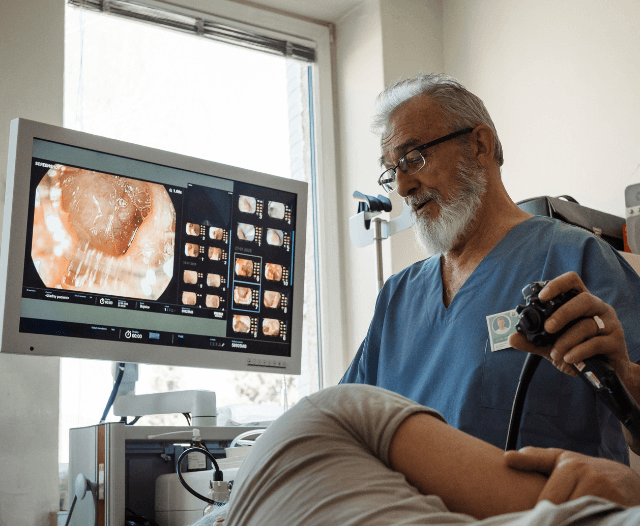
During a capsule endoscopy, you swallow a pill-sized camera. The camera takes pictures of the inside of your GI tract and sends the images to a computer. Your doctor looks at the images to check for problems such as bleeding, inflammation, or tumors.

A capsule endoscopy is a very safe and painless way to check for problems in your GI tract.

The procedure is typically done as an outpatient procedure, which means you can go home the same day.

Capsule endoscopy is a minimally invasive procedure that allows your doctor to visualize the inside of your gastrointestinal (GI) tract.

A small, camera-equipped capsule is swallowed, and as it moves through your GI tract, it transmits images to a recorder worn on a belt around your waist.

This procedure is used to evaluate the small intestine, which is difficult to examine with other types of endoscopies.

Capsule endoscopy can be used to diagnose Crohn’s disease, ulcerative colitis, and other GI disorders.

The capsule is about the size of a vitamin pill and contains no batteries or moving parts. It is passed through the digestive system and is naturally eliminated from the body.

In this article Dr. Deetlefs explains the procedure of a capsule endoscopy and how this procedure can be beneficial to patients suffering from above symptoms.


capsule_endoscopy_diagnoses


Conditions Which Can Be Diagnosed Using Capsule Endoscopy


Capsule endoscopy is a procedure used to detect signs of digestive system problems and help diagnose a variety of conditions.

Your doctor may recommend capsule endoscopy if he or she suspects you have:


Capsule Endoscopy Procedure Explained


A capsule endoscopy procedure is a minimally invasive way to examine the inside of your gastrointestinal tract.

A tiny camera in a capsule is swallowed, and as it passes through your GI tract, it takes pictures that are transmitted to a recorder worn on a belt around your waist.

The capsule endoscopy procedure is quick and relatively painless, and it provides your doctor with clear images of the inside of your GI tract so that they can better diagnose and treat any problems.

 capsule_endoscopy_procedure


Risks of a Capsule Endoscopy


A capsule endoscopy is a minimally invasive procedure used to examine the gastrointestinal tract. The procedure involves swallowing a small capsule that contains a camera.

The camera takes pictures of the inside of the gastrointestinal tract as the capsule passes through.

There are a few risks associated with a capsule endoscopy procedure. These include:

Swallowing the capsule:
There is a risk that the capsule could be swallowed instead of passing through the gastrointestinal tract. This could cause the capsule to get stuck in the esophagus or stomach.

Perforation
There is a risk that the capsule could perforate the gastrointestinal tract. This could lead to serious complications and requires immediate medical attention.

Allergic reaction
There is a risk of having an allergic reaction to the capsule. This could cause difficulty breathing, swelling, and hives.
Overall, the risks of a capsule endoscopy procedure are relatively low.

However, it is important to discuss the risks with your doctor prior to the procedure.


Benefits of a Capsule Endoscopy

Capsule endoscopy is used to diagnose a variety of gastrointestinal disorders, including Crohn’s disease, ulcerative colitis, and gastrointestinal bleeding.

It is also used to assess the severity of these disorders and to monitor the effectiveness of treatment.

Capsule endoscopy is generally well tolerated, with the most common side effect being nausea.

The procedure is usually performed as an outpatient procedure, and patients can typically resume their normal activities the same day.

 capsule_endoscopy_benefits


How to Prepare for a Capsule Endoscopy


Looking to prepare for your upcoming capsule endoscopy? Here are a few things you can do to make sure the procedure goes smoothly:

  • Talk to your doctor about any medications you’re taking. You may need to stop taking certain medications, such as blood thinners, prior to the procedure.
  • Avoid eating or drinking for four hours before your scheduled appointment. This will help ensure that the capsule can move through your digestive system properly.
  • Follow any other instructions from your doctor. They will likely give you specific instructions based on your individual health needs and the type of procedure you’re having. 

By following these simple steps, you can help ensure that your capsule endoscopy goes smoothly and that you get the most accurate results possible.


When Should I Call My Doctor After a Capsule Endoscopy


If you’ve recently had a capsule endoscopy, you may be wondering when you should call your doctor. Here are a few things to keep in mind:

  • If you’re experiencing any abdominal pain, vomiting, or bleeding, call your doctor immediately. 
  • If you’re not feeling any better after a few days, or if your symptoms are getting worse, call your doctor. 
  • If you have any questions or concerns about your capsule endoscopy or your recovery, don’t hesitate to call your doctor.

In general, it’s always best to be on the side of caution and call your doctor if you’re feeling even the slightest bit off after a capsule endoscopy.


What Happens After a Capsule Endoscopy

After a capsule endoscopy, the patient will be monitored for any adverse reactions to the procedure.

The capsule will be passed through the digestive system and will be eliminated in the patient’s stool.

The patient may experience some cramping and bloating during the procedure, but this should resolve within a few hours. The capsule endoscopy procedure is generally safe and well-tolerated by patients.

A capsule endoscopy is a procedure used to examine the inside of the gastrointestinal tract. A small camera is used to take pictures of the inside of the tract. The pictures are then sent to a computer for analysis.

If you experience any extreme abdominal pain after having a capsule endoscopy, it is important to contact your doctor right away.

This is because abdominal pain can be a sign of a serious complication, such as a perforation (hole) in your gastrointestinal tract.

While most cases of abdominal pain after a capsule endoscopy are not serious, it is important to be sure, so that you can get the treatment you need.


capsule_endoscopy_infographic


Conclusion


Capsule endoscopy is a minimally invasive procedure that allows for an in-depth look into the gastrointestinal tract.

The procedure utilizes tiny pill-sized cameras to collect clear images to provide your doctor with a visual platform to gain insight into abnormal tissue and ailments that may be present at the time of the procedure.

For any additional information regarding Capsule endoscopy, it’s best to find a trusted and experienced Gastroenterologist who can answer your questions clearly, recommend appropriate solutions, and perform tests with precision and expertise.

Dr. Deetlefs has earned the reputation of a trusted health expert providing consultative, diagnostic, and therapeutic endoscopic and related services to patients in Cape Town and beyond.

Dr Eduan prides himself on his ability to help his patients to the best of his ability by embracing good listening skills, effective communication, compassion and knowledge and skill honed during years of private gastroenterology practice.

If you would like to book an appointment with a gastrointestinal (GI) specialist or would simply like more information on a particular GI topic, don’t hesitate to use our online booking form
or call Dr. Deetlefs at 021 551 867.

DISCLAIMER: PLEASE READ CAREFULLY

The information on this website is to provide general guidance. In no way does any of the information provided reflect definitive medical advice and self-diagnoses should not be made based on information obtained online. It is important to consult a Gastroenterologist or medical doctor regarding ANY and ALL symptoms or signs including, but not limited to: abdominal pain, haemorrhoids or anal / rectal bleeding as it may a sign of a serious illness or condition. A thorough consultation and examination should ALWAYS be performed for an accurate diagnosis and treatment plan. Be sure to call a physician or call our office today and schedule a consultation.

GIDoc Cape Town

Patient-focused GI treatments and procedures in Cape Town.

Monday-Friday 8AM-4PM.

Connect with Us

© Dr. Eduan Deetlefs, Registered Gastroenterologist, GI Doc Cape Town

Our website information is not intended or implied to be a substitute for professional medical advice, diagnosis or treatment. Please consult a doctor about your specific condition. Only a trained physician can determine an accurate diagnosis and proper treatment.

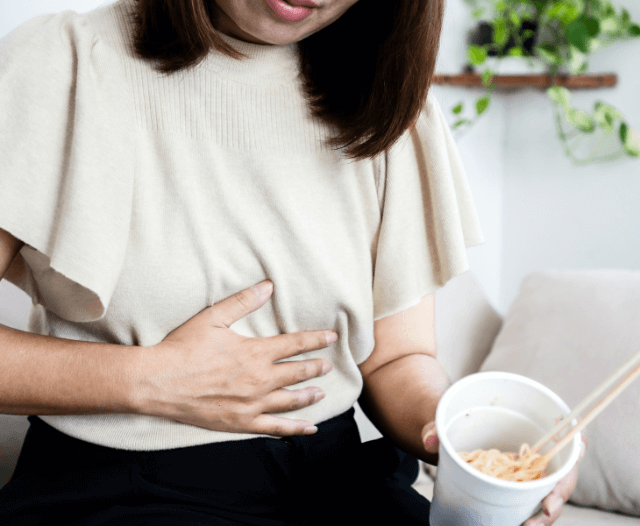
What is Gluten Intolerance?

What is Gluten Intolerance?

What Is Gluten?

Gluten is a protein found in wheat, rye, and barley. It is responsible for the elastic texture of dough.

When flour is mixed with water, the gluten proteins form long, stringy molecules that trap the gas bubbles produced by yeast, allowing bread to rise.

When bread is baked, the gluten proteins help it to keep its shape.

Gluten is not harmful to most people. However, for people with celiac disease, gluten can cause serious health problems.

When people with celiac disease eat foods that contain gluten, their immune system reacts by damaging the lining of the small intestine.

This can lead to problems with absorption of nutrients from food and can eventually lead to malnutrition.

Did you know that gluten intolerance has become a very common problem in the diet of millions of people in the US?

In fact, the prevalence of gluten intolerance in the US has been estimated to be about 18 million. That’s about 6% of the population.

That number is expected to increase in the future as well. According to a recent survey of the population, about 1 in every 6 people say that they have some form of gluten intolerance.

What’s even more surprising is the fact that there’s a lot of people who are not even aware that they are gluten intolerant.

This article is a comprehensive guide that will help you understand what a gluten intolerance is. It will explain what gluten is, what a gluten intolerance is, and how it is diagnosed.

It will also provide information on how gluten intolerance affects the body and how to treat it.


What Is Gluten Intolerance?


Gluten intolerance is a condition in which the body is unable to digest gluten, a protein found in wheat, rye, and barley.

People with gluten intolerance may experience a wide range of symptoms, including abdominal pain, bloating, diarrhea, constipation, headache, fatigue, and an itchy rash.

In severe cases, gluten intolerance can lead to malnutrition.  There is no cure for gluten intolerance, but the condition can be managed by avoiding foods that contain gluten.
 

gluten_free_diet


What Are the Symptoms of Gluten Intolerance?

There are a variety of symptoms that can be associated with gluten intolerance.
These can range from mild to severe and can even be life-threatening.

Some of the more common symptoms include:

  • Bloating
  • Abdominal pain
  • Diarrhea
  • Constipation
  • Fatigue
  • Headaches
  • Brain fog

However, gluten intolerance can also lead to more serious conditions such as anemia, osteoporosis, and even cancer.

If you think you may be gluten intolerant, it is important to see a doctor or allergist for testing.

gluten_intolerance_symptoms

How To Treat Gluten Intolerance?


Gluten is a protein found in wheat, rye and barley. It is also found in many processed foods. People with gluten intolerance have a difficult time digesting gluten.

There is no cure for gluten intolerance, but there are ways to manage the condition. The best way to treat gluten intolerance is to avoid eating foods that contain gluten.

This can be difficult, but there are many gluten-free options available now.

There are also medications that can help to reduce the symptoms of gluten intolerance.


How To Cure Gluten Intolerance?


There is no one-size-fits-all answer to this question, as the best way to cure gluten intolerance will vary from person to person.

However, there are a few general tips that may help you find relief from your symptoms.

First, it is important to get rid of all sources of gluten from your diet. This means avoiding all foods that contain wheat, rye, and barley. You may also need to avoid foods that have been processed in a facility that also processes wheat, as they can be contaminated with gluten.

Second, you may need to take supplements to help your body heal from the damage that gluten has done. This can include vitamins and minerals, as well as probiotics and enzymes.

Third, it is important to support your liver and digestive system. This means eating a healthy diet, getting enough exercise, and avoiding alcohol and other toxins.


gluten_intolerance_diet

How To Prevent Gluten Intolerance?


The best way to prevent gluten intolerance may vary from person to person.

However, some general tips that may help include:

  • Avoiding processed and refined foods, as these often contain high levels of gluten.
  • Eating plenty of fresh fruits, vegetables, and whole grains.
  • Limiting your intake of dairy and red meat.
  • Choosing gluten-free options when available.
  • Speaking to a doctor or nutritionist if you have any concerns.


Is There a Gluten Free Diet Plan?


A gluten free diet plan can help you avoid these problems by avoiding foods that contain gluten. There are a number of different gluten free diet plans available, so you can find one that fits your needs and lifestyle.


How to Diagnose Gluten Intolerance

There are a few ways to diagnose gluten intolerance. The most common way is to do a blood test. This test looks for antibodies to gluten in your blood. If you have these antibodies, it means you’re intolerant to gluten.

Another way to diagnose gluten intolerance is to do a biopsy of your small intestine. This is where most of the damage from gluten intolerance occurs. If you have damage to your small intestine, it’s likely you’re intolerant to gluten.

The best way to diagnose gluten intolerance is to work with a doctor who specializes in this area. They can help you figure out which tests are best for you and interpret the results.

If you suspect that you may be gluten intolerant, it is important to see a doctor or allergist to get tested.

Gluten intolerance can be a serious condition, and it is important to get an accurate diagnosis so that you can avoid gluten and stay healthy.


Gluten Free Diet Foods


A gluten free diet is one that does not include the protein gluten.

For people with celiac disease, a gluten free diet is essential. Celiac disease is an autoimmune disorder that is triggered by the consumption of gluten.

When people with celiac disease eat foods that contain gluten, their immune system reacts by damaging the lining of the small intestine.

This can lead to a host of problems, including malnutrition, since the small intestine is not able to absorb nutrients from food properly.

There are a number of gluten free diet foods available, and the list is growing all the time. Many grains are naturally gluten free, including rice, corn, and quinoa.

There are also a number of gluten free flours that can be used in baking, such as almond flour and coconut flour. And there are many prepared foods now available that are gluten free, including breads, pastas, and even desserts.

So, there are plenty of options for people who need to follow a gluten free diet.
 

what_is_gluten_intolerance

Conclusion

A gluten intolerance occurs when a person’s immune system reacts negatively to gluten.

This can cause a variety of symptoms and health issues.

We hope you learned a little more about the topic of gluten intolerance by reading this blog post.

If you have any further questions, please contact Dr. Deetlefs.

Dr Eduan prides himself on his ability to help his patients to the best of his ability by embracing good listening skills, effective communication, compassion and knowledge and skill honed during years of private gastroenterology practice.

Dr Deetlefs has admitting rights and performs endoscopies at both Mediclinic Milnerton and Life Vincent Pallotti Hospitals.

Services include consultations for gastrointestinal and liver related diseases with a specific interest in inflammatory bowel disease and iron deficiency anemia caused by obscure gastrointestinal bleeding.

If you would like to book an appointment with a gastrointestinal (GI) specialist or would simply like more information on a particular GI topic, don’t hesitate to use our online booking form or call Dr. Deetlefs at 021 551 8678.

DISCLAIMER: PLEASE READ CAREFULLY

The information on this website is to provide general guidance. In no way does any of the information provided reflect definitive medical advice and self-diagnoses should not be made based on information obtained online. It is important to consult a Gastroenterologist or medical doctor regarding ANY and ALL symptoms or signs including, but not limited to: abdominal pain, haemorrhoids or anal / rectal bleeding as it may a sign of a serious illness or condition. A thorough consultation and examination should ALWAYS be performed for an accurate diagnosis and treatment plan. Be sure to call a physician or call our office today and schedule a consultation.

GIDoc Cape Town

Patient-focused GI treatments and procedures in Cape Town.

Monday-Friday 8AM-4PM.

Connect with Us

© Dr. Eduan Deetlefs, Registered Gastroenterologist, GI Doc Cape Town

Our website information is not intended or implied to be a substitute for professional medical advice, diagnosis or treatment. Please consult a doctor about your specific condition. Only a trained physician can determine an accurate diagnosis and proper treatment.

Understanding a Polypectomy: Risks, Benefits, and Recovery

Understanding a Polypectomy: Risks, Benefits, and Recovery


What Is a Polypectomy?


A polypectomy is a medical procedure in which a polyp, or small growth, is removed from the body. 

Polyps can occur in a variety of places, including the colon, nose, and throat.

A Polypectomy is procedure used by doctors to remove polyps from the inner linings of the large intestine/the colon. It is usually performed during colonoscopy or sigmoidoscopy.

A colonoscopy is first done to detect the presence of any polyps. If any are detected, a polypectomy is performed, and the tissue is removed.

The tissue will be examined to determine if the growths are cancerous, precancerous, or benign to prevent colon cancer.

Polyps can be small, large, sessile, or pedunculated. Sessile polyps are flat and don’t have a stalk. Pedunculated polyps grow on stalks like mushrooms.

For small polyps (less than 5mm in diameter), biopsy forceps can be used for removal. Larger polyps (up to 2cm in diameter) can be removed using a snare.

After the procedure, your Gastroenterologist will remove the colonoscope and give you a chance to change and rest.

The medical staff will give you instructions explaining what to expect and the symptoms to look out for.

In most cases, polyps are benign, or non-cancerous. However, some polyps may be precancerous, or have the potential to develop into cancer.

Polypectomies are typically performed as outpatient procedures, meaning the patient does not need to stay overnight in the hospital.

The specific procedure will vary depending on the location of the polyp.

For example, a polyp in the colon may be removed during a colonoscopy, while a polyp in the nose may be removed with a nasal endoscope.

In this blog article we discuss the polypectomy procedure, risks and benefits involved.


What is a Polyp?


A polyp is a small, benign growth that protrudes from the surface of a mucous membrane.

Polyps can occur anywhere in the body where there is mucous membrane, but they are most commonly found in the nose, sinuses, and colon.

While most polyps are benign, some can become cancerous. Polyps are usually treated by removal, either by surgery or endoscopy.


polypectomy_polyp_removal


Types of Polypectomies


There are several different types of polypectomies, depending on the location and type of polyp being removed.

The most common type of polypectomy is a colonoscopy, in which polyps are removed from the colon (large intestine).

Other types of polypectomies include endometrial polypectomies (removal of polyps from the lining of the uterus), gastric polypectomies (removal of polyps from the stomach), and bronchial polypectomies (removal of polyps from the airway).


What Are the Risks of a Polypectomy?


A polypectomy is a minimally invasive surgical procedure used to remove polyps from the colon.
Polyps are growths that can develop on the lining of the colon.

While most polyps are benign, or noncancerous, some can develop into cancer.

The risks of a polypectomy include:

  • Bleeding
  • Infection
  • Perforation of the colon 

Bleeding is the most common complication, and usually occurs during or immediately after the procedure.

Infection and perforation are rare but more serious complications that can occur. Infection can develop if the colon is not properly cleaned before the procedure.

Perforation can occur if the polyp is removed without proper cautery, or if the colon is nicked during the procedure.

Overall, the risks of a polypectomy are low. The procedure is typically safe, and complications are rare.

However, as with any surgical procedure, there are potential risks that should be discussed with your doctor prior to having the procedure.polypectomy_benefits

What Are the Benefits of Undergoing a Polypectomy?


Polyps can be benign (noncancerous) or malignant (cancerous), and although most polyps are benign, removal is still recommended because some polyps can develop into cancer over time.

There are several benefits of undergoing a polypectomy.

First, it can help to prevent colon cancer by removing precancerous polyps before they have a chance to become cancerous.

Second, it can help to relieve symptoms such as bleeding or changes in bowel habits that may be caused by polyps.

Third, it can help to improve the overall health of the colon by removing polyps that could potentially cause problems in the future.

Overall, a polypectomy is a safe and effective way to remove polyps from the colon or rectum.

If you have any concerns about polyps or your risk for colon cancer, be sure to talk to your doctor.


What Is Recovery Like After a Polypectomy?


Recovery from a polypectomy is typically fairly easy, and most people can go home the same day as the procedure. However, there are a few things you can do to help make the recovery process go more smoothly.

Recovery is generally quick. Minor side effects such as gassiness, bloating, and cramps usually resolve within 24 hours.

With a more involved procedure, a full recovery can take up to two weeks.

First, it’s important to get plenty of rest. This will help your body heal and reduce the risk of complications.

You should also take it easy for the first few days after the procedure. Avoid strenuous activity and heavy lifting. Drink plenty of fluids and eat a healthy diet to help your body recover.

If you have any pain, your doctor may prescribe medication. Be sure to take it as directed. You may also have some bleeding or drainage from the incision site.

This is normal and should eventually stop. If you have any concerns about your recovery, be sure to contact your doctor.


polypectomy_procedure


Signs You Might Need a Polypectomy


If you have been diagnosed with a polyp, your doctor may recommend a polypectomy to remove it.

However, not all polyps need to be removed and your doctor will determine if a polypectomy is necessary.

There are a few signs that may indicate that you need a polypectomy, which include: 

  • If the polyp is large
  • If the polyp is bleeding
  • If the polyp is causing pain or other symptoms
  • If the polyp is located in a difficult to reach area

If you have any of these signs, your doctor will likely recommend a polypectomy.
During the procedure, a small camera is inserted into the colon and the polyp is removed.
 

A polypectomy is generally a safe and effective procedure with a low risk of complications.


polypectomy_prevent


How You Can Prevent Polyps


There are a few things you can do to help prevent polyps from forming in the first place.

First, eat a healthy diet that is low in fat and sugar. Get plenty of fiber from whole grains, fruits, and vegetables.

Second, exercise regularly.

Third, avoid smoking.

And fourth, if you drink alcohol, do so in moderation.

If you have any family members with polyps or other gastrointestinal problems, be sure to let your doctor know.

 polypectomy_infgraphic


Conclusion


The most important thing to do after a polypectomy is to maintain a healthy lifestyle.

This means eating a healthy diet, getting enough sleep, and exercising. Doing these things will help to lower the risk of polyps from returning.

If you have any questions or concerns regarding a polypectomy, please contact your physician.

For any additional information regarding a polypectomy, it’s best to find a trusted and experienced Gastroenterologist who can answer your questions clearly, recommend appropriate solutions, and perform tests with precision and expertise.

Dr. Deetlefs has earned the reputation of a trusted health expert providing consultative, diagnostic, and therapeutic endoscopic and related services to patients in Cape Town and beyond. 

Dr. Deetlefs can be contacted to confirm the estimated breakdown should you be interested in having the procedure done. 


DISCLAIMER: PLEASE READ CAREFULLY

The information on this website is to provide general guidance. In no way does any of the information provided reflect definitive medical advice and self-diagnoses should not be made based on information obtained online. It is important to consult a Gastroenterologist or medical doctor regarding ANY and ALL symptoms or signs including, but not limited to: abdominal pain, haemorrhoids or anal / rectal bleeding as it may a sign of a serious illness or condition. A thorough consultation and examination should ALWAYS be performed for an accurate diagnosis and treatment plan. Be sure to call a physician or call our office today and schedule a consultation.

GIDoc Cape Town

Patient-focused GI treatments and procedures in Cape Town.

Monday-Friday 8AM-4PM.

Connect with Us

© Dr. Eduan Deetlefs, Registered Gastroenterologist, GI Doc Cape Town

Our website information is not intended or implied to be a substitute for professional medical advice, diagnosis or treatment. Please consult a doctor about your specific condition. Only a trained physician can determine an accurate diagnosis and proper treatment.
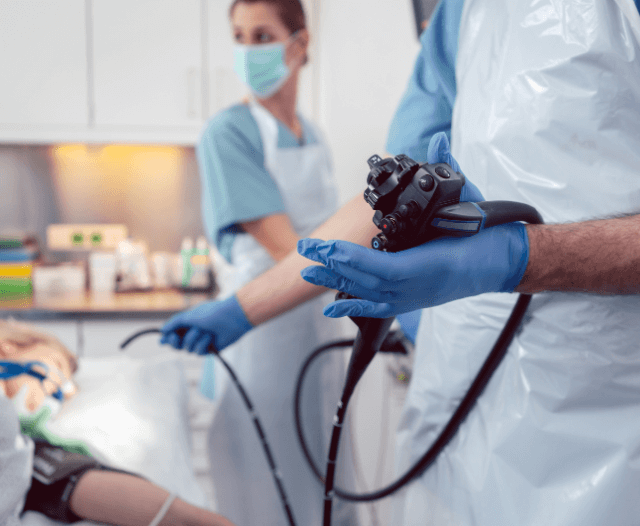
Crohn’s Disease: Symptoms and Treatments Explained

Crohn’s Disease: Symptoms and Treatments Explained


Overview


Crohn’s disease is a type of inflammatory bowel disease (IBD) that can affect any part of the gastrointestinal tract from the mouth to the rectum.

It is a chronic condition, which means it can last for months or years, and can come and go in periods of remission (when symptoms are not present) and relapse (when symptoms return).

Crohn’s disease is usually diagnosed based on a combination of symptoms, medical history, physical examination, and tests.

There is no one test that can definitively diagnose Crohn’s disease.

Treatment for Crohn’s disease typically involves a combination of medication and lifestyle changes. Surgery may also be necessary in some cases.

The most common symptoms are abdominal pain and cramping, diarrhea, weight loss, and fatigue.

However, the disease can also cause a wide range of other symptoms, depending on which part of the gastrointestinal tract is affected.


Crohn’s Disease Explained


Crohn’s disease is a chronic, inflammatory bowel disease that typically affects the ileum, or the end of the small intestine, and the beginning of the large intestine.

The disease is characterized by the formation of ulcers, or sores, in the lining of the intestine. These ulcers can bleed and become infected.

Crohn’s disease is a chronic, progressive disease that can lead to severe abdominal pain, diarrhea, weight loss, and fatigue.

The exact cause of Crohn’s disease is unknown, but it is believed to be an autoimmune disorder, in which the body’s immune system attacks the lining of the intestine.

Treatment for Crohn’s disease typically includes the use of anti-inflammatory drugs, steroids, and immunosuppressants. In some cases, surgery may be necessary to remove the diseased portion of the intestine.


crohns_disease_types


Causes of Crohn’s Disease


There is no one known cause of Crohn’s disease, although there are several possible contributing factors.

One theory is that the disease is caused by an abnormal response of the immune system to bacteria in the digestive tract.

Another possibility is that Crohn’s disease is caused by a combination of genetic and environmental factors.

Some research suggests that a virus or other infectious agent may play a role in the development of Crohn’s disease.

Environmental factors that have been linked to the development of Crohn’s disease include a diet high in fat and sugar, smoking, and stress.

Genetic factors that may contribute to the development of Crohn’s disease include a family history of the condition and certain genetic mutations.


Symptoms of Crohn’s Disease


Symptoms of Crohn’s disease can vary, depending on the location and severity of the inflammation.

They may include:

  • Abdominal pain
  • Diarrhea
  • Weight loss
  • Fatigue
  • Fever
  • Cramping
  • Blood in stool
  • Mouth sores
  • Reduced appetite and weight loss
  • Anal pain

In severe cases, the inflammation can lead to:

Crohn’s disease is a relapsing-remitting condition, meaning that symptoms can flare up and then subside for periods of time.

There is no cure for Crohn’s disease, but treatments are available to manage the symptoms.


crohns_disease_symptoms


How to Get Diagnosed with Crohn’s Disease?

There is no single test to diagnose Crohn’s disease. Your doctor will likely start with a physical exam and a review of your medical history.

They may also order blood tests and imaging tests to look for inflammation in your digestive tract.

If you have symptoms of Crohn’s disease, your doctor may refer you to a gastroenterologist, a doctor who specializes in diseases of the digestive system.

The gastroenterologist may perform a colonoscopy or other tests to confirm the diagnosis.


Treatments for Crohn’s Disease

There is no cure for Crohn’s disease, but there are treatments that can help to control the symptoms and keep the condition from getting worse. The most common treatments are medication, nutrition therapy, and surgery.

Medication is the first line of treatment for Crohn’s disease. The most common medications used to treat Crohn’s are anti-inflammatory drugs, immune system suppressors, and antibiotics.

These drugs can help to reduce inflammation, improve symptoms, and prevent further damage to the intestines.

Nutrition therapy is important for people with Crohn’s disease. A healthy diet can help to reduce symptoms, maintain good nutrition, and prevent complications.

Nutrition therapy may include changes in diet, use of supplements, and/or special formulas.

Surgery may be an option for people with Crohn’s disease who do not respond to other treatments, or who have complications from the disease.

Surgery can help to remove part of the diseased intestine, repair damage, and/or relieve blockages.

If you or a loved one has been diagnosed with a medical condition, you may be wondering if there are any clinical trials you could participate in.

A clinical trial is a research study that tests a new medical treatment, drug, or device.

Clinical trials are an important step in developing new treatments, and they offer patients the opportunity to try out new treatments that are not yet available to the general public.

crohns_disease_treatments

Tips for Crohn’s Disease


If you have Crohn’s disease, there are a few things you can do to help manage the condition.

First, it’s important to eat a healthy diet and get plenty of exercise.

This will help to keep your symptoms under control. Additionally, it’s important to stay on top of your medications and to see your doctor regularly.

If you have a flare-up, be sure to get treatment right away.
With proper management, you can live a normal, healthy life with Crohn’s disease.

There is no one-size-fits-all approach to managing Crohn’s disease, but there are some general tips that can help. First, it’s important to follow a healthy diet and get enough exercise.

This can help reduce symptoms and improve overall health. It’s also important to stay hydrated and avoid smoking.

In addition, it’s important to work with a healthcare team to create a personalized treatment plan. This may include medication, surgery, or other therapies.

It’s also important to be aware of the potential complications of Crohn’s disease and to seek medical help if symptoms worsen.


When Should I See a Doctor


Each person’s experience with Crohn’s disease is unique.

However, there are some general guidelines that can help you decide when to see a doctor.

If you are experiencing any persistent gastrointestinal symptoms, such as diarrhea, abdominal pain, or rectal bleeding, it is important to see a doctor.

Additionally, if you are losing weight or are unable to maintain a healthy weight, this is also a reason to seek medical attention.

crohns_disease_infographic

Contact Dr. Deetlefs

 
There is no one definitive answer to the question of whether or not Crohn’s disease can be cured.

While there are certainly treatments available that can help manage the symptoms and improve the quality of life for those affected by the condition, there is no guarantee that any particular treatment will be effective for every individual.

In some cases, the disease may go into remission for a period of time, only to flare up again later. For others, the symptoms may be managed effectively for many years.

Ultimately, each individual must work with their healthcare team to determine the best course of treatment for their unique situation.

Dr Eduan prides himself on his ability to help his patients to the best of his ability by embracing good listening skills, effective communication, compassion and knowledge and skill honed during years of private gastroenterology practice.

Dr Deetlefs has admitting rights and performs endoscopies at both Mediclinic Milnerton and Life Vincent Pallotti Hospitals.

Services include consultations for gastrointestinal and liver related diseases with a specific interest in inflammatory bowel disease and iron deficiency anemia caused by obscure gastrointestinal bleeding.

If you would like to book an appointment with a gastrointestinal (GI) specialist or would simply like more information on a particular GI topic, don’t hesitate to use our online booking form or call Dr. Deetlefs at 021 551 867.

DISCLAIMER: PLEASE READ CAREFULLY

The information on this website is to provide general guidance. In no way does any of the information provided reflect definitive medical advice and self-diagnoses should not be made based on information obtained online. It is important to consult a Gastroenterologist or medical doctor regarding ANY and ALL symptoms or signs including, but not limited to: abdominal pain, haemorrhoids or anal / rectal bleeding as it may a sign of a serious illness or condition. A thorough consultation and examination should ALWAYS be performed for an accurate diagnosis and treatment plan. Be sure to call a physician or call our office today and schedule a consultation.

GIDoc Cape Town

Patient-focused GI treatments and procedures in Cape Town.

Monday-Friday 8AM-4PM.

Connect with Us

© Dr. Eduan Deetlefs, Registered Gastroenterologist, GI Doc Cape Town

Our website information is not intended or implied to be a substitute for professional medical advice, diagnosis or treatment. Please consult a doctor about your specific condition. Only a trained physician can determine an accurate diagnosis and proper treatment.

Irritable Bowel Syndrome Explained

Irritable Bowel Syndrome Explained


Overview

IBS, Irritable bowel syndrome, is one of the most common digestive issues in the world.

People who suffer from IBS may have extreme pain in the abdomen, irregular bowel habits, constipation, diarrhea, and gassiness.

The symptoms may vary in severity and frequency. One of the reasons that so many people suffer from IBS is the lack of information available about it.

This blog will try to answer some of the most common questions that people have about IBS.


What is Irritable Bowel Syndrome?


Irritable bowel syndrome (IBS) is a chronic condition that affects the large intestine. Symptoms include abdominal pain, bloating, gas, diarrhea, and constipation.

IBS can be uncomfortable and inconvenient, but it is not life-threatening.

There is no known cause of IBS, but it is thought to be linked to a combination of factors, including psychological stress, genetic predisposition, and abnormalities in the digestive system.

IBS is a diagnosis of exclusion, which means other conditions with similar symptoms must be ruled out before a diagnosis can be made.

There is no cure for IBS, but symptoms can be managed with lifestyle changes, such as diet and stress management, and medication.


What is IBS – C, D, A?

Irritable bowel syndrome (IBS) is a common, chronic disorder of the gastrointestinal (GI) tract.
IBS can be classified into three categories: IBS -C, IBS-D and IBS M.

IBS C
IBS with constipation (IBS-C): This type of IBS is characterized by hard, difficult-to-pass stools and/or a feeling of incomplete evacuation.

IBS D
IBS with diarrhea (IBS-D): This type of IBS is characterized by loose, watery stools and/or a feeling of urgency to have a bowel movement.

IBS M or IBS A
Mixed IBS (IBS-M): This type of IBS is characterized by a combination of both hard, difficult-to-pass stools and loose, watery stools.

Symptoms of IBS can vary from mild to severe and can fluctuate over time.
Common symptoms include abdominal pain or discomfort, bloating, gas, diarrhea, and constipation.

IBS is a chronic condition that can significantly impact quality of life. There is no cure for IBS, but there are treatments that can help to manage symptoms.

While there is no cure for IBS, there are treatments available that can help to manage the symptoms.


Irritable Bowel Syndrome Symptoms

Irritable bowel syndrome (IBS) is a chronic condition that affects the large intestine.

Symptoms include:

  • Abdominal pain
  • Cramping
  • Changes in bowel movements
  • Bloating
  • Gas
  • Diarrhea
  • Constipation

If you think you may have IBS, be sure to see your doctor for a proper diagnosis.

ibs_symptoms


When to See a Doctor

If you have persistent changes in bowel movements or other symptoms of IBS it is advisable to see your Doctor to get proper diagnosis.

More serious symptoms can include the following:

  • Vomiting
  • Weight loss
  • Iron Deficiency Anemia
  • Pain in bowel even after a bowel movement

IBS can be a debilitating condition that significantly impacts quality of life.

Some people with IBS may be able to manage their symptoms with dietary changes and stress management techniques. Others may require medication or other medical intervention.
 

ibs_treatments


Irritable Bowel Syndrome Causes


Irritable bowel causes can be divided into two main categories: Bowel disorders and functional gastrointestinal disorders.

The most common bowel disorder is inflammatory bowel disease, which can be caused by a number of factors, including genetics, diet, and stress.

Functional gastrointestinal disorders are more common in women than men, and can be caused by a variety of factors, including diet, stress, and hormones.


IBS and Stress: How to Deal with Stress?

There is a strong link between irritable bowel syndrome (IBS) and stress. Stress can trigger IBS symptoms, and IBS can be a major source of stress.

IBS is a complex disorder, and the exact causes are not fully understood. However, it is clear that stress is a major factor in IBS.

Stress can trigger IBS symptoms, such as abdominal pain, cramping, bloating, gas, diarrhea, and constipation.

IBS can also be a major source of stress. The symptoms can be very debilitating, and they can have a major impact on your quality of life. IBS can be a very isolating condition, and it can be difficult to cope with the symptoms.

If you have IBS, it is important to manage your stress levels. Stress management techniques, such as relaxation techniques and cognitive behavioural therapy, can help to reduce your symptoms.

Irritable bowel syndrome (IBS) is a chronic condition that can be aggravated by stress. IBS symptoms include abdominal pain, bloating, constipation, and diarrhea.

While there is no cure for IBS, managing stress levels can help to reduce symptoms. Some stress-reducing techniques that may be helpful for people with IBS include exercise, relaxation therapies, and yoga.

ibs_diet


Irritable Bowel Syndrome Treatments

There are a number of different treatments for irritable bowel syndrome (IBS), and the best approach depends on the individual. Some people find that making dietary changes, such as avoiding trigger foods, can help to ease symptoms.

Others may need to take medication, either to relieve symptoms or to treat underlying conditions, such as inflammatory bowel disease. In some cases, psychological therapies may also be recommended.

IBS is a chronic condition, which means that there is no cure. However, with the right treatment, most people with IBS are able to manage their symptoms and live relatively normal lives.


Natural Ways to Get Relief

There are many natural ways to get relief from irritable bowel syndrome (IBS).

Some people find that certain dietary changes can help to reduce their symptoms. For example, some people find that avoiding foods that are high in fat or fiber can help to reduce bloating and gas.

Other people find that eating smaller meals more frequently can help to reduce abdominal pain.

Certain herbs and supplements may also be helpful in reducing IBS symptoms. For example, peppermint oil is often used to relieve abdominal pain and bloating.

Probiotics may also be helpful in restoring balance to the gut flora and reducing inflammation.

Finally, stress management is often essential in managing IBS symptoms. Some people find that relaxation techniques such as yoga or meditation can help to reduce stress and improve gut function.

Others find that Cognitive Behavioural Therapy (CBT) can be helpful in addressing the negative thoughts and behaviours that can contribute to IBS.

ibs_explained_infographic


Conclusion

Irritable bowel syndrome (IBS) is a common, chronic disorder of the gastrointestinal (GI) tract. IBS is characterized by abdominal pain and cramping, bloating, gas, diarrhea, and constipation.

These symptoms can vary in severity and often occur in episodes. IBS is a complex disorder with many possible causes, including abnormalities in GI muscle contractions, changes in GI motility, alterations in the gut microbiome, low levels of certain neurotransmitters, and sensitivity to certain foods.

There is no cure for IBS, but there are many treatments available to manage the symptoms.
If you are suffering from Irritable Bowel Syndrome, you are not alone.

Millions of people are suffering from abdominal pain, constipation, and diarrhea.

Now that you have read a blog about irritable bowel syndrome and how to treat it, you are one step closer to being an educated patient.

This may include lifestyle changes, such as eating a healthy diet and exercising regularly. In some cases, medications may also be necessary.

With proper treatment, you can improve your gut health and reduce your risk of complications.
If you are concerned about your gut, talk to us today to book your appointment.

For further reading on the procedures we perform, please visit our website or contact Dr. Deetlefs.

DISCLAIMER: PLEASE READ CAREFULLY

The information on this website is to provide general guidance. In no way does any of the information provided reflect definitive medical advice and self-diagnoses should not be made based on information obtained online. It is important to consult a Gastroenterologist or medical doctor regarding ANY and ALL symptoms or signs including, but not limited to: abdominal pain, haemorrhoids or anal / rectal bleeding as it may a sign of a serious illness or condition. A thorough consultation and examination should ALWAYS be performed for an accurate diagnosis and treatment plan. Be sure to call a physician or call our office today and schedule a consultation.

GIDoc Cape Town

Patient-focused GI treatments and procedures in Cape Town.

Monday-Friday 8AM-4PM.

Connect with Us

© Dr. Eduan Deetlefs, Registered Gastroenterologist, GI Doc Cape Town

Our website information is not intended or implied to be a substitute for professional medical advice, diagnosis or treatment. Please consult a doctor about your specific condition. Only a trained physician can determine an accurate diagnosis and proper treatment.