021 202 0626
Endoscopy Explained

Endoscopy Explained

Maybe you have heard the word endoscopy once or twice in your life, but do you know what it means? 

If you were to get one, do you know what the doctor will do?

This article would explain everything you need to know about endoscopy – from the definition, types, and procedure.


What is Endoscopy?


Endoscopy is a non-surgical technique that examines the digestive tract of a person.

A doctor can view photographs of your digestive tract on a color TV monitor using an endoscope, a flexible tube with a light and camera connected to it. 

So, what exactly is an endoscope? 

An endoscope (also called a fibrescope) is a long, thin, and flexible tube with a light and video camera inserted into the body during an endoscopy to examine an internal organ or tissue in great detail. 

This tool allows a doctor to look inside a patient’s body without having to undergo significant surgery. 

An endoscope is usually placed through a natural orifice in the body, such as the mouth, urethra, or anus.

 endoscopy_procedure


Why Do You Need an Endoscopy?

Now that we know the process of endoscopy, let’s discuss why you might need it.

Endoscopy is commonly used for the following purposes:

  • Investigation
    Determining the cause of any unusual symptoms one is experiencing.
  • Diagnosis confirmation
    Removing a small sample of tissue that can then be sent to a lab for further testing.
  • Treatment
    Assisting a doctor in seeing inside the body during a surgical procedure, such as repairing a stomach ulcer or removing gallstones or tumors.

Prior to your procedure, the doctor will assess your symptoms, perform a physical examination, and potentially request certain blood tests.

These tests will assist the doctor in gaining a better understanding of the cause of your symptoms.

These tests may also aid in determining whether the issues may be resolved without the use of endoscopy or surgery.

Simply put, endoscopy is used by doctors to diagnose disorders in the following body parts:

  • Oesophagus
  • Stomach
  • Colon
  • Ears
  • Nose
  • Throat
  • Heart
  • Urinary tract
  • Joints
  • Abdomen 


endoscopy_procedure_types


Common Endoscopy Procedure Types


Colonoscopy
Colonoscopy is a procedure that allows a doctor (typically a gastroenterologist) to look within the colon (large intestine or large bowel).

Upper GI endoscopy 
An upper GI endoscopy, often known as an EGD (esophagogastroduodenoscopy), is a treatment used to identify and treat disorders in the upper gastrointestinal (GI) tract.

Laparoscopy
Laparoscopy is a surgical procedure that allows a surgeon to view the inside of the abdomen (tummy) and pelvis without making extensive skin incisions.

Gastroscopy

A gastroscopy is a procedure to examine the oesophagus, stomach, and first part of the small intestine inside the body (duodenum). It can assist confirm or rule out medical disorders such as gastritis or peptic ulcers.

Flexible Sigmoidoscopy
A flexible sigmoidoscopy is a test that assesses the lower portion of the large intestine (colon). Irritated or swollen tissue, ulcers, polyps, and cancer can all be seen using this procedure.

Endoscopic Retrograde Cholangiopancreatography
Endoscopic retrograde cholangiopancreatography (ERCP) is a treatment that combines upper GI endoscopy with x-rays to diagnose and treat disorders with the liver, gallbladder, bile ducts, and pancreas.

Capsule Endoscopy
Capsule endoscopy, also known as capsule enteroscopy or small bowel endoscopy, examines the center of the gastrointestinal tract, which includes sections of the small intestine, with a pill-sized camera that captures hundreds of images for a doctor to analyze.

 capsule_endoscopy_explained


Other Types

Bronchoscopy is a procedure that uses a narrow, illuminated tube (called a bronchoscope) to examine directly into the lungs’ airways.The bronchoscope is inserted into the patient’s nose or mouth. It makes its way down the windpipe (trachea) and enters the airways.

Cystoscopy is a procedure that uses a narrow camera called a cystoscope to view inside the bladder.  It is put into the urethra (the tube that transports urine out of the body) and passes into the bladder, allowing a doctor to examine the inside.

Endoscopic ultrasound (EUS) is a minimally invasive method that can be used to diagnose digestive (GI) and lung problems.High-frequency sound waves are used by a special endoscope to provide comprehensive views of the lining and walls of your digestive tract and chest.

Hysteroscopy is a treatment that allows your doctor to examine the inside of your uterus to diagnose and treat irregular bleeding.

A hysteroscope, a thin, illuminated tube placed into the vaginal canal to inspect the cervix and the inside of the uterus, is used for this procedure.


Preparation and Procedure

 
Like any other medical procedure, endoscopies are frequently performed in hospitals.

Before having an endoscopy 

There is usually no preparation required prior to endoscopy, but your doctor will give you instructions on what to eat and drink before the procedure, as well as how to take your regular medications.

In most cases, you will be instructed to fast for hours before the surgery, depending on what area of your body is being examined.

If you need to have your large intestine or rectum and lower part of the bowel, you may be given a laxative to assist cleanse your bowels and have a low fibre diet a few days before the endoscopy.

Antibiotics may also be required in some circumstances to lower the risk of infection.

Another important thing to consider is telling your doctor everything about any serious health issues, such as heart or lung illness.

You must follow your doctor’s advice, because if you don’t, the treatment may have to be postponed.

During an endoscopy 

Although endoscopy is rarely painful, it can be unpleasant.

The majority of people have just minor discomfort, similar to that of indigestion or a sore throat.  

Endoscopy is normally performed while you are conscious.
During an upper endoscopy procedure, you will be asked to lie on your back or side on a table.

 A local anaesthetic (in the shape of a throat spray or lozenge) may be used to numb a specific area of your body.

You might also be given a sedative to help you rest and become less conscious of your surroundings.

 The endoscope will be inserted into your body with caution.

 Again, it depends on the part of the body being examined. It may be inserted into your mouth and down your throat, urethra, or anus.

 Depending on the purpose of the endoscopy, it can take anywhere from 15 to 45 minutes. You can generally go home the same day and avoid spending the night in the hospital.

After an endoscopy

After the procedure, you will be examined and supervised by your doctor or a trained professional for an hour or until the majority of the drugs’ effects have gone off.

If you’ve had general anaesthesia, you’ll be observed for a longer period.

 If necessary, you will be given pain relief although there are some endoscopic procedures, such as ERCP, that may necessitate an overnight hospital stay to ensure that everything goes smoothly.

Risks and Side Effects


The dangers of each type vary depending on the procedure’s location and your health.

Compared to open surgery, endoscopy offers a substantially lower risk of bleeding and infection.

Still, because endoscopy is a medical operation, there is a chance of bleeding, infection, and other risks like:

  • Chest pain
  • Organ damage, including probable perforation that usually necessitates surgery
  • Bleeding at the site of a biopsy or polyp excision
  • Fever
  • Persistent pain in the area of the endoscopy
  • Complications from pre-existing heart, lung, or liver disease
  • Irritation or redness and swelling at the incision site

Within 24 hours to a few days, most patients can resume routine activities.
However, if you feel any of these, talk to your doctor immediately.

Contact Dr. Deetlefs today for a consultation in Cape Town.


endoscopy_explained_infographic

GIDoc Cape Town

Patient-focused GI treatments and procedures in Cape Town.

Monday-Friday 8AM-4PM.

Connect with Us

© Dr. Eduan Deetlefs, Registered Gastroenterologist, GI Doc Cape Town

Our website information is not intended or implied to be a substitute for professional medical advice, diagnosis or treatment. Please consult a doctor about your specific condition. Only a trained physician can determine an accurate diagnosis and proper treatment.

The Importance of Colorectal Cancer Screening

The Importance of Colorectal Cancer Screening

 Colorectal cancer is, as the name suggests, cancer that occurs in the colon or rectum.

You have probably heard it referred to as colon cancer. The reason that colon and rectal cancers are grouped together in this way is because they have many features in common.

Colorectal cancer starts off, like most cancers, as a growth. This growth is found on the inner lining of the colon or rectum and is referred to as a polyp.

A polyp is not automatically referred to as cancer and some polyps never turn cancerous. However, all colorectal cancers do arise from polyps so it’s important to keep them in check.

In this article, we are going to have a look at how colon cancer starts and spreads, and then how colorectal cancer screening can help increase your treatment options.

Before we jump into that, let’s have a look at the basic structure and function of the colon and rectum.

This will help in one’s understanding of colorectal cancer.

 colon_cancer_screening


The Structure and Function of the Colon and Rectum

The colon and rectum are part of the gastrointestinal system which, as you know, is responsible for digestion.

The colon, a muscular type, comprises most of the large intestine coming in at around 1.5m long.

It is split into four sections anatomically with each section named according to the way in which food travels through it.

These four sections are the ascending colon (travels upward from the right side of the abdomen), the transverse colon (goes across the body from right to left), the descending colon (travels down from the left side), and the sigmoid colon (due to it’s “S” shape) which joins the rectum.

There is still water and salt in the food matter after it has passed through the small intestine. This is where the function of the colon comes in – it absorbs any water and salt that is still in the remaining food matter.

What’s left after this process then goes into the rectum where it is stored until leaving the body.

In short, your colon is crucial for extracting water and other key nutrients from waste material.

 screening_colon_cancer

How Colon Cancer Starts and Spreads

As mentioned earlier, most colorectal cancers start as a growth on the inner lining of the colon or rectum. These growths are referred to as polyps. 

They come in a variety of shapes and sizes with different polyps carrying varying risks for going on to develop into cancer. 

Apart from cancer-susceptibility between the polyps, there are also general factors that can increase someone’s risk of developing colorectal cancer. 

They can be summarised as follows: 

  • Size: If a polyp larger than 1 cm is found
  • Number: If more than 3 polyps are found
  • Dysplasia: This is a pre-cancerous condition where the tissue area contains cells that look abnormal but are not yet cancerous. If dysplasia is seen in the polyp after it is removed, then it could imply an increased risk of developing colorectal cancer. 

Now let’s take a look at the variation between the actual polyp types:


  1. Adenomatous polyps: These are a common type of polyp which appear as gland-like growths. On the surface, the polyp tissue looks very much like the normal lining of your colon although it is different in a number of ways when looked at under a microscope.

    There are two major growth patterns: tubular and villous. Although many adenomas have a combination of these growth patterns and are referred to as tubulovillous adenomas.

These patterns help one’s doctor determine when the next colonoscopy needs to be done to ensure that colon cancer does not develop in the future.

 2.  Hyperplastic polyps and inflammatory polyps: This refers to a further categorization of polyps. This category is referred to as non-neoplastic polyps which do not typically become cancerous.

 Inflammatory polyps may be seen with ulcerative colitis or Crohn’s Disease.

 3.  Sessile serrated polyps and traditional serrated adenomas: These polyps fall under the neoplastic category which can be pre-cancerous and it’s normally recommended to remove them.

 “Sessile” polyps refer to those that grow as slightly flattened, broad-based polyps whereas “serrated” polyps have a saw-tooth appearance under a microscope.

 Anyone can develop colon polyps but there are heightened risks if you are over the age of 50 or if you are overweight or a smoker.

 A personal or family history of colon polyps or colon cancer is also a significant risk factor for future polyp growth.

 This leads us to the next part of our article: screening.

 Colon polyps often don’t cause any symptoms so it’s crucial to go for regular screening tests so that colon polyps can be found in as early a stage as possible.

 This will allow for a higher chance of safer and more complete removal thereby dramatically reducing the chances of developing colorectal cancer.


why_colorectal_cancer_screening_is_important


Why Colorectal Cancer Screening is Important


Colorectal screening is a test where doctors look for precancerous polyps so that they can be removed before turning into cancer.

 Colorectal cancer can also be found with screening tests. These tests are done to look for a disease when a person does not exhibit symptoms.

 Regular and early screening is key to preventing cancer. More screening has resulted in a significant drop in the number of colorectal cancer cases.

 In the U.S., for example, where colorectal cancer is a leading cause of cancer death for men and women, has seen a steadily declining death rate for the past several decades.

 Colorectal screening is responsible for this improved survival rate – when colorectal cancer is found early, the 5-year relative survival rate is 90%. A significant figure.

 The only factor preventing the death rate from declining even further is the fact that a large percentage of those susceptible to colorectal cancer never get screened.

 There are various reasons for this but one of the most significant is that of people simply not knowing that regular screening could save their lives from this disease. 

Education is key and is the premise behind providing you, our dear reader, with articles such as this one.

Do the right thing for you and your loved ones, get a screening done.

 colon_cancer_test

Types of Colorectal Cancer Screening Tests

Now that we know why it’s important to get tested, let’s take a look at the different tests that you may encounter when you go for your screening.

 There are two main groups of testing: 

1.    Structural Exams

The physical structure of the colon and rectum is studied in order to find any abnormal areas, should there be any.

In general, these tests are performed using either a scope put into the rectum or with special imaging tests.

 A colonoscopy, for example, is a type of structural (or visual) exam. The doctor uses a colonoscope (a thin flexible tube equipped with a light and small video camera) to observe the physical structure of the colon and rectum. 

The doctor can also add additional instruments to the colonoscope for the purposes of taking a sample or remove certain polyps. 

For those that would like a less invasive test, a CT colonography is also an option.

 It serves as a “virtual colonoscopy” where x-rays and a CT scan are used to build a 3D representation of the colon and rectum structure. 

These tests do require more preparation ahead of time and can’t be done as frequently as the second type of testing group.

2.    Stool-based tests

This type of testing is less invasive than visual exams and requires less preparation by the patient but it does need to be done more frequently.

 It involves a check of the stool for signs of cancer.

 Two examples of stool-based tests include the faecal immunochemical test (FIT) and the guaiac-based faecal occult blood test (gFOBT). 

the_importance_of_colorectal_cancer_infographic

Summary

Colon polyps are common but they don’t always exhibit any symptoms. This can falsely lead people to believe that they don’t have polyps and therefore don’t need to worry about colorectal cancer.


The only way to be certain is to go for regular screening tests to ensure that any signs of cancer or pre-cancerous polyps are caught and treated as early as possible.


For more information on all things gastrointestinal, visit us at www.gidoc.co.za where we can help you navigate the tricky landscape of the gut. 

GIDoc Cape Town

Patient-focused GI treatments and procedures in Cape Town.

Monday-Friday 8AM-4PM.

Connect with Us

© Dr. Eduan Deetlefs, Registered Gastroenterologist, GI Doc Cape Town

Our website information is not intended or implied to be a substitute for professional medical advice, diagnosis or treatment. Please consult a doctor about your specific condition. Only a trained physician can determine an accurate diagnosis and proper treatment.

What is the Difference Between Gastroesophageal Reflux Disease (GERD) and Acid Reflux?

What is the Difference Between Gastroesophageal Reflux Disease (GERD) and Acid Reflux?

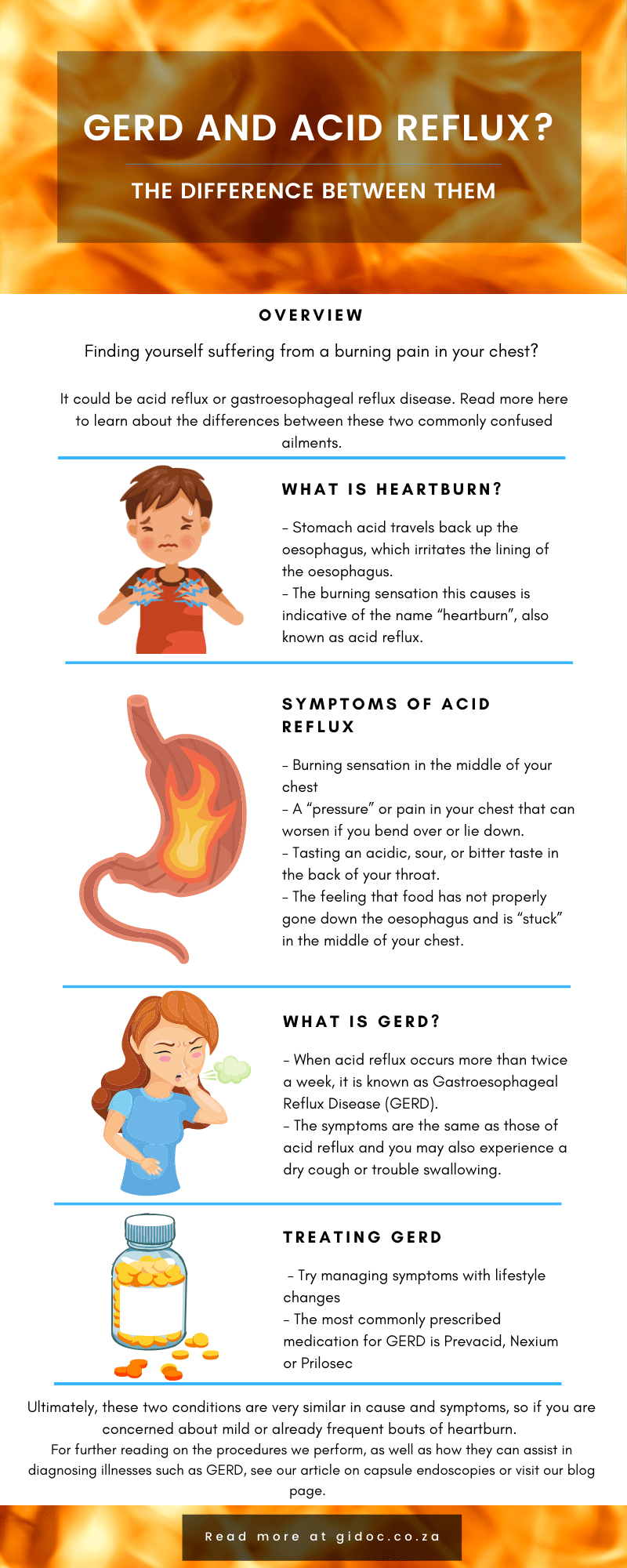
Finding yourself suffering from a burning pain in your chest? 

It could be acid reflux or gastroesophageal reflux disease. Read more here to learn about the differences between these two commonly confused ailments. 


What is the Difference Between Gastroesophageal Reflux Disease (GERD) and Acid Reflux?


If you are experiencing a burning feeling in your chest, you probably already know you’re experiencing heartburn. Heartburn is not a condition on its own, and it has nothing to do with the heart.

Instead, it is the main symptom one experiences when suffering from acid reflux, which is when stomach contents come back up in your esophagus.

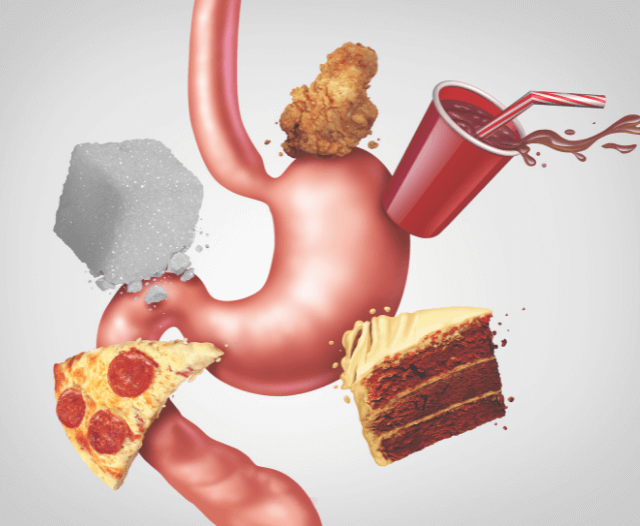
Often the reason for this is easily identified. For example, if you have eaten an extremely chilli heavy dinner or consumed a large amount of fizzy cooldrink, you may activate symptoms of acid reflux.

If this is happening on a regular basis (multiple times per week) it could be an indication that you’re suffering from a more serious condition called gastroesophageal reflux disease (GERD).

Understanding the differences between acid reflux and GERD involves understanding the links between each.

This article will explore what each of these conditions are, their differences, similarities and symptoms, as well as how they relate to one another. 

 heartburn_experience_gerd

What is Heartburn?

 While eating, you swallow food that travels down the esophagus into your stomach.

Here there is a ring of muscles called the lower esophageal sphincter (LES) which tightens and acts as a barrier to keep the food in your stomach.

 Experiencing heartburn indicates that the LES is either weak or is not closing properly.

 This allows stomach acid to travel back up the esophagus, which then irritates the lining of the esophagus. The burning sensation this causes is indicative of the name “heartburn”, also known as acid reflux. 

Symptoms of Acid Reflux
 

  • An unpleasant burning sensation, typically experienced in the middle of your chest that can last between a few minutes to a few hours.
  • A “pressure” type feeling or pain in your chest that can worsen if you bend over or lie down.
  • Tasting an acidic, sour, or bitter taste in the back of your throat.
  • The feeling that food has not properly gone down the esophagus and is “stuck” in the middle of your chest.


 foods_causing_acid_reflux


Causes of Acid Reflux


  • Smoking or regular exposure to second-hand smoke
  • Consuming alcohol
  • Presence of a hiatal hernia
  • Eating large meals
  • Eating late at night or just before bed
  • Consuming high-fat or fried foods
  • Acidic drinks, such as fruit juice

Various medications can also trigger acid reflux, including: 

  • Asthma medication
  • High blood pressure medication
  • Antidepressants
  • Antihistamines
  • Pain relievers
  • Sedatives

 avoiding_heartburn_gerd

How to Avoid Heartburn


If you are prone to experiencing heartburn, you can minimise this by looking at your lifestyle and making some changes to reduce these bouts. 

You typically would not need to be on medication for heartburn as these lifestyle changes are usually effective enough: 

  • Make a note of the foods that you eat that trigger bouts of heartburn for you. These could include acidic, spicy, fried, or fatty foods. Some people also experience acid reflux when drinking caffeine or alcohol.
  • Not eating big meals soon before bedtime, as staying upright after consuming large amounts of food encourages digestion.
  • Losing weight, as obesity can add to the weakening of the lower esophageal sphincter.
  • If you happen to be a smoker, quitting will also assist with relieving symptoms. 


diagnose_gerd

What is GERD?


When acid reflux presents as a chronic condition, meaning it occurs more than twice a week, it is known as Gastroesophageal Reflux Disease (GERD).

If you suffer regular bouts of heartburn, it does not automatically mean that you will progress to having GERD.

The symptoms are the same as those of acid reflux (the burning sensation or lump in your chest) and you may also experience a dry cough or trouble swallowing. 


Diagnosing GERD


Because GERD can occasionally be mistaken for simple acid reflux, your GP will be able to diagnose the illness by looking at the frequency and severity of symptoms that you are experiencing. 

If the symptoms persist, especially any related to swallowing, the doctor may work with a gastroenterologist, surgeon, or another healthcare professional to confirm a diagnosis. 

Your doctor may want to perform one or more of the following tests: 

  • Upper gastrointestinal (GI) endoscopy and biopsy. This procedure involves a camera being inserted down the food pipe to look inside the stomach, or sometimes to take a tissue sample.
  • Upper GI series. Doctors will take X-rays of the body to look for complications such as a hernia, which may be causing the acid reflux.
  • Esophageal pH and impedance monitoring. A thin tube is placed inside the food pipe for about 24 hours to measure acid levels over a full day.
  • Bravo wireless esophageal pH monitoring. Acid levels are monitored by a small capsule that is inserted into the food pipe and a receiver outside the body that provides readings.


Treating GERD


As with acid reflux, the first port of call is to try managing symptoms with lifestyle changes before prescribing medication. 

Yet, as seen above in the possible lifestyle changes, some are more difficult to change than others, like giving up smoking, for example. 

If you and your GP decide it is necessary to look at medications to assist in managing your symptoms, the most commonly prescribed medication for GERD is a proton pump inhibitor (PPI), such as: 

  • Prevacid (lansoprazole)
  • Nexium (esomeprazole)
  • Prilosec (omeprazole)

The way that these PPI medications work is by decreasing the amount of acid produced by your stomach. It has been suggested that a two-month course of PPI can assist with healing of the esophageal lining that has been damaged by stomach acid.

Another medication option would be H2 blockers, which also decrease the production of stomach acid. These are conveniently available over the counter making them very easily accessible.

If your doctor diagnoses that your GERD symptoms are caused by hypersensitivity in the esophagus or excessive relaxation of the lower esophagus, you might be prescribed tricyclic antidepressants or selective serotonin uptake inhibitors. 

gerd_complications


Possible Complications by Delaying Treatment 

The reason it is important to be aware of the differences between acid reflux and GERD is the fact that If GERD goes untreated, it can lead to more serious complications. 

One such issue is esophagitis, which is inflammation in the esophagus. Leaving this untreated can lead to developing strictures; the narrowing of the intestine, in this instance the esophagus. This narrowing can cause esophageal pain and make it difficult to swallow.

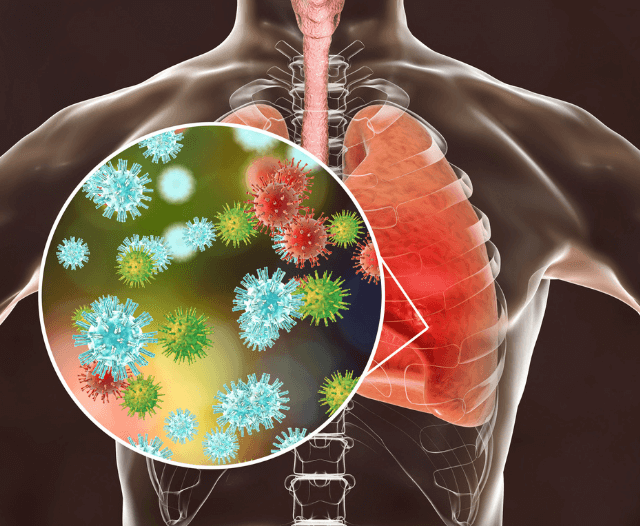
GERD can also make one more susceptible to serious respiratory problems, such as pneumonia or laryngitis. 

Another serious possible complication of GERD is a condition called Barrett’s Esophagus (BE). This condition causes the esophagus lining to thicken and become red due to stomach acid causing cells in the lining of the esophagus to look more like the stomach lining.

If this happens, there is an increased chance, albeit small, of developing esophageal cancer so it is important to have regular check-ups with imaging and biopsies of the esophagus to check for precancerous cells (dysplasia).

If precancerous cells are discovered in these check-ups, you have a good chance to deal with it early and they can be treated to prevent esophageal cancer.

Difference Between Gastroesophageal Reflux Disease and Acid Reflux


Summary: How We Can Help You and Where to Find a GI Specialist


Ultimately, these two conditions are very similar in cause and symptoms, so if you are concerned about mild or already frequent bouts of heartburn, talk to us today about the possibility that you are suffering from GERD.

For further reading on the procedures we perform, as well as how they can assist in diagnosing illnesses such as GERD, see our article on capsule endoscopies or visit our blog page. 

GIDoc Cape Town

Patient-focused GI treatments and procedures in Cape Town.

Monday-Friday 8AM-4PM.

Connect with Us

© Dr. Eduan Deetlefs, Registered Gastroenterologist, GI Doc Cape Town

Our website information is not intended or implied to be a substitute for professional medical advice, diagnosis or treatment. Please consult a doctor about your specific condition. Only a trained physician can determine an accurate diagnosis and proper treatment.

Crohn’s Disease Explained – Symptoms and Treatment

Crohn’s Disease Explained – Symptoms and Treatment

Crohn’s Disease is a type of inflammatory bowel disease that can go into remission but then suddenly reappear with nasty symptoms. Doctors may prescribe medication or, in severe cases, even surgery.

Good lifestyle choices and general symptom management can help ease the hardships of this disease.

Here we will look at examining what the disease entails and the best treatment options available today.


What is Crohn’s Disease?


Crohn’s disease falls under the category of inflammatory bowel diseases. As such, it’s a condition that stays with those suffering from it for life.

While it does differ quite significantly from inflammatory bowel disease, Crohn’s disease does involve chronic inflammation of the digestive tract.

The hardest part about living with Crohn’s disease is living with life-disrupting symptoms. Even when symptoms are not present, though, the disease can be a real hindrance to a stress-free life because Crohn’s disease is prone to remission with sudden flare-ups a common occurrence.

Lifestyle changes are required by most people living with the disease to manage the disease as carefully as possible in an attempt to lower its negative effects on normal school, work, and social life.

In this article, we will look into what makes Crohn’s disease part of the Inflammatory Bowel Disease umbrella term, how it differs from ulcerative colitis, the typical signs and symptoms one can expect when dealing with Crohn’s disease, and potential treatment options.


crohns_disease_symptoms


Inflammatory Bowel Disease and Crohn’s Disease


Crohn’s disease is a form of inflammatory bowel disease (IBD).

IBD is the collective term for describing disorders that involve chronic inflammation of the digestive tract. The digestive tract is comprised of everything from the mouth and oesophagus through to the small and large intestine.

The digestive tract is what keeps you alive by breaking down your food, retaining the valuable parts, and ridding itself of the rest.

The definition of IBD is broad in scope but defines the parent term for two sub-categories of IBD, namely ulcerative colitis and Crohn’s disease.

It’s important to note that while we can draw clear separations between the two on paper, it can sometimes be quite a tricky task to diagnose the correct IBD in patients.

That said, let’s take a look at how Crohn’s disease is similar and contrasting to ulcerative colitis.


How is Crohn’s Disease Different from Ulcerative Colitis?


Ulcerative colitis involves inflammation of the large intestine with inflammation only present in the innermost layer of the lining of the colon.

Apart from inflammation, ulcerative colitis can also present as sores, or ulcers, on the colon lining. Another characteristic of this form of IBD is that the damaged areas are continuous.

This is in contrast to how Crohn’s disease presents.

Whereas ulcerative colitis is limited to the large intestine, Crohn’s disease can involve any part of the gastrointestinal tract from the mouth all the way to the end – the anus. 

Most commonly, it develops in the final part of the small intestine and colon. Another differentiating factor is that it occurs in distinct patches.

Unlike the continuous inflammation found in ulcerative colitis patients, those suffering from Crohn’s disease present with quite distinct healthy and inflamed areas of tissue.

Crohn’s disease seems to be increasing in occurrence with time – studies in the United States suggest that over half a million people are suffering from the disease.

The distinction between the two forms of IBD is not always crystal clear.

When a doctor is unable to determine whether a patient has ulcerative colitis or Crohn’s disease, they will classify the patient’s condition as “indeterminate colitis” implying that there are cases where it’s not always clear one way or the other.

 crohns_disease_treatment


Signs and Symptoms of Crohn’s Disease


Due to the involvement of the small or large intestine and the fact that inflammation can be spread out in multiple segments, signs and symptoms can be widespread.

When Crohn’s disease is in remission, that is to say, that when inflammation is not severe, patients will present with no signs or symptoms. This can change quite rapidly though and often without warning.

When Crohn’s disease is fully active (i.e. not in remission), a number of signs and symptoms can be found, some more painful and debilitating than others.

Depending on the location of the diseased inflammation, symptoms can vary with inflammation of the lower gastrointestinal tract possibly including some or all the following symptoms: 

  • Abdominal pain and cramping
  • Fatigue
  • Reduced appetite and weight loss
  • Persistent, sudden diarrhoea
  • The sensation of incomplete bowel evacuation
  • Constipation which could lead to bowel obstruction

Some of these symptoms may also be present if Crohn’s disease is in the upper GIT but symptoms are fewer in number and milder in severity.

Crohn’s disease has even been known to present silently (no outward symptoms) when the disease affects the small intestine. What often happens is that those with silent symptoms later exhibit symptoms such as intestinal blockage, infection, or persistent pain and fever.

There are also several symptoms, already touched on earlier, that affect one’s general health such as mouth sores, night sweats, and unusual menstrual cycles.

In more severe cases, patients with well-established Crohn’s disease may also experience inflammation of the skin, eyes, and joints, iron deficiency, delayed growth in children, and even kidney stones.

There is quite a range of displayed signs and symptoms of Crohn’s disease. It’s important to remain vigilant in monitoring one’s own health and consulting your doctor at any sign of irregularity in one’s health when Crohn’s disease is suspected. 

 crohns_disease_signs


Treatment of Crohn’s Disease


Due to the inflammation being the main problem in Crohn’s disease with cascading effects, anti-inflammatory drugs are the first step in a treatment plan.

Before starting a treatment plan, one’s doctor will first check out what kind of complications might be present, the severity of the symptoms and other medical conditions that may be present.

Apart from this, the doctor will want to understand how one’s body has responded to medication before such that he or she can ascertain what medical route to go down. Understanding potential side-effects are the primary goal here.

Apart from reducing inflammation, it is important to lower the immune response in an attempt to stop the immune system from attacking the bowel which causes inflammation. Immune suppressants are administered for this.

An example of an immune suppressant that may be administered is a corticosteroid that can help ease swelling. Immunomodulators can be given to stop inflammation but these are more intense and can take weeks or months to kick in.

Aminosalisylates are likely prescribed when one is diagnosed with Crohn’s disease but only present with mild symptoms.

There are risks of side effects with any medication, so doctor consultation is important to establish the right medication on a case-by-case basis.

Antibiotics can also be administered to target bacteria that may be triggering or worsening Crohn’s disease symptoms.

Once the main symptoms have been dealt with, it’s important to maintain good lifestyle choices to further reduce symptoms and risk of re-onset. This includes addressing the loss of fluid by drinking plenty of water and avoiding potential bowel irritants such as dairy products.

In some cases, surgery can be necessary.

For people with Crohn’s disease, surgery can be a means used to remove affected parts of the intestine.


 Crohn's Disease Explained


Get in Touch with GI Experts


To learn more about the complexity of your gut and the opportunity for you to contribute to the scientific pursuit of gastrointestinal knowledge, visit our Cape Town office or peruse our website.

We are gastroenterologist experts using patient-focused GI treatment and procedures in Cape Town

crohns_disease_gastroenterologist

GIDoc Cape Town

Patient-focused GI treatments and procedures in Cape Town.

Monday-Friday 8AM-4PM.

Connect with Us

© Dr. Eduan Deetlefs, Registered Gastroenterologist, GI Doc Cape Town

Our website information is not intended or implied to be a substitute for professional medical advice, diagnosis or treatment. Please consult a doctor about your specific condition. Only a trained physician can determine an accurate diagnosis and proper treatment.

Stomach Pains – When You Need to See a Gastroenterologist

Stomach Pains – When You Need to See a Gastroenterologist

Stomach pain can be a tricky condition to diagnose. First off, it’s quite the general term and isn’t really enough to go on and make a clear self-diagnosis without the completely plausible risk of being horribly off the mark.

Stomach pain also varies wildly in intensity due to the large degree of variation in cause and location.

Nuances in location and cause mean it is in your best interest to seek an actual medical professional when you’re dealing with stomach pain.

In short, if you’re wondering if you should see a doctor about your troubling stomach pain then you probably should.

That said, there are pointers that can make it easier for you to determine whether a trip to the doctor is necessary.

Understanding the types, sources of stomach pain, and common stomach pain signs can change your thinking from “I wonder if it’s worth seeing the doctor about this” to “Oh I recognize that sign, I should definitely see my doctor about this.”

So let’s first jump into the different types and sources of stomach pain and then explore some of the stomach pain signs to be on the lookout for in determining whether to see a Gastroeneterologist.

abdominal_pains_when_to_see_a_doctor

Types and Sources of Stomach Pain

Stomach pain can often be confused as pain that isn’t the stomach at all but rather the abdominal region.

The abdomen includes not only the digestive tract but also other vital organs such as the large intestine, stomach, appendix, kidneys, liver, and gallbladder.

Apart from these organs, your abdomen houses muscles, bones, blood vessels and other structures.

There is simply a lot going on in the abdomen and, as such, any problem with one of these structures may cause pain in the abdomen.

Due to the sheer complexity of what’s housed in the abdomen, there is a vast array of potential problems that may cause pain.

Some of the more common sources of pain include indigestion, gastroesophageal reflux disease (GERD), kidney stones, appendicitis, irritable bowel syndrome and a whole host of others.

One of the most common causes of stomach, or abdominal, pain is related to bloating and gas where a generalized pain is felt most often due to indigestion.

The pain, as you are likely aware, is uncomfortable but normally resides after some time.

Taking an over-the-counter medication such as an antacid can lower the recovery time significantly but often normal digestion will resume with time and the pain will subside.

This general pain is different from abdominal pain that is more localized to a certain region. This may indicate a sign of a problem with one of your organs.

Before you panic whenever you feel localized pain, know that this pain may be transient in nature thereby passing with time.

However, a sharp, persistent, or worsening localized pain may indicate a good time to see your doctor.

Stomach Pain Signs for When to

See a Gastroenterologist

General pain is, well… pretty general. As such, it can be difficult to discern between pain that may subside in a short while and acute pain that requires more serious attention.

To help one make sense of and differentiate between something that will shortly subside and that which may be a sign of something more troubling, let’s take a look at several stomach pain signs that justify a visit to the doctor.

1.   Intense Pain Accompanied by Bloody Diarrhoea

If this appears quite suddenly, it can serve as a sign of something like a foodborne illness thanks to food contamination of some sort.

Salmonella and E. Coli are both causes of foodborne illnesses. Food poisoning is often accompanied by other symptoms such as running a fever.

While food poisoning does generally subside in a few days, it is worth a visit to the doctor even if just to ensure that food poisoning is indeed the cause and whether additional precautionary measures need to be taken.

Regular severe pain coupled with bloody diarrhoea, on the other hand, could suggest something more serious such as a form of inflammatory bowel disease like ulcerative colitis.

The tricky aspect of something like inflammatory bowel disease is that it may have periods of remission where the pain and general symptoms disappear. This can provide a false sense of recovery to patients.

Ultimately, intense pain accompanied by bloody diarrhoea warrants a visit to the doctor every time.

2. Sudden Pain Paired with Vomiting

As in the previous sign, this could be an indication of a foodborne illness. And, as mentioned earlier, this may pass after several days.

These symptoms can, however, be the cause of acute gastroenteritis (‘stomach flu’). Gatroenteritis is caused by a bacteria, virus or parasite and manifests as inflammation of the intestine lining.

Viral gastoenteritis is very common today and generally subsides on it’s own. As such, it’s not essential to see a Gastroenterologist but if you are struggling to keep fluids down then a visit to the doctor is needed.

3. Intense Stomach Pain in Lower Abdomen

If one experiences a high level of pain in the lower abdomen that is relieved once the bowels are moved, it could be a sign of irritable bowel syndrome (IBS).

IBS involves a change in the normal functioning of the digestive system and is related to how the brain and the gut work together.

Those with IBS tend to have more sensitive guts resulting in changes in muscular contraction in the bowels. Symptoms include bloating, constipation, and persistent stomac pain, among others.

Due to the fact that stomach cramps that subside after the moving of one’s bowels can be a sign of constipation, the lines between IBS and ordinary constipation can become a little blurred.

If constipation is something you find reoccurring on a regular basis then a visit to the doctor may do you some good in helping to clear up the causes and looking at possible solutions.

4. Side or Lower Back Pain

Kidney stones may be the problem if you experience side or lower back pain coupled with pain during urination.

Kidney stones are tiny pebble-like crystals that can form in one or both of the kidneys due to high levels of certain minerals.

The pain caused by kidney stones is due to their sharp crystalline structure passing through the urinary tract as tries to leave your body.

The pain can be quite incredible and is often accompanied by nausea and even vomiting.

Summary

Stomach pain and that in the surrounding abdominal region can be quite mild.

In the majority of cases, pain in this area is related to indigestion and bloating and does not always require a trip to the doctor.

If pain persists for a longer period of time or worsens, then it is time to seek professional medical help.

Localized pain, that is pain felt in a specific region of the abdomen, may indicate a more severe problem and certainly warrants paying the doctor a visit.

In any case, if you are unsure whether you should or shouldn’t see a doctor, then the answer is always that you should.

Don’t rely on internet blogs and articles to self-diagnose as this can be dangerous for your health and should not be taken as medical advice.

Always trust the professionals as they are trained to diagnose and help you recover.

Learn More from the Experts

GiDoc Cape Town is a practice founded to provide medical solutions in the area of gastroenterology.

Over the years, Dr Eduan Deetlefs has earned the reputation of a trusted health expert providing consultative, diagnostic, and therapeutic endoscopic and related services to patients in Cape Town and beyond. 

Book an appointment online or give us a call at 021 551 8678 to find out more.


GIDoc Cape Town

Patient-focused GI treatments and procedures in Cape Town.

Monday-Friday 8AM-4PM.

Connect with Us

© Dr. Eduan Deetlefs, Registered Gastroenterologist, GI Doc Cape Town

Our website information is not intended or implied to be a substitute for professional medical advice, diagnosis or treatment. Please consult a doctor about your specific condition. Only a trained physician can determine an accurate diagnosis and proper treatment.

What is a Polypectomy?

What is a Polypectomy?

A polypectomy is a procedure performed by doctors on patients who have polyps on the inside of their colon, or large intestine.

The polyps are surgically removed in a procedure that is generally considered relatively non-invasive

If you’re a little confused at this point, do not fear.

We’re going to have a look at exactly what polyps are, why they may need to be removed, recovering from a polypectomy and other information that will leave you clued up.

Let’s have a look at what you need to know about a polypectomy.


What are Polyps?


First off, let’s dive into what polyps are. They are, after all, the focus of a polypectomy.

In short, a polyp is an abnormal collection of tissue which grows out of tissue and into hollow spaces in the body.

Some types of polyps can change into cancer over time, usually a space of several years, but not all polyps become cancerous. The probability of this depends on the type of polyp.

At times, polyps found through a colonoscopy are likely precancerous. At this stage, they are called adenomas and, once removed, present no further risk to the patient.

Most are benign, however, it is not possible to rule out cancer without first examining the polyp.

It is for this reason that doctors recommend removing polyps when found so that they can be tested for cancer. 

How Common are Polyps?


Polyps are more common than you may think.

Using the United States as an example, between 20-30 percent of Americans have colon polyps.

Uterine polyps are also a problem which increase in probability of occurrence as a woman ages. Resultantly, they are highly prevalent in menopausal women.

Due to their prevalence in urbanized society, it’s imperative to have a screening colonoscopy done at least every 10 years beginning at the age of 50.

The benefits are two-fold: prevent cancer by removing the polyps while they are in the precancerous stage, and assess whether a patient is at risk of developing colon cancer through a lab test of a removed polyp.

If you are thinking that extra tissue such as a polyp may not be a problem if it is benign, think again.

A polyp can grow to a large size.

Such is their growth potential that it can alter blood flow, put pressure on organs, and cause a range of connected side-effects resulting in a multitude of symptoms.


dr-deetlefs-gastroenterology-treatment-capetown


What to Expect in a Polypectomy Procedure


Before doctors can remove a polyp or polyps, they must first ascertain whether there is any present. For this, a procedure called a colonoscopy is used.

During a colonoscopy, a colonoscope is inserted into the patient. A colonoscope is a long, thin and flexible tube which is equipped with a camera and a light at the end.

This allows the doctor to explore the segments of your colon in an attempt to find anything unusual, such as a polyp.

During a colonoscopy, if the doctor discovers polyps, they will usually perform a polypectomy at the same time.

Several methods of undertaking a polypectomy are available to the doctor and this depends in large part on the type of polyps they find.

Polyps can be small, large, sessile, or pedunculated. Sessile polyps don’t have a stalk and lie flat against the colon tissue whereas a pedunculated polyp grows on a stalk and can be thought of as a mushroom in terms of its shape.

Three common polypectomy procedures are as follows:

  • Cold Forceps Polypectomy:
    Forceps are used to pry and pull the polyp loose. The doctor will also use a wire to remove the part of the polyp that extends into the tissue. This technique is most commonly used with small polyps.
  • Hot Forceps Polypectomy:
    This technique is similar to cold forceps removal in that forceps are used to pry and pull the polyp loose. In addition, though, the doctor uses a procedure called electrocautery to burn away any remaining polyp tissue and prevent bleeding.
  • Snare Polypectomy:
    This is the most popular technique used when the polyp is larger than 1cm. A snare is a loop that can grab and remove the polyp. It can be either hot or cold and can be used in conjunction with electrocautery to burn away any remaining polyp tissue.

In moderately rare cases, some polyps can be considered technically challenging or can be associated with an increased risk of complications.

The location and configuration of the polyp, as well as a large polyp size, can result in this scenario.

In these cases, endoscopic mucosal resection (EMR) or endoscopic submucosal dissection (ESD) techniques can be used.

In EMR, a fluid injection made of saline is used to lift the polyp from the underlying tissue and then removed piece by piece.

In ESD, the fluid is injected deep into the lesion and the polyp is removed in one piece.

If this technique is also not possible, such as can be the case with larger polyps, bowel surgery may be needed. This is the last resort, however.


Is Anaesthetic Needed Before a Polypectomy?

Generally, the doctor will give the patient a sedative which is usually administered through an intravenous needle. This helps the patient to feel calm and relaxed.

Anaesthetic is not needed although some patients prefer it.

The procedure itself, while not painful, can be uncomfortable which is why a sedative can help the patient have a more relaxed experience.

In total, the procedure lasts between 30 and 60 minutes and is referred to as an outpatient procedure. This means patients can return home on the same day as the procedure.

In the cases where surgery is required, patients will remain in the hospital for around three days depending on whether complications arise.


Recovery from a Polypectomy


General recovery normally takes a patient around two weeks at a maximum.

In terms of discomfort, patients may feel some pain following the procedure, especially immediately after. The doctor will prescribe medication to manage this pain.

It’s quite normal to experience some bleeding following the procedure but one’s doctor should be kept updated in case there is a complication such as heavy bleeding that stops and starts again.

Your doctor will make sure you are clear on what to do following your procedure with post-care instructions.

They may ask you to avoid certain dietary intake that may irritate your digestive system.

The recommended dietary restriction is normally around 2-3 days.

Some of the foods and liquids the doctor may ask a patient to avoid include coffee, fizzy drinks, alcohol and spicy food.

Apart from the above, your doctor will schedule a follow-up colonoscopy to ensure that the polypectomy was a successful procedure.

 What is a Polypectomy


Summary 

A polypectomy is a routine procedure that can eliminate polyps and prevent the onset of colon cancer as a result of cancerous polyps.

Patients should weigh up the benefits and risks but overall this is a procedure that is relatively non-invasive with a large degree of utility.

For most polypectomy recipients, the procedure is a minor inconvenience that can offer peace of mind with regards to general health.

This becomes especially important when patients are 50 years and older.

If you would like to book an appointment with Dr. Deetlefs  or would simply like more information on a particular GI topic, don’t hesitate to use our online booking form or call us at 021 551 8678.

GIDoc Cape Town

Patient-focused GI treatments and procedures in Cape Town.

Monday-Friday 8AM-4PM.

Connect with Us

© Dr. Eduan Deetlefs, Registered Gastroenterologist, GI Doc Cape Town

Our website information is not intended or implied to be a substitute for professional medical advice, diagnosis or treatment. Please consult a doctor about your specific condition. Only a trained physician can determine an accurate diagnosis and proper treatment.