
021 202 0626
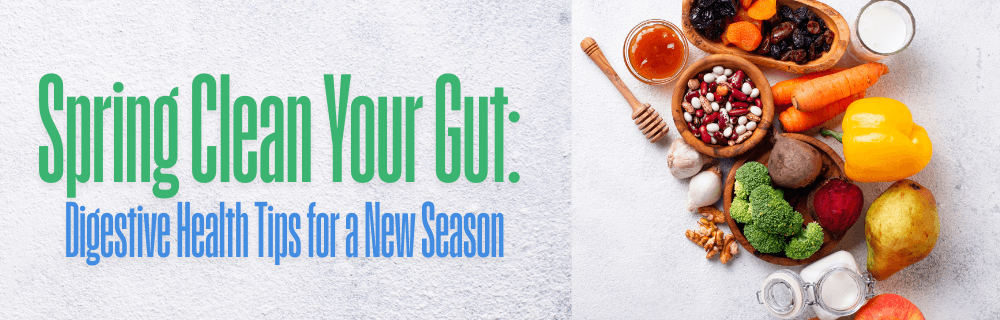
Spring Clean Your Gut: Digestive Health Tips for a New Season

Spring Clean Your Gut: Digestive Health Tips for a New Season

As winter fades and spring begins to bloom, it’s the perfect time to refresh more than just your home. Your digestive system, often overlooked during colder months, can also benefit from a seasonal reset.

The concept of “spring cleaning” your gut isn’t just a trendy phrase—it’s a proactive way to boost your overall health, improve digestion, and set the tone for the months ahead.

In this article, we’ll explore practical, medically-sound ways to support your digestive system this spring.

From dietary adjustments and hydration to lifestyle changes and the role of probiotics, these tips will help you feel lighter, more energetic, and ready for the new season.


Why Digestive Health Matters


The digestive system plays a crucial role in overall health. It’s responsible for breaking down the food you eat, absorbing nutrients, and eliminating waste.

When your gut is functioning well, it helps maintain a balanced immune system, reduces inflammation, and supports mental health through the gut-brain axis.

However, poor eating habits, lack of fiber, dehydration, stress, and a sedentary lifestyle can throw your gut microbiome out of balance—leading to bloating, constipation, fatigue, or even flare-ups of conditions like IBS, Crohn’s disease, or ulcerative colitis.

Spring is the perfect opportunity to reset and refocus on gut health.

fiber_rich_foods_for_healthy_gut

Tip 1: Add More Seasonal, Fiber-Rich Foods

Springtime brings a bounty of fresh produce that can do wonders for your gut. Fiber is essential for a healthy digestive system. It keeps bowel movements regular and acts as fuel for the beneficial bacteria in your gut.

Top spring fiber-rich foods to try:

  • Asparagus: High in inulin, a prebiotic fiber that promotes healthy gut bacteria.
  • Artichokes: Rich in fiber and antioxidants.
  • Peas and green beans: Mild, high-fiber veggies that are easy to digest.
  • Leafy greens: Spinach, kale, and arugula help keep things moving.
  • Berries: Packed with fiber and antioxidants to support both gut and immune health.

Gradually increase your fiber intake to avoid gas or bloating and always drink plenty of water when increasing fiber.


Tip 2: Stay Hydrated for Digestive Ease

Water is essential for digestion. It helps dissolve nutrients, softens stool for regular bowel movements, and supports the lining of the intestines.

During colder months, many people drink less water, especially if they’re not sweating as much. Spring is a great time to get back into a hydration routine. Aim for 6–8 glasses of water a day—or more if you’re active.

Add lemon or mint to your water for a refreshing spring twist, and try herbal teas like ginger or peppermint, which have natural digestive benefits.


Tip 3: Support Your Gut with Probiotics and Prebiotics

Your gut is home to trillions of bacteria—some beneficial and some not-so-much. Keeping this microbiome balanced is key to digestive health.

Probiotics are “good” bacteria that support digestion, immunity, and even mental health. You can find them in:

  • Yogurt with live cultures
  • Kefir
  • Sauerkraut
  • Kimchi
  • Miso
  • Fermented pickles (not vinegar-based)

Prebiotics, on the other hand, are the food that nourishes these good bacteria. Foods like onions, garlic, leeks, and bananas are excellent sources.

Consider adding a probiotic supplement, especially if you’ve recently taken antibiotics or have gut health concerns. But consult your gastroenterologist before starting new supplements.

fiber_rich_foods_healthy_gut


Tip 4: Reduce Processed Foods and Sugar

Processed foods and added sugars can disrupt the gut microbiome, promote inflammation, and contribute to digestive issues like bloating or constipation.

Spring is a great time to cut back on packaged snacks, sugary drinks, and ultra-processed meals. Instead, focus on whole, minimally processed foods.

Make room on your plate for:

  • Lean proteins like grilled chicken or fish
  • Fresh vegetables
  • Whole grains like quinoa or brown rice
  • Healthy fats like olive oil and avocado

Cleaning up your diet doesn’t have to mean strict dieting—it just means being mindful and making healthier swaps.


Tip 5: Get Moving Again

Physical activity promotes regular bowel movements, improves mood, and supports gut motility. If your activity levels dropped during the winter, spring offers an energizing opportunity to re-engage.

Start with daily walks, yoga, or stretching. Gardening, biking, and light hikes are great spring activities that support both mental and digestive well-being.

Even just 20–30 minutes of light to moderate activity a day can make a big difference in how your digestive system functions.


Tip 6: Manage Stress

Stress has a direct impact on the digestive system. It can cause or worsen symptoms of IBS, heartburn, nausea, and abdominal discomfort.

Spring cleaning your gut means addressing your mental wellness too. Incorporate stress-reducing habits such as:

  • Deep breathing exercises or meditation
  • Journaling
  • Spending time in nature
  • Reducing screen time
  • Maintaining a regular sleep schedule

The gut-brain connection is strong—taking care of your mind helps take care of your gut.


Tip 7: Revisit Your Gastrointestinal Health Goals

Have you been postponing a colonoscopy, endoscopy, or follow-up with your gastroenterologist? Spring is an excellent time to get back on track.

If you have chronic digestive conditions like GERD, IBS, IBD, or celiac disease, routine monitoring is essential. And if you’re over 45 or have a family history of colorectal cancer, don’t delay your screening.

Spring is also a good time to:

  • Reassess your medications and supplements
  • Check in about recurring symptoms
  • Discuss new dietary changes or probiotics with your doctor

probitoic_healthy_gut


Tip 8: Try a Gentle Detox—The Right Way

While harsh “cleanses” or laxative-based detoxes can do more harm than good, a gentle digestive reset can be beneficial.

Here’s a safe, natural way to support your body’s detox process:

  • Drink plenty of water
  • Eat whole, unprocessed foods
  • Avoid alcohol and caffeine for a few days
  • Increase fiber gradually
  • Add herbal teas like dandelion or chamomile

Remember: your liver, kidneys, and digestive system are already designed to detox your body. Supporting these organs with smart choices is all you need.


When to See a Gastroenterologist


As you spring-clean your gut, pay attention to any persistent or unusual symptoms, such as:

  • Chronic bloating or abdominal pain
  • Irregular bowel movements (diarrhea or constipation)
  • Blood in stool
  • Sudden weight loss
  • Heartburn or reflux that doesn’t improve

These could be signs of a more serious underlying condition that needs medical evaluation. Early diagnosis and treatment can prevent complications and improve your quality of life.

If you’re unsure where to begin, consult your gastroenterologist for a personalized plan.


Conclusion


Spring is a time of renewal—and your gut health should be part of that transformation.

By incorporating fresh, seasonal foods, staying hydrated, nurturing your gut microbiome, reducing stress, and staying active, you can “spring clean” your digestive system in a way that promotes long-term wellness.

Whether you’re managing a digestive disorder or simply looking to feel better day to day, these tips can help you start the new season with a healthier gut and a renewed sense of vitality.

If you have ongoing concerns or want professional guidance, don’t hesitate to reach out to your gastroenterologist. A healthy gut is the foundation of a healthy you.

springclean_your_gut_digestive_health_infographic


Get in Contact with Dr. Deetlefs

Gi Doc Capetown is a practice founded to provide medical solutions in the area of gastroenterology.

Over the years, Dr Eduan Deetlefs has earned the reputation of a trusted health expert providing consultative, diagnostic, and therapeutic endoscopic and related services to patients in
Cape Town and beyond.

If you would like to book an appointment with a gastrointestinal (GI) specialist or would simply like more information on a particular GI topic, don’t hesitate to use our online booking form or call Dr. Deetlefs at 021 551 867.

GIDoc Cape Town

Patient-focused GI treatments and procedures in Cape Town.

Monday-Friday 8AM-4PM.

Connect with Us

© Dr. Eduan Deetlefs, Registered Gastroenterologist, GI Doc Cape Town

Our website information is not intended or implied to be a substitute for professional medical advice, diagnosis or treatment. Please consult a doctor about your specific condition. Only a trained physician can determine an accurate diagnosis and proper treatment.

How To Keep Your Gut Healthy Over the Festive Time

How To Keep Your Gut Healthy Over the Festive Time


The festive season is a time of indulgence, celebration, and joy, filled with family gatherings, parties, and rich meals.

However, while this season brings warmth to our hearts, it can often wreak havoc on our digestive system.

Between overindulgent meals, increased alcohol intake, and disrupted routines, maintaining a healthy gut during the holidays can become a challenge.

The gut is not only responsible for digesting food; it also plays a significant role in overall health, influencing immune function, mood, and energy levels.

Keeping your gut healthy during the festive period is crucial for ensuring that you enjoy the celebrations without compromising your well-being.

Here, we’ll explore how you can support your digestive health during this indulgent time with practical tips and mindful choices.


The Importance of Gut Health During Festive Times


The gut is home to trillions of bacteria that make up your gut microbiome. These microorganisms play a critical role in breaking down food, absorbing nutrients, and supporting your immune system.

When your gut is imbalanced, it can lead to symptoms such as bloating, indigestion, diarrhea, or constipation, and even impact your mental health.

During the festive season, the typical diet of heavy meals, sugary treats, and alcohol can disrupt the gut microbiome, making it harder to maintain a healthy digestive system.

Coupled with stress, lack of sleep, and irregular mealtimes, this can strain your gut even further.

By adopting a few mindful practices, you can reduce the negative impact of holiday indulgences on your gut health and keep your digestive system running smoothly.

 
healthy_gut_festive


Practice Portion Control


One of the most common causes of gut discomfort during the festive season is overeating.

Large meals can overwhelm your digestive system, leading to symptoms like bloating, acid reflux, and indigestion.

  • Smaller Portions: Instead of loading your plate with everything in sight, opt for smaller portions and savor each bite. You can always go back for seconds if you’re still hungry.
  • Mindful Eating: Eat slowly and chew your food thoroughly. This allows your digestive enzymes to work more efficiently, easing the digestive process.
  • Avoid Overeating Late at Night: Eating large meals late at night can disrupt digestion and lead to uncomfortable symptoms. Try to finish your last meal at least 2-3 hours before bed.


Stay Hydrated


Hydration is essential for digestion and overall gut health. Water helps break down food, absorb nutrients, and prevent constipation.

However, during the holidays, it’s easy to forget about water when other beverages like alcohol, soda, and sugary drinks take center stage.

  • Drink Water Throughout the Day: Aim for 8-10 glasses of water daily to keep your digestive system hydrated.
  • Limit Alcohol and Sugary Drinks: Alcohol and sugary beverages can irritate the gut lining and disrupt your microbiome. If you drink alcohol, do so in moderation and alternate with water to stay hydrated.
  • Herbal Teas for Digestion: Herbal teas like ginger, peppermint, or chamomile can soothe your digestive tract and support gut health after a heavy meal.

healthy_gut_hydration


Load Up on Fiber-Rich Foods


Fiber is a gut-friendly nutrient that supports digestion, feeds beneficial gut bacteria, and helps prevent constipation.

During the holidays, the abundance of rich, processed foods can leave your diet lacking in fiber.

  • Incorporate Fruits and Vegetables: Choose fiber-rich options like berries, apples, pears, carrots, and leafy greens. These will provide both soluble and insoluble fiber for optimal digestion.
  • Whole Grains: Swap white bread and pasta for whole-grain options like quinoa, brown rice, and whole-grain bread to increase your fiber intake.
  • Legumes and Nuts: Beans, lentils, almonds, and walnuts are great sources of fiber and nutrients that promote gut health.


Prioritize Probiotics and Prebiotics


Probiotics are live bacteria that support a healthy gut microbiome, while prebiotics are the fibers that feed these beneficial bacteria.

Including both in your diet during the festive season can help maintain a balanced gut.

  • Probiotic Foods: Incorporate yogurt (with live cultures), kefir, sauerkraut, kimchi, and miso into your meals to replenish good bacteria.
  • Prebiotic Foods: Foods like garlic, onions, bananas, asparagus, and oats are excellent prebiotic sources that nourish your gut bacteria.
  • Consider a Supplement: If your diet is lacking in probiotics, a high-quality supplement can help maintain gut balance.


Be Cautious with Trigger Foods


Certain festive foods and drinks are common culprits for gut discomfort, including spicy dishes, fried foods, processed snacks, and heavy desserts.

These can irritate the gut lining, cause bloating, and disrupt digestion.

  • Avoid Overly Fatty or Spicy Foods: While it’s okay to enjoy indulgent dishes in moderation, be mindful of foods that you know cause discomfort.
  • Limit Processed and Sugary Foods: Excess sugar can feed harmful gut bacteria and lead to an imbalance in your microbiome. Opt for natural sweeteners like honey or fruit if you’re craving something sweet.

healthy_fiber_good_gut


Don’t Forget to Move


Staying active during the festive season is one of the best ways to support gut health.

Exercise stimulates the muscles in your digestive tract, promoting regular bowel movements and reducing bloating.

  • Take a Walk After Meals: A gentle walk after a large meal can aid digestion and prevent feelings of sluggishness.
  • Stay Active During the Holidays: Incorporate light exercises like yoga, stretching, or dancing to keep your body moving and your gut functioning optimally.


Get Enough Sleep


Sleep is critical for gut health. Poor sleep can disrupt your gut microbiome and increase inflammation, leading to digestive issues.

  • Maintain a Consistent Sleep Schedule: Try to go to bed and wake up at the same time each day, even during the holidays.
  • Create a Calming Bedtime Routine: Avoid heavy meals, alcohol, and screen time before bed to improve sleep quality.
  • Listen to Your Body: If you’re feeling fatigued, allow yourself time to rest and recover.


Manage Stress


The festive season can be a stressful time, with shopping, hosting, and socializing adding to the pressure.

Stress is a known disruptor of gut health, as it can alter gut bacteria and slow digestion.

  • Practice Mindfulness: Techniques like meditation, deep breathing, or yoga can help calm your mind and reduce stress levels.
  • Set Realistic Expectations: Don’t overcommit to social events or responsibilities. Prioritize activities that bring you joy and relaxation.
  • Take Time for Yourself: Amid the holiday chaos, carve out moments to recharge, whether it’s through a quiet walk, journaling, or reading.

healthy_eating_gut


Stick to Regular Mealtimes


Irregular eating patterns during the holidays can confuse your digestive system and lead to bloating or indigestion.

Try to maintain a consistent meal schedule, even during festivities.

  • Plan Ahead: If you know you’ll be attending a late-night gathering, eat a small, balanced meal beforehand to avoid overeating at the event.
  • Avoid Skipping Meals: Skipping meals to “save room” for a big dinner can lead to overeating and discomfort later.


Listen to Your Body


Your body often signals when something isn’t right.

Pay attention to how different foods and habits affect your digestion during the festive season.

  • Track Your Symptoms: Keep a journal of what you eat and how you feel to identify any patterns or triggers.
  • Don’t Ignore Discomfort: If you experience persistent digestive issues, consult a healthcare provider to rule out any underlying conditions.

healthy_gut_festive_times


Conclusion


The festive season doesn’t have to be synonymous with digestive discomfort.

By practicing mindful eating, staying hydrated, prioritizing gut-friendly foods, and maintaining healthy lifestyle habits, you can support your gut health while still enjoying the celebrations.

Remember, moderation is key. Indulge in your favorite holiday treats, but balance them with nutritious choices and self-care.

By taking proactive steps to care for your gut, you’ll feel your best throughout the festive season and beyond.

Happy holidays, and here’s to a healthy and joyful festive time!


Get in Contact with Dr. Deetlefs


If you would like to book an appointment with a gastrointestinal (GI) specialist or would simply like more information on a particular GI topic, don’t hesitate to use our online booking form or call Dr. Deetlefs at 021 551 867.

GIDoc Cape Town

Patient-focused GI treatments and procedures in Cape Town.

Monday-Friday 8AM-4PM.

Connect with Us

© Dr. Eduan Deetlefs, Registered Gastroenterologist, GI Doc Cape Town

Our website information is not intended or implied to be a substitute for professional medical advice, diagnosis or treatment. Please consult a doctor about your specific condition. Only a trained physician can determine an accurate diagnosis and proper treatment.

Living Gluten-Free: Tips for Managing Celiac Disease

Living Gluten-Free: Tips for Managing Celiac Disease

Celiac disease is a chronic autoimmune condition that affects millions of people worldwide.

It occurs when the immune system reacts to gluten, a protein found in wheat, barley, and rye, causing inflammation and damage to the small intestine.

For individuals with celiac disease, the only treatment is a strict gluten-free diet, which allows the intestine to heal and prevents further damage.

However, adopting and maintaining a gluten-free lifestyle can be challenging.

This article provides a comprehensive guide to living gluten-free and managing celiac disease effectively.


Understanding Celiac Disease and Gluten


  • What is Celiac Disease?

    Celiac disease is more than just a sensitivity to gluten. It is an autoimmune condition where consuming gluten triggers the immune system to attack the lining of the small intestine.
     

Over time, this can lead to malabsorption of nutrients, causing symptoms like:

  • Diarrhea
  • Abdominal pain
  • Bloating
  • Fatigue
  • Anemia
  • Weight loss

If left untreated, celiac disease can lead to long-term complications, including osteoporosis, infertility, neurological disorders, and an increased risk of certain cancers.


What is Gluten?

Gluten is a protein found in grains such as wheat, barley, and rye. It acts as a binding agent, giving dough its elasticity and baked goods their chewy texture.

Gluten is commonly found in bread, pasta, cereals, and baked goods, but it can also hide in processed foods, sauces, seasonings, and even medications or cosmetics.


symptoms_of_celiac_disease


Why a Gluten-Free Diet is Crucial


For individuals with celiac disease, even a small amount of gluten can cause damage to the intestine.
A gluten-free diet is not a fad or choice for them—it’s a medical necessity.

This diet allows the intestinal lining to heal, alleviates symptoms, and prevents further complications.


Transitioning to a Gluten-Free Diet


Adopting a gluten-free diet can feel overwhelming at first, but with the right approach, it becomes manageable.

Here are some steps to make the transition easier:


  1. Educate Yourself
    • Learn which foods contain gluten and which are naturally gluten-free.
    • Understand how to read food labels and identify hidden sources of gluten. 
  1. Purge Your Pantry
    • Remove all gluten-containing products from your home.
    • Replace them with gluten-free alternatives, such as gluten-free flours, bread, and snacks. 
  1. Stock Up on Gluten-Free Staples
    • Focus on naturally gluten-free foods like fruits, vegetables, meat, fish, eggs, dairy, legumes, and nuts.
    • Purchase gluten-free grains like quinoa, rice, buckwheat, millet, and certified gluten-free oats. 
  1. Cook at Home
    • Preparing meals at home ensures complete control over ingredients.
    • Experiment with gluten-free recipes to discover new favorites.

gluten_free_diet

Tips for Managing a Gluten-Free Lifestyle


Living gluten-free requires vigilance and preparation. Here are some practical tips to help you stay on track:


  1. Learn to Read Labels
    • Look for gluten-free certification symbols on packaging.
    • Check for hidden sources of gluten, such as malt, modified food starch, and hydrolyzed vegetable protein.
  1. Avoid Cross-Contamination
    • Use separate utensils, cookware, and appliances for gluten-free cooking.
    • Clean surfaces and kitchen tools thoroughly to prevent cross-contact.
    • Store gluten-free foods separately from gluten-containing items.
  1. Plan Ahead When Dining Out
  • Research restaurants with gluten-free menus or options.
  • Call ahead to confirm their ability to accommodate your needs.
  • Ask detailed questions about food preparation and ingredients. 
  1. Traveling Gluten-Free
    • Pack gluten-free snacks for the journey.
    • Learn phrases like “I have celiac disease” in the local language when traveling abroad.
    • Research gluten-free restaurants and grocery stores at your destination. 
  1. Be Mindful of Hidden Gluten
    • Gluten can be present in unexpected places, such as soy sauce, salad dressings, soups, and even medications or supplements.
    • Always verify ingredients before consuming anything new. 
  1. Connect with Support Groups
    • Join local or online communities for individuals with celiac disease.
    • Share experiences, tips, and recipes with others who understand the challenges.


Foods to Eat and Avoid


Gluten-Free Foods to Enjoy

  • Fresh fruits and vegetables
  • Plain meat, poultry, and seafood
  • Eggs
  • Dairy products (if no lactose intolerance)
  • Gluten-free grains (quinoa, rice, millet, buckwheat, certified gluten-free oats)
  • Legumes and nuts
  • Gluten-free flours (almond, coconut, rice, chickpea) 


Foods to Avoid

  • Wheat, barley, rye, and triticale
  • Bread, pasta, and baked goods made with traditional flour
  • Beer and malt beverages
  • Processed foods with hidden gluten (soups, sauces, salad dressings)
  • Foods fried in shared oil with gluten-containing items

foods_to_avoid_with_celiac_disease


Overcoming Challenges


Living gluten-free comes with its own set of challenges, but they can be managed with preparation and persistence.


Social Situations

    • Inform hosts or friends about your dietary needs in advance.
    • Bring a gluten-free dish to share at gatherings.

Emotional Impact

    • Feeling left out during meals or gatherings is common. Focus on the positive impact of your diet on your health.
    • Seek support from family, friends, or a therapist if needed. 

Cost of Gluten-Free Products

Gluten-free items can be more expensive.

To save money:

      • Cook at home using whole, naturally gluten-free foods.
      • Buy in bulk or shop for sales on gluten-free products.


Health Benefits of a Gluten-Free Diet


While challenging, a gluten-free diet offers significant health benefits for individuals with celiac disease:

  • Alleviation of digestive symptoms like bloating, diarrhea, and pain
  • Restoration of nutrient absorption and prevention of deficiencies
  • Improved energy levels and reduction of fatigue
  • Prevention of long-term complications like osteoporosis and intestinal damage


The Role of Healthcare Professionals


Managing celiac disease requires a multidisciplinary approach.

A gastroenterologist can help with diagnosis and monitoring, while a dietitian can provide guidance on adopting a balanced gluten-free diet.

Regular check-ups ensure you stay on track and address any complications early.


Common Myths About Celiac Disease and Gluten-Free Living


Myth: Gluten-Free Diets are for Everyone

Fact: A gluten-free diet is medically necessary for individuals with celiac disease but is not inherently healthier for the general population.


Myth: A Small Amount of Gluten Won’t Hurt

Fact: Even trace amounts of gluten can cause damage to the intestine in people with celiac disease.


Myth: Gluten-Free Products are Always Healthy

Fact: Many gluten-free processed foods can be high in sugar, fat, or calories. Focus on whole, naturally gluten-free foods.


Looking Ahead: Research and Future Treatments


While a gluten-free diet is currently the only treatment for celiac disease, ongoing research aims to develop alternative therapies. These include enzyme-based treatments to break down gluten, immune-modulating drugs, and even vaccines to prevent the immune response to gluten.


Conclusion


Living gluten-free is essential for individuals with celiac disease and, while challenging, can be managed effectively with the right knowledge and preparation.

By understanding gluten, avoiding cross-contamination, planning meals, and seeking support, you can thrive on a gluten-free diet.

Remember, managing celiac disease is not just about avoiding gluten—it’s about embracing a lifestyle that prioritizes your health and well-being.

With time and practice, gluten-free living becomes second nature, allowing you to focus on living your best, healthiest life.

For personalized guidance and support, consult your healthcare provider or a registered dietitian specializing in celiac disease.

They can help you navigate the challenges and ensure a balanced, nutritious gluten-free diet.


living_gluten_free_infographic


Get in Contact with Dr. Deetlefs


If you suspect you have celiac disease or are struggling to manage your condition, don’t hesitate to reach out for expert guidance.
Contact Dr. Deetlefs today for a thorough evaluation, personalized treatment plan, and support to help you live a healthy, gluten-free life.


If you would like to book an appointment with a gastrointestinal (GI) specialist or would simply like more information on a particular GI topic, don’t hesitate to use our online booking form or call Dr. Deetlefs at 021 551 867.

GIDoc Cape Town

Patient-focused GI treatments and procedures in Cape Town.

Monday-Friday 8AM-4PM.

Connect with Us

© Dr. Eduan Deetlefs, Registered Gastroenterologist, GI Doc Cape Town

Our website information is not intended or implied to be a substitute for professional medical advice, diagnosis or treatment. Please consult a doctor about your specific condition. Only a trained physician can determine an accurate diagnosis and proper treatment.

How The Gut Brain Connection Works

How The Gut Brain Connection Works

The human body is an intricate system of interconnected organs and networks, each playing a vital role in maintaining overall health.

Among these is the fascinating relationship between the gut and the brain, commonly referred to as the gut-brain connection.

This bidirectional communication system links emotional and cognitive centers of the brain with the gut’s functions.

Far from being separate entities, the gut and brain constantly communicate, influencing everything from digestion and mood to immune responses and mental health.

In this article, we’ll explore how this connection works, why it matters, and how you can optimize your health by supporting this complex relationship.


What Is the Gut-Brain Connection?


The gut-brain connection refers to the complex communication network between the central nervous system (CNS), which includes the brain and spinal cord, and the enteric nervous system (ENS), which governs the gut.

The ENS is often called the “second brain” because of its extensive network of neurons lining the digestive tract.

Together, these systems allow for a constant flow of information between the gut and brain.


This communication is made possible by several key components:

  1. The Vagus Nerve: The vagus nerve is a primary highway connecting the brain to the gut, transmitting sensory and motor signals in both directions.
  2. Gut Microbiota: The trillions of bacteria, fungi, and viruses in the gut microbiome play a critical role in producing and regulating chemicals like serotonin, which affect mood and digestion.
  3. Neurotransmitters: Chemicals such as serotonin, dopamine, and gamma-aminobutyric acid (GABA) are produced in both the brain and gut, influencing mental health and gastrointestinal function.
  4. The Immune System: The gut contains about 70% of the body’s immune cells, linking gut health to immune responses and inflammation, which can affect the brain.

This intricate system allows the gut and brain to influence each other in profound ways.

gut_and_brain_connection


How Does the Gut Communicate With the Brain?


The gut and brain communicate via a two-way system that involves multiple pathways. Here’s how this communication works:


The Vagus Nerve: A Direct Line of Communication

The vagus nerve is the longest cranial nerve and acts as a direct channel between the gut and the brain.

It transmits signals about the state of the gut, such as the presence of nutrients, inflammation, or other disruptions, directly to the brain.

Conversely, the brain sends signals to the gut to regulate digestion, motility, and other processes.

For instance, when you’re stressed, the brain may send signals through the vagus nerve that can slow digestion, resulting in symptoms like bloating or cramping.

Similarly, gut discomfort or imbalances can trigger anxiety or mood changes.


The Role of Gut Microbiota

The gut is home to trillions of microorganisms that collectively form the gut microbiome. These microbes are not passive residents; they actively interact with the nervous and immune systems, producing key compounds that influence brain function.

Serotonin Production: About 90% of serotonin, a neurotransmitter that regulates mood, appetite, and sleep, is produced in the gut. An imbalanced gut microbiome can disrupt serotonin production, potentially leading to issues like depression or anxiety.

Short-Chain Fatty Acids (SCFAs): Gut bacteria ferment dietary fiber to produce SCFAs, which reduce inflammation and support brain health.

Toxins and Inflammation:  When harmful bacteria outnumber beneficial ones, they can release toxins that trigger inflammation, affecting both gut and brain health.


Neurotransmitters and Hormones

The gut produces several neurotransmitters that communicate with the brain:

Dopamine and Serotonin:  These chemicals play a critical role in mood regulation and are influenced by gut health.

GABA: This calming neurotransmitter is linked to stress and anxiety management. Its production can be directly affected by the gut microbiome.

Additionally, the gut releases hormones like ghrelin (which stimulates appetite) and leptin (which signals satiety), sending messages to the brain about hunger and fullness.


The Immune System and Inflammation

The gut’s immune system forms a crucial part of the gut-brain connection.

When the gut barrier is compromised—a condition often referred to as “leaky gut”—toxins and undigested food particles can enter the bloodstream, triggering systemic inflammation.

Chronic inflammation has been linked to neurological disorders such as depression, anxiety, and even Alzheimer’s disease.


gut_microbiome


How Does the Brain Influence the Gut?

The gut is not the only one sending messages—your brain also plays a powerful role in gut health. Emotional and psychological factors can directly impact gut function in the following ways:

  1. Stress and Digestion:

Chronic stress activates the body’s “fight or flight” response, which suppresses digestion. Blood flow is diverted away from the digestive system, and motility slows, leading to symptoms like constipation or bloating.


  1. Mood and Gut Sensitivity:

Mental health conditions like anxiety or depression can increase gut sensitivity, making you more prone to symptoms like abdominal pain or irritable bowel syndrome (IBS). This is sometimes referred to as “visceral hypersensitivity.”


  1. Behavioral Changes:

The brain influences eating behaviors, food choices, and lifestyle habits, all of which affect gut health. For example, stress can lead to overeating or unhealthy dietary choices, further impacting the gut microbiome.


Why the Gut-Brain Connection Matters


The gut-brain connection is significant because it demonstrates how physical health and mental well-being are deeply intertwined. Imbalances in this system can lead to a range of conditions, including:

Irritable Bowel Syndrome (IBS): A condition where gut-brain communication is disrupted, leading to chronic digestive symptoms like pain, bloating, and altered bowel habits.

Depression and Anxiety: Research suggests that gut dysbiosis (an imbalance in gut bacteria) can contribute to mental health issues by altering neurotransmitter production and increasing inflammation.

Neurodegenerative Disorders: Chronic inflammation stemming from poor gut health has been implicated in conditions like Parkinson’s and Alzheimer’s disease.

Autoimmune Diseases: A compromised gut barrier can lead to immune system dysregulation, increasing the risk of autoimmune conditions.

Understanding the gut-brain connection allows us to better address these issues by targeting both physical and mental health simultaneously.


gut_healing_foods


How to Support a Healthy Gut-Brain Connection


Given the importance of the gut-brain connection, nurturing this relationship can have far-reaching benefits for your overall health. Here are practical steps you can take:


  1. Eat a Gut-Friendly Diet

Probiotic-Rich Foods: Include yogurt, kefir, sauerkraut, kimchi, and other fermented foods to support beneficial gut bacteria.

Fiber-Rich Foods: Consume fruits, vegetables, whole grains, and legumes to feed your gut microbiota and promote the production of SCFAs.

– Healthy Fats: Omega-3 fatty acids, found in fish, flaxseeds, and walnuts, help reduce inflammation and support brain health.


  1. Manage Stress

Chronic stress disrupts the gut-brain connection. Practice stress-reduction techniques such as:

– Meditation and Deep Breathing: These can calm the vagus nerve and improve digestion.

– Exercise: Regular physical activity has been shown to improve gut microbiota composition and reduce stress.


  1. Get Enough Sleep

Sleep deprivation negatively impacts both gut health and brain function.
Aim for 7-9 hours of quality sleep per night.


  1. Avoid Gut Disruptors

– Reduce Sugar and Processed Foods: These can promote harmful gut bacteria.

– Limit Alcohol: Excessive consumption disrupts gut bacteria balance.

– Be Mindful of Medications: Overuse of antibiotics and NSAIDs can harm gut health.


  1. Consider Probiotics and Prebiotics

Probiotics: Supplements containing beneficial bacteria can help restore balance in the gut microbiome.

Prebiotics: These are non-digestible fibers that feed healthy gut bacteria, found in foods like garlic, onions, and bananas.


  1. Stay Hydrated

Proper hydration is essential for digestion and maintaining a healthy gut lining.


  1. Seek Professional Help

If you experience chronic digestive issues or mental health concerns, consult a healthcare professional. Addressing both gut and brain health can often lead to better outcomes.


how_the_gut_brain_connection_work_infographic 

Conclusion


The gut-brain connection is a fascinating and powerful aspect of human physiology, showing how closely our physical and mental health are intertwined.

By understanding and supporting this connection, we can improve digestion, boost mental health, and reduce the risk of chronic conditions.

Whether through diet, stress management, or targeted therapies, nurturing the relationship between your gut and brain is essential for overall well-being.

This intricate system reminds us that health is holistic—caring for your gut is just as important as caring for your mind.

By taking proactive steps, you can enhance your quality of life and enjoy the benefits of a harmonious gut-brain connection.


Get in Contact with Dr. Deetlefs


If you would like to book an appointment with a gastrointestinal (GI) specialist or would simply like more information on a particular GI topic, don’t hesitate to use our online booking form or call Dr. Deetlefs at 021 551 867.

GIDoc Cape Town

Patient-focused GI treatments and procedures in Cape Town.

Monday-Friday 8AM-4PM.

Connect with Us

© Dr. Eduan Deetlefs, Registered Gastroenterologist, GI Doc Cape Town

Our website information is not intended or implied to be a substitute for professional medical advice, diagnosis or treatment. Please consult a doctor about your specific condition. Only a trained physician can determine an accurate diagnosis and proper treatment.

Managing IBS Flare-ups

Managing IBS Flare-ups

 Irritable Bowel Syndrome (IBS) is a chronic digestive disorder that affects millions of people worldwide.

Characterized by abdominal pain, bloating, diarrhea, and constipation, IBS can have a significant impact on a person’s quality of life.

What makes IBS particularly challenging is its unpredictability—periods of symptom relief can be followed by sudden flare-ups that bring discomfort and disrupt daily life.

While there is no known cure for IBS, there are effective strategies to manage flare-ups, minimize symptoms, and improve overall digestive health.

This article will guide you through various methods to manage IBS flare-ups, including dietary changes, stress management, medication, and lifestyle modifications.


Understanding IBS Flare-ups


An IBS flare-up refers to the sudden worsening of symptoms, which can include abdominal cramping, diarrhea, constipation, gas, bloating, and urgency to use the bathroom.

These flare-ups can last from a few hours to several days and often occur without warning.

Several factors may trigger an IBS flare-up, including:

  • Dietary changes or specific foods: Certain foods can irritate the gut or increase bowel sensitivity, leading to an IBS attack.
  • Stress and anxiety: Emotional stress and anxiety are well-known triggers for IBS flare-ups.
  • Changes in gut microbiota: A disturbance in the gut’s natural bacterial balance can exacerbate IBS symptoms.
  • Hormonal changes: Women with IBS may experience more intense symptoms during their menstrual cycle.


Identifying Your Triggers


One of the first steps to managing IBS is identifying what triggers your flare-ups.

Triggers can vary from person to person, so it’s essential to keep track of your symptoms and their possible causes.

Keeping a food and symptom journal can be beneficial in identifying patterns and recognizing triggers, such as specific foods, emotional stress, or medications.


managing_ibs_triggers


Dietary Changes for Managing IBS Flare-ups


Diet plays a crucial role in managing IBS.

While the same diet doesn’t work for everyone, several dietary approaches have proven effective in reducing IBS symptoms.


1. Follow a Low-FODMAP Diet

FODMAPs (Fermentable Oligosaccharides, Disaccharides, Monosaccharides, and Polyols) are short-chain carbohydrates that are poorly absorbed in the small intestine.

Foods high in FODMAPs can cause excess gas production, bloating, and diarrhea in individuals with IBS.

A low-FODMAP diet is often recommended for people with IBS and has been shown to reduce symptoms in up to 75% of individuals.

Here’s a brief overview of high-FODMAP foods to avoid:

  • Fruits: Apples, pears, watermelon, cherries, and mangoes
  • Vegetables: Garlic, onions, cauliflower, and mushrooms
  • Dairy: Milk, soft cheese, ice cream, and yogurt
  • Grains: Wheat, rye, and barley-based products
  • Sweeteners: Honey, high-fructose corn syrup, and sorbitol

Once you eliminate high-FODMAP foods for 4-6 weeks, you can gradually reintroduce them to determine which ones trigger your symptoms.


2. Increase Fiber Gradually

Fiber can be both helpful and harmful in managing IBS, depending on the type and amount consumed.

While soluble fiber, found in foods like oats, psyllium, and carrots, can help regulate bowel movements and relieve constipation, insoluble fiber (found in whole grains, nuts, and seeds) can worsen diarrhea and bloating in some individuals.

It’s essential to introduce fiber slowly and see how your body reacts.

If you experience increased bloating or discomfort, you may want to reduce your intake or focus more on soluble fiber sources.


3. Stay Hydrated

Dehydration can worsen IBS symptoms, particularly constipation. Ensuring you stay adequately hydrated throughout the day is crucial.

Water is the best option, but herbal teas (especially peppermint or ginger tea) can also help reduce bloating and cramping.

Avoid carbonated drinks and beverages high in caffeine, as they can irritate the digestive tract and trigger flare-ups.


4. Avoid Trigger Foods

Certain foods are known to trigger IBS flare-ups in many people. Some common culprits include:

  • Fatty or fried foods: These can slow digestion and trigger symptoms like bloating and diarrhea.
  • Spicy foods: Hot peppers and other spicy ingredients may irritate the gastrointestinal tract.
  • Caffeine and alcohol: Both caffeine and alcohol can act as bowel irritants, increasing the risk of diarrhea and cramping.
  • Artificial sweeteners: Sugar substitutes like sorbitol, found in sugar-free products, can cause bloating and gas.

By eliminating or limiting these foods, you can reduce the likelihood of triggering a flare-up.


managing_ibs_dietary_changes


Stress Management for IBS


Stress is one of the leading triggers for IBS flare-ups.

The gut-brain connection plays a significant role in how the digestive system responds to emotional and physical stressors.

Managing stress effectively can help reduce the frequency and severity of flare-ups.


1. Practice Relaxation Techniques

Relaxation techniques, such as deep breathing exercises, meditation, and yoga, have been shown to help reduce stress and anxiety, which in turn can alleviate IBS symptoms.

These techniques help activate the body’s parasympathetic nervous system, promoting relaxation and better digestion.

  • Deep Breathing: Practice taking slow, deep breaths to calm your mind and body.
  • Mindfulness Meditation: Focusing on the present moment and letting go of worries can reduce anxiety and stress.
  • Yoga: Incorporating gentle yoga stretches into your routine can aid digestion and reduce stress.


2. Cognitive Behavioral Therapy (CBT)

Cognitive Behavioral Therapy is a well-established psychological treatment for IBS.

It focuses on changing negative thought patterns and behaviors that contribute to stress and anxiety, thus reducing IBS symptoms.

CBT is particularly useful for people whose IBS symptoms are strongly linked to emotional triggers.


3. Physical Activity

Regular exercise helps manage stress and promotes healthy digestion. Engaging in low- to moderate-intensity activities such as walking, swimming, or cycling can improve bowel regularity and alleviate bloating.

Aim for at least 30 minutes of exercise a few times a week to promote overall well-being.


Medication for IBS

In some cases, dietary changes and stress management may not be enough to control IBS symptoms.

Various medications can help manage the different symptoms of IBS, depending on whether diarrhea or constipation is more prominent.


1. Antispasmodic Medications

Antispasmodics, such as dicyclomine or hyoscyamine, are often used to relieve abdominal cramping and spasms in people with IBS.

These medications work by relaxing the muscles of the digestive tract, reducing pain and discomfort.


2. Laxatives for Constipation

If constipation is a significant issue, over-the-counter laxatives such as polyethylene glycol (Miralax) may be recommended.

These laxatives help soften stool and promote bowel movements. However, they should be used cautiously and not for extended periods.


3. Anti-diarrheal Medications

For those who suffer from frequent diarrhea, anti-diarrheal medications like loperamide (Imodium) can provide relief by slowing down bowel movements.

Prescription medications such as eluxadoline (Viberzi) may also be recommended for managing diarrhea in people with IBS-D (diarrhea-predominant IBS).


4. Antidepressants

Low-dose antidepressants, such as tricyclic antidepressants or selective serotonin reuptake inhibitors (SSRIs), may be prescribed for individuals whose IBS is linked to anxiety or depression.

These medications can help reduce pain and improve mood, making it easier to manage IBS.


managing_ibs_symptoms


Lifestyle Modifications to Prevent IBS Flare-ups


1. Maintain a Regular Eating Schedule

Eating at consistent times throughout the day helps regulate digestion and prevents overeating, which can exacerbate IBS symptoms.

Try to have small, frequent meals rather than large portions that can overwhelm the digestive system.


2. Get Enough Sleep

Lack of sleep can worsen IBS symptoms by increasing stress and impairing digestive function.
Aim for 7-8 hours of restful sleep each night to support gut health.


3. Quit Smoking

Smoking is a known irritant to the digestive system and can trigger IBS flare-ups.
Quitting smoking can not only improve your overall health but also reduce the frequency and severity of IBS symptoms.


4. Probiotics

Probiotics are beneficial bacteria that support gut health and maintain a healthy balance of gut microbiota.

Some studies suggest that probiotics, particularly strains like Bifidobacterium infantis and Lactobacillus plantarum, can help reduce bloating, gas, and diarrhea in people with IBS.

Talk to your doctor about whether probiotics may be helpful for you.


managing_ibs_infographic


Conclusion


Managing IBS flare-ups requires a comprehensive approach that involves dietary changes, stress management, medication, and lifestyle adjustments.

By understanding your triggers and taking proactive steps to minimize them, you can significantly reduce the frequency and intensity of flare-ups.

It’s important to remember that IBS is a highly individualized condition, and what works for one person may not work for another.

Working closely with a healthcare provider can help you develop a personalized management plan that suits your needs and helps improve your quality of life.

With patience, attention to your body’s signals, and a thoughtful management plan, you can take control of your IBS and reduce the impact of flare-ups on your daily life.


Get in Contact with Dr. Deetlefs


If you would like to book an appointment with a gastrointestinal (GI) specialist or would simply like more information on a particular GI topic, don’t hesitate to use our online booking form or call Dr. Deetlefs at 021 551 867.


GIDoc Cape Town

Patient-focused GI treatments and procedures in Cape Town.

Monday-Friday 8AM-4PM.

Connect with Us

© Dr. Eduan Deetlefs, Registered Gastroenterologist, GI Doc Cape Town

Our website information is not intended or implied to be a substitute for professional medical advice, diagnosis or treatment. Please consult a doctor about your specific condition. Only a trained physician can determine an accurate diagnosis and proper treatment.

Diverticulitis: Symptoms, Causes, Diagnosis & Treatment

Diverticulitis: Symptoms, Causes, Diagnosis & Treatment


Introduction


Diverticulitis is a common gastrointestinal condition that occurs when small pouches, called diverticula, that form in the wall of the colon (large intestine) become inflamed or infected.

These pouches, when not inflamed, are called diverticulosis, which is generally harmless.

However, when the pouches become inflamed, diverticulitis can lead to severe abdominal pain, fever, and complications if not treated promptly.

This article aims to provide a detailed overview of diverticulitis, including its symptoms, causes, diagnosis, treatment, and prevention strategies.


Understanding Diverticulosis and Diverticulitis


What Are Diverticula?

Diverticula are small, bulging pouches that can form in the lining of your digestive system, usually in the lower part of the large intestine (colon).

Diverticula are common, particularly after the age of 40, and they are often harmless. However, when these pouches become inflamed or infected, the condition is referred to as diverticulitis.


What Is Diverticulitis?

Diverticulitis occurs when one or more of these pouches become inflamed, often due to bacteria becoming trapped within the pouch.

This can lead to localized infection, inflammation, and sometimes more serious complications such as abscesses, perforation of the colon, or peritonitis (inflammation of the abdominal lining).

In severe cases, surgery may be required to treat complications.


Symptoms of Diverticulitis


The symptoms of diverticulitis can vary in severity, depending on whether the condition is mild, moderate, or severe. In general, the most common symptoms include:

  • Abdominal pain: The most common symptom is sudden, sharp pain in the lower left abdomen, though the location may vary depending on where the diverticula are located.
  • Fever: Mild to moderate fever may develop as a sign of infection.
  • Nausea and vomiting: The infection and inflammation can lead to digestive upset, causing nausea or vomiting.
  • Bowel habit changes: This may include constipation, diarrhea, or alternating between the two.
  • Bloating: Some patients may experience bloating and discomfort due to the accumulation of gas in the digestive tract.
  • Blood in the stool: In some cases, diverticulitis can cause bleeding from the diverticula, resulting in blood in the stool, though this is less common.


In more severe cases, additional symptoms may occur, including:

  • Severe abdominal pain that worsens over time
  • Inability to pass gas or have a bowel movement
  • High fever (above 100.4°F or 38°C)
  • Signs of shock (such as confusion, fainting, or rapid heart rate) if a perforation or abscess occurs


diverticulitis_symptoms


Causes and Risk Factors of Diverticulitis


While the exact cause of diverticulitis is still not completely understood, several factors have been associated with an increased risk of developing the condition:


  1. Aging

As people age, the walls of the colon may weaken, making it easier for diverticula to form. Diverticulitis is more common in individuals over the age of 40, with the risk increasing as people get older.


  1. Dietary Factors

A diet low in fiber has long been thought to be a contributing factor to the development of diverticulitis. Fiber helps add bulk to stools and promotes regular bowel movements. A low-fiber diet can lead to constipation and increased pressure within the colon, which may contribute to the formation of diverticula and subsequent diverticulitis.


  1. Genetics

There is evidence to suggest that diverticulitis may run in families. Having a family history of diverticulitis increases your risk of developing the condition.


  1. Obesity

Being overweight or obese has been linked to a higher risk of developing diverticulitis, particularly severe cases of the condition that may require surgery.


  1. Sedentary Lifestyle

A lack of physical activity is associated with a higher risk of diverticulitis. Regular exercise helps maintain healthy bowel function and may reduce the risk of diverticula forming or becoming inflamed.


  1. Medications

Certain medications, such as nonsteroidal anti-inflammatory drugs (NSAIDs) like ibuprofen, aspirin, and steroids, may increase the risk of diverticulitis by irritating the lining of the colon.


  1. Smoking

Smoking is another known risk factor for diverticulitis, possibly due to its impact on overall health and inflammatory responses.


Diagnosis of Diverticulitis


The diagnosis of diverticulitis typically involves a combination of a patient’s medical history, physical examination, and diagnostic testing.


  1. Medical History and Physical Exam

A healthcare provider will begin by asking about your symptoms, medical history, and risk factors for diverticulitis. During the physical examination, they may press on your abdomen to check for tenderness, particularly in the lower left quadrant.


  1. Blood Tests

Blood tests can help detect signs of infection or inflammation. A high white blood cell count may indicate an infection associated with diverticulitis.


  1. Imaging Studies

– CT (Computed Tomography) scan: A CT scan is the most commonly used imaging test to confirm the diagnosis of diverticulitis. It can provide detailed images of the colon and identify inflamed or infected diverticula, abscesses, perforations, or other complications.

– X-ray or ultrasound: In some cases, an X-ray or ultrasound may be used to assess the extent of the inflammation or detect complications.


  1. Colonoscopy

While a colonoscopy is not typically used to diagnose acute diverticulitis, it may be performed later to rule out other conditions, such as colon cancer or inflammatory bowel disease. However, during a flare-up of diverticulitis, a colonoscopy is avoided as it can increase the risk of complications.

diverticulitis_diagnosis


Treatment of Diverticulitis


The treatment of diverticulitis depends on the severity of the condition. Mild cases can often be managed with conservative treatment, while more severe cases may require hospitalization or surgery.


  1. Mild Diverticulitis

Mild cases of diverticulitis can usually be treated on an outpatient basis with:

  • Rest: Patients are advised to rest and avoid strenuous physical activity.
  • Dietary changes: Initially, a liquid or low-fiber diet may be recommended to give the colon time to heal. As symptoms improve, patients can gradually reintroduce solid foods, starting with low-fiber options and eventually returning to a high-fiber diet.
  • Antibiotics: In cases where infection is suspected, oral antibiotics may be prescribed to target the bacteria causing the infection.
  • Pain relief: Over-the-counter pain relievers, such as acetaminophen, may be used to manage mild pain. However, NSAIDs should be avoided as they may irritate the colon.


  1. Moderate to Severe Diverticulitis

Severe cases of diverticulitis may require hospitalization and more intensive treatment, including:

  • Intravenous antibiotics: If the infection is more severe, IV antibiotics may be needed to quickly reduce inflammation.
  • Intravenous fluids: Patients who are unable to eat or drink due to severe symptoms may require IV fluids to prevent dehydration.
  • Surgery: In cases of complicated diverticulitis, such as when there is an abscess, perforation, or blockage in the colon, surgery may be required. There are two main types of surgery for diverticulitis:
  • Bowel resection: In this procedure, the affected part of the colon is removed, and the healthy ends are reconnected.
  • Colostomy: In some cases, a temporary or permanent colostomy may be performed, in which the healthy part of the colon is attached to an opening (stoma) in the abdominal wall to allow waste to exit the body.


Prevention of Diverticulitis


Preventing diverticulitis involves managing risk factors and adopting a healthy lifestyle:


  1. High-Fiber Diet
    Eating a diet rich in fiber can help prevent constipation and reduce pressure on the colon. Fiber-rich foods include whole grains, fruits, vegetables, and legumes.
  2. Regular Exercise
    Engaging in regular physical activity can improve digestion, reduce the risk of constipation, and help maintain a healthy weight.
  3. Stay Hydrated
    Drinking plenty of water is important to keep the digestive system functioning smoothly.
  4. Avoid Smoking
    Quitting smoking can reduce the risk of developing diverticulitis and other gastrointestinal conditions.
  5. Limit NSAID Use
    Avoid using NSAIDs (nonsteroidal anti-inflammatory drugs) unless absolutely necessary, as these medications can increase the risk of diverticulitis.

diverticulitis_infographic


Conclusion


Diverticulitis is a common and sometimes painful condition that can range from mild to severe. Early recognition of symptoms and prompt treatment are essential to prevent complications.

Managing diverticulitis with dietary changes, medication, and lifestyle modifications can help prevent future flare-ups. In severe cases, surgical intervention may be required.

By adopting a healthy lifestyle and working closely with healthcare professionals, individuals can manage diverticulitis and improve their quality of life.

Over the years, Dr Eduan Deetlefs has earned the reputation of a trusted health expert providing consultative, diagnostic, and therapeutic endoscopic and related services to patients in
Cape Town and beyond.

If you would like to book an appointment with a gastrointestinal (GI) specialist or would simply like more information on a particular GI topic, don’t hesitate to use our online booking form or call Dr. Deetlefs at 021 551 867.

GIDoc Cape Town

Patient-focused GI treatments and procedures in Cape Town.

Monday-Friday 8AM-4PM.

Connect with Us

© Dr. Eduan Deetlefs, Registered Gastroenterologist, GI Doc Cape Town

Our website information is not intended or implied to be a substitute for professional medical advice, diagnosis or treatment. Please consult a doctor about your specific condition. Only a trained physician can determine an accurate diagnosis and proper treatment.