021 202 0626
A Complete Overview of Crohn’s Disease and Ulcerative Colitis

A Complete Overview of Crohn’s Disease and Ulcerative Colitis


What Is Crohn’s Disease?


Crohn’s disease is a chronic inflammatory condition that can affect any part of the gastrointestinal (GI) tract, from the mouth to the anus, though it most commonly affects the end of the small intestine (ileum) and the beginning of the colon.

The inflammation caused by Crohn’s disease can extend deep into the layers of the bowel wall, which can result in complications such as bowel obstruction, fistulas, or abscesses.


Symptoms of Crohn’s Disease


Symptoms of Crohn’s disease can vary widely depending on the severity and location of the inflammation.

Common symptoms include:

  • Abdominal pain and cramping: Pain, often located in the lower right abdomen, is a hallmark of Crohn’s disease.
  • Diarrhea: Frequent loose stools, sometimes mixed with blood or mucus, is a common symptom.
  • Fatigue: Chronic inflammation can lead to a feeling of constant tiredness and low energy.
  • Weight loss: Difficulty absorbing nutrients from food can lead to unintended weight loss.
  • Fever: Low-grade fevers are common, especially during flare-ups.
  • Mouth sores: Inflammation can affect the mouth, leading to painful ulcers.
  • Reduced appetite: Pain and discomfort may make eating difficult, reducing appetite.
  • Rectal bleeding: Inflammation of the GI tract can lead to bleeding during bowel movements.

crohns_disease_symptoms_overview


Causes and Risk Factors of Crohn’s Disease


The exact cause of Crohn’s disease is not known, but several factors may contribute to its development:

  • Genetics: Having a family history of Crohn’s disease increases the risk of developing the condition.
  • Immune system response: It is believed that an abnormal immune response causes the immune system to attack healthy cells in the GI tract, leading to inflammation.
  • Environmental factors: Smoking, diet, and exposure to certain infections or pollutants may increase the risk of Crohn’s disease.
  • Age: Crohn’s disease is often diagnosed in individuals between the ages of 15 and 35, but it can develop at any age.
  • Ethnicity: People of Ashkenazi Jewish descent have a higher risk of developing Crohn’s disease, although the condition can affect any ethnic group.


Diagnosis of Crohn’s Disease


Diagnosing Crohn’s disease involves a combination of clinical evaluation, medical history, and diagnostic tests.

These tests may include:

  • Blood tests: Blood tests can help check for signs of infection, inflammation, or anemia.
  • Stool tests: These tests can detect the presence of blood or inflammatory markers in the stool.
  • Endoscopy and colonoscopy: These procedures involve inserting a flexible tube with a camera into the digestive tract to look for signs of inflammation, ulcers, or other abnormalities.
  • Imaging studies: X-rays, CT scans, or MRI scans may be used to visualize the GI tract and identify areas of inflammation or obstruction.
  • Biopsy: During an endoscopy or colonoscopy, a small tissue sample may be taken from the intestine to examine under a microscope for signs of Crohn’s disease.

ulcerative_colitis_diagnosis


Treatment of Crohn’s Disease


While there is no cure for Crohn’s disease, treatment focuses on managing symptoms, reducing inflammation, and improving quality of life.

Treatment options include:

  • Medications: Anti-inflammatory drugs, immune system suppressors, antibiotics, and biologics (medications that target specific components of the immune system) can help reduce inflammation and prevent flare-ups.
  • Nutritional therapy: Dietary changes, such as avoiding trigger foods or adopting a low-fiber diet, can help manage symptoms.
  • Surgery: In cases of severe Crohn’s disease, surgery may be required to remove damaged portions of the GI tract or to treat complications such as strictures, fistulas, or abscesses.
  • Lifestyle changes: Regular exercise, stress management, and quitting smoking can help manage symptoms and reduce the frequency of flare-ups.


What Is Ulcerative Colitis?


Ulcerative colitis is another type of inflammatory bowel disease that causes long-lasting inflammation and ulcers (sores) in the innermost lining of the colon and rectum.

Unlike Crohn’s disease, which can affect any part of the GI tract, ulcerative colitis is limited to the colon.


Symptoms of Ulcerative Colitis


The severity of symptoms in ulcerative colitis can vary, but common symptoms include:

  • Diarrhea: Frequent and urgent bowel movements, often accompanied by blood or pus.
  • Abdominal pain and cramping: Pain is usually located on the left side of the abdomen.
  • Rectal bleeding: Blood in the stool is a common symptom of ulcerative colitis.
  • Weight loss: Chronic inflammation and difficulty absorbing nutrients can lead to weight loss.
  • Fatigue: Persistent inflammation and loss of blood can result in tiredness and low energy.
  • Fever: In cases of severe inflammation, low-grade fevers may occur.
  • Urgency to defecate: There is often a feeling of needing to have a bowel movement, even if the bowel is empty.

symptoms_crohns_ulcerative_colitis

Causes and Risk Factors of Ulcerative Colitis


Like Crohn’s disease, the exact cause of ulcerative colitis is unknown, but several factors are believed to contribute to its development:

  • Genetics: Having a family history of ulcerative colitis increases the likelihood of developing the condition.
  • Immune response: An abnormal immune response may cause the immune system to attack the cells in the lining of the colon, leading to inflammation.
  • Environmental factors: Certain infections, medications, and diet may contribute to the development of ulcerative colitis.
  • Age: Ulcerative colitis is most commonly diagnosed between the ages of 15 and 30, but it can occur at any age.
  • Ethnicity: People of Ashkenazi Jewish descent have a higher risk of developing ulcerative colitis.


Diagnosis of Ulcerative Colitis


Diagnosing ulcerative colitis involves similar tests to those used for diagnosing Crohn’s disease, including:

  • Blood tests: Blood tests can help identify anemia, signs of inflammation, or infection.
  • Stool tests: Stool samples are analyzed for the presence of blood, bacteria, or inflammatory markers.
  • Colonoscopy: A colonoscopy allows doctors to examine the entire colon and take biopsies of inflamed tissue.
  • Flexible sigmoidoscopy: This procedure is similar to a colonoscopy but only examines the lower portion of the colon.
  • Imaging tests: X-rays, CT scans, or MRI scans may be used to assess the severity of the inflammation and rule out other conditions.


Treatment of Ulcerative Colitis


As with Crohn’s disease, there is no cure for ulcerative colitis, but treatment can help manage symptoms and reduce inflammation.

Treatment options include:

  • Medications: Anti-inflammatory drugs (such as aminosalicylates), immune suppressors, corticosteroids, and biologics can reduce inflammation and control symptoms.
  • Dietary changes: Although no specific diet can cure ulcerative colitis, avoiding certain foods that trigger symptoms (such as spicy or fatty foods) may help manage the condition.
  • Surgery: In severe cases of ulcerative colitis that do not respond to medication, surgery may be necessary. This may involve removing the entire colon and rectum (proctocolectomy) and creating an ileostomy or ileoanal pouch for waste elimination.
  • Lifestyle modifications: Stress management, regular exercise, and proper hydration can help reduce the frequency and severity of symptoms.

crohns_ulcerative_colitis_diet


Differences Between Crohn’s Disease and Ulcerative Colitis


While both Crohn’s disease and ulcerative colitis are types of inflammatory bowel disease, there are several key differences between the two conditions:


  • Location: Crohn’s disease can affect any part of the GI tract, whereas ulcerative colitis is limited to the colon and rectum.
  • Depth of inflammation: In Crohn’s disease, inflammation can extend through all layers of the bowel wall, while in ulcerative colitis, inflammation is confined to the innermost lining of the colon.
  • Pattern of inflammation: Crohn’s disease can cause patchy areas of inflammation, with healthy tissue between inflamed sections. In ulcerative colitis, the inflammation is continuous and starts in the rectum, spreading upward.
  • Complications: Crohn’s disease is more likely to cause complications such as strictures, fistulas, and abscesses. Ulcerative colitis is more likely to cause complications such as toxic megacolon or perforation of the colon.


Living with Crohn’s Disease and Ulcerative Colitis


Living with Crohn’s disease or ulcerative colitis can be challenging, but with proper management, many individuals can lead full and active lives. Here are some tips for managing life with IBD:


  • Stay informed: Educate yourself about your condition and work closely with your healthcare team to develop a personalized treatment plan.
  • Monitor your symptoms: Keep track of your symptoms and triggers and report any changes to your doctor.
  • Follow your treatment plan: Adhere to your medication regimen and follow any dietary or lifestyle recommendations provided by your healthcare team.
  • Seek support: Connect with support groups, family, and friends who can provide emotional support and understanding.
  • Manage stress: Stress can exacerbate IBD symptoms, so practice stress-reduction techniques such as meditation, yoga, or deep breathing exercises.

crohns_disease_ulcerative_colitis_infographic


Conclusion


Although there is no cure, early diagnosis and proper management can help control symptoms and prevent complications. Working closely with a healthcare provider, following a personalized treatment plan, and adopting a healthy lifestyle can make living with IBD more manageable.

Over the years, Dr Eduan Deetlefs has earned the reputation of a trusted health expert providing consultative, diagnostic, and therapeutic endoscopic and related services to patients in
Cape Town and beyond.

If you would like to book an appointment with a gastrointestinal (GI) specialist or would simply like more information on a particular GI topic, don’t hesitate to use our online booking form or call Dr. Deetlefs at 021 551 867.

GIDoc Cape Town

Patient-focused GI treatments and procedures in Cape Town.

Monday-Friday 8AM-4PM.

Connect with Us

© Dr. Eduan Deetlefs, Registered Gastroenterologist, GI Doc Cape Town

Our website information is not intended or implied to be a substitute for professional medical advice, diagnosis or treatment. Please consult a doctor about your specific condition. Only a trained physician can determine an accurate diagnosis and proper treatment.

The Importance of Gut Health: Maintaining a Healthy Digestive System

The Importance of Gut Health: Maintaining a Healthy Digestive System


The human gut is a complex and vital component of overall health and well-being. Often referred to as the “second brain,” the gut plays a crucial role in digestion, nutrient absorption, immune function, and even mental health.

Maintaining a healthy digestive system is essential for preventing various diseases, promoting longevity, and enhancing quality of life.

In this article, we will explore the importance of gut health, the factors that influence it, and practical tips for maintaining a healthy digestive system.


Understanding Gut Health


Gut health refers to the balance and functionality of the gastrointestinal (GI) tract, which includes the mouth, esophagus, stomach, small intestine, large intestine, and rectum.

The gut is home to trillions of microorganisms, including bacteria, viruses, fungi, and other microbes, collectively known as the gut microbiota.

These microorganisms play a crucial role in various bodily functions, including digestion, metabolism, immune response, and communication with the brain.


A healthy gut is characterized by a diverse and balanced microbiota, effective digestion and nutrient absorption, a strong gut lining, and minimal inflammation.

When gut health is compromised, it can lead to a range of digestive disorders, such as irritable bowel syndrome (IBS), inflammatory bowel disease (IBD), and leaky gut syndrome.

Additionally, poor gut health has been linked to chronic conditions like obesity, diabetes, autoimmune diseases, and mental health disorders.


the_role_of_microbiotica


The Role of the Gut Microbiota


The gut microbiota is a dynamic ecosystem that plays a central role in maintaining overall health. It is involved in several essential functions, including:


  1. Digestion and Nutrient Absorption: The gut microbiota aids in the breakdown of complex carbohydrates, fiber, and other nutrients that are not easily digested by the human body.


  1. Immune Function: The gut is a major site of immune activity, with approximately 70% of the body’s immune cells residing in the GI tract.


  1. Production of Essential Compounds: The gut microbiota produces various essential compounds, including vitamins (such as B vitamins and vitamin K), neurotransmitters (such as serotonin), and SCFAs.


  1. Communication with the Brain: The gut and brain are connected through the gut-brain axis, a bidirectional communication system involving the nervous system, immune system, and hormones.


Factors That Influence Gut Health


Several factors can influence gut health, including genetics, diet, lifestyle, and environmental exposures. Understanding these factors can help individuals make informed choices to support their digestive health.


  1. Diet: The foods we eat have a significant impact on the composition and diversity of the gut microbiota. A diet rich in fiber, fruits, vegetables, whole grains, and fermented foods promotes a healthy gut by supporting beneficial bacteria.


  1. Antibiotics and Medications: Antibiotics and other medications can disrupt the balance of the gut microbiota by killing both harmful and beneficial bacteria.


  1. Stress: Chronic stress can negatively affect gut health by altering gut motility, increasing inflammation, and disrupting the gut microbiota.


  1. Sleep: Quality sleep is essential for maintaining a healthy gut. Poor sleep can disrupt the gut microbiota and increase the risk of gut-related disorders.


  1. Physical Activity: Regular physical activity has been shown to promote gut health by enhancing gut motility, reducing inflammation, and supporting a diverse and balanced gut microbiota.


  1. Hygiene and Environmental Exposures: Excessive hygiene practices and reduced exposure to diverse environmental microbes can limit the diversity of the gut microbiota.

Importance_of_gut_health_diet


Signs of Poor Gut Health


Recognizing the signs of poor gut health is crucial for early intervention and prevention of more serious health issues. Common signs of poor gut health include:


  1. Digestive Issues: Persistent symptoms such as bloating, gas, diarrhea, constipation, and heartburn may indicate an imbalance in the gut microbiota or other digestive disorders.


  1. Food Intolerances: Developing new food intolerances or sensitivities may be a sign of poor gut health. An imbalanced gut microbiota can affect the digestion and absorption of certain foods, leading to discomfort and adverse reactions.


  1. Chronic Fatigue: Chronic fatigue and low energy levels can be linked to poor gut health. The gut microbiota plays a role in energy metabolism, and an imbalance can lead to feelings of fatigue and sluggishness.


  1. Skin Problems: Skin conditions such as acne, eczema, and rosacea can be linked to gut health. Inflammation and imbalances in the gut microbiota can manifest as skin issues.


  1. Mood Disorders: Anxiety, depression, and mood swings can be influenced by gut health. The gut-brain axis plays a significant role in regulating mood, and an unhealthy gut can contribute to mental health disorders.


  1. Weakened Immune System: Frequent infections, colds, and illnesses may indicate a weakened immune system, which can be linked to poor gut health.

gut_health_symptoms


How to Maintain a Healthy Digestive System


Maintaining a healthy digestive system requires a holistic approach that includes diet, lifestyle, and self-care practices. Here are some practical tips for supporting gut health:


  1. Eat a Diverse and Balanced Diet

A diverse and balanced diet is the cornerstone of gut health. Focus on the following:


  • Fiber-Rich Foods: Include a variety of fiber-rich foods such as fruits, vegetables, whole grains, legumes, nuts, and seeds.


  • Fermented Foods: Incorporate fermented foods like yogurt, kefir, sauerkraut, kimchi, and miso into your diet. These foods contain probiotics, which are beneficial bacteria that support gut health.


  • Prebiotic Foods: Prebiotics are non-digestible fibers that serve as food for probiotics. Foods like garlic, onions, leeks, asparagus, bananas, and oats are excellent sources of prebiotics.


  • Healthy Fats: Include sources of healthy fats, such as avocados, olive oil, nuts, and fatty fish, which support gut health and reduce inflammation.


  • Limit Processed Foods: Reduce the intake of processed foods, sugars, and unhealthy fats, as they can disrupt the balance of the gut microbiota.


  1. Stay Hydrated

Adequate hydration is essential for maintaining a healthy digestive system. Water helps break down food, aids in nutrient absorption, and supports regular bowel movements.


  1. Manage Stress

Chronic stress can negatively impact gut health, so it’s important to adopt stress management techniques such as:


  • Mindfulness Meditation: Regular mindfulness meditation can reduce stress and improve gut health by promoting relaxation and reducing inflammation.


  • Deep Breathing Exercises: Deep breathing exercises help calm the nervous system and reduce the physical effects of stress on the gut.


  • Yoga and Physical Activity: Yoga and other forms of physical activity promote relaxation, reduce stress, and support gut health.


  1. Get Quality Sleep

Prioritize sleep by establishing a consistent sleep routine and creating a relaxing sleep environment.


  1. Exercise Regularly

Regular physical activity is beneficial for gut health. Aim for at least 150 minutes of moderate-intensity aerobic exercise per week, along with strength training exercises.


  1. Limit Antibiotic Use

While antibiotics are necessary for treating certain infections, their overuse can disrupt the gut microbiota.


  1. Avoid Smoking and Excessive Alcohol Consumption

Both smoking and excessive alcohol consumption can harm gut health by increasing inflammation and damaging the gut lining.


  1. Consider Probiotic and Prebiotic Supplements

If you have specific gut health concerns or have recently taken antibiotics, consider taking probiotic and prebiotic supplements.


  1. Regularly Monitor Gut Health

Pay attention to your digestive health and consult with a healthcare provider if you experience persistent symptoms. Regular check-ups and screenings can help identify and address gut-related issues early.

the_importance_of_gut_health_infographic

Conclusion

Gut health is a fundamental aspect of overall well-being, influencing digestion, immune function, mental health, and more.

By adopting a healthy lifestyle that includes a balanced diet, regular physical activity, stress management, and good sleep hygiene, you can support your gut health and enjoy a higher quality of life.

If you would like to book an appointment with a gastrointestinal (GI) specialist or would simply like more information on a particular GI topic, don’t hesitate to use our online booking form or call Dr. Deetlefs at 021 551 867.


GIDoc Cape Town

Patient-focused GI treatments and procedures in Cape Town.

Monday-Friday 8AM-4PM.

Connect with Us

© Dr. Eduan Deetlefs, Registered Gastroenterologist, GI Doc Cape Town

Our website information is not intended or implied to be a substitute for professional medical advice, diagnosis or treatment. Please consult a doctor about your specific condition. Only a trained physician can determine an accurate diagnosis and proper treatment.

Peptic Ulcers: Causes, Symptoms, and Modern Treatment Approaches

Peptic Ulcers: Causes, Symptoms, and Modern Treatment Approaches


Peptic ulcers are a common and often painful condition affecting the stomach and the upper part of the small intestine.

These sores can lead to significant discomfort and complications if left untreated.

Understanding the causes, symptoms, and modern treatment approaches for peptic ulcers is crucial for managing this condition effectively.


What are Peptic Ulcers?


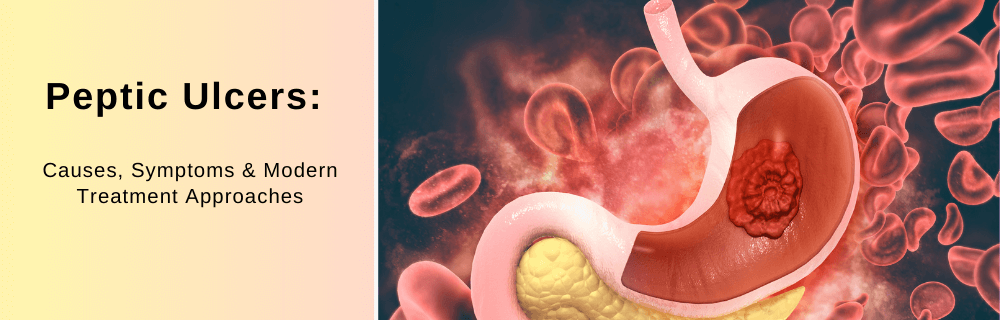
Peptic ulcers are open sores that develop on the inner lining of the stomach, upper small intestine, or esophagus.

They occur when the protective mucous layer of the gastrointestinal tract is eroded by stomach acid, leading to inflammation and ulceration.

There are three main types of peptic ulcers:

  1. Gastric Ulcers: These ulcers form in the lining of the stomach.
  2. Duodenal Ulcers: These ulcers occur in the upper part of the small intestine (duodenum).
  3. Esophageal Ulcers: These ulcers develop in the esophagus, though they are less common.

peptic_ulcers_causes


Causes of Peptic Ulcers


Peptic ulcers can result from various factors, with the most common being an infection with Helicobacter pylori (H. pylori) bacteria and the use of nonsteroidal anti-inflammatory drugs (NSAIDs).

Understanding these causes is essential for prevention and effective treatment.


  1. Helicobacter pylori Infection

H. pylori is a spiral-shaped bacterium that can colonize the stomach lining. It is one of the most common bacterial infections worldwide and is a significant cause of peptic ulcers. The bacteria weaken the protective mucous layer in the stomach and duodenum, allowing stomach acid to damage the underlying tissue, leading to ulcer formation.

H. pylori infection is typically acquired during childhood and can persist for life if not treated. It is transmitted through contaminated food, water, or close contact with an infected person. Not everyone infected with H. pylori develops ulcers, but it significantly increases the risk.


  1. Nonsteroidal Anti-Inflammatory Drugs (NSAIDs)

NSAIDs, such as aspirin, ibuprofen, and naproxen, are commonly used to relieve pain and inflammation. However, their prolonged use can damage the stomach lining and lead to ulcer formation. NSAIDs inhibit the production of prostaglandins, which are substances that help protect the stomach lining by promoting mucus and bicarbonate secretion and maintaining blood flow.

Chronic NSAID use can disrupt the balance between protective and harmful factors in the stomach, making it more susceptible to acid damage and ulceration.


  1. Other Contributing Factors

Several other factors can contribute to the development of peptic ulcers, including:

  • Smoking
  • Excessive Alcohol Consumption
  • Stress
  • Certain Medical Conditions

Symptoms of Peptic Ulcers


The symptoms of peptic ulcers can vary in intensity and may come and go. Common symptoms include:


  • Burning or Gnawing Pain: The most common symptom is a burning or gnawing pain in the upper abdomen, typically between the navel and the breastbone. The pain may be worse when the stomach is empty and can be temporarily relieved by eating or taking antacids.
  • Nausea and Vomiting: Ulcers can cause nausea and, in some cases, vomiting. Vomiting blood or material that looks like coffee grounds can indicate a bleeding ulcer.
  • Bloating and Belching: Individuals with peptic ulcers may experience bloating, belching, and a feeling of fullness.
  • Loss of Appetite and Weight Loss: Ulcers can reduce appetite, leading to unintended weight loss.
  • Dark, Tarry Stools: Bleeding ulcers can result in dark, tarry stools, indicating the presence of digested blood.

peptic_ulcers_syptoms


Diagnosing Peptic Ulcers


If you suspect you have a peptic ulcer, it is essential to seek medical attention for an accurate diagnosis.

Several diagnostic methods can help identify the presence of ulcers and their underlying causes:


  1. Endoscopy
  2. Upper Gastrointestinal (GI) Series
  3. H. pylori Testing
  4. Biopsy

During an endoscopy, the doctor may take tissue samples (biopsies) from the ulcer site to test for H. pylori and rule out other conditions, such as gastric cancer.

peptic_ulcers_diagnosis


Modern Treatment Approaches for Peptic Ulcers


The treatment of peptic ulcers aims to relieve symptoms, promote healing, prevent complications, and address the underlying cause. Modern treatment approaches include:

  1. Medications

Medications are the cornerstone of peptic ulcer treatment and can effectively reduce symptoms and promote healing. Commonly used medications include:


  • Proton Pump Inhibitors (PPIs): PPIs, such as omeprazole, lansoprazole, and esomeprazole, reduce stomach acid production, allowing the ulcer to heal. They are often prescribed for several weeks or longer, depending on the severity of the ulcer.
  • H2-Receptor Antagonists: H2-receptor antagonists, such as ranitidine and famotidine, also reduce stomach acid production and promote healing. They are typically used for milder cases or as an alternative to PPIs.
  • Antacids: Antacids, such as calcium carbonate, provide quick relief from pain and discomfort by neutralizing stomach acid. They are often used in combination with other medications.
  • Antibiotics: If H. pylori infection is detected, a combination of antibiotics (such as clarithromycin, amoxicillin, and metronidazole) is prescribed to eradicate the bacteria. This treatment is known as triple or quadruple therapy and is usually taken for 10-14 days.
  • Cytoprotective Agents: Cytoprotective agents, such as sucralfate and misoprostol, help protect the stomach lining and promote healing. They are sometimes used in combination with other medications.


  1. Lifestyle Modifications

In addition to medications, lifestyle modifications can play a significant role in managing peptic ulcers and preventing their recurrence.

Key lifestyle changes include:


  • Avoiding NSAIDs: If possible, avoid or minimize the use of NSAIDs. If NSAIDs are necessary, take them with food and consider using the lowest effective dose for the shortest duration.
  • Quitting Smoking: Smoking cessation can reduce stomach acid production and improve the healing process.
  • Limiting Alcohol Consumption: Reduce or eliminate alcohol intake to prevent further irritation of the stomach lining.
  • Eating a Balanced Diet: Follow a balanced diet rich in fruits, vegetables, whole grains, and lean proteins. Avoid spicy, acidic, and fried foods that can exacerbate symptoms.


  1. Regular Monitoring

Regular monitoring and follow-up with your healthcare provider are essential for managing peptic ulcers effectively. This may include repeat endoscopies to assess healing, monitoring for H. pylori eradication, and adjusting medications as needed.


  1. Surgery

Surgery is rarely needed for peptic ulcers today, thanks to advances in medical treatments.
However, it may be considered in cases of complications such as bleeding, perforation, or obstruction that do not respond to conservative management.

Surgical options include:

  • Vagotomy: This procedure involves cutting the vagus nerve to reduce stomach acid production.
  • Antrectomy: This involves removing the lower part of the stomach (antrum) to reduce acid production.
  • Pyloroplasty: This procedure widens the opening between the stomach and the small intestine to facilitate the passage of food.

peptic_ulcers_infographic


Conclusion


Peptic ulcers are a common condition that can cause significant discomfort and complications if not properly managed. Understanding the causes, symptoms, and modern treatment approaches is crucial for effective management and improved quality of life.

By addressing the underlying causes, such as H. pylori infection and NSAID use, and adopting lifestyle modifications, individuals with peptic ulcers can achieve relief from symptoms and promote healing.

If you suspect you have a peptic ulcer, consult with your healthcare provider for an accurate diagnosis and personalized treatment plan.

Gi Doc Capetown is a practice founded to provide medical solutions in the area of gastroenterology.

Over the years, Dr Eduan Deetlefs has earned the reputation of a trusted health expert providing consultative, diagnostic, and therapeutic endoscopic and related services to patients in
Cape Town and beyond.

If you would like to book an appointment with a gastrointestinal (GI) specialist or would simply like more information on a particular GI topic, don’t hesitate to use our online booking form or call Dr. Deetlefs at 021 551 867.


GIDoc Cape Town

Patient-focused GI treatments and procedures in Cape Town.

Monday-Friday 8AM-4PM.

Connect with Us

© Dr. Eduan Deetlefs, Registered Gastroenterologist, GI Doc Cape Town

Our website information is not intended or implied to be a substitute for professional medical advice, diagnosis or treatment. Please consult a doctor about your specific condition. Only a trained physician can determine an accurate diagnosis and proper treatment.

Comprehensive Guide to Dietary Management of Irritable Bowel Syndrome (IBS)

Comprehensive Guide to Dietary Management of Irritable Bowel Syndrome (IBS)


Irritable Bowel Syndrome (IBS) is a chronic gastrointestinal disorder that affects the large intestine, causing symptoms such as abdominal pain, bloating, cramping, diarrhea, and constipation.

While IBS can be a challenging condition to manage, dietary modifications play a crucial role in alleviating symptoms and improving the quality of life.

This detailed guide covers various dietary tips and strategies to help manage IBS effectively.


Understanding IBS and Its Triggers


What is IBS?


IBS is a functional gastrointestinal disorder with a spectrum of symptoms that can vary greatly between individuals.

The exact cause of IBS is unknown, but it is believed to involve a combination of factors, including abnormal gut motility, heightened pain sensitivity, and altered gut-brain communication.


Common Triggers:


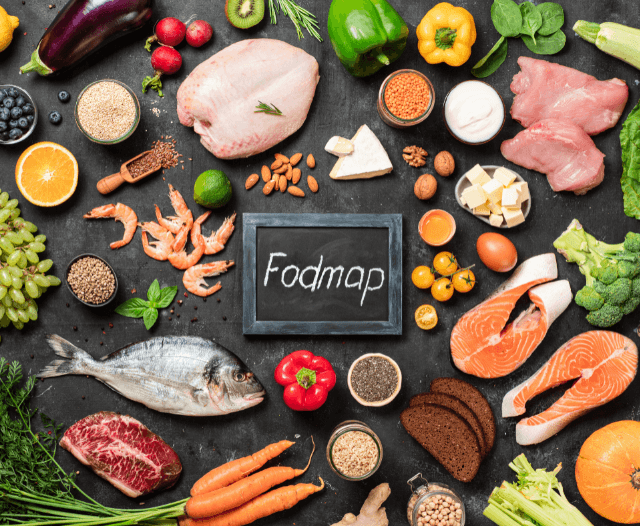
  1. FODMAPs: Fermentable Oligosaccharides, Disaccharides, Monosaccharides, and Polyols are short-chain carbohydrates that are poorly absorbed in the small intestine.They can cause symptoms like gas, bloating, and diarrhea.
    Common high-FODMAP foods include certain fruits (e.g., apples, pears), vegetables (e.g., onions, garlic), legumes, dairy products, and sweeteners like sorbitol.


  1. Gluten: Some individuals with IBS may experience symptom relief by avoiding gluten, a protein found in wheat, barley, and rye. This is particularly relevant for those with non-celiac gluten sensitivity.


  1. Lactose: Lactose intolerance is common among those with IBS. Symptoms can be triggered by consuming dairy products containing lactose, such as milk, cheese, and ice cream.


  1. Fatty Foods: High-fat foods, including fried items, fatty meats, and creamy sauces, can exacerbate IBS symptoms by altering gut motility.


  1. Caffeine and Alcohol: Both can irritate the gastrointestinal tract and exacerbate symptoms.


  1. Artificial Sweeteners: Sweeteners like sorbitol, mannitol, and xylitol, often found in sugar-free gum and candy, can cause digestive distress.


ibs_management


Dietary Strategies for Managing IBS


  1. Low-FODMAP Diet:


The low-FODMAP diet is one of the most effective dietary interventions for managing IBS. It involves three phases:


  • Elimination Phase: Remove all high-FODMAP foods from the diet for 4-6 weeks.
  • Reintroduction Phase: Gradually reintroduce high-FODMAP foods one at a time to identify specific triggers.
  • Personalization Phase: Develop a long-term eating plan that avoids identified triggers while including safe foods.


Tips for Success:

  • Work with a registered dietitian to ensure nutritional adequacy.
  • Keep a detailed food and symptom diary.
  • Be patient; it may take time to identify specific triggers.


  1. Incorporate Soluble Fiber:


Soluble fiber helps regulate bowel movements and can reduce diarrhea.
Good sources include:

  • Oats
  • Barley
  • Psyllium husk
  • Fruits like bananas, oranges, and berries
  • Vegetables like carrots and sweet potatoes

Caution:  Increase fiber intake gradually to avoid bloating and gas.


  1. Stay Hydrated:


Adequate hydration is essential for digestive health. Aim to drink at least 8 glasses of water a day. Avoid excessive consumption of caffeinated and sugary beverages, which can exacerbate symptoms.


  1. Eat Smaller, More Frequent Meals:


Large meals can overwhelm the digestive system and trigger symptoms. Instead, opt for smaller, more frequent meals throughout the day to ease digestion.


  1. Practice Mindful Eating:
  • Eat Slowly: Chew food thoroughly to aid digestion.
  • Avoid Eating on the Go: Sit down and relax during meals.
  • Listen to Your Body: Pay attention to hunger and fullness cues.


  1. Limit Caffeine and Alcohol:

Both caffeine and alcohol can irritate the gastrointestinal tract. Limit or avoid these substances to prevent symptom flare-ups.


  1. Include Probiotics:

Probiotics can help balance gut bacteria and improve symptoms. Look for strains like Bifidobacterium and Lactobacillus, which have been shown to be beneficial for IBS. Probiotics can be found in:

  • Certain yogurts
  • Fermented foods like kefir, sauerkraut, and kimchi
  • Probiotic supplements


  1. Identify and Avoid Food Sensitivities:
  • Gluten-Free Diet: Some people with IBS benefit from a gluten-free diet. This involves eliminating all sources of gluten, including wheat, barley, and rye.
  • Lactose-Free Diet: For those with lactose intolerance, avoiding or limiting dairy products and choosing lactose-free alternatives can help manage symptoms.


  1. Avoid Gas-Producing Foods:

Certain foods are known to produce gas and can exacerbate bloating and discomfort.

These include:

  • Beans and legumes
  • Carbonated beverages
  • Cruciferous vegetables like broccoli, cauliflower, and Brussels sprouts
  • Onions and garlic (also high-FODMAP foods)


  1. Consider Herbal Teas:

Some herbal teas can soothe the digestive tract and alleviate symptoms. Peppermint tea, in particular, has been shown to reduce abdominal pain and bloating.


managing_irritable_bowel_syndrome


Additional Tips for Managing IBS


  • Regular Physical Activity: Exercise can help regulate bowel movements and reduce stress, both of which are beneficial for managing IBS.
  • Stress Management: Stress can exacerbate IBS symptoms. Incorporate stress-reducing activities such as yoga, meditation, and deep-breathing exercises into your daily routine.
  • Get Adequate Sleep: Poor sleep can worsen IBS symptoms. Aim for 7-8 hours of quality sleep each night.
  • Avoid Smoking: Smoking can irritate the gastrointestinal tract and worsen symptoms.


ibs_exercise


Working with Healthcare Professionals


Managing IBS often requires a multidisciplinary approach. Consider consulting the following professionals:


  • Gastroenterologist: To diagnose and manage IBS, rule out other conditions, and provide medical treatment if necessary.
  • Dietitian: To develop a personalized diet plan, ensure nutritional adequacy, and guide you through dietary interventions like the low-FODMAP diet.
  • Mental Health Professional: To address stress, anxiety, or depression, which can impact IBS symptoms.

Supplements and Alternative Therapies


While dietary changes are central to managing IBS, some supplements and alternative therapies may also be beneficial:


  1. Fiber Supplements: Psyllium husk supplements can help those who struggle to get enough fiber from food alone.


  1. Peppermint Oil: Enteric-coated peppermint oil capsules can help reduce abdominal pain and bloating. However, consult with a healthcare provider before starting any new supplement.


  1. Digestive Enzymes: For individuals with specific food intolerances, digestive enzyme supplements can help break down problematic foods.


  1. L-Glutamine: This amino acid may help repair and maintain the gut lining, potentially reducing symptoms in some IBS sufferers.


  1. Acupuncture: Some studies suggest that acupuncture can help reduce IBS symptoms by improving gut motility and reducing pain perception.


ibs_medication


Recipes and Meal Planning


Implementing dietary changes can be challenging, but having a collection of IBS-friendly recipes and a meal plan can make it easier. Here are some meal ideas:


Breakfast:


  • Overnight Oats: Combine oats with lactose-free milk or a milk alternative, chia seeds, and low-FODMAP fruits like blueberries.
  • Smoothies: Blend spinach, lactose-free yogurt, a banana, and a handful of strawberries for a nutrient-packed breakfast.


Lunch:


  • Quinoa Salad: Mix cooked quinoa with diced bell peppers, cucumbers, and a low-FODMAP dressing.
  • Turkey Lettuce Wraps: Fill large lettuce leaves with lean ground turkey, shredded carrots, and a drizzle of tamari sauce.


Dinner:


  • Baked Salmon: Serve with a side of steamed carrots and mashed potatoes.
  • Chicken Stir-Fry:Use chicken breast, bok choy, bell peppers, and gluten-free soy sauce over rice.


Snacks:


  • Rice Cakes with Peanut Butter: Spread a thin layer of natural peanut butter on rice cakes.
  • Low-FODMAP Fruits: Enjoy fruits like kiwi, grapes, and oranges.


Tracking Progress and Adjusting the Diet


Managing IBS is an ongoing process that requires regular monitoring and adjustments.

Keep a food and symptom diary to track your progress and identify any new triggers. Periodically review your diet with a healthcare professional to ensure it remains balanced and effective.


Key Points to Track:


  • Foods Eaten: Note everything consumed, including ingredients and portion sizes.
  • Symptoms Experienced: Record any digestive symptoms, their severity, and duration.
  • Other Factors: Note stress levels, sleep quality, and physical activity, as these can influence IBS symptoms.

comprehensive_guide_to_dietary_management_ibs_infographic


Conclusion


Managing IBS through diet involves understanding and avoiding triggers, adopting a low-FODMAP approach, incorporating soluble fiber, and practicing mindful eating habits.

Each individual with IBS is unique, and what works for one person may not work for another.

It’s essential to be patient and work closely with healthcare professionals to develop a personalized management plan.

With the right strategies and support, many individuals can significantly reduce symptoms and lead a more comfortable, fulfilling life.


Contact Dr. Deetlefs


Dr. Deetlefs has earned the reputation of a trusted health expert providing consultative, diagnostic, and therapeutic endoscopic and related services to patients in Cape Town and beyond.

Dr. Deetlefs can be contacted to confirm the estimated breakdown should you be interested in having the procedure done.


GIDoc Cape Town

Patient-focused GI treatments and procedures in Cape Town.

Monday-Friday 8AM-4PM.

Connect with Us

© Dr. Eduan Deetlefs, Registered Gastroenterologist, GI Doc Cape Town

Our website information is not intended or implied to be a substitute for professional medical advice, diagnosis or treatment. Please consult a doctor about your specific condition. Only a trained physician can determine an accurate diagnosis and proper treatment.

Breaking Down Inflammatory Bowel Disease: Understanding Crohn’s Disease and Ulcerative Colitis

Breaking Down Inflammatory Bowel Disease: Understanding Crohn’s Disease and Ulcerative Colitis


Introduction


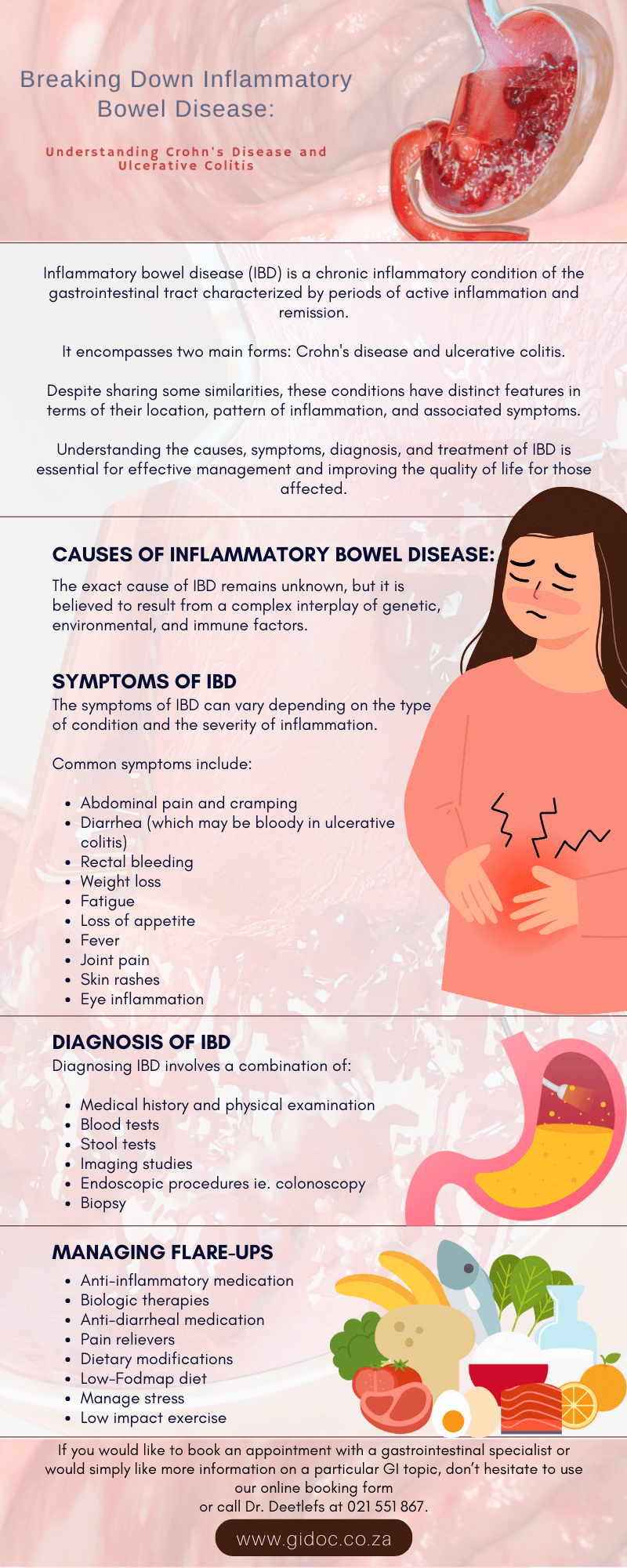
Inflammatory bowel disease (IBD) is a chronic inflammatory condition of the gastrointestinal tract characterized by periods of active inflammation and remission.

It encompasses two main forms: Crohn’s disease and ulcerative colitis.

Despite sharing some similarities, these conditions have distinct features in terms of their location, pattern of inflammation, and associated symptoms.

Understanding the causes, symptoms, diagnosis, and treatment of IBD is essential for effective management and improving the quality of life for those affected.


Causes of Inflammatory Bowel Disease


The exact cause of IBD remains unknown, but it is believed to result from a complex interplay of genetic, environmental, and immune factors.

Genetic predisposition plays a significant role, as individuals with a family history of IBD are at higher risk.

Environmental factors such as diet, smoking, stress, and microbial exposures may also contribute to the development of IBD.

Dysregulation of the immune system leads to chronic inflammation in the gastrointestinal tract, triggering the symptoms associated with IBD.


Symptoms of Inflammatory Bowel Disease


The symptoms of IBD can vary depending on the type of condition and the severity of inflammation.

Common symptoms include:

  • Abdominal pain and cramping
  • Diarrhea (which may be bloody in ulcerative colitis)
  • Rectal bleeding
  • Weight loss
  • Fatigue
  • Loss of appetite
  • Fever
  • Joint pain
  • Skin rashes
  • Eye inflammation

These symptoms can range from mild to severe and may fluctuate over time, with periods of active disease (flare-ups) alternating with periods of remission.

inflammatory_bowel_symptoms


Diagnosis of Inflammatory Bowel Disease


Diagnosing IBD involves a combination of clinical evaluation, laboratory tests, imaging studies, and endoscopic procedures. The following diagnostic approaches may be utilized:

  1. Medical History and Physical Examination: A healthcare provider will review the patient’s medical history and perform a physical examination to assess symptoms and signs of IBD.
  2. Blood Tests: Blood tests may be conducted to assess inflammation (e.g., C-reactive protein, erythrocyte sedimentation rate), nutritional deficiencies, and markers associated with IBD (e.g., antibodies).
  3. Stool Tests: Stool samples may be analyzed for signs of infection, inflammation, or blood.
  4. Imaging Studies: Imaging tests such as X-rays, computed tomography (CT) scans, magnetic resonance imaging (MRI), or ultrasound may be used to visualize the gastrointestinal tract and assess for signs of inflammation or complications.
  5. Endoscopic Procedures: Colonoscopy and flexible sigmoidoscopy allow direct visualization of the colon and rectum, enabling the healthcare provider to assess inflammation, take tissue samples (biopsies), and exclude other conditions.
  6. Biopsy: Tissue samples obtained during endoscopic procedures are examined under a microscope to confirm the presence of inflammation and distinguish between Crohn’s disease and ulcerative colitis.


Colonoscopy Explained


A colonoscopy is a minimally invasive medical procedure used to examine the lining of the large intestine (colon) and rectum.

During the procedure, a thin, flexible tube with a tiny camera at the end (colonoscope) is inserted into the rectum and guided through the colon.

This allows the healthcare provider to visualize the entire length of the colon and identify any abnormalities, such as polyps, ulcers, inflammation, or signs of colorectal cancer.

Colonoscopy is considered the gold standard for colorectal cancer screening and can also help diagnose and treat various gastrointestinal conditions, including inflammatory bowel disease (IBD) and diverticulosis.

One of the primary benefits of colonoscopy is its ability to detect colorectal cancer at an early stage when it is most treatable and may even prevent cancer by removing precancerous polyps during the procedure.

Additionally, colonoscopy can provide valuable information for diagnosing and managing other gastrointestinal disorders, leading to better health outcomes for patients.

Despite the potential discomfort associated with preparation and the procedure itself, the benefits of colonoscopy in terms of early detection, prevention, and treatment of colorectal conditions far outweigh any temporary discomfort.

Regular screening colonoscopies are recommended for individuals at average risk of colorectal cancer starting at age 50 and at earlier ages for those with certain risk factors or family history.


ibd_diagnosis


Treatment of Inflammatory Bowel Disease


The goals of treatment for IBD are to reduce inflammation, control symptoms, induce and maintain remission, and improve the quality of life. Treatment strategies may include:

  1. Medications:

– Anti-inflammatory drugs (e.g., 5-aminosalicylates, corticosteroids)

– Immunomodulators (e.g., azathioprine, methotrexate)

– Biologic therapies (e.g., tumor necrosis factor-alpha inhibitors)

– Antibiotics (for specific complications or infections)

  1. Nutritional Therapy: Dietary modifications or nutritional supplementation may be recommended to address specific nutritional deficiencies or alleviate symptoms.
  2. Lifestyle Changes: Managing stress, getting regular exercise, staying hydrated, and avoiding tobacco use may help reduce symptoms and improve overall well-being.
  3. Surgery: In cases of severe disease or complications (e.g., intestinal obstruction, perforation, dysplasia, cancer), surgical intervention may be necessary to remove diseased portions of the intestine or alleviate symptoms.


Managing IBD Flare-ups


Managing flare-ups of inflammatory bowel disease (IBD) involves a multifaceted approach aimed at reducing inflammation, alleviating symptoms, and promoting healing of the gastrointestinal tract.

One key aspect of managing flare-ups is medication therapy, which may include anti-inflammatory drugs such as corticosteroids, 5-aminosalicylates, and immunomodulators to help control inflammation and induce remission.

Biologic therapies, which target specific molecules involved in the inflammatory response, may also be prescribed for moderate to severe flare-ups.

Additionally, symptom management strategies such as anti-diarrheal medications, pain relievers, and dietary modifications can help alleviate symptoms like diarrhea, abdominal pain, and cramping.

Patients may be advised to follow a low-residue or low-FODMAP diet to reduce bowel irritation and avoid triggering foods such as spicy or high-fiber foods. Maintaining adequate hydration, getting enough rest, and managing stress through relaxation techniques or counseling can also play a crucial role in managing flare-ups.

In some cases, hospitalization may be necessary for severe flare-ups or complications such as dehydration, severe pain, or intestinal obstruction. During hospitalization, patients may receive intravenous fluids, nutritional support, and more intensive medical therapy.

It’s important for individuals with IBD to work closely with their healthcare providers to develop a personalized management plan tailored to their specific needs and circumstances, with the goal of achieving symptom control, preventing complications, and improving quality of life.

Regular monitoring and follow-up care are essential for adjusting treatment as needed and optimizing long-term outcomes.

ibd_treatment_options 

Conclusion:


Inflammatory bowel disease is a chronic condition characterized by inflammation of the gastrointestinal tract, which can significantly impact a person’s quality of life.

While the exact cause of IBD remains unknown, a combination of genetic, environmental, and immune factors is believed to contribute to its development.

Early diagnosis and appropriate treatment are essential for managing symptoms, preventing complications, and improving long-term outcomes for individuals with IBD.

With proper medical care, lifestyle modifications, and ongoing support, many people with IBD can achieve symptom control and lead fulfilling lives.

If you suspect you may have IBD or are experiencing symptoms suggestive of the condition, consult with a healthcare provider for evaluation, diagnosis, and personalized treatment recommendations.

crohns_ulcerataive_infographic


Contact Doctor Deetlefs


Gi Doc Capetown is a practice founded to provide medical solutions in the area of gastroenterology.

Over the years, Dr Eduan Deetlefs has earned the reputation of a trusted health expert providing consultative, diagnostic, and therapeutic endoscopic and related services to patients in
Cape Town and beyond.

If you would like to book an appointment with a gastrointestinal (GI) specialist or would simply like more information on a particular GI topic, don’t hesitate to use our online booking form or call Dr. Deetlefs at 021 551 867.

GIDoc Cape Town

Patient-focused GI treatments and procedures in Cape Town.

Monday-Friday 8AM-4PM.

Connect with Us

© Dr. Eduan Deetlefs, Registered Gastroenterologist, GI Doc Cape Town

Our website information is not intended or implied to be a substitute for professional medical advice, diagnosis or treatment. Please consult a doctor about your specific condition. Only a trained physician can determine an accurate diagnosis and proper treatment.
Lifestyle Changes for Improved Gut Health: Insights from Gastroenterologists

Lifestyle Changes for Improved Gut Health: Insights from Gastroenterologists


Introduction


Our gut health is intricately linked to our overall well-being, influencing everything from digestion and nutrient absorption to immune function and mental health.

As experts in digestive health, gastroenterologists emphasize the importance of lifestyle factors in maintaining optimal gut health.

In this comprehensive guide, we’ll delve into the expert advice from gastroenterologists on lifestyle changes that can promote a healthy gut, empowering you to take proactive steps towards improved digestive wellness.


Understanding Gut Health


The gut microbiota, a diverse community of microorganisms residing in our digestive tract, plays a pivotal role in gut health.

A balanced and diverse microbiota helps regulate digestion, supports immune function, produces essential nutrients, and protects against harmful pathogens.

Lifestyle factors such as diet, physical activity, stress levels, sleep quality, and medication use can significantly influence the composition and function of the gut microbiota.


understanding_gut_health


Expert Tips for Improved Gut Health


  1. Adopt a Fiber-Rich Diet: Gastroenterologists consistently recommend a diet rich in fiber, as it promotes bowel regularity, supports healthy digestion, and nourishes beneficial gut bacteria. Incorporate a variety of fiber-rich foods into your meals, including fruits, vegetables, whole grains, legumes, nuts, and seeds. Aim for at least 25-30 grams of fiber per day to maintain optimal gut health.
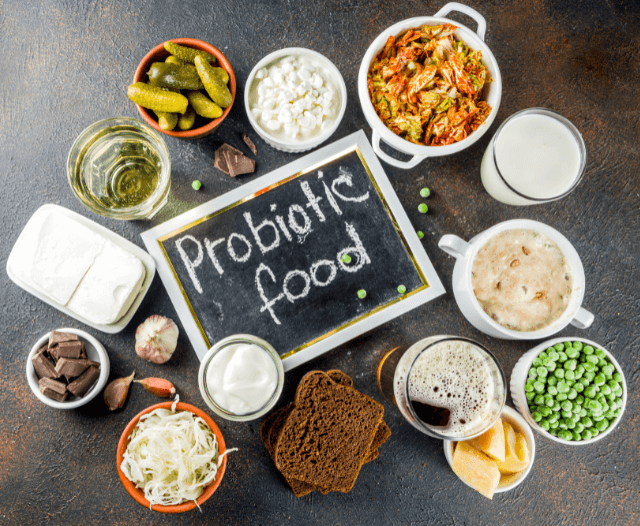
  2. Prioritize Probiotic Foods: Probiotics are beneficial bacteria that support gut health by promoting a balanced microbiota and reducing inflammation. Include probiotic-rich foods such as yogurt, kefir, sauerkraut, kimchi, miso, and kombucha in your diet regularly. These fermented foods provide a natural source of probiotics and can help maintain a healthy microbial balance in the gut.


  3. Limit Processed Foods and Added Sugars: Highly processed foods and those high in added sugars can disrupt gut health by promoting inflammation and altering the composition of the gut microbiota. Minimize your intake of processed snacks, sugary beverages, refined grains, and desserts, opting instead for whole, nutrient-dense foods that support gut health.


  4. Stay Hydrated: Adequate hydration is essential for optimal digestive function, as it helps soften stool, prevent constipation, and support the mucous lining of the intestines. Aim to drink plenty of water throughout the day, and consider consuming hydrating foods such as fruits, vegetables, and herbal teas to maintain optimal hydration levels.


  5. Manage Stress: Chronic stress can have a profound impact on gut health, disrupting digestion, increasing inflammation, and altering gut microbiota composition. Practice stress-reduction techniques such as mindfulness meditation, deep breathing exercises, yoga, tai chi, or spending time in nature to promote relaxation and support gut health.


  6. Get Regular Exercise: Physical activity is not only beneficial for cardiovascular health and weight management but also plays a crucial role in promoting gut health. Regular exercise helps stimulate bowel movements, reduce bloating and gas, and support a healthy gut microbiota. Aim for at least 30 minutes of moderate intensity exercise most days of the week to reap the benefits for your digestive system.


  7. Prioritize Quality Sleep: Quality sleep is essential for overall health, including gut health. Poor sleep habits can disrupt circadian rhythms, impair immune function, and alter gut microbiota composition. Aim for 7-9 hours of restorative sleep per night, practice good sleep hygiene habits, and establish a consistent sleep schedule to support optimal gut health.


  8. Limit Alcohol and Caffeine: Excessive alcohol consumption and caffeine intake can irritate the gastrointestinal tract, disrupt digestion, and contribute to inflammation. Limit alcohol intake to moderate levels and consider reducing caffeine consumption if you experience digestive discomfort or sleep disturbances.


  9. Avoid Smoking: Smoking is harmful to gut health, as it can increase the risk of gastrointestinal disorders such as peptic ulcers, gastroesophageal reflux disease (GERD), and inflammatory bowel disease (IBD). If you smoke, consider quitting or seeking support to help you quit smoking and improve your gut health.


  10. Practice Mindful Eating: Mindful eating involves paying attention to the sensory experience of eating, including taste, texture, and aroma, as well as hunger and fullness cues. Eating mindfully can help you enjoy your meals more, improve digestion, and prevent overeating, promoting overall gut health.

probiotic_foods_fod_gut_health


Foods That Improve Gut Health


Improving gut health involves incorporating foods rich in fiber, prebiotics, probiotics, and essential nutrients. Here are some examples:

  1. Fiber-Rich Foods: Whole grains like oats, barley, and brown rice, as well as fruits and vegetables like apples, bananas, berries, broccoli, carrots, and spinach, are excellent sources of fiber. Fiber promotes regular bowel movements, prevents constipation, and supports the growth of beneficial gut bacteria.
  1. Prebiotic Foods: Prebiotics are non-digestible fibers that nourish beneficial gut bacteria. Foods rich in prebiotics include garlic, onions, leeks, asparagus, chicory root, Jerusalem artichokes, and dandelion greens.
  1. Probiotic Foods: Probiotics are live beneficial bacteria that colonize the gut and support digestive health. Fermented foods like yogurt, kefir, sauerkraut, kimchi, miso, tempeh, and kombucha are natural sources of probiotics.
  1. Fermented Foods: In addition to probiotics, fermented foods contain enzymes and organic acids that support digestion. Incorporate fermented foods like yogurt, kefir, sauerkraut, kimchi, pickles, and kombucha into your diet.
  1. Omega-3 Fatty Acids: Foods rich in omega-3 fatty acids, such as fatty fish (salmon, mackerel, sardines), flaxseeds, chia seeds, and walnuts, have anti-inflammatory properties that can benefit gut health.
  1. Polyphenol-Rich Foods: Polyphenols are plant compounds with antioxidant and anti-inflammatory properties that support gut health. Include foods like berries, grapes, cherries, apples, green tea, cocoa, dark chocolate, and olive oil in your diet.
  1. Bone Broth: Bone broth is rich in collagen, gelatin, and amino acids that support gut health and repair the intestinal lining. Homemade bone broth made from simmering animal bones (such as chicken, beef, or fish) is an excellent option.


  1. Ginger and Turmeric: These spices have anti-inflammatory and antioxidant properties that can benefit gut health. Add fresh ginger and turmeric to your meals or brew them into teas for a soothing effect on the digestive system.
  1. Fermentable Fiber: Certain types of fiber, known as fermentable fibers or resistant starches, are broken down by gut bacteria into short-chain fatty acids that nourish the cells lining the colon. Sources include green bananas, cooked and cooled potatoes, legumes, and whole grains.
  1. Nuts and Seeds: Nuts and seeds like almonds, walnuts, flaxseeds, chia seeds, and pumpkin seeds are rich in fiber, healthy fats, and essential nutrients that support gut health.

Incorporating a variety of these foods into your diet can help promote a diverse and balanced gut microbiota, support digestive health, and reduce the risk of gastrointestinal disorders.

Remember to consume these foods as part of a balanced diet and consult with a healthcare provider or registered dietitian if you have specific dietary concerns or medical conditions.

gut_health_lifestyle_changes_infographic


Conclusion

Incorporating these lifestyle changes into your daily routine can have a profound impact on your gut health, supporting digestion, promoting a balanced gut microbiota, and reducing the risk of gastrointestinal disorders.

By following the expert advice from gastroenterologists and prioritizing your digestive wellness, you can take proactive steps towards improved gut health and overall well-being.

Remember that small changes can lead to significant improvements over time, so start implementing these tips today to nurture a healthy gut for years to come.


Contact Dr. Deetlefs


Gi Doc Capetown is a practice founded to provide medical solutions in the area of gastroenterology.

Over the years, Dr Eduan Deetlefs has earned the reputation of a trusted health expert providing consultative, diagnostic, and therapeutic endoscopic and related services to patients in
Cape Town and beyond.


If you would like to book an appointment with a gastrointestinal (GI) specialist or would simply like more information on a particular GI topic, don’t hesitate to use our online booking form or call Dr. Deetlefs at 021 551 867.


GIDoc Cape Town

Patient-focused GI treatments and procedures in Cape Town.

Monday-Friday 8AM-4PM.

Connect with Us

© Dr. Eduan Deetlefs, Registered Gastroenterologist, GI Doc Cape Town

Our website information is not intended or implied to be a substitute for professional medical advice, diagnosis or treatment. Please consult a doctor about your specific condition. Only a trained physician can determine an accurate diagnosis and proper treatment.