021 202 0626
IBS vs. IBD: Understanding the Differences and Treatment Options

IBS vs. IBD: Understanding the Differences and Treatment Options


Digestive discomfort is common, but when abdominal pain, bloating, or changes in bowel habits persist, many patients start to wonder what’s really going on. Two of the most common — and often confused — digestive disorders are Irritable Bowel Syndrome (IBS) and Inflammatory Bowel Disease (IBD).

Although their symptoms may overlap, these are very different conditions with distinct causes, diagnostic processes, and treatment approaches. Understanding these differences is key to finding effective relief — and knowing when to see a gastroenterologist like Dr. Eduan Deetlefs in Cape Town for expert evaluation and care.


What Is IBS?

Irritable Bowel Syndrome (IBS) is a functional gastrointestinal disorder, meaning there’s no visible inflammation or damage to the digestive tract. Instead, IBS involves a disturbance in how the gut functions, often related to hypersensitivity of the intestines or abnormal muscle contractions.

IBS affects the large intestine (colon) and can cause chronic digestive symptoms that fluctuate in intensity. It’s one of the most common GI conditions worldwide, affecting both men and women, often beginning in early adulthood.

Common Symptoms of IBS:

  • Recurrent abdominal pain or cramping
  • Bloating or excessive gas
  • Changes in bowel habits — diarrhea, constipation, or alternating between both
  • A feeling of incomplete bowel emptying
  • Mucus in the stool
  • Relief of pain after a bowel movement

IBS symptoms are often triggered by diet, stress, or hormonal changes, and they may come and go over time. Importantly, IBS does not cause intestinal damage, bleeding, or weight loss — these signs usually indicate another condition.


ibs_ibd_symptoms

 What Is IBD?

Inflammatory Bowel Disease (IBD) refers to chronic, immune-mediated inflammation of the digestive tract. Unlike IBS, IBD causes visible damage to the intestinal lining, which can lead to serious complications if untreated.

There are two main types of IBD:

  1. Crohn’s Disease – can affect any part of the digestive tract from the mouth to the anus, often in “patchy” segments.
  2. Ulcerative Colitis – affects only the colon and rectum, causing continuous inflammation and ulcers in the intestinal lining.

IBD is an autoimmune condition, meaning the body’s immune system mistakenly attacks healthy cells in the gut, causing inflammation and tissue injury.

ibd_symptoms


Common Symptoms of IBD:

  • Persistent diarrhea (sometimes with blood or mucus)
  • Abdominal pain and cramping
  • Unintended weight loss
  • Fatigue
  • Loss of appetite
  • Blood in the stool
  • Fever or joint pain in severe flare-ups

Because IBD causes real inflammation, it can lead to complications such as intestinal strictures, fistulas, abscesses, or increased risk of colon cancer — making early diagnosis and treatment essential.

🔍 IBS vs. IBD: Key Differences at a Glance


Feature IBS (Irritable Bowel Syndrome) IBD (Inflammatory Bowel Disease)
Type of condition Functional disorder (no visible damage) Autoimmune inflammatory disease
Affected areas Large intestine (colon) Any part of GI tract (Crohn’s) or colon/rectum (Ulcerative Colitis)
Cause Gut hypersensitivity, stress, diet, hormonal factors Immune system attacking intestinal tissue
Inflammation present? No Yes
Symptoms Bloating, pain, diarrhea/constipation, mucus Bloody diarrhea, pain, fatigue, weight loss
Complications None (does not cause damage) Intestinal damage, strictures, cancer risk
Diagnosis Clinical history, exclusion of other diseases Colonoscopy, biopsies, blood/stool tests, imaging
Treatment goal Symptom management Inflammation control and remission
Seriousness Chronic but not life-threatening Can be serious or life-threatening if untreated

🧠 Understanding the Causes


Causes of IBS

The exact cause of IBS is not fully understood, but several factors are thought to contribute:

  • Abnormal gut motility: Muscles in the intestines contract too quickly or too slowly.
  • Visceral hypersensitivity: The nerves in the gut are overly sensitive to stretching or movement.
  • Gut-brain axis dysfunction: Stress and anxiety can directly affect gut function through nerve signals.
  • Dietary triggers: Fatty foods, caffeine, dairy, and artificial sweeteners may worsen symptoms.
  • Post-infectious IBS: Some people develop IBS after a bacterial or viral infection.


Causes of IBD

IBD is more complex, involving a mix of immune, genetic, and environmental factors:

  • Immune system dysfunction: The body mistakenly attacks the intestinal lining.
  • Genetics: A family history of IBD increases risk.
  • Gut microbiome imbalance: Certain bacteria may trigger inflammation.
  • Environmental factors: Smoking, diet, and infections may contribute.

ibs_ibd_triggers

🧪 Diagnosing IBS vs. IBD

Because their symptoms overlap, a proper diagnosis is essential.

Diagnosing IBS

IBS is usually diagnosed by excluding other conditions. Gastroenterologists use the Rome IV Criteria, which include:

  • Abdominal pain at least once per week for the last 3 months
  • Pain related to bowel movements or changes in stool frequency/consistency

Tests may include:

  • Blood tests to rule out celiac disease or anemia
  • Stool tests to check for inflammation
  • Colonoscopy (if red-flag symptoms like bleeding or weight loss are present)


Diagnosing IBD

IBD requires more direct evaluation of inflammation and damage. Dr. Deetlefs may recommend:

  • Colonoscopy or gastroscopy – to view and biopsy inflamed tissue
  • Blood tests – checking for anemia, infection, or inflammation markers
  • Stool tests (calprotectin or lactoferrin) – to measure intestinal inflammation
  • Imaging (CT or MRI enterography) – to visualize small bowel involvement in Crohn’s disease

ibs_diagnosis

💊 Treatment Options for IBS and IBD


IBS Treatment

Because IBS is functional, treatment focuses on symptom control and lifestyle modification.

  1. Dietary Management
  • Low-FODMAP diet: Eliminating fermentable carbohydrates that cause gas and bloating.
  • High-fiber diet: Helps relieve constipation (for IBS-C).
  • Avoiding trigger foods: Caffeine, spicy food, alcohol, and processed meals.
  1. Stress and Lifestyle
  • Regular exercise and mindfulness can reduce gut-brain tension.
  • Good sleep hygiene and stress reduction techniques (yoga, deep breathing).
  1. Medications
  • Antispasmodics: Reduce cramping.
  • Antidiarrheals or laxatives: For bowel habit regulation.
  • Low-dose antidepressants: Modulate gut nerve sensitivity.
  • Probiotics: Support healthy gut flora.

IBD Treatment

IBD requires a more targeted medical approach to reduce inflammation and prevent long-term damage.

  1. Anti-Inflammatory Medications
  • Aminosalicylates (5-ASA): Reduce inflammation in the colon.
  • Corticosteroids: Used short-term for acute flare-ups.
  1. Immune System Suppressors
  • Azathioprine or methotrexate: Help reduce immune overactivity.
  1. Biologic Therapies
  • Advanced treatments that target specific inflammatory pathways (e.g., TNF inhibitors, integrin blockers).
  • Biologics have revolutionized IBD management, offering long-term remission and mucosal healing.
  1. Nutritional Support
  • Ensures patients maintain healthy weight and nutrient levels during flare-ups.
  1. Endoscopic or Surgical Interventions
  • Endoscopic dilatation may treat strictures caused by Crohn’s disease.
  • Surgery may be necessary for severe cases or complications such as bowel obstruction or perforation.

ibs_ibd_treatment


When to See a Gastroenterologist

While mild digestive discomfort can often be managed with diet, persistent or severe symptoms require medical evaluation.

You should see a gastroenterologist like Dr. Eduan Deetlefs if you experience:

  • Blood in your stool
  • Persistent diarrhea or constipation
  • Severe or unexplained abdominal pain
  • Unexplained weight loss or fatigue
  • Symptoms that do not improve with over-the-counter treatments
  • A family history of IBD or colon cancer

Early consultation allows for accurate diagnosis and tailored treatment, improving both comfort and long-term gut health.

👨‍⚕️ About Dr. Eduan Deetlefs – Cape Town Gastroenterologist

Dr. Eduan Deetlefs is a highly experienced gastroenterologist based in Cape Town, specializing in the diagnosis and management of gastrointestinal disorders such as IBS, IBD, acid reflux, Crohn’s disease, ulcerative colitis, and liver conditions.

He provides a comprehensive range of diagnostic procedures, including colonoscopy, gastroscopy, endoscopic dilatation, and stent placement, using advanced technology to ensure accurate diagnosis and effective treatment.

If you’re struggling with chronic digestive symptoms or uncertain whether your condition is IBS or IBD, book a consultation with Dr. Deetlefs for expert evaluation and compassionate care.

📍 Visit: www.gidoc.co.za
📞 Call: 021 202 0626
📧 Email: info@gidoc.co.za

ibs_ibd_infographic

Takeaway

While IBS and IBD may sound similar, they are fundamentally different in cause, severity, and management. IBS affects how your gut works, while IBD affects its structure. Both can significantly impact quality of life — but with expert guidance and individualized care, patients can achieve relief, stability, and confidence in managing their digestive health.


GIDoc Cape Town

Patient-focused GI treatments and procedures in Cape Town.

Monday-Friday 8AM-4PM.

Connect with Us

© Dr. Eduan Deetlefs, Registered Gastroenterologist, GI Doc Cape Town

Our website information is not intended or implied to be a substitute for professional medical advice, diagnosis or treatment. Please consult a doctor about your specific condition. Only a trained physician can determine an accurate diagnosis and proper treatment.

Summer-Proof Your Gut: How to Keep Your Digestive System Healthy in the Heat

Summer-Proof Your Gut: How to Keep Your Digestive System Healthy in the Heat

As the Cape Town summer arrives, life moves outdoors — beach days, braais, and sunny afternoons are part of the season’s charm. But while you’re enjoying the warmth, your digestive system may be working overtime. The combination of heat, dehydration, dietary indulgence, and lifestyle changes can disrupt your gut’s delicate balance — leading to bloating, constipation, or flare-ups of chronic conditions such as IBS (Irritable Bowel Syndrome), Crohn’s disease, or ulcerative colitis.

The good news? With the right care and a few seasonal adjustments, you can keep your gut happy and healthy all summer long. Here’s how.


Why Summer Can Disrupt Your Gut


1. Dehydration and Digestion


Cape Town’s warm weather increases fluid loss through sweat. When your body lacks hydration, the digestive process slows down — the colon absorbs extra water from stool, leading to constipation, bloating, and sluggish digestion.

If you live with inflammatory bowel disease (IBD), dehydration can worsen symptoms and strain the kidneys due to electrolyte imbalance, especially during bouts of diarrhea or vomiting.

💧 Gut tip: Sip water consistently throughout the day — not just when thirsty. Carry a reusable water bottle and include electrolyte-rich drinks or coconut water when active or spending time outdoors.


gut_health_in_summer


2. Heat, Stress, and the Gut-Brain Connection

Summer brings relaxation — but it can also bring stressors: travel, disrupted routines, and late nights. These factors, combined with physical stress from the heat, can affect the gut-brain axis — the powerful link between your digestive system and your nervous system.

For those with IBS or IBD, this connection is especially sensitive. Stress may lead to abdominal pain, urgency, or diarrhea.

🧘 Gut tip: Manage summer stress with mindfulness, gentle yoga, or evening walks along Cape Town’s promenade. Keeping a consistent routine and sleep schedule helps support digestion and mental well-being.


3. Changes in Eating Habits


Let’s face it — summer is a time of indulgence. From braai feasts and spicy sauces to cold beers and fizzy sodas, many summer staples can irritate the digestive tract. These foods increase stomach acid, slow down digestion, and can trigger reflux, bloating, or discomfort.

gut_health_in_summer_heat


🥗 What to Eat for a Happy Summer Gut

Cape Town’s summer markets are packed with fresh, local produce — perfect for supporting digestive health. Choosing gut-friendly foods can help balance your microbiome, reduce inflammation, and keep your energy up. 


🍉 1. Hydrating Fruits and Vegetables


Fruits like watermelon, cucumber, oranges, and strawberries are rich in water and electrolytes. Pair them with leafy greens such as spinach or kale for a fiber boost that keeps digestion regular.


🥛 2. Fermented and Probiotic-Rich Foods


Include yogurt, kefir, sauerkraut, or kimchi in your meals. These probiotic-rich foods feed healthy gut bacteria, supporting digestion and reducing bloating — especially useful when your diet changes during travel or holidays.


🌾 3. Whole Grains and Fiber


Oats, quinoa, and whole-grain bread act like a broom for your digestive tract, helping prevent constipation and supporting healthy gut flora. Increase fiber gradually and always drink enough water alongside it.


🐟 4. Lean Proteins and Omega-3s


Enjoy Cape Town’s coastal bounty salmon, sardines, and tuna are excellent summer options. These fish are high in omega-3 fatty acids, which help reduce gut inflammation and support heart health.


healthy_eating_in_summer_gut


🚫 Summer Gut Triggers to Watch Out For

🍺 1. Alcohol and Fizzy Drinks


Alcohol can irritate the stomach lining and worsen reflux or diarrhea. Fizzy drinks add excess gas, leading to bloating.

Better choice: Alternate drinks with water or soda water. Try refreshing, low-acid options like gin with cucumber, or enjoy a mocktail made with coconut water and fresh fruit.


🌶️ 2. Spicy and Fried Foods


Heavy sauces, fried meats, and spicy marinades can trigger acid reflux and indigestion, particularly in those with GERD or IBS.

Better choice: Opt for grilled or baked meals, seasoned with herbs like basil, mint, or coriander for flavor without the burn.


🍤 3. Unhygienic Food Handling


Hot weather accelerates bacterial growth. Leaving food out during picnics or braais can cause food poisoning — a quick route to gut distress or flare-ups in sensitive individuals.

Better choice: Refrigerate leftovers promptly, wash produce thoroughly and avoid undercooked seafood or meat. 


💧 Hydration: The Unsung Hero of Gut Health

Water plays a vital role in digestion — it helps break down food, absorb nutrients, and move waste through the intestines. In summer, dehydration is one of the biggest threats to digestive comfort.

Hydration Tips:

  • Start your morning with a glass of water before coffee.
  • Snack on hydrating foods like cucumber or watermelon.
  • Infuse your water with lemon, mint, or berries for flavor.
  • Limit caffeine and alcohol, both of which dehydrate.
  • Sip water regularly throughout the day, especially when outdoors.

Aim for 6–8 glasses daily, and more if you’re active or sweating.


hydration_healthy_gut


🌿 Lifestyle Habits for a Healthy Summer Gut

🕒 1. Keep a Consistent Routine


Even during holidays, try to eat meals at regular times. Erratic eating can lead to bloating and indigestion.

🏖️ 2. Stay Active — Safely


Exercise keeps your digestion moving, but overexerting in the heat can backfire. Choose morning or evening workouts, swimming, or yoga to stay active without overheating.


😴 3. Prioritize Rest and Stress Management


Poor sleep and mental fatigue can heighten gut sensitivity. Set aside time to relax, read, or meditate — your gut and mind will thank you.


✈️ 4. Protect Your Gut While Traveling


Summer holidays often mean new foods and environments. To avoid traveller’s tummy:

  • Wash your hands before eating.
  • Stick to bottled or purified water.
  • Avoid raw or street food if hygiene is uncertain.
  • Pack your regular medication and probiotics.

healthy_gut_probiotic


⚠️ When to See a Gastroenterologist

Occasional digestive discomfort is common, but persistent symptoms can indicate an underlying condition.
Book an appointment with a gastroenterologist if you experience:

  • Frequent abdominal pain or cramps
  • Blood in stool
  • Ongoing diarrhea or constipation
  • Unexplained weight loss
  • Severe heartburn or reflux

Early diagnosis and professional care can prevent complications and help you enjoy a symptom-free summer.


summer_proof_gut_infographic


👨‍⚕️ Expert Gastroenterology Care in Cape Town


Dr. Eduan Deetlefs is a trusted gastroenterologist in Cape Town, specializing in the diagnosis and treatment of digestive conditions including Crohn’s disease, ulcerative colitis, IBS, acid reflux, and liver disorders.

He offers advanced procedures such as colonoscopy, gastroscopy, and endoscopic dilatation, all performed with precision and patient comfort in mind.

If you’re struggling with gut symptoms or need guidance on digestive wellness this summer, reach out for expert care.

📍 Website: www.gidoc.co.za
📞 Phone: 021 551 8678
📧 Email: info@gidoc.co.za


🩺 Key Takeaway: A Happy Summer Starts with a Healthy Gut


Your gut thrives on balance — not extremes. This summer, focus on hydration, wholesome foods, and consistent routines. With mindful choices and expert care from Dr. Deetlefs, you can enjoy the season feeling lighter, healthier, and ready for every adventure Cape Town has to offer.

GIDoc Cape Town

Patient-focused GI treatments and procedures in Cape Town.

Monday-Friday 8AM-4PM.

Connect with Us

© Dr. Eduan Deetlefs, Registered Gastroenterologist, GI Doc Cape Town

Our website information is not intended or implied to be a substitute for professional medical advice, diagnosis or treatment. Please consult a doctor about your specific condition. Only a trained physician can determine an accurate diagnosis and proper treatment.

Understanding Common Gastrointestinal Conditions: What Patients Should Know

Understanding Common Gastrointestinal Conditions: What Patients Should Know


Introduction


Digestive diseases range from common, easily managed problems to complex, life-altering disorders. Early recognition, accurate diagnosis and timely specialist care dramatically improve outcomes.

This article explains five major areas of gastrointestinal health — colorectal cancer and polyps; gastro-oesophageal reflux disease (GERD) and Barrett’s esophagus; Crohn’s disease and ulcerative colitis (the two main forms of inflammatory bowel disease, IBD); celiac disease; and fatty liver disease and gallstones — and highlights how patients in Cape Town can access expert assessment and treatment with Dr. Deetlefs.


Colorectal Polyps and Colorectal Cancer


Colorectal polyps are growths that form on the inner lining of the colon or rectum. While most polyps are benign, some — particularly adenomatous polyps — can slowly progress to colorectal cancer over several years. Colorectal cancer is one of the most common malignancies worldwide but is highly preventable and, when detected early, very treatable.

Symptoms And Red Flags:

  • Change in bowel habits (persistent diarrhea or constipation)
  • Rectal bleeding or blood in the stool
  • Unexplained iron-deficiency anemia
  • Abdominal pain or unexplained weight loss 

Diagnosis And Screening:
Colonoscopy remains the gold standard for detecting polyps and early cancer because it allows visualisation and removal (polypectomy) during the same procedure. Faecal immunochemical testing (FIT) and flexible sigmoidoscopy are other tools used in screening programs.

Treatment: Polypectomy at colonoscopy prevents progression to cancer. Early-stage colorectal cancers are managed with surgical removal and, when indicated, adjuvant therapies. Regular surveillance colonoscopies are recommended for patients with high-risk polyps.

Why Specialist Care Matters: A gastroenterologist such as Dr. Deetlefs can perform high-quality colonoscopy, assess polyp pathology, plan surveillance intervals, and co-ordinate multidisciplinary cancer care when necessary.

colon_polyps


GERD and Barrett’s Esophagus


Gastro-esophageal reflux disease (GERD) occurs when stomach acid regularly flows back into the esophagus, causing heartburn and other symptoms.

Chronic acid exposure can damage the esophageal lining and lead to Barrett’s esophagus — a condition in which the normal squamous cells are replaced by columnar epithelium. Barrett’s is important because it increases the risk of esophageal adenocarcinoma.

Symptoms: Heartburn, regurgitation, difficulty swallowing (dysphagia), chest discomfort and chronic cough or hoarseness in some patients.

Diagnosis: Initial evaluation includes symptom assessment and trials of acid suppression. Endoscopy (esophago-gastro-duodenoscopy, OGD) with biopsies is necessary to diagnose Barrett’s and to look for dysplasia.

Management: Lifestyle measures (weight loss, head-of-bed elevation, dietary changes) and proton pump inhibitors (PPIs) are first-line treatments. Patients with Barrett’s are often enrolled in structured endoscopic surveillance; if dysplasia is found, endoscopic treatments such as radiofrequency ablation (RFA) or endoscopic mucosal resection (EMR) can remove abnormal tissue.

Role of a specialist: Dr. Deetlefs provides diagnostic endoscopy, surveillance for Barrett’s oesophagus and endoscopic therapies for dysplasia — interventions that can prevent progression to cancer.

gerd_acid_reflux

Crohn’s Disease and Ulcerative Colitis (Inflammatory Bowel Disease)


Crohn’s disease and ulcerative colitis are chronic inflammatory disorders of the gastrointestinal tract. Crohn’s can affect any part of the GI tract from mouth to anus and is characterised by patchy inflammation; ulcerative colitis primarily affects the colon and rectum with continuous mucosal inflammation.

Symptoms: Persistent diarrhea (sometimes bloody), abdominal pain, urgency, weight loss, fatigue and extra-intestinal manifestations (joint pain, skin rashes, eye inflammation).

Diagnosis: A combination of history, blood tests, stool studies, endoscopy with biopsies and imaging (CT or MR enterography) is used to define disease extent and severity.

Treatment: Modern management aims for mucosal healing and long-term remission. Options include aminosalicylates, corticosteroids for flares, immunomodulators and biologic therapies (anti-TNF, anti-integrin and anti-IL agents). Nutritional support, smoking cessation (important in Crohn’s), and surgery for complications are also part of comprehensive care.

Specialist care importance: IBD is complex and benefits from a multidisciplinary team. Dr. Deetlefs offers diagnostic endoscopy, treatment planning including biologic therapy initiation and monitoring, and collaboration with surgeons, dietitians and radiologists to optimise outcomes.

crohns_disease_ulcerative_colitis

Celiac Disease


Celiac disease is an autoimmune disorder triggered by dietary gluten in genetically predisposed individuals. It leads to small intestinal villous atrophy and malabsorption.

Symptoms: Diarrhea, steatorrhea, bloating, anemia, weight loss and sometimes non-gastrointestinal symptoms such as dermatitis herpetiformis or neuropathy. Some patients present with subtle signs or are asymptomatic.

Diagnosis: Serologic testing (tissue transglutaminase IgA, with total IgA assessment) followed by confirmatory duodenal biopsies via endoscopy when indicated.

Management: Lifelong strict gluten-free diet is the cornerstone. Dietitian input is essential for safe and nutritionally adequate dietary changes. Follow-up includes symptom review, serology, and, where necessary, repeat endoscopy.

How a gastroenterologist helps: Dr. Deetlefs diagnoses celiac disease using up-to-date testing protocols, arranges appropriate endoscopic biopsies, and refers patients to dietetic services to ensure safe dietary transition.

celiac_disease


Fatty Liver Disease & Gallstones


Fatty liver disease: Non-alcoholic fatty liver disease (NAFLD) is increasingly common and linked to obesity, diabetes and metabolic syndrome. Most patients have simple steatosis, but a subset develop non-alcoholic steatohepatitis (NASH) with inflammation and fibrosis, which can progress to cirrhosis.

Gallstones: Gallstones form when bile components become imbalanced. Symptomatic gallstones cause biliary colic and can complicate with cholecystitis, choledocholithiasis (common bile duct stones) or pancreatitis.

Diagnosis and management: NAFLD is suspected on imaging (ultrasound) and abnormal liver blood tests; fibrosis assessment may require elastography or liver biopsy in selected cases. Management focuses on weight loss, control of metabolic risk factors and, where fibrosis is advanced, specialist hepatology input. Symptomatic gallstones are treated surgically with cholecystectomy; stones in the common bile duct often require endoscopic removal via ERCP (endoscopic retrograde cholangiopancreatography).

Link to gastroenterology services: Dr. Deetlefs partners with hepatology and surgical teams in Cape Town to investigate fatty liver, advise on metabolic risk reduction, and co-ordinate care for gallstone disease — including referral for ERCP when common bile duct stones are present.

fatty_liver_gallstones

How To Know When to See a Specialist

Seek specialist consultation if you have:

  • Persistent or unexplained gastrointestinal symptoms (bleeding, persistent pain, unintentional weight loss).
  • Abnormal screening tests (positive FIT, abnormal liver tests).
  • Chronic conditions requiring long-term management (IBD, celiac disease, Barrett’s oesophagus).
  • Complications (obstructive jaundice, recurrent pancreatitis, severe malnutrition).

Early referral allows definitive diagnosis, targeted treatment, and prevention of complications.


Why Choose Dr. Deetlefs In Cape Town?

Dr. Deetlefs is a gastroenterologist based in Cape Town with expertise in diagnostic and therapeutic endoscopy, IBD management, hepatobiliary disease and colorectal cancer screening.

Patients benefit from a patient-centered approach, evidence-based treatment plans and access to multidisciplinary care including dietetics, hepatology, radiology and surgical services.

Whether you need a screening colonoscopy, evaluation for reflux and Barrett’s surveillance, advanced IBD care or coordination for gallstone disease, Dr. Deetlefs provides comprehensive, up-to-date gastroenterology care.


gi_conditions_infographic


Conclusion


Digestive conditions such as colorectal polyps and cancer, GERD and Barrett’s, IBD, celiac disease, and fatty liver/gallstones vary widely in severity and management. Many are preventable or highly treatable when identified early. If you live in or near Cape Town and have digestive concerns, arranging an assessment with a specialist like Dr. Deetlefs can speed diagnosis, start appropriate treatment, and improve long-term outcomes.


Contact Dr. Deetlefs


Dr. Deetlefs has earned the reputation of a trusted health expert providing consultative, diagnostic, and therapeutic endoscopic and related services to patients in Cape Town and beyond. 

Dr. Deetlefs can be contacted to confirm the estimated breakdown should you be interested in having the procedure done.

You can schedule a consultation with Dr. Deetlefs at his practice in Cape Town by calling 021 123 4567 or emailing info@gidoc.co.za.


GIDoc Cape Town

Patient-focused GI treatments and procedures in Cape Town.

Monday-Friday 8AM-4PM.

Connect with Us

© Dr. Eduan Deetlefs, Registered Gastroenterologist, GI Doc Cape Town

Our website information is not intended or implied to be a substitute for professional medical advice, diagnosis or treatment. Please consult a doctor about your specific condition. Only a trained physician can determine an accurate diagnosis and proper treatment.

Dietary Tips for Managing Irritable Bowel Syndrome (IBS) and Its Mental Health Impact

Dietary Tips for Managing Irritable Bowel Syndrome (IBS) and Its Mental Health Impact


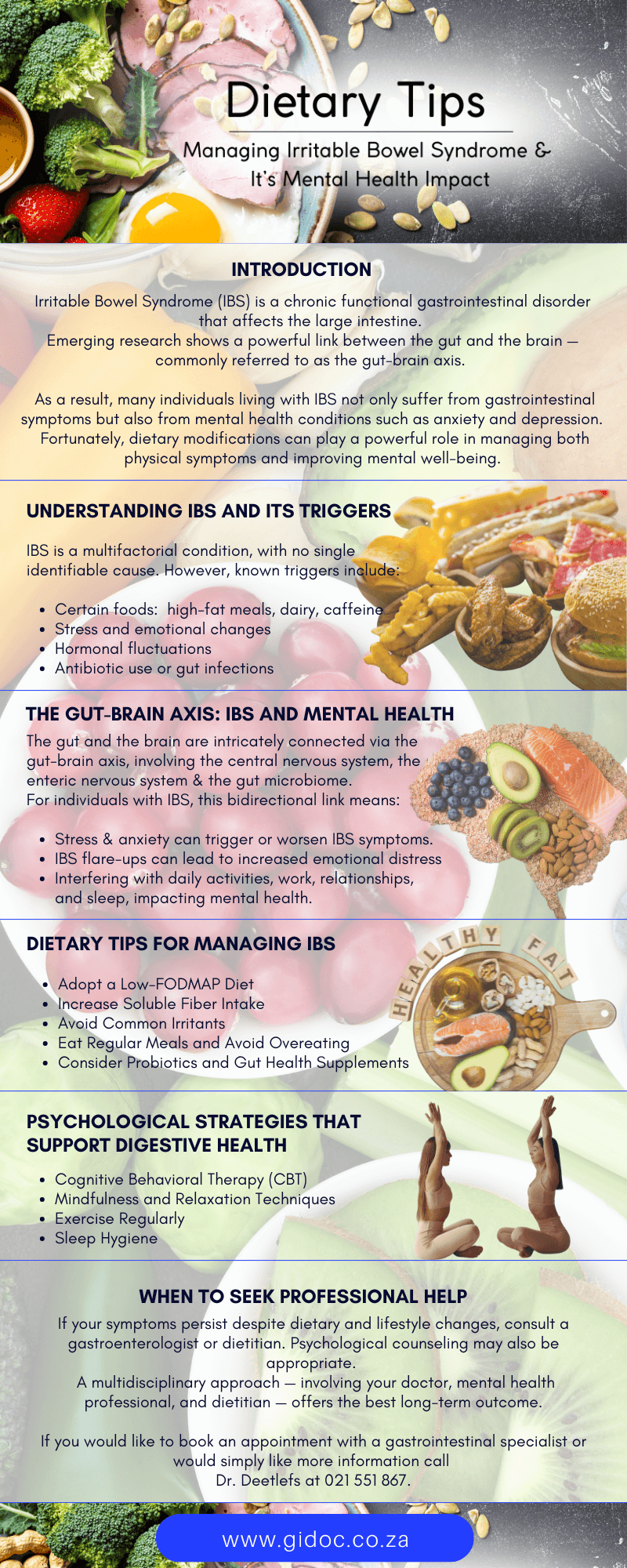
Irritable Bowel Syndrome (IBS) is a chronic functional gastrointestinal disorder that affects the large intestine.

It’s characterized by a cluster of symptoms, including abdominal pain, bloating, gas, diarrhea, constipation, or alternating between the two. While IBS doesn’t cause structural damage to the digestive tract, it significantly affects quality of life — both physically and mentally.

Emerging research shows a powerful link between the gut and the brain — commonly referred to as the gut-brain axis.

As a result, many individuals living with IBS not only suffer from gastrointestinal symptoms but also from mental health conditions such as anxiety and depression.

Fortunately, dietary modifications can play a powerful role in managing both physical symptoms and improving mental well-being.

This article provides a detailed look at dietary tips for managing IBS while exploring how the condition affects mental health and what you can do to improve both.


Understanding IBS and Its Triggers


IBS is a multifactorial condition, with no single identifiable cause. However, known triggers include:

  • Certain foods (e.g., high-fat meals, dairy, caffeine)
  • Stress and emotional changes
  • Hormonal fluctuations
  • Antibiotic use or gut infections 

People with IBS may have hypersensitive guts, abnormal gut motility, and imbalances in the gut microbiota.

These factors can lead to irregular bowel habits and pain. Since there’s no cure for IBS, treatment focuses on symptom management, and diet is a primary strategy.


The Gut-Brain Axis: IBS and Mental Health


The gut and the brain are intricately connected via the gut-brain axis, a complex communication network involving the central nervous system, the enteric nervous system (which governs the GI tract), and the gut microbiome.

For individuals with IBS, this bidirectional link means:

  • Stress and anxiety can trigger or worsen IBS symptoms.
  • IBS flare-ups can lead to increased emotional distress, which may result in depression or social withdrawal.
  • Many people with IBS report that their symptoms interfere with daily activities, work, relationships, and sleep, all of which impact mental health.

Addressing both the physical and psychological aspects of IBS is crucial for long-term management.

healthy_eating_habits


Dietary Tips for Managing IBS


Dietary changes are often the first step in managing IBS symptoms. However, because triggers vary widely from person to person, there is no one-size-fits-all diet.

Here are the most effective dietary strategies:

1. Adopt a Low-FODMAP Diet


FODMAPs are fermentable oligosaccharides, disaccharides, monosaccharides, and polyols — short-chain carbohydrates poorly absorbed in the small intestine. When fermented by gut bacteria, they produce gas and draw water into the bowel, leading to bloating, diarrhea, and discomfort.

High-FODMAP foods to avoid:

  • Onions and garlic
  • Apples, pears, and watermelon
  • Wheat, barley, and rye
  • Dairy (due to lactose)
  • Legumes (beans, lentils, chickpeas)
  • Artificial sweeteners (sorbitol, xylitol)

Low-FODMAP foods to include:

  • Carrots, zucchini, spinach
  • Berries, citrus fruits, bananas
  • Gluten-free grains (rice, oats, quinoa)
  • Lactose-free dairy or plant-based alternatives
  • Eggs, chicken, tofu 

A low-FODMAP diet involves three phases:

  1. Elimination of high-FODMAP foods
  2. Gradual reintroduction
  3. Personalization based on tolerance

Note: It’s best to follow this diet under the guidance of a registered dietitian.


2. Increase Soluble Fiber Intake


Fiber affects bowel movements and gut health, but not all fiber is equal. Insoluble fiber can aggravate symptoms, especially in people with diarrhea-predominant IBS. Soluble fiber, on the other hand, helps regulate bowel movements and reduce bloating.

Good sources of soluble fiber:

  • Oats
  • Psyllium husk
  • Carrots
  • Bananas
  • Chia seeds

Start slow and increase fiber gradually to avoid triggering bloating or gas. Hydration is also essential — aim for at least 1.5 to 2 liters of water daily.


3. Avoid Common Irritants

Certain foods and beverages tend to aggravate IBS symptoms. Common culprits include:

  • Caffeine: Stimulates the intestines and can worsen diarrhea.
  • Alcohol: Can irritate the gut lining and alter motility.
  • Fried and fatty foods: Harder to digest and often cause cramping.
  • Spicy foods: May trigger pain or urgency in some individuals.
  • Carbonated beverages: Introduce excess gas and cause bloating.

A food and symptom journal can help identify your specific triggers.


4. Eat Regular Meals and Avoid Overeating

Large meals can overwhelm the digestive system and cause cramping or bloating. Instead, opt for:

  • Smaller, frequent meals throughout the day
  • Eating slowly and chewing thoroughly
  • Avoiding late-night eating or lying down immediately after meals


5. Consider Probiotics and Gut Health Supplements

Probiotics — beneficial bacteria — can help restore balance in the gut microbiome. Certain strains (e.g., Bifidobacterium infantis or Lactobacillus plantarum) have shown benefits for IBS symptoms, especially bloating and bowel irregularity.

Prebiotics (which feed good gut bacteria) and digestive enzymes may also support digestion, but responses vary. Consult a healthcare professional before starting supplements.

gut_brain_axis


The Mental Health Impact of IBS

The mental burden of IBS is significant and often underestimated. Studies show that:

  • Up to 60% of people with IBS also experience anxiety or depression.
  • Chronic pain and unpredictability of bowel habits contribute to social withdrawal and isolation.
  • IBS can impair work productivity, school attendance, and sexual health.

It’s important to acknowledge these challenges as part of the condition, not as a secondary issue. Treating IBS holistically includes supporting emotional well-being.


Psychological Strategies That Support Digestive Health

Given the gut-brain connection, managing stress and emotional health is vital in IBS treatment. Consider the following strategies:

1. Cognitive Behavioral Therapy (CBT)

CBT is a structured, evidence-based form of talk therapy that helps individuals identify and change negative thought patterns. It has proven highly effective for reducing IBS symptoms and anxiety.


2. Mindfulness and Relaxation Techniques

Practices such as meditation, deep breathing, and progressive muscle relaxation can reduce the stress response, calm the digestive system, and improve symptom control.


3. Exercise Regularly

Moderate physical activity — such as walking, swimming, or yoga — has multiple benefits:

  • Improves mood and reduces anxiety
  • Enhances digestion and reduces constipation
  • Lowers inflammation

Aim for at least 30 minutes of activity most days of the week.


4. Sleep Hygiene

Poor sleep quality is linked to increased IBS symptom severity. Establish a consistent sleep schedule, limit screen time before bed, and create a calming nighttime routine.


Combining Diet and Mental Health Approaches

An integrative approach offers the best chance of success for managing IBS. Here’s a sample daily strategy:

  • Morning: Start with a low-FODMAP breakfast (e.g., oatmeal with blueberries and chia seeds), followed by light stretching or a short walk.
  • Afternoon: Practice mindfulness for 10 minutes. Eat a balanced lunch with lean protein and steamed veggies.
  • Evening: Prepare a small dinner with easy-to-digest ingredients. Avoid caffeine and alcohol. Journal your symptoms and emotions before bed.

dietary_tips_ibs


When to Seek Professional Help

If your symptoms persist despite dietary and lifestyle changes, consult a gastroenterologist or dietitian. Psychological counseling may also be appropriate.

A multidisciplinary approach — involving your doctor, mental health professional, and dietitian — offers the best long-term outcome.


Final Thoughts

Living with IBS can be frustrating and exhausting, both physically and mentally. But with the right dietary strategies and emotional support, you can take control of your symptoms and improve your quality of life.

A tailored, patient-centered approach that addresses both the digestive and psychological dimensions of IBS is the key to long-term relief.


Need Expert Digestive Care?

Dr. Deetlefs has earned the reputation of a trusted health expert providing consultative, diagnostic, and therapeutic endoscopic and related services to patients in Cape Town and beyond.

Dr. Deetlefs can be contacted to confirm the estimated breakdown should you be interested in having the procedure done.

GIDoc Cape Town

Patient-focused GI treatments and procedures in Cape Town.

Monday-Friday 8AM-4PM.

Connect with Us

© Dr. Eduan Deetlefs, Registered Gastroenterologist, GI Doc Cape Town

Our website information is not intended or implied to be a substitute for professional medical advice, diagnosis or treatment. Please consult a doctor about your specific condition. Only a trained physician can determine an accurate diagnosis and proper treatment.

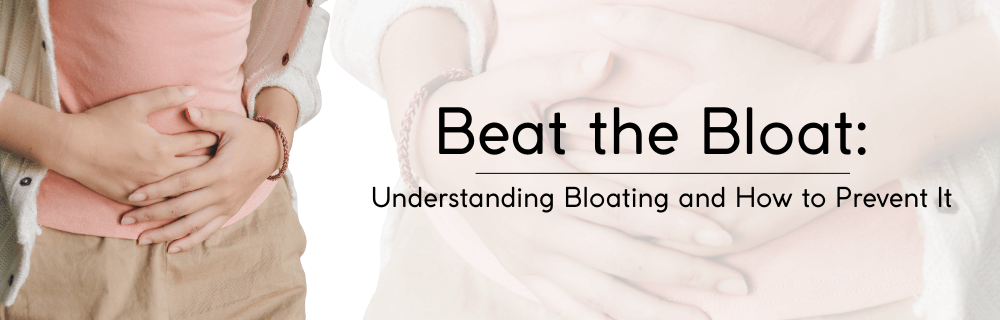
Beat the Bloat: Understanding Bloating and How to Prevent It

Beat the Bloat: Understanding Bloating and How to Prevent It


Bloating is a common and often uncomfortable condition that many people experience at some point in their lives. While it’s typically not serious, bloating can interfere with daily life, making you feel sluggish, uncomfortable, and self-conscious.

The good news? With the right understanding and lifestyle changes, bloating can often be prevented or managed effectively.

In this article, we’ll dive into what causes bloating, how to tell when it might be a sign of a more serious issue, and practical steps you can take to prevent it from happening.


What Is Bloating?


Bloating is the sensation of a full, tight, or swollen abdomen. Some people describe it as feeling like their stomach is stretched or filled with air. Bloating can be visible (with abdominal distension) or simply a feeling of internal pressure.

It is often accompanied by:

While occasional bloating is normal, frequent or severe bloating may point to an underlying gastrointestinal (GI) issue that needs medical attention.


Common Causes of Bloating


Understanding what’s behind your bloating is key to preventing it.
Here are some of the most common causes:

1. Overeating

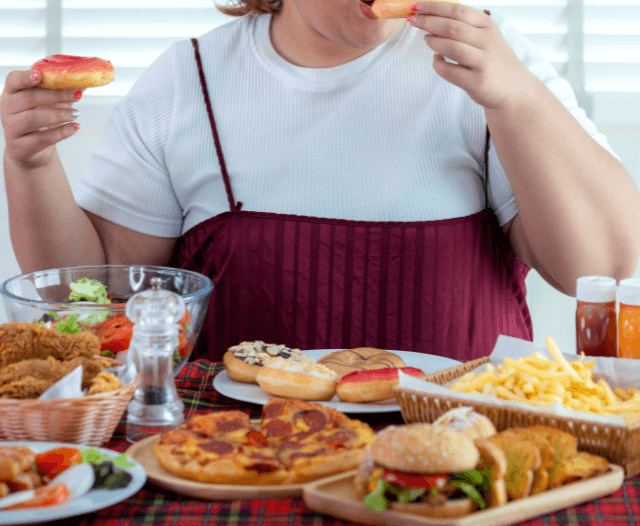
Eating large meals too quickly can overwhelm your digestive system, causing excess gas production and bloating.

2. Swallowing Air

When you eat or drink too fast, chew gum, smoke, or drink carbonated beverages, you may swallow excess air, which gets trapped in the stomach and intestines.

3. Gas-Producing Foods

Some foods naturally produce more gas as they are broken down. Common culprits include:

  • Beans and lentils
  • Cruciferous vegetables (broccoli, cabbage, cauliflower)
  • Onions and garlic
  • Dairy (for those with lactose intolerance)
  • Artificial sweeteners like sorbitol and xylitol

4. Constipation

When stool builds up in the colon, it can cause a backup of gas and lead to bloating.

5. Food Intolerances or Sensitivities

Lactose intolerance, gluten sensitivity, and other intolerances can cause bloating, diarrhea, and discomfort.

6. Irritable Bowel Syndrome (IBS)

IBS is a common GI disorder that often presents with bloating, gas, constipation, and/or diarrhea.

7. Hormonal Changes

Many women experience bloating before or during menstruation due to hormonal fluctuations affecting water retention and digestion.

8. Medical Conditions

Chronic bloating can be a symptom of conditions like:

beat_the_bloat_common_causes


When to See a Doctor


Most bloating is harmless, but persistent or severe symptoms should be evaluated by a healthcare provider. Warning signs include:

  • Bloating lasting more than a week
  • Unexplained weight loss
  • Persistent abdominal pain
  • Blood in stool
  • Vomiting
  • Fever

These may point to a more serious condition that requires medical treatment or diagnostic testing.


10 Tips to Prevent Bloating


The good news is that for most people, bloating can be managed with simple lifestyle and dietary adjustments. Here are 10 effective ways to beat the bloat:

1. Eat Smaller, Slower Meals

Take time to chew your food thoroughly and avoid overeating. Eating slowly helps reduce the amount of air you swallow and gives your digestive system time to work effectively.

2. Cut Down on Carbonated Drinks

Sodas and fizzy drinks contain carbon dioxide, which contributes to gas buildup in your stomach. Opt for still water or herbal teas instead.

3. Avoid Chewing Gum and Drinking Through Straws

Both of these habits can cause you to swallow extra air, leading to bloating.

4. Limit Gas-Producing Foods

Keep a food diary to identify which foods cause bloating. Limit or avoid high-FODMAP foods (a group of fermentable carbs) if they trigger symptoms.

5. Manage Constipation

Keep your bowels moving with fiber-rich foods, regular exercise, and adequate water intake. If needed, talk to your doctor about fiber supplements or mild laxatives.

6. Stay Hydrated

Drinking enough water helps prevent constipation and promotes smoother digestion.

7. Exercise Regularly

Physical activity helps stimulate digestion and reduce bloating. Even a short walk after meals can make a difference.

8. Try Probiotics

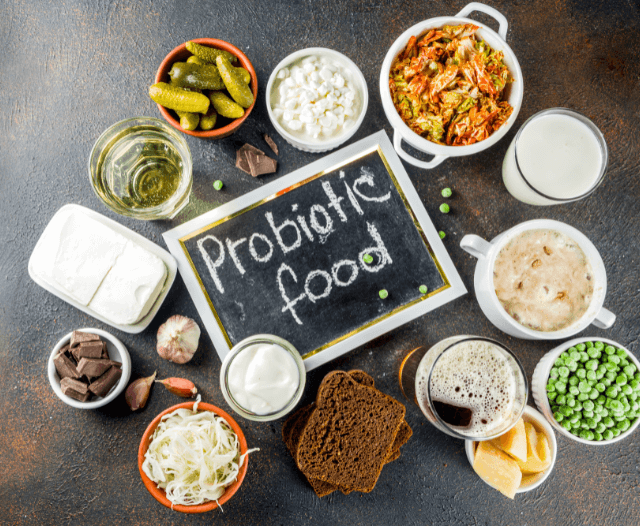
Probiotics are beneficial bacteria that support gut health. They can help regulate digestion and may reduce bloating for some individuals. Yogurt, kefir, sauerkraut, and supplements are good sources.

9. Avoid Trigger Foods If You Have Intolerances

If you’re lactose or gluten intolerant, avoiding dairy or gluten-containing foods can significantly reduce bloating.

10. Reduce Stress

Stress affects your digestion through the brain-gut connection. Incorporate stress-reducing activities like yoga, meditation, deep breathing, or regular exercise into your routine.


beat_the_bloat_prevention


Bloating Remedies That Can Help

If bloating does occur, there are several remedies you can try:

  • Peppermint tea or capsules – Known to relax intestinal muscles and reduce gas
  • Ginger tea or supplements – A natural anti-inflammatory that promotes digestion
  • Simethicone tablets – Over-the-counter anti-gas medication
  • Activated charcoal – May help absorb excess gas (talk to your doctor first)
  • Heating pad – Applying heat to the abdomen can ease cramps and bloating


Special Considerations:
Bloating and Gut Health


Bloating can sometimes be a signal that your gut microbiome is out of balance. A healthy gut supports digestion, immunity, and overall well-being. Supporting your microbiome with prebiotics (fiber that feeds good bacteria) and probiotics can help reduce bloating and improve digestive health over time.

Examples of prebiotic-rich foods include:

  • Bananas
  • Oats
  • Onions
  • Asparagus
  • Garlic

Combining these with fermented foods (yogurt, kimchi, kefir, miso) helps keep your gut bacteria thriving and your digestion efficient.

beat_the_bloat_gut_health

Final Thoughts

Bloating can significantly impact your overall mood and well-being. When your abdomen feels distended or uncomfortable, it can lead to irritability, fatigue, and even anxiety.

The physical discomfort may make it harder to focus, affect your appetite, and interfere with daily activities or social interactions.

In some cases, persistent bloating can contribute to body image concerns or lowered self-esteem, making it not just a physical issue but an emotional one as well. Addressing the root causes of bloating can help improve both your digestive health and your mental outlook.

Bloating is a common yet manageable condition that can be caused by everything from what you eat to how you eat. While it’s usually harmless, frequent or persistent bloating may signal an underlying issue that needs medical evaluation.

By taking simple steps like eating more mindfully, staying active, avoiding trigger foods, and supporting your gut health, you can enjoy a flatter, more comfortable belly — and better digestive health overall.

If your bloating doesn’t improve with lifestyle changes, consult with a gastroenterologist to rule out any serious conditions and get personalized advice.


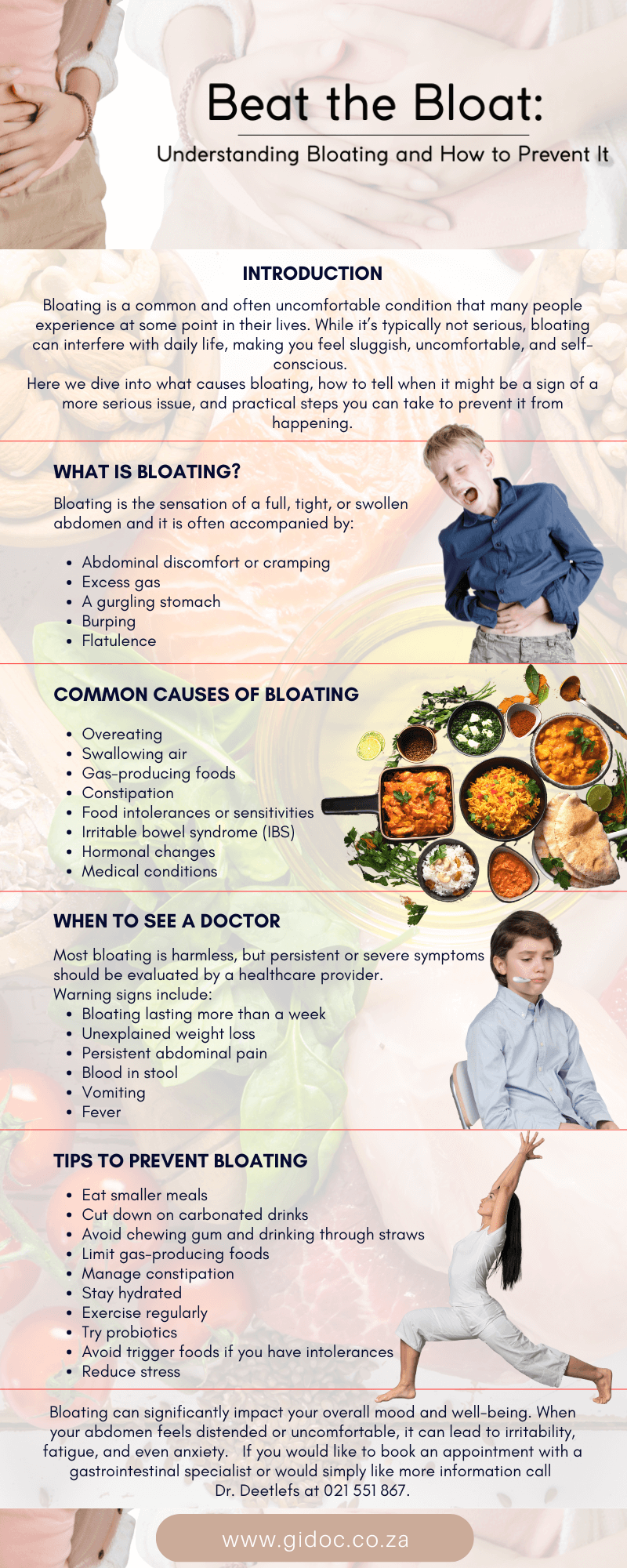
beat_the_bloat_infographic

Need Expert Digestive Care?


If you’re struggling with bloating, discomfort, or other digestive symptoms, consult a GI specialist for an accurate diagnosis and tailored treatment plan. Early evaluation can help prevent complications and improve your quality of life.

Dr. Deetlefs has earned the reputation of a trusted health expert providing consultative, diagnostic, and therapeutic endoscopic and related services to patients in Cape Town and beyond.

Dr. Deetlefs can be contacted to confirm the estimated breakdown should you be interested in having the procedure done. 

GIDoc Cape Town

Patient-focused GI treatments and procedures in Cape Town.

Monday-Friday 8AM-4PM.

Connect with Us

© Dr. Eduan Deetlefs, Registered Gastroenterologist, GI Doc Cape Town

Our website information is not intended or implied to be a substitute for professional medical advice, diagnosis or treatment. Please consult a doctor about your specific condition. Only a trained physician can determine an accurate diagnosis and proper treatment.

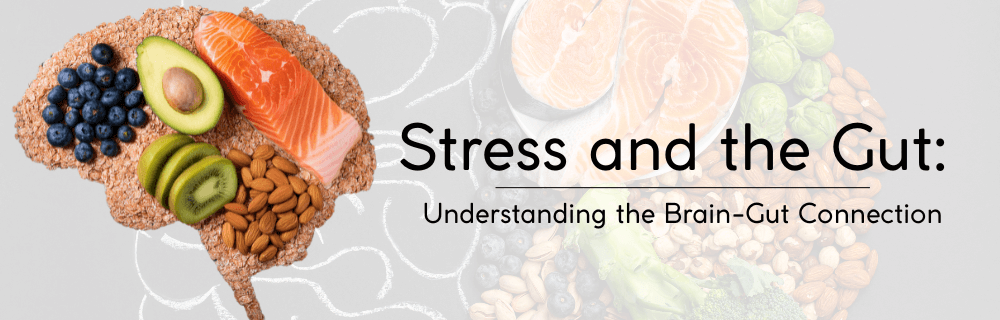
Stress and the Gut: Understanding the Brain-Gut Connection

Stress and the Gut: Understanding the Brain-Gut Connection


When we think of stress, we often associate it with racing thoughts, increased heart rate, or anxiety. But did you know that stress has a profound impact on your digestive system too? If you’ve ever felt “butterflies” in your stomach before a big presentation or experienced nausea during a stressful situation, you’ve already encountered the brain-gut connection.

In recent years, the relationship between mental health and gastrointestinal (GI) health has become a major focus in medical research and clinical practice. Scientists now understand that the gut and brain are in constant communication—a relationship often referred to as the brain-gut axis. Understanding this connection is vital for patients with chronic digestive issues, as well as for healthcare professionals managing gastrointestinal conditions.

In this article, we’ll explore the fascinating link between stress and the gut, discuss how stress impacts various digestive conditions, and offer strategies for supporting both mental and digestive health.


What Is the Brain-Gut Axis?

The brain-gut axis is a complex, bidirectional communication system between the central nervous system (CNS) and the enteric nervous system (ENS), which is sometimes called the “second brain” of the body.

The ENS is a vast network of neurons embedded in the walls of the gastrointestinal tract. It controls digestive processes such as peristalsis (the movement of food through the gut), enzyme secretion, blood flow, and nutrient absorption—often independent of conscious thought. The brain and gut communicate through a series of biochemical signals, including:

  • Neurotransmitters: Like serotonin and dopamine, which influence both mood and gut function.
  • Hormones: Such as cortisol, the body’s primary stress hormone.
  • Immune system responses: Inflammation can be triggered or suppressed by signals from the gut or brain.
  • Vagus nerve: The longest cranial nerve, it serves as a direct highway between the brain and the digestive tract.

This communication loop ensures that emotional and psychological states can influence digestive health—and vice versa.

connection_gut_brain

How Stress Affects the Digestive System

Stress is the body’s natural response to perceived threats. In small amounts, it can be beneficial. However, chronic stress—like that caused by work pressure, unresolved trauma, or mental health conditions—can wreak havoc on the digestive system. Here are some keyways stress affects gut function:

1. Changes in Motility

Stress can either speed up or slow down the movement of food through the digestive tract. This can lead to symptoms like diarrhea, constipation, bloating, and cramping. In irritable bowel syndrome (IBS), stress is a major trigger for flare-ups.

2. Increased Gut Permeability

Often referred to as “leaky gut,” stress may increase the permeability of the intestinal wall, allowing toxins, bacteria, and undigested food particles to enter the bloodstream. This can trigger inflammation and immune responses that worsen GI symptoms.

3. Altered Gut Microbiome

The trillions of bacteria residing in the gut (the microbiota) are essential for digestive and immune function. Chronic stress can alter the composition of these microbes, reducing beneficial strains and allowing harmful bacteria to thrive—an imbalance known as dysbiosis.

4. Enhanced Perception of Pain

Stress may increase sensitivity to pain in the gastrointestinal tract, a phenomenon known as visceral hypersensitivity. This makes mild symptoms feel more severe, a common experience in functional GI disorders like IBS.

5. Increased Acid Production

Acute stress can raise stomach acid levels, increasing the risk of acid reflux, gastritis, or peptic ulcers. Over time, this may contribute to chronic GI conditions.

gut_brain_stress_conditions


The Role of Stress in GI Conditions

Many chronic digestive disorders have a psychosomatic component—meaning they are influenced by psychological stress. Below are some GI conditions that are commonly affected:


Irritable Bowel Syndrome (IBS)

IBS is one of the most common functional GI disorders, affecting 10–15% of people worldwide. While the exact cause remains unknown, stress is recognized as a major factor that influences both the onset and severity of IBS symptoms, including:

  • Abdominal pain
  • Gas and bloating
  • Constipation or diarrhea
  • Changes in bowel habits

Inflammatory Bowel Disease (IBD)

While IBD (which includes Crohn’s disease and ulcerative colitis) is primarily an autoimmune condition, stress can exacerbate symptoms and potentially influence disease progression. Research suggests that high stress levels can trigger flare-ups or interfere with the body’s ability to heal during remission.

Functional Dyspepsia

This condition causes upper abdominal discomfort, often without any identifiable structural abnormality. Stress and anxiety are major contributors to symptoms like early satiety, bloating, and nausea.

GERD (Gastroesophageal Reflux Disease)

Stress can relax the lower esophageal sphincter and increase stomach acid, leading to more frequent reflux symptoms.


The Impact of Mental Health Disorders on Gut Health

Depression and anxiety are commonly associated with chronic digestive issues. People suffering from these mental health conditions often report more severe GI symptoms, even when medical tests show no clear abnormalities.

This relationship is a two-way street. Just as stress and anxiety can worsen gut symptoms, persistent GI issues can negatively affect mental health, contributing to a cycle of discomfort and emotional distress.

gut_brain_mood_connection


The Microbiome and Mood: The Emerging Role of Psychobiotics

The gut microbiome plays a key role in regulating mood and emotional well-being. Certain gut bacteria produce neurotransmitters like serotonin and gamma-aminobutyric acid (GABA), which influence mood and stress response.

This has led to the development of psychobiotics—probiotics and prebiotics that positively impact mental health. While research is still ongoing, early studies suggest that supplementing with specific probiotic strains may reduce anxiety, improve mood, and enhance cognitive function.


Managing Stress for Better Digestive Health

If you struggle with chronic digestive issues, addressing stress is a crucial part of your treatment plan. Here are evidence-based strategies to help manage stress and support gut health:

1. Mindfulness and Meditation

Mindfulness-based practices like meditation, deep breathing, and body scanning have been shown to reduce cortisol levels and calm the nervous system. Regular practice may reduce symptom severity in conditions like IBS.

2. Cognitive Behavioral Therapy (CBT)

CBT is a type of talk therapy that helps individuals change negative thought patterns and behaviors. Studies show that CBT can significantly improve symptoms in IBS and other functional GI disorders.

3. Exercise

Regular physical activity boosts endorphins, reduces inflammation, and supports digestion. Low-impact exercises like walking, yoga, or swimming are particularly beneficial.

4. Gut-Healthy Diet

Eating a balanced diet rich in fiber, fermented foods (like yogurt and kefir), and anti-inflammatory nutrients can support a healthy microbiome and improve resilience to stress.

5. Adequate Sleep

Sleep disturbances increase stress and worsen GI symptoms. Prioritize 7–9 hours of restful sleep each night and maintain a regular sleep schedule.


When to Seek Medical Help


While stress management is essential, persistent or severe digestive symptoms should never be ignored. You should see a gastroenterologist if you experience:

  • Unexplained weight loss
  • Blood in the stool
  • Severe or persistent abdominal pain
  • Difficulty swallowing
  • Changes in bowel habits lasting more than a few weeks

A specialist can help determine whether your symptoms are functional or due to an underlying condition that requires medical treatment.


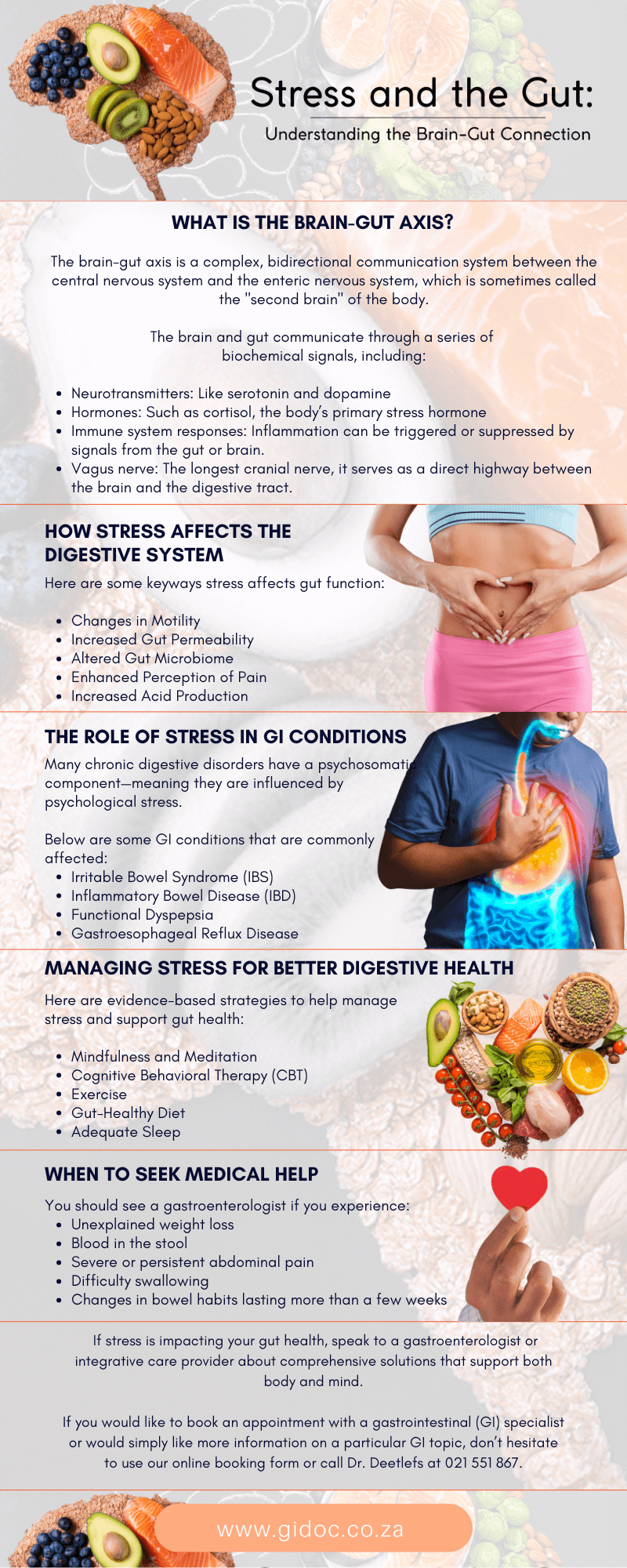
stress_and_gut_connection_infographic


Conclusion


The connection between stress and the gut is more than a passing feeling—it’s a complex, dynamic relationship that plays a vital role in your overall health. Whether you’re dealing with a chronic GI condition or simply want to optimize your digestive well-being, understanding the brain-gut axis is a powerful step in the right direction.

By addressing both emotional and digestive health together, patients can take a more holistic approach to healing, symptom management, and long-term wellness.

If stress is impacting your gut health, speak to a gastroenterologist or integrative care provider about comprehensive solutions that support both body and mind.


Get in Touch


Dr. Deetlefs has earned the reputation of a trusted health expert providing consultative, diagnostic, and therapeutic endoscopic and related services to patients in Cape Town and beyond. 

Dr. Deetlefs can be contacted to confirm the estimated breakdown should you be interested in having the procedure done.

GIDoc Cape Town

Patient-focused GI treatments and procedures in Cape Town.

Monday-Friday 8AM-4PM.

Connect with Us

© Dr. Eduan Deetlefs, Registered Gastroenterologist, GI Doc Cape Town

Our website information is not intended or implied to be a substitute for professional medical advice, diagnosis or treatment. Please consult a doctor about your specific condition. Only a trained physician can determine an accurate diagnosis and proper treatment.