021 202 0626
IBS vs. IBD: Understanding the Differences and Treatment Options

IBS vs. IBD: Understanding the Differences and Treatment Options


Digestive discomfort is common, but when abdominal pain, bloating, or changes in bowel habits persist, many patients start to wonder what’s really going on. Two of the most common — and often confused — digestive disorders are Irritable Bowel Syndrome (IBS) and Inflammatory Bowel Disease (IBD).

Although their symptoms may overlap, these are very different conditions with distinct causes, diagnostic processes, and treatment approaches. Understanding these differences is key to finding effective relief — and knowing when to see a gastroenterologist like Dr. Eduan Deetlefs in Cape Town for expert evaluation and care.


What Is IBS?

Irritable Bowel Syndrome (IBS) is a functional gastrointestinal disorder, meaning there’s no visible inflammation or damage to the digestive tract. Instead, IBS involves a disturbance in how the gut functions, often related to hypersensitivity of the intestines or abnormal muscle contractions.

IBS affects the large intestine (colon) and can cause chronic digestive symptoms that fluctuate in intensity. It’s one of the most common GI conditions worldwide, affecting both men and women, often beginning in early adulthood.

Common Symptoms of IBS:

  • Recurrent abdominal pain or cramping
  • Bloating or excessive gas
  • Changes in bowel habits — diarrhea, constipation, or alternating between both
  • A feeling of incomplete bowel emptying
  • Mucus in the stool
  • Relief of pain after a bowel movement

IBS symptoms are often triggered by diet, stress, or hormonal changes, and they may come and go over time. Importantly, IBS does not cause intestinal damage, bleeding, or weight loss — these signs usually indicate another condition.


ibs_ibd_symptoms

 What Is IBD?

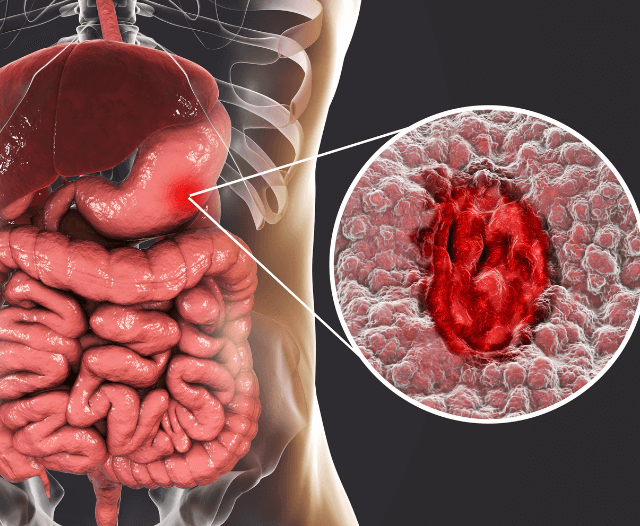
Inflammatory Bowel Disease (IBD) refers to chronic, immune-mediated inflammation of the digestive tract. Unlike IBS, IBD causes visible damage to the intestinal lining, which can lead to serious complications if untreated.

There are two main types of IBD:

  1. Crohn’s Disease – can affect any part of the digestive tract from the mouth to the anus, often in “patchy” segments.
  2. Ulcerative Colitis – affects only the colon and rectum, causing continuous inflammation and ulcers in the intestinal lining.

IBD is an autoimmune condition, meaning the body’s immune system mistakenly attacks healthy cells in the gut, causing inflammation and tissue injury.

ibd_symptoms


Common Symptoms of IBD:

  • Persistent diarrhea (sometimes with blood or mucus)
  • Abdominal pain and cramping
  • Unintended weight loss
  • Fatigue
  • Loss of appetite
  • Blood in the stool
  • Fever or joint pain in severe flare-ups

Because IBD causes real inflammation, it can lead to complications such as intestinal strictures, fistulas, abscesses, or increased risk of colon cancer — making early diagnosis and treatment essential.

🔍 IBS vs. IBD: Key Differences at a Glance


Feature IBS (Irritable Bowel Syndrome) IBD (Inflammatory Bowel Disease)
Type of condition Functional disorder (no visible damage) Autoimmune inflammatory disease
Affected areas Large intestine (colon) Any part of GI tract (Crohn’s) or colon/rectum (Ulcerative Colitis)
Cause Gut hypersensitivity, stress, diet, hormonal factors Immune system attacking intestinal tissue
Inflammation present? No Yes
Symptoms Bloating, pain, diarrhea/constipation, mucus Bloody diarrhea, pain, fatigue, weight loss
Complications None (does not cause damage) Intestinal damage, strictures, cancer risk
Diagnosis Clinical history, exclusion of other diseases Colonoscopy, biopsies, blood/stool tests, imaging
Treatment goal Symptom management Inflammation control and remission
Seriousness Chronic but not life-threatening Can be serious or life-threatening if untreated

🧠 Understanding the Causes


Causes of IBS

The exact cause of IBS is not fully understood, but several factors are thought to contribute:

  • Abnormal gut motility: Muscles in the intestines contract too quickly or too slowly.
  • Visceral hypersensitivity: The nerves in the gut are overly sensitive to stretching or movement.
  • Gut-brain axis dysfunction: Stress and anxiety can directly affect gut function through nerve signals.
  • Dietary triggers: Fatty foods, caffeine, dairy, and artificial sweeteners may worsen symptoms.
  • Post-infectious IBS: Some people develop IBS after a bacterial or viral infection.


Causes of IBD

IBD is more complex, involving a mix of immune, genetic, and environmental factors:

  • Immune system dysfunction: The body mistakenly attacks the intestinal lining.
  • Genetics: A family history of IBD increases risk.
  • Gut microbiome imbalance: Certain bacteria may trigger inflammation.
  • Environmental factors: Smoking, diet, and infections may contribute.

ibs_ibd_triggers

🧪 Diagnosing IBS vs. IBD

Because their symptoms overlap, a proper diagnosis is essential.

Diagnosing IBS

IBS is usually diagnosed by excluding other conditions. Gastroenterologists use the Rome IV Criteria, which include:

  • Abdominal pain at least once per week for the last 3 months
  • Pain related to bowel movements or changes in stool frequency/consistency

Tests may include:

  • Blood tests to rule out celiac disease or anemia
  • Stool tests to check for inflammation
  • Colonoscopy (if red-flag symptoms like bleeding or weight loss are present)


Diagnosing IBD

IBD requires more direct evaluation of inflammation and damage. Dr. Deetlefs may recommend:

  • Colonoscopy or gastroscopy – to view and biopsy inflamed tissue
  • Blood tests – checking for anemia, infection, or inflammation markers
  • Stool tests (calprotectin or lactoferrin) – to measure intestinal inflammation
  • Imaging (CT or MRI enterography) – to visualize small bowel involvement in Crohn’s disease

ibs_diagnosis

💊 Treatment Options for IBS and IBD


IBS Treatment

Because IBS is functional, treatment focuses on symptom control and lifestyle modification.

  1. Dietary Management
  • Low-FODMAP diet: Eliminating fermentable carbohydrates that cause gas and bloating.
  • High-fiber diet: Helps relieve constipation (for IBS-C).
  • Avoiding trigger foods: Caffeine, spicy food, alcohol, and processed meals.
  1. Stress and Lifestyle
  • Regular exercise and mindfulness can reduce gut-brain tension.
  • Good sleep hygiene and stress reduction techniques (yoga, deep breathing).
  1. Medications
  • Antispasmodics: Reduce cramping.
  • Antidiarrheals or laxatives: For bowel habit regulation.
  • Low-dose antidepressants: Modulate gut nerve sensitivity.
  • Probiotics: Support healthy gut flora.

IBD Treatment

IBD requires a more targeted medical approach to reduce inflammation and prevent long-term damage.

  1. Anti-Inflammatory Medications
  • Aminosalicylates (5-ASA): Reduce inflammation in the colon.
  • Corticosteroids: Used short-term for acute flare-ups.
  1. Immune System Suppressors
  • Azathioprine or methotrexate: Help reduce immune overactivity.
  1. Biologic Therapies
  • Advanced treatments that target specific inflammatory pathways (e.g., TNF inhibitors, integrin blockers).
  • Biologics have revolutionized IBD management, offering long-term remission and mucosal healing.
  1. Nutritional Support
  • Ensures patients maintain healthy weight and nutrient levels during flare-ups.
  1. Endoscopic or Surgical Interventions
  • Endoscopic dilatation may treat strictures caused by Crohn’s disease.
  • Surgery may be necessary for severe cases or complications such as bowel obstruction or perforation.

ibs_ibd_treatment


When to See a Gastroenterologist

While mild digestive discomfort can often be managed with diet, persistent or severe symptoms require medical evaluation.

You should see a gastroenterologist like Dr. Eduan Deetlefs if you experience:

  • Blood in your stool
  • Persistent diarrhea or constipation
  • Severe or unexplained abdominal pain
  • Unexplained weight loss or fatigue
  • Symptoms that do not improve with over-the-counter treatments
  • A family history of IBD or colon cancer

Early consultation allows for accurate diagnosis and tailored treatment, improving both comfort and long-term gut health.

👨‍⚕️ About Dr. Eduan Deetlefs – Cape Town Gastroenterologist

Dr. Eduan Deetlefs is a highly experienced gastroenterologist based in Cape Town, specializing in the diagnosis and management of gastrointestinal disorders such as IBS, IBD, acid reflux, Crohn’s disease, ulcerative colitis, and liver conditions.

He provides a comprehensive range of diagnostic procedures, including colonoscopy, gastroscopy, endoscopic dilatation, and stent placement, using advanced technology to ensure accurate diagnosis and effective treatment.

If you’re struggling with chronic digestive symptoms or uncertain whether your condition is IBS or IBD, book a consultation with Dr. Deetlefs for expert evaluation and compassionate care.

📍 Visit: www.gidoc.co.za
📞 Call: 021 202 0626
📧 Email: info@gidoc.co.za

ibs_ibd_infographic

Takeaway

While IBS and IBD may sound similar, they are fundamentally different in cause, severity, and management. IBS affects how your gut works, while IBD affects its structure. Both can significantly impact quality of life — but with expert guidance and individualized care, patients can achieve relief, stability, and confidence in managing their digestive health.


GIDoc Cape Town

Patient-focused GI treatments and procedures in Cape Town.

Monday-Friday 8AM-4PM.

Connect with Us

© Dr. Eduan Deetlefs, Registered Gastroenterologist, GI Doc Cape Town

Our website information is not intended or implied to be a substitute for professional medical advice, diagnosis or treatment. Please consult a doctor about your specific condition. Only a trained physician can determine an accurate diagnosis and proper treatment.

Colon Cancer: Early Detection and Prevention Through Regular Screening

Colon Cancer: Early Detection and Prevention Through Regular Screening


Colon cancer, also known as colorectal cancer when it involves both the colon and rectum, remains one of the most common yet preventable cancers globally. Through advances in medical technology—particularly colonoscopy screening—the early detection and prevention of colon cancer have never been more achievable.

Regular colonoscopy examinations not only detect cancer in its earliest, most treatable stages but can also prevent it entirely by removing precancerous growths. For patients seeking expert care in South Africa, Dr. Eduard Deetlefs, a leading gastroenterologist and colonoscopy specialist in Cape Town, provides comprehensive, patient-focused digestive health services to safeguard your long-term wellbeing.

Understanding Colon Cancer

The colon, or large intestine, forms part of the digestive tract responsible for processing waste and absorbing water and electrolytes. Colon cancer typically begins as small, benign growths called polyps that form on the lining of the colon.

Over time, certain polyps—particularly adenomatous polyps—can undergo cellular changes that transform them into cancerous tumors. Because this process develops slowly, often over many years, routine colon cancer screening provides a critical opportunity for early intervention and prevention.

colon_cancer_prevention


Who Is at Risk?

While anyone can develop colon cancer, certain factors increase the likelihood:

  • Age: Risk rises significantly after the age of 50, though cases in adults under 45 are becoming more frequent.
  • Family History: Having a close relative with colon cancer or advanced polyps increases personal risk.
  • Genetic Syndromes: Conditions such as Lynch syndrome or familial adenomatous polyposis (FAP) substantially elevate risk.
  • Lifestyle Factors: Diets high in red or processed meats, obesity, smoking, alcohol use, and lack of exercise are all linked to higher risk.
  • Inflammatory Bowel Disease (IBD): Long-standing Crohn’s disease or ulcerative colitis increase colon cancer risk.
  • Type 2 Diabetes: Metabolic and hormonal factors in diabetes may also contribute to higher risk.

Understanding and managing these risk factors—combined with routine colonoscopy screening—can significantly reduce your chances of developing colon cancer.


Recognizing the Symptoms

In its early stages, colon cancer often develops silently, showing no symptoms. As the disease advances, common warning signs include:

  • Persistent changes in bowel habits, such as constipation, diarrhea, or narrow stools
  • Blood in the stool or rectal bleeding
  • Unexplained fatigue or weakness
  • Cramping, bloating, or abdominal pain
  • Unexplained weight loss
  • A feeling that the bowel does not empty completely

Because these symptoms can resemble other gastrointestinal conditions, timely medical evaluation by a gastroenterologist is essential.


Colonoscopy: The Gold Standard for Detection and Prevention

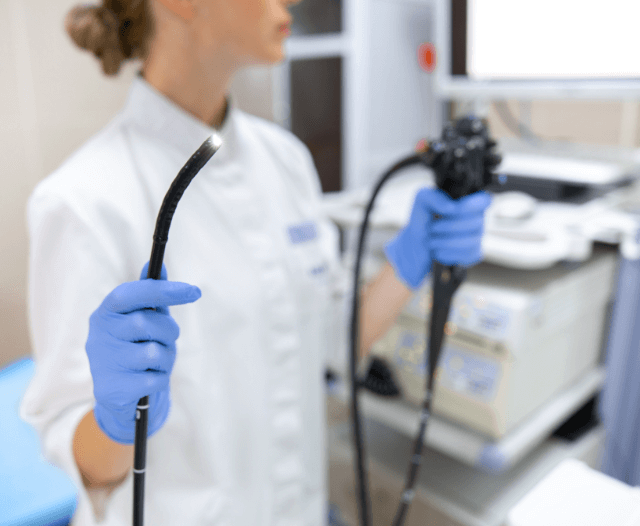
Among all available screening tests, colonoscopy remains the most accurate and effective method for detecting colon cancer and its precursors. This minimally invasive procedure allows a colonoscopy specialist to inspect the entire colon and rectum using a thin, flexible tube with a camera.

What Happens During a Colonoscopy

  • Preparation: Before the procedure, patients follow a bowel-cleansing preparation to ensure clear visibility.
  • Procedure: Under mild sedation, the doctor gently advances the colonoscope through the colon to examine the lining.
  • Polyp Removal: If any polyps or abnormal tissue are found, they can be removed immediately and sent for analysis.

Because colonoscopy allows both diagnosis and treatment during the same procedure, it’s not only a screening tool but a powerful method of cancer prevention.

colon_cancer_screening_colonoscopy

Other Screening Options

While colonoscopy is the most comprehensive test, other screening options are available for some individuals:

  • Fecal Immunochemical Test (FIT): Detects microscopic blood in the stool.
  • Fecal Occult Blood Test (FOBT): Identifies hidden blood but requires dietary restrictions.
  • Stool DNA Tests (e.g., Cologuard®): Look for genetic changes linked to colon cancer.
  • CT Colonography: A “virtual colonoscopy” using advanced imaging technology.

However, unlike these tests, colonoscopy provides the advantage of immediate detection and removal of precancerous polyps, making it the preferred option for most patients.

When to Begin Screening

The American Cancer Society and global gastroenterology guidelines recommend:

  • Average-Risk Adults: Begin colon cancer screening at age 45.
  • High-Risk Individuals: Those with family history, genetic conditions, or IBD should start earlier, often by age 40 or sooner, as advised by their doctor.

If no abnormalities are found, colonoscopy should be repeated every 10 years. If polyps are discovered, follow-up may be recommended in 3 to 5 years, depending on their size and pathology.

Lifestyle Steps to Prevent Colon Cancer

Prevention doesn’t end with screening—healthy lifestyle choices can further reduce your risk:

  1. Adopt a High-Fiber Diet: Eat plenty of fruits, vegetables, whole grains, and legumes.
  2. Limit Red and Processed Meats: Reduce consumption of processed foods linked to higher cancer risk.
  3. Exercise Regularly: Aim for at least 150 minutes of moderate activity per week.
  4. Maintain a Healthy Weight: Obesity is a major risk factor, particularly for men.
  5. Avoid Smoking and Excess Alcohol: Both increase inflammation and cellular damage.
  6. Manage Chronic Conditions: Keep diabetes and IBD under control with regular medical care.

healthy_living_trevents_colon_cancer


Why Early Detection Matters

Colon cancer is one of the few cancers that can be completely prevented through early detection. Studies show that removing polyps during colonoscopy reduces the risk of developing colon cancer by up to 90%.

When detected early, colon cancer is highly treatable—with a five-year survival rate exceeding 90%. Once it spreads to distant organs, however, survival drops sharply. This is why regular screening is one of the most important steps you can take for your long-term health.


Treatment Options

If colon cancer is diagnosed, treatment options depend on its stage and the patient’s overall health. These may include:

  • Surgery: Removal of the affected colon segment, often curative for early-stage cancers.
  • Chemotherapy: Targets residual cancer cells after surgery or reduces tumor size before surgery.
  • Radiation Therapy: Primarily used for rectal cancers.
  • Targeted and Immunotherapy: Modern treatments that focus on specific cancer pathways for advanced cases.

Early detection through colonoscopy can often prevent the need for extensive surgery or aggressive treatments.

colon_cancer_awareness_colonoscopy


Expert Care with Dr. Eduard Deetlefs – Colonoscopy Specialist in Cape Town

For patients seeking trusted, professional care for colon cancer screening in Cape Town, Dr. Eduard Deetlefs offers world-class expertise in gastroenterology and digestive health. With extensive experience in colonoscopy, gastroscopy, and endoscopic procedures, Dr. Deetlefs provides comprehensive, patient-centered care in a comfortable and reassuring environment.

Whether you need a routine screening, evaluation for digestive symptoms, or expert management of inflammatory bowel disease, Dr. Deetlefs and his dedicated team are here to help.

📍 Location: Cape Town, South Africa
📞 Call: 021 551 8678
📧 Email: info@gidoc.co.za
🌐 Visit: www.gidoc.co.za

Take charge of your digestive health—book your colonoscopy today with Dr. Deetlefs, your trusted colonoscopy specialist in Cape Town. Early detection could save your life.

colon_cancer_screening_infographic

The Bottom Line: Screening Saves Lives

Colon cancer is one of the few cancers that can be detected early and prevented entirely. Regular colonoscopy screenings with an experienced gastroenterologist offer peace of mind, powerful prevention, and life-saving early detection.

If you are 45 or older—or have a family history or other risk factors—don’t delay. Schedule your screening with Dr. Eduard Deetlefs at www.gidoc.co.za and take the first step toward long-term digestive wellness.

GIDoc Cape Town

Patient-focused GI treatments and procedures in Cape Town.

Monday-Friday 8AM-4PM.

Connect with Us

© Dr. Eduan Deetlefs, Registered Gastroenterologist, GI Doc Cape Town

Our website information is not intended or implied to be a substitute for professional medical advice, diagnosis or treatment. Please consult a doctor about your specific condition. Only a trained physician can determine an accurate diagnosis and proper treatment.

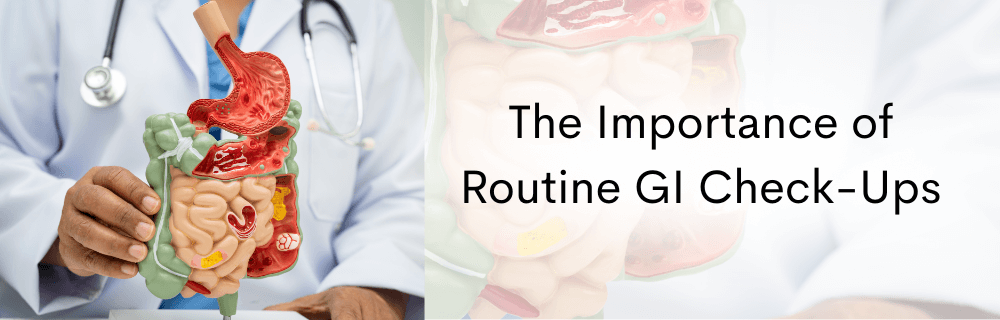
The Importance of Routine GI Check-Ups

The Importance of Routine GI Check-Ups


Introduction


When it comes to health, most people think of regular visits to their general practitioner, dental check-ups, and even annual eye exams. However, one area often overlooked is digestive health. Your gastrointestinal (GI) system plays a vital role in your overall well-being, as it is responsible for digesting food, absorbing nutrients, and eliminating waste.

Routine GI check-ups are essential for identifying problems early, preventing serious diseases, and ensuring long-term gut health.

In this article, we’ll explore why these check-ups are so important, who should get them, what to expect, and how they can help prevent and manage common digestive conditions.


Why Digestive Health Matters


The gastrointestinal tract is a complex system that includes the esophagus, stomach, small intestine, large intestine (colon), rectum, liver, gallbladder, and pancreas. Each part plays a crucial role in breaking down food and delivering essential nutrients to the body.

When something goes wrong in this system, it doesn’t just cause digestive discomfort—it can affect your energy levels, immune system, and even mental health. For instance:

  • Nutrient absorption issues can lead to vitamin deficiencies, fatigue, and weakened immunity.
  • Chronic inflammation in the gut, such as with Crohn’s disease or ulcerative colitis, may increase the risk of colorectal cancer.
  • Undiagnosed conditions, like celiac disease, can cause long-term damage if not identified and managed.

Routine GI check-ups are an important way to detect these issues early and keep the digestive system functioning properly.


What Is a GI Check-Up?


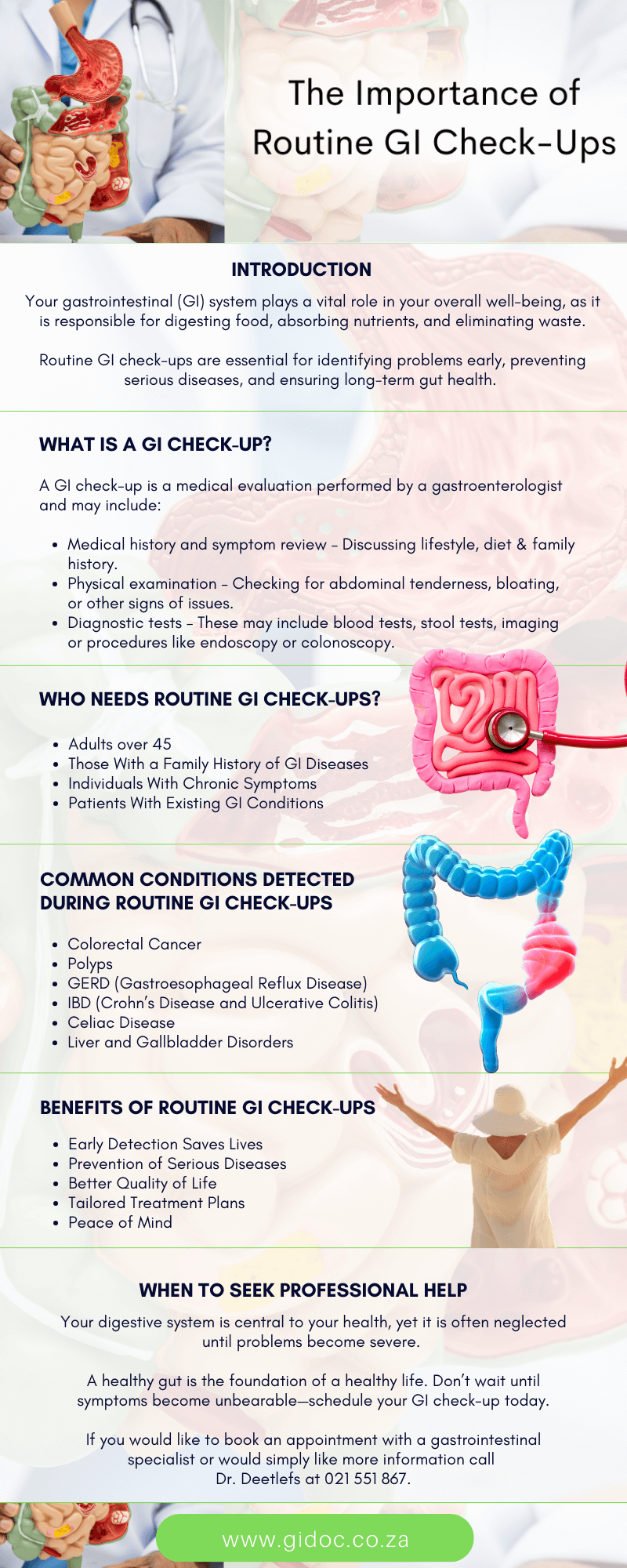
A GI check-up is a medical evaluation performed by a gastroenterologist—a doctor specializing in digestive health. Depending on your age, risk factors, and symptoms, a GI check-up may include:

  • Medical history and symptom review – Discussing lifestyle, diet, and family history.
  • Physical examination – Checking for abdominal tenderness, bloating, or other signs of issues.
  • Diagnostic tests – These may include blood tests, stool tests, imaging (ultrasound, CT, MRI), or procedures like endoscopy or colonoscopy.

These evaluations can help diagnose conditions such as gastroesophageal reflux disease (GERD), ulcers, gallstones, inflammatory bowel disease (IBD), irritable bowel syndrome (IBS), and cancers of the digestive tract.


Who Needs Routine GI Check-Ups?


While anyone can benefit from digestive health screening, certain individuals are at higher risk and should be proactive about routine check-ups.

Adults Over 45

Colon cancer screening is now recommended for adults starting at age 45, as cases of colorectal cancer in younger adults are rising. Colonoscopy is the gold standard for detecting and removing polyps before they become cancerous.

Those With a Family History of GI Diseases

If you have a family history of colorectal cancer, Crohn’s disease, ulcerative colitis, or celiac disease, you may need earlier and more frequent check-ups.

Individuals With Chronic Symptoms

Persistent symptoms like abdominal pain, bloating, diarrhea, constipation, blood in the stool, or unexplained weight loss should not be ignored.

Patients With Existing GI Conditions

People with GERD, IBD, celiac disease, or liver conditions benefit from ongoing monitoring to prevent complications.


colonoscopy_procedure_checkup


Common Conditions Detected During Routine GI Check-Ups


Colorectal Cancer

Colorectal cancer is one of the most preventable cancers when detected early. During a colonoscopy, gastroenterologists can remove polyps before they progress into cancer.

Polyps

These small growths in the colon can be benign but have the potential to turn cancerous if left untreated.

GERD (Gastroesophageal Reflux Disease)

Frequent acid reflux can damage the esophagus and increase the risk of Barrett’s esophagus, a precancerous condition.

IBD (Crohn’s Disease and Ulcerative Colitis)

Early diagnosis helps in managing inflammation, reducing flares, and preventing long-term complications like strictures and malnutrition.

Celiac Disease

Routine screening is important, especially if symptoms like bloating, diarrhea, or nutrient deficiencies are present.

Liver and Gallbladder Disorders

Fatty liver disease, gallstones, and hepatitis can often be picked up through routine blood work and imaging.


Benefits of Routine GI Check-Ups


Early Detection Saves Lives

The earlier a problem is caught, the easier it is to treat. For example, polyps removed during colonoscopy eliminate the risk of them turning into cancer.

Prevention of Serious Diseases

Many digestive conditions start small but worsen over time. Routine check-ups can stop disease progression before it becomes life-threatening.

Better Quality of Life

Managing digestive symptoms like bloating, constipation, or reflux improves comfort, sleep, and overall well-being.

Tailored Treatment Plans

Routine follow-ups allow gastroenterologists to adjust treatments based on changes in symptoms or test results.

Peace of Mind

Knowing your digestive health is being monitored provides reassurance and reduces anxiety.


routine_checkup_importance


What to Expect During a Colonoscopy


One of the most common routine GI procedures is the colonoscopy. Here’s what happens:

  • Preparation – Patients follow a special diet and take bowel-cleansing medications the day before.
  • Sedation – You will be sedated to ensure comfort.
  • Examination – The doctor inserts a flexible tube with a camera into the colon to look for polyps, inflammation, or other abnormalities.
  • Polyp Removal – If found, polyps can be removed immediately.
  • Recovery – Patients typically go home the same day.

Though often dreaded, a colonoscopy is quick, safe, and one of the most effective preventive tools in medicine.


Lifestyle and Routine Check-Ups: Working Together


While routine GI check-ups are essential, lifestyle changes can complement medical care and improve gut health:

  • Eat a balanced diet rich in fiber, lean protein, and fermented foods.
  • Limit processed foods, alcohol, and excess sugar that strain the digestive system.
  • Stay hydrated to support bowel regularity.
  • Exercise regularly, as physical activity helps digestion.
  • Manage stress, which directly impacts the gut through the brain-gut connection.

Routine check-ups combined with healthy habits create a strong foundation for long-term digestive health.


Overcoming the Fear of GI Procedures


Many patients avoid routine GI check-ups due to fear, embarrassment, or misconceptions.
Common concerns include:

  • Fear of discomfort – Sedation ensures that procedures like colonoscopy are painless.
  • Embarrassment – Gastroenterologists perform these procedures daily and focus on patient health, not judgment.
  • Concerns about cost – Preventive care is often more affordable than treating advanced disease.

Education and reassurance are key in encouraging patients to prioritize routine GI health screenings.

capsule_endoscopy


The Future of Routine GI Check-Ups


Advancements in gastroenterology are making routine check-ups even more effective and less invasive. Emerging technologies include:

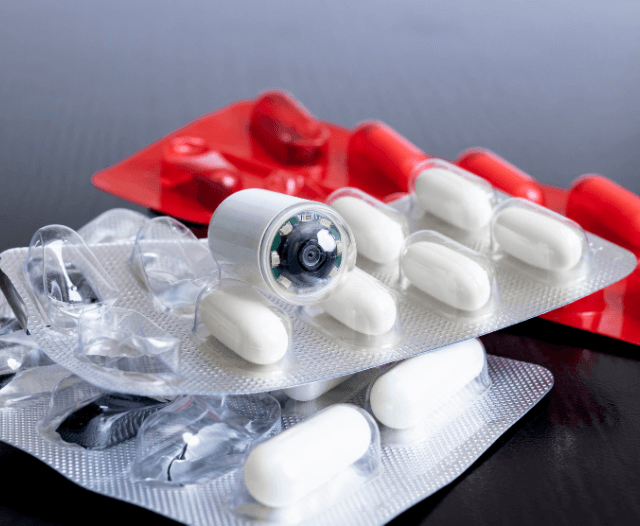
  • Capsule endoscopy – Swallowing a pill-sized camera that captures images of the digestive tract.
  • Non-invasive stool DNA testing – Detecting colon cancer risk without a colonoscopy (though colonoscopy remains the gold standard).

These innovations promise greater accessibility, accuracy, and comfort for patients.


Conclusion


Your digestive system is central to your health, yet it is often neglected until problems become severe. Routine GI check-ups are one of the most powerful tools for preventing disease, improving quality of life, and ensuring early detection of potentially life-threatening conditions like colorectal cancer.

By staying proactive—especially if you are over 45, have a family history of GI disease, or suffer from persistent digestive symptoms—you can protect your gut health and overall well-being.

A healthy gut is the foundation of a healthy life. Don’t wait until symptoms become unbearable—schedule your GI check-up today.

importance_of_routine_checkup_infographic


Contact Dr. Deetlefs


Dr. Deetlefs has earned the reputation of a trusted health expert providing consultative, diagnostic, and therapeutic endoscopic and related services to patients in Cape Town and beyond. 

Dr. Deetlefs can be contacted to confirm the estimated breakdown should you be interested in having the procedure done.


GIDoc Cape Town

Patient-focused GI treatments and procedures in Cape Town.

Monday-Friday 8AM-4PM.

Connect with Us

© Dr. Eduan Deetlefs, Registered Gastroenterologist, GI Doc Cape Town

Our website information is not intended or implied to be a substitute for professional medical advice, diagnosis or treatment. Please consult a doctor about your specific condition. Only a trained physician can determine an accurate diagnosis and proper treatment.

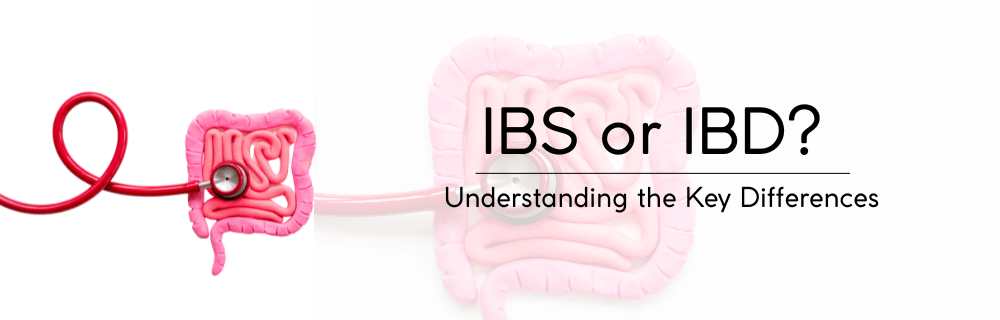
IBS or IBD? Understanding the Key Differences

IBS or IBD? Understanding the Key Differences


Many people confuse Irritable Bowel Syndrome (IBS) and Inflammatory Bowel Disease (IBD) — and understandably so. Both conditions affect the gastrointestinal (GI) tract, cause abdominal pain, and disrupt daily life.

However, IBS and IBD are fundamentally different in cause, severity, and treatment. Understanding the distinction is crucial for timely diagnosis, appropriate care, and effective symptom management.

In this article, we’ll explore the key differences between IBS and IBD, outline common symptoms, delve into diagnosis and treatment approaches, and offer guidance for patients living with either condition.


What Is IBS (Irritable Bowel Syndrome)?


Irritable Bowel Syndrome is a functional gastrointestinal disorder, which means that while the digestive tract appears normal on testing, it doesn’t function properly.

IBS affects the large intestine (colon) and is characterized by chronic abdominal discomfort, bloating, and altered bowel habits. Though it does not cause inflammation or damage to the bowel tissue, its symptoms can be severe and significantly affect quality of life.

IBS is believed to be caused by a complex interplay between the brain and gut, often referred to as the gut-brain axis. Abnormal muscle contractions in the intestine, heightened pain sensitivity, and changes in gut bacteria may all contribute to the development of IBS.


Common Symptoms of IBS


  • Abdominal cramping or pain
  • Bloating and gas
  • Diarrhea (IBS-D), constipation (IBS-C), or alternating both (IBS-M)
  • Mucus in the stool
  • Feeling of incomplete bowel movement
  • Relief of pain after a bowel movement

Key Features of IBS


  • No visible inflammation or damage to the GI tract
  • Does not cause permanent harm to the intestines
  • No increased risk of colorectal cancer
  • Often triggered by stress, diet, or hormonal changes
  • Tends to improve with dietary management and stress reduction

ibs_abdominal_pain

What Is IBD (Inflammatory Bowel Disease)?


Inflammatory Bowel Disease refers to a group of chronic autoimmune diseases that result in inflammation and damage to the gastrointestinal tract. The two main types of IBD are:

  • Crohn’s Disease, which can affect any part of the GI tract from the mouth to the anus, often with patchy, transmural inflammation
  • Ulcerative Colitis, which affects only the colon and rectum, with inflammation typically limited to the mucosal lining

IBD is an autoimmune condition where the body mistakenly attacks healthy cells in the GI tract, leading to inflammation, ulceration, and complications over time. Unlike IBS, IBD can cause serious structural damage to the bowel and may require intensive medical treatment or surgery.


Common Symptoms of IBD


  • Persistent diarrhea, often with urgency
  • Rectal bleeding
  • Abdominal pain and cramping
  • Fatigue and malaise
  • Weight loss and nutritional deficiencies
  • Fever and night sweats during active flares
  • Anemia due to chronic blood loss

Extraintestinal Manifestations


IBD can also affect other parts of the body beyond the digestive tract:

  • Joint pain or arthritis
  • Skin disorders like erythema nodosum
  • Eye inflammation (uveitis)
  • Liver disorders such as primary sclerosing cholangitis

Key Features of IBD


  • Visible inflammation, ulcers, and damage to the GI tract
  • Can lead to complications like strictures, fistulas, abscesses, and increased cancer risk
  • Requires long-term medical treatment, and sometimes surgery
  • May involve periods of remission and flare-ups

ibd_crohns_disease


IBS vs IBD: A Side-by-Side Comparison


Feature IBS IBD
Nature of Condition Functional disorder Autoimmune/inflammatory disease
Damage to GI Tract None Inflammation and structural damage
Risk of Colon Cancer No Increased risk (especially in UC)
Bleeding Rare Common
Diagnosis Based on symptoms and exclusion Confirmed by colonoscopy and biopsy
Treatment Goals Symptom relief Inflammation control and disease remission
Medications Antispasmodics, fiber, laxatives Biologics, immunosuppressants, steroids
Surgery Required Rare Often needed in severe cases
Mental Health Impact Common, stress-related Anxiety and depression due to disease burden


Causes and Risk Factors


IBS Causes and Risk Factors

  • Gut-brain axis dysfunction
  • Stress and anxiety
  • Dietary triggers (e.g., FODMAPs, caffeine, spicy foods)
  • Hormonal fluctuations (more common in women)
  • Post-infectious IBS after gastroenteritis
  • Genetic and early life factors

IBD Causes and Risk Factors

  • Immune system dysfunction
  • Genetic predisposition (family history of IBD)
  • Environmental triggers (e.g., antibiotics, pollution, Western diet)
  • Smoking (increases Crohn’s risk, but may be protective in UC)
  • Alterations in gut microbiota
  • Urban living and lower vitamin D levels

ibd_gut_brain_axis


Diagnosis: IBS vs. IBD


How Is IBS Diagnosed?

IBS is typically diagnosed after ruling out more serious conditions. Physicians may:

  • Use the Rome IV criteria (abdominal pain related to defecation, lasting at least 1 day per week over 3 months)
  • Review a detailed symptom and diet history
  • Order blood tests to rule out anemia, celiac disease, or infection
  • Use stool tests to rule out inflammation (e.g., fecal calprotectin)
  • Conduct colonoscopy if red-flag symptoms are present

How Is IBD Diagnosed?

IBD diagnosis involves more advanced testing to confirm inflammation:

  • Blood tests for CRP, ESR, and iron levels
  • Stool tests like fecal calprotectin and occult blood
  • Colonoscopy with tissue biopsy to assess extent and severity
  • MRI or CT enterography to view the small bowel in Crohn’s disease
  • Capsule endoscopy or ultrasound when needed


Treatment Options


Managing IBS

IBS is usually managed with a multi-faceted approach aimed at reducing symptom frequency and improving quality of life:

  • Low-FODMAP diet to reduce gas-producing foods
  • Fiber supplements for constipation-predominant IBS (soluble fiber preferred)
  • Antispasmodic medications like hyoscine or dicyclomine
  • Laxatives or anti-diarrheal agents as needed
  • Probiotics to balance gut bacteria
  • Cognitive behavioral therapy (CBT) or gut-directed hypnotherapy
  • Stress management with mindfulness, yoga, or regular exercise


Managing IBD

IBD requires targeted medical therapy to control inflammation and induce remission:

  • Aminosalicylates (5-ASA) for mild to moderate UC
  • Corticosteroids for moderate to severe flares
  • Immunomodulators like azathioprine or methotrexate for long-term control
  • Biologic therapies (anti-TNF agents, integrin inhibitors, IL-12/23 blockers)
  • Janus kinase (JAK) inhibitors for refractory cases
  • Nutritional therapy or enteral nutrition in pediatric cases
  • Surgical options including colectomy or bowel resection when necessary

ibd_diagnosis_colonoscopy

Living with IBS or IBD


Coping with IBS

While IBS does not cause damage to the digestive tract, the chronic and unpredictable nature of symptoms can lead to anxiety, embarrassment, and a lower quality of life.

Supportive care, patient education, and tailored diet and lifestyle changes can significantly improve symptoms.

Coping with IBD

IBD is a lifelong condition that can fluctuate between remission and flare-ups. Early diagnosis, consistent treatment, and lifestyle adjustments can help prevent complications and maintain gut health.

Patients benefit from ongoing support from a gastroenterology care team.


General Tips for Both


  • Track symptoms and dietary triggers with a health diary
  • Build a strong relationship with your healthcare provider
  • Avoid smoking and unnecessary NSAIDs
  • Prioritize mental health care and support networks

When to See a Gastroenterologist


You should see a gastroenterologist if you experience:

  • Persistent abdominal pain or bloating
  • Blood or mucus in the stool
  • Unexplained weight loss
  • Severe or frequent diarrhea
  • Fatigue or anemia
  • Any symptoms interfering with your day-to-day life

Early consultation can lead to faster diagnosis and improved outcomes, especially in cases of IBD.


Conclusion: IBS and IBD Are Not the Same


Although IBS and IBD can produce overlapping symptoms, they differ significantly in cause, severity, and long-term risks.

IBS is a functional disorder, often manageable through lifestyle changes and stress reduction. IBD, on the other hand, is a chronic inflammatory disease that can result in serious complications without medical intervention.

Understanding these differences empowers patients to seek timely care and take control of their digestive health.

If you’re unsure whether your symptoms point to IBS or IBD, schedule a consultation with a gastroenterologist. An accurate diagnosis is the first step toward effective treatment and lasting relief.

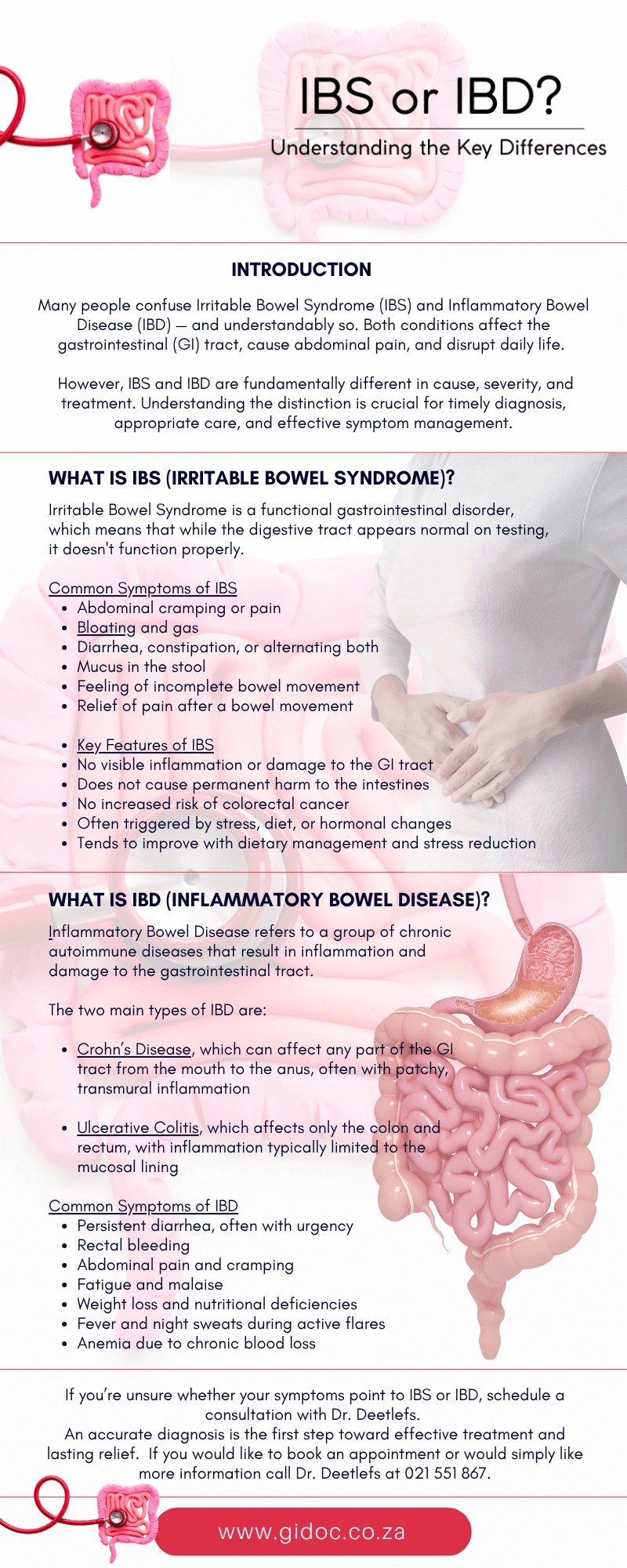
ibs_or_ibd_infographic


Contact the Experts


Dr. Deetlefs has earned the reputation of a trusted health expert providing consultative, diagnostic, and therapeutic endoscopic and related services to patients in Cape Town and beyond. 

Dr. Deetlefs can be contacted to confirm the estimated breakdown should you be interested in having the procedure done.


GIDoc Cape Town

Patient-focused GI treatments and procedures in Cape Town.

Monday-Friday 8AM-4PM.

Connect with Us

© Dr. Eduan Deetlefs, Registered Gastroenterologist, GI Doc Cape Town

Our website information is not intended or implied to be a substitute for professional medical advice, diagnosis or treatment. Please consult a doctor about your specific condition. Only a trained physician can determine an accurate diagnosis and proper treatment.

Spring Clean Your Gut: Digestive Health Tips for a New Season

Spring Clean Your Gut: Digestive Health Tips for a New Season

As winter fades and spring begins to bloom, it’s the perfect time to refresh more than just your home. Your digestive system, often overlooked during colder months, can also benefit from a seasonal reset.

The concept of “spring cleaning” your gut isn’t just a trendy phrase—it’s a proactive way to boost your overall health, improve digestion, and set the tone for the months ahead.

In this article, we’ll explore practical, medically-sound ways to support your digestive system this spring.

From dietary adjustments and hydration to lifestyle changes and the role of probiotics, these tips will help you feel lighter, more energetic, and ready for the new season.


Why Digestive Health Matters


The digestive system plays a crucial role in overall health. It’s responsible for breaking down the food you eat, absorbing nutrients, and eliminating waste.

When your gut is functioning well, it helps maintain a balanced immune system, reduces inflammation, and supports mental health through the gut-brain axis.

However, poor eating habits, lack of fiber, dehydration, stress, and a sedentary lifestyle can throw your gut microbiome out of balance—leading to bloating, constipation, fatigue, or even flare-ups of conditions like IBS, Crohn’s disease, or ulcerative colitis.

Spring is the perfect opportunity to reset and refocus on gut health.

fiber_rich_foods_for_healthy_gut

Tip 1: Add More Seasonal, Fiber-Rich Foods

Springtime brings a bounty of fresh produce that can do wonders for your gut. Fiber is essential for a healthy digestive system. It keeps bowel movements regular and acts as fuel for the beneficial bacteria in your gut.

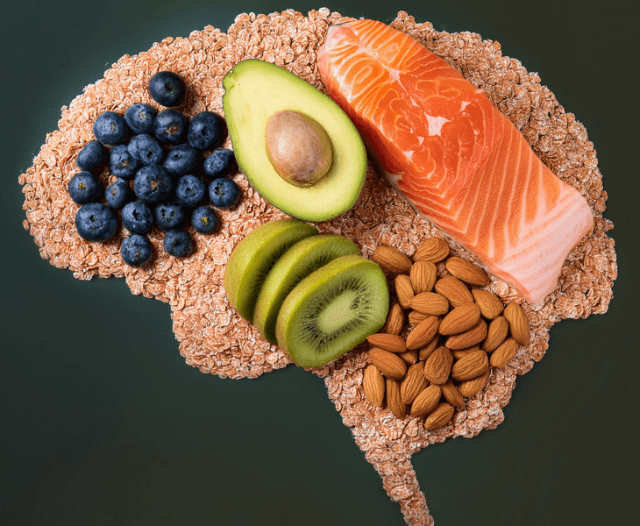
Top spring fiber-rich foods to try:

  • Asparagus: High in inulin, a prebiotic fiber that promotes healthy gut bacteria.
  • Artichokes: Rich in fiber and antioxidants.
  • Peas and green beans: Mild, high-fiber veggies that are easy to digest.
  • Leafy greens: Spinach, kale, and arugula help keep things moving.
  • Berries: Packed with fiber and antioxidants to support both gut and immune health.

Gradually increase your fiber intake to avoid gas or bloating and always drink plenty of water when increasing fiber.


Tip 2: Stay Hydrated for Digestive Ease

Water is essential for digestion. It helps dissolve nutrients, softens stool for regular bowel movements, and supports the lining of the intestines.

During colder months, many people drink less water, especially if they’re not sweating as much. Spring is a great time to get back into a hydration routine. Aim for 6–8 glasses of water a day—or more if you’re active.

Add lemon or mint to your water for a refreshing spring twist, and try herbal teas like ginger or peppermint, which have natural digestive benefits.


Tip 3: Support Your Gut with Probiotics and Prebiotics

Your gut is home to trillions of bacteria—some beneficial and some not-so-much. Keeping this microbiome balanced is key to digestive health.

Probiotics are “good” bacteria that support digestion, immunity, and even mental health. You can find them in:

  • Yogurt with live cultures
  • Kefir
  • Sauerkraut
  • Kimchi
  • Miso
  • Fermented pickles (not vinegar-based)

Prebiotics, on the other hand, are the food that nourishes these good bacteria. Foods like onions, garlic, leeks, and bananas are excellent sources.

Consider adding a probiotic supplement, especially if you’ve recently taken antibiotics or have gut health concerns. But consult your gastroenterologist before starting new supplements.

fiber_rich_foods_healthy_gut


Tip 4: Reduce Processed Foods and Sugar

Processed foods and added sugars can disrupt the gut microbiome, promote inflammation, and contribute to digestive issues like bloating or constipation.

Spring is a great time to cut back on packaged snacks, sugary drinks, and ultra-processed meals. Instead, focus on whole, minimally processed foods.

Make room on your plate for:

  • Lean proteins like grilled chicken or fish
  • Fresh vegetables
  • Whole grains like quinoa or brown rice
  • Healthy fats like olive oil and avocado

Cleaning up your diet doesn’t have to mean strict dieting—it just means being mindful and making healthier swaps.


Tip 5: Get Moving Again

Physical activity promotes regular bowel movements, improves mood, and supports gut motility. If your activity levels dropped during the winter, spring offers an energizing opportunity to re-engage.

Start with daily walks, yoga, or stretching. Gardening, biking, and light hikes are great spring activities that support both mental and digestive well-being.

Even just 20–30 minutes of light to moderate activity a day can make a big difference in how your digestive system functions.


Tip 6: Manage Stress

Stress has a direct impact on the digestive system. It can cause or worsen symptoms of IBS, heartburn, nausea, and abdominal discomfort.

Spring cleaning your gut means addressing your mental wellness too. Incorporate stress-reducing habits such as:

  • Deep breathing exercises or meditation
  • Journaling
  • Spending time in nature
  • Reducing screen time
  • Maintaining a regular sleep schedule

The gut-brain connection is strong—taking care of your mind helps take care of your gut.


Tip 7: Revisit Your Gastrointestinal Health Goals

Have you been postponing a colonoscopy, endoscopy, or follow-up with your gastroenterologist? Spring is an excellent time to get back on track.

If you have chronic digestive conditions like GERD, IBS, IBD, or celiac disease, routine monitoring is essential. And if you’re over 45 or have a family history of colorectal cancer, don’t delay your screening.

Spring is also a good time to:

  • Reassess your medications and supplements
  • Check in about recurring symptoms
  • Discuss new dietary changes or probiotics with your doctor

probitoic_healthy_gut


Tip 8: Try a Gentle Detox—The Right Way

While harsh “cleanses” or laxative-based detoxes can do more harm than good, a gentle digestive reset can be beneficial.

Here’s a safe, natural way to support your body’s detox process:

  • Drink plenty of water
  • Eat whole, unprocessed foods
  • Avoid alcohol and caffeine for a few days
  • Increase fiber gradually
  • Add herbal teas like dandelion or chamomile

Remember: your liver, kidneys, and digestive system are already designed to detox your body. Supporting these organs with smart choices is all you need.


When to See a Gastroenterologist


As you spring-clean your gut, pay attention to any persistent or unusual symptoms, such as:

  • Chronic bloating or abdominal pain
  • Irregular bowel movements (diarrhea or constipation)
  • Blood in stool
  • Sudden weight loss
  • Heartburn or reflux that doesn’t improve

These could be signs of a more serious underlying condition that needs medical evaluation. Early diagnosis and treatment can prevent complications and improve your quality of life.

If you’re unsure where to begin, consult your gastroenterologist for a personalized plan.


Conclusion


Spring is a time of renewal—and your gut health should be part of that transformation.

By incorporating fresh, seasonal foods, staying hydrated, nurturing your gut microbiome, reducing stress, and staying active, you can “spring clean” your digestive system in a way that promotes long-term wellness.

Whether you’re managing a digestive disorder or simply looking to feel better day to day, these tips can help you start the new season with a healthier gut and a renewed sense of vitality.

If you have ongoing concerns or want professional guidance, don’t hesitate to reach out to your gastroenterologist. A healthy gut is the foundation of a healthy you.

springclean_your_gut_digestive_health_infographic


Get in Contact with Dr. Deetlefs

Gi Doc Capetown is a practice founded to provide medical solutions in the area of gastroenterology.

Over the years, Dr Eduan Deetlefs has earned the reputation of a trusted health expert providing consultative, diagnostic, and therapeutic endoscopic and related services to patients in
Cape Town and beyond.

If you would like to book an appointment with a gastrointestinal (GI) specialist or would simply like more information on a particular GI topic, don’t hesitate to use our online booking form or call Dr. Deetlefs at 021 551 867.

GIDoc Cape Town

Patient-focused GI treatments and procedures in Cape Town.

Monday-Friday 8AM-4PM.

Connect with Us

© Dr. Eduan Deetlefs, Registered Gastroenterologist, GI Doc Cape Town

Our website information is not intended or implied to be a substitute for professional medical advice, diagnosis or treatment. Please consult a doctor about your specific condition. Only a trained physician can determine an accurate diagnosis and proper treatment.

Gastroscopy vs. Colonoscopy: What’s the Difference?

Gastroscopy vs. Colonoscopy: What’s the Difference?

The human digestive system is a complex network responsible for breaking down food, absorbing nutrients, and eliminating waste.

However, various conditions can affect different parts of this system, leading to discomfort, pain, and serious health concerns.

To diagnose and treat gastrointestinal (GI) disorders, doctors use endoscopic procedures like gastroscopy and colonoscopy.


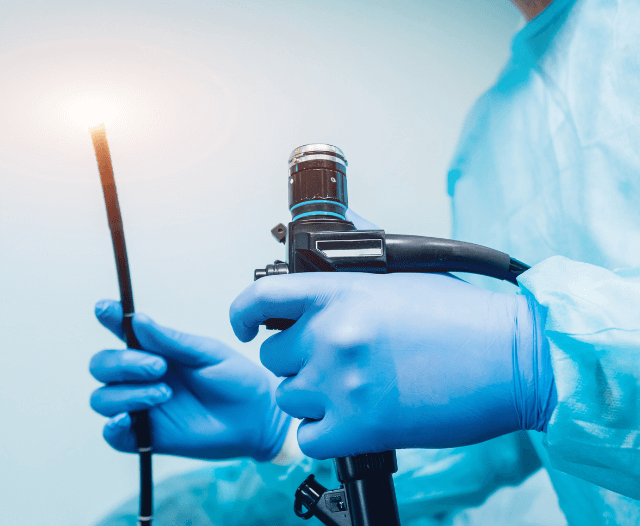
Both gastroscopy and colonoscopy involve the use of an endoscope—a flexible tube with a tiny camera—to examine different parts of the digestive system.

However, these procedures target different areas, diagnose different conditions, and require different preparation methods.


If your doctor has recommended one of these procedures, understanding the differences, similarities, and what to expect can help ease any anxiety and ensure you’re well-prepared.


What Is Gastroscopy?


Definition and Purpose

Gastroscopy, also known as esophagogastroduodenoscopy (EGD), is a diagnostic procedure used to examine the upper digestive tract, which includes:

  • Esophagus (the tube that carries food from the mouth to the stomach)
  • Stomach
  • Duodenum (the first part of the small intestine)

A gastroscope is inserted through the mouth and passed down the esophagus to visualize and assess any abnormalities in these areas.


Why Is Gastroscopy Performed?


Doctors may recommend a gastroscopy for several reasons, including:

  • Persistent heartburn (GERD)
  • Difficulty swallowing (dysphagia)
  • Unexplained nausea or vomiting
  • Upper abdominal pain or bloating
  • Suspected ulcers
  • Gastrointestinal bleeding
  • Unexplained weight loss
  • Screening for stomach cancer or celiac disease

How Gastroscopy Is Performed


  • Preparation: Patients must fast for at least 6 to 8 hours before the procedure to ensure the stomach is empty.
  • Sedation: A mild sedative or local anesthetic spray may be used to reduce discomfort.
  • Insertion of the Gastroscope: The doctor inserts the gastroscope through the mouth and gently advances it through the esophagus, stomach, and duodenum.
  • Evaluation & Biopsy: The doctor examines the tissue lining and may take a small sample (biopsy) for further testing.
  • Completion: The procedure usually takes 10 to 20 minutes. Patients may experience mild throat discomfort afterward.

gastroscopy_procedure_benefits


What Is Colonoscopy?


Definition and Purpose

Colonoscopy is a diagnostic procedure used to examine the lower digestive tract, specifically:

  • Rectum
  • Colon (large intestine)

A colonoscope is inserted through the anus and advanced through the colon to identify abnormalities such as polyps, inflammation, and cancerous growths.


Why Is Colonoscopy Performed?


Doctors recommend colonoscopy to detect and diagnose conditions such as:

  • Colorectal cancer screening (especially for individuals over 45 years old)
  • Removal of polyps before they become cancerous
  • Chronic diarrhea or constipation
  • Unexplained rectal bleeding
  • Irritable Bowel Syndrome (IBS) or Inflammatory Bowel Disease (IBD)
  • Abdominal pain, bloating, or changes in bowel habits
  • Monitoring for previous history of colorectal cancer or polyps


How Colonoscopy Is Performed


  1. Preparation: Patients must follow a colon cleansing regimen the day before the procedure, which involves drinking a special laxative solution to clear the bowels.
  2. Sedation: Most patients receive mild sedation to ensure comfort.
  3. Insertion of the Colonoscope: The doctor inserts the colonoscope through the anus and advances it through the colon.
  4. Evaluation & Biopsy: The doctor examines the colon lining, removes any polyps, and may take a biopsy if needed.
  5. Completion: The procedure takes 30 to 45 minutes. Patients may experience mild bloating due to the air introduced during the procedure.

colonoscopy_procedure_benefits


Key Differences Between Gastroscopy and Colonoscopy


Both gastroscopy and colonoscopy are endoscopic procedures used to examine different parts of the digestive system. While they share similarities, they serve distinct purposes, target different areas, and require different preparation methods.

Understanding their key differences can help patients feel more informed and prepared for these procedures.


Area of Examination

The most significant difference between gastroscopy and colonoscopy is the area of the digestive tract they examine:

Gastroscopy (EGD) examines the upper digestive tract, which includes the:

  • Esophagus (the tube that connects the mouth to the stomach)
  • Stomach
  • Duodenum (the first part of the small intestine)

Colonoscopy focuses on the lower digestive tract, specifically:

  • Rectum
  • Colon (large intestine)


Gastroscopy Is Used to Diagnose:


  • Gastroesophageal reflux disease (GERD)
  • Peptic ulcers
  • Esophageal varices (enlarged veins in the esophagus)
  • Hiatal hernia
  • Gastritis (inflammation of the stomach lining)
  • Celiac disease
  • Esophageal or stomach tumors

Colonoscopy Is Used to Diagnose:


  • Colorectal cancer (CRC) screening
  • Polyps (small growths in the colon that may develop into cancer)
  • Diverticulosis and diverticulitis
  • Ulcerative colitis and Crohn’s disease (forms of inflammatory bowel disease)
  • Chronic diarrhea or constipation
  • Unexplained rectal bleeding


How the Procedure Is Performed


Gastroscopy:

  • A thin, flexible tube (gastroscope) with a camera is inserted through the mouth.
  • It is guided down the throat, through the esophagus, into the stomach, and into the duodenum.
  • The doctor examines the lining of the upper digestive tract and may take a biopsy if necessary.

Colonoscopy:

  • A colonoscope, a longer and slightly wider tube, is inserted through the anus.
  • It is gently advanced through the rectum and colon to examine the lining of the large intestine.
  • The doctor may remove polyps, take biopsies, or address sources of bleeding.

benefits_colonoscopy


Preparation Before the Procedure


Gastroscopy Preparation:

  • Patients must fast for 6 to 8 hours before the procedure to ensure the stomach is empty.
  • Clear liquids may be allowed up to 2 hours before the procedure.
  • No bowel preparation is needed.

Colonoscopy Preparation:

  • Patients must follow a strict bowel-cleansing regimen the day before the procedure.
  • This includes drinking a laxative solution to clear the colon of stool.
  • A clear liquid diet is recommended for 24 hours before the procedure.
  • Proper preparation is crucial for an accurate examination.


Sedation and Comfort Level

Both procedures can be uncomfortable, but sedation helps ease any discomfort.


Gastroscopy:

  • Usually performed with mild sedation or a throat-numbing spray to reduce gag reflex.
  • Some patients may experience mild throat irritation after the procedure.

Colonoscopy:

  • Typically requires moderate to deep sedation for patient comfort.
  • Patients may experience mild bloating or cramping due to air introduced during the procedure.


Duration of the Procedure


  • Gastroscopy is a shorter procedure, typically lasting 10 to 20 minutes.
  • Colonoscopy takes 30 to 45 minutes, depending on findings such as polyps that need removal.


Recovery Time and Aftercare


Gastroscopy:

  • Patients can typically resume eating and drinking within a few hours.
  • If sedation was used, driving should be avoided for 24 hours.
  • A mild sore throat may persist for a few hours.

Colonoscopy:

  • Patients may experience gas, bloating, or mild cramping due to the air introduced during the procedure.
  • Normal eating can resume, but a light diet is often recommended at first.
  • If polyps were removed, minor rectal bleeding may occur.
  • Driving should be avoided for 24 hours if sedation was used.


What to Expect After the Procedures


Recovery After Gastroscopy

  • Patients may have a mild sore throat or bloating.
  • Normal eating and drinking can usually resume within a few hours.
  • If sedation was used, patients should avoid driving for 24 hours.

Recovery After Colonoscopy

  • Patients may experience gas, bloating, or mild cramping.
  • A light diet is recommended for the first few hours.
  • If polyps were removed, minor rectal bleeding may occur.
  • Driving should be avoided for 24 hours if sedation was used.


When Should You See a Doctor?


If you experience any of the following symptoms, a gastroscopy or colonoscopy may be necessary:

  • Chronic acid reflux or heartburn
  • Difficulty swallowing or persistent nausea
  • Blood in stool or black, tarry stools
  • Unexplained weight loss
  • Chronic diarrhea or constipation
  • Severe abdominal pain or bloating

gastroscopy_vs_colonoscopy_infographic


Conclusion


Both gastroscopy and colonoscopy are essential diagnostic tools for evaluating gastrointestinal conditions. While gastroscopy focuses on the upper digestive tract, colonoscopy examines the lower digestive tract.

If your doctor recommends either procedure, understanding the differences, preparation, and recovery process can help ease concerns. Both procedures play a crucial role in early detection and prevention of serious GI conditions.

If you have ongoing digestive symptoms, don’t wait—schedule a consultation with a gastroenterologist today.


Get in Contact with Dr. Deetlefs


If you would like to book an appointment with a gastrointestinal (GI) specialist or would simply like more information on a particular GI topic, don’t hesitate to use our online booking form or call Dr. Deetlefs at 021 551 867.

GIDoc Cape Town

Patient-focused GI treatments and procedures in Cape Town.

Monday-Friday 8AM-4PM.

Connect with Us

© Dr. Eduan Deetlefs, Registered Gastroenterologist, GI Doc Cape Town

Our website information is not intended or implied to be a substitute for professional medical advice, diagnosis or treatment. Please consult a doctor about your specific condition. Only a trained physician can determine an accurate diagnosis and proper treatment.